Category: Community

  • Strategies for Coping with Social Anxiety When You Find It Overwhelming: What You Can Do Before You Even Go Outside

    Strategies for Coping with Social Anxiety When You Find It Overwhelming: What You Can Do Before You Even Go Outside

    Having social anxiety can be difficult. Within the past three years in particular, discussions about it have increased because COVID-19 has resulted in people staying at home much more than before and being around others again is causing discomfort for many. Some may even feel overwhelmed by this anxiety at times as well as are unsure how to effectively handle it.

    If you’ve been experiencing social anxiety that’s overwhelming, here are strategies for coping and suggestions for what you can do before even going outside.

    Strategies for Coping with Overwhelming Social Anxiety

    Prepare for Your In-Person Interactions

    A main aspect of social anxiety is worrying about how your interactions will go with others. Therefore, a good way to take some pressure off of yourself in this respect includes preparing for these interactions. To provide an example, if you’re running errands that must be done in-person such as going to a bank and seeing a teller or financial advisor, plan what you’ll say. You could even carefully word your requests prior to saying them. The same goes for responses to questions you anticipate will be asked of you. This preparation might put you more at ease and even increase your confidence when speaking with others.

    Engage With Breathing Exercises

    Research breathing exercises that address social anxiety. These types of exercises won’t take up too much of your time and can easily be done just before you open the door to go outside. There’s a good chance that you’ll find some online that can help calm you down.

    Remind Yourself That Others Are Usually Not Critical of How You Act

    Often times, you are much more worried and critical of how you act than others. It’s understandable if you anticipate making a mistake or believe you’ll be awkward during your exchange with someone but try not to solely focus on this as it won’t help. Taking the example above that involves going to a bank, the teller or financial advisor probably won’t remember these details about your interaction by the end of the day as they see so many different people on a regular basis. Though challenging, remind yourself that completing the errand is what’s important and to not dwell on what you believe the other person thinks of you as there’s no need for it.

    Try Seeing a Mental Health Professional

    If you have social anxiety that’s significantly affecting various areas of your life, try seeing a mental health professional. They’ll help tackle these anxious feelings you’ve been experiencing by providing useful approaches. Also, many related services are available remotely as well as in-person. A directly related goal could even be starting off your appointments through video calls, then working towards feeling comfortable enough to leave home and see the professional in person.

    Experiencing social anxiety is particularly difficult, especially when living in a world where strong interpersonal skills are often expected of us. However, given the unique circumstances with COVID-19, society has lately been more empathetic toward those who have this anxiety. Therefore, it’s crucial to figure out how to address it, but also not be too tough on yourself in the process. If you’re prepared to try your absolute best while considering the advice above, you have the tools for successfully coping with social anxiety.
  • How the pandemic changed me.

    How the pandemic changed me.

    Content Warning: Domestic Violence and Mental Health


    Looking back on the last four years, I realize how much about me and my life has changed because of the pandemic.

    When the world shut down, I was in the tenth grade. I was just beginning to understand who I wanted to be. Also, I was in a brand-new relationship.

    The pandemic was an extremely isolating experience. During a time of my life where I was meant to be out with friends, in high school, and working, I was stuck in my home. Within two months I felt completely hopeless. As someone who struggled with anxiety prior to the pandemic, my anxiety skyrocketed with this new world. I turned to my doctor, and I was lucky enough to be put on anxiety medications. Those medications made an enormous difference. The hopelessness diminished, and I felt more human again. Then things picked up with my relationship.

    Unfortunately, what I thought was going to be a healthy relationship turned into a domestic violence situation. For the year and a half of a shut-down world, I lived with a man who abused me. And this was not an uncommon occurrence. Time Magazine notes that “growing evidence shows the pandemic has made intimate partner violence more common – and often more severe.” The isolation of the pandemic turned dangerous and stressful. Not only was I struggling severely mentally, I was pushed into a situation where I was physically unsafe. With these things combined, I was not capable of leaving my house. I was trapped by my mind and a person. I couldn’t go to work, and I was attending school online to avoid being outside; 2020-2022 were undoubtedly the worst years of my life.

    The good news is none of those things lasted forever. Once the world started to reopen and things became accessible, my relationship ended. I was free from isolation and could make choices for myself again. At first, I had to work through all the torment and try to understand exactly what happened to me. This process was long. I only felt better and safer a year after the relationship ended.

    Presently, I am amazed at my progress. I am now surrounded by friends and family who love me wholeheartedly and gently. I am working part time and am a full-time college student. I’ve started therapy. And finally, I feel ready to get off my anxiety medication. The pandemic was a terrible time for me, and everyone else. However, looking back on it now, I think I learned and grew so much. I learned that love is not supposed to hurt. I learned it is okay to take a break and seek help. And I learned I am a strong and capable person.

    If you had told me three years ago, I would attend college, be working, and have a social life I would have laughed in your face. These concepts all seemed so out of reach for me. And now that I have them, I feel like I can do anything. I implore you to look at your own experiences and appreciate how much you have grown. Be proud that you are not who you once were. You are capable, strong, and so wonderful. You are worthy of great love, excellent support, and a life you are proud of.


    References

    https://time.com/5928539/domestic-violence-covid-19/

  • Coping with the mental health impacts of the death of a friend or family member

    Coping with the mental health impacts of the death of a friend or family member

    Seven months ago, I lost my grandmother. She was my last grandparent, and so the loss hit me very hard. I have quite a large family, but she was definitely the glue that held us together. Losing a loved one is a troublesome thing to work through. Despite it seeming like the grief will be impossible to work through, there are small things you can do to make it easier.

    I suffer from anxiety, and a panic disorder, so big changes disrupt my mental stability. Losing my grandmother was a drastic change in my life, and therefore, disrupted my mental state. My first piece of advice is to not go through your grief alone. Grief is something everyone will go through, and it is important to find support in others to not feel so isolated. If you are dealing with the death of a family member, look to your other family members for support. They are experiencing the same sort of loss as you are, so it may be nice to discuss your feelings with them.

    Another thing to keep in mind is to not be afraid of your feelings. During a time of bereavement, sometimes it’s comforting to avoid emotions all together and numb out these negative feelings. When you do this, your body holds on to your stress and the negative feelings will present themselves in physical symptoms. By allowing yourself to feel whatever you need to, there’s a release of tension. Expressing emotions is very freeing. Let yourself be free.

    Third, know that the grief will lessen. I can’t say the feeling fully goes away; however, it will become more manageable. Eventually, the heaviness of grief will leave your shoulders and a small part of it will rest in your heart. Grief sticking with you isn’t a bad thing. It allows you to remember your loved one and keep them with you. As author Jamie Anderson said, “Grief I’ve learned, is really just love. It’s all the love you wanted to give, but cannot.” It is never a bad thing to love.

    If you are finding your grief is far too much for you to bear, therapy is always an option. There are many different therapy types, and each individual therapist has their own style. You can find one who specializes in bereavement counseling, so you can specifically discuss the loss of your loved one. Another option is to find bereavement groups. Some groups are specifically for widows or parents who have lost their child. In these groups, you will find people going through a very similar situation as you. Finding people who can relate to your situation is very comforting.

    Overall, the most important thing is to remember you are never alone when dealing with loss. There is someone who is experiencing, or who has experienced your situation. They may have good advice on what to do. Never be afraid to reach out to someone if you need help.

  • “I Feel Empty”: How To Make Sense Of “Feeling Empty” And How To Get Better

    “I Feel Empty”: How To Make Sense Of “Feeling Empty” And How To Get Better

    Without a doubt, emotions remain a very complex topic. This complexity especially refers to dealing with negative emotions. Common examples are anger, sadness, and frustration. Nonetheless, another one that some would say isn’t discussed as much is feeling “empty.” At times, “emptiness” can be difficult to articulate and, in turn, also difficult to address.

    If this is what you’re going through right now, here is how to make sense of “feeling empty” as well as ways you can get better:

    Making Sense of “Feeling Empty”

    “Feeling empty” means that it almost seems as though you aren’t feeling any emotions at all. Life has a sense of bleakness because you can’t understand why you should be happy about, or satisfied with, anything. It would make sense if you were to additionally describe “feeling empty” as experiencing overwhelming “uncertainty,” “hopelessness,” or “numbness.”

    All in all, this could also lead to more negative emotions, including depression and anxiety.

    How to Get Better

    Take Inventory of the Things You Feel Are Lacking In Your Life

    This feeling of emptiness may stem from lacking fulfillment in certain areas of your life. For instance, are you not as close to loved ones as before? Do you find that goals you have aren’t as meaningful as they used to be? Do you still feel unsatisfied even after achieving these goals or end up not caring if you do?

    Overall, taking this inventory might help you get to the root of the issue. Doing so could lead to a breakthrough by either changing your perspective regarding these things or have you take a step back and re-examine what you truly want/need.

    Find a Medium to Express Your Feelings and What You Think You Need to Feel Better

    Another great way to get better is finding the best medium you can use to express how you’re feeling and what you think you need to feel better. It could be anything. Some suggestions would be writing in a journal on a regular basis, drawing, or even creating a fictional story about a character who is going through something similar. These activities possess potentially therapeutic qualities and therefore could benefit you in this respect. A notable one includes turning these into larger, personal projects and providing you with a sense of accomplishment.

    Try Seeing a Mental Health Professional

    If you find that your efforts aren’t helping, it might be a good idea to try booking an appointment with a mental health professional. Tell them about what you’ve been experiencing, and they will likely provide pointers that can help guide you as you continue to address how you’re feeling.

    Remember: tackling emotional challenges usually takes time, so be patient. Negative emotions are tricky to manage and in most if not all cases, you won’t know when you’ll begin to improve. Continue trying and seeking avenues that could help. Of course, there’s no telling exactly what the remainder of your journey through this situation will look like, but if you take the advice stated above, you’re well on your way to feeling better.

  • A look at Seasonal Affective Disorder

    A look at Seasonal Affective Disorder

    By Bhargavi Venkataraman

    When the days get shorter and the wind gets chillier, people seem to want to stay in bed just a little longer. It becomes harder to get up in the morning and there is a sense of blueness in the air. It turns out that the timing is not a coincidence and these symptoms might point to Seasonal Affective Disorder (SAD). This is a specific subtype of depression that is related to the changing seasons. For most people, it starts annually in the fall and continues well into the winter season. This may mean that as the cold and snowy weather stretches into February and beyond, some of you might undergo sustained SAD.

    What does Seasonal Affective Disorder look like?

    The American Psychiatric Association officially classifies SAD as a version of major depressive disorder with seasonal variations. Accordingly, symptoms of this disorder include mood changes along with symptoms of depression. I will specifically focus on winter SAD for the purposes of this article. These symptoms will include:

    • Sadness
    • Anxiety
    • Carb cravings and weight gain
    • Drastic tiredness
    • Feelings of despair and despondency
    • Difficulties with concentrating
    • Feelings of irritation
    • Feelings of weight in limbs
    • Withdrawal from social activities
    • Issues with oversleeping
    • Thoughts of death and suicide

    What causes Seasonal Affective Disorder?

    There is still a lot of questions around the causes, but it is thought that the reduced sun exposure during this time might trigger the condition if you are already disposed to getting it. Some other reasons include:

    Biological Clock Change: There is a shift in the biological clock which is responsible for modulating your mood, sleep, and hormones when there is inadequate sun exposure. This might result in you being unable to adjust to the new schedule and result in lethargy.

    Brain Chemical Imbalance: If at risk for SAD already, you might have a previous deficiency of serotonin (the happy chemical) activity. Sunlight helps to regulate serotonin so the insufficient sunlight during this time can further depreciate your serotonin levels, resulting in depression.

    Vitamin D Deficiency: Vitamin D is another contributor to serotonin levels. The sun helps produce Vitamin D, so sunlight deficiency also results in vitamin D deficiency during the winter, ultimately reducing your serotonin level and worsening your depressive symptoms.

    Melatonin Increase: Melatonin is a hormone which is produced in response to darkness and regulates sleep and mood. During the winter time, the lack of sunlight results in overproduction of melatonin for some. This can increase feelings of drowsiness and apathy.

    Bad Outlook on Winter: There have been some research showing that those with SAD often associate stress, anxiety, and negative thoughts with the winter season. It is not clear if this is a contributing factor or an effect of seasonal depression.

    How do you treat Seasonal Affective Disorder?

    There are a couple ways in which you can manage and treat SAD. Two common suggestions involve increasing your exposure to light, either through spending more time outdoors or near a window or by engaging in light therapy where you expose yourself to a special light for a particular amount of time each day. This is to manage the previously mentioned symptoms that occur due to insufficient sunlight during the winter. Alternatively, there are also some more traditional options for the treatment of depression such as psychotherapy and antidepressants. These will help remedy your distorted self-concept and interpersonal relationships skills and offset the chemical imbalance occurring in SAD, respectively.

    There are also other everyday things you can do to better your wellbeing as a whole. These include eating healthy and balanced meals, exercising regularly in a way that you are comfortable, talking to someone (could be a trusted confidante or a healthcare provider), and limiting consumption of alcohol and/or drugs. It is also important to remember to take things one step at a time. You cannot just get out of your depressive state in one day or with one turn. It is a slow process but remember that you are not alone and take it day-by-day!

  • Examples of recent movies, shows, and games with positive portrayals of disabilities

    Examples of recent movies, shows, and games with positive portrayals of disabilities

    By Rabia Khan

    Winter and the holiday season are all about experimenting with content; the weather forecast has somehow forced us to rely on Netflix and quit us from going outside because of unexpected blizzards and stormy winds. Movies are a great piece of our lives, that shape our perspectives and bring us near to our favourite actors. As we’ve grown in recent years, positive portrayals of disabilities in movies often struck our emotional strings in the most vulnerable ways. People with disabilities are often portrayed as feeble and weak in movies, shows, or games, but we learn how strong they are as movies and society progress further. There’s even a hero with disabilities in movies now!

    Here are examples of recent multimedia content with positive portrayals of disabilities.

    1. A Beautiful Mind

    A Beautiful Mind is a terrific movie based on Josh Nash, a well-known mathematician. The film details his heart-wrenching journey with schizophrenia. He experienced the first signs of schizophrenia during the 1950s and despite the odds, Josh Nash made history in the mathematics world as well as game theory.

    1. The Theory of Everything

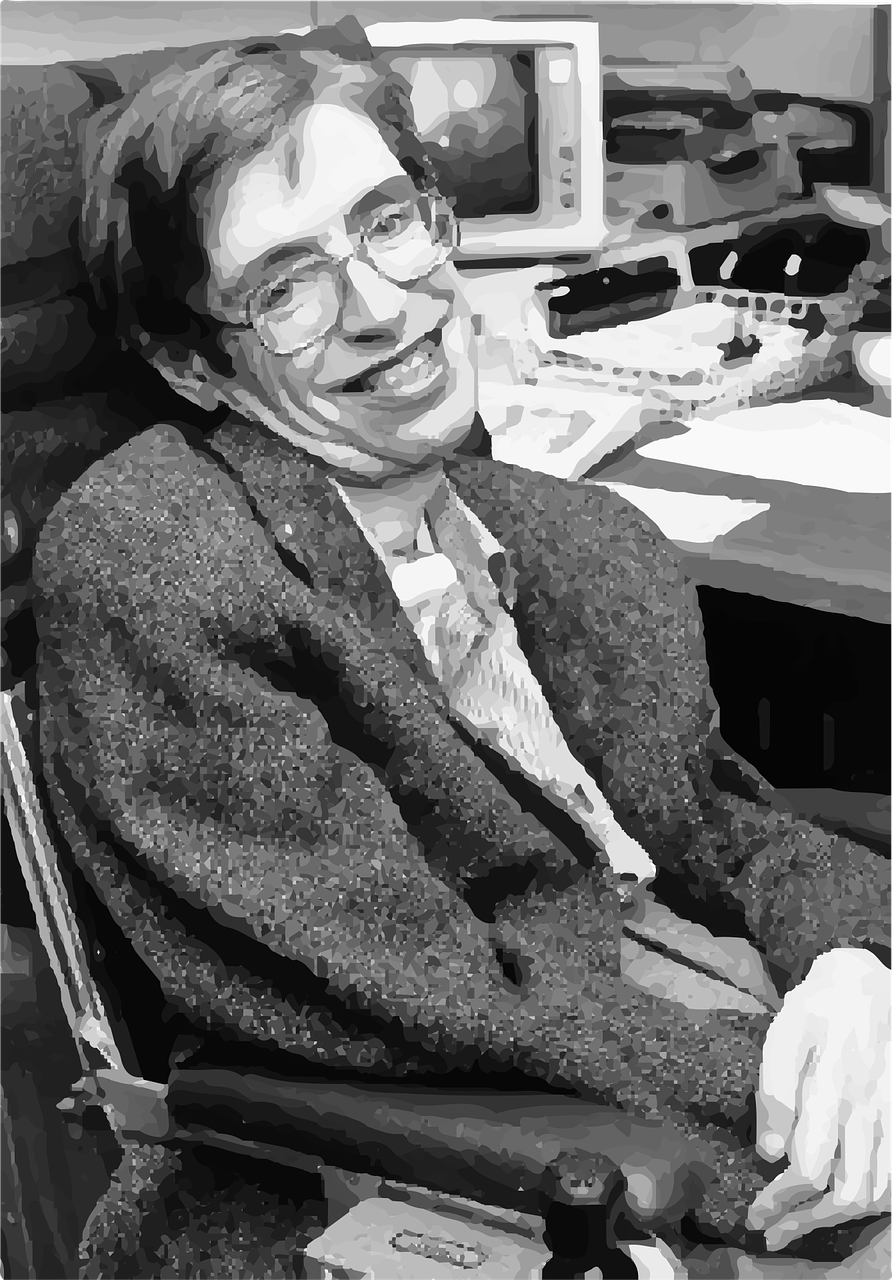
    The Theory of Everything is based on the life of brilliant physicist Stephen Hawking. At age 21, the genius became a victim of a deadly Lou Gehrig disease. Hawking started documenting his life after he lost the use of his limbs. He is one of the most celebrated minds to date. The Theory of Everything is considered one of the best portrayals of real-life disability.

    1. Atypical

    Atypical is a popular coming-of-age Netflix series released in the year 2017. The story is quite different from other Netflix shows. Atypical tells the tale of a young teenager with autism who manages to live the life of a typical teen. Unfortunately, After the show aired, it received a negative reception for its portrayal of autism and later, the character fell victim to extreme backlash.

    1. The Tovertafel games

    Games are often considered good food for the brain. The Tovertafel games are co-designed for seniors who experience dementia and those who suffer from cognitive disabilities. The intention is to improve the life quality of elderly people. These games can benefit all age groups as they can decrease agitation.

    1. “Only Murders in the Building”

    A recent release featuring mental health advocate Selena Gomez, “Only Murders in the Building” has not only one but two characters with disabilities. The role of the deaf Theo played by actor James Caverly has become a popular character of 2022. James is deaf in real life too. The second character is actress Ali Stroker who uses a wheelchair.

    1. “Panic”

    “Panic” is a high-strung show that airs on Amazon Prime. It’s fun and entertaining! Each summer, graduating seniors compete in challenging competitions that transform their lives. The story of the show unfolds when an accident during panic strikes unexpectedly, and Dayna Mason becomes paralyzed. Taking part in a challenge to avenge their sister, siblings come together to make history. 

    1. The Upside

    One of the most beautiful movies released in 2017, The Upside focuses on a wealthy businessman’s disabled life after a devastating paragliding incident. It sews multiple emotions at once on the screen. It’s hard to ignore teary-eyed scenes and not sob. The film features legendary actor Bryan Cranston, comedian Kevin Hart, and Hollywood star Nicole Kidman.

  • A look at the AGO’s spotlight on Indigenous artists for 2023

    A look at the AGO’s spotlight on Indigenous artists for 2023

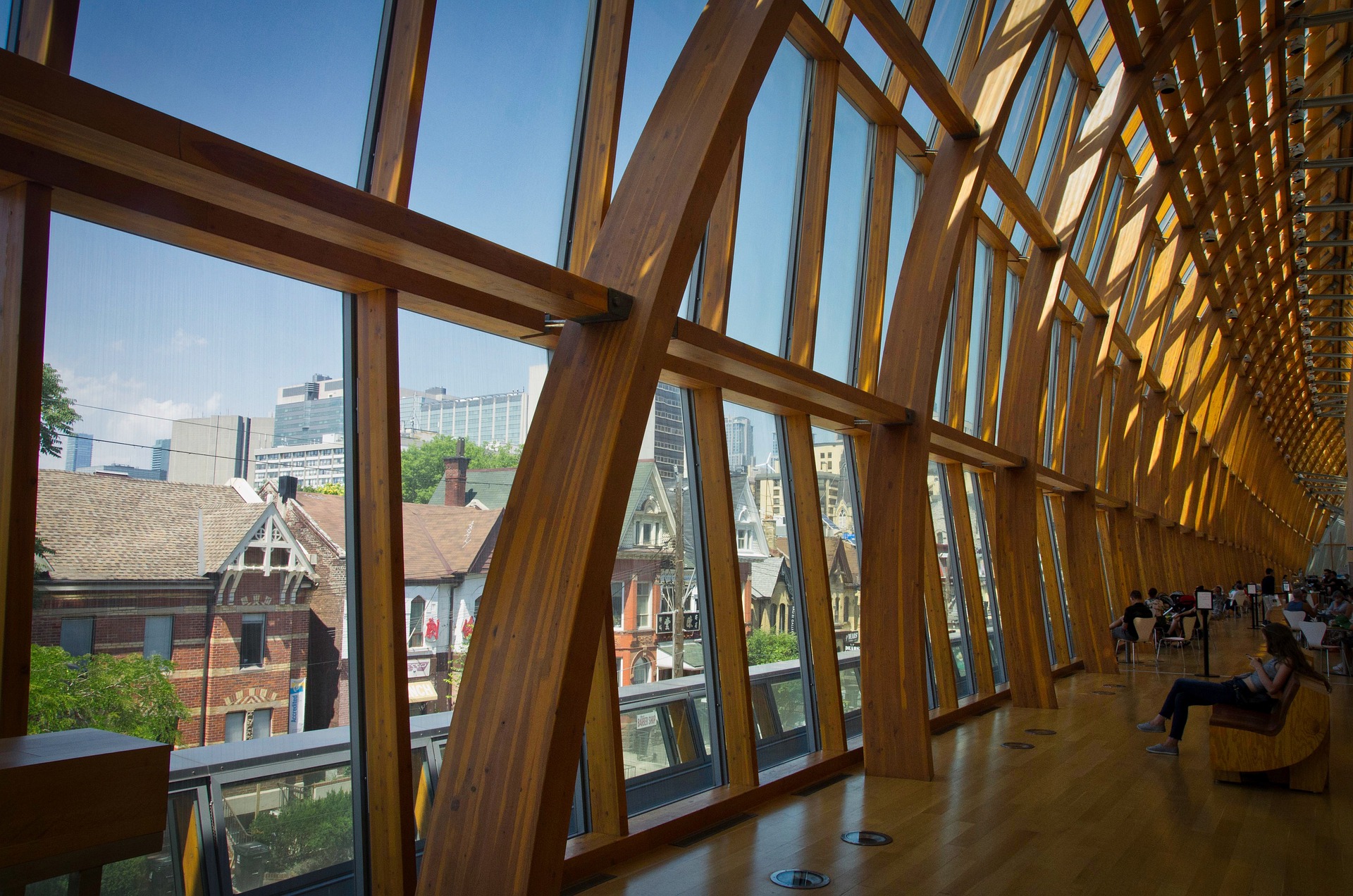
    The Art Gallery of Ontario, or the AGO, is spotlighting a range of talented Indigenous artists in the new year. Beginning in January, the AGO will showcase works by artists such as Ningiukulu Teevee, David Ruben Piqtoukun, asinnajaq, Robert Kautuk, and Raymond Boisjoly.

    In mid-January, the gallery will display works by Inuk artist Ningiukulu Teevee, a talented graphic artist and writer from Kinngait (Cape Dorset), NU. Teevee shares her unique perspective on historical and contemporary Inuit culture through visual art and writing. The Inuit Art Foundation comments on her talent for capturing and distilling stories into drawings and prints, stating that she is an artist known for her frequent and playful translation of traditional stories into dynamic compositions. A successful artist, Teevee wrote, illustrated, and published her first children’s book titled Alego in 2009, a story that recalls her experiences growing up and digging for clams with her grandmother. The story vividly illustrates her experience learning about different sea life. Teevee’s works have been showcased in various exhibitions across Ottawa, Washington, Toronto, and Manitoba.

    In January, the AGO will also open “We Are Story: The Canada Now Photography Acquisition”. This will feature newly acquired photos by 10 Canadians, including Inuk multidisciplinary artist asinnajaq, and photographers Robert Kautuk and Raymond Boisjoly. A storyteller, asinnajaq uses her art to weave together narratives of land, water, and Inuit histories. She is an advocate for the environment, community engagement, and sharing of Inuit culture through art. Robert Kautuk’s work centers around the themes of Inuit self-determination, documenting, preserving, and celebrating traditional knowledge. Lastly, Raymond Boisjoly is a Vancouver-based artist who questions the way popular media situates Indigenous art and artists within a colonial context. He offers a new perspective on investigating everyday items.

    Furthermore, more than 60 works by Inuvialuk sculptor David Ruben Piqtoukun will be featured in an exhibition. Born in Paulatuk, Northwest Territories, Piqtoukun experienced a nomadic lifestyle which he explains instilled a deep and lasting love for the beauty of land and nature. These themes are often reflected in his work. At age five, he was removed from his community to attend residential school. Through this forced change, David experienced an upheaval of his identity which led him to question his purpose. In spite of this, he has pursued life by tapping into his instincts to survive through trial and error. He started collecting traditional stories from his parents and elders, resulting in his work taking a leap into Inuit mythology. He enjoys working with various materials and now uses his artwork as a source of learning and teaching. He has a number of collections across the world; his work has been displayed in Canada, the United States, Russia, China, Greenland, and Germany to highlight a few. He has also had many solo and group exhibitions over the years. You can learn more about David’s works on his website.

    With a diverse range of artists and art styles, a trip to the AGO is a must-visit for your 2023 bucket list. Visitors between the ages of 14-25 can register for a free AGO Annual Pass which gives unlimited access to the AGO and its special exhibitions. See you at the art gallery!

  • A Quick Look into Innovations for the Visually Impaired

    A Quick Look into Innovations for the Visually Impaired

    With the world being on lockdown for two years due to COVID, travel restrictions were imposed in most countries, if not all. Once these constraints were lifted due to the pandemic finally easing up, most people had traveling as their first item on their to-do list. However, since the majority of people all had the same intentions, traveling post-pandemic whether as individuals or as families often doesn’t go as smoothly as they were pre-pandemic. For some who had to deal with constantly changing flights, cancelled flights at the last minute, crowded airports, and lost baggage, the experience turned into a nightmare.

    However, nothing can compare of the experience of a visually impaired couple traveling with their baby who came from a holiday in Greece. On their way back home, they were refused boarding by an airline unless they come with an escort. However, doing so meant that they had to pay for another seat, so they declined. It wasn’t until a fellow passenger offered to be their escort that they were allowed to board.

    Such is only one of many stories of discrimination faced by the visually impaired population. Thankfully, with the evolving social climate, things are gradually starting to change, and there are more efforts to ignite changes that can further improve the quality of life for people with disabilities. With the World Braille Day on January 4th in honour of the birthday of Braille’s inventor, Louis Braille, there is more awareness for the need of these efforts. Let’s take a quick look below.

    First, a bit of history… 

    As a kid growing up in France, Louis Braille lost his eyesight when he accidentally stabbed himself in the eye with his father’s awl. By the time he reached 10 years old, he spent time at the Royal Institute for Blind Youth, where he worked on a system of raised dots that eventually became known as braille.

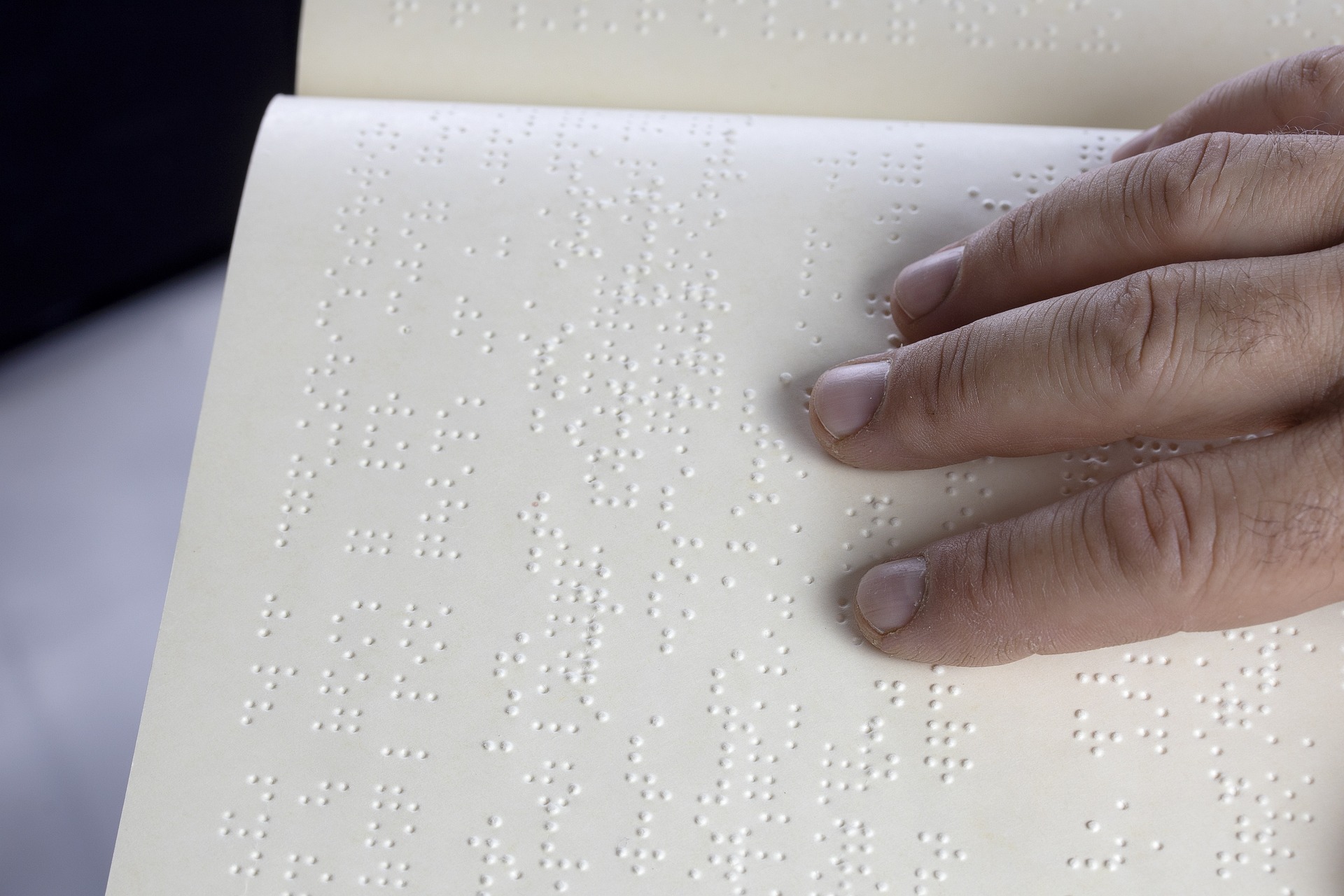
    Braille is a code based on cells with six dots representing letters and numbers. This made it possible for the blind to feel the whole cell unit by touching them with their fingertip and moving from one cell to the next. Unfortunately, Braille didn’t live to see how his invention changed the world as he passed away in 1852, only two years before the Royal Institute began teaching braille.

    Cellphones

    MINIVISION2 CELL PHONE

    This cellphone was especially made for the visually impaired. Its most recent edition comes with a new physical keyboard with large-spaced keys with textured relief markings and a good grip, plus voice commands to enable users to make phone calls or send text messages. It also features a built-in premium speech synthesis, camera and photo gallery, MMS, light detector, “Where am I?” geolocation function, and a physical SOS button on the back—all of which make it a truly useful device.

    Apps

    TAPTAPSEE

    There’s no shortage of apps that cater to the visually impaired to help them in their daily lives. However, there’s only a few that works for both Android and iOS devices, and one of them is TapTapSee. All you need is to point the cellphone camera and it will take a photo at any angle. Afterwards, you will hear the description of the object read back to you.

    Mobility

    HEARSEE

    While cellphones and apps can provide the visually impaired with the right directions if they need to go somewhere, it’s best to have an actual physical device that aids them in their mobility. This is where Hearsee Mobility comes in, a relatively new invention that started in 2018. This is a smart cane that’s specifically for those with vision loss at varying degrees. The cane is capable of sending signals to an app so that users can hear audible navigation and wayfinding prompts.


    Sources

    https://www.forbes.com/sites/forbestechcouncil/2022/07/01/three-technologies-for-the-visually-impaired/?sh=216b4ae335e6

    https://www.pathstoliteracy.org/resource/7-best-apps-help-people-visual-impairments-recognize-objects/

    https://www.specialneedscomputers.ca/index.php?l=product_detail&p=6701

    https://www.calendarlabs.com/holidays/international/world-braille-day.php

    https://www.un.org/en/observances/braille-day

    https://www.yahoo.com/entertainment/blind-couple-baby-were-stopped-153212481.html

  • How to find and land jobs that help the causes that matter most to you

    How to find and land jobs that help the causes that matter most to you

    By Avreet Jagdev

    The work that we do matters. Not only is someone’s job usually a large part of their life because it pays their bills and ensures they have all their necessities, but we can choose to pursue jobs that make an impact, particularly in the issues we care about. This can make our jobs more rewarding and enjoyable — there’s a reason it’s said that if you do what you love, you’ll never work a day in your life. And what could possibly be better than doing a job you love, while creating an impact in a social issue you care about?

    Here are some ideas to help you find and land that dream job that helps the causes that matter most to you:

    1. Start by volunteering

    A great way to get your foot in the door is to begin by volunteering for a cause you care about. This will help you gain entry into the sector or organization you’d eventually like to work in, which will make it easier for you to attain a job. Plus, your volunteer experience will strengthen your resume!

    1. Go to events for the social causes that interest you

    Another way to get your foot in the door is to attend events that have to do with the issues you care about. For example, if you want a career in politics, go to a candidate debate or rally. If you care about climate justice, go climate strike. Not only are these great opportunities to get initially involved in the cause, but it will allow you to meet great people who care about the same issues as you!

    1. Network with people who work in the social areas you care about

    Once you have your foot in the door, take every opportunity to network with those who are involved in the area you’d like to work in! Whether they’re current employees, event attendees, other volunteers, donors, or retired employees, make connections with those around you. When a job opens up, chances are that someone will reach out to you.

    1. Apply, apply, apply!

    This step can’t be avoided — apply to the jobs that interest you. Make sure you tailor your application for each position, which means writing a new cover letter and alter your resume as needed. Get a friend or family member to look over your application before you hit send, because sometimes they help catch the silly mistakes that you might miss!

    1. Optimize your cover letters

    Although I mentioned cover letters in the last step, they really do deserve their own bullet point! Although it can be frustrating to write them, cover letters are absolute game changers. They are your opportunity to let yourself shine through in your application – so make sure to take advantage of them. Talk about why you care about the job you’re applying for, and why you’ll make a great fit!

  • Most post-secondary students are struggling with mental health — here are 5 job and volunteer opportunities that can help you make a difference

    Most post-secondary students are struggling with mental health — here are 5 job and volunteer opportunities that can help you make a difference

    By Avreet Jagdev

    A recent Toronto Star article brings to light an important but less than happy fact: the majority of post-secondary students are grappling with their mental health, especially after a rough couple of semesters riddled with Covid. Factors like poor sleep schedules and lack of in-person interactions has only exacerbated the issue.

    If you have found that you’ve been feeling sad, unmotivated, or just not too great – you are not alone. Although mental health is an incredibly important topic, it’s also one that is not talked about enough. Because of the stigma that surrounds mental health, it can be difficult to discuss what you’re going through, let alone seek the support that you might need. This is why it’s even more important to have these discussions, so that people know they are not alone in their struggles with their mental health, and are empowered to seek resources and support.

    In addition to having conversations about mental health, there are many job and volunteer positions that can help you make a difference. If you’re looking to make an impact, are some opportunities to get you started:

    1. Volunteer at CAMH

    The Centre for Addiction and Mental Health is an organization that performs research, provides training to health professionals, and advocates for mental health care. There are ten locations across Ontario, and volunteering at CAMH has many benefits – in addition to making an impact, you get the opportunity to network, gain knowledge, and receive letters of recommendation.

    1. Work or become a volunteer with Kids Help Phone

    Kid’s Help Phone is Canada’s 24/7 online mental health service for children and youth. It provides confidential support to young people in both English and French. Since it’s a fully online nationwide service, you can volunteer with them from anywhere in the country! For post-grads, they also have many job opportunities available.

    1. Volunteer at your school’s mental health service center

    Whether you’re in high school or post-secondary, your school likely has mental health services and resources for its students. If you’d like to create an impact within your own community, it’s a great idea to reach out to your school’s counselor or mental health service center, to see how you can get involved!

    1. Pursue a career with the Canadian Mental Health Association

    The Canadian Mental Health Association is a non-profit Canadian organization dedicated to mental health support and advocacy. If you’d like to dedicate your career to mental health, working with the Canadian Mental Health Association is a wonderful way to do so!

    1. Become a Volunteer Angel with the Nanny Angel Network

    If you have a couple extra hours a week to spare, consider becoming a Nanny Angel with the Nanny Angel Network! It’s an organization dedicated to supporting children whose families are affected by cancer. You’re able to volunteer both in-home and virtually, and doing so makes a huge impact in the lives of children who might be dealing with grief.