Category: Featured Articles

  • Pros and Cons of Online Courses in Post-Secondary Education

    Pros and Cons of Online Courses in Post-Secondary Education

    During the pandemic, students were unable to go to in-person classes for weeks or months at a time because of the risk of infection. In post-secondary studies, students often choose to study online. This type of study is not right for everyone, but it can be a good choice for people who can deal with both the pros and cons of this type of learning.

    One of the main points in favour of online learning is flexibility. Regular courses require students to be at the school or university at a particular time each week. While this requirement might work for some people, it can also be a problem for people with busy schedules or responsibilities, including looking after family members or working at a job. Although some online courses might require students to log onto group discussions or lectures at specific times, students have much more flexibility than with in-person courses.

    Travelling to and from a class can also take time. People need to drive or take the bus to the university or college and then back home after class, besides the time for the actual course and assignments. In winter, bad weather can make it very difficult to get to class. However, going to an online course involves only moving to the computer from elsewhere in the house, allowing students to save money and time on transportation.

    With the flexibility and time saving of online learning, people can more easily fit their studies into their lives and are thus more likely to continue with their courses instead of dropping out. Some instructors might require students to join group discussions or listen to lectures at certain times, but normally students can choose their own study schedules. That way, they can fit in doctor’s appointments, shopping trips, cooking, or other tasks. People with busy lives and many responsibilities could benefit from online courses.

    Despite the advantages of online learning, this type of course is not always a good choice. For certain classes, online learning might be difficult or impossible. For example, a chemistry course might be impossible to do entirely online because of the need to conduct experiments with potentially dangerous chemicals. Language courses can also be difficult to complete online, depending on how much opportunity for conversation the course gives.

    One of the most challenging aspects of online learning is getting the work done. With in-person classes, instructors can remind students to complete their assignments, students can form study groups, and people can keep each other on schedule. Although the same help can be available with online courses, the connections can be more difficult to make over the computer. Without this kind of help, students can have trouble completing their work.

    For people who are self-disciplined, online learning can be a good choice. However, living conditions can also make a difference. People who live alone are likely to have quieter homes with fewer interruptions than people who live with family or roommates. Even then, these people still need to cook, clean, and earn a living. They might also find it difficult to keep to a schedule and get the work done.

    Online learning can be a good choice for post-secondary students. If you have the right home conditions and are self-disciplined, you might want to consider including online courses in your post-secondary education.


    Bibliography:

    BC Campus. “Pros and Cons of Online Learning.” https://opentextbc.ca/studentsuccess/chapter/pros-and-cons-of-online-learning/.

    eLearning Industry. “Advantages and Disadvantages of Online Learning.” https://elearningindustry.com/advantages-and-disadvantages-online-learning

    MIT Open Learning. “The Pros and Cons of Online Learning.” https://openlearning.mit.edu/news/pros-and-cons-online-learning.

    Western Governors University. Distance Learning vs. Traditional Learning: Pros and Cons. https://www.wgu.edu/blog/distance-learning-traditional-learning-pros-cons2210.html

  • Alternative Agriculture: Permaculture Farming in Canada

    Alternative Agriculture: Permaculture Farming in Canada

    Agriculture is a significant part of the foundation of Canada’s culture and economy, with large areas of the country devoted to agricultural practices, especially food production.  While for over a century many agricultural methods have remained the same, with modern environmental movements and education, the agricultural industry in Canada is seeing new ideas and new methods taking hold–as well as old ideas made new again.

    One of these is the concept of permaculture farming, which is an approach to farming at both the large scale and small scale that emphasizes designing agriculture to work with and alongside natural areas and patterns to enhance sustainability, rather than the industrialized monoculture method of commercial farming that is most common.  Permaculture agriculture examines the farm as an entire system jointly with the natural world around it and the resources available, taking into account geography, climate, ecology, culture, and the economy of the area.

    The three central concepts to permaculture farming include:

    • Caring for the earth, by ensuring the natural life systems can both maintain and multiply so that people can flourish in a healthy world.
    • Caring for the people, by ensuring that people have access to the resources they need to exist and thrive.
    • Fair sharing, by managing our needs in order to provide resources for the first two concepts, and to recycle waste and reinvest surplus resources back into the system.

    Permaculture is growing in popularity on small working farms in Canada, but it’s not just a new way of growing vegetables — it’s a new way of designing farms.  Where most commercial monoculture farms are designed for the convenience of chemical fertilization and mechanical planting and harvesting, permaculture farms are instead designed in a way that emphasizes diversity of crops and arrangements defined by where crops will perform best or where they are most conveniently maintained.  For example, high-maintenance crops such as annual vegetables are planted close to the irrigation and human resources needed to care for them, while low-maintenance crops such as orchards are located further away.

    Permanent crops are also popular for permaculture farms, such as fruit trees and nut trees, and other perennials such as berry bushes.  Often these perennials are used as a base permanent crop, with diverse annual crops such as vegetables rotated in on a yearly basis.  This can make for a much less effort-intensive way of farming, as the backbone of the farm is a permanent thing, with only part of the crops being planted and harvested on a seasonal cycle.

    Having a diverse selection of crops sharing space also encourages sustainability and resilience, as yearly and seasonal variations in weather will see certain crops flourish at different times, and making it less likely a farm will suffer a catastrophic outcome from a bad season or disease.

    Currently, permaculture is still a growing movement in Canada, somewhat hampered by the seasonal extremes across most of the country.  Between hot summers and long, often very cold winters, permaculture farms can have difficulties maintaining a diverse set of crops that can withstand both ends of the temperature range.  But the number of permaculture farms is growing, and while this is unlikely to replace commercial monoculture farming, it offers a unique alternative for smaller farms aiming for a more environmentally friendly and sustainable agricultural model.

    Sources:

    https://www.smallfarmcanada.ca/features/permaculture-comes-of-age/

    https://en.wikipedia.org/wiki/Permaculture

    http://www.theurbanfarmer.ca/permaculture-design

  • Jobs for People Who Love the Cold (French version available)

    Jobs for People Who Love the Cold (French version available)

    Although many people tend to hate the cold weather, there are people out there that enjoy the cold weather. You may be one of these people. Maybe you’re considering finding a job that will allow you to work in a cold climate. The following jobs are perfect for those who love the cold weather.

    Ski Instructor

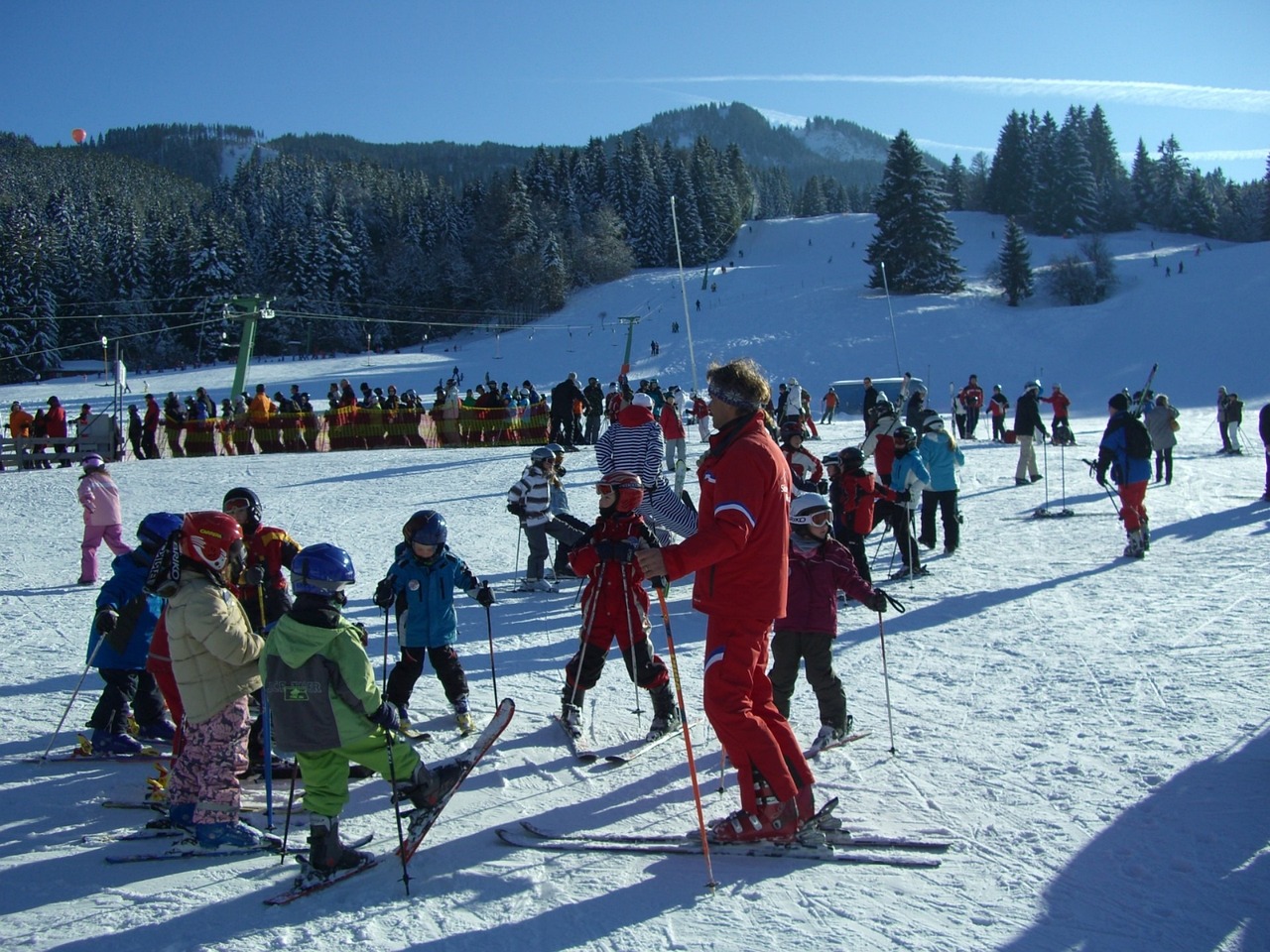
    Ski instructors work in cold environments. They teach people how to ski on ski slopes and mountains. They also instruct their students on how to wear their safety gear, the equipment they must use, and how to ski safely. Skiing is a winter sport, which means if you are a ski instructor, you must work and most likely live in snowy areas for a while.

    Skating Rink/Arena Worker

    Since skating rinks are made of ice, they must be in cold areas to avoid the rink from melting. These rinks could be outdoors in the winter and indoors as well. There are many positions available to pick from at arenas and skating rinks. This is a good job for those that enjoy the cold weather as well as skating.

    Construction Worker

    Construction workers work all year round. A lot of them have to work outdoors, and this also means during the winter. They work in the snow as long as it is tolerable and safe to do so. Although they work during the winter season, construction workers don’t work when it is extremely cold outside or when there is a snowstorm.

    Adventure Guide

    Adventure guides lead groups through the outdoors and engage in many outdoor activities. These activities include hiking, rock climbing, camping, and rafting. In colder seasons, they lead activities such as mountaineering, snowshoeing, and skiing. They also teach some survival and safety skills with each activity. Although it is more common to see adventure guides working in warmer temperatures, there are also some that work in mountain areas and colder climates.

    Snowplow Operator

    Snowplow operators drive snow and salt trucks to clear the snow and ice on the streets and major roadways. They help make the streets safer for vehicles and pedestrians to travel through. Snowplow operators may have to travel to areas that are having snowstorms to provide emergency assistance. This job is great for those who enjoy driving and are comfortable operating heavy machinery. 

    Winter Resort Employee

    Winter resorts are great to visit if you love the cold, but working there could be even better. This way, you could stay in the cold environment more often. Most winter resorts offer activities such as sledding, snow tubing, ice fishing, snowshoeing, snowmobiling, and sleigh rides. There are many different positions you could choose from that will give you the opportunity to work in a cold climate.

    You don’t have to spend the cold seasons hiding from the weather. These jobs are perfect for those that enjoy the cold. They can help you make the most out of your winter since most of them are only available during the winter season.


    Resources

    Indeed. “8 Jobs in the Snow for People Who Enjoy Cold Weather.” https://www.indeed.com/career-advice/finding-a-job/jobs-in-the-snow

    Monster. “5 cool jobs for people who love the winter.” https://www.monster.com/career-advice/article/5-cool-winter-jobs-1204

    Norah, Jessica. “Ski Holidays for Non-Skiers: 25 Things to Do at a Ski Resort If You Don’t Ski.” Independent Travel Cats. https://independenttravelcats.com/ski-holidays-for-non-skiers-things-to-do-at-a-ski-resort-if-you-dont-ski/

    Singh, Gursh. “7 of the Best Seasonal Jobs For You to Get This Winter.” Credit Canada. https://www.creditcanada.com/blog/7-of-the-best-seasonal-jobs-for-you-to-get-this-winter

  • Seasonal Jobs to Help Your Wallet

    Seasonal Jobs to Help Your Wallet

    By Rabia Khan

    Do you want to earn extra income and shop during the sales season? It’s always a great idea to go out and work when the holidays are in full swing. A seasonal job helps one to combat loneliness and also financial distress. It helps to keep the mind free from the depression that comes with dreary weather conditions and being stuck indoors.

    Personal gift shopper

    The winter months have a lot of festivities. Personal shoppers help the consumer to shop wisely and pick up stuff that is appropriate as a gift. Maybe closer to Valentine’s Day, a client is confused about what they need to buy. By taking into account the requirements of the customer, these personal helpers make it their duty to advise in the best way possible to help pick up things that meet their needs.

    Retail sales associate

    A retail store needs a lot of floor attendants because of the ongoing flow of customers. The primary duty or function of this role is to provide customer service.

    Gift wrapper

    Retail stores hire gift wrappers for customer purchases. Gift wrapping is a fine art and needs finesse and patience. So gift wrappers are a big help in making beautiful packages out of items that have been purchased.

    Chef

    During the holiday season, there is an increased demand for culinary items. A culinary education is a must so that the chef does not fall short of the restaurant’s requirements. People are always going to eat no matter what, and a place that appeals to their taste buds is something that they will not abandon.

    Tutor

    There is always a never-ending demand for tutors. Students are always looking for well-qualified tutors to help with their mid-term exams, applying for higher education, and more. Qualified tutors are hard to come by, and because of online learning, tutors are often asked to work remotely.

    Keep in mind that while the holiday season may be a big time for seasonal work, the holidays are not the only time to check out these kinds of jobs! Here are a couple of examples of seasonal jobs that you can find during warmer weather:

    Summer camp counselor

    Camp counsellors are supposed to be very responsible, mature, caring, and trustworthy professionals who oversee the activities in summer camps. They may have to take charge of little children or teenagers, all of whom need to be handled with sensitivity and discipline. Camps are of various kinds depending upon the activities involved. This can include sports, athletics, education, arts, crafts, and other disciplines.

    Tax preparer

    Tax preparers need to be good at accounting and math, as well as with numbers in general and in preparing different types of tax returns. Tax preparers ensure that company taxes are filed properly and on time. This is also a seasonal job and one that pays well.

  • Why Winter is the Best Time to Work on Creative Projects

    Why Winter is the Best Time to Work on Creative Projects

    Winter can really suck. Sure, there are the holidays and freshly fallen snow can be very pretty – but otherwise, it can be a cold, depressing time. Or is it? Old Man Winter might be keeping you indoors, but that doesn’t mean the season should go to waste. This is actually the perfect time to work on your more creative projects and hobbies. Even if you don’t consider yourself the most creative type, it’s still an ideal time to try your hand at indoor-related creative pursuits. Trying to learn a new language? Start reciting those Spanish phrases while a storm blows outside. Want to learn how to play an instrument? Grab a guitar instead of trying to shovel your way out to waste time at the mall. You can also draw, design websites, work on your book, etc. There are so many indoor activities that often get ignored while students are sitting around bored during the wintertime on holiday vacation. Here are some solid reasons why winter is the best time to work on creative projects:

    It’s Just Too Cold Outside to do Anything Physical and Recreational

    Unless you’re skiing, tobogganing, or doing anything else that requires a lot of snow, then it’s a real hassle to go outside during the winter to engage in any recreational activity. Instead of slogging yourself out into that unpleasant weather, you should consider staying cozy indoors with a hobby that you always considered trying. Maybe that turbulent storm is trying to tell you something about your artistic destiny!

    Winter Scenes can be Inspirational When You’re Short on a Muse

    Maybe you want to write or paint, but you don’t know what scene to paint or what subject to write about. The thing about winter is that, as dreadful as it can be sometimes, there is also a beauty in it. If you feel entombed by a stubborn snow day, then use this feeling as your muse and pick up the guitar to play the blues. Paint a picture of a drab winter day and use the picture-perfect example right outside your window. It’s a heck of a lot better than sitting around bored and complaining about the weather.

    Creativity Keeps the Winter Blues at Bay

    Winter tends to be the most depressing season of the year. This makes sense when you consider the lack of sunlight, the fact that the trees aren’t brimming with lush, green leaves or flowers like usual, but are torn down to their bare bones and look… well… dead. Seasonal Depression (or Seasonal Affective Disorder) is a mood disorder which has symptoms that can be worsened or triggered by the passing of a certain season. Most people who have this disorder experience it during the winter months. If you are one of these people that suffer from this condition (or the ‘winter blues’ are just getting you down), keeping yourself engaged with a creative project can be very helpful in maintaining good mental health and keeping yourself in good spirits!

    You Probably Won’t Find a Better Time to Finish that Project

    During all other seasons, you’re probably going to be hanging out with friends more often, or get into other outdoor activities, or maybe you just flat-out won’t have the time to finish that creative project. If you’re stuck inside with little else to do, you’re more likely to blow the dust off that creative project and get it finished once and for all. It’s a well-organized way of spending your time effectively on a season-to-season basis.

    Maybe you prefer to be outdoors during the winter, or maybe you’re one of these seasonal shut-ins. In any case, winter time is the perfect time for a creative project. It might even make for a great Christmas gift for friends and family!

  • Changing SAD into GLAD: Ways to Combat Those Winter Blues

    Changing SAD into GLAD: Ways to Combat Those Winter Blues

    With winter conditions settling in Canada earlier than in the last few years, it’s important to bring to light one underlying effect of the cold weather that seems to be buried in the avalanche of discussions about winter tires, appropriate cold-weather gear, and safe winter sports accessories: SAD or seasonal affective disorder.

    SAD is a type of depression that is prevalent during the cold season, but could also happen during spring and summer. SAD typically make individuals experience sleeping difficulties, lethargy, irregular appetite, irritability, and a constant feeling of hopelessness.

    People with SAD often manifest symptoms once fall begins when the days start getting shorter. SAD doesn’t have a clear cause, but generally it’s believed that the lack of sunlight is a major factor for one to develop SAD.

    Fortunately, there are ways to keep these so-called winter blues at bay to avoid them being disruptive to one’s normal way of life. Read below for some of these tried-and-tested tips.

    Take in as much sunlight as you can.

    With winter, shorter days and longer nights are a given. By the time you are done with work or school, there’s typically not a lot of time left to get that much-needed rays of sunshine. However, there are ways that you can.

    For example, during your breaks in between classes or work tasks, step out and take a walk, instead of confining yourself to your desk. On weekends, if you want to meet up with friends for dinner, suggest a brunch instead so you’ll have time to bask in the sunlight.

    Keep the sweet cravings under control.

    Treating yourself to sweets is fine occasionally. We all enjoy our favourite chocolate bar or a pastry from our go-to bakery. However, one should be aware when the cravings go out of control.

    While it’s good to give in to them for satisfaction, sugar highs often turn into sugar lows, and one ends up feeling more down than when they started. Thus, if you need to snack on something sweet, go for natural snacks like nuts or fruits.

    Brighten up your winter wardrobe.

    When it comes to fashion, it’s often said that one should dress according to the season, no matter how cliché that may sound. Spring means a lot of florals, summer means bright colours, and autumn means neutrals.

    When it comes to winter wear though, the majority seems to throw out anything within a colour palette out the window and merely go for black. Scientists actually believe that the colours you wear have an effect on your mood, so go for a bit of fashion adventure: choose a bright-coloured winter jacket or a scarf in a shade that truly pops. You’ll be surprised by how it changes how you feel.

    Get together with friends and family.

    As the holidays roll around during wintertime, it may be challenging to schedule some much-needed quality time with friends and family, but it’s important that you keep in touch and do your best to share a cup of coffee or a meal or two with your family or friends.

    Of course, since COVID is still around and has not totally bid us goodbye, ensure that you take the necessary precautionary measures to avoid exposure, like wearing a mask indoors and others.

    SAD is definitely a potential enemy for anyone living in a country with winter. The effects of longer nights and not getting enough sunshine are difficult, but one can cope with them. Try the steps above and hope for the best!


    Sources

    https://www.statcan.gc.ca/o1/en/plus/274-you-are-not-alone

    https://cmha.bc.ca/documents/seasonal-affective-disorder-2/

    https://themuse.ca/getting-ready-for-the-canadian-winter/

    https://www.webmd.com/depression/news/20221031/seasonal-affective-disorder-peak-november

    https://discovermagazine.com/health/what-you-can-do-about-seasonal-depression

  • Turn the Winter Blues into Winter Booms!

    Turn the Winter Blues into Winter Booms!

    Years ago, the “winter blues” may have been something close to an urban legend—something that was commonly talked about, but not investigated enough. Now, quite a number of recent research findings have attested that the winter blues does exist, and some concerned groups and organizations are making an effort to do campaigns to bring more awareness on the subject matter.

    So, what exactly are the winter blues, and why should they worry you? As the name suggests, the winter blues are most common in the winter. In the branch of psychology, one who has the winter blues has seasonal affective disorder or SAD. According to a GlobeandMail.com article, SAD affects one in every five Canadians.

    Most experts agree that the winter blues have one common cause: the lack of sunlight at wintertime. Of course, there is a big difference between just having the doldrums and having SAD, and talking with a professional can help narrow this gray area. People who have a tendency to suffer from SAD can benefit from the following strategies:

    Spend quality time with friends and family.

    Unless you are planning to follow the example of bears and hibernate for the rest of the winter season, spend as much good time with the people close to you as you can. It can be something as simple as meeting up for coffee before your classes or ordering pizza for dinner.

    Take advantage of the sunlight whenever you can.

    Shorter days and longer nights are part of every winter. What you can do to make up for that is to get as much sunlight as you can. This means making changes to your routine. For instance, if you normally head out to take a run or jog after your classes, why not do it before your classes instead? If you usually meet your friends after classes, why not meet up for brunch instead?

    Eat right.

    A nice cup of hot chocolate topped with marshmallows is always believed to be an effective way to combat the blues. However, go easy on filling your body with too much sugar. Be sure to make fruits and vegetables a part of your daily diet.

    Include bright colours in your winter attire.

    You may rely on fashion magazines to know what’s hot and what’s not when you go winter wear-shopping, but don’t let those things dictate what you wear 100 percent. Sure, you wouldn’t want to look like someone from the 1950s era, but it’s nice to add some bright hues in your winter attire even though the fashion bigwigs don’t approve. According to scientists, wearing bright colours can lift your spirits. If you don’t want to go overboard, include a pop of colour in your outfit—like a rainbow-hued scarf or headgear.

    Indulge in the things that make you happy.

    When it comes to conquering the winter blues, sometimes we have to consciously step away from the things that make us sad. For example, if you know watching a particular movie or TV program or listening to a certain type of music or artist will make you gloomy, why indulge in those things in the first place? Instead, focus on those things that make you smile. And don’t worry if other people think it’s not cool or it’s corny. Remember, that is why the term “guilty pleasure” was invented.

    The above are just suggestions to beat the winter blues. However, if none of them work for you, it would be a good idea to seek professional counselling.


    SOURCES:

    Kirchheimer, Sid. “Beating Winter’s Woes.” WebMD. http://www.webmd.com/depression/features/beating-winters-woes?page=3

    Pearlman, Jennifer. “Sick of the cold? 5 ways to beat the winter blues.” The Globe and Mail. http://www.theglobeandmail.com/life/health-and-fitness/health-advisor/sick-of-the-cold-5-ways-to-beat-the-winter-blues/article23178249/

    Standish, Jules. “Colours to boost your mood! Don’t be scared to clash – scientists have found brighter clothes make you happier!” Daily Mail. http://www.dailymail.co.uk/femail/article-2864623/Colours-boost-mood-Dont-scared-clash-scientists-brighter-clothes-make-happier.html

  • Shaking Off the Winter Blues

    Shaking Off the Winter Blues

    By Erin Rebello

    With shorter days and colder weather, it can be easy to catch a typical case of the winter blues. We’ve all been there, snuggled under piles of blankets and hoping for warmer days ahead! Thankfully, as winter nights melt into spring mornings and the weather warms up, there are tons of ways to get out and about and chase away those winter blues! Below is a list of tried and trusted ways to get rid of the winter blues and embrace the changing of the seasons.

    Go on a Hike: It might still be a bit chilly outside, but as my soccer coach has always reminded me during our freezing winter practices, the best way to get warm is to get moving! One of my favourite things to do during the summer is go hiking; it’s a great way to relieve stress and connect with nature. Even when it is cold, hiking is still a great way to get outside, and there are many benefits as well! For example, there’s less of a crowd, so it’s easier to social distance. Hiking in the winter also gives you a completely new perspective on the forest around you, due to the differences in flora and fauna. Even if hiking isn’t typically your thing, I encourage you to try it out at least once during the early spring!

    Start a Garden: Although it’s a bit too early to start growing plants outside, March is actually the best time to start growing your annual plants. If you’re an avid gardener, you may have a lot of experience with growing flowers, fruits, and vegetables. Although most people sow seeds directly into their garden during April or May, the very best gardeners start their seeds indoors. By allowing your seeds to germinate and grow sprouts indoors, you’re able to start them off in controlled conditions, where critters like squirrels, rabbits, and slugs can’t munch on them. You can also cull any plants that aren’t growing properly, ensuring that your garden is highly productive. After starting your seeds off indoors, you can bring them out in April or May, where they can then expand and grow into a beautiful garden!

    Do Some Outdoor Art: I may not be the most artistic person, but I do love getting creative now and then! I tend to draw inspiration from the world around me, which is why I love creating art outside, where I’m surrounded by things that inspire me! From cars to clouds, to insects, to the sprouting grass peeking through the frost, early spring has so much to offer in terms of inspiration. Even if you don’t consider yourself the most artistic person, I challenge you to go outside your comfort zone and try some outdoor arts and crafts. All you need is a few paints or crayons, and you too can create your own work! If you’re planning on hiking during the spring, consider taking your art supplies with you and creating a piece right after your hike – when you’re full of inspiration!

    Warm Up with Some Hot Chocolate: Finally, although the weather might still be a bit bleak and cold, it doesn’t mean that you have to be! Instead of waiting for Mother Nature to heat everything up, you can make your very own (and very delicious) source of warmth. Hot chocolate can also be a great refresher after you’ve finished hiking, doing outdoor art, or planting your garden. With the help of a parent, you can mix a couple of spoons of hot chocolate mix with some boiling water. Add in some mini marshmallows or whipped cream, and you’re good to go! Just be sure to let it cool before sipping so you don’t get too hot too fast and burn your tongue!

    The winter blues are normal, but they don’t have to be something that stays with you until spring. Using these tips and tricks, you can shed those winter sorrows and prepare for a spring and summer full of warmth and joy!

  • Career Profile: Environmental Lawyer

    Career Profile: Environmental Lawyer

    Many people care about the environment, but not everyone has a chance to do much about it. People can sign petitions and write to the government. They can do their best to use less energy and to clean up after themselves. Right now, you can learn about the environment and do what you can to avoid polluting it. In the future, you could help even more by becoming an environmental lawyer.

    Traditionally, lawyers have dealt with issues like criminal trials, contracts between businesses or other groups, and helping people deal with other legal matters. A newer branch of the legal profession is environmental law. In this profession, lawyers work with government legislation regarding the environment. They try to be sure that the laws are effective and that people are obeying them.

    Because this branch of law is still quite new, it can be difficult to find a job as an environmental lawyer. However, getting an education in a related field can help. Earning a bachelor’s degree in a field such as environmental studies, resource management, business, or philosophy at a university is a good start.

    After finishing an undergraduate degree, students write an exam called the LSAT to test their abilities. If they pass this test, they can go to law school to become lawyers with a specialty in environmental law. Five universities in Canada offer degrees in this specialty: York University, McGill University, University of Ottawa, Université Laval, and University of Calgary.

    Becoming an environmental lawyer is not a quick process. Normally, a bachelor’s degree takes at least three or four years, and a law degree takes at least two or three more. In some provinces, law school graduates are required to work for another year in an apprenticeship called student-at-law.

    During this time, the students work with a fully-trained lawyer to gain experience in the day-to-day practice of law. They receive a salary, but not at the rate they will later earn. After they complete that and a program at the Canadian Centre for Professional Legal Education, they can normally begin their careers as lawyers.

    Once they finish their education, environmental lawyers might work with governments, or they might set up private practices as consultants. They might work on projects for universities or environmental organizations, or even for small groups of people trying to make a difference in their communities. Much of the work involves research and gathering information on threats to the environment or on ways that people can help preserve species or protect streams and rivers.

    When environmental lawyers work as advisers and consultants, they give their clients information they need for potential lawsuits or other actions. However, they may sometimes become more involved, possibly going to trial against polluters or taking other actions. Although the hours can be long and the job can be stressful and tiring, it is not usually very physically difficult. Salaries generally range between $54,000 and $147,000 per year.

    Much of Canadian law depends on past decisions that the courts have made. Because environmental law is still new, lawyers need to find other ways of making their point. This could make the field difficult but exciting. If you want to help nature and you enjoy challenges, becoming an environmental lawyer might be right for you.


    Bibliography:

    Academic Invest. “How to Become an Environmental Lawyer.” https://www.academicinvest.com/science-careers/environmental-science-careers/how-to-become-an-environmental-lawyer.

    Canadian Environmental Law Association. “Who We Are.” https://cela.ca/about-us.

    LLM Guide. “LLM Programs in Environmental Law/Energy Law/Resources Law—Canada. https://llm-guide.com/schools/canada/concentration/environmental-law-energy-law-resources-law.

    Payscale Canada. “Average Attorney/Lawyer Salary in Canada.” https://www.payscale.com/research/CA/Job=Attorney_%2F_Lawyer/Salary.

  • Career Profile: Epidemiologist

    Career Profile: Epidemiologist

    The COVID-19 pandemic is still on everyone’s minds. Schools were closed, and businesses were shut down. Epidemiologists are working to find a solution to the problem. Someday, you might be able to help people overcome another crisis like this by becoming an epidemiologist. If you like science and research, this might be a good choice for you.

    Epidemiologists are very important at a time like the pandemic. Basically, epidemiologists study diseases that pass easily from one person to another. When these infectious diseases start to affect hundreds or thousands of people at once, they are called epidemics. If they affect many different countries, they are pandemics. Epidemiologists identify the diseases and find out what causes them. If possible, they find a cure and develop a vaccine for the disease.

    Much of the work of epidemiologists is in labs or offices, where they study samples from patients or look at data about where the epidemic started, how it spread, and many other factors. Sometimes, they might need to gather information at hospitals or other places where they can learn more about the illness.

    Generally, epidemiologists work regular hours, but in crises, they might have to work in the evenings or on weekends. The work is generally not physically demanding, but it can be intense in public health emergencies. Salaries start at about $57,000 per year and can rise to about $100,000. Epidemiologists work with various levels of government, in universities, private organizations, or with international development agencies.

    Depending on where they work, epidemiologists might work with different diseases. COVID-19 is in many countries around the world. The Ebola epidemic was more local, staying mainly in Africa. Other diseases like SARS have spread more widely, but they still tend to be worse in some areas than in others.

    Becoming an epidemiologist involves university studies, normally a master’s degree in epidemiology or in public health,h with a substantial number of courses in epidemiology. A bachelor’s degree in the physical sciences or a related topic is good preparation for further studies in the field. People getting into this field should be prepared to be in university for at least five or six years after high school, and possibly longer if they write a thesis as part of their studies.

    Epidemiologists have a very important role when they help to cure deadly diseases. People in this field should be able to work alone when they are doing research, but they should also be able to work with other people. Knowing where to find information is very important. If you are interested in this job, you can plan to take biology and chemistry classes in high school. Even now, your science and health courses are very important preparation for the work. Good reading skills are also essential because epidemiologists need to read about the latest scientific research.

    Working as an epidemiologist can be a very challenging but rewarding job. If you enjoy research and you want to help people, this could be the right job for you.

    Bibliography:

    Academic Invest. “How to Become an Epidemiologist.” https://www.academicinvest.com/science-careers/biology-careers/how-to-become-an-epidemiologist.

    Government of Canada. “Field Epidemiologists: Disease Detectives of Public Health.” https://www.ic.gc.ca/eic/site/063.nsf/eng/97581.html.

    Payscale. “Epidemiologist Salary in Canada.” https://www.payscale.com/research/CA/Job=Epidemiologist/Salary.