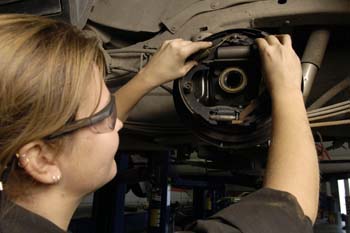
Category: Jobs and Apprenticeships

  • Working as an Automotive Service Technician

    Working as an Automotive Service Technician

    Do you…
    • Enjoy working with your hands?
    • Enjoy fixing cars, trucks, motorcycles or small engines?
    • Want to learn more about electrical, hydraulics (fluid power), pneumatics (air power) and mechanical components in machines?

    If you answered “yes” to any of the questions above, then a career as an Automotive Service Technician may be right for you!

    What Is An Automotive Service Technician?
    An Automotive Service Technician is a certified and skilled tradesperson who diagnoses and repairs motor vehicles (e.g. cars, minivans, SUV’s, light duty trucks and medium duty trucks).

    An Automotive Service Technician performs various duties that help maintain a vehicle as well as repair it. Some of these job activities include:
    • Engine maintenance and repair
    • Transmission maintenance and repair
    • Exhaust system repair
    • Body repair and adjustments
    • Brake maintenance and repair
    • Steering, suspension and alignment repairs

    Where Does An Automotive Service Technician Work?
    An Automotive Service Technician may work in:
    • Dealerships
    • Independent automotive shops, repair shops and garages (owned by other people or themselves)

    Some Automotive Service Technicians may prefer to work as:
    • Teachers in high school teaching automotive class
    • Teachers in colleges that offer an accredited Automotive Service Training program

    What Does A Typical Day For An Automotive Service Technician Look Like?
    A typical day for an Automotive Service Technician in a dealership or automotive shop usually begins when a customer brings their vehicle to the shop. The customer tells the service advisor what the problems are with their vehicle. The service advisor documents the problems on a work order. The vehicle and corresponding work order is then given to an Automotive Service Technician who begins to work on this particular job.

    An Automotive Service Technician follows a certain procedure when working on a new job. He/she:
    1. Reads the work order written up by the service advisor.
    2. Examines the vehicle to further assess the problems mentioned on the work order.
    3. Provides the service advisor with an estimate on how much it will cost to fix the problems.
    4. Waits for the service advisor to confirm that the customer is OK with the repair costs before fixing the problems.
    5. Fixes the problems once the service advisor gives the go ahead.
    6. Takes the vehicle for a test drive and/or performs operational checks to ensure that the customer’s concerns are resolved.
    7. Informs the service advisor that the customer can pick up their vehicle.

    How Do You Become An Automotive Service Technician?
    1. Attend a college that offers a certified Automotive Service Technician training program.
    2. Complete the Automotive Service Technician program successfully.
    3. Find a suitable employer who will hire and train you as an Automotive Service Technician apprentice. (Complete your apprenticeship booklet/hours/activities at work and get it signed off by your employer).
    4. Write the Automotive Service Technician certification exam put out by the Ministry of Training, Colleges and Universities.
    5. Pass the exam, obtain your 310S license and become a licensed Automotive Service Technician!

  • STEM Jobs: Petroleum Engineer

    STEM Jobs: Petroleum Engineer

    What is a Petroleum Engineer?
    Oil and gas are two of the most crucial energy resources we rely upon in the modern world. Oil and gas companies extract the deposits of these resources from the earth and facilitate their distribution as an energy source. But how do they know where to dig? This is where a petroleum engineer enters the picture. Petroleum engineers are tasked with finding oil and gas deposits as well as developing ways to extract those deposits from the ground. They design, plan and execute drilling projects to ensure the safest, most effective way of implementing oil and gas wells.

    On-the-Job Duties
    The day-to-day duties of a petroleum engineer include designing and implementing ideal methods of drilling. Often they are responsible for monitoring the drilling area (including the ground, the rocks and the equipment) to ensure optimal conditions for drilling operations that harvest the maximum amount of oil and gas deposits.

    Who do they work for?
    Petroleum engineers are most often hired by companies who produced petroleum, but they can also find employment as consultants, researchers, and policymakers with the government. In some sectors petroleum engineers can also be called oil and gas reservoir engineers, well logging engineers, mud engineers, sub-sea engineers and drilling engineers.

    Salary
    Petroleum engineers can earn a yearly salary of anywhere from $35,000 to over $130,000, depending on seniority.

    Required Education
    The educational background of petroleum engineers can vary, but all are rooted in engineering. Attaining a bachelor’s degree in either petroleum engineering or a related program like biochemical engineering is the best way start off. Next, earn a master’s degree in petroleum engineering followed by a PhD to maximize career opportunities. For some aspects of the job, like approving drilling designs, a professional engineering license will be required.

    Other Skills
    Leadership, time management, critical thinking, logic, creativity, team work, and communication are crucial to the success of a petroleum engineer.

  • Working as a Bus Driver

    Working as a Bus Driver

    For many young people, learning to drive is a symbol of freedom. When they learn that skill, they no longer have to depend on parents or other adults to take them to parties or pick them up from lessons and special events. Many people enjoy driving their own cars or trucks, and these vehicles can make it very easy to get around in the city or out to the country. For some people, however, driving is more than just a way to get from one place to another. For bus drivers, being on the road can be a career.

    Almost anyone can be a driver, even just for a few minutes. Have you ever been behind the wheel of a bumper car at a fair or maybe a tractor on a farm? People drive small and large vehicles, including riding lawnmowers, motorcycles, bicycles and regular cars. However, driving a bus is somewhat different. Whether people want to drive a school bus, a transit bus or a long-distance bus going from one part of the country to the other, they all need to learn the special requirements of bus driving. Learning and following the rules of the road is the most basic requirement for all drivers, whatever type of vehicle they use. They have to know when to use their signal lights, how to make turns properly, and when they can pass a slow-moving vehicle. Many of these basic rules are the same for bus drivers as for others on the road.

    Learning to drive a bus, however, takes some special skills. Drivers have to learn how to handle vehicles that are much larger than most of the cars and trucks on the road and to deal with bad weather conditions such as snow and rain. They have to be able to manage special features of each bus, such as braking systems which are very different from what they know with cars. Physical strength to endure long hours behind the wheel and the ability to concentrate on the dangers of the road are important characteristics of bus drivers. An ability to stay calm in difficult situations and a friendly attitude to passengers are also important qualities.

    How do people become bus drivers? The first step is to learn how to drive an ordinary vehicle like a car. However, most people need special training in whatever type of bus driving they want to do. Long-distance bus companies like Greyhound have training programs that combine theory and practice in a six-week course. School bus companies like First Student Canada have short, intensive courses or longer ones that last several weeks. Drivers learn safe driving, how to handle the vehicles they will be using, basic repair, and how to deal with people.

    Salaries for bus drivers can vary a lot, depending on where they live and what they do. Some drivers get minimum wage, but experienced drivers can get twice as much as that. You might never become rich as a bus driver, but you can have a rewarding career.

  • Career Profile: Painters and Decorators

    Career Profile: Painters and Decorators

    Type of Work
    Painters and decorators apply paint, wallpaper and other finishes to interior and exterior surfaces of buildings and other structures.

    Sources of Employment
    Employment opportunities will come primarily from positions freed up by painters and decorators who retire, leave the trade or receive promotions to painting and decorating contractor or supervisor positions or, if they have the qualifications, to construction manager positions. Some opportunities will result from employment increase.

    Labour Pool
    Job opportunities will be available for the many experienced painters and decorators who are unemployed, for graduates with a Vocational Studies Diploma (DEP) in commercial and residential painting, and especially for people who meet the conditions for obtaining an apprentice certificate without having a diploma (see Training). It is possible to obtain a painter apprentice certificate issued by theCommission de la construction du Québec (CCQ) without completing a Vocational Studies Diploma in commercial and residential painting when there is a regional shortage. The proportion of new apprentices who do not have this diploma is very high. In fact, between 1998 and 2012, about 78% of new painter apprentices did not have this diploma. This situation seems strange considering the CCQ’s policy to encourage workers to take vocational training to access construction trades. It could be explained by the lack of interest in training among youth or a lack of places in vocational training schools. Furthermore, this occupation lends itself very well to on-the-job training combined with supervision by an experienced painter who passes his knowledge on to the apprentice.

    Industries
    According to census data, in 2006 about 75% of painters and decorators worked in the construction industry, most of them in building finishing work (65%), but also in residential building construction (8%). There were also significant numbers in the manufacturing sector (7%).

    Employment Characteristics
    According to census data, women held about 13% of the jobs in this occupation in 2006, a percentage that has been rising significantly since 1991 (7%). The annual average income data given in the “Characteristics” section of the “Statistics” ($29,538) should be used with caution. The data include only the 27% of painters and decorators who worked full time and full year in 2005. The average employment income for those who did not work full time and full-year was only $17,925.

    Because of the tightening up of entry conditions for this trade, the level of education of roofers and shinglers improved greatly between 1991 and 2006, although it is still below that for all occupations. The proportion of painters and decorators with at least a post-secondary diploma rose from 30% to 54%, while the proportion of those who did not have at least a secondary school diploma dropped from 41% to 23%. Seasonal unemployment is relatively high. Thus, the average number of employment insurance claimants is three times higher from January to March than in August.

    Education and Training
    In Quebec, apprentice and journeyman certificates of competency from the Commission de la construction du Québec (CCQ) are required to work on construction sites. To obtain an apprentice painter certificate, you must:

    – have a Diploma of Vocational Studies (DVS) in commercial and residential painting and a guarantee of 150 hours of work from an employer.
    – in the event of a regional shortage, where CCQ data indicate that under 5% of apprentice certificate holders in a region are available, provide a guarantee of 150 hours of work, have taken a safety course, and meet the entry conditions for the commercial and residential painting course. Apprentices without a diploma are also required to participate in a training activity in order for their certificate to be renewed.

    To become a journeyman, an apprentice must complete an apprenticeship period of 6,000 hours (including DVS training, if applicable) and pass the CCQ qualification exams. The certificate is automatically renewed each year if the holder has appeared on an employer’s monthly report in the 14 months preceding the renewal date. Otherwise, workers must renew their certificates.

    For painter jobs not subject to the Decree for the construction industry, employers usually require a DVS in commercial and residential painting or an apprentice or journeyman certificate.

    Training in tender estimating provided by school board employer services is an asset for self-employed workers and those seeking a promotion.

    Red Seal certificate holders can work anywhere in Canada.

  • Career Profile: Baker

    Career Profile: Baker

    Type of Work
    Bakers prepare bread, rolls, muffins, pies, pastries, cakes and cookies in retail and wholesale bakeries and dining establishments. Bakers who are supervisors are included in this unit group.

    Sources of Employment
    Job opportunities will result primarily from the need to replace bakers who will be retiring. Job opportunities will also arise from the need to replace bakers who leave this occupation for other food-related occupations such as cooks or jobs in other fields, or because they have been promoted to chefs or to management positions in the food business, food production or food and beverage industry, or to open up their own bakery or pastry shop.

    People can also advance their careers somewhat within this occupation by moving from baker or pastry cook to pastry chef, for example, or to a supervisory position. Note that the turnover is fairly high in this occupation, as indicated by the relatively high rate of young people aged 15 to 24 (26% compared with 14% for all occupations) and the contrasting low rate of people aged 55 and over (10% compared with 15% for all occupations). These data have been taken from the 2006 census.

    Labour Pool
    Jobs will be accessible to a large number of candidates. First of all, students seeking part-time, evening or weekend work represent a large pool for some of the job opportunities, especially for jobs in food stores. Young people with limited schooling can also access jobs in this occupation by learning the trade from an experienced baker or by taking on-the-job training. Another share of the jobs can be filled by candidates from among the large number of unemployed bakers with experience. Many candidates also come from the immigrant population, as is shown by their substantial presence in this occupation: 23% of jobs in 2006, whereas they filled approximately 12% of jobs in other occupations, according to census data.

    Finally, other jobs will be filled by graduates with a vocational diploma (DEP) in baking and pastry making or a vocational certificate (ASP) in restaurant pastry making. It should be noted that the labour market status of ASP graduates is not really dependent on the outlook in this occupation, because the majority of graduates are in other occupations, such as cook or chef, according to data from the Relance survey conducted by the Department of Education, Recreation and Sport. In addition to being directly linked to the occupation of pastry chef, pastry making is a desirable skill in other cooking and food services occupations

    Employment Characteristics
    According to census data, in 2006 women held approximately 53% of the jobs in this occupation, a percentage that has been rising significantly since 1991 (45%). The annual employment income ($24,256) shown in the “Characteristics” section of the “Statistics” applies only to the 48% of people in this occupation who worked full time and full-year in 2005. The average employment income for those who did not work full time and full-year, including students, was $11,230. Work on weekends, evenings and holidays is frequent. This occupation requires candidates to be in good physical shape because bakers may work long hours on their feet and carry fairly heavy loads. There is some seasonal unemployment from January to April.

    Education and Training
    Candidates can become bakers or pastry cooks without any special training. According to data from the 2006 Census, approximately 57% of the people working in this occupation had no post-secondary education and only 16% of them had a post-secondary diploma or degree in Personal and Culinary Services. Learning from an established baker or pastry cook and on-the-job training are fairly common ways of entering this occupation. Nevertheless, different training programs make it easier to work in this occupation, and are thus an important asset.

    Programs that facilitate access to this occupation are a vocational diploma (DEP) in bakery and pastry making, and an attestation of vocational specialization (AVS) in restaurant pastry making.

    Candidates can obtain a certificate of qualification in bakery. The certificate is sometimes required and is an asset in any case.

    Bakers with Red Seal certification can work anywhere in Canada.

  • Non-Red Seal Trades

    Non-Red Seal Trades

    There is more to the trades than you think – here are other jobs that are part of the trade industry. See if one feels right for you! Click through to see more information on select trades from Service Canada, and check back each month as we feature profiles of some of these exciting careers right here on Jobs People Do.

    Construction Sector
    –Cement (concrete) Finisher
    -Concrete Pump Operator
    –Construction Millwright
    –Electrician (Domestic and Rural)
    -Exterior Insulated Finishing Systems Mechanic
    -Hazardous Materials Worker
    –Heat and Frost Insulator
    – Heavy Equipment Operator
    – Dozer Operator
    – Excavator Operator
    – Tractor Loader, Backhoe Operator
    -Native Residential Construction Worker
    –Painter and Decorator: Industrial
    -Precast Concrete Erector
    –Precast Concrete Finisher
    –Refractory Mason
    –Residential Air Conditioning Systems Mechanic
    –Residential (low rise) Sheet Metal Installer
    -Restoration Mason

    Industrial Sector
    -Bearings Mechanic
    –Blacksmith
    -CNC Programmer
    -Composite Structures Technician
    –Die Designer
    –Draftsperson (Mechanical, Plastic Mould Design, Tool and Die Design)
    -Electrical Control (Machine) Builder
    -Electrician – Signal Maintenance (TTC)
    -Elevating Devices Mechanic
    -Entertainment Industry Power Technician
    -Facilities Mechanic
    -Facilities Technician
    –Fitter-Assembler(Motor Assembly)
    –Gas Technician
    -Hydraulic/Pneumatic Mechanic
    -Light Rail Overhead Contact System Lineperson (TTC)
    -Locksmith
    -Machine Tool Builder and Integrator
    -Mould Designer
    -Mould Or Die Finisher
    -Mould Maker
    -Optics Technician (Lens and Prism Maker)
    –Packaging Machine Mechanic
    –Pattern Maker
    -Precision Metal Fabricator
    -Pressure Systems Welder
    -Process Operator (Food Manufacturing; Power; Refinery, Chemical and Liquid Process; Wood Products)
    -Pump Systems Installer/Mechanic
    –Railway Car Technician
    -Relay and Instrumentation Technician
    -Roll Grinder/Turner
    -Saw Filer/Fitter
    -Ski Lift Mechanic
    –Surface Blaster
    –Surface Mount Assembler
    -Thin Film Technician
    –Tool And Cutter Grinder
    -Tool And Gauge Inspector
    –Tool/Tooling Maker
    –Tractor Trailer Commercial Driver
    –Water Well Driller

    Motive Power Sector
    –Alignment and Brakes Technician
    –Auto Body Repairer – Br.2
    -Automotive Electronic Accessory Technician
    –Automotive Glass Technician
    –Marine Engine Mechanic
    -Motive Power Machinist
    -Powered Lift Truck Technician
    –Small Engine Technician
    -Tire, Wheel and Rim Mechanic
    –Transmission Technician
    -Turf Equipment Technician

    Service Sector
    -Aboriginal Child Development Practitioner
    –Agriculture – Dairy Herdsperson
    –Agriculture – Fruit Grower
    –Agriculture – Swine Herdsperson
    –Arborist
    –Baker
    -Bicycle Mechanic
    –Chef
    –Child and Youth Worker
    -Child Development Practitioner
    –Cook – Assistant Br. 1
    –Developmental Services Worker
    –Educational Assistant
    –Electronic Service Technician
    -Gem Setter/Goldsmith
    -Hardware, Lumber and Building Materials Retailer
    –Service Sector Horse Groomer
    -Horse Harness Maker
    –Information Technology (Hardware Technician,  Network Technician)
    –Institutional Cook
    -IT Contact Centre (Customer Care Agent, Sales Agent, Technical Support Agent)
    -Micro-Electronics Manufacturer
    -Native Clothing and Crafts Artisan
    -Network Cabling Specialist
    –Pool and Hot Tub/Spa Installer
    –Pool and Hot Tub/Spa Service Technician
    –Retail Meat Cutter
    -Saddlery
    –Special Events Coordinator
    -Utility Arborist
    -Wooden Boat Rebuilder/Repairer

  • Can I Turn Poetry Into a Career?

    Can I Turn Poetry Into a Career?

    If you’re passionate about poetry, you may be wondering if there’s any way to turn it into a career.  Nowadays, there are very few people who simply write poetry and sell it to eager readers. It’s unfortunate but it’s the harsh reality.  Does that mean you should abandon your love for poetry and settle for a job that holds no appeal for you? Absolutely not! There are thousands of people who make money off of poetry; they’re just doing it in ways that you wouldn’t expect!

    Consider songs, which are often filled with poetic verses and beautifully flowing stanzas.  Lyricists are people who write the words for songs that have a lyrical component and they have the opportunity to write poetry on a regular basis. They may not have any vocal talents but they still make a living off of doing what they love best- writing poetry! Lyricists even get the added bonus of hearing their poetry come to life when the song is finally produced.

    Copywriters often deal with poetry in their line of work too. Copywriters spend a great deal of time writing the text components that you often find on advertisements and product labels.  When you come across a catchy phrase or an enticing description on the cover of a product, you’re looking at the work of a copywriter!    They often make use of poetic language to encourage customers to purchase their products or services. With your poetic talent, you could easily stand out to employers who are looking for someone who has a clever way with words!

    There are plenty of other people who get the unique opportunity to encounter poetry while working. Think of university professors who teach courses on poetry and other forms of creative writing. They get to write, teach, share, and explore poetry while making money to support themselves. There are also authors of children’s books who often incorporate poetic techniques into their work to make it more appealing to younger audiences. The list of people who make money off of poetry goes on and on. If you’re serious about the art, you can add yourself to that list too! You can also explore other unconventional methods such as creating a poetry blog and making money off of advertisements. For this, you would need to have enough people coming to your blog regularly so that advertisers would be willing to pay you for exposure. This option is noticeably riskier than some of the others but it’s still something that could be done as secondary source of income.

    If poetry is genuinely something you want to infuse into your career, you need to be willing to make the effort to find a job that allows you to deal with poetry on a regular basis. You need to think outside of the box and look for opportunities that you wouldn’t normally consider. It may take a bit of time and effort, but it’ll definitely be worth it when you’re doing what you love, day after day.

  • Hairdressing – Beauty as a Trade

    Hairdressing – Beauty as a Trade

    Hammer, screwdriver, wrench, scissors, shampoo, styling product – on the outside, a career in hairdressing shares little with a career in engineering or construction, yet they’re more similar than one would think.

    Often, when thinking about careers in the trades, the first thought is to the construction, industrial, or automotive industry. In fact, many service-based careers such as chef, child and youth worker, special events coordinator, and hairdresser are also considered skilled trades. Through on-the-job training and in-class sessions, you can become a certified hairstylist.

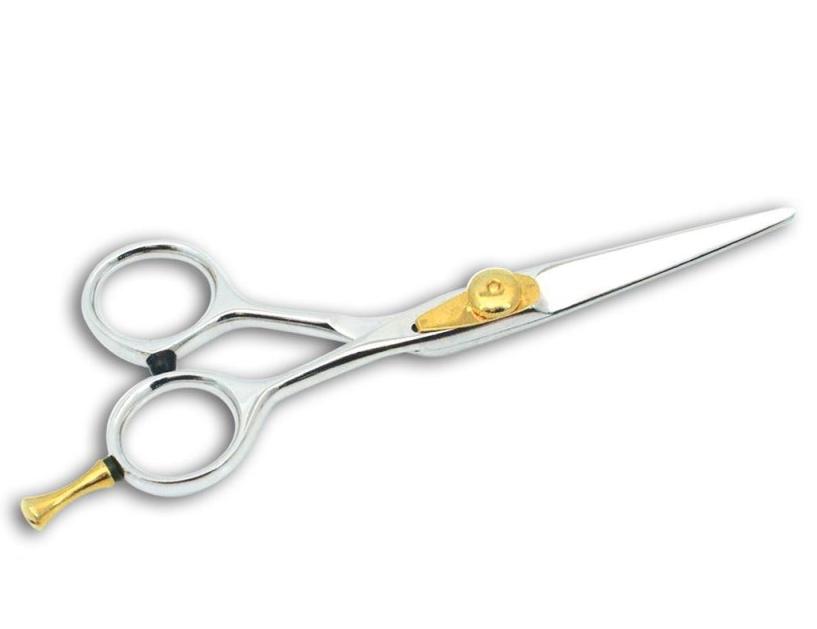
    Similar to a construction worker, a hairdresser prepares their work area with an array of tools including scissors, razors, combs, curling iron, and other specialized apparatus to accomplish different styles and techniques. With training, this equipment can be used to meet clientele needs, whether it be a quick trim or a full make over.

    A position in hairdressing is much more than just styling and beautifying clients. A hairdresser can also be responsible for the training or supervision of other stylists and assistants. Hairdressers are often business-minded individuals; often completing administrative tasks such as record keeping, supply ordering, and salon upkeep.

    A career as a hairstylist fits into the service sector in the Ontario College of Trades, requiring those interested in becoming a hairdresser to earn a Certificate of Qualification through apprenticeship training and examination.

    With individuals always seeking to invest time into looking good and feeling good, there is always a demand for hairstylists. Hairstylists can find work in this high-demand career working for beauty salons, hotels, and hospitals, or working in an at-home salon.

    While contemplating future career options, it’s important to investigate all opportunities available. Many may skip over the skilled trades assuming there aren’t any opportunities suited to their needs; when in fact there are plenty of opportunities within the skilled trades for creative, business-minded, driven individuals seeking a rewarding, high-paying career in a secure industry.

    From construction to automotive to the beauty-inspiring, service-based industry that includes hairdressing, there’s a career in the skilled trades for you.

  • Career Profile: Train Engineer

    Career Profile: Train Engineer

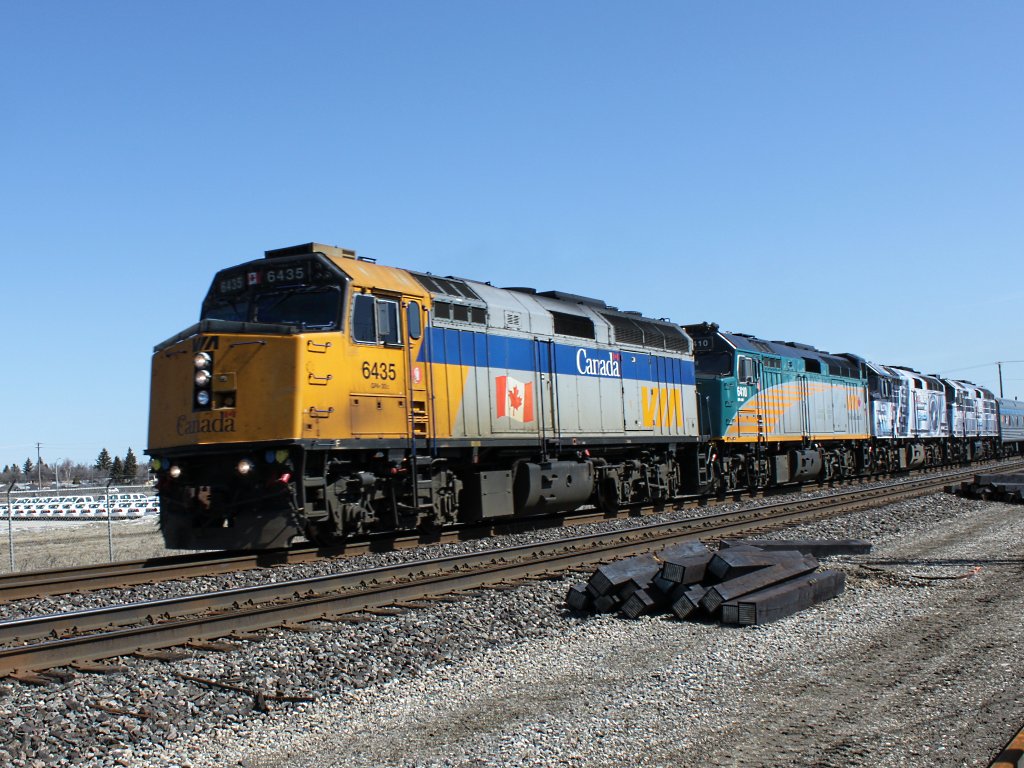
    Depending on how old you are, you might already be learning how to drive a car. How would you like to drive something much larger? One of the biggest vehicles you might ever drive is a train. With experience and education, train (or locomotive) engineers can have good, fulfilling careers.

    Travelling by train is not as common now as it once was, but railways are still very important for carrying grain and other goods and for passenger travel. Every day of the year, trains travel around the country, sometimes for short trips and sometimes for long ones. The kinds of people who work on these trains depends on what the trains are carrying, but one person remains the same. Every train has a person who is called a train engineer or locomotive engineer. These are the people who drive the trains and make sure that they get to the right destinations safely.

    Being a locomotive engineer involves much more than just driving a train from one place to another. A lot of the work happens before the train leaves the station, especially in small towns where there are not many staff members to look after everything. In that case, an engineer might check the equipment to make sure that it is working properly and repair anything that is broken or wearing out. This part of the work often requires a lot of mechanical knowledge and the ability to use tools to repair the different parts of the train. Even when other people do the actual repairs to the trains, the engineer should know what changes are necessary.

    Another part of work as an engineer is doing paperwork. This job might include checking forms to make sure that the right amount of grain or lumber is on the train or filling in the proper documents for driving the train over the border into the United States. This part of the job takes practice, and it also requires a fairly good reading ability with complicated documents. Knowledge of mathematics is also helpful. Learning to read and understand technical documents, such as government forms, is a good way to get started.

    Becoming a train engineer does not usually require any special education, but it requires experience. After completing their high school diplomas, people start by trying to get work as conductors on trains. After about two years, they can transfer to the engineer training program and get a certificate which officially allows them to work as engineers. The training covers topics like how to stop and start the train and how to read the signals which tell engineers which track to take and what dangers to look for.

    Locomotive engineers have a lot of responsibility, and they often work long hours with few days to relax between trips. However, experienced engineers can make $95,000 per year, and the average pay is $78,000. For people who enjoy working with machines and who love to travel, a job as a locomotive or train engineer can be ideal.

  • Following Your Heart Into the Trades

    Following Your Heart Into the Trades

    Sometimes it might feel like you’re pressured to have your entire future planned out already. This is a false misconception, especially with the rapid way education and workforce demands are changing. The idea that you need to pursue one life or career path is an outdated one in today’s fast-paced, technologically driven society.

    Unlike in past decades, in the last few years education and work has shifted. It is now becoming more and more common for students to take several programs before they decide on one that they actually enjoy. It is also becoming more common for older members of the workforce to go back to school to re-train or take on new skills and professions to keep up with the competitive job market.

    It may seem like there is a lot of pressure to get into a good college or university or else you won’t be considered “successful”, but this is simply not the case. Many other fields, especially the trades, are accepting employees right out of high school. Due to the growing demand in Canada for tradespeople such as welders, plumbers, pipe fitters, and electricians. Some trades workers are making $50 or more an hour at the age of only twenty-four.

    Money isn’t everything, however, and the most important part of life is enjoying it, which pretty hard to do when you’re doing something that you hate. Yes, money is necessary for things like rent, food and entertainment, but its much more important to be happier and emotionally stable than depressed from spending every day doing something you do not enjoy.

    The world is a large place, and with the internet at your fingertips there is almost no limit to what you can be and accomplish if you set your mind to it. Just because one thing doesn’t work out it doesn’t mean something else won’t. You may even stumble into something that you really enjoy without thinking about it.

    In today’s constantly evolving job market, it’s not uncommon for people to re-train, re-educate and switch professions many times in their life. There are students who spend years at university for a Master’s program but end up going into the trades.

    So while it seems like there is a lot of pressure to choose an education path now, it is important to remember that money and prestige aren’t necessarily going to bring you any sort of happiness – but finding something that you love to do certainly will.