Category: Jobs and Apprenticeships

  • Being an Entrepreneur

    Being an Entrepreneur

    When people are young, they might dream of the freedom that they will have as adults. For some of them, part of that dream might be to become an entrepreneur, living a risky but exciting life with a lot of freedom but also responsibility. Although entrepreneurship can be very satisfying, it involves risks that people should consider before they begin that life.

    The first thing to consider is the difference between an entrepreneur and a freelancer. Working as a freelancer can often lead people to become entrepreneurs, but they can be two very different things. Basically, a freelancer has no official employer but instead works for many different people, whether the work is pet care, house painting, or something completely different.

    An entrepreneur builds a company and often employs other people to work there. A freelance dog walker, for example, would go to different places and take the dogs out, but an entrepreneur might organize the schedule and hire others to do the actual pet care. Often, entrepreneurs ask people to invest money in the company, and they get a portion of the profits.

    People can be entrepreneurs in almost any area of work. They might help others buy and sell houses, start a restaurant, or even run a dental office. The hours can be very long, and the amount of money they make depends on how successful they are. If you want a regular schedule and dependable pay, the life of an entrepreneur is probably not for you.

    Being an entrepreneur can also be very stressful. There can be tight deadlines to finish projects, and other people’s jobs often depend on the entrepreneur’s abilities. As the business becomes established, entrepreneurs can take more time off, but the first few years or even longer can be very busy.

    Why would anyone become an entrepreneur with all of the stress and hard work that it involves? This type of work can be very exciting, and it can pay well for people with good ideas and the ability to work hard. Entrepreneurs generally have a lot of freedom to choose their own hours, and once the business is going well, they can decide how much of the work they want to do themselves. They can take holidays whenever it works for them, and they can move on to another project when they want.

    Some people are well-suited to being entrepreneurs. The ability to talk with other people and to persuade them to invest in the company is essential to entrepreneurs, making this type of work very difficult for shy people. However, almost anyone can learn to give presentations and to talk to investors, as long as they can manage the stress.

    Two very important aspects of being an entrepreneur are patience and persistence. Starting a business can be a very slow process, and it can take years before an entrepreneur will really be successful. If you want to be an entrepreneur, the best place to start might be freelancing in an area that you would like to pursue later. Then, if you have a great idea for a new business, you’ll already be a step ahead of others.

    Bibliography:

    Entrepreneur.com. “Entrepreneurship vs. Freelancing: What’s the Difference?” https://www.entrepreneur.com/article/285804.

    Future of Working.co. “8 Advantages and Disadvantages of Entrepreneurship.” https://futureofworking.com/8-advantages-and-disadvantages-of-entrepreneurship/.

    First Institute. “The Good and Bad of Being an Entrepreneur: The Pros and Cons Explained.” https://www.first.edu/the-good-and-bad-of-being-an-entrepreneur-pros-and-cons-explained/.


  • Career Profile: Locksmith (French version available)

    If you have ever locked your keys in your house or need to install a new lock on a door, chances are you would have to call a locksmith.  These professionals are experts in knowing how to install, repair, pick to unlock, and remove all different types of locks, including both key and pin locks and electronic locks for commercial and residential use.

    Locksmiths usually attend a college program to learn the basics of locksmithing and earn a diploma or certificate.  This can be followed up with an apprenticeship to learn the real ins and outs of working in the trade.  In some provinces, taking an apprenticeship is mandatory, while in others it is optional.  Be sure to do your research and find out everything you need to have in order to work as a locksmith in your province.

    During a locksmithing college program, you will learn how to install and fix both key and electronic locks, how to identify different keys and locking mechanisms, as well as the basics of electronic alarm systems, automotive locks, and how to operate a key duplication machine.  Locksmiths will also learn how to assess a building for security and how to make recommendations for security solutions.

    If you do not live in a town with a college campus where you can attend in person, many colleges now offer the courses you need for a lockpicking diploma through online learning.  This means that you can enroll in the program remotely and study at home by accessing the course materials over the Internet.  This is a good solution for students who live in remote communities or who do not want to move to a new city in order to attend college.

    Most locksmiths begin working with an established company, but between a college program and apprenticeship experience, you will also learn how to begin your own locksmithing business in the future.  In Canada, whether you need to complete a test and earn a professional license will depend on which province you live in.  Alberta, for example, requires all locksmiths to have a professional license; however, other provinces may not have this requirement.

    A professional locksmith typically earns between $15.61 an hour for early-career stage up to around $30.41 an hour for a more experienced worker.  Salaries can range between $33,000 and $74,000 per year.  The number of hours you work will vary depending on where you work.  For example, a locksmith working for a hardware store or other business with regular open and close times can rely on having a predictable schedule.

    If you own and operate your own locksmith business, however, you can expect hours to be more variable, as well as sometimes incorporating on-call services for emergencies outside of regular business hours.  This can include working in the middle of the night, on weekends, and on holidays.  However, locksmiths can often charge a premium rate to accommodate these kinds of work requests.

    Sources:

    https://www.payscale.com/research/CA/Job=Locksmith/Hourly_Rate

    https://careertrend.com/how-6740001-become-locksmith-canada.html

  • A Closer Look at a Career as a Travel Agent

    A Closer Look at a Career as a Travel Agent

    There’s a famous travel quote by St. Augustine that you probably have seen on social media or retail establishments: “The world is a book, and those who do not travel read only a page.”

    Travel is an activity that has expanded due to the convenience and efficiency of making travel bookings, thanks in part to internet technology. However, even with numerous apps or software related to travel, a lot of people still rely on travel agents to help them with their travel packages. After all, it’s always best to hear recommendations straight from the horse’s mouth and experience wonderful customer service at the same time.

    If you enjoy travelling and have a know-how for historical landmarks and tourist sites, and would like to harness this passion and knowledge and help customers, being a travel agent is something you can consider as a career. Read on more about this to find out.

    Travel Agents – What You Need to Know

    Travel agents are mainly responsible for assisting individuals or groups with planning and booking their travel. Their tasks encompass facilitating ticket purchases from airlines, reserving accommodations and restaurants, arranging for pick up and transport or for car rentals, and itinerary preparation for guided tours so customers can go to locations of interest in a particular area.

    Travel agents should also have general travel knowledge as customers will rely on them to establish a holistic travel experience, so this means they would not only help in making the travel arrangements and selecting guided tours for their customers, but they also have to consider their customers’ shopping and food preferences, as well as other distinct needs, that meet their expectations.

    While formal education is not required to be a travel agent, it is an advantage to complete travel- or tourism-related programs in vocational schools or community colleges and work for travel agencies with accreditation from the Association of Canadian Travel Agencies or ACTA. Acquiring professional designations such as a Certified Travel Counsellor or a Certified Travel Manager can also be a huge boost.

    Salary

    According to PayScale.com, a travel agent can earn an average of $30,000 to $58,000 per year. In some cases, they can also earn bonuses and commissions for the clients they book.

    Skills

    To flourish in this field, travel agents will need to have impeccable organizational and coordination skills since they will have to be in constant contact with various service providers like airline companies or cruise lines to secure travel arrangements for customers.

    It is also an advantage to have excellent communication skills to be able to clearly explain to customers their different options in travel packages.

    Pros and Cons

    A career as a travel agent is incredibly fresh and interesting as you’ll get to learn about fascinating places and amazing cultures, and use your resourcefulness to create customized travel bookings for your customers.

    Because of their high demand, travel agents are usually asked to work on weekends and even on holidays to ensure that customers who are interested in travel bookings are accommodated. In some cases, travel agents are on call so they can assist customers who run into issues during their travel. This part of the job can be stressful to some, as they will have to attend to the call no matter what time of day or night it is and ensure that the issues are addressed and resolved.

    SOURCES:

    https://www.payscale.com/research/CA/Job=Travel_Agent/Salary

    https://www.theglobeandmail.com/report-on-business/careers/career-advice/i-want-to-be-a-travel-agent-what-will-my-salary-be/article21113160/

  • Vancouver, B.C.: Where Animation Thrives (French version available)

    Vancouver, B.C.: Where Animation Thrives (French version available)

    Many industries were negatively impacted due to the pandemic, but animation flourished and continues to flourish. The temporary pause from live-action projects meant that people flocked to animated, on-demand media that they could watch from home. The demand for animated media rose, and there were certainly companies that worked to meet that demand.

    Vancouver, B.C., was one city reaping in the benefits of this animation demand, as a top city in the business. With over 8,000 people employed within over 150 businesses in Vancouver’s visual effects and animation industry, there is certainly a lot of talent to be found locally — and it pays off. Between 2017-2019, the average annual salaries for people within this industry were $77,176, a number 48% higher than the average provincial wage.

    With a clear demand for animation within Vancouver, what exactly makes Vancouver so attractive for people who wish to study or work in animation?

    1. Vancouver Has Many Animation Studios

    Vancouver’s first animation studio was started in 1967, but more than 50 years later, the city has over 60 animation studios and over 150 related businesses. In fact, Vancouver has the greatest concentration of domestic and foreign-owned studios in the visual effects and animation sector.

    Examples of Animation Studios Located in B.C.

    Atomic Cartoons

    From Canadian classics like Teletoon’s Atomic Betty and Treehouse’s Max and Ruby (seasons 6 and 7) to other works like Netflix’s Hilda (some episodes of season 1) and Disney Junior’s Spidey and His Amazing Friends (2021), Atomic Cartoons has had its hands crafting some unforgettable childhood memories since 1999.

    Bardel Entertainment

    Founded in 1987, Bardel Entertainment has two studios located in Vancouver and Kelowna. The studio is known for their work on popular shows like Netflix’s The Dragon Prince, Adult Swim’s Rick and Morty, and Cartoon Network’s Teen Titans Go!

    Titmouse, Inc.

    Vancouver is one of Titmouse’s locations, alongside its other studios in Los Angeles and New York City. The studio has worked on shows like Amazon Prime’s The Legend of Vox Machina and Niko and the Sword of Light, and Cartoon Network’s Mao Mao: Heroes of Pure Heart.

    1. Vancouver Has Many Animation Programs

    If you want to learn how to animate, Vancouver has a lot of options! There are animation programs at schools like Vancouver Animation School, Capilano University, LaSalle College, and many more. Not only can many animation studios be found within the province, but the practice can be taught locally, and to a high standard as well.

    In Animation Career Review’s list of “Top 10 Professional Animation Training Programs in Canada” for 2021, six institutions were from British Columbia, and the other four were from Ontario. The top three B.C. institutions for animation were:

    1. Vancouver Film School

    In operation since 1987, Vancouver Film School provides four main branches of programs for students interested in visual effects and animation: 3D animation and visual effects, animation concept art, classical animation, and creature animation.

    1. Vancouver Institute of Media Arts

    Founded in 1995, Vancouver Institute of Media Arts (VanArts) offers a 2D or 3D character animation program for students interested in animation.

    1. Think Tank Training Centre

    Established in 2005, Think Tank Training Centre offers learning about computer animation, visual effects, and game design in a single one-year program.

    1. B.C. Tax Credits Help the Animation Sector

    British Columbia has tax credits, Film Incentive BC (FIBC), that help the animation sector and make the province more attractive for animation companies. The credits reduce tax that must be paid on taxable income. Therefore, these tax credits help companies run by giving them a little break on the expenses that they must pay.

    Examples of B.C. Creative Production Tax Credits

    B.C. Production Services Tax Credit

    Production companies that permanently operate within the province can receive a 28% refundable tax credit on eligible labour costs.

    Digital Animation, Visual Effects, and Post-Production (DAVE) Tax Credit

    Production companies employing B.C. talent for post-production and sound services can receive a 16% refundable tax credit on eligible labour costs.

    Scriptwriting Tax Credit

    Production companies that incur expenses related to scriptwriting can receive a 35% refundable tax credit on eligible labour costs, before the work goes into the final stages of production.


    Sources:

    “About – Bardel Entertainment.” Bardel Entertainment, https://bardel.ca/about/.

    “About – Titmouse.” Titmouse, https://titmouse.net/about/.

    “About VFS.” Vancouver Film School, https://vfs.edu/about-vfs.

    ACR Staff. “Top 10 Professional Animation Training Programs in Canada – 2021 School Rankings.” Animation Career Review, https://www.animationcareerreview.com/articles/top-10-professional-animation-training-programs-canada-2021-school-rankings.

    “Atomic Betty.” Atomic Cartoons, https://atomiccartoons.com/project/atomic-betty/.

    Canada Revenue Agency. “British Columbia Film and Television Tax Credit.” Government of Canada, https://www.canada.ca/en/revenue-agency/services/tax/businesses/topics/corporations/provincial-territorial-corporation-tax/british-columbia-provincial-corporation-tax/british-columbia-film-television-tax-credit.html.

    Canada Revenue Agency. “British Columbia Production Services Tax Credit.” Government of Canada, https://www.canada.ca/en/revenue-agency/services/tax/businesses/topics/corporations/provincial-territorial-corporation-tax/british-columbia-provincial-corporation-tax/british-columbia-production-services-tax-credit.html.

    “Film Incentive BC.” Creative BC, https://www.creativebc.com/services/motion-picture-tax-credits/film-incentive-bc/.

    “Hilda.” Atomic Cartoons, https://atomiccartoons.com/project/hilda/.

    Krewen, Nick. “Surge in Animation Drives Demand for Talent in B.C.: Report.” Playback, https://playbackonline.ca/2021/10/15/surge-in-animation-drives-demand-for-talent-in-b-c-report/.

    “Max & Ruby.” Atomic Cartoons, https://atomiccartoons.com/project/max-ruby/.

    “Programs.” Vancouver Film School, https://vfs.edu/programs.

    “Programs.” Vancouver Institute of Media Arts, https://www.vanarts.com/programs/.

    “Projects.” Atomic Cartoons, https://atomiccartoons.com/projects/.

    Robinson, Chris. “Vancouver, Canada’s Animation Powerhouse, Is Thriving In The Pandemic.” Cartoon Brew, https://www.cartoonbrew.com/business/vancouver-canadas-animation-powerhouse-is-thriving-in-the-pandemic-194208.html.

    “Spidey and His Amazing Friends.” Atomic Cartoons, https://atomiccartoons.com/project/spidey-and-his-amazing-friends/.

    “VFX, Animation, Character & Environment Design Programs for Games and Films.” Think Tank Training Centre, https://www.tttc.ca/programs/.

  • Career Profile: Plant Scientists

    Career Profile: Plant Scientists

    Imagine a world without plants. Much of our food and many medicines would be gone because they depend on healthy plants. If you want a very useful career that helps people eat well and stay healthy, the job of plant scientist could be right for you.

    Out in the forest or a grassy field, plants grow without any help from people. Many other plants, however, can benefit from scientific help. In much of Canada, for example, plants would have a much shorter growing season without help from scientists. Researchers have been able to develop plants that can survive Canada’s cold winters and grow in all kinds of soil.

    Plants intended for food are an important part of the work of plant scientists, but medicinal plants are also essential. Many of the basic painkillers and other medications that people use come from plants. Keeping these plants healthy and exploring the possibility of other medicinal plants is very important for disease control and prevention. Plant scientists conduct research into grains and other agricultural plants, as well as trees, shrubs, and additional plants.

    Plant scientists can work in many different settings. They might work in nurseries and laboratories or out in the wild to find the information they need. Other places to find work include governments, environmental consulting companies, chemical or pharmaceutical companies, resource or utilities companies, hospitals, universities, and other organizations. Depending on where they work and their level of experience, people in this field can earn between $61,000 and $108,000 per year.

    Educational requirements for this job can vary. Some employers hire people with lower levels of education, but many want all of their plant scientists to have at least a Master’s degree before beginning the work. In Canada, eight universities offer degrees in plant science, including McGill University in Quebec and Brock University in Ontario. For most people, this will take at least six years, with four years for an undergraduate degree and another two for a Master’s.

    High school courses in the sciences, especially biology or environmental studies, can help prepare people for the work as a plant scientist. Learning how to collect samples and to examine them under a microscope is helpful for the kind of work that plant scientists do. Courses in English can help people learn how to gather information and write reports, and mathematics can be useful for making calculations.

    Like in other occupations, accuracy is very important for plant scientists. They should be able to conduct experiments carefully to be able to get the best results possible while also learning from their mistakes. Persistence is important for plant scientists. Also, the ability to think things through as clearly as possible is important for helping people in this field choose the best ideas to follow and this avoid wasting too much time and effort.

    Communication is another very important skill for plant scientists, as it is for many other careers. The ability to communicate well with other scientists, supervisors, and the public can be very helpful and often necessary for avoiding misunderstandings. Imagination to see new possibilities is also a benefit. If you have some of these qualities and you enjoy finding information that could help people, the job of plant scientist could be right for you.


    Bibliography:

    Career Discovery Tool. “Plant Scientist.” https://careerdiscovery.sciencebuddies.org/science-engineering-careers/life-sciences/plant-scientist.

    Glassdoor. “Plant Scientist Salary in Canada.” https://www.glassdoor.ca/Salaries/plant-scientist-salary-SRCH_KO0,15.htm.

    Job Bank. “Plant Scientist in Canada.” https://www.jobbank.gc.ca/marketreport/occupation/2723/ca.

    University of Manitoba. “Plant Scientist.” https://www.umanitoba.ca/career-services/career-planning/explore-occupations/plant-scientist.

  • Career Profile: Blacksmith

    Career Profile: Blacksmith

    The term “blacksmith” might make you think of someone from previous centuries who makes horseshoes or swords. However, blacksmiths are still important today for the work they do in making objects from metal, and this trade can be a good choice for people who like to work with their hands. This trade can allow people the chance to do important work that helps in manufacturing and other fields. Working as a blacksmith could be ideal for your interests and skills.

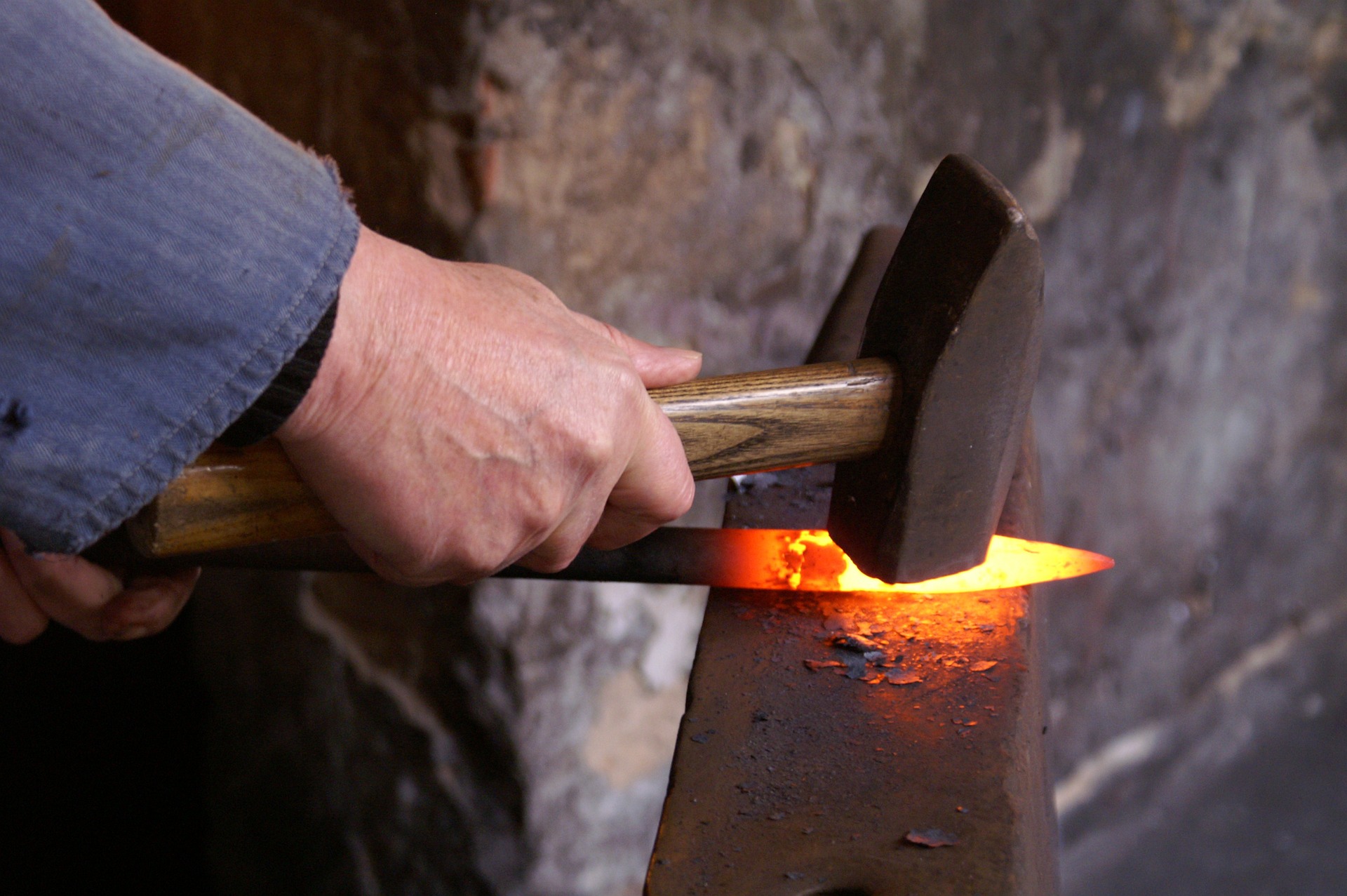
    Like with many other jobs that have been around for years, the career of blacksmithing has changed. However, many of the basic aspects remain very similar. Blacksmiths use fire in a forge to heat and soften metal. Then they put the hot metal on an anvil and hammer it into different shapes to make into metal railings, door handles, and many other objects. People in this trade often work in factories, but they can also work on their own or with one or two other people.

    Strength and endurance are necessary qualities for blacksmiths. Working with heavy pieces of metal next to a fire can be difficult, and the hours can be long. However, the trade can also be creative since blacksmiths can create their own designs or work with ideas that other people bring to them. Working with interior designers or other people in related fields can give blacksmiths ideas for what they need to learn and how they can help their customers.

    Normally, blacksmiths can find work with a high school education, but an associate degree in industrial technology or metalworking can be helpful for giving blacksmiths the background in how the trade works. Apprenticeships are also good ways of learning the skills necessary for the work. Contacting local factories is a good place to start. In high school, any kind of program that teaches people to work with their hands, such as woodworking or other industrial arts courses, can be useful. As always, English courses are useful for being able to read instructions, and mathematics courses are good for learning to calculate amounts.

    Many trades are seasonal, and blacksmithing can sometimes be the same. However, people still need doorknobs and other metal parts even in winter, and blacksmiths can often find work to do when construction stops for the season. However, having another type of work to do in the winter can help blacksmiths maintain a steady income throughout the year. Currently, career prospects for this trade are fair to good, depending on the region.

    Salaries for blacksmiths vary from one province to another and increase with experience. Hourly wages can rise to $22 per hour, and annual salaries range from $44,000 to $50,000. Larger companies generally have more opportunities for promotions, but the range of work might be limited. Smaller companies tend to pay lower wages, but the work is often quite varied.

    Working as a blacksmith can be a good job for people who have strength, endurance, and creativity. You might want to explore this career if you have the qualities necessary for the job.


    Bibliography:

    Job Bank. “Blacksmith – Manufacturing in Canada.” https://www.jobbank.gc.ca/marketreport/outlook-occupation/26846/ca.

    Ontario Colleges. “What to Expect from a Blacksmith Career.” https://www.ontariocolleges.ca/en/programs/arts-and-culture/blacksmith.

    Payscale Canada. “Average Blacksmith Hourly Pay in Canada.” https://www.payscale.com/research/CA/Job=Blacksmith/Salary.

    Ziprecruiter. “What Is a Blacksmith and How to Become One.” https://www.ziprecruiter.com/Career/Blacksmith/What-Is-How-to-Become.

  • Career Profile: Farmers and Ranchers

    Career Profile: Farmers and Ranchers

    If you look at your next meal, you might see meat, fruit, vegetables, or other kinds of food that comes from farms or ranches. The work that farmers and ranchers do is important for helping to feed people and to keep them healthy. If you enjoy working outdoors and helping to provide food for your community, why not consider a career as a rancher or farmer?

    Canada has many different kinds of farmers and ranchers. Some may be dairy farmers who keep large herds of cattle or grain farmers with huge fields of grain or greenhouses full of fruit. Ranchers might raise sheep, cattle, or other animals. Both jobs can involve hard physical work and require people to be outside in all kinds of weather, but they can be good choices for anyone who likes to be active.

    Farmers and ranchers often work directly with taking care of animals or planting and harvesting crops, but they might also train others to do the work. They need to be able to take care of the business side of the work, as well, including selling what they grow and dealing with budgets and anything else that needs to be done. Supervising farm workers or ranch helpers is also important to make sure that they have the right skills and knowledge.

    Some farmers and ranchers own the property where they work, but others rent the land. Salaries range from just over $36,500 per year and can rise to $50,910. Ranching and farming are heavily dependent on the weather. In very dry or very rainy years, crops can fail, or animals can have trouble finding enough land for grazing. Having a second source of income can be important, especially in winter when nothing grows outside. Working with plants in greenhouses can be one way of keeping busy in the colder months of the year while also earning an income.

    Educational requirements for farmers and ranchers vary, but a high school diploma with courses in courses in English and mathematics is helpful. A university degree or college diploma in a field such as animal husbandry or agriculture can also help to give people the knowledge they need to keep a farm or ranch running smoothly. Taking courses in business management can be useful for learning how to deal with budgets, wages for employees, and other aspects of the work.

    Hard physical work is often part of these jobs. Machinery can help relieve some of the most difficult tasks, but ranching and farming still involve long hours of work in all kinds of weather. As people age, they might want to move to more supervisory roles instead of continuing with the more active work. Helping to train younger people in the job can be one way of staying involved even when the active work becomes too difficult.

    A career as a farmer or rancher is difficult and can involve long hours, but the chance to work on the land and to provide food for other people can be very rewarding. If you enjoy growing plants or working with animals, it could be the right job for you.


    Bibliography:

    Career Planner. “Farmers and Ranchers.” https://job-descriptions.careerplanner.com/Farmers-and-Ranchers.cfm.

    Indeed.com. “Working as a Rancher: What They Do, Key Skills and Tips to Succeed.” https://www.indeed.com/career-advice/finding-a-job/rancher-job.

    Talent.com. “Farmer average salary in Canada, 2025.” https://ca.talent.com/salary?job=Farmer.

  • Career Profile: Arborist

    Career Profile: Arborist

    If you look at trees in your yard or a park, you might think that they just grow on their own. However, some people can have careers in looking after trees. Arborists are tree specialists who use their skills to keep trees healthy in cities, towns, and forests.

    Working as an arborist involves both labour and research. Arborists gather information about the health of trees, testing the bark and the leaves or needles, and the soil. They take the samples back to a lab to analyze them for disease or anything else that might affect the health of the plants, such as insects in the bark or a lack of nutrients in the soil. If they can, they treat the trees for any health problems they have.

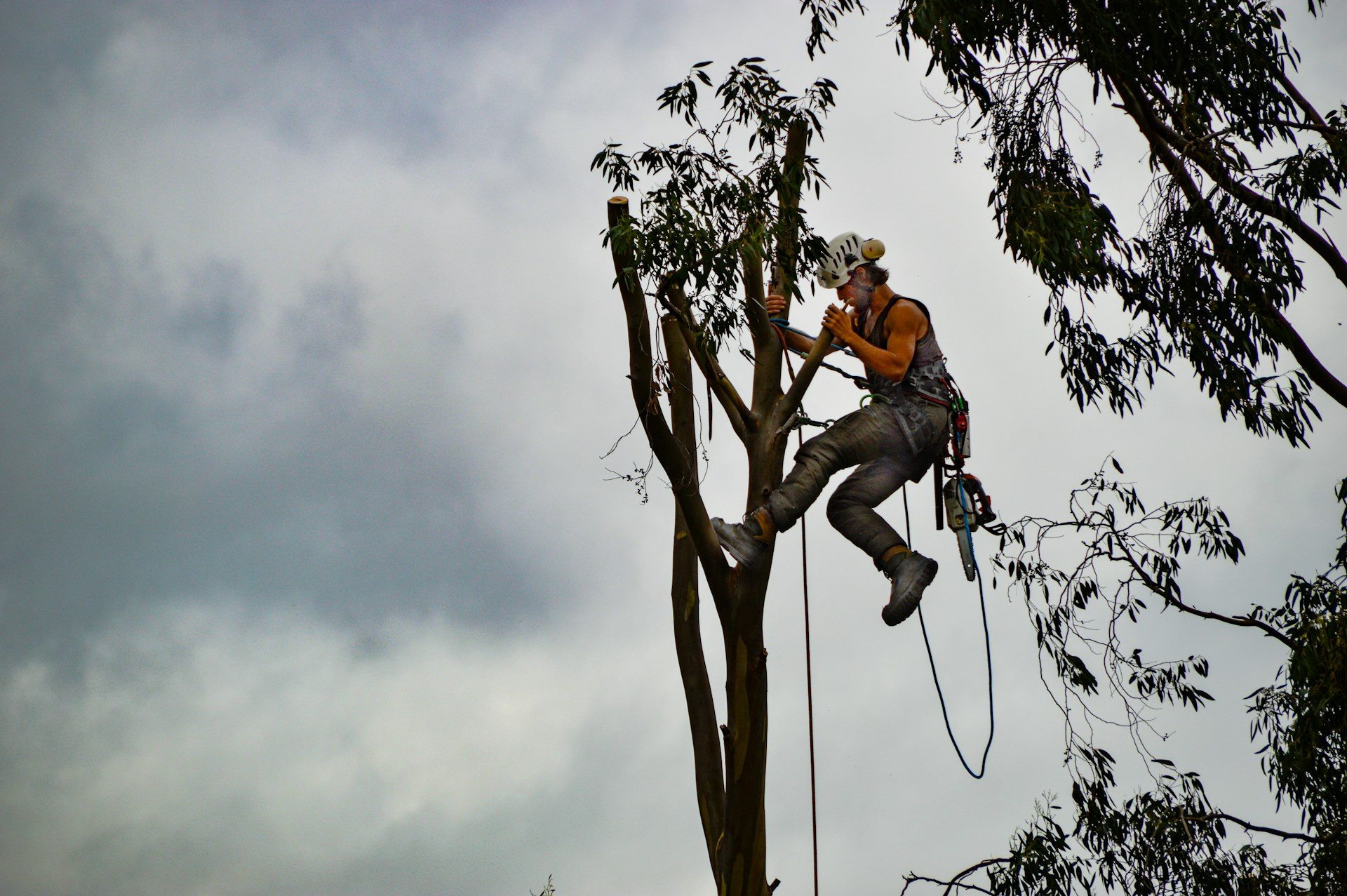
    Part of this work is assessing which branches of a tree need to be cut off, a task called pruning. Sometimes the decision is based on what the tree looks like and what shape people want it to be. Sometimes, however, the decision is based on safety or property issues, such as whether a branch is near a power line or hanging over another person’s property. Arborists can assess where to cut branches off to keep the trees looking nice without endangering their future growth.

    Checking for possible safety hazards is another part of the job, especially in urban areas. If trees die and rot or are weakened by a storm, they can fall onto people or cars as they go by. Arborists check for potential problems like these to make sure that people are safe near trees. Each kind of tree is different and needs a separate assessment. The age of a tree can also make a difference since trees that are either very old or very young tend to be more fragile than at other stages of their growth.

    Since the job involves both indoor and outdoor work, arborists should be prepared for long hours in offices or labs but also for time outside in cold or rainy weather. Arborists can work for governments, universities, and sometimes even for large companies. Although the most intense work is in the warmer months of the year, arborists can also spend the winter doing research or finishing projects that they began earlier in the year. Location can have a large effect on an arborist’s work since an area like Manitoba with long, cold winters will have less outdoor work than a place like the coast of British Columbia.

    Required education for arborists varies, depending on the employer. Normally, however, at least a high school education with English and mathematics courses is required. However, many employers are likely to require at least a bachelor’s degree in an area such as horticulture, agriculture, or botany. These degrees are normally at least three years at a university, although similar programs can also be available at community colleges or other schools.

    Salaries for trained arborists start at about $49,000 and can rise to $66,000 per year. In some cases, people working with arborists can start at about $15 per hour and earn up to about $40 per hour as they gain experience. Some of the work can be physically difficult or tedious. In some cases, wild animals might also be a danger.

    The work of arborists is very important for the health of people, plants, and animals. For people who enjoy working with trees and who like solving problems, the job of an arborist is a good choice.


    Bibliography:

    ALIS. “Arborist: Occupations in Alberta.” https://alis.alberta.ca/occinfo/occupations-in-alberta/occupation-profiles/arborist/.

    Eco Canada. “Career Profiles: Arborist.” https://eco.ca/career-profiles/arborist/

    Glassdoor. “Arborist Salaries in Canada.” https://www.glassdoor.ca/Salaries/arborist-salary-SRCH_KO0,8.htm

    Job Bank. “Arborist in Canada.” https://www.jobbank.gc.ca/marketreport/wages-occupation/22551/ca.

  • Career Profile: Restoration Mason

    Career Profile: Restoration Mason

    Buildings can easily decay or become damaged. Storms can damage the outside of buildings or floods can ruin the rooms inside. Age can cause parts of a building to rot or wear down. This kind of damage is where restoration masons are very important.

    Restoration masons, also called steeplejacks, help people preserve the buildings where they live or work. Sometimes, restoration masons might be called to work on special projects like helping to rebuild an important museum or other historical site. They might help to restore chimneys or church steeples. Restoration masons can choose to specialize in a certain type of restoration or work more generally with whatever project comes their way. Construction companies are good places to look for work, but some restoration masons are self-employed and work for a variety of clients.

    Jobs for restoration masons are more likely to be available in large cities than in small communities, but they can find work almost anywhere. For people who like historic buildings, a city like Winnipeg with a large collection of buildings from the early twentieth century is a better choice than a more modern city like Calgary. However, even relatively new buildings need repair at times.

    Educational requirements for restoration masons can vary, but generally, employers require at least a Grade Ten education but prefer to hire people who have completed high school. Courses in mathematics and English are useful, and it is a good idea to learn about construction concepts if possible. Patience and attention to detail are important qualities in this job.

    An apprenticeship may also be a requirement. Normally, apprenticeships in this trade take six thousand hours. Certification and Red Seal qualifications might also be necessary, especially in New Brunswick, Nova Scotia, and Quebec, although they are optional in many areas of Canada. Knowing about different types of materials and restoration techniques is also very useful.

    Daily duties for restoration masons can vary according to the type of damage to a building.  However, the job usually involves preparing mortar, cutting out and filling joints, and repairing or resetting bricks, terra cotta, or stone. Resetting or pinning stone pieces can also be part of the work. Parts of the job might be indoors, but restoration masons should be prepared to work outside, often on roofs. The work can be very dirty and physically exhausting, and it is often dependent on the weather. Although some of the work can take place in winter, the job tends to be seasonal because of the cold and snow of Canadian winters.

    Salaries for restoration masons begin at about $56,550 per year and can rise to $72,150 or more. As with other trades, the work can lead to serious injuries, and it can become difficult as people age. Many people in this trade might prefer to get into a less active role as they age or even move to an entirely different field.

    Despite these issues, the job of restoration mason can be a good choice for many people. If you have the necessary qualities, you should consider this career.


    Bibliography:

    Construction Training & Apprenticeship Ontario. “Restoration Mason.” https://www.ctaontario.ca/explore/restoration-mason/.

    Skilled Trades Ontario. “Restoration Mason.” https://www.skilledtradesontario.ca/trade-information/restoration-mason/.

    Skills Council. “Restoration Mason.” https://www.skillscouncil.ca/trades/restoration-mason.

    Talent.com. “Mason Average Salary in Canada, 2024.” https://ca.talent.com/salary?job=mason.

  • Career Profile: Air Traffic Controllers

    Career Profile: Air Traffic Controllers

    When an airplane lands at an airport, someone needs to tell the pilot where to go. Otherwise, planes coming from different places might crash into each other or at least cause major delays. Air traffic controllers help to keep everything working smoothly so that airplanes can come and go in an orderly way.

    If you look at a large intersection in a city or town, you can see how complicated it can be. City planners must make sure that vehicles and pedestrians all get to their destinations safely. An airport can be like that. At a small airport, maybe only two or three airplanes take off or land at once, but a busy airport can have five or ten times as many planes using the runways. Air traffic controllers make sure that the planes are not on paths that would lead to collisions.

    Being able to coordinate these different factors at once involves an ability to read and understand maps and spaces. Air traffic controllers generally need at least a high school education, although it is better to have at least some post-secondary education or experience in related fields. Courses in English and mathematics can be very helpful, and even a course in a field like architecture or interior design can help people see how the movement of the different airplanes fits together.

    Licensing for being an air traffic controller goes through Transport Canada. Usually, training takes about two years, and students get paid about $35,000 per year during this time. For fully qualified air traffic controllers, salaries start at about $43,000 per year and can rise to about $127,000 with experience.

    Working in this field is not necessarily physically difficult, but it can be very stressful, especially at large airports where many airplanes take off or land at once. Shift work is common for air traffic controllers, so people might have to work several nights in a row and then have a series of day shifts with little time to adjust to a new sleep pattern.

    Career prospects for air traffic controllers are moderate in Canada these days, and the field is very competitive. Retirements and other factors mean that at least some jobs are likely to be available, but not necessarily where the candidate wants to work. Cities are the best places to look for employment, but even some small towns can have airports where people can find jobs.

    Working as an air traffic controller requires the ability to concentrate, often with noise and commotion in the background. People in this field need to be able to communicate clearly so that pilots can understand the instructions that they are receiving. Being able to understand and remember terminology specific to airlines is important since all air traffic controllers use the same standard instructions. That way, pilots from anywhere in the world can understand what they are supposed to do.

    Working as an air traffic controller is a very important job. If you are precise and detail-oriented and you can stay calm under pressure, it might be the right job for you.


    Bibliography

    Bouw, Brenda. “I Want to Be an Air Traffic Controller. What Will My Salary Be?” https://www.theglobeandmail.com/report-on-business/careers/career-advice/life-at-work/i-want-to-be-an-air-traffic-controller-what-will-my-salary-be/article19432111/.

    Indeed.com. “Air Traffic Controller Salary in Canada.” https://ca.indeed.com/career/air-traffic-controller/salaries.

    Job Bank. “Air Traffic Controllers and Related Occupations.”  https://www.jobbank.gc.ca/marketreport/summary-occupation/22705/ca.

    PayScale. “Air Traffic Controller.” https://www.payscale.com/research/CA/Job=Air_Traffic_Controller/Salary

    Salary Explorer. “Air Traffic Controller Average Salary in Canada 2024.” https://www.salaryexplorer.com/average-salary-wage-comparison-canada-air-traffic-controller-c38j63.