Category: Mental Health

  • Building Resilience in Children: Strategies for Teachers and Parents

    Building Resilience in Children: Strategies for Teachers and Parents

    Without question, having resilience remains necessary as working through challenges is a part of life. It’s best to begin building resilience early on, meaning during childhood, so that more opportunities to build are seized and individuals will likely end up better equipped for these inevitable challenges. Teachers as well as parents have this responsibility since they’re usually the most influential figures in children’s lives. However, it can be a feat that’s tricky to approach. If you’ve been thinking about this and you’re a teacher or parent looking for advice on building resilience in your children, here are some strategies:

    Help Them Improve Their Self-Esteem

    Self-esteem can be linked to resilience. If children have confidence in themselves, there’s a better chance of them believing that they’re able to overcome the obstacles they encounter.

    Introduce Healthy Ways of Handling Disappointment/Negative Emotions

    One effective way is changing their perspective. For instance, if/when they’re initially disappointed by a certain outcome, such as losing a game or getting lower grades than expected, encourage them to see the positive side(s) of it.

    Some questions that could be asked in cases like these are:

    • What did you learn?
    • What would you do next time for a better result? (If applicable)
    • Could the outcome have been worse?

    When building resilience in children, also ensuring that they learn how to process negative emotions so they’re more knowledgeable about navigating them going forward is crucial. Using outlets including journalling, drawing, and discussing the experience with someone remain good options for expressing themselves as well as making sense of what they’re feeling. Overall, children shouldn’t stifle their feelings to build resilience. It should encompass gaining proper tools for coping with these feelings in order to not only successfully continue on, but also do so in a healthier way.

    Provide Continuous Guidance And Support

    Building resilience may look/seem different depending on the child, but providing continuous guidance and support when engaging with what’s stated above regardless is important. This process will likely be ongoing due to the various types of difficult experiences they’ll face, so even if you’re seeing desired results your job may not necessarily be done. Being available to guide at any time during these moments definitely makes a difference.

    Ideal as well as reasonable goals to work toward as a parent or teacher include:

    • Finding a balance between remaining supportive and not providing too much intervention when the child faces certain challenges.
    • Establishing that there is (or will be) an expectation for them to manage some difficult emotions, experiences, setbacks, etc. responsibly but also them understanding that they’re not alone in it.

    Building resilience in children is a very important and at times difficult task that teachers and parents must take on. A good combination of strategies to tackle it includes improving their self-esteem, determining what healthy methods of coping with their negative emotions work best, and providing support and guidance throughout the process while having feasible goals in this respect. All in all, if you consider using these suggested strategies, you’re on your way to effectively building resilience in the children you teach or your own.

  • The Connection Between Physical Health and Mental Health

    The Connection Between Physical Health and Mental Health

    By Rabia Khan

    Human beings have a unique and complex system. Both mind and body and soul are interconnected. When one part goes downhill, everything else goes downhill too. What happens to the mind deeply affects your physical health in different ways. Though, men and women both seem to take on the toll differently. There is a strong connection between physical health and mental health that many are not aware of.

    How mental health affects your physical health

    As we share an intense connection between our mind and the body, it also tends to affect us by the way we feel.

    Poor sleep: Too much stress can hamper quality of life and take away all the peace! Your sleep is precious as it prepares you to fully function and wake up for a new day! If you skip a good sleep, it will most likely affect your physical health leading to fatigue, chills, headache, fever, etc.

    High blood pressure: Another proof of mental stress manifesting into physical stress unfolds when you experience your blood pressure bursting into flames and suddenly turns high. If the symptoms worsen overtime, you should seek medical attention as soon as possible.

    Stroke: Most often the connection of mental health and physical health is so strong that certain mental health disorders can cause havoc to the body. Too much stress can cause a heart or a brain stroke. That is why most health practitioners consider mindfulness and meditation good for the mind, body and soul.

    Premature aging: Nobody talks about the fact that increase of stress can lead to premature aging. Your hair would eventually start falling while you’re young, nails will turn brittle and skin will sag and start showing wrinkles. Internal stress easily wears off on your skin making it look old. It’s important to keep yourself hydrated at all times!

    Reproductive health: Many women face tremendous physical issues when they are stressed. One is the reproductive system, taking too much on yourself can lead to major health issues like PCOS, fibrosis, menstruation problems, etc.

    Digestive system: Remember keeping a calm mind leads to a calm internal system, when your mind is thinking too many intrusive thoughts, that alerts your digestive system and causes a weaker immunity functioning. Your physical health is most likely to get affected severely, inviting issues like diarrhea, stomach cramps, bloating, indigestion, constipation, etc. It’s a known fact that mental health disorders lead to poor eating habits.

    Here are some ways you can maintain mental and physical health:

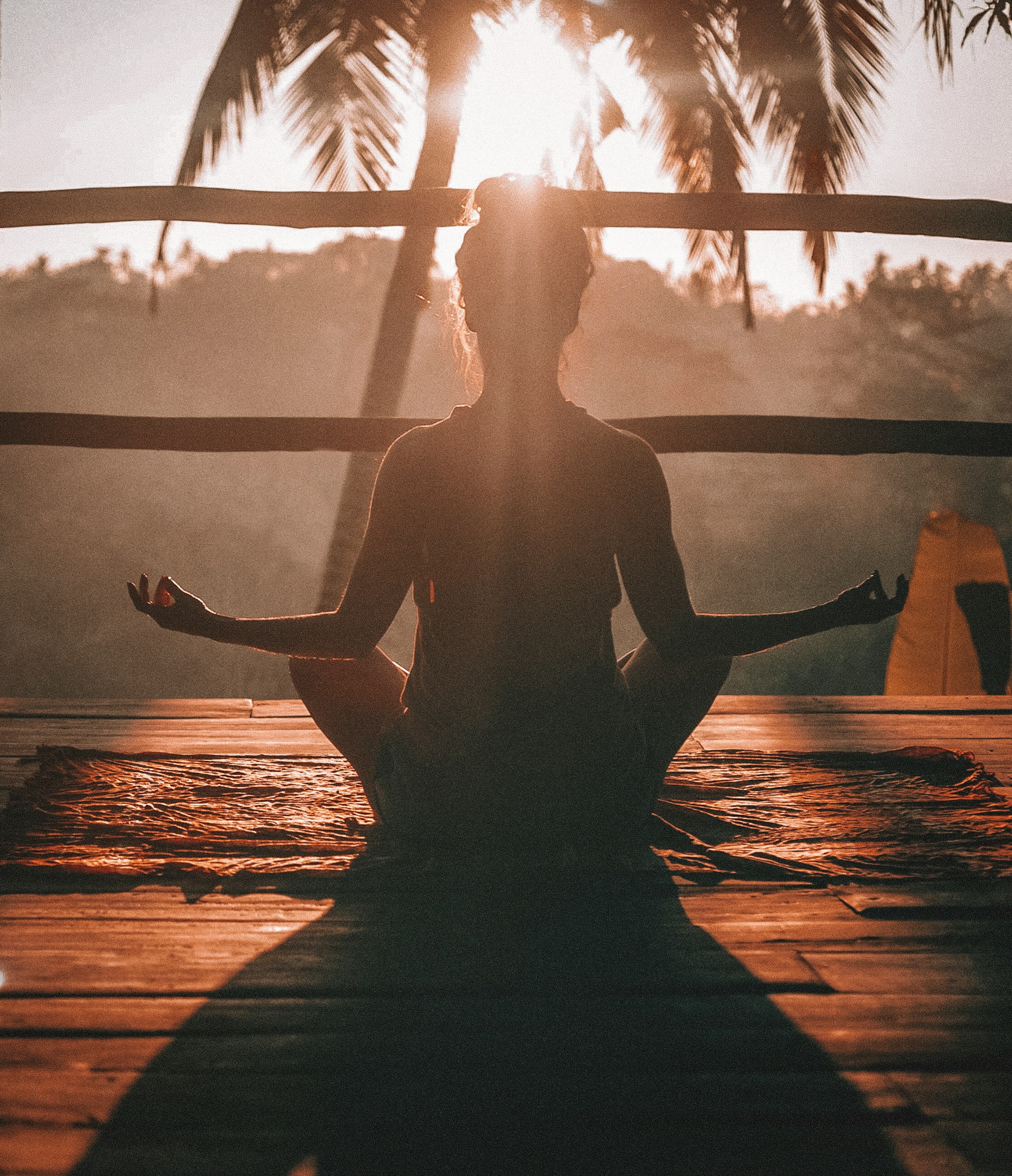
    Meditate: In order to keep your physical health in best shape, your mind needs positive fuel. You can only achieve this by meditating and practicing mindfulness daily.

    Eat healthy: Eating healthy food contributes to a healthy mind and body, always be mindful of what you are eating! Remember, you are what you eat!

  • Substance Abuse: Understanding the Underlying Mental Health Issues

    Substance Abuse: Understanding the Underlying Mental Health Issues

    By Rabia Khan

    If you’ve been dealing with substance abuse, you are not alone! In this article, I would like to trace my own journey with substance abuse and alcohol addiction and it has not been easy so far. Mental health issues have become so rampant ever since the pandemic hit off, half a quarter of the population has been diagnosed with multiple mental health disorders and it only gets worse everyday.

    Mid-May, I was diagnosed with four mental health disorders: Generalized anxiety, major depression, panic disorder and PTSD. Only to realize one more recent diagnosis including Borderline Personality Disorder at the end of September. I often knew that there was a major mental health issue eating me up since early days of my childhood, just like everyone grows ignorant, I too did in fact excel at growing ignorant as an adult. Fast forward to June 1, 2023, is when I was forcefully placed on multiple antipsychotic drugs by my university psychiatrist. Now, I feel like I’m just a mere human being who is being experimented at and is treated like a project.

    Well, It was going pretty great the entire month of June. Something ticked my bones and there I was abusing my antipsychotics in mid-July. Things were happening so fast that I lost track of how much harm I have done to myself. It was August the 3rd, the day I was admitted for an overdose in a psychiatric ward for 7 days. After discharge, I had several suicide attempts by overdosing and was in and out of emergency room, picked up by ambulance. There had been several incidents that I did not feel alive. It’s tough to live now! Though, the strong feeling of wanting to die still lingers on me even now.

    The hospital switched my antipsychotics, and a few drugs were also discontinued abruptly. The whole process took a huge toll on my mental and physical health. I would often suffer from withdrawal symptoms and also experience stroke-like symptoms.

    Apart from that, alcohol became my best friend. I resorted towards alcohol like a feast! I just started drinking and abusing my antipsychotics. Mixing drinks and drugs became a huge part of my life. I was put on new antipsychotics by my university psychiatrist as well as my dosage of antidepressant was increased. Currently, I am placed under “test”, so that I don’t abuse my meds. I have to religiously respect daily dispenses, and pick my meds daily! That’s how they prevent overdose in people.

    Having a borderline personality can suck your life and soul for real. It’s a vicious cycle. You keep repeating the same patterns over and over again and now you wonder why! Mental health issues can increase in people if they start a path of substance abuse and it can only get tougher from there! Hope my story inspires many. The biggest moment is when you have survived!

  • Addressing the Stigma Surrounding Medication for Mental Health

    Addressing the Stigma Surrounding Medication for Mental Health

    By Rabia Khan

    The topic of mental health is receiving immense attention these days and yet people feel reluctant to seek help. It’s high time that we address the stigma surrounding medication for mental health. While, there are people who are unable to get needed attention and are nearly killing themselves, there are some who are at their best denial.

    Hundreds of thousands of people continue to go without the care they require owing there is a huge stigma surrounding the medication that could ease how they are feeling, even though the stigma connected with mental health issues has significantly diminished over the course of the last ten years. The acceptance of transparency regarding mental health issues has increased, in part due to the rich and famous discussing their battles with anxiety, depressive disorders, and other disorders.

    Despite when people seek sympathy and encouragement for their mental health disorder, they are subjected to a variety of insufficient and stigmatizing attitudes towards medication, that range from the belief that they are simply not striving adequately to triumph over their demonic mind, to the advice that all they require is a particular meal plan, physical activity, or contemplation, to the notion that the healing for what bothers them is as straightforward as binging on medication. Yet, these views are frequently internalized by the same people who ought to profit from psychiatric medicine. Indeed, this stops them from receiving therapy.

    In the past few years, mainly post the pandemic-era, the consumption of antipsychotic medication for mental health issues have increased tenfold. There’s a huge population which stigmatizes the use of medication for mental health disorders and it is prevalent in countries where the topic of mental health is considered as a taboo. The taboo culture is a big problem of this new-age society.

    So many are wrapping their heads in misconceptions when it comes to treating mental health disorders, some fail to understand the role medication plays in treating them. People are accepting mental health disorders just like physical Illness because of the celebrities ranting about their personal struggles and drawing awareness about various mental health issues. It is essential to bring attention to various issues related to psychological health for it to be treated the same way as psychical illness.

    However, one can navigate ways to address stigma surrounding medication for mental health problems by responding to negative reactions and sharing personal experiences and being factual. In recent times, major precautionary steps are being placed for those who are unable to regulate their emotions. While, stigma surrounding medication for mental health still remains a taboo for those who are very reluctant to receive it, the positive change is slowly unfolding for the better. Lot of government organizations are doing their best to reduce the stigma associated with medicines.

  • Discussing Mental Health in High School Classrooms

    Discussing Mental Health in High School Classrooms

    Students can encounter many ups and downs while in high school. Therefore, being aware of mental health as well as having meaningful discussions about it during this time remain crucial. A productive place to do so is in the classroom because participating in these discussions when amongst others going through the same/a similar journey may not only help them navigate their challenges, but also just be a valuable facet of students’ overall at-school experience. For high school teachers/personnel who are planning on engaging in this with their students and looking to find some tips, here is what can be done and how to go about discussing mental health in the classroom:

    Mental Health Should Be Brought Up More Often

    It’s common for high schools to have discussions/presentations about bullying, usually for grade 8 students. While these are helpful and directly relate to mental health, the same should be applied to mental health in general as well as be discussed more often amongst all grades. Grade 12 students in particular are likely experiencing stress as they prepare for the next phase of their lives.

    Establish That The Classroom Is A Safe Space

    A good initial step is reminding students how classrooms remain safe spaces to talk about mental health. Having everyone, students included, involved partake in this reinforcement would be beneficial. Overall, requiring a collective responsibility is the best way to approach creating comfortable settings for these kinds of discussions.

    Exchange Ideas and Thoughts On The Subject

    A good place to start would be talking about what has been affecting their mental health as well as possible coping strategies. Some questions that could guide the discussions are:

    • Have you been feeling overwhelmed lately due to academics or other roles you’ve taken on at or outside of school?
    • If you are feeling down, is there anything you can do on a regular basis that might make you feel better?
    • Can you name some activities that are typically associated with self-care?
    • Have you been seeking ways to improve your mental health but are experiencing difficulties with it?
    • Do you think seeing a counselor or any other mental health professional would help?

    For most if not all, knowing that they’re not alone can make a significant difference. It’s especially reassuring when people receive support from peers and/or others their own age. Also, while students (of course) shouldn’t feel pressured to talk about what they’re exactly going through if they’re not 100% comfortable, consistently providing them with encouragement to open up to anyone they trust if need be or even to just express how they’ve been doing can contribute to an increased comfortability.

    On the whole, mental health is an important subject to discuss during high school and should be brought up on a more frequent basis. Facilitating these discussions and giving students an opportunity to talk about it would have a positive impact on classroom culture and key factors that play into this is having a safe space so that they feel supported as well as comfortable speaking up. If the ideas above are taken into consideration by high school teachers/personnel, everyone involved is on the right path to meaningfully discussing mental health in the classroom.

  • Cultivating Emotional Intelligence in Early Childhood

    Cultivating Emotional Intelligence in Early Childhood

    By Rabia Khan

    The time when children is when so much growing and learning kicks in. It is during the days of early childhood, that children experience a myriad of opportunities to receive early support and learn how to regulate their emotions. Now, it is essential to prioritize this because children will not grow up to become problematic adults and prevent them from acting irresponsibly. There are many benefits to cultivating emotional intelligence in early childhood.

    Maturity

    Adults who received care and attention in their early childhood days tend to have higher maturity levels than those who had emotionally unavailable parents. Gaining maturity makes young people feel more independent as they transition into a much later stage in life.

    Social life

    For some, socializing in large gatherings could be challenging but those who grew up in a supportive environment tend to be a social butterfly and are flexible in adjusting to large social gatherings. They don’t feel shy being a total extrovert and blend well with everyone.

    Academics

    It is no science that excelling at academics often becomes a goal for those people who have cultivated emotional intelligence in early childhood as opposed to those who did not. These are the people who are willing to excel in academics and extracurricular activities alike. Besides, they are highly competitive and carry high self-esteem levels.

    Relationships

    Cultivating emotional intelligence in early childhood welcomes so many benefits when one starts adulting, relationships seem easier to navigate when one is emotionally aligned. Relationships are delicate as they are, and possessing good emotional intelligence can strongly impact the bond between two people.

    Recognize emotions

    People who cultivate emotional intelligence in early childhood grow up to live the most fulfilling lives and the best part is that they can easily recognize their own emotions.

    Understanding

    Adults with high emotional intelligence can understand others better and foster healthier relationships. One can assess and understand how other people feel which is excellent for overall human development in the long run.

    Challenges

    Days during early childhood are pretty much a game-changer and get you ready for real-life challenges. When one has their emotional health tied in green light, that’s when they can face any challenge as they grow up to become adults.

    Personal growth

    Fostering personal growth is essential to success in life and that is only possible when one has their mental needs in check. Learning how to regulate your emotions is the greatest gift to mankind and everyone deserves to make their life worth living.

    Family/community bond

    When people have high emotional intelligence, they’re driven to make a good bond with the members of their family. Likewise, they also strive to do better in the community.

    Opportunities

    It’s important to feel your best to welcome opportunities in life, whether career, making connections, finding a partner or getting a well-paying job, there’s always a door to more opportunities when you have a high emotional intelligence.

  • How the Arts Help Emotional Expression and Mental Health in Youth

    How the Arts Help Emotional Expression and Mental Health in Youth

    Engaging in the arts can help youth express and navigate their emotions, as well as help with their mental health. According to the Canadian Institute for Health Information, 70 per cent of Canadians “experience symptoms of mental illness” before they turn 18. It is important to address mental health during these critical younger ages. Doing activities that encourage youth to use their imagination, like drawing, painting, writing, and music, can create one way to maintain a healthy outlook during stressful times.

    Defining Art

    “Art” is a broad topic containing many types. Like many abstract and large topics, it’s often to define art in one statement. The World Health Organization (WHO) defined five categories of art in their 2019 report on art’s positive impacts on heath:

    1. Performing arts (music, dance, theatre, singing, and film)
    2. Visual arts, design, and craft (crafts, design, painting, photography, sculpture, and textiles)
    3. Literature (writing, reading, and attending literary festivals)
    4. Culture (going to museums, galleries, art exhibitions, concerts, the theatre, etc.)
    5. Online, digital, and electronic arts (animations, filmmaking, and computer graphics)

    Benefits of Making Art

    A 2021 report by the English Language Arts Network (ELAN) noted that creative arts reduce stress and boost resistance to negative experiences within youth. While specific art therapy sessions with a professional exist, the benefits of making art apply to other social situations. When participating in the arts with others, it creates a sense of belonging, and connections with those around. Additionally, art helps children develop their own identity and as well as support and gain an “awareness of diverse identities within society.” Making these social connections make children feel more confident and less isolated in their lives, leading to greater health overall.

    The Flexibility of Art

    Art’s flexibility lends itself well to help people explore their emotions. Many creatives cite life experiences as inspirations for their work, and often art is a reflective process.  A simple piece of blank paper can be filled with text, or colour, or pictures — it all depends on what comes to mind. Art allows individuals to create anything they want, and this acts as a pathway to the mind. Emotions flow into works, whether they want to look into their current feelings, ones of the past, or ones they want to feel. Art can be a naturally therapeutic medium for its ability to let people think about which aspects of themselves they want to express.

    Arts for All

    Though participating in the arts is especially helpful for youth, the benefits help people of all ages. Creating art at a young age could start a life-long hobby that improves life even as someone grows older. Art is one of those things that will naturally evolve the more people get involved and as they change as people. Though someone’s art abilities and creations may vary throughout their life, having a consistent hobby helps to destress in busy times. Having a hobby such as art helps create a health work-life balance later on, and acts as something to keep people happy for the rest of their lives.

  • A Closer Look at a Career as a Mental Health Counsellor

    A Closer Look at a Career as a Mental Health Counsellor

    Mental health issues are prevalent in Canada but are sadly overlooked. According to the latest findings by the Canadian Mental Health Association (CMHA), 53% of Canadians consider mental conditions such as depression and anxiety as epidemic in the same vein as addiction and ahead of more common physical illnesses such as cancer, heart disease, stroke, and diabetes. Now, the CMHA is calling for the Canadian government to come up with legislation that prioritizes mental health as much as physical health and provide access to basic mental health services and supports via the existing universal health care system.

    At present, the CMHA says that over 1.6 M Canadians claim that their mental health needs are not met. With this alarming number into focus, there is certainly a need for more mental health professionals, including mental health counsellors. If this is an idea that you have come across, you can read on for more information about this profession.

    Mental Health Counsellor – What You Need to Know

    To start off with, a mental health counsellor’s job mandate is primarily to treat clients with mental issues. At times, the job description may also include diagnosing the client’s mental health illness. However, there is a misconception that mental health counsellors are always either psychiatrists or psychologists, which is not necessarily the case. Still, mental health counsellors need to obtain the necessary license and certification, like psychiatrists or psychologists. It should be emphasized though that the psychiatric or psychology disciplines require a higher level of practitioner’s training, as well as a lengthier clinical experience compared to that of mental health counselling.

    Mental health counsellors are usually employed in clinical or hospital environments where they assist clients in working through psychological challenges or conditions. The support they provide can encompass curative counselling or approaches, and the counselling sessions can either be one on one or within groups.

    While there are mental health counsellors who can provide general mental health support, typically they are segregated into various areas of practice or specializations. For example, some work in addiction centres to help those who deal with addiction issues, while some work in juvenile detention centres to provide support to underage delinquents.

    Salary

    According to PayScale.com, a mental health counsellor can earn between $35,159 up to $72,809 per year with potential for bonus.

    Skills

    To kick off a career as a mental health counsellor, it’s a requirement to at least have an undergraduate degree in psychology, sociology, or any related field, as well as completion of certifications for mental health counselling.  A master’s level is a plus.

    To be highly effective in this profession, one must obtain a solid field experience in working with clients and be knowledgeable in a variety of therapeutic methodologies, including cognitive behavioural therapy and solution-focused therapy. Apart from these, it’s important to have the abilities to build trust-based relationships with clients while fostering open and welcoming environments, as well as be effective in diffusing tension and mitigating uncontrollable behavior while still remaining committed to the client’s health and safety.

    Pros and Cons

    A career as a mental health counsellor is an important one given the sign of the times. There is real value in helping clients deal with their mental challenges while at the same time contributing to minimize the stigma associated with mental illness.

    The challenge is dealing with clients who may turn in unpredictable behavior. Mental health counsellors must always know how to maintain calmness and diplomacy in crisis situations.

    SOURCES:

    https://www.payscale.com/research/CA/Job=Mental_Health_Counselor/Salary

    https://www.counsellortraining.com/how-to-become-a-counsellor-or-psychotherapist.php

    https://www.newswire.ca/news-releases/over-half-of-canadians-consider-anxiety-and-depression-epidemic-693458241.html

  • Social Anxiety

    Social Anxiety

    Knowing whether or not you have social anxiety can be difficult. There are varying degrees of anxiety and if you don’t talk about it then it’s hard to pinpoint which kind you may be suffering from. Sometimes it’s also hard to know whether or not you just get scared before tests or if you find yourself getting scared for longer periods of time. So, first let’s break it down with the difference between anxiety and social anxiety.

    The dictionary defines anxiety as “apprehensive uneasiness or nervousness usually over an impending or anticipated ill,” which is pretty much a fancier way of saying that you get a little scared when you think something bad is about to happen. It’s perfectly normal for students to get nervous before they present or before they have a test. Many students have the same fears that you do before something big in class happens so just remember that you’re not alone with these feelings.

    Social anxiety is a little different but shares many similarities to general anxiety. Social anxiety is medically defined by Merriam’s dictionary as “a form of anxiety that is brought about by social situations (such as meeting strangers, dating, or public speaking) in which embarrassment or a negative judgment by others may occur.” Now, as I said before, a little anxiety is perfectly normal. It’s always a little nerve-wracking to be introduced to a new teacher or being paired with a new student for a project.

    But, there are ways to help yourself feel a little more at ease so you can cope with any kind of social or general anxiety.

    First, you need to speak to your caregivers or your parents about what you’re feeling – especially if your anxiety lasts longer than the school day. They’re there to guide you and to help you understand what social anxiety means. Rest assured they will help you with your anxious thoughts and remind you of the rational things that sometimes slip our minds when we’re feeling scared.

    Usually anxiety is accompanied with feelings of nausea, wobbly limbs, headaches, heavy breathing, and a possible desire to cry. It’s important to remember that these feelings will pass. There are also ways to calm yourself down when you feel these sensations coming. Take deep breaths. Talk to a friend or to someone who helps you feel at ease. Listen to some music that you love. These quick tips will offer you some relief before doing something that makes you nervous.

    However, one of the most important things to remember is that if you ever feel alone or scared, you need to speak to someone about it. If you ever feel anxious during the day outside of school or you think you’re more nervous than you ought to be, you need to say something. There’s nothing worse than feeling like you’re going through something alone and I can guarantee that you’re not. Don’t ever avoid your feelings. They’re important and there are lots of people out there to help you.

    Sources:

    https://www.anxietybc.com/parenting/my-anxiety-plan-social-anxiety

    http://www.childanxiety.net/News2.htm

    http://www.calmclinic.com/anxiety/stop-anxiety-quickly

    https://www.merriam-webster.com/medical/social%20anxiety

    https://www.merriam-webster.com/dictionary/anxiety

  • Improvisation as Therapy

    Improvisation as Therapy

    Mental illness targets everybody in its own unique way, and we each have our tailor-made tale to share. My depression and anxiety reached their apex in 2011. One of the things that turned the tide in positive favour of my mental health was my time at the Second City. The longstanding improvisational comedy theatre took me on as an intern behind the scenes, and I used that opportunity to pursue their many improv classes. The world of improvisation acted not only as a reprieve from my suffering, but also as a form of therapy that, along with other forms of help, aided in my recovery.

    The Second City schools of Toronto, Ontario and Chicago, Illinois offer improvisation courses specifically geared to anxiety. These include classes for those aged 12 to 14 and 15 to 18. These offerings utilize licenced therapists and the ideas behind cognitive behavioural therapy, commonly referred to as CBT. The latter played a huge role in my journey, not only in improv classes but also with my CBT therapist. This form of therapy analyzes how different situations trigger certain thoughts that lead to specific emotions and behaviours. CBT forces you to challenge recurring thoughts that contribute to feelings of depression and detrimental actions.

    Improvisation itself can act as a form of therapy partly because of the similarities between the two. A patient must be able to trust their therapist and spend sessions in intense discussion requiring attentiveness, with neither party fully knowing where the talks will lead. Similarly, improv participants must trust one another, and never know what will come up in improvisational games or where the dialogue will take them. One of the core concepts of improvising is “yes, and.” In this exercise, one performer makes a statement, which the other performer must accept and then add to. This is repeated back and forth to build a dialogue. Therapists encourage their patients with similar positivity, as the profession requires a lack of judgement towards clients. Both the therapist’s office and improvisation classroom are safe spaces to talk freely and share ideas without judgment.

    Improv classes help quell the inhibitions and self-censorship that form the crux of social anxiety. When an improv game goes well, it encourages you to try again and with slightly lower levels of anxiety. Even when a game does not go well, you learn that this is not the end of the world. The nature of improvisation requires you to shut down the parts of your brain that make you think before you speak and question your abilities. By coupling that with the teamwork aspects of the classroom, you learn to interact with others while being free of judgment.

    I took both improvisation and writing classes while interning at the Second City. Watching the professional performers put on the stage gave me a chance to meet the talent backstage. I will never forget how calm they were away from their audience – their quiet confidence was surely a key component to their success. I made friends in the classes I took that I still have to this day. Both the writing and improv groups encouraged me to share things I never would have shared, talk to people I otherwise would have never spoken with, and put myself in uncomfortable situations I never would have dared to otherwise. It was therapeutic, eye-opening, and a very important step in the right direction. Looking back now, as I sit here in a much healthier state of mind, I cannot understate the importance of those classes. I benefited greatly from them. Yes, and you can too.

    Sources:

    “Improv for Anxiety.” The Second City. https://www.secondcity.com/class-series/improv-anxiety-ages-12-18/

    Toohill, Kathleen. “So Funny, It Doesn’t Hurt.” The Atlantic. https://www.theatlantic.com/health/archive/2015/09/comedy-improv-anxiety/403933/