Category: Mental Health

  • I Feel Sad; how can I feel better?

    I Feel Sad; how can I feel better?

    There are so many different angles to feeling sad. Whether it’s weather related, family or friend issue related or maybe medical…feeling sad is normal. The way you deal with it, however, can ultimately affect the person you are to become. Humans can get into patterns very easily, and believe it or not those patterns can follow you your entire life. That means that analyzing and improving the way you handle sadness now can really benefit you for years to come.

    Admit what you are feeling

    If we don’t accept that we are sad, there is no way we can find the headspace to feel better. It may sound like a cliché, but accepting that the problem exists is the first step. Don’t deny what you know to be true (and yes that is a Jedi reference), but instead be completely accepting that you are indeed sad. No one truly likes to be sad, so once you have a handle on the truth of that emotion, ask yourself what the factors are that contribute to your mood. Are these factors things you personally can change? For instance, is your temper or bad habits causing your mood to fall? Or is it a problem that you can’t control? If that last one is the case, finding ways to locate inner peace are important.

    Exercise

    Exercise is the answer to so many problems in life; of course it can help with this one! Exercise helps to reduce anxiety and depression, improving your overall mood. Regular exercise releases endorphins. These endorphins interact with the receptors that live in your brain. And those receptors help reduce your perception of pain, whether physical or emotional. Endorphins also trigger a wonderful feeling in your body—like a natural kind or morphine or drug!

    Learn how to bounce back from failures

    Life is never going to be without its failures. Accept that—yes—you will fail, but all humans do and you are no different. Failures are tests that prove the capabilities of a human. Beat down those failures. Swear that they won’t tear you down. One great idea is to ‘fake it until you feel it’—this means that even though you may be sad, react like you feel a different way and you just may trick yourself into being more positive. Set an intention for yourself and make strides to make that intention a reality.

    Get support

    Ask. For. Help. Always ask for help. No great battles were fought alone. Even great solo warriors had a wise old Yoda type in the wings for advice (last Star Wars reference, we promise). Teachers, parents, councilors, doctors, pastors, friends…there are so many people out there that want to hear you. Because you are important. And being made to feel important is real firepower against sadness.


  • Pathways Health Centre for Children: Help for People in Need

    Pathways Health Centre for Children: Help for People in Need

    http://dev.pathwayscentre.org/page/community

    Some websites are destinations in themselves, but others are paths to something else. That’s what the Pathways Health Centre for Children website is: a guide to other resources that people can use when they are in need. If you or someone you know is looking for information on where to find resources for dealing with certain health or developmental issues, this website might be a good place to start.

    Suppose that someone needed access to a children’s hospital or medical services for someone in bad health. The Pathways site has information on all kinds of topics like these. Both the physical and emotional aspects of health are covered on the site, and the focus is on both children and their families.

    Research is the focus of the website, with information on the best treatment and most useful resources. Two of the aspects that the website covers are people who are medically fragile and also a faith-based site called Christian Horizons, which also serves people who have developmental issues. Others deal with treatment centres and other resources, but they all have useful information for people with a variety of needs. Although the organization is based in Sarnia, Ontario, the website includes useful information for people living in other parts of the province.

    Besides the links to various organizations, the website includes information on programs and services available at Pathways, as well as information on the organization and how people can support it, both financially and otherwise. News and events listed at the side of the page give people the chance to learn about arts events, summer programs, and more. Even if the programs themselves are not what you and your family need, something like an art tour or summer camp for children could be a good option.

    Life can be difficult, even without the challenges of a disability in the family. The Pathways Health Centre for Children website attempts to deal with some of these issues by providing information about available programs and services. The website is quite easy to navigate. A history of the organization helps to give a context for the organization, and other information gives useful background information.

    No website can give all possible information for every situation, but the Pathways site does a good job of giving as much information as possible without being cluttered. For people in the Sarnia area and other parts of Ontario, the Pathways site is a good place to check.

  • Introvert on Campus

    Introvert on Campus

    My first few months on a university campus were surreal. The cozier class sizes of high school gave way to the massive behemoths that are lecture halls. Not only were there a plethora of pupils sitting beside me, but I also did not know a single one of them.  The naturally sociable have an easier time navigating this labyrinth. The notion of an introvert in such a situation brings about images of a lonely soul on the side, awkward hellos, and excessive alone time filled with sorrow. There is far more to introversion than there seems, and it is far from a life sentence of solitude.

    Introversion is often lumped together with social anxiety. The latter comes with its unique challenges to be overcome. Introverts, on the other hand, often enjoy socializing and do not necessarily experience significant society in situations such as large classrooms or parties. Whereas extraverts feel energized from spending time with others, introverts often need alone time in order to recharge. This can be difficult for other people to understand, but it is by no means a reason to feel ashamed.

    Social events can be a great place to make new friends and connections, have good times with current ones, and relieve some stress. This is true for both introverts and extraverts. Even if you are one of the former and find these gatherings can be exhausting, a few simple parameters can help you get the most out of them. If you are feeling reluctant to go, agree with yourself to stay for at least one hour. If after that hour you are still having a good time, promise yourself that you will remain for another hour, and so on. You can also decide on a set time to leave, and simply let others know you are heading off to get some work done. Going with a good friend can make it easier to not only make the most of the event, and but also leave early if you depart together.

    Finding good friends is crucial for study partners, emotional support, and the building of long-term connections. Discard any preconceived notions that we all should have hundreds of friends. Seeing social media profiles with thousands of connections and pictures with hundreds of likes have set up expectations that simply do not align with real life. A few close friends will always offer much more fulfillment than a few dozen acquaintances.

    A campus can be filled with events of many sizes, as well as volunteer and work opportunities. Colleges and universities are brimming with activities that you can sign up for and participate in. These can include more solitary group activities, such as yoga classes, as well as creative art endeavours that you can explore during your alone time. It is definitely possible to utilize your introversion to allot for more study time and practice. In doing so, you will excel in more strengths and graduate with an enriched skillset. Regardless of what others think, be proud of who you are and do not look at your introversion as a weakness.

    It is not only okay to be an introvert on campus, but it can often be a very wonderful thing. By utilizing your existing positive attributes, while also ensuring you do not stray too far into seclusion, you can achieve a very healthy and rewarding balance. You do not have to be the life of the party; instead, make socializing a part of a fulfilling life.

    Sources:

    Acquaviva, Allison. “An Introvert’s Guide to Succeeding in College.” Utica College. http://www.utica.edu/student-blogs/an-introverts-guide-to-succeeding-in-college-2/

    O’Halleron, Lauren. “How to survive college as an introvert.” Campus.ie. http://campus.ie/surviving-college/personal/how-survive-college-introvert

  • How Drinking Water Can Make you Feel Better

    How Drinking Water Can Make you Feel Better

    We’ve all heard that we should have 8 servings of water a day, but why? Water is the most natural, clean thing we consume and our body is full of it, but what are its true advantages? The truth is, water can make you feel like 100 bucks for so many reasons. Here are some reasons to drink  more water:

    Metabolism booster

    Water amps up your metabolism and therefore helps to keep you feeling full. If you feel that you are always hungry, drinking water before a meal instead of sugary beverages can really help to fill you up and—most importantly—keep you healthy at mealtime. This is because your body has to work to warm the water up and therefore burns extra calories in doing so. As you get older, this will become more and more important to you and it’s always good to start early when it comes to health.

    Energy!

    If you feel tired and drained (think sloth), water can act as quite the picker-upper. When you are dehydrated your body feels tired. Water does literally the exact opposite and the right amount of it can really give you a good kick in the butt. Water helps your blood transport oxygen to your cells, so feed your body what is wants and needs!

    Lower stress

    Most of your brain tissue is water, did you know that? So if you are dehydrated your mind is stressed and in connection so is your body. When you are thirsty you are a little dehydrated and that is no fun for your brain. Drinking water throughout the day steadily will give you a better sense of calm and therefore help you to focus better.

    Muscles

    When you drink water it helps to stop your muscles from cramping; think of it as muscle lubrication. So if you are drinking water, you can play sports and be more active for longer! This makes recess extra fun.

    Help your skin

    Yup, you’re pretty young, but it’s never too early to start thinking about healthy skin. And hydrated skin is happy skin. Drinking lots of water hydrates your skin cells and makes you look younger; it also improves circulation giving you a pretty sweet glow.

    Digestion

    Being gassy and irregular is uncomfortable. Who needs it? Water will help you dissolve waste particles and send them through our body’s digestive tract smoothly. This will help you to cut down on stomach pains and uncomfortable bathroom breaks.

     Source:

    http://www.webmd.com/diet/features/6-reasons-to-drink-water#1


  • The Bullying Dilemma

    The Bullying Dilemma

    Modern technology has brought about an advent of problems never faced by children of previous generations. From screens constantly in faces to the frenzying world of social media, your parents did not deal with anything like these issues at your age. Nevertheless, there are always problems so inherently human that they transcend generations. Bullying is one such dilemma. It may occur in new methods, such as texts or messages, but the crux of the quandary remains very much the same.

    As an elementary student, I was the stereotypical nerd in many ways. I encountered bullying in the schoolyard that ranged from name calling to brief physical altercations. My parents enrolled me in taekwondo lessons to simultaneously provide exercise and self-defence teachings. As an adult, I have attended karate classes with a similar two-pronged goal in mind. Very early on, the sensei imparts valuable advice to new students: If you ever end up in a real fight outside of the dojo, you have most likely failed the class. We were taught that nearly all physical altercations are avoidable. The lessons are counter-intuitive but invaluable; the point of learning karate moves is not to employ them in battle, but to gain the self-confidence and assurance that will allow you not have to use them at all.

    Confidence in lieu of fists is the ultimate self-defence tactic. Projecting positivity and assertiveness starts with effective body language. This includes a straight back, holding your head up, and walking peacefully. For some, this comes naturally. For many others, it needs to be learned through awareness of how you project yourself and how you are feeling in the moment. It takes practice, but it is very much doable.

    This self-confidence helps you gain alertness of your surroundings. You can better detect a negative situation before it escalates. You will be better aware of how to exit a situation – such as where the doors are – and the signs that tempers are flaring and that the exit will be needed. You will also be more prepared to draw attention to someone becoming belligerent, whether that might mean turning to peers or nearby adults.

    There are never any guarantees that this will always work. If you have been a bullying victim, it is important to remember you are far from alone. Finding friends you can relate to and connect with ensures you have a group to support one another. Bullying is usually targeted towards individuals as opposed to groups. Speak up when you notice certain students being excluded from activities or groups. By taking focus away from the bullies and directing that energy towards people that can provide support and be supported, you are taking steps to help solve the issue for yourself and others.

    There is no easy answer to the bullying dilemma. It has always been a part of the human condition and will likely remain so. Even adults deal with it in its different forms. Just like everyone else, bullies have their own difficulties and reasons that have resulted in their behaviour. You may not be able to fix that, but you can take action by starting with yourself. Gaining confidence, seeking support from others, and providing that support yourself are the ultimate forms of self-defence.

    Sources:

    Gordon, Sherri. “9 Self-Defense Strategies Kids Can Use Against Bullies.” Verywell. https://www.verywell.com/how-kids-can-defend-themselves-against-bullies-460789

    Van Der Zande, Irene. “Face Bullying With Confidence: Eight Kidpower Skills We Can Use Right Away.” Kidpower. https://www.kidpower.org/library/article/prevent-bullying/

  • The Mental Illness Fight

    The Mental Illness Fight

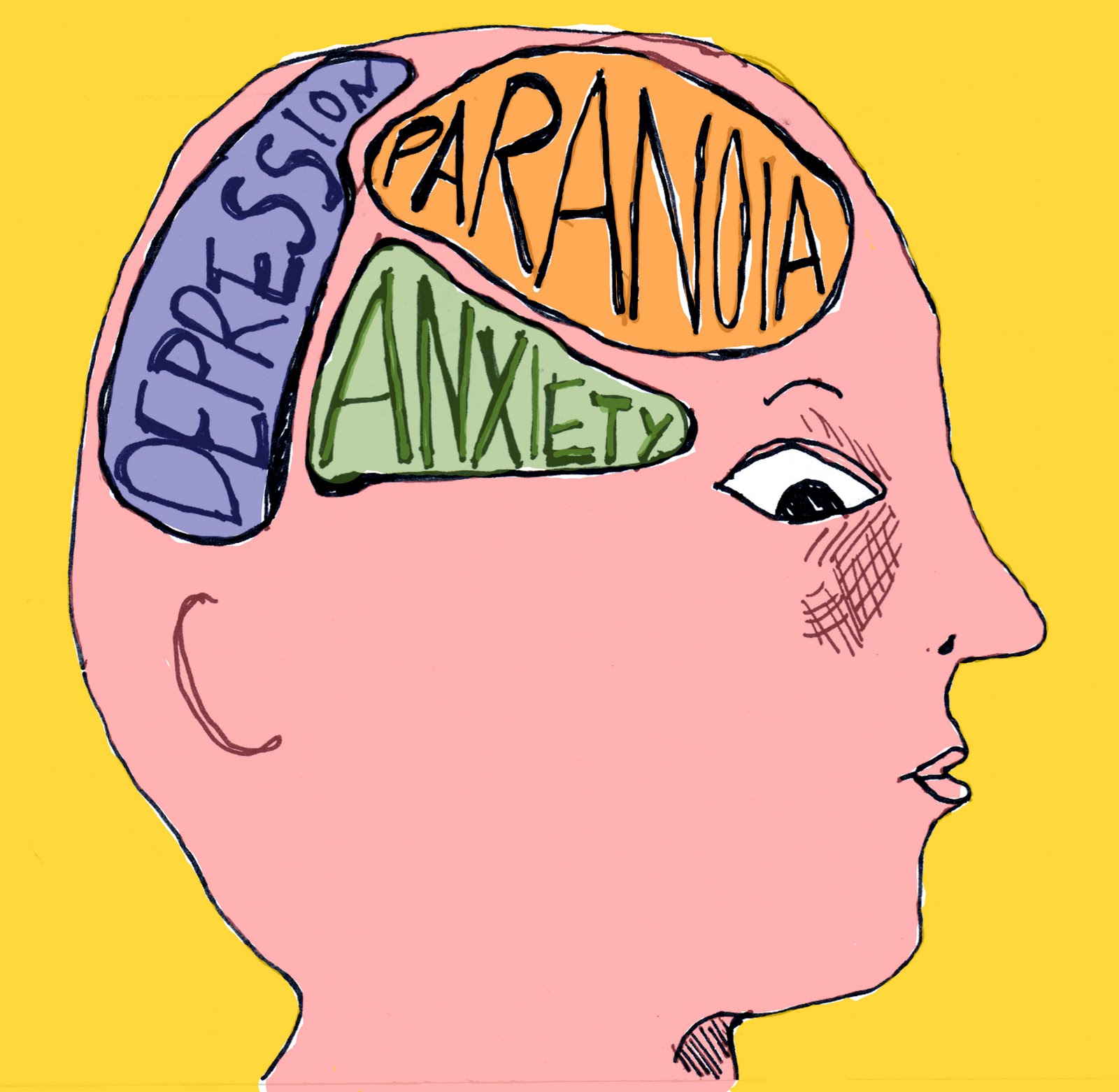
    As it diminishes in its status as a taboo topic, the conversation surrounding mental health is gaining momentum. Struggles faced by people of all ages are in the spotlight. The ever-increasing pressures and troubles of teenagers and young adults are more and more apparent. Anxiety and depression are on the rise. Thoughts of suicide abound. Futures appear increasingly dire. Yet as mental health becomes an alarming concern, so too has the response become a more powerful force.

    Many disorders first become apparent for youth aged 18 to 24, and approximately 80 percent of Ontario residents in that age bracket are enrolled in universities or colleges. A recent study by the Ontario University and College Health Association (OUCHA) found that 65 percent of students felt overwhelmed by anxiety and 46 percent were so depressed that they had difficulty functioning. These numbers are noticeably higher from 2013, when there were at 57 and 40 percent respectively. More alarmingly, there were three percent and 0.7 percent increases in suicidal thoughts and suicide attempts.

    Increasing tuition costs and tougher job markets have created mounting pressures on teenagers embarking on their post-secondary journeys. There have been additional calls to increase the number of therapists and psychiatrists on campuses. Ontario provided a significant investment to aid post-secondary institutions in 2013. The OUCHA is also looking to work with campuses to improve mental health services.

    Institutions are finding more and more ways to provide help. Carleton University houses the Bounce Back program, which provides mentors to undergrads struggling with their grades. The Carleton University Students’ Association is investing in programs such as a mental health awareness week and a health and wellness program that includes peer-counselling. The University of Ontario Institute of Technology features an “Are You Okay” link on their website for struggling students.

    In addition, mental health programs operated by students are a valuable resource. King’s Mental Health Awareness Collective, part of the University of King’s College in Halifax, uses posters featuring real students afflicted with mental health issues along with the statement “I am not my mental illness.” The goal is to encourage those with similar afflictions to be open with others about it and take steps to receive help.

    For teens and students with anxiety and depression, it is crucial to balance external aides with internal steps to cope and improve. Anxiety and depression can often be exacerbated by specific factors, such as stress over grades or employment. Being able to pinpoint these triggers in your own situation is an important step. Yet mental illness also often appears seemingly without rhyme or reason, and in those cases it takes even more self-initiative to realize it and take steps to fight it.

    Accepting the harsher employment and school conditions compared to the previous generation can be difficult for many teenagers and young adults. These factors, coupled with increasing acceptance of mental illness concerns, have brought mental health to the forefront of many conversations. The increase in stressors comes at a time where there is also an increase in help. Focusing on the latter is extremely important in overcoming your own situation. Fighting back against mental health is never easy, but it is always possible.

    Sources:

    Lunau, Kate. “The mental health crisis on campus.” Maclean’s. http://www.macleans.ca/education/uniandcollege/the-mental-health-crisis-on-campus/

    Pfeffer, Amanda. “Ontario campus counsellors say they’re drowning in mental health needs.” CBC News. http://www.cbc.ca/news/canada/ottawa/mental-health-ontario-campus-crisis-1.3771682

  • Had a Bad Day?

    Had a Bad Day?

    Have you had a lousy, everything-just-keeps-going-wrong kind of bad day?

    We’ve all been there. Sometimes things just don’t go the way they should, but it doesn’t necessarily have to be an over-all bad day. There are lots of ways to help change that bad day to a slightly better one. And if those fail, you can always start over with a brand-new day tomorrow.

    You can always restart the day. Not the clock on the wall, of course, but you can consider it like this: That last hour was not a great start to the day. How about we discard that hour from our memory and try to have a great rest-of-the-day? Sometimes this can work: you have a lousy morning, but a great afternoon – and by focusing on the afternoon of awesomeness, the morning will feel like it was pretty good, and you don’t remember it anymore.

    There’s also other ways to make that bad day better; drop in on your best friend who happens to be in the neighbourhood.  If you’re not in the mood for company right now, treat yourself to something you really enjoy – such as a chocolate bar (not too many, though) or that really fantastic meal from your favourite restaurant. Read a book that always makes you happy, or even a movie that makes you fill up with happy tears. A favourite soap opera, cat videos, or even watching people making fools of themselves. Laughter really is the best way to make yourself feel better.

    You’re allowed to have a bad day. Shut out the world. Turn off the computer and the phone, and log out of social media. Take some time for yourself, particularly if you’re feeling stressed around people. Surround yourself around things that help make you happy and calm, if possible, for fifteen minutes. It is also good for your mental health, but by allowing yourself to take some time to “reset” the clock, you can also change your day around.   Think of it as a mental stretch break.

    Just remember, there’s always a chance that bad day was just a blip in the radar – there’s better days ahead, and good and bad luck have a way of evening out. A bad day now and then is normal – it happens to the best of us. However, too many of them in such a short period of time can be as a result of several factors. It can help to talk it out with someone else, and there are several strategies available to you to lessen the streak of bad days – which is good for your mental health.

    A bad day can be better with someone supporting you and listening. There’s no shame in seeking help.  Sometimes it takes a lot of help to stand on your own.

  • Regrets – why you shouldn’t take them to heart.

    Regrets – why you shouldn’t take them to heart.

    Everyone has regrets, no matter what they say. We all have at least one thing we regret doing – maybe it’s something you said, or maybe it’s even something you didn’t say. Maybe it’s one of those “holy I can’t believe I was like that” kind of regrets. Maybe it’s a big regret, maybe it’s a lot of little ones. Regardless of the type of regret you have, what’s important is that you don’t take them to heart. It’s crucial that you don’t let your decisions of the past dictate your future – and here’s a few reasons why.

    There isn’t anything more that you can do.

    That all there is to it. There really isn’t anything more you can do to stop regretting something. No matter how much you think about it, there isn’t anything you can do to change what happened. Thinking about it only makes it worse, since the only thing you can do about regrets is to think about them. All you can do is focus on what will happen, not what has happened. Focus your attentions on moving forward, making yourself a better person, and making sure whatever you did that was so bad never happens again. That way, you can try and save yourself some regret in the future. Hindsight is always 20/20, and looking back you might see things you could have done, but there isn’t anything more you can do now.

    You lose sight of what’s ahead of you

    While you’re too busy fretting over what has already happened, life is moving forward without you. If you spend too much time and energy regretting the past, you won’t be ready for when things happen to you in the future. If you lose sight of the future like this, you might miss out on a whole lot of significant opportunities in your life. If you’re too focused on regrets, you won’t be prepared to jump on the opportunities and to take full advantage of them.

    It changes your personal view

    Regretting something and second-guessing things you did opens the door to a lot of self-criticism. Thinking thoughts like “I’m such an idiot for doing that,” are not helpful to who you are now. In fact, the only thing that these thoughts do is drag you down. Get rid of that sort of negativity by focus on the things you did right. Think about times you really nailed something, got it spot on. Don’t worry and belittle yourself by thinking about your flaws, think about your triumphs instead.

    Regret is a big part of everyone’s lives, and is one of the biggest things that people deal with. Some people deal with it poorly and live their life in the past, while others move forward and allow their regrets to open doors to self-betterment. Who you are as a person is greatly defined by how you deal with regrets, so ask yourself if you want to live in the past, or move only forward.

  • Why am I so tired all the time?

    Why am I so tired all the time?

    First, the obvious answer: you aren’t getting enough sleep. The ideal length of your sleep should be from 7-8 hours. But getting enough sleep isn’t the only thing that contributes to you being fatigued. Proper nourishment, activity, and stress can all be factors in you feeling tired. If you are constantly tired, here are a few things that might help.

    Exercise

    If you’re tired, exercise is probably the last thing you want to do. But getting enough exercise is important for your overall health. Even just taking the stairs a few times a day is a good start. Try to incorporate as much activity as you can into your everyday life. Things like walking to school or the store, going for a walk with you dog, or playing a sport can all have a huge impact on your overall health. Try going out for a walk, if you have the time. It might just help, and if not, at least you’ll have a couple of minutes to relax while you’re walking.

    Diet

    No, this doesn’t mean to go on a diet. It means to watch your diet. Eating too much junk and fast-food isn’t good for you. Eating healthier foods than that isn’t really too hard. Eating just a little bit better shouldn’t be difficult, but it can make all the difference. Poor diet is one of the biggest causes of fatigue, and once you address that cause, you can start to feel better in no time. Besides, eating a nice home-cooked meal has a certain satisfaction to it.

    Keep your stress low

    This is probably by far the hardest piece of advice to follow in high school. With so many assignments and factors that you have to juggle, it’s pretty hard to keep a handle on your stress. But high stress is another leading cause of fatigue – and for good reason. Stress just seems to drain your body and your mind. But keeping ahead of your assignments, taking some time to yourself, and getting help with your work from your friends can help you keep that stress level down.

    Don’t isolate yourself

    Humans are social creatures – we need to socialize to thrive. Take some time to hang out with your friends or go out and meet people. Just being around your friends can help you feel better. As long as you’re getting your work done and are on track, you can only benefit from hanging out with friends.

    Don’t drink so much coffee.

    Coffee isn’t good for you – its actually quite bad. Try to avoid drinking it when you can, or to stop drinking so much. Drinking a cup every so often isn’t bad, but drinking coffee everyday can have some nasty side effects – including fatigue. If you simply can’t live without it, try something that has a lower concentration of caffeine.

    Being tired sucks. Nobody wants to go through their day like they’re a zombie. But with just a few adjustments to your lifestyle, you can get on track and start feeling well again.

  • Millennial Madness

    Millennial Madness

    Do you feel overwhelmed? Growing up is, and always has been, a stressful experience. The culmination of technological advancements, economical circumstances, and societal evolution has resulted in a very unique situation for millennials. If university and the road ahead are overwhelming you, you are far from alone.

    The American Psychological Association has found that financial concerns have remained the top stressor for young people for over a decade. According to the Canadian Federation of Students, student loans across the nation totalled $15 billion in 2013, while the youth unemployment rate was at 14%. Pressures exist to excel at school and in the career to follow. Coupled with ever-rising post-secondary expenses and a job market flooded with high-quality applicants, those pressures are skyrocketing. This has led to a slew of physical and mental repercussions, from high blood pressure to anxiety and depression.

    This has been evident not just in Canada. The National Alliance on Mental Health found that over five million college students in the United States struggled with mental health, with more than a quarter having a diagnosable condition and receiving treatment. Dr. Gordon Flett of York University has noted this is a result of the “epidemic of perfectionism.” Millennials feel pressure to keep their grades up, engage in many extra-curricular activities, and emerge from school ready to change the world.

    Unhealthy coping mechanisms abound. Millennials are more likely to binge watch entire seasons of a series, browse the Internet aimlessly, and sleep longer hours than other generations. The advent of social media allows for connectivity unlike never before. But it comes at a price. We scrub out negativity in our social media profiles and present our best selves to friends and colleagues, resulting in our instinctual desire to compare ourselves to one another to be conducted through false lenses. We compound external stressors with self-driven pressure.

    As technology creates new opportunities while making many old jobs obsolete, and as income inequality stretches well beyond reason, millennials face challenges unlike those of previous eras. There may not be a World War or famine. If you go back three or four generations, it is likely your ancestors were struggling to farm the land in brutal conditions. Many immigrants came to North America to escape that harshness, and in doing so removed many of obstacles for their offspring. Like them, however, millennials are tasked with coping with the circumstances dealt to them and forging ahead.

    There are hints around us of what that entails. More and more young people are eschewing mortgages and embracing the freedom and cost-effectiveness of renting. Universal basic income is gaining traction as an offset to the jobs that will be lost to automation. Depression and anxiety are losing their social stigma, with treatment options such as therapy and medication gaining acceptance. Youth are protesting, engaging in activism for many causes, and taking more and more interest in preserving the planet for future generations.

    There is hope amidst the madness.

    Sources:

    Chai, Carmen and Allison Vuchnich. “Young Minds: Millennials facing increased rates of stress compared to other generations.” Global News. http://globalnews.ca/news/548478/young-minds-millennials-facing-increased-rates-of-stress-compared-to-other-generations/

    Heck, Laura. “A generation on edge: A look at millennials and mental health.” Vox Magazine. http://www.voxmagazine.com/news/features/a-generation-on-edge-a-look-at-millennials-and-mental/article_533c1384-fe5b-5321-84ae-8070ec158f17.html

    Loria, Kevin. “It’s official: millennials are the most stressed-out generation.” Business Insider. http://www.businessinsider.com/millennials-are-the-most-stressed-out-2015-2