Category: Nature Watch

  • Let’s Celebrate the Gifts of Winter (French version available)

    Let’s Celebrate the Gifts of Winter (French version available)

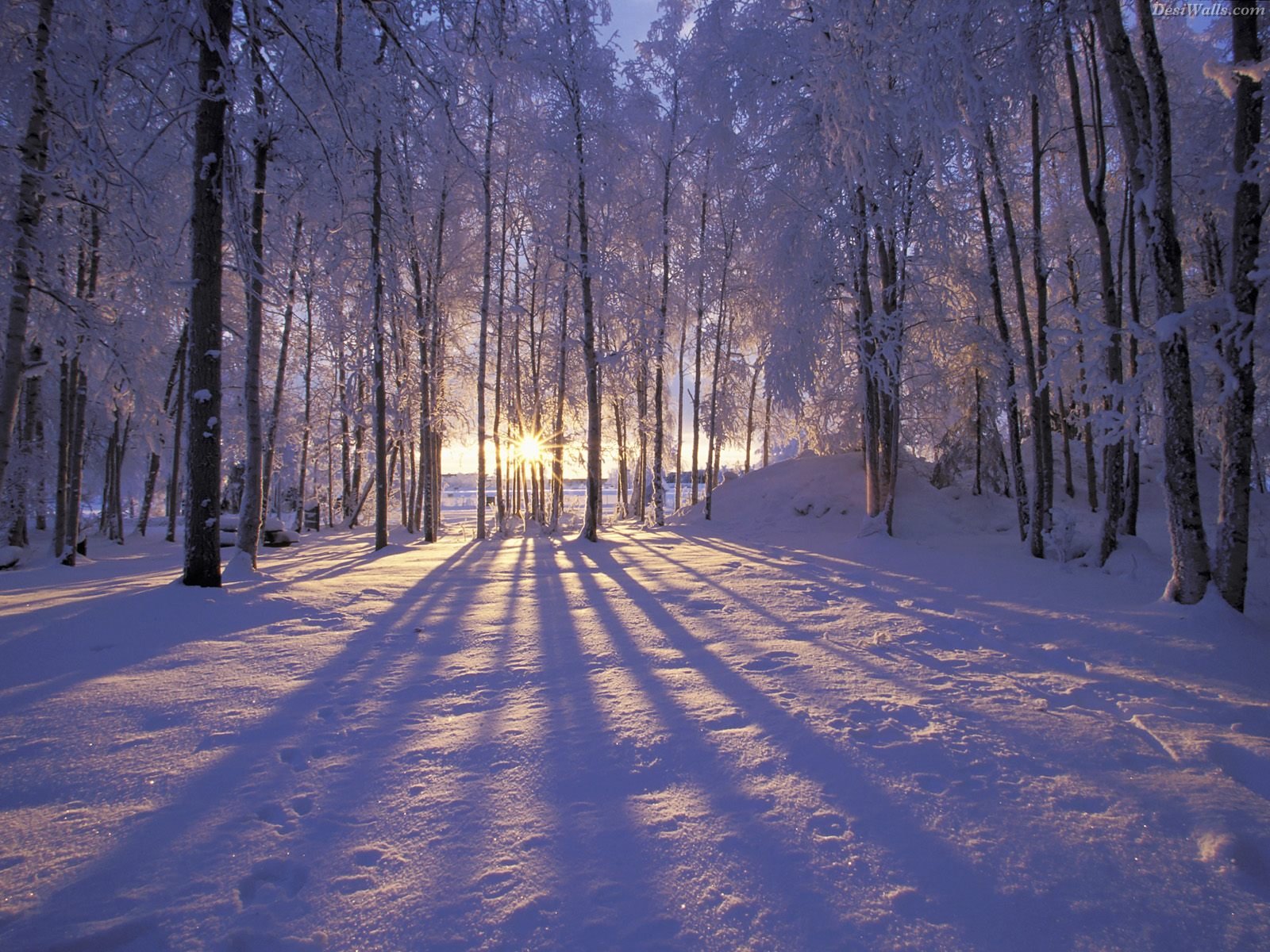
    We Canadians have a special relationship with snow and ice. We ski in it, skate on it, play in it, shovel it, drive through it, sometimes even bicycle through it and suffer through it for many months of the year — some of us more than others, depending on what part of the country we call home. But how much do we know about it?

    Do Inuit really have dozens of words for snow and ice? Are snowflakes always six-sided? Can two ever be alike? Why is snow white? Is it a mineral? What makes frozen water so important to us? Some of the answers are more complicated than you might imagine.

    Even though English-speaking skiers and snowboarders use multiple adjectives to more accurately describe different types of snow, such as powder, corn and champagne, some say the claim of numerous Inuit words for snow and ice is a myth. But is it?

    According to the Canadian Encyclopedia, “the few basic words used by the Inuit to refer to different types of snow or ice do not translate everything they can say about these two natural elements.” In Inuktitut, words consist of a foundational element that provides basic meaning, along with other elements “to clarify and/or modify the basic meaning. New words can therefore easily be created from another term.” For example, the word siku refers to ice in general, and sikuaq (“small ice”) refers to “the first layer of thin ice that forms on puddles in the fall.” Sikuliaq (“made ice”) refers to “the new ice appearing on the sea or on rock surfaces.” Some words also have broader meanings, depending on the context. The word maujaq, for example, means “soft ground”, but when referring to snow, it means “the snow in which one sinks.”

    So, “the total number of terms referring to the various aspects of snow and ice goes far beyond ten or a dozen,” allowing Inuit to “draw very subtle distinctions between a very high number of snow or ice types.”

    When it accumulates on the ground, snow appears white because, unlike many natural materials, it reflects most light rather than absorbing it, and visible light is white. And although snowflakes form in near-infinite patterns and shapes depending on temperature, wind, humidity and even pollution, each single crystal is always hexagonal, or six-sided, because of the complex way water molecules bond. When a frozen droplet or crystal falls from a cloud, it grows as it absorbs and freezes water from the air around it, forming a six-sided prism. The almost infinite variables mean it’s unlikely, although not impossible, for two snowflakes to be exactly alike.

    And yes, snow can be classified as a mineral. According to the U.S. National Snow and Ice Data Center, “A mineral is a naturally occurring homogeneous solid, inorganically formed, with a definite chemical composition and an ordered atomic arrangement.” Frozen water fits that description.

    Snow and ice are important to life on Earth for many reasons. Both are part of the cryosphere, which includes “portions of the earth where water is in solid form, including snow cover, floating ice, glaciers, ice caps, ice sheets, seasonally frozen ground and perennially frozen ground (permafrost),” according to the Snow and Ice Data Center. It covers 46 million square kilometres of the planet’s surface, mostly in the Northern Hemisphere, and helps regulate the planet’s surface temperature. Changes in the cryosphere can affect climate and water availability, with corresponding effects on everything from winter sports to agriculture.

    By reflecting 80 to 90 per cent of incoming sunlight back into the atmosphere, snow cover cools the Earth. Losing that reflective protection, as is happening in the Arctic, upsets the energy balance and accelerates global warming. Snow also insulates parts of the Earth’s surface, holding heat in and keeping moisture from evaporating. When soil freezes, it prevents greenhouse gases like carbon and methane from escaping into the atmosphere. When snow melts, it fills rivers and lakes.

    Instead of complaining about the dark and cold of winter, we should celebrate snow and ice. The cryosphere is an important piece of the intricate, interconnected puzzle that keeps us alive. So, build a snowperson, play some hockey, get out on the slopes and enjoy the gifts that winter brings.

  • Fall Foliage

    Fall Foliage

    There are many signs that fall has arrived; the start of school, colder-shorter days, and the first frost on car windshields. These signs are dreaded by students and adults alike, as they symbolize the coming of winter.

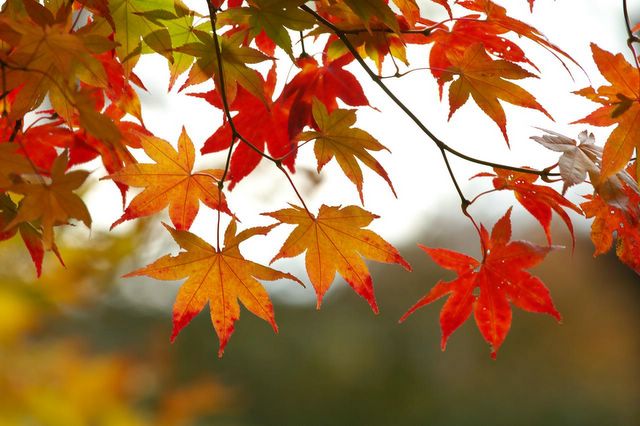
    But there’s one tell tale sign fall is here that never fails to amaze and delight. This phenomenon is called autumn leaf color, and takes place when the “normally green leaves of deciduous trees and shrubs” turn a variety of different colors from red to yellow during the autumn season.

    A lot of people think the changing of leaf colors is called fall foliage. However, this term refers to the viewing of the autumn leaf colors.
    There are a few regions of the world that are home to the most brightly colored autumn leaves: most of the Southern Mainland of Canada, most of the Eastern part of the United States, Scandinavia, Northern and Western Europe, the Caucasus region near the Black Sea, Russia and Eastern Asia (including Eastern China, Korea and Japan).

    The most famous area for viewing autumn leaves is Eastern Canada and New England. In these areas the best time to view the leaves is mid-October to early November.

    The Fundy Coastal Drive in New Brunswick is an especially brilliant spot. The drive follows the Bay of Fundy which is home to some of the highest tides in the world. The leaves change from “vivacious reds to deep pumpkin orange.” The tree varieties and colors found on the Fundy Coastal Drive are similar to New England, yet the New Brunswick area is far less crowded with tourists.

    Wherever they are viewed, one thing is for certain – taking time to enjoy fall foliage will definitely increase your enjoyment of the season.

    Quick Facts about Autumn Leaf Colors:
    – A green leaf is green because of the presence of a pigment known as chlorophyll.
    – In autumn, chlorophyll is replaced at a slower rate than it is being used. Therefore, the supply of chlorophyll is decreasing.
    – When the leaves change color, the other pigments (which have always been present) begin to show through. These are called carotenoids and give the leaves yellow, brown and orange colors.
    – Carotenoids are common in many things, such as carrots, corn, canaries, daffodils, egg yolks and bananas.
    – The hardwood species that change leaf colors are hickory, ash, maple, yellow poplar, aspen, birch, black cherry, sycamore, cotton wood, sassafras and alder.
    – The red and purple colors come from another pigment called anthocyanins. These are not present in the leaf all along, but instead become actually produced toward the end of summer.
    – These pigments are common in fruits such as cranberries, red apples, blue berries, cherries, strawberries and plums.
    – They are common in maple trees, oaks, sourwood, sweet gums, dogwoods and cherry trees.
    – When the two pigments, anthocyanins and carotenoids, are combined they create colors like deep orange, fiery red and bronze.

  • Top 10 Reasons to Volunteer

    Top 10 Reasons to Volunteer

    Thinking of becoming a volunteer? Here are 10 good reasons to do so!

    #10: It’s good for you.

    Volunteering provides physical and mental rewards.

    • It reduces stress: Experts report that when you focus on someone other than yourself, it interrupts usual tension-producing patterns.
    • It makes you healthier: Moods and emotions, like optimism, joy, and control over one’s fate, strengthen the immune system.

    #9: It saves resources.

    Volunteering provides valuable community services so more money can be spent on local improvements.

    • The estimated value of a volunteer’s time is $27.00 per hour as of 2017.

    #8: Volunteers gain professional experience.

    You can test out a career.

    #7: It brings people together.

    As a volunteer you assist in:

    • Uniting people from diverse backgrounds to work toward a common goal.
    • Building camaraderie and teamwork.

    #6: It promotes personal growth and self esteem.

    Understanding community needs helps foster empathy and self-efficacy.

    #5: Volunteering strengthens your community.

    As a volunteer you help:

    • Support families (daycare and eldercare)
    • Improve schools (tutoring, literacy)
    • Support youth (mentoring and after-school programs)
    • Beautify the community (beach and park cleanups)

    #4: You learn a lot.

    Volunteers learn about things like:

    • Self: Volunteers discover hidden talents that may change your view on your self-worth.
    • Government: Through working with local non-profit agencies, volunteers learn about the functions and operation of our government.
    • Community: Volunteers gain knowledge of local resources available to solve community needs.

    #3: You get a chance to give back.

    People like to support community resources that they use themselves or that benefit people they care about.

    #2: Volunteering encourages civic responsibility.

    Community service and volunteerism are an investment in our community and the people who live in it.

    #1: You make a difference.

    Every person counts!

  • Getting Your required 40 Hours of Volunteering.

    Getting Your required 40 Hours of Volunteering.

    When it comes to the mandatory hours of community service or volunteer service you will be asked to complete as a high school student, here are some things to consider.

    Go beyond the minimum
    To encourage students to volunteer and give back to their communities, schools tend to have a minimum number of service hours students must complete by graduation day. Usually, this number will stay around 40 hours to mimic the total hours in a full time work week, giving students the option of completing all of the hours in one week over the holidays. These students will also gain the benefit of experiencing what a full time work week will feel like.

    If you start early, you’ll find the minimum number of hours can be completed in no time, which is why it’s a good idea to consider going beyond the bare minimum. Volunteering is an opportunity to give back to your community while learning more about it. It’s also a time to sample different areas of the workforce and build contacts. Extensive volunteer work won’t go amiss on a resume either.

    Volunteering in the long term versus the short term
    There are pros and cons to each, but the benefits of one can significantly outweigh the benefits of the other. Short term volunteer positions are usually coveted by students for two main reasons: they are short in duration allowing students to get the work done and over without any expectations of prolonged commitment. They also enable students to sample a variety of opportunities in a shorter amount of time.

    Opting for shorter terms might be tempting, but there are a few downsides that might have you considering longer termed positions. Say, for instance, you can choose to either volunteer for an organization every day over the course of a week or a few hours every week over the course of a few months. Choosing the second option speaks volumes about a student’s work ethic and his or her ability to stay committed and dedicated to a single project. It may seem trivial, but future employers, admission’s officers and the people in your community are going to take notice. Even if you still only meet the minimum number of community hours, you will be demonstrating your reliability and your ability to stay consistent for longer. Staying committed to one organization for longer will also help you build stronger ties within that community and potentially lead to summer job opportunities.

    If you can find the time, consider volunteering at a few different places instead of just one or two. You have four years to complete those hours, giving you plenty of time to seek out opportunities at more than a couple of places. Try approaching organizations that do work you are completely unfamiliar with. Community service is a learning experience as much as it is a time to give back.

  • The Farm as a Classroom

    The Farm as a Classroom

    In the small city of Hamburg, Iowa, students at Marnie Simons Elementary School are given a unique opportunity. Along with their usual classes, they can also watch over a duck and chicken house, care for a baby lamb, and tend to a garden. Their working farm was developed through several grants and carried out with the help of the school’s teachers. There are plans to include livestock and the production of cheese and eggs. Students are able to experience the ups and downs of life on a genuine farm, and are far better off for it.

    Working on a farm offers very valuable lessons that the urban world of a classroom is not capable of providing. Whether you are on a family farm, the family farm of a friend, or pursuing farming through a program, doing so is a great way to supplement your existing education. But prepare for a drastically different lifestyle from what you are used to. The homes tend to be older and simpler. The work involves many hours of physical labour and can be very exhausting. This is often quite a shock for city dwellers.

    Lessons abound from the many tasks at hand. Crops do not always turn out the way you want, and animals do not always survive as long as expected. Dealing with these losses and disappointment teaches perseverance. It is never clear what the harvest will be like from year to year. This helps you to plan for the future in a very practical way, unlike theoretical situations in a textbook. When there is a large yield of food, many farmers will share with those who are less fortunate. In those times, being charitable provides great lessons about the privilege of having more than you need and how using that good fortune to help others can enrich your community.

    In Nova Scotia, the importance of farming is integrated in the school curriculum for elementary school students. The Agriculture and Food Education office often visits classrooms to display chick hatching, types of soil, and other elements of the farming world. Farmers and agrologists (agrology examines the application of science to agriculture) come to schools to share stories about farm life. The Nova Scotia Cultural Agricultural Awareness Committee offers funding for class projects such as field trips, hosting local food events, and more. The Cole Harbour Farm Heritage Museum hosts the Farmer for a Day event every September, in which students get to engage in activities on a real farm, including grading Christmas trees.

    By having students performing farm work, they have the chance to handle animals and crops instead of just reading about them. They get to make mistakes and learn from those errors. Students get physical activity beyond the gym and can build endurance and strength. It becomes clear just how difficult it is to bring food from the earth to our kitchen tables. When we live in cities from birth, it is easy to forget the natural world from whence we all came. The ingredients for meat, vegetables, bread, and so on require great work to acquire and cultivate. You can read extensively about it, but you can only fully appreciate it by seeing it in person and tackling the process hands on.

    Farms are a very different world from the classrooms you are likely used to. This different realm comes with its own unique challenges and its own distinctive learning opportunities. By helping out at a family farm or the family farm of a friend, or taking advantage of programs offered by your school or your community, you can discover this world for yourself.

    Sources

    Iowa Farmer Today. “Elementary school engages students with working farm.” http://www.iowafarmertoday.com/news/regional/elementary-school-engages-students-with-working-farm/article_de3cb982-0bfb-11e6-84e4-a77f18911aab.html

    Lewis, Kara. “Do it well or not at all: 10 lessons learned from life on the farm.” FamilyShare. https://familyshare.com/2220/do-it-well-or-not-at-all-10-lessons-learned-from-life-on-the-farm

    Nova Scotia Canada. “School Programs: Elementary.” https://novascotia.ca/agri/programs-and-services/educational-resources/school-programs/elementary/

    Women on the Road. “Working on a Farm.” http://www.women-on-the-road.com/working-on-a-farm.html

  • Taking Care of Reptiles

    Taking Care of Reptiles

    Do you know what snakes, turtles, and lizards have in common? They’re all reptiles, and they can all be found in Canada. Whether they live in the wild, in zoos, or as pets in people’s homes, these animals are a very common part of our world.

    You might think of reptiles as tropical animals, but every continent except Antarctica has at least a few reptiles. Almost all of these animals are cold-blooded, meaning that they don’t produce their own heat but need rays of the sun or a lamp to stay warm. People who keep reptiles as pets have to remember to provide a source of warmth which will keep the animal from freezing.

    Almost all reptile species hatch from eggs instead of being born live, including the turtles, snakes, and lizards that live in Canada. Although some snakes in the United States and other parts of the world are poisonous, none of Canada’s reptiles can do much harm to people. However, one problem for owners of snakes and lizards is that the animals often try to escape, meaning that the cages have to be very well made.

    Getting a reptile as a pet can be a very long-term commitment, especially since some turtles and tortoises can live for more than one hundred years. These animals can become very friendly with people, but they can often seem much less affectionate than pets like dogs or birds. When they are afraid, they might run and hide, change colour to camouflage, hiss, or bite anyone who is nearby. Taking care of a reptile as a pet can help you acquire and practice responsibility. Just like remembering your homework deadlines at school every day, you must remember to feed your pet reptile- maybe you can even bring them for show and tell!

    One very obvious difference between reptiles and other animals is that reptiles are covered with either scales like a snake or a hard, bony shell that helps to protect them from injury. Turtles, for example, can retreat into their shells whenever they sense danger, and lizards have scales to protect them from harm.

    Keeping a reptile as a pet might sound exciting, but it can be a lot of work. Some animals might refuse to eat processed reptile food from a store, and pet owners can spend a lot of time looking for fresh insects or finding other live food for their animals. Many reptiles end up being given away or abandoned because their owners changed their minds about keeping these very unusual pets.

    Even if you prefer not to have a reptile as a pet, you can spend time watching them at a zoo or anywhere else where you can observe their behaviour. Despite the often odd and mysterious way they look and act, these animals can provide a fascinating insight into the animal world- check them out, and don’t be afraid!

    Bibliography:

    Canadian Herpetological Society. “Key to the Reptiles of Canada.”

    http://www.carcnet.ca/english/reptiles/key/rkey1.php.

    Kaplan, Melissa. “Reptiles as Pets.”

    https://www.petfinder.com/pet-adoption/other-pet-adoption/reptiles-as-pets/.

    Science Kids. “Fun Reptile Facts for Kids.” http://www.sciencekids.co.nz/sciencefacts/animals/reptile.html.

    Smithsonian National Zoological Park. Fun facts about reptiles and amphibians. http://nationalzoo.si.edu/Animals/ReptilesAmphibians/Facts/.

  • Environmental Groups Across Canada

    Environmental Groups Across Canada

    Do you want to get involved with environmentalism in your community? There is a good chance that there is an organization in your town, city, or region where you can learn about environmentalism, attend events and fundraisers, or volunteer your own time and effort. Below is a sample of some of the options available for both independent organizations, and regional or provincial eco-networks that can help you locate smaller groups in your area.

    West Coast

    • Living Oceans Society

    British Columbia

    They strive to protect Canada’s oceans through sustainability management of sea life and coastal communities.

    https://www.facebook.com/livingoceans?fref=nf

    •  Ancient Forest Alliance

    British Columbia

    This group aims to protect Canada’s old growth forest, while making sure that employment in the forestry industry remains sustainable.

    http://www.ancientforestalliance.org/

    Prairies

    •  Nature Alberta

    Alberta

    A network of groups and clubs dedicated to enjoying, studying, and preserving Alberta’s wildlife.

    http://naturealberta.ca/

    •  Friends of Banff National Park Fellowship

    Alberta

    The Fellowship offers educational opportunities, and appreciation of Banff’s natural and cultural heritage.

    http://www.friendsofbanff.com/

    •  Green Action Centre

    Manitoba

    Through home, work, school, and city education programs, they promote sustainable green living through resource conservation, and help develop and advocate environmental policy.

    https://www.facebook.com/GreenActionCentre

    •  The Manitoba Eco-Network

    Manitoba

    An affiliate of the Canadian Environmental Network, they link more than fifty smaller environmental groups throughout the province.

    http://mbeconetwork.org/

    Central Canada

    •  Toronto Environmental Alliance

    Ontario

    An activist group engaged in supporting environmental issues in Toronto and the surrounding area.

    http://www.torontoenvironment.org/

    •  Ontario Parks Association

    Ontario

    Dedicated to enhancing, protecting, and educating about parks and other outdoor spaces.

    http://www.ontarioparksassociation.memberlodge.com/

    •  Les Cercles des jeunes naturalists (CJN)

    Quebec

    CJN is a group who aim to inspire youth to increase interest in nature and the natural sciences.

    •  Four Green Steps

    Quebec

    Operating online, they offer educational information and curriculum materials on green living, corporate responsibility, and sustainability.

    •  The Rivers Foundation/Fondation Rivières

    Quebec

    Dedicated to raising public awareness about preserving rivers and waterways against pollution, privatization, and electric dam projects.

    East Coast

    •  Petitcodiac Riverkeeper

    New Brunswick

    Leading efforts to restore, protect, and promote the watershed regions in New Brunswick and the Bay of Fundy.

    http://petitcodiac.org/welcome/

    •  East Coast Trail Association

    Newfoundland

    Dedicated to the development, operation, and maintenance of the East Coast Trail.

    http://www.eastcoasttrail.ca/association/

    • The Clean Nova Scotia Foundation

    Nova Scotia

    Encouraging communities to foster consideration, respect, and protection of the environment.

    The New Brunswick Environmental Network

    Newfoundland and Labrador Environmental Network

    Networks linking together multiple smaller organizations, to aid their communication and cooperation.

    Far North

    •  Yukon Conservation Society

    They perform research, advocacy, and educational tasks about environmental issues facing the Yukon.

    •  Nunavut Wildlife Management Board

    Their mission is to respect and preserve Inuit hunting and harvesting rights and priorities, while conserving wildlife and wild habitats of the far north.

    Across Canada

    • The David Suzuki Foundation

    Operating across Canada, they are an environmental science-based organization dedicated to protecting and balancing the needs of humans with the diversity of the natural world.

    • The Canadian Youth Climate Coalition

    Made up of a variety of youth environmental and other advocacy groups across the country, they aim to present and educate climate change as an issue facing society both locally, and globally.

    Sources:

    Canadian Universities and Colleges Higher Education and Employment in Canada

    http://www.canadian-universities.net/Volunteer/

    Environmental Organizations Based In Canada

    https://en.wikipedia.org/wiki/Category:Environmental_organizations_based_in_Canada

  • Careers in Environmental Science

    Careers in Environmental Science

    Environmental Science is a multidisciplinary approach to studying how humans, animals, and the environment interact with one another. Most studies in environmental science combine physical, biological, and information sciences, and use both applied and theoretical scientific approaches to study and solve environmental problems such as sustainable resource management, ecology, pollution and recycling, renewable energy, and climate change.

    Many excellent career opportunities exist across Canada for men and women studying the environmental sciences. Most jobs require at minimum a one-to-three year college or technical school program, with some opportunities requiring a university Bachelor’s degree or higher. These are only a few of the broad range of careers included in the field of environmental science, and there is lots of room to specialize in what interests you the most, through your choice of education, and your choice of work experiences.

    Careers at the college level can include:

    Geological/Mineral/Petroleum Technologists and Technicians work primarily for mineral and petroleum mining companies and refineries, and companies involved in metal ore extraction and production. They can also consult for engineering firms, governments, and educational institutions. They complete tasks such as performing geological surveys and analyzing the data or samples, supervise mining and drilling operations, and help develop new technologies that serve the industry.

    Water Treatment, Recycling, and Waste Plant Operators work primarily at municipal, industrial, or institutional water, recycling, and waste treatment plants, to operate the computer control systems that regulate the treatment and disposal of water, garbage, recyclables, and other waste.

    Forest and Fishery Conservation Officers protect Canada’s fish, wildlife, and natural resources by enforcing federal and provincial regulations. This job can include plant and animal growth or population surveys, public awareness education, overseeing licensing for hunting and fishing, and investigating violations.

    Forestry Technologists and Technicians are involved in the research, management, harvest, and conservation of Canada’s forests and woodlands, and can work independently or be employed by the logging industry and government agencies.

    Careers at the University level can include:

    Natural Science Policy Researchers and Consultants engage in research, write reports, and give advice regarding corporate or government policy involving scientific progress in fields such as renewable and non-renewable energy, sustainability and environmental impact, scientific patents, resource management, and recycling programs.

    Inspectors in Environmental Health and Safety monitor and enforce government health and safety regulations for facilities such as industrial establishments, municipal outdoor parks and recreation areas, or water and waste treatment systems, ensuring that sanitation, pollution control, and the handling or storage of hazardous materials is performed safely for people and the environment.

    Meteorologists and Climatologists study Earth’s weather, climate, and atmosphere to offer advice on, and forecast, weather occurrences, air quality, climate change, and other atmospheric phenomenon. They are usually employed by Environment Canada or other government agencies, the military or utility companies.

    If you decide to pursue further education, there are also many opportunities in Canada and internationally, in fields such as environmental law and ethics, environmental economic analysis and development, or working with Environment Canada to develop provincial and national environmental policies and procedures.

    Sources:

    Government of Canada Job Bank – Explore Careers by Occupation

    http://www.jobbank.gc.ca/occupation_search

  • Energy Conservation; How it can affect our pockets, and our Planet.

    Energy Conservation; How it can affect our pockets, and our Planet.

    During winter, what happens? We stay inside because it is cold. What do we do while we are inside? We watch TV and ‘serf’ the internet. We don’t do much else, just relax and stay warm inside. While we crank up the heat and keep the Wi-Fi going; the bills get higher. Our consistent inside activities seem to really put a dent in our pockets.

    So when summer comes barreling around, it’s time to leave the house and soak up all the vitamin D you can. That’s also the time to either crank up the air conditioner; veg-out on the couch with an ice-cream or watch Netflix for so long that the days and nights blur together. Seems like a good time, binge watching seasons of your favourite shows and re-watching your favourite movies. Not only will you get the luxury of watching Netflix’s finest, but you will also keep dishing money out for your bills, losing all your hard earned cash.

    So instead of being a loner and keeping the lovely air conditioning on consistently, why not go swimming? Or camping, hiking, boating with your friends. Do something you have never done before, something you have always wanted to do. Go to a museum, art gallery, farmers market! Get out of the house and have fun in the sun! Now, saying that doesn’t mean you have to do something large. You can create change by shutting your lights off when leaving the house; instead of using a dryer you can hang your clothes outside; carpooling or even walking to your destination (if it is a reasonable distance).

    Now, not only should we try to conserve energy on our own, but the Trades industries have also started trying to conserve energy. Since the economy has started falling due to our focus and dependence on oil, we have started trying to create jobs that help reverse the effects of environmental damage, leading to climate change. Since the oil industry causes such vast pollution problems, it is time we start switching our focus. As new technologies are created and processed, skilled trades are targeted to help create jobs and careers to create a sustainable resources; careers in manufacturing, construction and operation, as well as maintenance of projects in wind turbine farms and solar panel installation.

    So, while you are enjoying the summer, remember that it is also a time to help the planet- We can all help the planet together.

  • Nature Watch: Exploring Our Solar System – Events To Watch In 2015

    Nature Watch: Exploring Our Solar System – Events To Watch In 2015

    Our solar system is our neighbourhood, with many questions remaining about our planets, moons, comets, and asteroids. If you are interested in space and planetary exploration, the search for water on other planets, and uncovering the secrets of our solar system, these are three events to keep an eye on this summer.

    Rosetta Mission – Comet 67P/Churyumov-Gerasimenko

    (European Space Agency)

    The Milestone: Rosetta is performing the first long-term close observation of a comet, and the Philae lander is the first scientific lander on a surface other than a planet or moon.

    The Mission: Launched in March 2004, Rosetta’s main objective was to catch up to and orbit comet 67P/Churyumov-Gerasimenko, and deploy the Philae lander to the surface. Both events succeeded in November 2014. In 2015, Rosetta continues to observe 67P as it nears its closest approach to the Sun, examining gas and dust interactions that create a comet’s characteristic “tail”. Both Rosetta and Philae have sent back stunning photographs of the comet from orbit.

     Events This Summer: 67P’s perihelion (closest approach to the Sun) will occur around August 13, 2015. The data gathered will show what happens to comets as they pass close to the Sun.

    More Information: http://sci.esa.int/rosetta

    http://blogs.esa.int/rosetta


    Dawn Mission – Protoplanet Vesta and Dwarf Planet Ceres

    (NASA and JPL)

    The Milestone: Using a specially designed ion propulsion system, Dawn achieved a remarkable feat: visiting two separate planetary bodies in the asteroid belt, and performing orbital observations around both. This also marks the first visit to a dwarf planet by any spacecraft.

    The Mission: Launched in September 2006, Dawn travelled through the solar system to encounter and orbit the proto-planet Vesta from July 2011-September 2012. After mapping and science observations, Dawn broke orbit from Vesta and travelled another two years to rendezvous with dwarf planet Ceres in March 2015. By studying these planetary bodies, we hope to learn about the early formation of the solar system.

    Events This Summer: August 2015 and December 2015 will see Dawn perform the two lowest mapping orbits, providing detailed surface photographs and scientific measurements, and hopefully solving the mystery of the “bright spots” on Ceres’ surface.

    More Information: http://dawn.jpl.nasa.gov


    New Horizons Mission – Pluto System Flyby

    (NASA)

    The Milestone: The first ever flyby of the dwarf planet Pluto and its moon system, the most distant and still unexamined member of our solar system.

    The Mission: New Horizons launched in 2006, and will perform a flyby observation of the Pluto system, then continue on an extended mission into the distant Kuiper Belt to visit the small, icy bodies orbiting the outer edges of our solar system. This mission will provide detailed photographs, surface maps, and valuable scientific data about Pluto, and help us learn about the outskirts and formation of our solar system.

    Events This Summer: New Horizons closest approach to Pluto is scheduled for July 14, 2015. Currently in approach phase, new pictures with increasing detail are regularly transmitted back to Earth and made available to the public.

    More Information: http://nasa.gov/mission_pages/newhorizons