Category: Trades

  • The Future of Electric Vehicles in Canada: Adoption, Challenges, Job Opportunities, Etc.

    The Future of Electric Vehicles in Canada: Adoption, Challenges, Job Opportunities, Etc.

    Sometime in the future, you might buy a car, either one that runs on gasoline or diesel, or possibly an electric vehicle or a hybrid. If you choose to buy an electric vehicle, you will be part of an increasing trend in Canada. Electric vehicles are becoming more popular in this country, bringing both opportunities and challenges.

    Electric vehicles have been around for many years, but they have only recently been gaining in popularity. In Alberta, for example, gasoline-powered vehicles have been dominant for years, partly because the province has a large supply of fossil fuels. Even there, the purchase of electric vehicles increased by 835 percent between 2017 and 2021, although most drivers still use gasoline- or diesel-powered vehicles.

    In Canada and elsewhere, people are very concerned about the climate and the effect of greenhouse gas emissions on the planet. Transportation is a major factor in producing harmful emissions that are contributing to climate change. The government has pledged to reduce carbon dioxide emissions by twelve megatonnes by 2030. To accomplish this goal, many people will need to use electric vehicles, which are much cleaner to drive than ones using traditional fuels.

    This goal presents many challenges, but also many opportunities. One of the challenges is dealing with charging stations. Vehicles that run on gasoline or diesel normally take only a few minutes to refill the fuel tank. Many vehicles can go in and out of gas stations in a short period of time. Electric vehicles, in contrast, can take several hours or even overnight to recharge. For long trips, drivers would need to find something to do while they are waiting for the vehicle to be ready for the road again.

    Some shopping malls already have recharging stations for electric vehicles for people who expect to shop there for several hours. Many charging stations, however, have very little for people to do while they are waiting for their electric vehicles to recharge. If they had games for children, and tables and chairs for people to sit and eat while they wait, recharging batteries would be much more practical than it is now.

    This challenge could be an opportunity for problem-solvers. If you enjoy thinking a problem through and looking for a solution, you could find a way to make the recharging process faster, or you could design charging stations to have activities that could keep people busy while they wait for their vehicles to be ready. You could supply good food for people to eat while they wait, or you could find other ways of dealing with the challenges of electric vehicles.

    Another challenge is to find better sources of electricity. Although the electric vehicles themselves have no emissions, the process of producing electricity can generate greenhouse gases, either in manufacturing the batteries or building the recharging stations. Finding a cleaner way of producing electricity could make these vehicles an even better choice for people who care about the environment.

    One of the advantages of gasoline-powered vehicles has been that they are generally reliable, even in cold weather, while other vehicles have not been as good in extreme weather. If you have mechanical and design skills, you could work on finding a way to make electric vehicles easier to use, even when the temperatures fall far below freezing.

    As electric vehicles become more popular, people will need to work through some of the issues that accompany this technology. If you are interested, you can be one of the people working with this important technology.


    Bibliography:

    Car and Driver. “Every Electric Vehicle That’s Expected in the Next Five Years.” https://www.caranddriver.com/news/g29994375/future-electric-cars-trucks/.

    Cyr, Alex. “What Do EVs Mean for the Future of the Gas Station? Playgrounds and Better Food.” https://www.theglobeandmail.com/canada/article-what-do-evs-mean-for-the-future-of-the-gas-station-playgrounds-and/.

    Howlett, Trevor. “A Wave of Electric Vehicles is Coming at Us. Are We Ready? https://www.cbc.ca/news/canada/edmonton/electric-vehicles-future-analysis-1.6298596.

    PwC Canada. “Accelerating Canada’s Electric Vehicle Transition.” https://www.pwc.com/ca/en/industries/automotive/publications/accelerating-canadas-electric-vehicle-transition.html.


  • Career Profile: Paperhangers

    Career Profile: Paperhangers

    On your walls at home, you might have wallpaper designs like stripes, trees, or birds. Wallpaper can make a room look bright and cheerful, but someone needs to put it up before people can enjoy it. Paperhangers can do that. If you like to work with your hands and to make houses look good, the job of paperhanger might be right for you.

    Like in many other trades, paperhangers can either learn on the job or complete an apprenticeship program taking several months or more. The job involves covering walls or ceilings with wallpaper, fabric, or posters. Often, this involves first removing the old wallpaper or scraping off chipped paint before hanging the new wallpaper.

    Paperhangers measure the right length of wallpaper to fit each section of wall, apply the glue to the back of the paper, and press it onto the wall. Often, this involves matching the designs on the paper so that it looks like the wallpaper is all one piece. Any mistakes in doing this could make expensive wallpaper look bad. Neatness and attention to detail are important in this job. Taking mathematics courses in high school can help with measurements, and English courses are important for being able to read instructions.

    When the paper is on the wall, paperhangers use brushes or rollers to smooth the wallpaper and make sure that there are no bubbles or gaps in the paper. They may also need to wipe off any extra glue that has been squeezed out onto the surface. If some of the edges are rough, paperhangers might need to use knives to trim off the extra parts. If the length of the piece of wallpaper is not exactly right, the paperhanger might need to trim off a section at the top or bottom. Cuts and other injuries are possible at this point, but people who take their time can often avoid problems. Working on ladders is also normally required, and paperhangers need to be careful not to fall off.

    Although the job is not especially dangerous, it can be tiring. Paperhangers need to bend and stretch all day, and they are normally on their feet for hours at a time. This job is not good for anyone with back problems or anyone who has trouble with using tools. A certain amount of strength is necessary, although people do not need to be especially strong. However, having a good sense of colour and design is important, especially with clients who are unsure of what they want. Paperhangers might have to advise clients on the best wallpaper for the room and for the type of wall they want to cover.

    Paperhangers work mainly at private homes, but they may also work at hotels or theatres which have wallpaper. Construction or interior design companies are possible sources of jobs, but about half of paperhangers are self-employed. Current job prospects are somewhat limited, but opportunities are available for people who are willing to move. Like in most trades, jobs are more plentiful in larger cities, but the competition can also make it difficult to find work.

    Salaries for paperhangers begin at about $38,000 per year and can rise to $63,000 with experience. Although the job may be too difficult for older workers, some people can continue in it until retirement. If you have a sense of colour and style and you like to work with your hands, then it’s a good idea to do some more research on the job of paperhanger.


    Bibliography:

    Big Future. “Career: Painters and Paperhangers.” https://bigfuture.collegeboard.org/careers/construction-painters-paperhangers.

    Careers in Construction. “Painter and Decorator.” https://www.careersinconstruction.ca/en/career/painter-and-decorator.

    Careers.org. “Occupational Profile for Paperhangers.” http://www.careers.org/occupations/47-2142.00/paperhangers.

    Owl Guru. “Paperhangers.” https://www.owlguru.com/career/paperhangers/.

    Salary Expert. “Wallpaper Hanger.” https://www.salaryexpert.com/salary/job/wallpaper-hanger/canada.

  • Career Profile: Plasterers and Stucco Masons

    Career Profile: Plasterers and Stucco Masons

    Unfinished walls on a building look odd, but the issue is much bigger than appearance. Walls without the proper covering can also let in cold air, moisture, and ice. Plasterers and stucco masons help to keep buildings strong and safe by applying the right materials to construct or repair houses and other buildings, or sometimes structures like highways or city roads. If you like to work with your hands and to be involved in construction, the job of plasterer and stucco mason could be a good choice.

    The job of plasterer and stucco mason has many names, including artisan plasterer, plasterer journeyman, plaster applicator, and plastering contractor. The job involves applying plaster or stucco to surfaces such as walls and ceilings, ensuring that it is evenly applied to all areas that need it. People in this trade should know the methods and tools of construction so that they understand what kinds of factors affect plaster and stucco. For example, they need to know how the weight of a wall or the cold of winter weather affects the durability of plaster and stucco.

    Often, plaster and stucco masons need to understand current styles in building, because fashions tend to change. People in this field should also be able to see details close up and have steady hands. They should have the manual dexterity to handle tools well and the flexibility to bend and stretch enough to reach tight spots where they need to apply the material. Although arm strength is not necessarily important, people in this field should have strong muscles in their stomach and lower back to stand for long periods of time.

    Besides these physical characteristics, people in this career should have other abilities. They should be able to speak with others, especially customers, and be able to explain their work. Time management and critical thinking skills are important for being able to complete projects as efficiently as possible. Understanding principles of quality control and being able to monitor their progress is also important. Plasterers and stucco masons may sometimes need to supervise other workers, and they should have a good idea of what needs to be done and how each part fits with the others.

    Most plasterers and stucco masons learn their trade on the job from others in their field.  Often, employers require a high school diploma, and they might also want these workers to have a trade certificate or other training in topics such as insulation. Plasterers and stucco masons can often find work in construction companies, but they can also set up their own businesses and work for people who are renovating or building their homes.

    Working hours for people in this trade can be long and irregular, especially when a project is delayed. In large construction projects, the work might need to be done quickly if other parts of the job take longer than expected and the builders need to meet deadlines. These tradespeople often need to wait for other parts of the construction to be done before they can begin their work. Because stucco and plaster need to dry as one piece if possible, these tradespeople may need to work until late in the evening to finish a job.

    Wages for plasterers and stucco masons start at about twenty dollars per hour and can rise to almost thirty-three dollars per hour. Although people can stay in this field for their entire careers, the effects of aging might make the work too difficult for many people. If this job sounds good to you, why not consider becoming a plasterer and stucco mason?


    Bibliography:

    Canada Building Trades Union. “Operative Plasterers’ and Cement Masons’ Association of the United States and Canada (OPCIMA).” https://buildingtrades.ca/affiliates/operative-plasterers-and-cement-masons-international-association-of-the-united-states-and-canada-opcmia/.

    Career One Stop. “Plasterers and Stucco Masons.” https://www.careeronestop.org/toolkit/careers/occupations/occupation-profile.aspx?keyword=Plasterers%20and%20Stucco%20Masons&onetcode=47216100&location=US&lang=en.

    Owl Guru. “How to Become a Plasterer and Stucco Mason.” https://www.owlguru.com/career/plasterers-and-stucco-masons/requirements/.

    Payscale Canada. “Plasterer and Stucco Mason Hourly Rate.” https://www.payscale.com/research/CA/Job=Plasterer_or_Stucco_Mason/Hourly_Rate.

  • Investing in Ontario’s Trades Future: $90 Million in Three Years to Promote OYAP to Ontario Youths

    Investing in Ontario’s Trades Future: $90 Million in Three Years to Promote OYAP to Ontario Youths

    The trades have been one of the fastest growing employment segments for many years, and by 2025 as many as 1 in 5 Ontario jobs are anticipated to be in the skilled trades.  But the trades are also experiencing a growing employment gap: nearly a third of currently employed tradespeople are nearing the age of retirement, which is expected to lead to significant shortfalls across many of Ontario’s 144 skilled trades in multiple industries.  The natural resources and construction industries are expected to see particularly significant growth over the next 5 to 10 years.

    The key to mitigating this impending employment gap relies on bringing greater numbers of young workers into the trades.  To this end, in late 2021 the Ontario government announced new investments in the skilled trades, specifically with an additional $90 million over three years intended to promote the skilled trades to students and youth.

    The investments come in response to the Apprenticeship Youth Advisors Report released by the province, which includes recommendations for how the province can address the employment gap, including:

    • Improving the transition of students in high school and college into trades and apprenticeships.
    • Addressing the lack of diversity in the apprenticeship system by encouraging underrepresented groups to pursue the trades, including women, BIPOC people, newcomers to Canada, Francophone Canadians, and people with disabilities.
    • Modernizing the skilled trades education and apprenticeship system.
    • Improving methods and systems to connect trades employers, trades workers, and active job seekers.

    Monte McNaughton, Minister of Labour, Training and Skills Development, emphasized the importance of the trades for both individuals and the province during the announcement.  “When you have a job in the skilled trades, you have a job for life.  Ontario’s trades are the backbone of our economy. More young people need to know that a job in the trades opens doors to bigger paycheques, with a pension and benefits. The trades can be their ticket to building a better life, strong family, and a stronger community for us all.”

    The announcement also included news of an additional $2.9 million investment (bringing the annual total to $20 million) toward expanding the Ontario Youth Apprenticeship Program (OYAP).

    OYAP is a program targeted toward students and young adults in high school that helps introduce students to a variety of skilled trade and apprenticeship-based careers through Cooperative Education opportunities.  Cooperative Education programs are an ideal way to bring students into the trades, because the hands-on nature of the experience lets students get a true feel for the job.  Hands-on learning is also known to increase retention, build skills faster, and to help students find the career that suits them best.

    The news of these new investments follows an announcement earlier in 2021 regarding the establishment of Skilled Trades Ontario, set to replace the previous Ontario College of Trades, and intended to modernize and streamline the apprenticeship and training process.  Skilled Trades Ontario will become a central authority for the promotion and development of apprenticeship training and curricula, as well as the apprenticeship process from registration, education, certification, and assessments.


    Sources

    Bright, Logan. “Ontario Investing $90 Million for Skilled Trades and Apprenticeships.” SchoolFinder. https://www.schoolfinder.com/Discover/Article/1/5677/Ontario-Investing-$90-Million-for-Skilled-Trades-and-Apprenticeships

    Ontario.ca. “Ontario Making Additional Investment to Attract Young People to Skilled Trades Careers.” https://news.ontario.ca/en/release/1001214/ontario-making-additional-investment-to-attract-young-people-to-skilled-trades-careers

    Ontario.ca. “Supporting an accessible and inclusive skilled trades and apprenticeship system in Ontario.” https://www.ontario.ca/document/supporting-accessible-and-inclusive-skilled-trades-and-apprenticeship-system-ontario

    Ontario.ca. “Ontario to Modernize and Streamline Apprenticeship Training.” https://news.ontario.ca/en/release/1000078/ontario-to-modernize-and-streamline-apprenticeship-training

    Ontario.ca. “Skilled trades.” https://www.ontario.ca/page/skilled-trades

    Ontario Youth Apprenticeship Program. https://oyap.com/


  • Women in the Trades: A Must-Have Conversation

    Women in the Trades: A Must-Have Conversation

    The trades are hard work. From the strenuous physicality to the intricacies of wiring and plumbing, these jobs are no easy task. There is a healthy demand to get these deeds done, as opportunities in the different fields abound. The hours offer flexible schedules and the pay can be quite promising. Nevertheless, there is a large portion of the population not commonly associated with careers in the trades. Progress has been made, but there is still a drastic shortage of women pursuing work and succeeding in the industry.

    According to Statistics Canada, women made up five percent of all those in the trades in 2012. In comparison, hairstylists and aestheticians were predominately female at 84%. A mere five percent of women received trade qualifications in Canada in 2007. Even more alarming than those numbers is the fact that this is a decrease of 17% from fifteen years prior. There are many theories as to why the numbers are not only so small, but in some cases have apparently shrunk over time. A research report conducted in New South Wales of Australia in late 2015, entitled ‘Ducks on the Pond’, offered two troubling but fixable reasons as to why.

    Practically, women on worksites may face a shortage of toilets and uniforms more typically designed for a man’s body. Beyond the aesthetic issue, wearing gloves or safety glasses that are too loose pose significant safety concerns. When women do make their way into the world of the trades, they are often met with bullying and sexual harassment. Every single woman who participated in the research for ‘Ducks on the Pond’ reported experiencing some form of discrimination or sexual harassment. One quarter of female apprentices felt they were not treated with respect by their boss. Despite these issues, many believe change is inevitable and already underway.

    In Britain, 75% or more of plumbing businesses have had problems recruiting new workers. 60 million pounds was earmarked in 2003 to be devoted to persuading young people to consider the trades as a career path. The Canadian Coalition of Women in Engineering, Science, Trades and Technology (CCWEST) is encouraging women to join professional associations to help them in networking for career success. They are further encouraged to seek out a mentor, as well as scholarships, bursaries, and awards. Tina Kelly, Co-chair of CCWEST, has noted that three or four years of apprenticeship are typically required to gain proficiency in a trade skill. Women may face discrimination when they first embark on that journey, but it is a path with a very achievable goal. Tina Kelly has also stated that companies that have decided to hire female workers always find it to be a positive experience, as the decision tends to make the workforce more active and creative overall.

    Awareness and visibility of women in these careers is vital. As schools provide more opportunities for technical classes, and additional education is offered to teachers and parents, previous stereotypes will slowly erode and pave way to new prospects. With technology changing the way we all work and automation set to revolutionize the workforce, many jobs in the trades will be available for women to pursue. The more we openly talk about the issue, the more inevitable that change becomes.

    Sources:

    Moorhead, Joanna. “Taking the man out of manual.” The Guardian. https://www.theguardian.com/world/2003/jan/17/gender.uk

    Stephens, Clare and Jessie. “The two critical reasons why women don’t enter trades.” MammaMia. http://www.mamamia.com.au/women-in-trades/

  • Indirectly Working in the Trades (Jobs that Surround the Trade Industry)

    Indirectly Working in the Trades (Jobs that Surround the Trade Industry)

    Everyone needs help from people in the trades at some point. Electricians, plumbers, hairstylists, and other tradespeople are essential for keeping people’s lives running smoothly. However, many other people support the trades as suppliers, store clerks, software designer, office managers, and more. If you want to work indirectly with the trades, you can find many ways to support these essential jobs.

    According to Statistics Canada, close to twenty-five percent of the population works in a skilled trade, although that number may rise or fall, depending on the state of the economy and other factors. All of those tradespeople, and workers in other kinds of trades, need support to perform their jobs well.

    One of the first needs is for training. Instructors at trade schools, janitors, kitchen staff, etc. can help support the trades by making sure that students have what they need. Without people doing some of these jobs, training for tradespeople would be much more difficult. Working with government or private programs to encourage people to enter the trades is another option. Administrators or office staff working with options such as the Ontario Youth Apprenticeship Program can help inform people of the possibilities of jobs in the skilled trades and assist them in filling out application forms and other tasks.

    Some of these types of programs are quite general and can apply to anyone, but others have a specific focus. For example, the Women’s Enterprise Skills Training of Windsor, Inc., is for women in a specific area of Ontario. However, the Canadian Association of Women in Construction is for women in the trades across Canada. This organization also includes lawyers, engineers, architects, and others who are necessary for a trade to succeed. Choosing one of these careers can be very helpful for supporting electricians, plumbers, and others.

    Large businesses in the trades might also need marketers or others who can help connect the tradespeople with customers. A business is unlikely to find customers if no one knows about it, and a bad marketing strategy can drive people away. However, a good marketer can indirectly support the trade by finding customers for the work.

    Suppliers are very important for the trades. Electricians, for example, need wires and other tools, and people in other trades have their own requirements. People who can find these types of supplies and make them available help to keep the tradespeople working. Being reliable is very important in this work, since people need to know that they will be able to get their nails, wires, or other supplies at the right time.

    Technology is another area that indirectly supports the trades. Computer programs, for example, help tradespeople keep track of or order supplies, schedule jobs, and do many other tasks related to their main work. Designing this kind of software can help support tradespeople so that they spend less time on keeping track of different aspects of their jobs and more time at the actual work. If the business is large enough for an office manager, this person can take on many of these tasks to help the tradespeople.

    Working in the trades can be dangerous, and many people need help in dealing with injuries. Nurses, doctors, and physiotherapists are some of the people who can help with that. This work might involve minor injuries like sprained fingers or small scrapes and bruises, but often the problems are more severe and may require surgery or long-term care.

    Working in the trades is not for everyone, but many jobs supporting the trades are still available. One of these careers might be right for you.


    Bibliography:

    Careers in Construction. “Organizations the Help Women Get Started in the Construction Trades.” https://www.careersinconstruction.ca/en/why-construction/opportunities-women/organizations-help-women-get-started-construction-trades.

    HR Reporter Canada. “Boosting the Trades.” https://www.hrreporter.com/opinion/editors-desk/boosting-the-trades/335631.

    Kong, Stacy Lee. “10 Reasons You Should Absolutely Consider a Career in the Skilled Trades.” https://www.macleans.ca/work/10-reasons-to-consider-a-career-in-skilled-trades/

    Steckler, Michael. “3 Ways to Help Tradespeople Save Time and Improve Efficiency.” https://www.sage.com/en-gb/blog/tradespeople-save-time-improve-efficiency/.

  • Trades for Night Owls

    Trades for Night Owls

    When the sun comes up in the morning, some people are ready to start their day at work or school. By the middle of the evening, they could be yawning while other people are just starting to feel energetic. If you tend to be wide awake in the evenings and tired in the mornings, you might want to find work in a trade for night owls. Depending on what you like to do, you could find just the right job for your interests.

    Each day, grocery stores and bakeries have fresh breads and cakes for customers to buy. During the night, bakers make these foods so that they will be as fresh as possible throughout the day. Bakers might work alone in small stores, but they might have several other people working with them. They prepare the dough and then bake it during the night or early in the morning so that the breads and cakes will be cooled off and ready for customers to buy as soon as the store opens. Since many grocery stores open at 7:00 or 8:00 in the morning, this means that bakers must often be up very early.

    Bartenders and restaurant servers frequently stay up very late. Not many restaurants are open all night, but people in these jobs often need to stay up until midnight or later to finish serving people and then clean up after them.  Fast food cooks also have to stay up until the restaurant closes and then clean up the food and dishes from the day before they can go home.

    If you like greeting people and organizing help for them, you could consider becoming a night shift hotel front desk clerk. If the hotel is near an airport or bus station, this could be a very busy job, but it could be very quiet in other places.

    Becoming a security guard is also an option. You could work almost anywhere that is open at night, including a hotel, hospital, or bus station. However, security guards also work in places that are closed, such as lumber yards and factories. The job might involve staying in one place, watching television monitors to see what is happening around the building, but it can also involve walking through the building regularly to make sure that everything is safe.

    Cleaners and custodians are very important people in office buildings and schools. After office workers or students have left for the day, cleaners come to mop or vacuum the floors, dust the desks and other surfaces, and clean eating areas and bathrooms. Since it is easier to do this work in empty buildings, much of the cleaning happens late in the evening or at night.

    Mechanics also have the opportunity to work at night if they wish. Airplanes generally start their flights during the day, and many bus routes end late in the evening and start up in the morning. During the night, mechanics check the vehicles for any breakdowns or other problems they might have and do the repairs so that the machines can run again properly in the morning.

    Manufacturing work and road repair are also good options for night owls. Many factories have night shifts so that the machines can keep on working and producing goods twenty-four hours a day. The nights are likely to be quieter than the days, making the job ideal for people who prefer to have as little commotion around them as possible.  Highway construction jobs are also good options, and taking the night shift gives the opportunity to work with fewer interruptions than in the daytime.

    Many people prefer to work in the daytime, but others prefer the evening or nighttime. In that case, some of these options could be good choices.


    Bibliography:

    Doyle, Alison. “Top 16 Overnight Shift Jobs.” https://www.thebalancecareers.com/top-overnight-jobs-4141262.

    Indeed.com. “Night Shift Trade Jobs.” https://www.indeed.com/q-Night-Shift-Trade-jobs.html?vjk=954c9dc64b96c151.

    Kay, Amanda. “33 of the Best Night Shift Jobs for Night Owls.” https://mylifeiguess.com/the-best-night-shift-jobs/.

    Trade Schools, Colleges and Universities. “34 Reliable Overnight Jobs That Offer Alternative Schedules.” https://www.trade-schools.net/articles/overnight-jobs.

  • Learn a Trade Skill (Whether You Use It or Not)

    Intellectual pursuits are all the craze. Even well-intentioned teachers and professors will put exorbitant weight on language, math, and science. In a world of growing automation and technology, hands-on work has a tendency to be neglected. However, learning a trade skill, regardless of your ultimate career path, is something to strongly consider.

    We rely more and more on technology that we understand less and less. From the many components to the cars we drive, to the mysterious inner-workings of the phones we use for virtually everything, we are more and more dependent on items that could malfunction at any time. What then? What happens when your car breaks down halfway to class? Or when something goes wrong in your home at the worst possible time?

    Trades can make you quite popular in times of need. Your know-how can help put people at ease before a licenced electrician or mechanic is on the scene. Learning a trade skill is more than just a popularity contest, though. The education can give you a greater appreciation for the world around us that operates under the hood.

    Electricians hop from house to house, building to building, to ensure the electricity is doing as it should. While you sleep, an emergency call at 3:00 a.m. will be attended to and the issue resolved before you even wake up. This is the result of years of practice, apprenticeships, and dedication to a trade. This is the side of society that keeps things running – the very things some people will praise as more important.

    Learning a trade skill through a course or short program lets you see this other side in full force. It does not have to be a full-time pursuit. It could be a night course on car mechanics, or perhaps a weekend carpentry class. You may never earn a dollar from it. Then again, you could save a dollar or two when you are able to make or fix something all on your own.

    In an economy shifting towards short-term work, juggling multiple jobs, and entrepreneurial efforts, diversifying your skillset is abundantly useful. The stability of long-term jobs until retirement may be a thing of the past, but this change paves the way for more adventurous and less predictable career paths. Your trades skill could become a crucial part-time job, or even be incorporated into the larger plans of your own business as an entrepreneur.  Someone in theatre could build parts of their own set, while someone else with their own store can fix little problems without having to call for help.

    The simplistic and flat-out incorrect notion that the trades are a second resort for those who could not get into university is quickly fading. Trades skills are gaining the respect they have thoroughly deserved. Now is the perfect time to check out classes and courses in your area to try your hand at a skill. It could be for a career, as an additional talent for use down the road, for simple enjoyment, or to gain appreciation for the oft-neglected work that goes into making our society function.

    Sources:

    Clarkson, Natalie and Daniel Orton. “Want a good career? Become a plumber, electrician, or learn any other trade.” GoThinkBig. https://gothinkbig.co.uk/

    Geremia, Anthony. “The Value of Skilled Trades.” Centennial College. http://www.centennialcollege.ca/centennial-college-blog/2014/october/22/the-value-of-skilled-trades/

  • Career Profile: Agricultural Dairy Herdsperson

    Career Profile: Agricultural Dairy Herdsperson

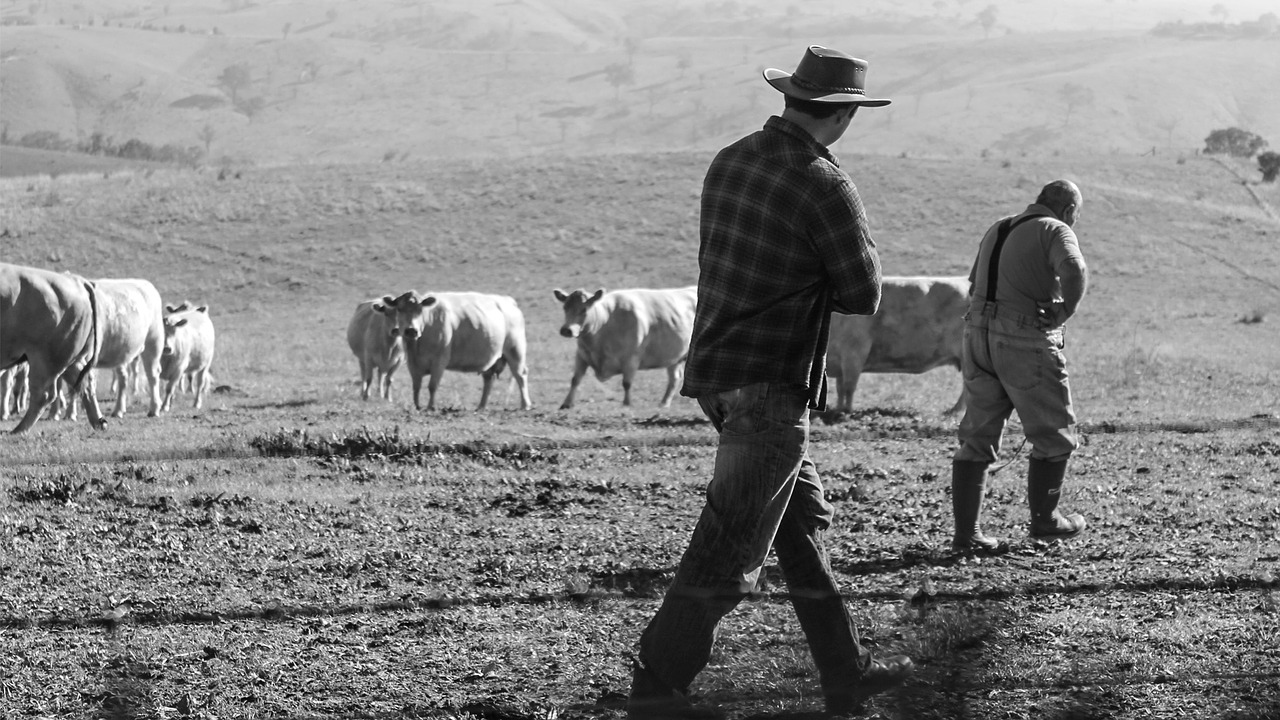
    For many people, drinking a glass of milk is as simple as going to the refrigerator and pouring the liquid into a glass. However, many steps go into getting milk from cows and into stores, where people can buy it. The work of an agricultural dairy herdsperson is an essential part of this process.

    For city people, it might seem easy to look after a herd of dairy cattle. However, a great deal of knowledge goes into the job. Often, completing an apprenticeship is the first step for people who want to work in this trade. This apprenticeship is 480 hours long, with 381 hours of theory and 99 hours of practical work. During this time, students learn to recognize potential problems that the cattle might experience, find out about the food the animals eat, and anything else they should know.

    Working as a dairy herdsperson is about much more than moving animals from one place to another. People in this trade should know how to maintain automated machinery, such as the milking machines. Caring for breeding cattle and ensuring that the calves are born safely is an important part of the job. This might involve giving the animals shots to help prevent diseases.

    Cleaning the barn and working areas can help keep the animals and people healthy. Taking care of their comfort with straw in the stalls can help keep the animals happy. In some cases, dairy herdspeople might need to supervise other workers.

    Paperwork and education are also part of this job. Keeping track of each cow’s health and particular needs is important so that the farmer knows what kinds of veterinary care the animals require. People in this trade should also be sure to watch each animal for any changes in behaviour or health. Taking courses or attending workshops can also help give herdspeople the chance to learn new techniques and to develop necessary skills.

    Dairy herding jobs generally start at salaries of just under $30,000 per year. With experience, people can earn almost $40,000 per year, although it depends on the size of the farm and other factors. Individuals may start as an employee or contractor, and work their way up to manager or even owner of a farm. Work can be available in any rural area, but people are more likely to find jobs on large farms. The best areas to find work are Quebec and Ontario, but other provinces also have opportunities for people in this trade.

    Like many trade jobs, working as a dairy herdsperson can be strenuous. Milking cattle usually happens early in the morning, and so people in this trade should be prepared to get up before dawn and get to bed early. Much of the work is in cold barns or outdoors, where the weather can be cold or stormy. The cattle can also be stubborn or otherwise difficult, and some of the animals’ health problems could be hard to solve.

    Having a certain amount of physical strength and endurance is important in this job to be able to deal with some of the challenges. However, herdspeople also need to be able to cooperate with other workers and to be able to understand and follow directions.

    Working with animals like dairy cattle could be an ideal trade for people who like to deal with animals and to work outdoors. It might be the best choice for you.


    Bibliography:

    Agrirecruiting. “Dairy Herdsperson.” https://agrirecruiting.com/help/dairy-herdsperson-3/.

    Career Explorer. “What Does a Dairy Herdsperson Do?” https://www.careerexplorer.com/careers/dairy-herdsperson/.

    Horner, Joe and Ryan Milhollin. “Dairy Grazing: Dairy Career Paths.” University of Missouri. https://extension.missouri.edu/publications/m193.

    Ontario College of Trades. “Agricultural—Dairy Herdsperson.” https://www.collegeoftrades.ca/wp-content/uploads/CTS-DAIRY_HERDSPERSON_640D_EN.pdf.

    Talent.com. “Dairy Herdsperson Average Salary in Canada 2021.” https://ca.talent.com/salary?job=dairy+herdsperson.

    Wikipedia.org. “Dairy Farming in Canada.” https://en.wikipedia.org/wiki/Dairy_farming_in_Canada.

  • Career Profile: Baker

    Career Profile: Baker

    For many people, a meal is incomplete without a piece of bread, a muffin, or cookies. Others like to have pastries with tea or coffee when they invite people over to visit. Unless they make these foods at home, they need the services of a baker. People in this trade work with ingredients like flour and sugar to bake breads, pies, cookies, and more. This job can be good for creative people who like working with food.

    Many people bake for themselves and their families at home, but others bake for grocery stores, restaurants, hospitals, and small shops. Currently, the job outlook for bakers is average, and people can work almost anywhere. However, cities tend to have the most jobs available. Salaries start at about $27,000 per year or about $16 per hour, and can rise to about $40,000 per year or close to $22 per hour, with experience.

    Most bakers go through an apprenticeship before they begin working. Trade certification is available everywhere in Canada except Manitoba and Saskatchewan, and Red Seal status is available for bakers who successfully complete the examination.

    Working as a professional baker can be a busy but satisfying job. In many cases, the work starts early in the morning so that the breads, cakes, cookies, and pies are ready for when the store opens in the morning. Baking throughout the day is also necessary in most bakeries because the food needs to be fresh.

    The baking process usually involves following a recipe and measuring out the ingredients. Sometimes, bakers invent new recipes or adapt old ones to new situations. For example, a customer might want a gluten-free cake made from special flour or a sugar-free dessert for someone who is diabetic.

    Often, bakers specialize in certain types of baking or a specific item that they like to make. One baker might make mainly cream pies, while another could focus on cookies or decorated cakes. Specializing is easier in large bakeries with enough employees to take care of the other foods, but even in a small bakery, some specialization might be possible.

    Besides doing the actual work, many bakers need to keep track of ingredients and order replacements. If the flour or nutmeg is running out, for example, the baker would need to make a note of it and either shop for the items or instruct someone else to do that. Bakers should be able to manage money and keep within their budgets, and also be able to work with people.

    Being able to stand for long periods of time is an advantage for bakers. Good manual dexterity and steady hands are helpful, especially for tasks like cake decorating. People often like their baking to look good as well as being delicious, and bakers who have an artistic sense to make desserts look beautiful can work in specialty areas like making wedding cakes.

    Bakers often work unseen by their customers. Working with hot ovens for hours at a time can be difficult, especially in summer. Burns and cuts are common, and other injuries are also possible.

    Most bakers usually start out as assistants, but with experience, can eventually become baking supervisors or even start their own business. For people who enjoy making food and working with their hands, being a baker is a good option.


    Bibliography:

    Government of Alberta. “Occupations in Alberta: Baker.” https://alis.alberta.ca/occinfo/occupations-in-alberta/occupation-profiles/baker/.

    Job Bank. “Baker in Canada.” https://www.jobbank.gc.ca/marketreport/summary-occupation/22246/ca.

    Skilled Immigrant Info Centre. “Bakers.” https://pwp.vpl.ca/siic/guides/bakers/.

    Talent.com. “Baker average salary in Canada 2021.” https://ca.talent.com/salary?job=baker.