Tag: advice

  • Don’t Distress – De-Stress!

    Don’t Distress – De-Stress!

    Are you feeling the pressure? Whether you’re saving up for college or studying, no doubt stress can take a toll. A little bit of pressure can actually be a good thing; often, it pushes you to do the best you can and you consequently achieve even greater results. But if you constantly feel anxious and panicked about what’s going on around you, you may have a problem managing stress. You’ve probably got a lot on your plate to worry about already—a nervous breakdown is the last thing you need.

    Stress can manifest itself in many forms and, as a result, it has the potential to negatively impact all aspects of your life. Stress can have physical effects, including insomnia, nervous tics and vulnerability to illness (like catching a cold). Unfortunately, these effects make stress even harder to handle, wearing down your stamina as well as your motivation. Even more concerning is the damper stress can put on your psychological well-being: constant pressure to do well  is often detrimental to your self-esteem. If you’re plagued by stress, it may alarm you to notice that it starts to affect your enjoyment of life as a whole.

    The crucial thing is to not let it get that far. Stress is a slippery slope, but there are a couple of things you can do to make sure it doesn’t drag you down with it. Here are some ideas to kick your anxiety to the curb and embrace a positive, healthy lifestyle:

    1. Get organized. Projects can be daunting when you try to take them on all at once. Set up a schedule and section off your massive to-do list into more manageable chunks. A little work each day is much easier to handle than an all-nighter; as difficult as it is, try not to procrastinate as this can only accumulate more anxiety.

    2. Take breaks. It may be difficult for you to stop in media res (especially if you’ve got a deadline coming up), but working endlessly compromises both your efforts and your health. After each hour of work, grab a snack, chat with your family or take a quick stroll outside. You’ll be able to concentrate much more easily once you get back to work.

    3. Be realistic. Sometimes, you just can’t have it all: if the pressure’s really bugging you, reconsider your priorities. Do what’s necessary first and leave the small stuff for later. It’s not possible to do everything absolutely perfectly, so focus on the things that matter the most.

    4. Appreciate yourself. Instead of focusing on every little thing you’re doing wrong, redirect your energy to your achievements. You can set up a rewards system to recognize your hard work—for instance, if you ace that exam, celebrate by having a fun night out with your friends. It’s important to maintain a positive mindset, even when things get tough.


  • Tips for Scoring a Scholarship

    Tips for Scoring a Scholarship

    Let’s get real. Post-secondary education is expensive and very few people have thousands of dollars casually lying around the house. Most of us are in search of cash — the type that you don’t have to pay back. In other words, we’re all searching for those illustrious scholarships. If you’re new at this whole “applying-for-scholarships-because-I-need-money-to-pay-for-school-which-suddenly-isn’t-free-anymore” thing, then you’ve come to the right place.

    Here are seven helpful tips that could help you score some extra cash!

    1. You do not get scholarships for simply existing. Almost every scholarship application that you come across is going to inquire about your extracurricular activities and community involvement. You need to do something, be a part of something, or participate in something. You don’t necessarily need to be the three-time reigning champion of every competition you compete in, or the newly-elected President for every fancy club that you’re a part of. You simply need to get out there and participate.

    2. One of the hardest parts of getting free money is finding free money. Luckily, there are people who dedicate themselves to doing it for you! Make sure to check out websites like Scholarship Canada. They have information on hundreds of scholarships— both large and small. Also, take a glance at your school’s website. The majority of Guidance Councillors will actually post a list of scholarships that they’ve come across. But don’t stop there. Go the extra mile and go digging through the websites of other schools. You’re guaranteed to come across a fresh new list filled with new opportunities.

    3. Keep your eye out for obscure scholarships offered by smaller organizations. This may require an advanced Google search and some serious digging but this very well might be the key to your first scholarship. Most students set their targets on big scholarships offered by well-known companies. There’s no harm in applying for those, but your chances quickly diminish when you’re facing so much competition. However, with the lesser-known scholarships that might be sitting on page 17 of a Google search, your chances of standing out in the significantly smaller crowd are far higher.

    4. Your best bet to scoring a scholarship is to apply to as many as possible. This may sound frighteningly obvious but you would be surprised by how many people lay all of their eggs in one basket. Yes, it’s time-consuming and painstakingly tedious but you need to apply, apply, and apply some more!

    5. If a scholarship application sounds too long, too boring, or too overwhelming, there’s a pretty good chance that other students are going to think the same thing and avoid it all together. This, of course, means that you should go ahead and do it! The more tedious the application is, the less competition you’re going to have. So suck it up and get writing!

    6. Never lie. Don’t lie about your qualifications, achievements, activities, awards, or anything of the sort. Just don’t! If you get caught, you’ll suffer from third-degree embarrassment and, even worse, you may sever some really important connections.

    7. Most organizations will release profiles of the previous year’s winner. Take a look at those to find out what kind of people they’re looking for. This might give you some ideas on what to include in your own application.

  • You Are Your Best Cheerleader

    You Are Your Best Cheerleader

    Do you ever feel overwhelmed or stressed out by things happening at school or even at home? Everybody has bad days sometimes. Life can throw curve balls at you that you never expect. Maybe you’re not getting along with your friend or maybe you didn’t make the sports team you really wanted to make. These types of problems can make you feel down and upset. This is completely normal; not every day is going to be perfect. We all go through this, so don’t feel like you’re alone.

    What is most important about going through tough times is how you deal with them. You can choose to talk to other people about how you’re feeling. Whether it’s a teacher, a parent or a friend, these are all people who care about you and will listen to your problems. They want you to succeed as well. When you can’t turn to them you can always turn to yourself – don’t count yourself out.

    You are your best cheerleader at the end of the day. By cheerleader I don’t mean someone  holding pom-poms. By cheerleader I mean that you have the ability to motivate yourself to do difficult things and feel better about yourself. Everybody has their own way of doing this. Maybe your way of being a cheerleader is that you like to reward yourself after accomplishing your goal or you like to mentally encourage yourself.  It’s perfectly okay to give yourself a pat on the back every once in a while. In fact, it’s healthy!

    Sometimes fear can be your own worst enemy. You may be scared to try something new or don’t feel like you are capable of succeeding in a new situation. Having the confidence within yourself that you can succeed is the best way to accomplish your goals. Instead of putting yourself down, try encouraging yourself and thinking positively about a situation. Try replacing any negative feelings with positive ones. Don’t be so hard on yourself! Something as little as a change in attitude can do wonders for your self-esteem.

    You know that just because you didn’t make the sports team doesn’t mean you’re not good at that sport. Maybe you can practice more and prepare yourself for tryouts next year. You also know that just because things at home haven’t been great lately that it is not your fault; sometimes other factors play a role in hard situations. Having a positive outlook on things and cheering yourself on will improve your confidence. If you start believing that you can do anything you set your mind to, you will see results. So start thinking like your own personal cheerleader!

  • The Importance of Finding Peace Within

    The Importance of Finding Peace Within

    In a world filled with obligations and seemingly never ending stress, finding inner peace can seem like the stuff of fairytales. The reality is that the majority of us are feeling the pressure of our daily lives in a big way. Poor quality food (yes chips, I am talking about you), poor sleeping habits (five hours a day truly isn’t enough) and mismanaged time can leave a person feeling perpetually like a ping pong ball darting back and forth on the table of life.

    As busy as our lives might be, it is important to find the time to look inwards to find a sense of peace in order to have some semblance of balance. Not only does finding inner peace feel good, it is essential. Inner peace means different things to different people, but the core of the definition remains the same; feeling internal harmony with an absence of internal strife. As previously mentioned, inner peace is essential; our three states of being (physical, spiritual and mental) rely upon it. Without it, anxiety, stress, depression, fear and restlessness – all bi-products of an absence of inner peace – are given leeway to take over our lives.

    As cliché as this may sound, inner peace helps to make the world go round. Let’s take that statement and apply it to a hypothetical situation. If there was a doctor who was manic depressive and due to his depression was unable to focus for long periods of time, developed chronic memory loss or became unreliable in his or her attendance at the office, said doctor could wind up causing some serious damage to or even killing one or more of his or her patients. The wrong medication could be prescribed, a client could be misdiagnosed or a hopeful patient would have traveled to the doctor’s office in vain looking for an absent doctor. Medical and legal chaos would ensue. As extreme as this example may seem, the absence of inner peace can cause such a large amount of discord in our lives through blindsided snowball effects that it can alter it and those around us.

    In an effort to find inner peace many of us turn to spirituality or religion. As the Dalai Lama so wisely stated, “We can never obtain peace in the outer world until we make peace with ourselves.” His words mirror the teachings of so many religions today. In some way, shape or form, every religion functions on the act of mastering internal peace and then applying it externally. This transference of peace dictates the way that we live and communicate. Aside from religion, other methods of obtaining inner peace are through meditation, listening or creating music or engaging in a relaxing activity. Regardless of what you choose to do, remember that a peaceful person is a happy person and so are the people around them.

  • Entering High School: Why You Should Join Extracurriculars

    Entering High School: Why You Should Join Extracurriculars

    If you’re worried about trying to find the place you belong in the confusing high-school landscape, joining extracurricular groups is a great thing to do. These groups can range from sports teams, cultural clubs, interest clubs, and beyond.

    Joining these groups allows you to meet new people who share the same interests that you do. They also provide you with the opportunity to make new friends and become closer with the teachers who lead the groups. Developing relationships with teachers is important because they make awesome academic references for job applications as well as university applications down the road. Together, with your peers and teachers, you can explore these interests and satisfy your curiosities.

    Participating in extracurricular groups also looks fantastic on your resume and university/college applications. Employers and post-secondary institutions like to see that you are participating in groups outside of the classroom. Joining these extracurricular groups makes students seem well-rounded. It shows that you have interests that go beyond academics and make you stand-out. In a job interview, leveraging similar interests as the person interviewing you or showing passion for an interest outside of academics makes you a more memorable candidate.

    Through participating in extracurricular groups you can gain valuable skills. These include teamwork skills which you develop through working co-operatively with other members of the group. You may also develop leadership skills by leading a group project or inspiring and motivating others in the group. Both of these skills are very valuable in the work environment and the post-secondary school environment.

    Joining one of these groups will give you a sense of belonging. They can also be an outlet for stress from your academic life. You may even try out a new activity and discover that you really enjoy it. If you don’t end up enjoying it, no harm done – you now know more about yourself. There are definitely many more positive outcomes than negative outcomes from getting involved in extracurricular groups. They can make your overall high-school experience more enjoyable!

  • Your New Responsibilities in High School

    Your New Responsibilities in High School

    Starting high school is an important stepping stone in your educational career. That being said, sometimes the transition into this new time of your life can be a bit of a challenge. High school comes with new subjects, new teachers and a variety of new responsibilities, and you’re going to have to work even harder to do well. It’s crucial to know what you’re expected of in high school. It might take a little time for you to adjust, but if you stay on track and try your best, there is no doubt you will continue to succeed in school.

    The main new responsibility you have in high school is initiative. There aren’t always going to be people to check up on you; a lot of your learning and progress depends on your hard work. You are responsible for your own grades: no one’s going to stand over you making sure you actually complete the work. Most teachers assign late penalties to assignments, which can seriously take a toll on your marks if you aren’t careful to get them in on time. What’s more, studying for tests, managing group projects and completing independent assignments are all up to you to handle. Teachers do try to help you out by providing reviews, giving extra help or reminding you of important dates. Ultimately, however, it’s up to you to put in the time you need to succeed.

    To add to that, all high school courses, no matter the subject, have exams. Usually worth 10-30% of your final mark, this can either be a final exam, a summative assignment or a combination of both. Depending on your school’s setup, these final evaluation periods are once or twice per year for each subject—and unfortunately, they often come at you all at the same time. When you’re completing summatives or studying for exams, it’s important to stay focused and try not to lose your cool. Exam season is a stressful time of year for everyone, but little by little you’ll start to become accustomed to the extra hours you have to spend on your schoolwork.

    Keeping all that in mind, don’t be too intimidated. Starting high school may be a difficult transition at first, but you can make it through if you try! It’s crucial to develop good work habits from the start, because as your education progresses your responsibilities will continue to grow. High school is designed to help you along the path to post-secondary (whether it is university, college, an apprenticeship, etc.). You might find that once you get used to your new learning environment, you can really start to enjoy the material you’re studying. Don’t discount the important learning you’re going to do at this time of your life—not only through your schoolwork, but through the life skills you pick up along the way.

  • Body Image Issues? You Aren’t Alone

    Body Image Issues? You Aren’t Alone

    In most cases a distorted view of body image has been presented by the media and simplified with male and female stereotypes. Men are all portrayed as tall, muscular and smoothly shaven, while impossibly thin women with disproportionate attributes make their way into thousands of commercials and magazines. We now know that someone with a camera and a simple grasp of Photoshop can easily change these images, airbrushing, changing size and re-colouring pictures. Simply put, the media portrayal of the human body is wrong.

    Never is there a time in an adolescent’s life that the body is focused on so much as the prom. The pressure falls a lot more on girls than it does with boys. Most (but certainly not all) guys are expected to attend prom wearing an expensive formal suit and tie, whereas girls are expected to be skinny but not too skinny, wear fashionable dresses and high heels.

    While prom is a formal gathering its important not to lose sense of your own style and personality. Wear whatever dress that you feel like wearing, or even wear pants if you’re comfortable. It’s one of the last big gatherings in high school so take this chance to be creative and express yourself! Maybe you could even craft your own outfit if fashion design is your thing. That’s not to say you should come in with combat boots and a trench coat – you should follow your school’s dress code when deciding what to wear, but let loose and have fun. Don’t let fashion trends or other people’s opinion’s decide for you. Prom is your night, so make your look your own, too.

    Prom is a time to celebrate that you are almost done thirteen years of education! This is a huge accomplishment and you deserve to celebrate it no matter your size, gender or personal style. Don’t let other people’s opinions ruin your night; stay true to yourself and your own style. In the end that’s what truly counts.

  • Under Pressure

    Under Pressure

    If you ever find yourself in a sticky situation, you probably turn to your friends for advice. Peers can be an excellent outlet for talking our problems out in order to figure out the best decisions to make. That being said, we can’t rely on our friends to solve every one of our problems. Not only does this interfere with our independence, but we could actually be swayed off the right path, even by friends with the best intentions.

    When you’re making decisions, it is important to consider your own opinions before you take anyone else’s word for it. How do you feel about what’s going on? Do you think it’s right? What do you think would be the best solution? It is much easier to let a friend take the wheel, because then you don’t have to consider all of these difficult questions—you can just use their answer. A problem comes up when you find you’re consulting your friends 24/7, and this is actually getting in the way of you expressing what you really think.

    Friends mean well (if they’re good friends). Often, they’re just trying to let you know what they think is right. The thing is, what is right for your friends might not be right for you. Even if they do have good intentions, you don’t want your decisions to be constantly dictated by the opinions of your peers: this might lead you into making entirely the wrong choices.

    Maybe you don’t consider peer pressure to be too big of a deal in elementary school, where the stakes aren’t so high. But think about the possible consequences of constantly following the leader, and the ways this could affect your future life. If you aren’t sufficiently independent to think for yourself and make your own choices, worse things can happen than simple punishments if you fall in with the wrong crowd. Furthermore, think about what it means to succumb to peer pressure all the time: chances are, if you’re letting someone boss you around, and do things you aren’t okay with, it’s probably taking a toll on your self-esteem.

    You deserve to be respected. In order to respect yourself, you have to respect your thoughts and feelings as well. The next time you’re tempted to do something just because your friends are doing it, or because it seems “cool”, think about how you would act if there was no one around to judge you. Do what you feel is the right thing—don’t base your choices off the rest of the bandwagon. Guaranteed, you’ll be a happier person for it and have a better idea of who you are.

  • Thirst is a Drop in the Cup

    Thirst is a Drop in the Cup

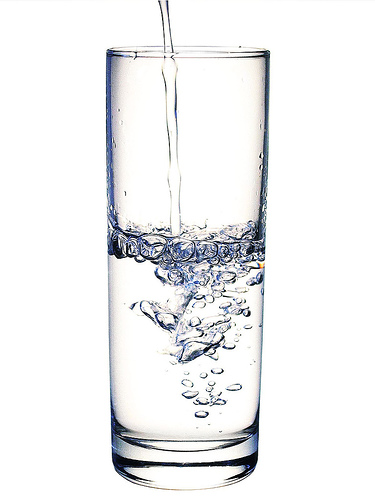
    Forget smoothies and sodas: the best drink comes right from the tap! The human body is composed of up to 60% water, so it makes sense that we’d need to continue drinking it to keep ourselves healthy. Unfortunately, if you’re always on-the-go, you may not be getting the hydration you need. Water is part of the fuel that keeps our bodies running efficiently—and more often than not, we forget to fill up.

    The result of not drinking water is extremely detrimental to our well-being. Constant dehydration can really take a toll on your health, in some cases leading to headaches, dizziness and fatigue. The good news is that you can put yourself on the road to healthy living simply by adding a few of glasses of water to your daily routine. Here are some of the many benefits of drinking water.

    1. It boosts your energy. Your body works best when it’s fully hydrated, and you can start to feel a little sluggish if you haven’t gotten your daily water intake. Your brain is mostly water, too, so nourishing it with a quick drink will really help your focus.

    2. It helps you eat healthy. You may be confusing constant snack cravings with your body’s cry of thirst: drinking water reduces overeating and hunger by filling your body up with the nourishment it needs. Water also contributes to the proper functioning of your digestive system, which helps process the vitamins and nutrients in your healthy diet.

    3. It can ward off sickness. Your immune system greatly benefits from water: drinking your fill could leave you less susceptible to colds and flu. Water helps your body quickly flush out toxins, which reduces the risk of more serious ailments.

    4. It comes with beauty perks. Water is great for your skin—aside from keeping it hydrated, by drinking water you’re flushing out toxins that can leave your complexion dull or irritated. Plus, since it hydrates your body’s cells, it can do wonders for your hair and nails.

    What can you do to make sure you get enough water? Carry a water bottle on you and remind yourself to drink (even when you don’t feel thirsty). There are smartphone apps that can track your progress throughout the day. And don’t forget to account for extraneous variables: if it’s hot out or you’ve been exercising, chances are you’re going to need to drink more water to keep yourself in check.

    With its multitude of health benefits, water can make or break a healthy regimen, and hydration might just be the thing your body is missing. Try to make drinking water part of your daily routine, and you’ll notice a difference. Cheers to that!

  • The Future Is Now

    The Future Is Now

    Where do you see yourself in five years? Choosing a career path can be entirely overwhelming if you don’t know what you’re looking for. When it comes to your future, only you can have the final say, but there are things you can do to make your decision just a little bit easier. Consider the following factors before you make your choice.

    What you like.
    Considering all the time, money and energy you are going to invest into your career, you will be much better off if you actually enjoy what you’re doing. Think about your interests, your passions and your hobbies, and see if you can imagine yourself working in those fields in the future. Be honest with yourself. If you don’t thoroughly like something, then it might be difficult to put yourself through it on a daily basis. Chances are, if you are happy with the work you are doing, you will be much more motivated to succeed.

    What you’re good at.
    Are you a proficient public speaker? You might make a good politician. Are you great at hands-on work? You might flourish in the trades. Everyone’s good at something; you just have to figure it out. Think about your strongest subjects in school, things you’ve accomplished and so on—put these together to find the things you’re truly the best at. It is much easier to start your career off with a foundation of skills you already have, instead of starting from scratch. If you keep refining your talents, the things you’re good at now could turn out to be real assets in the future.

    What’s “practical”.
    Don’t think that you have to strive to be a doctor, lawyer or engineer. Every job is unique in its own way—and there are always ways to be successful, no matter the field. However, it might be a good idea to look at your options before settling on something. For example, there are multiple ways to pursue a music career: if performing doesn’t suit you, you can be a professional music teacher, a composer, an arranger, and much more. Make sure you have a lifeline: it’s always good to keep those options open. That being said, practicality is entirely dependent on the individual—and if you truly love what you’re doing, and you’re willing to work hard, there is absolutely nothing holding you back from reaching the top.

    Now, the trick is, what’s the overlap? If you can think of a career that fits into all three of those categories, chances are that it might just be the one for you. Finding the common ground between your passions, your skills, and your common sense will ensure that you’re on the path to a balanced, meaningful, and enjoyable future. Making a career decision is going to be one of the toughest things you ever do. But if you lay out the facts and keep an open mind, there is no doubt you will find the perfect job for you.