Tag: bullying

  • The Science of Bullying

    The Science of Bullying

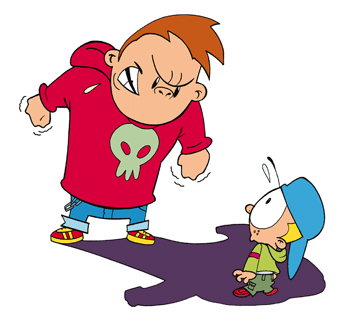
    You have seen bullies in action. You may have been on the receiving end, or maybe you yourself were the bully. We all know it happens, and how awful it can be. The real question is why it happens. It is important to remember that no two bullies are the same. It is even harder to remember that bullies are human too.

    Studies have shown a myriad of causes for bullying behavior. The bully may be redirecting the pains of a troubled family life or struggles in the classroom towards other students. Bullies might be trying to appear “cool” in front of their peers. They may have seen others get their way through bullying, and prey on individuals who appear weaker to gain control. In all these cases, a bully is someone in need of something and not getting it. There is an emotional void that they are trying desperately to fill, and in that desperation they are going about it in an extremely harmful way.

    This is important to remember, especially as a victim of bullying. It is far too easy to view the aggressor as a monster, as someone lacking in empathy and humanity. Adults do this too; simply take a look at any wartime propaganda to see how the opposition can be made to look like inhuman monsters. It is human nature to create a story-like quality to our everyday lives, to classify ourselves as the heroes and designate the villain role to someone else. The bully might be your villain, but in their life story they may see themselves as the tragic hero up against abusive parents or teachers.

    Victims of bullying deal with depression and self-esteem issues. They often struggle to find a sense of normalcy in their adulthood. Bullies are more likely to become dependent on drugs and alcohol as they grow older, or continue their habit of abusive behavior well into adulthood. It is in the best interest of both the bully and the victim to put a stop to the behavior. If you or someone you know is being bullied, some people will tell you to go to an adult. Others will say to fight back. What is the best course of action?

    Unfortunately, just like how no two bullies are alike, no two life stories are alike. There is no one-size-fits-all solution. If you are going to tell an adult, make sure it is someone you trust and who you believe will take strong action. Fighting back might be tempting, but it can lead to an escalation in violence that would make it hard to tell the bully and victim apart.

    However, doing something is far better than doing nothing. Reach out to a teacher, parent, or adult you admire. If they have earned your admiration, then they have the character and intelligence to take proper action. Ultimately, this will save the lives of all the victims – both the bullied and the bully, for maybe, years to come.

    Sources:

    eSchooltoday. Why do some people bully others?
    http://eschooltoday.com/bullying/Why-do-people-bully.html

  • Fat Shaming in School

    Fat Shaming in School

    As young people we are more perceptible to the impact of other people’s opinions. It takes years to develop resilience against hurtful comments as well as a sense of self worth. When it comes to obesity, there can be many contributing factors to that particular condition; some of which may be medication, addiction, anxiety or depression. Somehow through out the years, society has launched an attack on body image. But the fact remains…everyone has his or her own story, and that story is none of your business.

    Body shaming is such a social illness and affects all shapes and sizes. It’s so difficult to love ourselves, yet so easy to judge others—because sometimes when we put other people down, it makes us feel better about ourselves. This cycle is perpetuated by media and peer pressure, and can some times feel impossible to escape. As members of a student body, we are thrown into a tank of other young, highly impressionable people. And with healthy lifestyles being constantly promoted in the educational world, young passionate people often feel the need to take it upon themselves to “spread the gospel”—so to speak. Body shaming leads directly to fat shaming—a phrase some use to describe encouraging those who are obese to lose weight or a phrase that can be described as straight out bullying.

    In September 2015, YouTube star Nicole Arbour’s video titled “Dear Fat People” went viral. It featured Arbour spewing out hurtful comments against people that battle obesity. Despite going on The View recently to claim that the video was not meant to be taken seriously and was actually just satire, her hateful comments depict what is wrong with our society and—sadly—what is widely believed to be true. Arbour flat out claims in her video that fatness is associated with laziness, gluttony and bad decisions—a narrow-minded opinion that no doubt many obese people have heard all their lives. Obese individuals often have to deal with workplace discrimination and unwanted comments from those who feel that they have the right to expose their prejudice masked by ‘health concern’.

    “Fat shaming is not a thing; fat people made that up. That’s a race card, with no race,” said Arbour. “If we offend you so much that you lose weight, then I’m okay with that.” The comments for her video were disabled, which is definitely not surprising considering the media storm it created. And hopefully her cruelty has opened up a dialogue about so-called fat shaming.

    First of all, why do you care?

    Why does someone else’s body concern you? How does it concern YOUR path? YOUR health? If you are concerned about the person, it has been clinically proven that telling them that their weight is out of control may damage them emotionally and possibly even physically. Negative emotions can lead to negative physical implications.

    Fat shaming DOES NOT WORK

    There is a socially acceptable size, and if you are not within those size boundaries you have most likely been bullied about it at school. While peers get kinder between elementary school and university, the media grows harsher. According to www.secureteen.com, the University of Michigan C.S. Mott Children’s Hospital conducted a study, which revealed that 34% of all obese children are bullied in their schools. The study also found that mothers of over-weight children remarked that 45% of those children had been bullied. Furthermore, 25% of the obese children claimed that they have been put through fat shaming in school. Instead of causing someone to lose weight in a healthy way, fat shaming can lead to eating disorders like bulimia or anorexia. And even if weight is lost in the proper physical way—through diet and exercise—fat shaming can leave long lasting mental health and insecurity dangers.

    Things to remember:

    • Beauty and being fat are NOT mutually exclusive. Being overweight does not make one less intelligent. Physicality is a personal thing. We are not responsible for other people’s bodies. Only our own. Poking your head where you should not could really hurt someone.
    • Body autonomy is hard to have when our prejudiced society deems your body to be unacceptable. Self-love and acceptance leads to a desire to take care of yourself. Know your body—what it needs and what it reacts to.

  • Are You the Subject of a Nasty Gossip? How to Turn Things Around

    Are You the Subject of a Nasty Gossip? How to Turn Things Around

    Today, gossiping can be considered a national pastime. There are several reasons why people gossip. One is that people who engage in gossip feel privileged. Imagine seeing your not-so-favorite teacher in the middle of the road with a flat tire, cursing like a sailor. You can’t wait to share this with those who feel the same way about that teacher. It’s like you have the inside scoop and you’re telling everyone that this not-so-favorite teacher is not prim and proper after all.

    Another reason why people spread gossip is so they can feel better about themselves. Just picture getting into an exclusive movie premiere and you see a girl you don’t really like waiting desperately at the door to get in. You may feel it is not enough to see her like that—you want your friends to know you saw her in that situation, and you will probably even make something up, like she was being hysterical and bawling like a baby.

    However, what happens when you become the subject of a hurtful gossip? You’ll probably realize then, that gossip has an ugly side. Here are three ways to turn things around when the shoe is on the other foot:

    1) Find people who have your back. Don’t wallow in self-pity. Instead, talk to family, friends, and classmates who know the real you. Don’t hold anything back. Tell them that you are hurt by the rumor, and they will most likely provide you a shoulder to cry on. Eventually, with the right amount of support, you will find the strength to move forward.

    2) Confront the person who is spreading the rumor. If you have a clear idea of who is spreading gossip about you, talk to that person in a calm manner. Don’t flare up since this reaction may be something that he or she is waiting for. Instead, try to figure out why they are doing what they are doing and explain your side of the story. It could have been a simple case of miscommunication or misunderstanding.

    3) Let it die a natural death. If the gossip isn’t going away even after you have talked to the person who is spreading it, it would probably be best to ignore it and move on. At times, silence is the best defense. However, it is a different story when you feel you are being bullied; report the person to school authorities ASAP. Eventually, gossip that doesn’t elicit a reaction will die a natural death. What you can do for the meantime is to avoid gossiping yourself and lead by example. Remember to THINK when you feel the urge to gossip about other people. Is the story Thoughtful, Honest, Intelligent, Necessary, and Kind? If it is not any of these things, then stop.

    SOURCES:

    http://www.scientificamerican.com/article/the-science-of-gossip/

    http://www.2knowmyself.com/How_to_deal_with_people_who_gossip_about_you

    http://www.wsj.com/articles/what-to-do-when-you-are-the-subject-of-office-gossip-1412701581

    http://inspire99.com/10-deeper-ways-to-deal-with-a-rumor-gossip/

    http://www.youngandraw.com/how-to-deal-with-negative-people-gossip-in-a-positive-way/

    https://www.psychologytoday.com/articles/200810/the-8-laws-rumor-spread

  • Can’t Go Offline? Three Smart Tips for Online Safety

    Can’t Go Offline? Three Smart Tips for Online Safety

    Can you imagine life without the Internet? While it offers advantages when it comes to learning and communication, it also gives a way to possible danger. It’s likely for you to come across people with bad intentions in forums, online communities, and social networking sites. These people prey on the youth’s desire for a sense of belonging, acceptance, romance, or sexual curiosity. These malicious people would pretend to offer a sympathetic ear, but in actuality, they are practicing emotional manipulation. An online relationship may ensue that could possibly lead to a physical meeting in the future. In the online kingdom, everyone can be anonymous if they choose to be, so predators can be anyone. A CBC.ca report last April states a 16-year-old boy lured young girls into having online romantic relationships with him.

    As such, whenever you go online and talk to people other than your relatives, friends, or classmates, consider these wise tips to ensure your safety:

    1) Watch out for signs of predatory behavior.

    It is okay to engage in conversations and chat about common interests like favorite or most hated subjects, music, movies, and TV. It is not okay when you are asked things like “What are your best features?” or “What do people like about your physical appearance?” While these questions sound casual, they can lead to completely inappropriate questions or requests. As such, once you find yourself even a bit uncomfortable, stop the conversation, and log off.

    2) Set your privacy settings correctly.

    For sure, your parents or friends have warned you about posting your home address and phone number in your social networking accounts, and they are right. Another thing to remember though is that when you post a status or a photo, make sure that only your friends or followers can see it. And while it is tempting to use the “check-in” feature and tag the pals you are with when you are in an exclusive event and such, it is best to avoid this. Remember, whenever you tag anyone, those who are connected to them will see your post. For instance, if your buddy’s classmate from years ago has been obsessed with you for years and sees that check-in post, you may get a stalker in return.

    3) Don’t take pictures you don’t want your parents/grandparents to see.

    Taking selfies are fun, but when they end up in the wrong hands, you would probably think twice about taking them in the first place. You may have the trickiest PIN code or password there is but keep in mind these cybercriminals probably have the sophisticated technology to hack into your gadgets and take whatever they find there. Let last year’s celebrity hacking scandal serve as a lesson. The bottom line is, technology is continuously evolving and so are cyberhackers, so always think twice before clicking to take that selfie.

    So how do you ensure your safety online? Well, you don’t have to go back to the dark ages and throw out your iPhone or laptop. All you have to do is be aware of your surroundings, what you say, and what you post. You don’t have to share everything with everyone all the time. Be mysterious and take pride in your privacy!

    SOURCES:

    http://www.cbc.ca/news/canada/nova-scotia/nova-scotia-child-porn-case-highlights-dangers-of-online-friendships-1.3028837

    http://www.netsmartz.org/InternetSafety

    http://www.covenanteyes.com/2012/01/03/7-dangers-of-the-internet-for-kids/

    https://www.yahoo.com/parenting/5-myths-and-truths-about-kids-internet-safety-122964460683.html

    http://www.theguardian.com/technology/2013/nov/03/internet-children-parents-safety

    http://nobullying.com/dangers-of-the-internet/


  • Mental Health Stigma and Prejudice

    Mental Health Stigma and Prejudice

    Stereotyping and typecasting remains prevalent in our society today. Stating that doesn’t mean that it makes it alright to use them against others. In today’s society Mental Illness is accepted, though sometimes, there is still a prejudice about it. Some people do not accept it, and use these stereotypes on people with a mental illness. For example, a woman can be targeted due to her mental illness, possibly creating an atmosphere where sexism can run wild. The media is a constant variable in this role; when someone with a mental illness acts out, the media makes it a headline and top story, mocking them at every turn.

    As the media highlights the bad aspects of mental illness, the world can’t seem to listen and take it as a serious problem that needs to be understood. Instead of investigating deeply about mental health, people take the more ignorant approach for it is easy to do so. What is often illustrated on the news is false or extremely exaggerated. The individuals that do try to understand mental illness often know someone suffering from it, therefore they become more involved and educated on the subject in order to help. Depending on the circumstances, a friend or loved one can be the cause of the negative inflictions that cause mental illness.

    Not only does having a mental illness have its own effects on the brain, people can start to perceive a person that effected person as negative. The person suffering can feel anxiety raising, courage falling, hopelessness settling in as they walk and feel eyes on them. They may feel fearful when going for a walk, going to an event, or even when raising their hand in class. It is never right to put someone in that position of self-loathing or self-doubt, only to make yourself feel higher and more powerful.

    We have all been in both of these places; making yourself feel better by putting another down; feeling put down from someone. Both of these directions will not serve you, or the other person. Of course there is someone who is bigger, smarter, or can do more things than you. There is never a reason to hurt someone, especially someone that cannot help who they are. It is not okay to hurt someone because you do not understand what they are going through. We all go through something at one point or another, so it is better to respect a person then put them down. Let’s erase mental health stigma and create better ways of communicating and helping others- you may need some help in your future, too.

  • Bullying and Self Esteem: The Bullied and the Bully

    Bullying and Self Esteem: The Bullied and the Bully

    Bullying continues to be a pressing threat among students, one that unfortunately is dismissed, misunderstood or ignored. The potential consequences of bullying, however, including dangerously low self-esteem (which can lead to serious, lifelong issues for victims), suggest that we have to address bullying more directly in an attempt to put a stop to it once and for all.

    If you are being bullied and experiencing problems of low self-esteem, you should remember that you are not alone. Many individuals are bullied at some point in their lives, and most, if not all, individuals experience low self-esteem. It’s likely even your bully faces this problem from time to time, which could be a reason why they are picking on you (in order to avoid some of the root causes of their own insecurity). Understanding that your experiences are similar to those of others is a great first step towards addressing bullying.

    A principle to live by—not just in situations of bullying, but whenever you’re interacting with others—is one of mutual respect. Try to empathize with the needs of others, while at the same time treating them with compassion, especially when they are going through a tough time. Communication is key: if you understand where people are coming from, you can more effectively respond to their actions. In situations of bullying, this actually includes the bully as well. A bully’s problem doesn’t give them an excuse to mistreat others at all, but knowing about this can shed light onto some of the potential solutions for conflicts. You could end up helping them in the end, rather than allowing the cycle to continue.

    Overall, bullying is not an acceptable way to manifest low self-esteem. Bullying, even if at face value, can seem like a nuisance and can equate to the physical, verbal, or emotional harassment of another individual. This is certainly not an okay way to treat others, and moreover can lead to some dangerous consequences. It is important to put an end to the bullying as soon as possible, hopefully before anyone gets hurt.

    If you are the bullied, stay strong, and know that any hurtful comments or actions are likely coming from a deeper place of insecurity for the bully him/herself. That being said, it’s absolutely important to reach out if the problem persists: speak to a friend or family member that you trust, seek counseling from a teacher or a guidance office, or even contact a help line (like Kids Help Phone: 1-800-668-6868). Low self-esteem as a result of bullying can escalate into serious anxiety or depressive disorders, sometimes even self-harm. Don’t let it get to that point, and don’t wait until it’s too late.

    If you are the bully, seriously consider the impact that your actions have on other individuals. If you are going out of your way to make others feel small, maybe you should take a look at your own life, problems, and insecurities before interfering in those of others. In light of the potential consequences that bullying can have on victims, respecting others should certainly be one of your top priorities.


  • Bullying Is Everyone’s Problem

    Bullying Is Everyone’s Problem

    There is no doubt that bullying is a problem which has been around for a long time – within all forms of human interaction, there have always been those that not only feel superior to others but feel the need to demonstrate this at any cost. Where bullying was once mostly confined to the schoolyard, now more and more children are plugged in to the internet. This has made the problem significantly worse, becoming more insidious, dangerous and sometimes even fatal.

    By now, most people will have heard about the B.C. girl who, having been relentlessly bullied for a number of years online, combined with her allegedly fragile state of mental health, felt it was necessary to end her own life. Sadly, she is certainly not the first to do this and will not be the last. While it is impossible to find any shred of positivity in the current situation, the fact is that social media allows more people to become aware of the severity of the problem. Although bullying will likely never be completely eliminated, this may lead to concrete measures being taken to severely diminish it over time.

    While it is obvious that the bully and the bullied are the central players, the problem of bullying is far-reaching, affecting family, friends, entire schools and workplaces. It is no surprise that the majority of people who are aware that some form of bullying is taking place are more likely to ignore it rather than take action. However, it is a fact that by becoming involved, whether simply standing up to the bully on behalf of the victim or making friends with the victim (who are often in great need of friends), the bully will think twice about his or her actions. Of course, this is not always the case and sometimes a greater degree of intervention is needed.

    The first step for anyone being bullied, or for those that suspect it is happening to someone, is to speak up. It is widely believed, particularly among kids, that ‘telling’ is akin to ‘tattling’ which is just not the case. The fear also may be that by telling someone they may inadvertently make the problem worse by angering the bully. While this is a genuine concern, it certainly should not be a reason to remain silent. Making bullying known through Facebook or some other form of social media may not always be the best idea as this can leave the victim open to even more abuse and torment from anonymous comments made by online bullies and ‘trolls’. Even if the victim is reluctant to speak up, they can still get support through one of the many anti-bullying organizations that exist online such as www.kidshelpphone.ca, www.pinkshirtday.ca and www.antibullying.net.

    While it is obviously the victim of bullying that requires the most immediate help, one shouldn’t forget that by letting them continue their behaviour, the bully’s future can also be put in jeopardy. It is rare that a bully simply bullies for the sake of it and by getting help early on they can avoid problems later in life. According to Free From Bullies, 60% of adults aged 18-24 who once bullied end up with criminal convictions, a fact that can have an effect on society and the economy as a whole.

    There is no simple solution to the problem of bullying and it is very sad that even adults who should know better can be just as guilty as children. The problem will not be stamped out overnight, but through talking, understanding and, most importantly, taking action, we can make small steps to fight back.

  • Bullying Is Everyone’s Problem

    Bullying Is Everyone’s Problem

    There is no doubt that bullying is a problem which has been around for a long time – within all forms of human interaction, there have always been those that not only feel superior to others but feel the need to demonstrate this at any cost. Where bullying was once mostly confined to the schoolyard, now more and more children are plugged in to the internet. This has made the problem significantly worse, becoming more insidious, dangerous and sometimes even fatal.

    By now, most people will have heard about the B.C. girl who, having been relentlessly bullied for a number of years online, combined with her allegedly fragile state of mental health, felt it was necessary to end her own life. Sadly, she is certainly not the first to do this and will not be the last. While it is impossible to find any shred of positivity in the current situation, the fact is that social media allows more people to become aware of the severity of the problem. Although bullying will likely never be completely eliminated, this may lead to concrete measures being taken to severely diminish it over time.

    While it is obvious that the bully and the bullied are the central players, the problem of bullying is far-reaching, affecting family, friends, entire schools and workplaces. It is no surprise that the majority of people who are aware that some form of bullying is taking place are more likely to ignore it rather than take action. However, it is a fact that by becoming involved, whether simply standing up to the bully on behalf of the victim or making friends with the victim (who are often in great need of friends), the bully will think twice about his or her actions. Of course, this is not always the case and sometimes a greater degree of intervention is needed.

    The first step for anyone being bullied, or for those that suspect it is happening to someone, is to speak up. It is widely believed, particularly among kids, that ‘telling’ is akin to ‘tattling’ which is just not the case. The fear also may be that by telling someone they may inadvertently make the problem worse by angering the bully. While this is a genuine concern, it certainly should not be a reason to remain silent. Making bullying known through Facebook or some other form of social media may not always be the best idea as this can leave the victim open to even more abuse and torment from anonymous comments made by online bullies and ‘trolls’. Even if the victim is reluctant to speak up, they can still get support through one of the many anti-bullying organizations that exist online such as www.kidshelpphone.ca, www.pinkshirtday.ca and www.antibullying.net.

    While it is obviously the victim of bullying that requires the most immediate help, one shouldn’t forget that by letting them continue their behaviour, the bully’s future can also be put in jeopardy. It is rare that a bully simply bullies for the sake of it and by getting help early on they can avoid problems later in life. According to Free From Bullies, 60% of adults aged 18-24 who once bullied end up with criminal convictions, a fact that can have an effect on society and the economy as a whole.

    There is no simple solution to the problem of bullying and it is very sad that even adults who should know better can be just as guilty as children. The problem will not be stamped out overnight, but through talking, understanding and, most importantly, taking action, we can make small steps to fight back.

  • No More Bullying

    No More Bullying

    In elementary school, everyone is undergoing changes developing themselves in different ways. Because of the pressures of growing up, some people learn to adapt and cope in successful ways, such as by finding an outlet for their emotions in activities like competitive sports, clubs, or even just seeking friendship and support from others. Unfortunately, some people have negative coping mechanisms that lead them to find more destructive outlets for their emotions. Sometimes a negative coping mechanism will reveal itself as bullying. This bullying can take many forms, from verbal abuse to stealing from people and even to physical abuse. Bullying is a problem that needs to be addressed with the bully and with the victim because both are affected.

    When people are bullied they can feel sad and left out, as well as feel that they have something wrong with them that results in the bullying. If you are being bullied, the most important thing to remember is that it is not your fault that you are being picked on. It may not be safe to confront the bully themselves, but by informing your principal, teachers, parents and friends, you can create a support network to protect yourself from the person or people that are harassing you. Also remember that the law is on your side when it comes to bullying and any evidence that you can get for proving that the person or people are harassing you will be invaluable. Try to have a friend present with you at all times so that you have a witness and a protector.

    The person or people who do the bullying have emotional wounds themselves that need to be addressed by a counselor or other qualified professional. Most of the time bullies have problems at home or problems with other aspects of their life story that is causing them to act out in negative ways. These people may be viewed as “bad people” but the reality is that they probably have a serious insecurity or deep emotional wounding that is preventing them from growing up in a healthy way. By talking to someone about their feelings, they can start to heal.

    By reporting a bully, you are doing everyone a favor because that person is probably bullying more people than just you. This negative situation may be painful for you, but don’t worry –  bullying is becoming more and more of an important issue in schools, so when you do speak out it will be received by a well-prepared audience.

    Remember that you are not alone and your voice will be heard.

  • What to Do if Your Teacher is a Bully

    What to Do if Your Teacher is a Bully

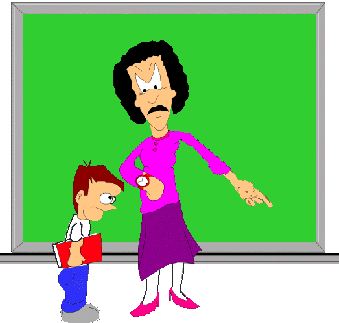
    Wouldn’t it be great if all teachers were devoted to educating their students and dedicated to encouraging them? Unfortunately, this is not always the case.

    If you are under the supervision of teacher whose behavior has crossed the line into bullying, there are things you can do to stop it. Discussing your concerns with the teacher in question and the head of his/her department, filing a formal complaint with your school and in the most extreme case, asking to be transferred to another class are just a few of your options.

    Many students think that they will never be believed if they bring a complaint against a teacher, but don’t let these unfounded fears stop you. Bullying by a teacher is unacceptable behavior, and no student should be subjected to it.

    What Is Teacher Bullying?
    It’s easy to get on a teacher’s bad side, or for a teacher to get on your own, but this does not mean that the teacher is a bully. Bullying behavior by a teacher includes behaviors such as:

    • Degrading comments about a student.
    • Unwanted or hostile physical contact with a student.
    • Unwanted or suggestive physical contact with a student.
    • Inappropriate or lewd remarks made to a student.
    • Suggesting to a student that his/her grade depends on something other than his/her studies.

    What Is the First Step to Stopping Teacher Bullying?
    If you feel that your teacher is a bully, the first step is to tell someone. This could be your parents, your principal or another teacher that you trust. If you are afraid to speak out, calling Kids Help Phone will get you in touch with people who can help you through this process. Remember – you are not alone and there is help available!

    Teacher bullying is unacceptable and must not be tolerated. If you feel that you are being treated poorly, but are uncertain if you are being bullied by your teacher, confide in a trusted adult.