
Tag: canada

  • Getting Dirty May Be Healthy (French version available)

    Getting Dirty May Be Healthy (French version available)

    Jobs People Do | JobsPeopleDo.com

    For much of human history, we lived close to the natural world. As civilization evolved, we became increasingly urbanized, and most of us now live in cities. As we’ve moved away from nature, we’ve seen a decline in other forms of life. Biodiversity is disappearing. The current rate of loss is perhaps as high as 10,000 times the natural rate. The International Union for Conservation of Nature’s 2008 Red List of Threatened Species shows that 16,928 plant and animal species are threatened with extinction. This includes a quarter of all mammal species, a third of amphibian species and an eighth of bird species. And that’s only among those we know about; scientists say we may have identified just 10 to 15 per cent of existing species.

    It can be a challenge to communicate why this loss is important. We know species diversity is critical to the healthy functioning of ecosystems that provide services on which humans depend. But could we live with fewer? Some would argue we could do without mosquitoes and other annoying critters. We could keep the ones we want and those that are useful to us. Do we need biodiversity to keep humans healthy?

    According to an article in Conservation magazine, there is a link between biodiversity and human health. Ilkka Hanski and his colleagues at the University of Helsinki compared allergies of adolescents living in houses surrounded by biodiverse natural areas to those living in landscapes of lawns and concrete. They found people surrounded by a greater diversity of life were themselves covered with a wider range of different kinds of microbes than those in less diverse surroundings. They were also less likely to exhibit allergies.

    What’s going on? Discussion of the relationship between biodiversity and human health is not new. Many have theorized that our disconnection from nature is leading to a myriad of ailments. Richard Louv, author of Last Child in the Woods, says people who spend too little time outdoors experience a range of behavioural problems, which he calls “nature deficit disorder”. It fits with theories of modern ecology, which show systems lacking in biodiversity are less resilient, whether they’re forests or microbial communities in our stomachs or on our skin. Less resilient systems are more subject to invasion by pathogens or invasive species.

    Hanski studied a region in Finland where few people move far. He randomly selected 118 adolescents in an equal number of homes. Some were in the city, and others were in the woods or on farms. The team collected skin swabs from subjects and then measured the biodiversity of plants around each house. Their data revealed a clear pattern: higher native-plant diversity appeared to be associated with altered microbial composition on the participants’ skin, which led in turn to lower risk of allergies.

    Hanski and his colleagues found that one group of microbes, gammaproteobacteria, appears to be associated both with plant diversity and allergies. And it didn’t matter whether they considered allergies to cats, dogs, horses, birch pollen or timothy grass. People with more diverse kinds of gammaproteobacteria on their bodies were less likely to have allergies.

    The immune system’s primary role is to distinguish deadly species from beneficial and beneficial from simply innocent. To work effectively, our immune system needs to be “primed” by exposure to a diverse range of organisms at an early age. In this way, it learns to distinguish between good, bad and harmless. If not exposed to a wide array of species, it may mistakenly see a harmless pollen grain as something dangerous and trigger an allergic reaction. We also know that bacteria and fungi compete. Fungi are often associated with allergies, and it could be that the high diversity of bacteria keeps the fungi in check.

    A conclusive explanation for Hanski’s observations is not yet available. More research is needed. But we know we evolved in a world full of diverse species and now inhabit one where human activity is altering and destroying an increasing number of plants, animals and habitats. We need to support conservation of natural areas and the diverse forms of life they contain, plant a variety of species in our yards, avoid antibacterial cleaning products and go outside in nature and get dirty — especially kids. Our lives and immune systems will be richer for it.
  • Why We Should Protect the Environment (French version available)

    Why We Should Protect the Environment (French version available)

    Cleaning up a mess can be a dull job, but living with dirt and garbage is much worse than that. Have you ever smelled a piece of rotten fruit or a piece of meat that has gone bad? You can put rotten food in the garbage, but what if the whole world smelled like that? What if the water coming from the taps in your house made you sick with all kinds of diseases? Without clean water, good air, and healthy food, people easily get sick and die. That’s why caring for the environment is so important.

    For many years, people thought very little about the environment unless it affected them directly. Water shortages were important mainly for farmers and gardeners, and resources like trees or fuel were important for helping people make money. However, people’s ideas began to change when a writer named Rachel Carson published Silent Spring in 1962. The book showed how the pesticides designed to kill harmful insects were harming the environment and people. The author said that our food supply and the whole world were in danger because of these chemicals. Partly because of that book, the United Nations established Earth Day in 1970, and people have used that day and other campaigns to raise awareness of environmental issues ever since then.

    What do you know about the challenges that the environment is facing? One problem that you might have heard about is global warming, which refers to the rapid increase in the Earth’s temperature. Many scientists believe that most of this warming is the result of pollution from human activity, such as burning oil and gas for fuel. Other problems include polluted water and air, which can make people sick or even kill them, the overuse of resources that take many centuries to replace and the loss of the top layer of soil that makes farming possible. Another issue is the deaths or disappearance of the bees, which helps plants to grow through pollination.

    People have many different theories on issues such as climate change and pollution. Some people believe that human activity affects the environment, but others do not. However, taking care of your home planet is still a very good idea. How can you help? You can save fuel by walking or taking the bus to school or your friends’ houses instead of getting a ride in the car. You can use energy-efficient light bulbs and turn the lights off whenever you leave an empty room. You can turn your computer off at night and try to use as little water as possible in the shower. These changes will not save the environment alone, but if we all do them, they will make a huge difference.

    Caring for the environment is a huge task, far too big for one person or even one country to do. Some environmental issues are beyond anyone’s control, and others depend on people far away on other continents. However, if everyone on Earth took responsibility for only one small part of the problem, we could make a difference.

  • Getting Dirty May Be Healthy (French version available)

    Getting Dirty May Be Healthy (French version available)

    For much of human history, we lived close to the natural world. As civilization evolved, we became increasingly urbanized, and most of us now live in cities. As we’ve moved away from nature, we’ve seen a decline in other forms of life. Biodiversity is disappearing. The current rate of loss is perhaps as high as 10,000 times the natural rate. The International Union for Conservation of Nature’s 2008 Red List of Threatened Species shows that 16,928 plant and animal species are threatened with extinction. This includes a quarter of all mammal species, a third of amphibian species and an eighth of bird species. And that’s only among those we know about; scientists say we may have identified just 10 to 15 per cent of existing species.

    It can be a challenge to communicate why this loss is important. We know species diversity is critical to the healthy functioning of ecosystems that provide services on which humans depend. But could we live with fewer? Some would argue we could do without mosquitoes and other annoying critters. We could keep the ones we want and those that are useful to us. Do we need biodiversity to keep humans healthy?

    According to an article in Conservation magazine, there is a link between biodiversity and human health. Ilkka Hanski and his colleagues at the University of Helsinki compared allergies of adolescents living in houses surrounded by biodiverse natural areas to those living in landscapes of lawns and concrete. They found people surrounded by a greater diversity of life were themselves covered with a wider range of different kinds of microbes than those in less diverse surroundings. They were also less likely to exhibit allergies.

    What’s going on? Discussion of the relationship between biodiversity and human health is not new. Many have theorized that our disconnection from nature is leading to a myriad of ailments. Richard Louv, author of Last Child in the Woods, says people who spend too little time outdoors experience a range of behavioural problems, which he calls “nature deficit disorder”. It fits with theories of modern ecology, which show systems lacking in biodiversity are less resilient, whether they’re forests or microbial communities in our stomachs or on our skin. Less resilient systems are more subject to invasion by pathogens or invasive species.

    Hanski studied a region in Finland where few people move far. He randomly selected 118 adolescents in an equal number of homes. Some were in the city, and others were in the woods or on farms. The team collected skin swabs from subjects and then measured the biodiversity of plants around each house. Their data revealed a clear pattern: higher native-plant diversity appeared to be associated with altered microbial composition on the participants’ skin, which led in turn to lower risk of allergies.

    Hanski and his colleagues found that one group of microbes, gammaproteobacteria, appears to be associated both with plant diversity and allergies. And it didn’t matter whether they considered allergies to cats, dogs, horses, birch pollen or timothy grass. People with more diverse kinds of gammaproteobacteria on their bodies were less likely to have allergies.

    The immune system’s primary role is to distinguish deadly species from beneficial and beneficial from simply innocent. To work effectively, our immune system needs to be “primed” by exposure to a diverse range of organisms at an early age. In this way, it learns to distinguish between good, bad and harmless. If not exposed to a wide array of species, it may mistakenly see a harmless pollen grain as something dangerous and trigger an allergic reaction. We also know that bacteria and fungi compete. Fungi are often associated with allergies, and it could be that the high diversity of bacteria keeps the fungi in check.

    A conclusive explanation for Hanski’s observations is not yet available. More research is needed. But we know we evolved in a world full of diverse species and now inhabit one where human activity is altering and destroying an increasing number of plants, animals and habitats. We need to support conservation of natural areas and the diverse forms of life they contain, plant a variety of species in our yards, avoid antibacterial cleaning products and go outside in nature and get dirty — especially kids. Our lives and immune systems will be richer for it.
  • Let’s Celebrate the Gifts of Winter (French version available)

    Let’s Celebrate the Gifts of Winter (French version available)

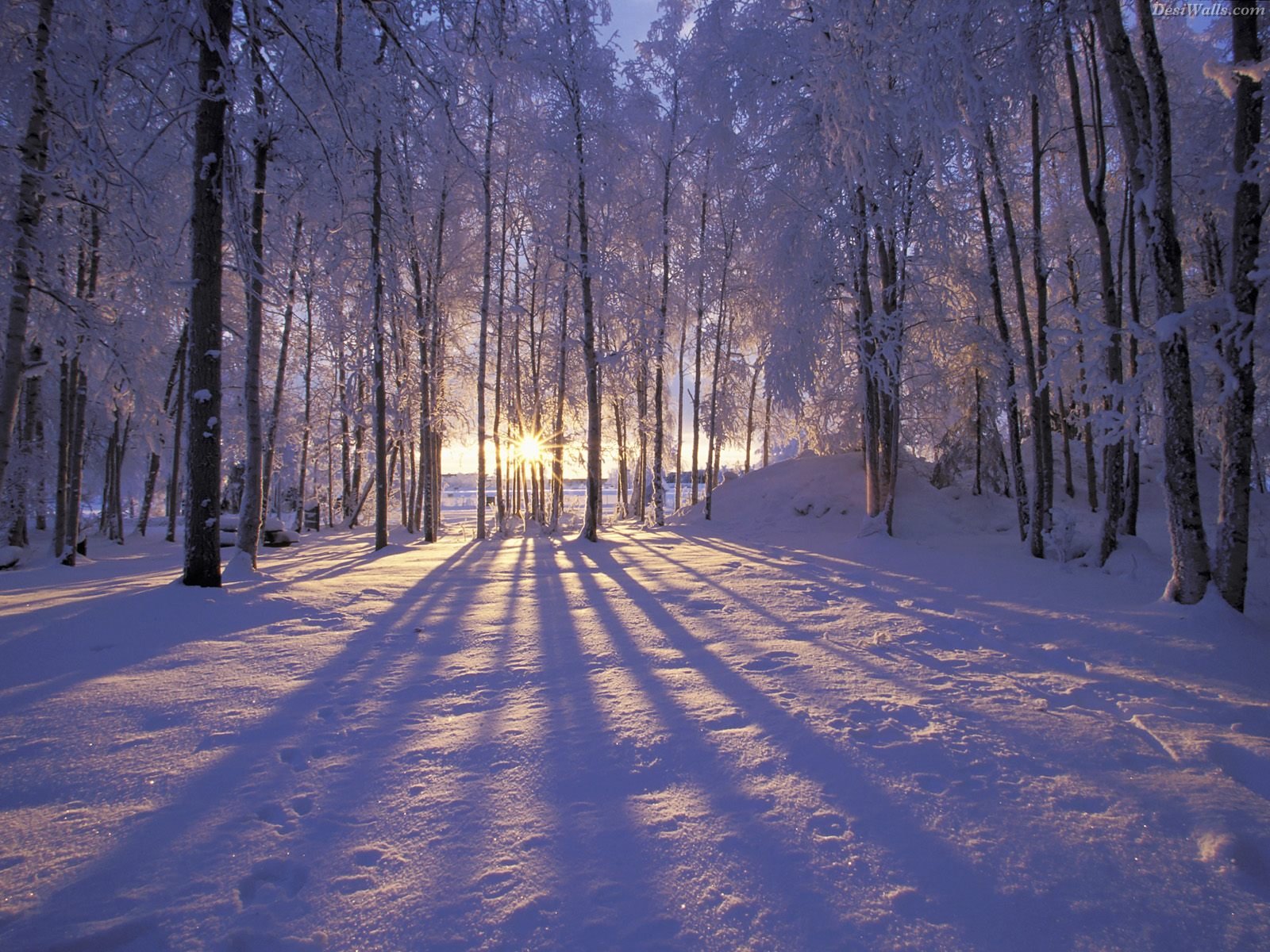
    We Canadians have a special relationship with snow and ice. We ski in it, skate on it, play in it, shovel it, drive through it, sometimes even bicycle through it and suffer through it for many months of the year — some of us more than others, depending on what part of the country we call home. But how much do we know about it?

    Do Inuit really have dozens of words for snow and ice? Are snowflakes always six-sided? Can two ever be alike? Why is snow white? Is it a mineral? What makes frozen water so important to us? Some of the answers are more complicated than you might imagine.

    Even though English-speaking skiers and snowboarders use multiple adjectives to more accurately describe different types of snow, such as powder, corn and champagne, some say the claim of numerous Inuit words for snow and ice is a myth. But is it?

    According to the Canadian Encyclopedia, “the few basic words used by the Inuit to refer to different types of snow or ice do not translate everything they can say about these two natural elements.” In Inuktitut, words consist of a foundational element that provides basic meaning, along with other elements “to clarify and/or modify the basic meaning. New words can therefore easily be created from another term.” For example, the word siku refers to ice in general, and sikuaq (“small ice”) refers to “the first layer of thin ice that forms on puddles in the fall.” Sikuliaq (“made ice”) refers to “the new ice appearing on the sea or on rock surfaces.” Some words also have broader meanings, depending on the context. The word maujaq, for example, means “soft ground”, but when referring to snow, it means “the snow in which one sinks.”

    So, “the total number of terms referring to the various aspects of snow and ice goes far beyond ten or a dozen,” allowing Inuit to “draw very subtle distinctions between a very high number of snow or ice types.”

    When it accumulates on the ground, snow appears white because, unlike many natural materials, it reflects most light rather than absorbing it, and visible light is white. And although snowflakes form in near-infinite patterns and shapes depending on temperature, wind, humidity and even pollution, each single crystal is always hexagonal, or six-sided, because of the complex way water molecules bond. When a frozen droplet or crystal falls from a cloud, it grows as it absorbs and freezes water from the air around it, forming a six-sided prism. The almost infinite variables mean it’s unlikely, although not impossible, for two snowflakes to be exactly alike.

    And yes, snow can be classified as a mineral. According to the U.S. National Snow and Ice Data Center, “A mineral is a naturally occurring homogeneous solid, inorganically formed, with a definite chemical composition and an ordered atomic arrangement.” Frozen water fits that description.

    Snow and ice are important to life on Earth for many reasons. Both are part of the cryosphere, which includes “portions of the earth where water is in solid form, including snow cover, floating ice, glaciers, ice caps, ice sheets, seasonally frozen ground and perennially frozen ground (permafrost),” according to the Snow and Ice Data Center. It covers 46 million square kilometres of the planet’s surface, mostly in the Northern Hemisphere, and helps regulate the planet’s surface temperature. Changes in the cryosphere can affect climate and water availability, with corresponding effects on everything from winter sports to agriculture.

    By reflecting 80 to 90 per cent of incoming sunlight back into the atmosphere, snow cover cools the Earth. Losing that reflective protection, as is happening in the Arctic, upsets the energy balance and accelerates global warming. Snow also insulates parts of the Earth’s surface, holding heat in and keeping moisture from evaporating. When soil freezes, it prevents greenhouse gases like carbon and methane from escaping into the atmosphere. When snow melts, it fills rivers and lakes.

    Instead of complaining about the dark and cold of winter, we should celebrate snow and ice. The cryosphere is an important piece of the intricate, interconnected puzzle that keeps us alive. So, build a snowperson, play some hockey, get out on the slopes and enjoy the gifts that winter brings.

  • Fall Foliage

    Fall Foliage

    There are many signs that fall has arrived; the start of school, colder-shorter days, and the first frost on car windshields. These signs are dreaded by students and adults alike, as they symbolize the coming of winter.

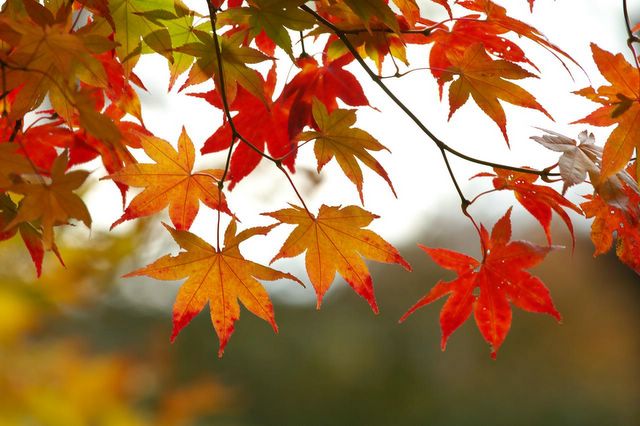
    But there’s one tell tale sign fall is here that never fails to amaze and delight. This phenomenon is called autumn leaf color, and takes place when the “normally green leaves of deciduous trees and shrubs” turn a variety of different colors from red to yellow during the autumn season.

    A lot of people think the changing of leaf colors is called fall foliage. However, this term refers to the viewing of the autumn leaf colors.
    There are a few regions of the world that are home to the most brightly colored autumn leaves: most of the Southern Mainland of Canada, most of the Eastern part of the United States, Scandinavia, Northern and Western Europe, the Caucasus region near the Black Sea, Russia and Eastern Asia (including Eastern China, Korea and Japan).

    The most famous area for viewing autumn leaves is Eastern Canada and New England. In these areas the best time to view the leaves is mid-October to early November.

    The Fundy Coastal Drive in New Brunswick is an especially brilliant spot. The drive follows the Bay of Fundy which is home to some of the highest tides in the world. The leaves change from “vivacious reds to deep pumpkin orange.” The tree varieties and colors found on the Fundy Coastal Drive are similar to New England, yet the New Brunswick area is far less crowded with tourists.

    Wherever they are viewed, one thing is for certain – taking time to enjoy fall foliage will definitely increase your enjoyment of the season.

    Quick Facts about Autumn Leaf Colors:
    – A green leaf is green because of the presence of a pigment known as chlorophyll.
    – In autumn, chlorophyll is replaced at a slower rate than it is being used. Therefore, the supply of chlorophyll is decreasing.
    – When the leaves change color, the other pigments (which have always been present) begin to show through. These are called carotenoids and give the leaves yellow, brown and orange colors.
    – Carotenoids are common in many things, such as carrots, corn, canaries, daffodils, egg yolks and bananas.
    – The hardwood species that change leaf colors are hickory, ash, maple, yellow poplar, aspen, birch, black cherry, sycamore, cotton wood, sassafras and alder.
    – The red and purple colors come from another pigment called anthocyanins. These are not present in the leaf all along, but instead become actually produced toward the end of summer.
    – These pigments are common in fruits such as cranberries, red apples, blue berries, cherries, strawberries and plums.
    – They are common in maple trees, oaks, sourwood, sweet gums, dogwoods and cherry trees.
    – When the two pigments, anthocyanins and carotenoids, are combined they create colors like deep orange, fiery red and bronze.

  • Aboriginal Scholarship Spotlight: September-October 2015

    Aboriginal Scholarship Spotlight: September-October 2015

     Scholarship information Via http://www.ammsa.com/

    AltaLink Aboriginal Scholarship Program

    (Alberta)

    This scholarship program is designed to recognize leaders in the Aboriginal community by offering eight scholarships to Aboriginal students attending post-secondary institutions. Two eligible students from each of Treaty 6, 7, 8 and the Métis community in Alberta will be awarded with a $1,000 scholarship. 

    ELIGIBILITY: To be eligible, applicants must be currently enrolled in a post-secondary institution and:

    • Treaty applicants must be born in Alberta. 
    • Métis applicants must either be a member of the Métis Nation of Alberta Association or an Alberta Métis Settlement or must have been living in Alberta for at least the past three months with a Métis membership card from another province.

    HOW TO ENTER: Application forms are available online at http://www.altalink.ca/responsibility/communityinvestment/powerful-education.cfm and may be submitted by email or by mail to the address below. A transcript, either official or unofficial, and a photocopy of your status card must be submitted for the application to be considered. The deadline for receipt of the completed application is October 15.

    Email: aboriginalrelations@altalink.ca,

    or mail to

    AltaLink ATTN: Altalink Aboriginal Scholarship 2611 – 3rd Avenue SE Calgary, Alberta T2A 7W7

    See more at: http://ammsa.com/content/national-scholarships#sthash.CLircM9Q.dpuf


    Graduate Scholarships

    (Saskatchewan)

    Value: Up to $2,000 for each award period, granted on the basis of 12 consecutive months of full-time studies. The number of scholarships and the amount are determined by the number of applicants in relation to the available funds.

    Eligibility: Métis or Non-Status Indian. Has resided in Saskatchewan for at least five years. Engaged in any graduate degree program at the masters or doctoral level or accepted into a masters or doctoral program at a recognized Canadian university. The major research project or thesis must relate to the economic development of Aboriginal peoples. Committed to working in an Aboriginal work environment on successful completion of studies. Demonstrate a commitment to the needs of Aboriginal peoples. Achieve a B average in the most recent months of full-time studies, over a period of 12 consecutive months.

    Duration: Annual. Masters applicants may receive two consecutive or non-consecutive awards. Doctoral applicants may receive three consecutive or non-consecutive awards.

    Application Deadline: October 1 and May 1 each year.

    See more at: http://ammsa.com/content/saskatchewan-scholarships#sthash.WPa8tFvg.dpuf


    Undergraduate Scholarships

    (Saskatchewan)

    Value: Up to $500 for each eight-month period of full-time studies. Number of scholarships and amount determined by the number of applicants in relation to the funds available. An individual may receive up to three consecutive or non-consecutive undergraduate scholarship awards.

    Eligibility: Métis or Non-Status Indian. Has resided in Saskatchewan for at least five years. Completed a minimum of one academic year of full-time studies at a recognized Canadian public or Aboriginal educational institution. The program must be at least eight months of full-time studies in an area related to economic development. Committed to the needs of Aboriginal peoples. Committed to working in an Aboriginal work environment on successful completion of studies. Achieve a B average in the most recent eight months of full-time studies, over a period of 12 consecutive months.

    Duration: Annual

    Application Deadline: October 1 and May 1 each year.

    Information: Napolean Lafontaine Scholarship Fund Room 210 College West building University of Regina 3737 Wescana Parkway Regina, Saskatchewan S4S 0A2 Phone: (306) 347-4100 Fax: (306) 565-0809

    See more at: http://ammsa.com/content/saskatchewan-scholarships#sthash.WPa8tFvg.dpuf


    Donald R. Simmons Memorial Scholarship

    Eligibility: Indian or Metis ancestry

    Value: Two $500 awards

    Criteria: Enrolled in first year of approved institution, Grade 12 graduate; General Proficiency Award applicants excluded

    Deadline Date: October 15

    Applications submitted to: Saskatchewan Education, Training and Employment

    Student Financial Assistance Unit Ground Floor, East Wing, Walter Scott Building 305 Albert Street Regina, Saskatchewan S4P 3V7

    See more at: http://ammsa.com/content/saskatchewan-scholarships#sthash.WPa8tFvg.dpuf


  • How to Find Scholarships for Canadian Students

    How to Find Scholarships for Canadian Students

    Every year across Canada there are hundreds of thousands of dollars available to college and university students in the form of scholarships. However, even knowing there are so many options available, it can still be hard to find these scholarships, learn their requirements, and submit applications.

    The term “scholarship” typically encompasses any money awarded to a student that will help them pay for their tuition and other school costs. Application procedures and requirements vary widely, but usually depend at least partly on your grades and other academic achievements. Scholarships are often divided into different categories, and awarded based on different criteria such as program of study, school of study, your grades, or your extracurricular activities. Depending on the application, you may need to provide written essays or letters, and a copy of your school transcript.

    There are also scholarships that will automatically consider students without requiring an application; these are usually offered by colleges and universities, and will be offered to students meeting the requirements upon being accepted into the school. Most commonly, these entrance scholarships are offered to prospective students who apply with a certain grade average.

    For international students planning to study in Canada, there are government-funded International Student Scholarships available, with various fulfillment requirements. These can be accessed at www.scholarships-bourses.gc.ca.

    There are advantages to searching online through websites, as well as various internet search engines, such as helping you access scholarship opportunities from across the country. However, it is also a good idea to go the low-tech way and talk to people in person!

    Speak to your school’s career and guidance counsellor, as they can direct you to local scholarship opportunities offered by your school itself, and by the community at large. Businesses, non-profit organizations, and professional organizations often offer student scholarships, especially for students pursuing studies in a field related to their own industry. Don’t forget to ask your parents and family members if their workplace offers any scholarships, as these are often available only to children of employees, and so may not be listed publicly elsewhere. Other places to inquire include local community organizations, cultural groups, churches, military veterans associations, banks, and skilled trade unions.

    Once you have a list of scholarships you qualify for, start applying to as many as you can, as early as you can. This will increase your chances of getting some of these awards. Good luck!


  • Why Not Volunteer this Summer?

    Why Not Volunteer this Summer?

    Summer is here. School is almost done. The question on everyone’s mind: How will you spend your summer? If you are looking to get more out of your summer vacation, consider volunteering! You will learn new skills, gain great experience for work or school, and meet tons of new people. Volunteering is also a great way to learn something new that you’re curious about, but may not be familiar with. You might discover a new passion, or a future career. Deciding where to volunteer is tough. Most towns and cities have many volunteer options, and figuring out the best fit can be the hardest part. A good first step is to think about talents you have, activities you enjoy, or activities you are curious about but have never experienced. Then you can look for related volunteer opportunities. Ask yourself, “Am I interested in…”

    • Plants, Nature, or Gardening? Your local Horticultural Society may run projects such as community flower and vegetable gardens, or planting projects in public spaces.
    • Kids and Sports? Facilities such as the YMCA or Boys & Girls Club, and community youth sport leagues, often need helpers to assist with their programs and activities.
    • Kids and Books? Public libraries offer literacy and activity oriented summer programs for kids and youths, such as games, group story time, or buddy reading.
    • Working with Animals? Local animal shelters often need volunteers to assist with cleaning cages and socializing the animals.
    • Medicine or Working with the Elderly? Many hospitals and nursing homes operate programs for volunteers to visit with patients and residents, and engage them in activities like games, crafts, and exercises.
    • Arts and Culture? Summer is ripe with events and festivals that rely on volunteers, such as outdoor music festivals, artisan and craft fairs, or performance theatre events such as those run by the Canadian Association of Fringe Festivals. Summer is also fan convention season, and many cons, such as FanExpo Canada, have volunteer opportunities for a few hours, all day, or all weekend.
    • Working with your hands? Habitat for Humanity and similar programs in your area are often most active in the summer months, and usually need extra hands when there are projects in progress.
    • Social Services and Non-Profit? Most Canadian cities have food banks, Goodwill and Salvation Army facilities, and a host of other community non-profit companies and programs, all of which rely on volunteers to support their efforts in your community.

    Of course, these are only a few of the options available. Regardless of what type of volunteering you find yourself interested in, the second step is always… Do Your Research! If the event or organization has a website, check to see if their volunteering needs are posted; if not, use the contact information to inquire. Make sure you learn what tasks will be required or assigned to you, if there are any age requirements or restrictions, and how much of a time commitment they will expect from you. Once you decide on your volunteer opportunity, step three is… HAVE FUN!

  • Why Do We Want to Protect the Environment?

    Why Do We Want to Protect the Environment?

    Protecting the environment, natural resources and wildlife is something that is not only supported by people who are environmentalists. Everyone can take part in helping to improve the health of the planet.

    When you walk outside, you may not realize it, but you are depending on fresh air to survive. In Canada, we are fairly lucky as our levels of air pollution are not nearly as high as those in more heavily populated countries like China or India. The health effects of bad air quality have been researched and it is proven to cause a number of diseases and illnesses. Improving the quality of the air is something that can be accomplished via grassroots efforts; That is, through individual efforts to emit less carbon into the atmosphere. Reducing carbon emissions can also be accomplished through the efforts of large companies and corporations, who emit the most carbon of all.

    The quality of the water is also something that is important to consider since we all depend on clean water to survive. Maintaining clean water is something that can be accomplished through individual efforts like not flushing hazardous chemicals down the drain or toilet and trying to conserve water to reduce the demand on the water treatment facilities – an operation that requires a lot of water to conduct. Big businesses could also pitch in to conserve water by investing in water saving initiatives and partaking in water conservation efforts.

    Wildlife also needs our protection. With more and more urbanization, spaces where wildlife are safe is decreasing at alarming rates. Deer, moose, cougars and bears are all often reported in the news as having caused car accidents due to the decline in their natural habitat and their subsequent wandering out onto developed land transformed into highways or suburban neighborhoods. In order to protect wildlife, we must invest in protecting Canada’s natural spaces.

    If you support clean air, water and having a wide range of wildlife in Canada, see if there is a way you can get involved in your community. Help to clean up your local park or visit a wildlife sanctuary to see how they take care of animals.

  • Real Jobs: Comedian

    Real Jobs: Comedian

    Knock, knock. Who’s there? It’s a comedian.

    Do you like to tell jokes? Do your friends and family tell you that you’re funny? If so, you might want to consider becoming a comedian when you grow up.

    Telling jokes to make people laugh is only part of what it takes to be a comedian. Finding humour in everyday life is also important. Comedians observe people and try to understand why they act the way they do. Often, they begin by looking at their own lives and finding the humour in what they do and then seeing how it applies to other people. A joke about how the comedian eats popcorn, for example, might make other people think about the funny ways that they eat. All comedians find ways to laugh about everyday life, but some comedians do even more.

    Satire is a special kind of comedy that points out people’s weaknesses, usually in a funny way. Often, satire is about politicians, business leaders, or other well-known people. The idea of satire is not just to laugh, but also to change the way people think and act. Rick Mercer is a good example of a Canadian satirist. He began his comedy career in 1994 with This Hour Has 22 Minutes, and he later became known for his own program, the Rick Mercer Report. The program is about current events, political leaders and the ways that people work together.

    Not all comedians have their own television programs. Some of them play small parts on other people’s shows, but others perform in clubs, at parties or even restaurants. Most comedians start slowly, maybe by telling a joke or two at a special event and then working their way up to presenting their jokes at a comedy club.

    Becoming a comedian basically takes a lot of practice and a sense of humour. Although some comedians take classes to learn the skills they need, most prefer to learn from other entertainers as they work. The main quality that these people need is an ability to talk in front of large groups of people. If you love to be with people and you love to be funny, a career as a comedian might be right for you.