Tag: canada

  • Making a Difference for Canada’s Environment

    Making a Difference for Canada’s Environment

    When you hear the words “global warming” or “climate change” you might immediately think of its impact on humans and our habitat. But what about the animals living in Canada – how does climate change affect them?

    Canada is the second largest country in the world and home to many different species of animals, all with unique needs. Some thrive in temeperate rainforests, like that found on Vancouver Island in British Columbia. Others need the cold climate of Canada’s vast north, like Iqaluit or Churchill, Manitoba on Hudson’s Bay.

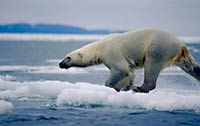
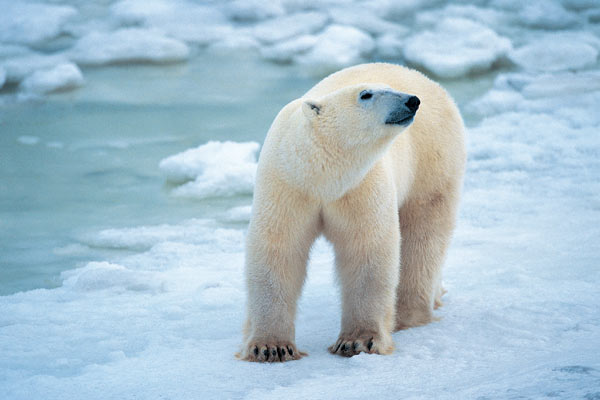
    Climate change affects all of these animals. Perhaps the most well-known issue is with polar bears in Canada’s north. Global warming is changing how long ice is available in the north and this greatly affects the ability of the polar bear to hunt, swim and move about their habitat. Ice has been thinner and melting faster than ever before, causing many polar bears to scavenge for food in nearby towns. Unfortunately, many of these bears then can easily come into contact with humans and will have to be either put down or tranquilized and moved away from the town. However, the problem of not being able to hunt will cause a vicious cycle of the bear then returning to the town to find food again.

    A similar problem exists in the temperate rainforest of British Columbia (yes, Canada does have a rainforest. How amazing is that?). Grizzly and black bears thrive on hunting salmon in these habitats, but even the salmon spawns have been decreasing in size due to pollution and overfishing. When they cannot hunt, they also enter nearby towns and inadvertently threaten human populations.

    What can we do to help these animals? There are a number of seemingly small steps we can take to help slow down the effects of climate change that will in turn work to restore the natural habitats of these beautiful animals. One of the easiest things we can do is to turn down our thermostats. It may seem like a difficult thing to do in a Canadian winter, but lowering our heat consumption saves energy. Saving energy reduces the amount of fossil fuels our energy-producing plants need to expend. Turn your heat off when you leave the house or when you are sleeping.

    Another easy change is to take public transportation. Even if you only take it once a week, you are reducing the number of harmful emissions and pollutants in the air which threaten the ozone layer (causing the heat to rise). Imagine if we all took public transportation more rather than drove our cars – we would make a huge impact on the amount of pollution in our air!

    Our cell phone chargers, MP3 player chargers and other electronic devices all use up energy when they are plugged into the wall – even if they are not charging anything! Always unplug these chargers from the wall when you are finished using them.

    Finally, an easy way to reduce waste in our environments (which pollute our waters and forests) is to bring a reusable bag with you whenever you buy groceries. Most grocery stores now charge for plastic bags in an effort to convince people to bring their own reusable bags. It’s very easy to do – just pop one in your back pack and leave it there! You will never be without it or run the risk of forgetting it. Plastic bags do not break down for hundreds of years – imagine an entire forest filled with plastic bags, or our rivers and lakes choked with them. Breaking our addiction to these bags because they are convenient is very easy to do and will make a huge difference for our environment and animals.

    It may seem like an impossible feat, but making small changes in our everyday lives will make a big impact on the wonderful environment we get to call home. We are lucky to share this world with beautiful animals like polar bears, and it is our responsibility to help protect them. Implement these small changes listed above, encourage your friends and family to do the same, and we can ensure Canada remains beautiful and diverse.

  • Volunteer Centres in Canada – Get Your Volunteer Hours

    Volunteer Centres in Canada – Get Your Volunteer Hours

    As you know, all high school students need to have 40 hours of community service in order to graduate. Use this information to discover where your 40 hours can best be used.

    Volunteer Centres work in local communities to strengthen volunteering and citizen engagement. With more than 200 in Canada, each volunteer centre’s name, size, structure and services reflect the unique characteristics of their community.

    To find a volunteer centre in your area, click here.

    Many volunteer centres are independent non-profit organizations, while others are part of a United Way, Social Planning Council, Community Information and Referral Centre or municipal services. Though diverse in many ways, they share the following common functions:

    – Promote volunteering
    – Build the capacity of organizations to engage volunteers
    – Facilitate connections between people with volunteer opportunities
    – Provide leadership on issues related to volunteering and citizen engagement

    If you want to volunteer, your local volunteer centre is there to connect you to opportunities in your community. It may have a database of volunteer opportunities or can connect you directly to opportunities within its member organizations.

    If you are an organization, your local volunteer centre may offer workshops on volunteer engagement, post your volunteer positions on its database or help you network with other volunteer-involving organizations.

    There are many other activities that volunteer centres involve themselves in, including but not limited to employee volunteering project management; community service learning initiatives; volunteer resource management for various programs and initiatives; research; community leadership programs and public policy dialogues.

    Volunteer Canada works in partnership with the Canadian Volunteer Centre Network, which includes local volunteer centres and provincial associations of volunteer centres to strengthen volunteering and citizen engagement.

  • The Hayes River in Manitoba

    The Hayes River in Manitoba

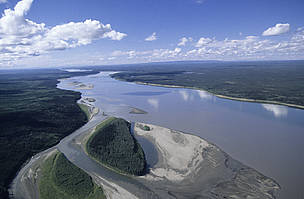
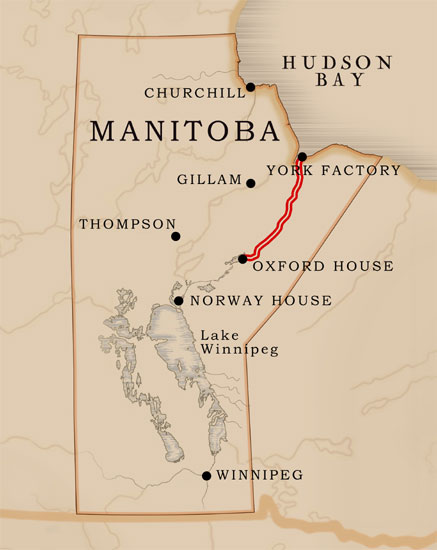
    If you live in Manitoba you might be aware that the Hayes River is the longest naturally flowing river in the province. It’s also one of the few remaining North American rivers that remains relatively unchanged – in fact it really hasn’t changed in 300 years! The Hayes River is considered to be one of Canada’s most scenic, natural and historic waterways.

    Hayes River begins at the north end of Lake Winnipeg, flowing northeast to Hudson Bay. It flows through a variety of landscapes including boreal forests, muskeg, dense spruce forests, an area of stunted black spruce/tamarack and bogs, even treeless tundra. And I can’t forget to mention the whitewater, lakes, gorges, deep valleys, a glacial outwash complex and Robison Falls – five sets of beautiful falls that plunge through granite formations.

    If you want to canoe or kayak on this river make sure you have lots of experience with whitewater navigation. With its challenging rapids, remoteness, intense weather and water conditions, it is best left for those with a high degree of competence in white water canoeing/kayaking and outdoor living skills.

    Keep an eye out for beluga whales and polar bears – just two of the many species that can be found in and around Hayes River.

  • Great Changes for the Great Lakes

    Great Changes for the Great Lakes

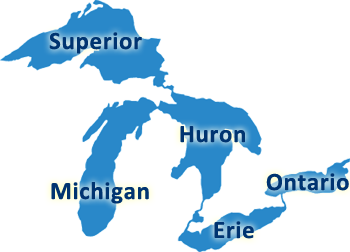
    Across the world, North America is known for many things; the culture, the people and the great outdoors. Part of that great outdoors is the Great Lakes. The Great Lakes are an integral part of our North American identity; and to preserve that identity in 2005 the premiers of Ontario and Quebec and the leaders of eight American states that border the lakes came together and signed the Great Lakes Water Pact.

    The Great Lakes Water Pact is a pact that has introduced strict regulations in regards to the usage of the Great Lakes and it has sunk the tentative thoughts of shipping water to thirsty regions in the United States and Middle East. It was signed by the Canadian provinces and the American states that surround the Great Lakes; Ontario, Quebec, Ohio, New York, Pennsylvania, Michigan, Indiana, Illinois, Wisconsin and Minnesota. The agreement includes rules that make it difficult for communities surrounding the Great Lakes watershed to use the water and also aims to prohibit the commercial export of the lake water by restricting withdrawals of water to five gallon (twenty litres) containers.

    The affects this pact has on future generations are great. The Great Lakes are a natural resource that are depleting and are not renewing as fast or as much that is necessary. More than thirty five million people rely on the lakes for drinking water, and the lakes are only able to replace one percent of that per year.

    The Great Lakes Pact is important for North America’s future generation because it ensures that not all the lakes will be used up and it will be saved from disappearing. This works in the favour of future generations because it guarantees that the lakes will be there for their own usage as well just as it was there for the past generations usage. Not only does it assure fresh and natural drinking water for generations to come but it also promises that the amount of surface water in the world stays intact. The Great Lakes contains twenty percent of the world’s surface water and this pact will make sure that the surface water will remain for years to come. Without that surface water the world may dry up which in turn will not only affect people directly but also indirectly via the drying up of crops and vegetation.

    The Great Lakes Water Pact was signed in the year 2005 but its positive effects will last the world for years to come, both directly to people close to them and indirectly to people around the world. Directly through the fact that the Great Lakes are a source of fresh drinking water for people that surround them and indirectly because of the Great Lakes being a source of surface water that helps hydrate crops and vegetation, and without the lakes those crops and vegetation’s would dry up and therefore not feed communities around the world.

  • A Garbage Patch In The Great Lakes?

    A Garbage Patch In The Great Lakes?

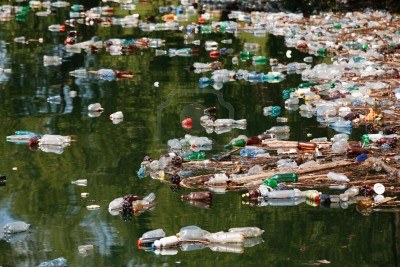
    You may have heard about the garbage patches that exist in the oceans – where specific ocean and atmospheric conditions ensnare debris, small pieces of plastic, which accumulate into large amounts of trash hundreds of kilometres from coastlines.

    Recent research has just discovered that the Great Lakes, the world’s largest freshwater ecosystem, are also being affected by plastic pollution.

    Collecting water samples from Lakes Superior, Erie and Huron researchers found plastic concentrations ranging from 600 to 650,000 plastic pieces per square kilometer.

    While these plastic particles aren’t always visible, they’re there, absorbing toxic chemicals from the water, entering the food chain and impacting wildlife.

    For more information on issues impacting Canada’s water resources and actions we can take to help curb our impacts, please visit Rivers To Oceans.

  • Climate Change and the Loss of Sea Ice in the Arctic

    Climate Change and the Loss of Sea Ice in the Arctic

    Climate change affects every part of the world in a different way, but most experts agree the North will be impacted more than any other region. Sea ice spans most of the Arctic’s coastal and inter-island channels from eight to 12 months of the year and supports a number of species. It’s expected to undergo the most significant transformation.

    The effects of climate change in the North are not new occurrences. Actually, changes have been happening for quite some time. Over the past 25 years, Inuit and scientists have observed a decrease of roughly seven percent in sea ice area, with the largest rate of decrease during the summer months.

    Using highly scientific models of prediction, it has been determined that if warming trends continue at their current rate, by the end of this century the Arctic Ocean will be nearly ice-free during the summer.

    If Arctic sea ice melted away …
    Large sections of the Arctic Archipelago would open up.

    This would create more noise, traffic, pollution and safety issues for both humans and wildlife.
    (more…)

  • “Big Picture” Thinking Needed to Protect Nature

    “Big Picture” Thinking Needed to Protect Nature

    Few places on Earth have been untouched by humans, according to a study in the journal Science. Satellite images taken from hundreds of kilometres above the planet reveal a world that we have irrevocably changed within a remarkably short time.

    Although industrial projects like the proposed Enbridge Northern Gateway pipeline or the recently defeated mega-quarry in Ontario typically grab the headlines and bring out public opposition, it’s often the combined impacts of a range of human activities on the same land base that threaten to drive nature beyond critical tipping points. Once those are passed, rapid ecological changes such as species extinction can occur.

    For example, in British Columbia’s booming Peace Region, forestry, energy and mineral leases and licences are widespread and often multilayered in the same area. As various industries have exploited these “tenures”, a sprawling patchwork of large clearcuts, oil wells, dams and reservoirs, fracking operations and thousands of kilometres of seismic lines, roads and pipelines have come to dominate the landscape.

    Today, more than 65 per cent of the region has felt the impact of industrial development, leaving little intact habitat for sensitive, endangered species such as caribou to feed, breed or roam. Degradation or destruction of habitat has convinced scientists that remaining herds in the region are no longer self-sustaining and are spiralling toward local extinction. First Nations, who have relied upon caribou as their primary source of food for thousands of years, can no longer hunt them. This is a clear violation of treaty rights.

    This dire situation didn’t happen by accident or because of a laissez-faire approach to resource and land management. Numerous industries in the area have been operating legally and according to rules and regulations set by government.

    But legal experts, such as those at the nongovernmental organization West Coast Environmental Law, believe a root cause of the problem lies in laws about land, resource and water management that are “hardwired” to fail communities and the environment. The narrow focus of those laws enables industries to operate in isolation from one another.

    B.C., for example, has developed numerous individual laws, like the Forest and Range Practices Act, Oil and Gas Activities Act and Mines Act, alongside the regulated industries they enable. But the province lacks a legal framework to proactively and comprehensively manage the cumulative impacts of multiple resource industries operating within the same area.

    Because of this, WCEL and its First Nations partners are engaged in a multi-year law reform project that aims to overhaul the way we currently oversee and regulate cumulative impacts, ranging from declining water quality that may arise as a result of multiple industries using a common resource to emerging threats such as climate change.

    A cumulative-impacts approach to governing resource development would upend the current management paradigm. It would focus on the management needs of the land, water, air and wildlife and the communities that depend on them first, rather than the resources to be extracted. In practical terms, this would mean that, rather than focusing on what we should take from nature to create wealth and employment, we should first consider what must be retained in nature to sustain both wildlife and the well-being of local communities — such as clean air, safe drinking water and healthy local food.

    At a recent symposium on managing the cumulative impacts of resource development in B.C., numerous speakers — from First Nations to academics to business leaders — stressed that effectively managing cumulative impacts will require new institutions and governance mechanisms, even new legal tools. More importantly, it will require our leaders to adopt a more proactive and holistic way of thinking about the world — one that recognizes that far from just being a place to extract resources like fossil fuels, timber and minerals, nature is our home. Nature provides our most fundamental needs and dictates limits to growth and so its protection should be our highest priority.

    Managing our massive, growing human footprint on this planet more sustainably will require leadership, much of which is emerging from First Nations peoples who are on the frontlines of the day-to-day realities of cumulative environmental change. We need to look at the big picture rather than individual elements in isolation.

  • Researching the Effects of Climate Change on the Polar Bears of Southern Hudson Bay

    Researching the Effects of Climate Change on the Polar Bears of Southern Hudson Bay

    As I sit comfortably in my warm office in Toronto writing this post, the polar bears of the Southern Hudson Bay subpopulation are out on the frigid sea ice in the middle of Hudson Bay and James Bay looking for seals. Food is relatively plentiful for polar bears this time of year, and with so many adaptations that allow them to live in this Arctic marine habitat, these winter conditions suit the bears just fine. Mother polar bears of this subpopulation are warm in their dens along the northern coast of Ontario, having just given birth to their cubs. After a few months of nursing the tiny dependent newborns, these family groups will leave their dens to head out on the ice where the mother polar bears will catch as many seals as they can to feed their young families before the ice breaks up in the summer. All of the Southern Hudson Bay polar bears are then forced to retreat to the northern Ontario coastline or islands of James Bay to fast and await the return of the ice next winter. Because the life history of the polar bear is so intrinsically tied to the sea ice, the recent weakening of the Hudson Bay annual sea ice through the effects of climate change will have dire consequences for this population of polar bears that lives at the southern extent of the species range.

    This year represents the first of a three year project through a partnership between York University and the Ontario Ministry of Natural Resources to study the effects of a changing climate on the feeding habits of the Southern Hudson Bay polar bears. We completed our first field season this past fall, handling polar bears along the shore of Akimiski Island and the western shore of James Bay. We had a very successful field season, deploying ten GPS collars on adult female polar bears and collecting important biological samples and morphometric information from a total of 36 bears. My PhD supervisors Dr. Gregory Thiemann and Dr. Martyn Obbard are experienced polar bear biologists, but this was my first time getting hands on experience studying polar bears. It was an amazing experience getting to appreciate the sheer size and power of these animals up close. The bears we handled ranged from young subadults spending their first fall apart from their mothers, to large, stoic adult males tipping the scales at over 1,200 pounds! We certainly encountered a wide range of bears, including pregnant females in excellent body condition who were preparing to enter dens later in the season, as well as mothers with dependent cubs who were quite thin from the added stress of feeding their young.

    The range in individual polar bear size and condition is really quite striking, and ties in closely with our research which will compare the feeding habits of different classes of polar bears based on age, gender, and body condition. By determining the food habits of individual polar bears and linking this information with movement patterns of bears equipped with GPS collars, we will increase our knowledge on the specific types of sea ice habitat polar bears exploit. By combining this information with future predictions of sea ice extent and prey availability in Hudson Bay, we will contribute to ensuring that informed and proper conservation measures are taken in the future. Through the support of the Canadian Wildlife Federation Endangered Species Fund, this important research will help in predicting the future of polar bears in this region, as the challenges currently faced by the bears by an extended ice-free season are forecasted to intensify in the coming decades.

  • Fall In Love With Nature

    Fall In Love With Nature

    A recent Ipsos Reid poll conducted for the Nature Conservancy of Canada (NCC) shows that more than 97 percent of Canadians believe that getting outdoors is important to their family’s well-being. The new findings complement an earlier poll that found Canadians are happier when they are connected to nature.

    We already know about the valuable health benefits (both mental and physical) of getting outside and talking a walk. But the recent research gives us more information on how Canadians feel about the importance of nature to their happiness and to their families.

    The study found:
    • 97% of Canadians agree that nature is important to their family’s well-being;
    • 90% felt that being outdoors in nature is an important element in their family’s recreational activities;
    • 87 % felt that given the choice, they would prefer to spend family time outdoors in nature, rather than indoors.

    What better way to spend a long weekend than to go and explore what nature has to offer? Nature is alive this time of year with many fun things to do in your backyard or local park. Winter bird identification, exploring the types of trees that may look vastly different in the summer, following tracks of animals in the snow or taking a meandering walk are perfect examples of winter activities that are fun for all ages and can offer an exhilarating day in the beauty of nature.

    Get happy, get outside.

    “Our mandate of protecting the land that brings so much joy to Canadians becomes even more important was we learn just how much Canadians depend on it for their own happiness and well-being,” said John Lounds, President and CEO of the Nature Conservancy of Canada. “We want to encourage Canadians to go outside and explore what nature has to offer in the winter.”

    The Nature Conservancy of Canada has accessible properties from coast-to-coast where Canadian families can visit for free. Check out www.natureconservancy.ca/timefornature for a starter list of places to see.

    The Nature Conservancy of Canada (NCC) is the nation’s leading land conservation organization, working to protect our most important natural areas and the species they sustain. Since 1962 NCC and its partners have helped to protect more than 2.6 million acres (more than 1 million hectares), coast to coast.

  • Employee Rights

    Employee Rights

    Each and every worker in Canada has three rights…
    1. The Right to Know
    2. The Right to Participate
    3. The Right to Refuse Dangerous Work

    The Right to Know
    All employees have a right to know what hazards are present on the job, and how these hazards can affect them. You usually learn about the hazards during health and safety training sessions and through on-the-job instructions. Learning about chemical safety through WHMIS – the Workplace Hazardous Materials Information System – is also part of the “right to know” system.

    The Right to Participate
    All employees have a right to take part in health and safety activities. For example, you can be chosen to be a health and safety representative or a member of a committee. You also have a right to report unsafe practices and conditions without worrying that you will lose your job or be reprimanded (get in trouble).

    The Right to Refuse Dangerous Work
    All employees can refuse work that is dangerous to themselves or to co-workers. If you refuse work, there are specific procedures that must be followed.

    Don’t be afraid to exercise your Rights!