Tag: health

  • Cure the Winter Blues: Spruce Up Your Space (French version available)

    Cure the Winter Blues: Spruce Up Your Space (French version available)

    Are the winter blahs getting you down? Do you feel like you need a change? If only you could get away from it all.

    Well, maybe you don’t have to. Changing your space (both your physical space and your head space) can make you happier and healthier.

    There are a lot of little things you can do to improve your mood and your outlook on life.

    Colours, for example, are a great way to express yourself and they also emote certain feelings. This concept is called “colour psychology”. Though there isn’t a lot of research on the subject right now, it is commonly considered in marketing, design and art.

    Certain colours are believed to make a room give off a certain vibe. Blue is considered to be a calming, tranquil colour that may help people sleep, which is why lighter shades of blue are often seen in bedrooms. Violet can bring inner peace and balance. Green reminds people of the outdoors and has a calming, refreshing feeling (there’s a reason TV studios leave guests in what is referred to as a “Green Room”). Grey is cooling and soothing. Red is vibrant and brings energy to a room. Yellow is bright, happy and joyful. Brown also represents nature and gives a more earthy feel. And purple (the colour of royalty) often makes people feel sophisticated and wealthy.

    If you are going to paint your room, think of how you would like to feel in the space before you pick a colour. If you want to feel calm and relaxed, you probably wouldn’t want to pick bright red.

    Painting isn’t the only way to spruce up your space. You could create original art for your walls, dresser or bookshelves. Buy a blank canvas at a craft store and let your imagination inspire you. This will help you feel like your room is yours. It will also give you something to do on cold, wintery nights. If you’re handy, you could look at making a new lamp for your desk. There are a number of great ideas online that can get you started. You could try reusing some old household materials and creating a unique statue or sculpture.

    Try moving your furniture around, even just a little bit. People who believe in the power of Feng Shui, which in simple terms is a Chinese system that believes the positioning of certain items in your home has a direct relationship to the flow of energy, believe even a slight movement will help improve the mood in your room.

    Reorganizing your space will not only alleviate the tension between you and your parents, but it is a proven fact that a clean, tidy, organized room has a positive effect on your mood. De-cluttering can make you feel calm, in control and grateful. If you clean out your old clothes that no longer fit, old sporting equipment you don’t use and old toys you have outgrown, you’ll not only notice how lucky you are for having so much, but you can also help others by donating them to a charity or organization for people in need. Another benefit to having a tidy, well-organized space is you will become more creative and efficient. Writing a big paper will be way easier in a room you enjoy being in, rather than a messy, disorganized space you can’t even find the top of your desk in. And actually being able to find your clothes and backpack in the morning will reduce stress and probably make you late less often.

    Whatever you choose to do to embrace your space, make it your own. You’ll be much happier in the long run, and it’ll give you a project to help banish those winter blues.

    Who knows? You may even inspire the rest of your household to revamp, rejuvenate and de-clutter other rooms this winter.
  • How to Cope with Depression in the Family (French version available)

    How to Cope with Depression in the Family (French version available)

    Depression is something that has been in the news a lot recently, thanks in part to the Bell Let’s Talk Day. Only recently have mental health initiatives as large as this one emerged in our culture. There is a historic stigma around sharing one’s mental state, as it has often been viewed as something that is within one’s power to overcome. Recently, mental illness has been defined as a disease; That is, something that one is afflicted with that is not within one’s control. Efforts within the pharmaceutical world have provided a wide range of options for coping with depression, and other, more holistic options are offered that include mental and physical therapy, such as counselling and yoga, respectively.

    People admitting to experiencing mental illness is becoming more common as social efforts to reduce the stigma around the illness are emerging. When a family member admits to having a mental illness, it can be very hard for everyone in the family to handle.

    My personal story with a depressed family member had a major impact on the direction of my life. When I was completing my first university degree and was enrolled in my City of Ottawa co-op program, I learned that my aunt was experiencing depression as a result of an accumulation of factors, including the loss of her son. This news was like the straw that broke the camel’s back for me, in that I was already over my personal capacity with school, work, running a committee and exercising. I went to my supervisor and quit my co-op position, feeling altogether overwhelmed by the news.

    My story proves that not only experiencing depression yourself, but also being affected by someone experiencing depression, can create challenges. It is important to talk about mental health problems and to reach out to people when you aren’t feeling mentally well, because it can affect others. Supporting mental health initiatives is another great way to get involved with the cause of reducing stigma around mental health. Good luck!

  • I’m Afraid my Mental Illness will Hold Me Back…

    I’m Afraid my Mental Illness will Hold Me Back…

    I can’t stress enough how crippling it is to have a mental illness. The stigma surrounding it doesn’t help either, especially with admitting you have one or even seeking help to get better.

    When it came to my first year of university, I did not acknowledge that I had a mental illness. I went through the motions and got terrible grades, convincing myself it was all in my head and that I would make it on my own, which made things worse. I never told anyone why I needed to stay at home sometimes and couldn’t speak to anyone and I felt ashamed because I stayed at home to begin with.

    Second and third year hit and that was when things really started to get bad for me. I had to take a leave of absence, for reasons unknown to me at the time. When I finally got into therapy I realized that it was because I was depressed. Coupled with anxiety and OCD, I had to leave school and work through the rest of my year feeling like I had let everyone down.

    But everyone was very supportive. My professors told me there was nothing wrong with taking some time off, and some of them even told me that they had gone through depression themselves and understood completely my need to leave. My friends stood by my side and not one of them told me what I had feared they would: that I was a failure.

    Your mental illness will, if it hasn’t already, keep you from doing the things you want to do once in a while. You won’t feel like leaving the house or you’ll get very emotional or you’ll just feel like the pressures of keeping good grades and a social life going is too much to handle.

    I think something no one told me was that it was okay to leave school. So many of my friends told me how they wished they had taken a year off rather than continue and let their grades suffer or feel like their mental health was suffering.

    But, if your mental illness precludes you from doing certain things, that’s okay. If you can’t give a presentation because of your anxiety or you can’t write essays on time or you need someone to take notes for you, it’s okay. There are places on campus to help with accommodations for you and there’s nothing wrong with cashing them in.

    If you ever feel like your mental illness has stopped you from doing anything then you need to speak to someone so you can have someone to talk to, to dispel all the negativity that you’ve failed. If you need to take time off, do it. If you need more time to finish something, ask your professors. It’s normal to need some time for ourselves, especially if you have a mental illness, and there are so many people who are willing to accept that and help you with what you need; don’t be afraid.

  • Addictions: Everyone and Everything

    Addictions: Everyone and Everything

    News and stories on addiction seem to be everywhere, on T.V, in the paper/magazines and in books- even you may have an addiction to something. Overall, addictive behaviour in humans is common, no matter what the medium. Now, an addiction can be bad or really bad, since having too much of one thing is never healthy. Most people do not even realize they have and addiction to something because they may not want to realize they are addicted to something. It is sometimes difficult for someone to admit they are addicted to something. This takes time and support from others in order for the person to realize how bad their addiction really is.

    When we hear about someone being addicted to something, 9 times out of 10 we assume the addiction is to drugs; cocaine, prescription drugs, heroin, etc. However, the addiction does not always need to be a drug in that instance. You can be addicted to anything; video games, TV, candy, even people. A person can become addicted to caffeine or painkillers that you buy over the counter just as easily, and can be hidden from others, also. So when you watch My Strange Addiction, the people on that show really do not have an abnormal addiction; they are just like the rest of us. Although eating chalk is not necessarily like a shopping addict, we all have something that we cannot stop doing. We just generally call people addicts when they are addicted to something that could seriously harm them or ruin their health for the long run, or possibly kill them.

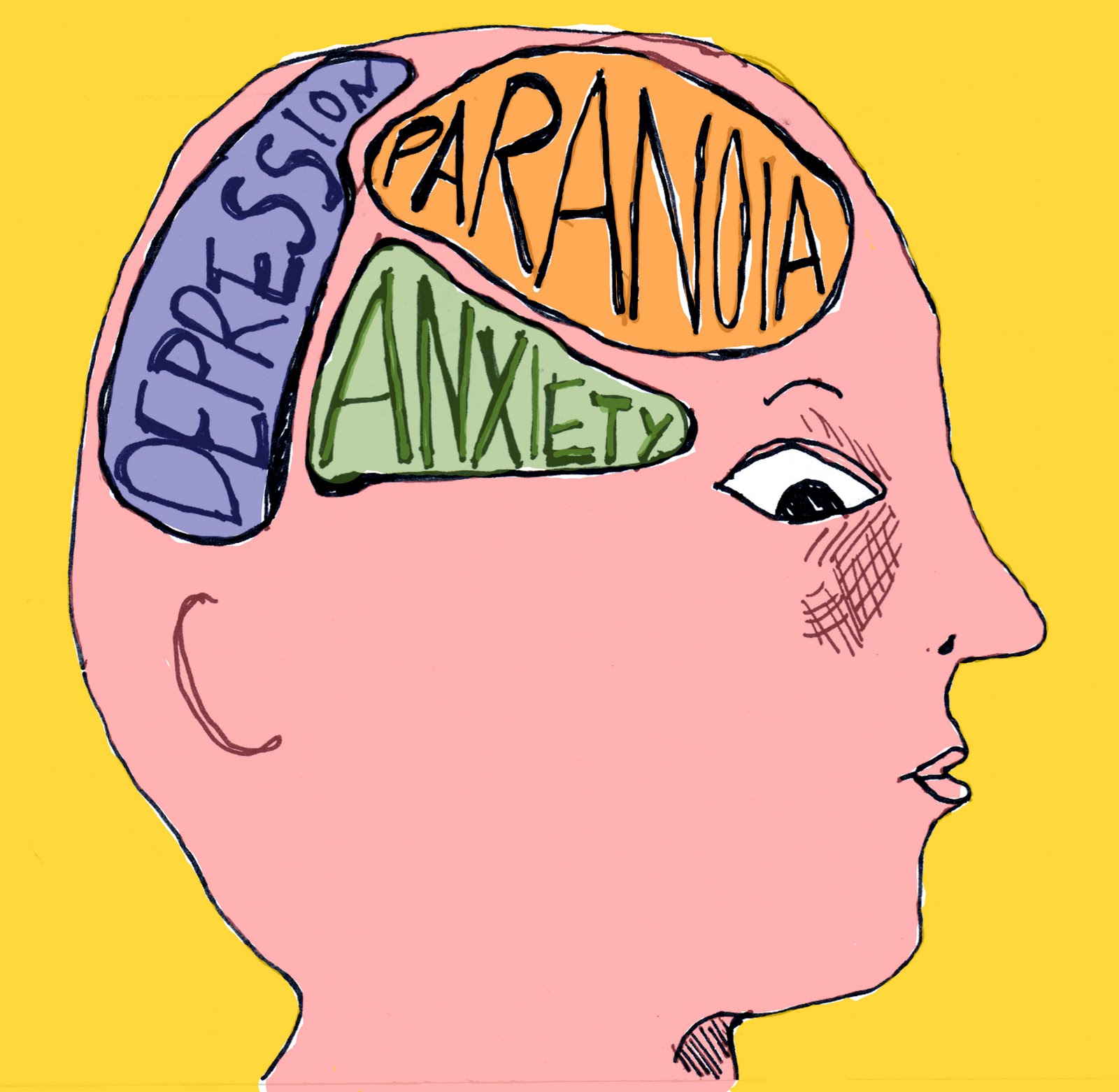
    Drugs like PCP (Phencyclidine), Cocaine, Heroin, Methamphetamine (Meth), are generally what a person will think of when you picture a drug addict; these are some of the most chemically addictive drugs in the world. You don’t tend to picture someone drinking coffee or playing video games all day and all night. Some serious general effects of addiction to drugs can be brain damage, liver damage, and damage to your nervous system, heart problems, depression, memory loss, anxiety/paranoia, and many more. A most prominent and terrifying side effect can be death- scary, no? If you know someone suffering from a drug addiction or otherwise, encourage them to get help. It is our job as friends, family and neighbours, to stand beside those in need. However, you can only do so much to help people, sometimes. Just let them know you love them, and check up on them regularly. If you feel like you are having trouble with an addiction, it is never too late to stop.


    Reference:

    https://www.psychologytoday.com/basics/addiction


  • Mental Health Stigma and Prejudice

    Mental Health Stigma and Prejudice

    Stereotyping and typecasting remains prevalent in our society today. Stating that doesn’t mean that it makes it alright to use them against others. In today’s society Mental Illness is accepted, though sometimes, there is still a prejudice about it. Some people do not accept it, and use these stereotypes on people with a mental illness. For example, a woman can be targeted due to her mental illness, possibly creating an atmosphere where sexism can run wild. The media is a constant variable in this role; when someone with a mental illness acts out, the media makes it a headline and top story, mocking them at every turn.

    As the media highlights the bad aspects of mental illness, the world can’t seem to listen and take it as a serious problem that needs to be understood. Instead of investigating deeply about mental health, people take the more ignorant approach for it is easy to do so. What is often illustrated on the news is false or extremely exaggerated. The individuals that do try to understand mental illness often know someone suffering from it, therefore they become more involved and educated on the subject in order to help. Depending on the circumstances, a friend or loved one can be the cause of the negative inflictions that cause mental illness.

    Not only does having a mental illness have its own effects on the brain, people can start to perceive a person that effected person as negative. The person suffering can feel anxiety raising, courage falling, hopelessness settling in as they walk and feel eyes on them. They may feel fearful when going for a walk, going to an event, or even when raising their hand in class. It is never right to put someone in that position of self-loathing or self-doubt, only to make yourself feel higher and more powerful.

    We have all been in both of these places; making yourself feel better by putting another down; feeling put down from someone. Both of these directions will not serve you, or the other person. Of course there is someone who is bigger, smarter, or can do more things than you. There is never a reason to hurt someone, especially someone that cannot help who they are. It is not okay to hurt someone because you do not understand what they are going through. We all go through something at one point or another, so it is better to respect a person then put them down. Let’s erase mental health stigma and create better ways of communicating and helping others- you may need some help in your future, too.

  • It’s Okay to Need Help: Therapy and You

    It’s Okay to Need Help: Therapy and You

    Throughout life, everyone needs help. Whether it is a child learning to walk or speak, a teenager learning responsibility, or an adult learning how to truly listen. All of us have learned something, in different circumstances or the same. We will continue to need help and so will people in the next life (if there is one). So when your heart starts to get heavy and your eyes water, it is okay to crave a helping hand.

    Needing someone to talk too does not necessarily mean you are weak or needy. Everyone needs support without judgment; it is not an unnatural thing. That person can be a close friend, a close family member, as long as you can speak openly to them. They should never hold anything against you, and they should be trustworthy enough not to tell anyone else what you have divulged to them.

    Just because you need someone to talk to does not mean it has to be a therapist. It can be someone educated in helping others with their problems, i.e. a counsellor, social worker or mentor. Therapy comes from the Latin word therapīa which literally means “curing” or “healing”. So, therapy is only ever meant to help and in any way possible.

    There are different types of therapists to help with different types of problems, in different ways. The most common type of therapy is Psychotherapy:

    “Psychotherapy is therapy in which a person with mental or emotional problems talks with another person (talking therapies).This other person may be a psychiatrist, psychologist, counselor, clinical social worker, member of the clergy, alternative practitioner, or (to use the concept in its broadest sense) any helpful person. “[1]

    Here is a list of common psychotherapies and their focus:


    [1] https://en.wikipedia.org/wiki/Psychotherapy

  • What Is An Epidemiologist?

    What Is An Epidemiologist?

    Every year, millions of people become sick with all kinds of diseases. Sometimes the diseases are isolated, affecting only a few people at a time. When one person breaks a leg or has appendicitis, for example, the illness will not spread to other people in the area. An orthopedic surgeon can take care of the leg, and general surgeon can look after the appendix. However, what happens if an epidemic breaks out? That’s when an epidemiologist can help.

    Most people get food poisoning or the flu at some point in their lives. In many cases, they recover within a week or two, often with only limited medical help. However, when a large number of people in a community suddenly get sick with the same disease, it becomes an epidemic.

    When this happens, the epidemiologists start to investigate the causes of the outbreak to see if there are any ways to treat the disease and to prevent future occurrences, whether the illness is very dangerous or not. Epidemiologists study the source of illness so that they can let people know what they need to do to stay healthy.

    Epidemiologists work closely with doctors and nurses, but their training is different. Having a medical background is very helpful, but not always necessary, depending on many factors, such as geographical location and the extent of other supports. An epidemiologist working in an African village, for example, might be required to have qualifications that are not necessary for someone working in a bigger city. Normally, a degree in epidemiology or public health is the basic requirement for people working in this field.

    Besides knowing about diseases, epidemiologists need to have mathematical and statistical skills. They need to be able to follow the progress of a disease and to make charts and graphs that will help other people understand the information. Epidemiologists might have to give presentations to the public or to government officials and to conduct research on various diseases. They sometimes advise the nurses and doctors who work with those kinds of illnesses.

    Some epidemiologists work mainly in hospitals and laboratories, but most of them spend a lot of their time working with the public. Some of them travel to schools to give immunizations for diseases like measles and others go to seniors’ homes to help the residents deal with diseases there.

    Working in remote areas or in other countries with little hospital care is also a good option for epidemiologists. If you have watched the news recently, you know about how much trouble the Ebola outbreak has caused in Africa. Epidemiologists have been hard at work over there, trying to find an answer.

    Depending on where they work, epidemiologists might make between about $49,000 and $86,000 per year. Although the salary increases slightly with experience, it generally does not rise rapidly. However, with the number of diseases in the world, epidemiologists will never be out of work. If you decide to become an epidemiologist, you can expect to have an interesting and rewarding career.

  • How to Stay Healthy in University

    How to Stay Healthy in University

    University is a great experience, but it can really take a toll on your health. You hear horror stories about the terrible cafeteria food, the late-night cramming (and snacking) sessions, and above all, the dreaded  “Freshman 15”. Unfortunately, many students find themselves in a bit of a health predicament when they begin post-secondary, particularly if they’re living on campus. Not only is it difficult to make time for healthy habits, but if you aren’t motivating yourself to stay healthy, you’re going to wind up eating ramen noodles for the rest of your life.

    It’s crucial to keep your health in check, especially in such a stressful and demanding environment. Even by implementing just a few basic steps into your (admittedly, already-busy) schedule, you could vastly improve the way you feel every day. That positive attitude is something that will further translate into your academic and personal life.

    Here are some tips for staying healthy in university:

    Drink lots of water. Long days at the library can leave you parched. Keep a bottle in your bag and refill it as often as you can. (This is also a good way to save money by not buying juice or bottled water, and calories by forgoing the fizzy soda.)

    Take advantage of the facilities. Many post-secondary institutions include gym memberships in their student fees. Even if you’re not very athletic to begin with, look into the programs offered at the athletics facilities and see if you might be interested in a drop-in session or two.

    Alternatively, take a walk. University campuses can be beautiful! For a quick bit of exercise on a busy day, explore on foot. (At larger campuses like the University of Toronto, St. George or York University, crossing the whole campus can actually be quite a workout!)

    Pack healthy snacks. If you’re hungry after class, don’t rush to the nearest food truck—a smarter option is to reach for the granola bar in your backpack. Stocking up on healthy snacks like dried fruit, nuts or (non-sugary) energy bars will keep you going between mealtimes.

    Dine smart. If your meals are typically served buffet-style, make smart choices about what you want to put on your plate. Take advantage of fresh fruit and salad bars, if they’re available. After a whole week of pizza and poutine—believe it or not—you may find yourself actually craving vegetables.

    Get a second opinion. Universities must have some form of health assistance on campus; this can be anything from clinic services to counseling. Check out what your school has to offer and speak to a professional if you’re concerned about your health, or if you just want to take steps towards making it better.

    Staying healthy doesn’t have to be hard. Integrate small healthy habits into your daily university routine, and you’ll be on the path to a healthier lifestyle in no time.

  • Energy Drink Dangers

    Energy Drink Dangers

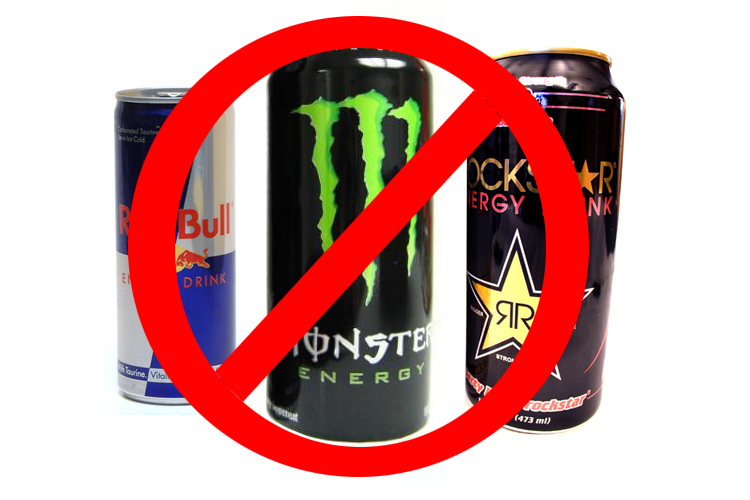
    You know the feeling –it’s the early afternoon and you are feeling tired and sluggish. It’s easy to go to a convenience store and grab a Red Bull for a quick pick-me-up. But did you know that so-called energy drinks can be doing you more harm than good?

    Most energy drinks come with a warning label that you should not consume more than 1 per day. The reason is the high caffeine content, which is responsible for the quick boost you receive immediately after drinking it. While you may feel good for a short period, you will inevitably have a “caffeine crash” as your body gets back to normal. This can lead to headaches, irritability and decreased focus.

    Recent studies have concluded that some energy drinks contain 4 to 5 times more caffeine than a regular can of soda. For most people, the increase in caffeine will cause unpleasant side-effects such as nausea and diarrhea. However, the larger dangers of consuming too much caffeine run the gamut from heart palpitations, seizures, strokes and even sudden death.

    The best thing you can do is to stay away from these drinks entirely and instead focus on getting more energy by getting enough sleep and exercising regularly. On those days where you simply must have a caffeinated beverage, drink something with a lower caffeine content such as tea.

    Even worse than consuming energy drinks alone is mixing them with alcohol. Alcohol is a depressant while caffeine gives you a short-lived shot of energy. Putting these two chemicals into your body together is playing with fire. It is absolutely imperative that these two beverages never be consumed at the same time, as they have been linked to deaths in teenagers and young adults. Be safe and smart about what you consume!

    On top of the health risks, energy drinks are some of the most expensive drinks on the market. At around $2.50 per can, you could spend almost $75 per month if you drink one per day. Imagine what you could spend that money on instead!

    Go for a walk or run, drink some water and go to bed at a regular time each night. Taking these steps will prevent you from being tempted to purchase an energy drink in the future.

    Remember – treat your body well and it will treat you well in turn!

  • Accept Yourself: Dealing with Body Image

    Accept Yourself: Dealing with Body Image

    People are afraid of their bodies. They avoid mirrors, scales and eye contact with strangers; they are not confident when they walk down the street. Somewhere along the way, they realized that they are not pretty enough, or tall enough, or fit enough – and it is taking over their lives. It has become “cool” to bring yourself down, to shed light on the things you hate about yourself and toil tirelessly in order to get rid of them. This is a destructive habit that you need to break right away.

    The media is one of the biggest culprits of this craze; by presenting us with paper-thin female supermodels and impossibly muscular male icons, these unrealistic ideals become something we feel obliged to live up to. That’s not to say there is anything wrong with the bodies of the people in the media. Every person is special in their own way. The thing is, people come in all shapes and sizes and by asking everyone to conform to a cookie-cutter ideal, the beauty industry is shattering the self-esteem of its subscribers all around the world.

    There is absolutely no fault in looking how you look, nor should you ever feel that way. So what if you hate your freckles or you think your feet are too big? What you pick out as ugly may be someone else’s cup of tea. Diversity is beautiful and it is often our differences that make us stand out from the crowd. We only want what we don’t have, but our bodies are our selves and we’re stuck with them whether we like them or not. Everyone has assets and everyone has flaws – hold your head high and show off yours with pride.

    Body image isn’t only about image, either. Consider your well-being and how comfortable you feel in your own skin. It is important to take care of yourself: while overeating should be avoided and exercise is important, excessive physical activity and calorie counting to the point of obsession is definitely not good for you. Find a balance because, ultimately, your happiness is the most important factor.

    Look at your body in a positive light. Focus on what you like and don’t look to others for visual cues. Your appearance is your identity and you are free to do with it what you like. Why bother emulating someone else when you are unique? You can definitely express yourself using your appearance. If you decide to dye your hair, get a tattoo or start an exercise program, that’s great — but make sure you’re making these decisions for yourself, not just following the leader. If you want to make changes, these changes are up to you and you alone – don’t let others dictate what you should look like or how you should feel about yourself. After all, it is your body.

    Accept yourself for who you are. Respect yourself and expect to be treated accordingly.