Tag: health

  • Thirst is a Drop in the Cup

    Thirst is a Drop in the Cup

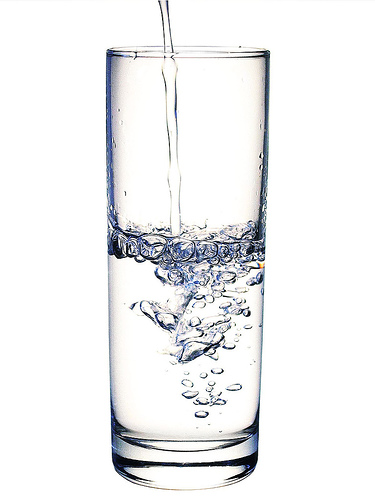
    Forget smoothies and sodas: the best drink comes right from the tap! The human body is composed of up to 60% water, so it makes sense that we’d need to continue drinking it to keep ourselves healthy. Unfortunately, if you’re always on-the-go, you may not be getting the hydration you need. Water is part of the fuel that keeps our bodies running efficiently—and more often than not, we forget to fill up.

    The result of not drinking water is extremely detrimental to our well-being. Constant dehydration can really take a toll on your health, in some cases leading to headaches, dizziness and fatigue. The good news is that you can put yourself on the road to healthy living simply by adding a few of glasses of water to your daily routine. Here are some of the many benefits of drinking water.

    1. It boosts your energy. Your body works best when it’s fully hydrated, and you can start to feel a little sluggish if you haven’t gotten your daily water intake. Your brain is mostly water, too, so nourishing it with a quick drink will really help your focus.

    2. It helps you eat healthy. You may be confusing constant snack cravings with your body’s cry of thirst: drinking water reduces overeating and hunger by filling your body up with the nourishment it needs. Water also contributes to the proper functioning of your digestive system, which helps process the vitamins and nutrients in your healthy diet.

    3. It can ward off sickness. Your immune system greatly benefits from water: drinking your fill could leave you less susceptible to colds and flu. Water helps your body quickly flush out toxins, which reduces the risk of more serious ailments.

    4. It comes with beauty perks. Water is great for your skin—aside from keeping it hydrated, by drinking water you’re flushing out toxins that can leave your complexion dull or irritated. Plus, since it hydrates your body’s cells, it can do wonders for your hair and nails.

    What can you do to make sure you get enough water? Carry a water bottle on you and remind yourself to drink (even when you don’t feel thirsty). There are smartphone apps that can track your progress throughout the day. And don’t forget to account for extraneous variables: if it’s hot out or you’ve been exercising, chances are you’re going to need to drink more water to keep yourself in check.

    With its multitude of health benefits, water can make or break a healthy regimen, and hydration might just be the thing your body is missing. Try to make drinking water part of your daily routine, and you’ll notice a difference. Cheers to that!

  • Why is Drinking Water Important?

    Why is Drinking Water Important?

    Society constantly promotes the importance of drinking water and how vital it is to human life. Yet, a lot of us don’t really know why it is so important and often don’t include enough water in our diets. Water, otherwise known as H2O is composed of two hydrogen atoms bonding to one oxygen atom.

    Without water, humans would not survive. On average we can only live without drinking water for three days! This is because water hydrates our bodies and helps our bodies to function optimally. In fact, the human body in itself is made up of about 60% water. Many other animals also rely on water in some way or another for survival.

    Some of the benefits of drinking water include keeping your skin hydrated and looking healthy and improving the function of your kidneys and helping bowel movements. Drinking water also enhances muscle performance and makes you feel less tired. Your brain can especially reap the benefits because water can help you stay more alert and focused. Another benefit that a lot of people don’t know is that you can find relief from a headache by drinking water; they are often caused by dehydration.

    The recommended amount of water for humans is about 6-7 glasses of water per day or about 2 liters. This amount depends on the level of activity that you are participating in every day. If you are very active and play a lot of sports, drinking more water would be necessary. However, you should keep in mind that water is also found in the food we eat, so don’t count that out! For example one cup of yogurt is made up of about 85% water.

    A lot of us have a hard time including water in our diets. I can relate to this and also have difficulties drinking a lot of water. I think it lacks taste and is a bit boring compared to drinking juice or pop. If you also find it to be super tasteless then consider adding some fruit to your water in order to add some flavour. These fruit infused water creations are easy to make and will motivate you to include more water in your diet. Some of my favourite combinations are: raspberry-lime, pineapple-mint and strawberry-cantaloupe. You can be creative by experimenting with your own favourite fruits and maybe come up with a winning combination of your own!

  • The Importance of Exercise

    The Importance of Exercise

    We’ve all been there – you wake up to start your day and immediately start thinking of how you can’t wait to get home to go back to bed later. You feel run down and yawn throughout your classes. Your head feels foggy and you have trouble concentrating. All of these signs point to a lack of energy and balance, which can be easily rectified by exercising regularly.

    Maybe you have a full schedule of classes, you work a part-time job and still need time to study on top of that. Don’t worry – you can fit in exercise each day in simple ways! Try walking to and from school each day, if possible. Speed up your normal walking pace slightly to get your heart pumping. You can also jog/run home from school each day to increase the cardiovascular benefits.

    If you have a little more time on your hands, even on weekends, try going to a community centre in your area. Community centres often have exercise equipment you can use for a much lower fee than a regular gym would. Treadmills and elliptical machines are great ways to get in a cardio workout without having to worry about poor weather.

    Many of us feel uncomfortable working out in front of others, so you can even do exercises at home while watching TV or a movie. Try some simple yoga moves, sit-ups or even jumping jacks. There are many great (and free!) websites that offer tips on different at-home workouts you can do that do not require any equipment. You may also want to purchase a workout DVD that combines your interests with exercise. For example, there are DVD’s that involve dance, ballet and even Bollywood moves.

    Another easy option is to play Wii or X-Box Kinect. Many of us own these systems already, so playing a game that involves movement instead of sitting will add up. Many Wii systems come with sports games inside the box, so there is no extra expense incurred. These games will even track your progress and tell you your “exercise age”, which are great motivators.

    Exercising regularly will ensure that you have energy when you need it most. Exercise has also been proven to lower stress and help with anxiety and depression. When you exercise, your body releases endorphins which essentially help you to feel better and calmer. You should aim to exercise for 30 consecutive minutes each day for the maximum benefits. It is also important to not exercise just before you go to bed, as the increased endorphins can prevent you from falling asleep right away. However, exercising regularly does help you to get a deeper sleep more often.

    So make time for yourself each day and get in some exercise. Motivating yourself can be difficult sometimes, so be sure to tell a friend or family member about your goals and they can help to get you moving. Remember – short term pain, long term gain!

  • Staying Healthy During Exam Season

    Staying Healthy During Exam Season

    Exam season is easily one of the most stressful times of the year for students. For some, it might even be the worst.  Now image how bad the season would be if you were sick! To prevent this, it’s important that you’re taking the necessary steps to cater to your health. Below are some tips to help you survive that dreaded time of year. And even if exam season has passed for you (thank goodness), just keep these tips in mind for the next time around.

    When it comes to exam season, sleep is almost always the first thing that goes out the window for students. It doesn’t have to be this way! If you set your schedule up properly, you can find yourself catching a full night’s worth of sleep every day! The key to this is studying in advance. Far too many students begin studying for two or three days before the actual exam. Because of this, they find themselves pulling consecutive all-nighters. If you begin studying about a week in advance, you can spread your notes across more days and you’ll have with a few more hours each day to allocate to sleep! Also, don’t be afraid to take a nap once in a while. If you find yourself dozing off every other minute, you’re probably not retaining any information. In this case, you might as well just take a quick nap to re-charge yourself.

    Believe it or not, a lot of students actually refuse to sleep at all because they fear sleeping in for an exam and missing it! Although it’s a valid concern, it’s definitely not healthy. Instead of pulling an all-nighter out of fear, set several alarms or ask a friend to set an alarm then give you a wake up call! This works especially well if you’ve got a roommate.

    Your brain is like a giant battery that needs to be recharged often enough to keep it functioning properly. With all the craziness of exam week, many students forget to eat properly, opting for highly caffeinated beverages and chocolate bars instead. Not only is this unhealthy, but it will also work out for the worst in the end. Your body and your brain will be running low on energy which will ultimately reduce the amount of time that you can stay alert and retain information. To give yourself the energy that you need, take some time out of studying to have a well-balanced meal. In fact, you should set a daily schedule for eating so that you make sure you’re on the right track. It’s far too easy to get lost in the notes and readings that you have to do and forget about your healthy

    One of the most important things that students forget to do is cater to their mental health. With hours of endless studying on the schedule, it’s easy to find yourself feeling down. If this is the case for you, take a few minutes every now and then to treat yourself!  Spending a few minutes with some friends or doing a bit of exercise will make you feel far more energized. You’ll be able to get back to your studies with a refreshed mind and perhaps a smile on your face too!


  • Get Outside and Exercise!

    Get Outside and Exercise!

    We’ve all been there – you wake up to start your day and immediately start thinking of how you can’t wait to get home to go back to bed later. You feel run down and yawn throughout your classes. Your head feels foggy and you have trouble concentrating. All of these signs point to a lack of energy and balance, which can be easily rectified by exercising regularly.

    Maybe you have a full schedule of classes, you work a part-time job and still need time to study on top of that. Don’t worry – you can fit in exercise each day in simple ways! Try walking to and from school each day, if possible. Speed up your normal walking pace slightly to get your heart pumping. You can also jog/run home from school each day to increase the cardiovascular benefits.

    If you have a little more time on your hands, even on weekends, try going to a community centre in your area. Community centres often have exercise equipment you can use for a much lower fee than a regular gym would. Treadmills and elliptical machines are great ways to get in a cardio workout without having to worry about poor weather.

    Many of us feel uncomfortable working out in front of others, so you can even do exercises at home while watching TV or a movie. Try some simple yoga moves, sit-ups or even jumping jacks. There are many great (and free!) websites that offer tips on different at-home workouts you can do that do not require any equipment. You may also want to purchase a workout DVD that combines your interests with exercise. For example, there are DVD’s that involve dance, ballet and even Bollywood moves.

    Another easy option is to play Wii or X-Box Kinect. Many of us own these systems already, so playing a game that involves movement instead of sitting will add up. Many Wii systems come with sports games inside the box, so there is no extra expense incurred. These games will even track your progress and tell you your “exercise age”, which are great motivators.

    Exercising regularly will ensure that you have energy when you need it most. Exercise has also been proven to lower stress and help with anxiety and depression. When you exercise, your body releases endorphins which essentially help you to feel better and calmer. You should aim to exercise for 30 consecutive minutes each day for the maximum benefits. It is also important to not exercise just before you go to bed, as the increased endorphins can prevent you from falling asleep right away. However, exercising regularly does help you to get a deeper sleep more often.

    So make time for yourself each day and get in some exercise. Motivating yourself can be difficult sometimes, so be sure to tell a friend or family member about your goals and they can help to get you moving. Remember – short term pain, long term gain!

  • Health Tips: Handling Stress

    Health Tips: Handling Stress

    Everyone gets stressed out once and a while. Situations that are out of our control, people who cause us grief, and pressures that we feel we cannot handle happen to all of once at some point. Whatever the cause of your stress, even if it is just a generalized sort of anxiety, talking to someone about it will help to relieve the pressure you are feeling. When we remember that everyone undergoes stress at some point in their lives, we remember that we are not alone. Sharing our stories can only help to strengthen and improve ourselves and our lives.

    By sharing your story you are helping yourself out by re-framing your life and seeing yourself more objectively. By identifying the causes of your stress, you can see the problems you are facing and can then take action to provide solutions to those problems.

    Talking to someone can involve chatting in person, over the phone or even in writing. Whatever method of communication you choose, make sure that you are empathetic with yourself and the situations you are facing. Try to picture yourself as someone you don’t know, and think about the story you are living. What are the pressures that you are going through, what are your challenges, what are your goals? Identifying these aspects will move you from being the victim of your life’s circumstances to being in the driver’s seat, being in control and being ready to find solutions to your problems.

    Use your friends, your family, counselors and other resources to help you to see yourself from a different perspective. When you can see that you are just another human being living a human existence, you will discover that you are in control of your destiny. If  you are fighting with your siblings often, for example, you may want to talk with a counselor to see what coping strategies you could use to improve that relationship.

    Whatever your situation may be, gaining control, setting goals and developing coping strategies is your way forward. By talking with someone about what it is that you are going through, you are allowing yourself to see your problems clearly. This is the key for developing successful coping strategies and setting goals for dealing with the situations that you are facing. Remember that you are in control – unless you don’t let yourself speak out. You don’t deserve to suffer, so free yourself from the burden of your problems and let it out today.

  • We Can Make Canada’s Reality Match Its Image

    We Can Make Canada’s Reality Match Its Image

    Canada is blessed with some of the last vestiges of pristine nature on Earth — unbroken forests, coastlines and prairies, thousands of rivers, streams and lakes, open skies, abundant fresh air. Many of us live in urban areas, but our spectacular landscapes are embedded in our history and culture. They define and shape us as people.

    We are also defined by our Constitution, which is far more than a set of legal prescriptions. It embodies our highest aspirations and values. As our nation’s top law, one would expect it to reflect our connection to the land, air, water and wildlife that keep us alive and healthy. Our Constitution’s Charter of Rights and Freedoms gives us freedom of expression, equal protection from discrimination and the right to life, liberty and security of the person. But it doesn’t mention the environment. How can we fully enjoy our freedoms without the right to live in a healthy environment?

    Some Canadians are further ahead than others. Quebec’s Environmental Quality Act and Charter of Human Rights and Freedoms both include environmental rights. Other provinces and territories — including Ontario, the Yukon, Northwest Territories and Nunavut — provide limited environmental rights. Worldwide, 110 countries enjoy constitutional rights to a healthy environment, and 181 of 193 UN member countries support recognition of such a right. Canada and the U.S. are among the exceptions.

    The sad truth is that Canada fares poorly among wealthy nations on environmental performance. A recent ranking by the Washington-based Center for Global Development puts Canada last of 27 industrialized nations. The Conference Board of Canada rated our country 15th out of 17 industrialized nations for standards on air pollution, climate change, water and other environmental factors. And the World Health Organization reports that 36,800 premature deaths a year and 13 per cent of illnesses and injuries in Canada are related to exposure to environmental hazards — costing us tens of billions a year in health-care expenses and lost productivity.

    The benefits of constitutional protection of the environment are many and the drawbacks few. In places with such a right, people have legal avenues to protect them from activities that pollute the environment and put human health at risk.

    For example, Argentina’s constitutional environmental-rights protection was used in a case where industrial pollution was seriously affecting the health of people along the Matanza-Riachuelo River. After residents sued the national, provincial and municipal governments and 44 corporations, Argentina’s government established clean-up, restoration and regional environmental health plans. It has increased the number of environmental inspectors in the region from three to 250, and created 139 water, air and soil quality monitoring points. There’s still much to be done, but three new water-treatment plants and 11 new sewage-treatment plants mean millions of people now have access to clean water and sanitation. Many garbage dumps and polluting industries were shut down. And the local economy benefited.

    A legal right to a healthy environment is not about hamstringing corporations; it’s about ensuring they’re run responsibly and that people’s health and well-being come first. It’s also about ensuring laws are enforced and penalties imposed when they’re violated. The total amount of fines imposed under the Canadian Environmental Protection Act from 1988 through 2010 (about $2.4 million) amounted to less than what the Toronto Public Library collected in overdue-book fines in one year, 2009 (about $2.7 million)! And it’s not a right-versus-left political issue. Jacques Chirac, France’s conservative president from 1995 to 2007, made constitutional recognition of the right to a healthy environment one of his priorities. More than 70,000 French citizens attended public hearings on the issue andFrance’s Charter for the Environment was later enacted with broad support from all political parties.

    Evidence suggests that stronger environmental regulation spurs innovation and competitiveness, so the right to a healthy environment can benefit the economy. In the aftermath of the Walkerton disaster, Ontario strengthened its drinking-water legislation, which stimulated development and growth of the water-treatment technology sector. Countries with constitutional environmental protection, such as Norway, often enjoy high economic and environmental standards.

    It won’t be easy to get the right to a healthy environment enshrined in Canada’s Constitution. But with public support and small steps along the way — such as encouraging legal protection from municipal, regional and provincial governments —we can make it happen.

  • What Are C.O.W.S.?

    What Are C.O.W.S.?

    Today’s world is filled with fast and convenient foods which fit in to our busy lifestyles. How many of you have given any thought to how the foods you eat make you feel and their affect our long-term health or appearance?

    At age15, my parents bought a convenience store and suddenly I had access to all of this junk food.

    I was in heaven for a while. Until my pants started getting tight and I felt terrible.

    I made the connection between what I ate and how I felt and looked. Small changes I made way back in high school paved the way for a healthy life.

    Together, let’s explore what today’s experts are saying we should eat to live a long and healthy life. The earlier in life we start, the better. In ‘The PH Miracle’ written by Dr. Robert O. Young and Shelley Redford Young, they talk about an acronym we should all remember COWS.

    C is for chlorophyll.

    “Vegetables are your new best friends,” especially the green ones. Chlorophyll helps the blood cells deliver oxygen, reduces the binding of carcinogens to DNA in our organs and help to neutralize dietary acids in the blood and tissues. They are nutrient dense and rich in antioxidants.

    O is for Oils.

    Know the good from the bad. Saturated fats found primarily in animal protein, partially hydrogenated oils found in processed foods are to be avoided. Good fats contain essential fatty acids. EFAs strengthen immune cells, lubricate joints, insulate the body against heat loss, provide energy, protect us from heart disease, stroke and high blood pressure. It improves asthma, PMS, allergies, skin conditions, some behavioral disorders and brain function. Good sources of oils include fish, seeds, avocados, olives and flax.

    W is for Water.

    In the earliest stages, dehydration can lead to muddled thinking, short-term memory problems, trouble with math and expressing yourself verbally, difficulty focusing on a printed page, cold hands or feet, anxiety, irritability, depression, sugar cravings and cramps too. Water neutralizes acids and literally washes them (and all toxins) out of the body via urine and sweat and the bowels. When you don’t get enough water you will feel tired and weak. About two liters of water a day is generally recommended.

    S is for Salt.

    Salt is as essential as water or air. You cannot consume too much natural, unrefined salt. Processed foods are laden with the bad salts. The salt test: mix a teaspoon of the salt you use in a glass of water and let it sit overnight. If the water is clear in the morning, it’s a natural salt. If you can see salt in the bottom of the glass it’s processed salt. Salt that does not dissolve in a glass of water will not dissolve in your body and will collect in your body organs and tissues. This can lead to heart disease, arthritis, hardening of the arteries and calcium deposits in joints.

    Following COWS is an easy first step to a healthy life.

  • Dealing with Stress

    Dealing with Stress

    At any age, stress can take a toll on your mind and body. For most, stress is caused by an event or situation that is considered dangerous, difficult, or unpleasant. If it is not dealt with properly, long term stress can cause physical and mental damage. Coping mechanisms, if taught early, can be a helpful ally in battling stress and conquering stressful situations.

    For teens and young adults, stressful situations can be present in everyday life. Some common things that can cause stress are demanding school schedules, drama with friends, low self-esteem, changing bodies, high expectations, and family problems. Most young people encounter one or several of these situations on a daily basis. After a while the weight can start to take an affect and they can become overloaded with stress.

    Fortunately, stress is manageable, especially if the proper coping techniques are taught early. One way to help manage stress is to exercise and eat healthy. Exercise reduces the stress hormone levels in the body and causes the release of endorphins, which are the body’s natural mood lifters. In fact, exercise actually helps you relax. Doing some sort of moderate physical activity every day can ease stress or even prevent it. Healthy eating goes hand and hand with exercise. The healthier you eat, the better you feel. Keeping the body well-nourished and balanced is especially important during stressful times.

    Another way to cope with stress, especially with school, is to prioritize. If you have a heavy work load, do the biggest most difficult projects, or the projects that are due sooner, first. This way, you will have peace of mind knowing that they are completed. The smaller and easier tasks will be a piece of cake after the more difficult tasks are off your plate. Also, if a project or assignment seems overwhelming, break it into smaller pieces. For example, if you have a large paper to write, give yourself the time and take it paragraph by paragraph. Treat each paragraph like it’s a separate assignment. This way, the thought of writing large paper won’t seem so daunting.

    Last but certainly not least, the best way to deal with stress is to talk to someone. Stress is common and many people can relate and sympathize. Talk to a person who is close to you, someone who you can open up to and be honest with, like a parent, a teacher, or even a best friend. Voicing your stresses and frustrations can help you get them off your chest. Sometimes a long chat with your closest friend can do wonders for your mood and stress level. Situations that are seemingly stressful might not be so bad once you know you have support and you’re not alone.

    Stress can be dangerous, especially for teens and young adults who are not sure how to manage it. It’s important to recognize when a situation is beginning to weigh on you and make it a priority to do something about it.

  • Outdoor Therapy

    Outdoor Therapy

    The benefits of outdoor activity are well known. Whether you’re hiking, biking, swimming, or running, these activities are all great ways to get your heart rate up and stay healthy. However, less physically demanding outdoor activities (such as gardening or washing a car) are also good for your health. Mental health, that is. Sometimes just being outdoors makes you feel good, and it’s no wonder. Fresh air, open space, sunshine, greenery…who doesn’t love these things? Especially after being cooped up in an office or classroom for hours on end every day, being outdoors is a sure-fire way to boost your mood and make you feel more relaxed.

    The positive influence of the outdoors is so great that it is even being recommended as a form of therapy in and of itself.1 Instead of relying on pharmacological intervention, some therapists recommend “outdoor therapy” as an alternative way to help people with affective disorders (such as depression).2 In general, it has been found that people who try outdoor therapy experience “improvements in self-concept, self-acceptance and more realistic self-perceptions, and reduced conflict, depression, and anxiety.”3 These effects have been shown with a variety of individuals of all ages, genders, races, personality types, and mental health statuses.4 Of course anyone can benefit from outdoor therapy, even if you’re simply having a bad day or are feeling a little under-the-weather.

    There’s no one particular activity which is recommended above others as the best form of outdoor therapy; however, it has been noted that a short camping trip (even a mock-camping trip in one’s own backyard!) can be a remarkably effective way to reduce stress, anxiety, or bad mood.5 This may be due to the fact that camping is meant to take you away from the hustle and bustle of everyday life where most of one’s stress originates. When you’re camping you don’t have to worry about studying for an upcoming midterm or fret about that long list of things “to do.” In fact, when you’re camping the only things you really need to worry about are what you’re going to cook for your next meal and keeping ample wood on the fire. I wouldn’t necessarily classify these things under “worries,” however. Even though it may just be for a couple days, camping allows you to relax and rejuvenate, leaving you feeling refreshed and ready to once again tackle all life’s challenges. Granted, not everyone considers giving up all connections to civilization for a weekend foray into the depths of the wilderness to be a relaxing experience. If you don’t like camping, then it probably won’t help to ease your stress or anxiety. Conversely, it will probably increase your bad mood, which would be counter-productive. That’s why outdoor therapy can be tailored to individual preferences. If you’re an athletic person, then maybe going for a run or hiking with some friends will boost your mood. On the other hand, if you just need some time to yourself and prefer something a little more low-key, then just grab a book and head to the local park for a quiet afternoon.

    So next time you’re in a bad mood, feeling stressed out, lonely, overwhelmed, frustrated, or you simply want some alone time- head outside and try some outdoor therapy. Whether you decide to go for a five kilometer run or grab a coffee and read a good book, you’ll be amazed at how much better you feel after stepping outside to clear your mind.