Tag: health

  • Nutrition for High School Athletes

    Nutrition for High School Athletes

    Do you get up at 6 a.m. to go to hockey practice, go for a 5 KM run before school starts or swim 20 laps once the school day is complete? If so you are probably serious about athletic training.

    But did you also know that practice and training are just one aspect of excelling at your chosen sport?

    One of the most important aspects, and one of the most often over looked by young athletes, is nutrition. In order for your body to function at its maximum potential you need to ensure it’s getting all of the necessary nutrients it needs to perform.

    Think of your body as a car. Cars need certain fluids to run properly: gas, oil, transmission fluid, brake fluid, power steering fluid, coolant, and wind shield washer fluid. All of these are essential to the car’s maintenance and operation. Your body works in much the same way.

    Hydration is one of the most important things to pay attention to. Water affects physical and mental health and athletic performance. A person’s hydration level depends on the amount of water they take in versus the amount of water they put out. The body gets water from liquids, food, and water it produces itself called metabolic water. Water is lost through urination, sweating and breathing. Ensuring you don’t get dehydrated is key in maintaining performance levels.

    Jason Hadland, Bsc.Kin, CFC, PLFC, and Fitness Co-coordinator at the Canada Games Aquatic Centre in Saint John, New Brunswick says, “the rule of thumb for young athletes is to drink 20 oz. two to three hours before the activity and another 10 oz. 20 minutes before. Then drink 20- 24 oz. post exercise.”

    “Eating three meals daily and two to three snacks are recommended to keep your body properly energized. Proper eating and snacking before or after athletic events can help reduce injury and speed up recovery time,” according to Hadland. A balanced diet is one that consists of protein, carbs (aka carbohydrates), fats, vitamins and minerals. Avoiding processed foods is also a good idea, as they tend to be less nutritious and full of sugars, bad fats, salt and preservatives.

    Carbohydrates provide the body with its main source of energy. The body stores carbs in the form of glycogen and then burns this glycogen during exercise. Once the body has drained its supply you become extremely tired. Foods high in carbs are good for athletes as they help ensure your body doesn’t run out of fuel. Examples of good carbs are those found in fruits and vegetables, brown rice, wild rice, whole rye bread, 100% whole wheat pastas and bread, and whole grain cereals. “Fruits, vegetables and grains should make up three quarters of every meal. You should aim for at least 5 servings a day,” says Hadland.

    Protein is also important as it helps your body build muscle and replenishes your body’s supply of iron. Good protein is found in turkey, chicken, fish, nuts, eggs, beans and tofu. Hadland says dairy foods like milk, cheese and yogurt should be consumed 3 to 4 times a day. These foods offer protein, calcium, vitamin D and some carbs.

    When training for any sport it is important to remember a well-balanced diet is key. One of the simplest ways to ensure you are getting the appropriate amount of servings of fruits, veggies, dairy, grains and meat is to follow Canada’s Food Guide. Though if you are a competitive athlete you need to remember you need approximately 500 more calories a day then the average person.

    A link to Canada’s Food Guide can be found at: http://www.hc-sc.gc.ca/fn-an/food-guide-aliment/index-eng.php


  • Incinerating Trash is a Waste of Resources

    Incinerating Trash is a Waste of Resources

    Many urban areas have built or are considering building waste-incineration facilities to generate energy. At first glance, it seems like a win-win. You get rid of “garbage” and acquire a new energy source with fuel that’s almost free. But it’s a problematic solution, and a complicated issue.

    Metro Vancouver has a facility in Burnaby and is planning to build another, and Toronto is also looking at the technology, which has been used elsewhere in the region, with a plant in Brampton and another under construction in Clarington. The practice is especially popular in the European Union, where countries including Sweden and Germany now have to import waste to fuel their generators.

    The term “waste” is correct; there’s really no such thing as garbage. And that’s one problem with burning it for fuel. Even those who promote the technology would probably agree that the best ways to deal with waste are to reduce, reuse and recycle it. It’s astounding how much unnecessary trash we create, through excessive packaging, planned obsolescence, hyperconsumerism and lack of awareness. This is one area where individuals can make a difference, by refusing to buy overpackaged goods and encouraging companies to reduce packaging, and by curbing our desire to always have newer and shinier stuff.

    We toss out lots of items that can be reused, repaired or altered for other purposes. As for recycling, we’ve made great strides, but we still send close to three quarters of our household waste to the landfill. Considering each Canadian produces close to 1,000 kilograms of waste a year, that’s a lot of trash! Much of the material that ends up in landfills is usable, compostable or recyclable, including tonnes of plastics.

    Turning unsorted and usable trash into a valuable fuel commodity means communities are less likely to choose to reduce, reuse and recycle it. Burning waste can seem easier and less expensive than sorting, diverting and recycling it. But once it’s burned, it can never be used for anything else — it’s gone!

    Incinerating waste also comes with environmental problems. Although modern technologies reduce many air pollutants once associated with the process, burning plastics and other materials still creates emissions that can contain toxins such as mercury, dioxins and furans. As with burning fossil fuels, burning waste — much of which is plastics derived from fossil fuels — also produces carbon dioxide and nitrous oxide emissions that contribute to climate change.

    Burning waste doesn’t make it disappear, either. Beyond the fly ash and pollutants released into the atmosphere, a great deal of toxic “bottom ash” is left over. Metro Vancouver says bottom ash from its Burnaby incinerator is about 17 per cent the weight of the waste burned. That ash must be disposed of, usually in landfills. Metro testing has found high levels of the carcinogenic heavy metal cadmium in bottom ash, sometimes twice the limit allowed for landfills. High lead levels have also been reported.

    Incineration is also expensive and inefficient. Once we start the practice, we come to rely on waste as a fuel commodity, and it’s tough to go back to more environmentally sound methods of dealing with it. As has been seen in Sweden and Germany, improving efforts to reduce, re-use and recycle can actually result in shortages of waste “fuel”!

    It’s a complicated issue. We need to find ways to manage waste and to generate energy without relying on diminishing and increasingly expensive supplies of polluting fossil fuels. Sending trash to landfills is clearly not the best solution. But we have better options than landfills and incineration, starting with reducing the amount of waste we produce. Through education and regulation, we can reduce obvious sources and divert more compostable, recyclable and reusable materials away from the dump. It’s simply wasteful to incinerate it.

    It would be far better to sort trash into organics, recyclables and products that require careful disposal. We could then divert these different streams to minimize our waste impacts and produce new commodities. Organics used in biomass energy systems could help offset fossil fuel use while creating valuable supplies of fertilizers. Diversion and recycling lessen the need to extract new resources and disrupt the environment while creating more value and jobs. That’s a win all around!

  • Stress Recognition and Elimination

    Stress Recognition and Elimination

    Dealing with stress can be a struggle between light and dark, between hope and despair, and between what is right and what is wrong. Sometimes we are provoked by an event or a situation that creates an upsetting condition called stress. Stress is when we feel tension or pressure, as if in a dilemma. This condition can be easily remedied, however it does take practice to be able to fully overcome the stress.

    Recognizing stress is the first step, and this skill can be developed over time. Often it can be developed simply by saying out loud, “I am stressed out right now”. Being able to recognize your emotional state allows you to see your condition more objectively and to take a step back so that you may help yourself. There are always solutions to stress, and being able to pull yourself out of it is one key way of ensuring your overall happiness and well being. As we age, this skill of overcoming stress comes more naturally. However, it often does have to come from a devoted effort at recognizing and understanding how simple stress is to overcome.

    In extreme cases, there are conditions of stress that result in a psychiatric diagnosis of anxiety. This is often the result of an imbalanced brain chemistry, severe family tensions or severe anxiety-provoking situations like having been in a war. This condition is impressively frequent, with one in four Canadians having an anxiety disorder over their lifetime (anxietycanada.ca, 2013).

    In most cases, anxiety can easily be relieved by becoming conscious of when one is anxious or stressed and focusing how you can overcome the condition. Some people are soothed and made at ease by familiar things, familiar people, and familiar foods. Other people need to practice certain routines that put them back into a good head space. It is very important for people to identify things that make them feel good and to know that stress can be relieved by simply utilizing those de-stressing things, people, foods or routines. Sometimes, however, people can abuse this formula by resorting to things or foods that, as a by-product of their de-stressing effect, create secondary effects that are undesirable. This situation is commonly found among people who resort to drugs, alcohol or gambling to relieve their stress. This is called maladaptive coping because, instead of creating a relief from stress, it a major secondary effect like addiction or becoming overweight.

    It is important, when creating a stress-relieving formula, to choose a solution to stress that has positive side effects! Positive options for stress relief can include lighting candles and taking a warm bubble bath, exercising, taking a nap, talking to a friend or family member, making a healthy and nutritious meal, relaxing with friends, writing, reading, watching a favorite show or movie, and so much more. There are many ways to positively eliminate stress, so start practicing ways that work for you!

  • Healthy Kids Need Time In Nature

    Healthy Kids Need Time In Nature

    Ontario’s Healthy Kids Panel recently proposed a strategy to help kids get onto a path to health. The problem is that the path doesn’t lead them into nature. Though the report quotes parents’ comments and research showing kids spend dramatically less time outside than ever, it doesn’t encourage time in nature.

    That said, many of the report’s recommendations should be implemented and supported locally, provincially and nationally to reduce the risks of obesity. Encouraging parents and children to be more critical about dietary choices and requiring more information and labelling from restaurants and food producers is long overdue.

    Ontario isn’t the only province working to reduce obesity rates and support parents raising healthy children, particularly in the early years. Alberta released relevant reports in 2011 and Quebec has had a ban on advertising junk food to children since 1980. No one can argue against public awareness and education around the benefits of healthy eating and active living. But a provincial, patchwork approach to addressing these issues isn’t enough. We need a national strategy to get our kids eating healthy foods and being active in nature.

    Although it seems logical that much of the time spent being active will take place outside, the Ontario report acknowledges that “many communities are not designed to encourage kids to move or be physically active…and have few safe green spaces.” One parent in a focus group explains that the parks in his community are either gated or locked up once school is closed. So, even when there is green space, it’s not always accessible.

    Last year, the David Suzuki Foundation conducted a survey with young Canadians and found that 70 per cent spend an hour or less a day outdoors. The 2012 Active Healthy Kids Canada Report Card says they spend almost eight hours a day in front of screens. So it’s not that kids don’t have time to be outside. It’s just not part of their lifestyle.

    Much has been reported about a recommendation by the Ontario panel to ban junk food advertising that targets children under 12. This has worked in Quebec and is being discussed in Alberta. But the approach has invited criticism from those who argue that people should have the right to choose. It’s always tempting to focus on making bad things less accessible, but perhaps policy-makers should be more creative and focus on ways to make good things more accessible.

    Being in nature is good for all of us. People who get outside regularly are less stressed, have more resilient immune systems and are generally happier. And it’s good for our kids. Studies show spending time in nature or green spaces helps reduce the symptoms of ADHD. Even in built playgrounds, kids spend twice as much time playing, use their imaginations more and engage in more aerobic and strengthening activities when the space incorporates natural elements like logs, flowers and small streams, according to research from the University of Tennessee at Knoxville.

    Despite all the obvious health benefits of spending time outside, provincial and federal governments are failing to integrate a daily dose of nature into their policies. It’s also something we as a society are failing to make a priority in the lives of our children. This inexpensive and effective way to make our lives healthier and happier should be an obvious solution.

    We need to make sure our neighbourhoods have green spaces where people can explore their connections with nature. We need to ask teachers and school board representatives to take students outside so that nature becomes a classroom. And we need to stop making the outdoors seem like a scary place for children by helping parents understand that the benefits of playing outside outweigh the risks.

    It will take public education and awareness-building as well as changes to the way we build cities and live in our communities to bring nature back into our lives. Connecting kids to nature every day needs to be a priority policy objective in any strategy for healthy children and could easily have been integrated into the recommendations from the Ontario Healthy Kids Panel. Taking our kids by the hand and spending time outside with them will have the added benefit of making us healthier and happier adults.

  • Focusing On Your Mental Health

    Focusing On Your Mental Health

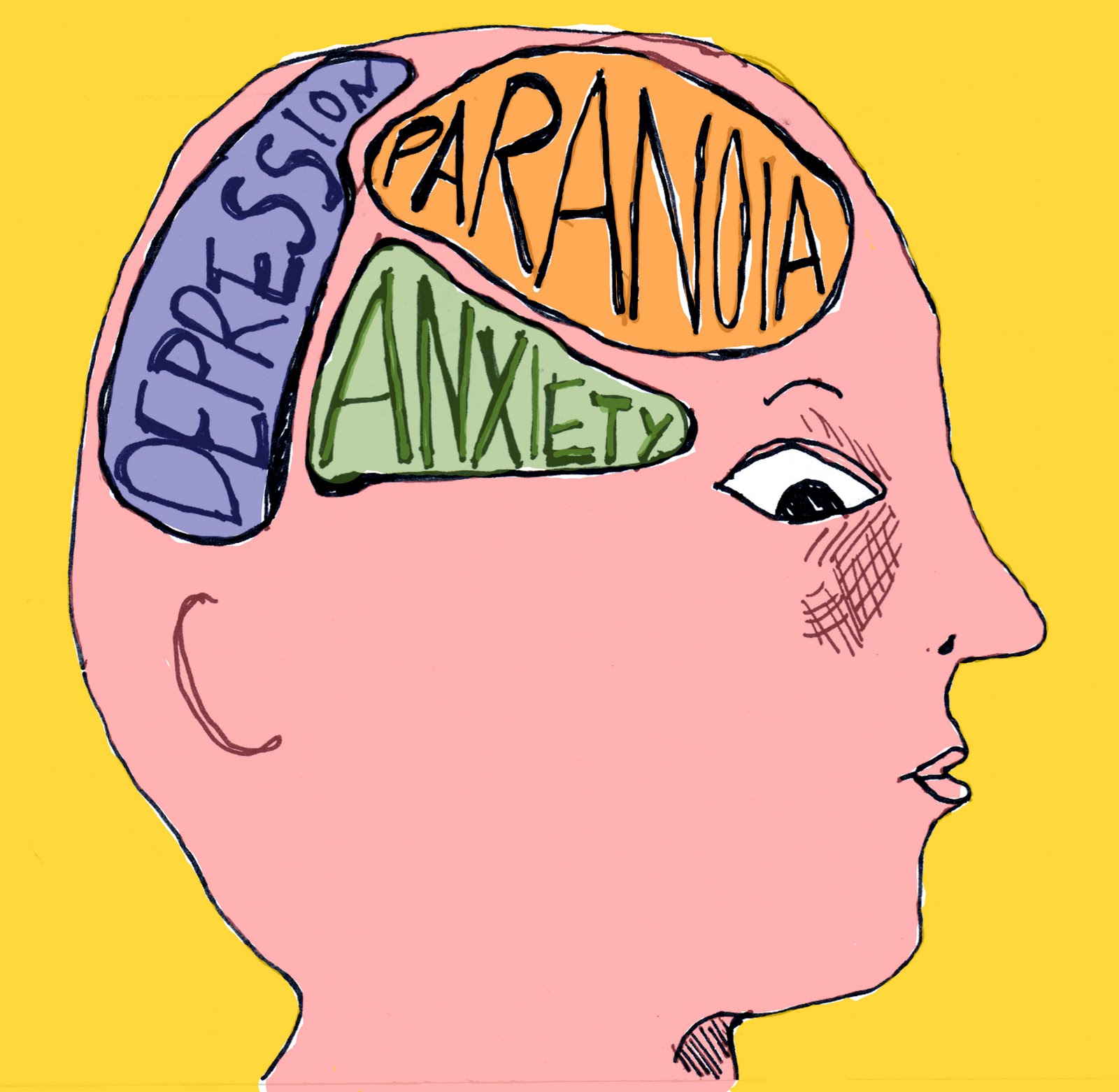
    Life can be busy, and it can be difficult to take care of your health. Caring for your physical health can be hard enough, but what about your mental health? Mental health essentially relates to how you think and feel about yourself and other people and how you act in everyday life. How do you keep your mind and emotions healthy so that you can go to school, have fun with your friends and family, and live a normal life? Looking after your mental health can be a very important part of your daily routine.

    Sometimes, people experience major mental health problems which require medication or regular conversations with a counselor. Even when mental health issues aren’t that bad, they can be very hard to live with. The feelings of sadness and hopelessness that come with depression, for example, can make people stop caring about life. Often these problems are related to what happens to people in their lives, but they come from a combination of factors. One of the most common mental health problems, stress, is a good example.

    Stress happens when something puts pressure on another so that the second one is in danger of breaking. In mental health terms, this could be when school or work becomes so busy that people can no longer manage or when they are dealing with a difficult situation, such as a death or divorce in the family. It can also come through physical factors, such as ongoing pain from an injury or illness. If you are like most people, stress is a part of your daily life.

    How can you deal with the problems like stress that affect your mental health? In some cases, you might be able to change the situations that cause stress, such as how busy you are. If your schedule is causing you stress, you can try to reduce the number of things you do and take more time to relax. You might need to ask for more help with your work so that others can help reduce the stress you feel. Basically, you might have to concentrate on the activities that are most important in your life.

    You might not be able to change everything that you find stressful, but you can try to find ways of making the situation easier. If you have a large and noisy family and you prefer quiet, for instance, there might be little that you can do about it. You might also have to live with a health problem or other difficult situation. However, you can find ways to relieve your stress by spending time on activities you enjoy or by talking with people you trust. If you can deal with mental health issues like stress before they become major problems, you will find it easier to cope with life.

    You need to be aware of the things that affect your mental health and to get help if necessary. Whatever issues you may face, it’s important to see mental health as an essential part of what keeps you going every day.

  • Employee Rights

    Employee Rights

    Each and every worker in Canada has three rights…
    1. The Right to Know
    2. The Right to Participate
    3. The Right to Refuse Dangerous Work

    The Right to Know
    All employees have a right to know what hazards are present on the job, and how these hazards can affect them. You usually learn about the hazards during health and safety training sessions and through on-the-job instructions. Learning about chemical safety through WHMIS – the Workplace Hazardous Materials Information System – is also part of the “right to know” system.

    The Right to Participate
    All employees have a right to take part in health and safety activities. For example, you can be chosen to be a health and safety representative or a member of a committee. You also have a right to report unsafe practices and conditions without worrying that you will lose your job or be reprimanded (get in trouble).

    The Right to Refuse Dangerous Work
    All employees can refuse work that is dangerous to themselves or to co-workers. If you refuse work, there are specific procedures that must be followed.

    Don’t be afraid to exercise your Rights!

  • Could Hockey Become an Endangered Sport?

    Could Hockey Become an Endangered Sport?

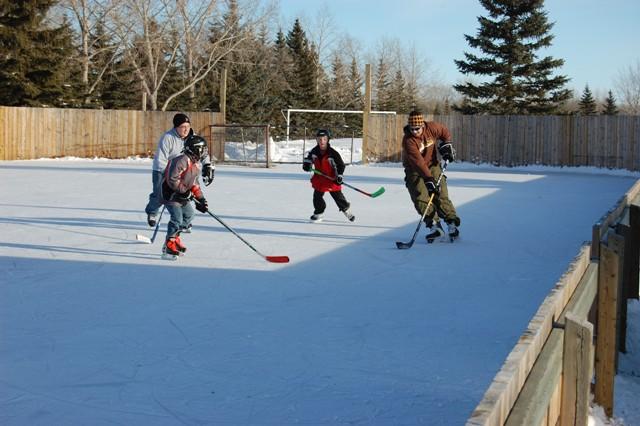
    One benefit of the National Hockey League strike: it gave people time to play outside on real ice! But outdoor skating could face the same difficulties as the NHL – a drastically shorter season or outright cancellation. Research from Montreal’s McGill and Concordia universities shows global warming is already having an effect on outdoor rinks in Canada.

    “Many locations across the country have seen significant decreases in the length of the OSS [outdoor skating season], as measured by the number of cold winter days conducive to the creation of rink ice,” their study states. “This is particularly true across the Prairies, and in Southwest Canada, which showed the largest (and most statistically significant) decreases in the calculated OSS length between 1951 and 2005.”

    This echoes a 2009 David Suzuki Foundation report, On Thin Ice: Winter Sports and Climate Change. The McGill investigation looks at constructed outdoor rinks while DSF’s focuses on frozen rivers, canals and lakes, but the conclusions are similar. Both predict that, unless we rein in greenhouse gas emissions, outdoor skating in parts of Canada could be history within the next 50 to 100 years (the McGill study’s authors now say it could happen within 20 to 30 years), and the length of the outdoor skating season will continue to decline across the country.

    Meanwhile, at Ontario’s Wilfrid Laurier University, geographers have launched www.RinkWatch.org, a website where people can record information about backyard or neighbourhood rink conditions over the winter.

    “Our hope is that Canadians from coast to coast will help us track changes in skating conditions, not just this year, but for many years to come,” associate professor Robert McLeman said in a release. “This data will help us determine the impact of climate change on winter in terms of length of season and average temperatures.”

    According to the DSF report, one of Canada’s best-loved outdoor skating venues, Ottawa’s Rideau Canal, provides an example of what to expect. It concludes that, with current emissions trends, the canal’s skating season could shrink from the previous average of nine weeks to 6.5 weeks by 2020, less than six weeks by 2050 and just one week by the end of the century. In fact, two winters ago, the season lasted 7.5 weeks, and last year it was down to four. The canal had yet to fully open for skating when this column was written.

    “On Thin Ice” notes that many of Canada’s hockey heroes got their start on outdoor rinks. “Without pond hockey, we probably wouldn’t have what has become the modern game of hockey,” the authors state. The DSF study says climate change could have a profound effect on many other winter sports, from skiing and snowboarding to winter mountaineering.

    With food and water problems caused by more frequent droughts and floods, property losses and high infrastructure costs from rising sea levels, and increasing illness and death from extreme weather and pollution, hockey may be the least of our worries. But losing winter recreation opportunities, let alone our ability to produce food and keep our homes warm and people healthy, needn’t happen. Solutions to our human-created problems exist. We just need our leaders to start taking this and other environmental issues seriously.

    That’s not likely as long as we keep electing people who show more concern for the future of the fossil fuel industry than the citizens they are supposed to represent. Politicians who only look ahead three or four years — until the next election — aren’t seeing the big picture.

    We need to consider every solution possible, now — from putting a price on emissions through carbon taxes and/or cap-and-trade to stopping the rapid exploitation of fossil fuels and switching to cleaner energy sources.

    A skate or hockey game outside is a good place to start!

  • Money Management

    Money Management

    Times are rough and life will throw you costly curve balls. You need to know how to manage your money and maximize your saving skills so you are ready for any financial emergencies you may have to face.

    If you’re receiving any kind of financial help, you may be thinking, “I don’t really need to worry, I have help if something were to happen”. The truth is these options may not always be there. Learning how to fend for yourself will make costly times a lot easier to handle and give you a rewarding sense of independence. So let’s get to it by prioritizing where your money goes:

    Housing and Rent
    Food
    Transportation
    Credit and Banking
    Utilities and Telephone
    Health Care
    Pets
    Recreation

    Housing and rent. If you’re working, a good way to budget yourself would be to split your paycheques up to make sure you’ll have your rent ready for the end of the month. If you get paid bi-weekly, every two weeks split your rent into two and save that amount from each pay. So if your rent is $500, save $250 per pay. This is a safe way of ensuring you are saving for rent and can also budget for other things during the month.

    Transportation. Take advantage of bus tickets and bus passes depending on the amount of traveling you do and try to be productive in your travels. If you drive, that applies to you too. Make a plan before you leave and go from point A to point B strategically to save gas. If you’re one of those good people who are always giving lifts to your friends, it’s okay to ask your friends to pitch in a bit of gas money from time to time. Give them the opportunity to be a good friend, too.

    Credit and banking. Bank fees aren’t too bad these days (especially if you are a student) – it’s your credit card you have to be frugal with. Having a credit card at such a young age is one of my biggest regrets. Ince you have got yourself into credit card debt, its really hard to get out. We are living in a material world and it is very tempting to go shopping and buy things we really don’t need and could very well live without. Try your best to be smart in these times. Credit cards are for emergencies only – you don’t want to have to use them unless you really need to.

    Health care. In Canada we are lucky that most things are covered by our government health plan. But some things may not be, such as dental appointments. Many post-secondary institutions offer health plans with your tuition to help cover these types of costs. If you are under a certain age, you may still be covered by the health plan your mom or dad has through their employer. Be sure to check into both of these options.

    Utilities and telephone. Be energy smart: if you don’t need a light on, turn it off. If you don’t need the water coming from the tap, turn it off. I admit I used to leave the water running while I brushed my teeth for three minutes. Once I stopped doing it, I saw a huge difference in my utility bill just from not running my water senselessly for six minutes a day. As for your cell phone, there are plenty of good plans out there – but also plenty of rubbish ones. Make sure whatever plan you’re choosing is really working for you and that you’re not paying any more than the amount you agreed to. If you are, it is time to change your plan or service provider.

    Pets. Dogs and cats are adorable, I know. We all see them and instantly want them. But if you’re in school and working, you usually don’t have time for them. They are costly and require their own food, medical attention, and grooming. Make sure you’re making the right decision for you AND your furry loved ones.

    I hope this has given you a bit of an eye-opening incentive to be smart with your spending so you can live a less stressful life and be ready for any sudden expenses that might come your way. Happy saving!

  • Good Foods to Fight Depression

    Good Foods to Fight Depression

    There is far more to our diet than just calories and carbohydrate counting. In fact, there are many people who would say diet can help solve a lot of personal problems we struggle with. Depression is one of the main medical problems that our diet can help with.

    What is depression? Some medical professionals say it is caused by an imbalance of a neurotransmitter inside the brain called serotonin. The idea behind this theory is that if you have enough serotonin to flood your brain all will be well.

    The main problem with this is that there is not enough science to back it up. Doctors may push drug therapy, but essentially they are pushing a theory only. There have been studies which have shown dramatically increasing the serotonin levels in the brain actually failed to relieve depression! The very opposite of what the professionals claim. There is certainly a discrepancy between the science and the prescription of choice. Perhaps the money behind the drugs is a powerful motivator.

    Taking more of a radical (or perhaps traditional) approach to our health, specifically depression, often works better than modern medicine. If we were to pay attention to the vitamin and mineral deficiencies that plague most North American diets and then remedy them with the appropriate food, the rampant symptoms of depression would likely decline. How many of us are guilty of consuming empty carbs, excessive caffeine and far too much sugar?

    What kinds of food actually help beat down depression? For starters, most whole grains – such as brown rice, pasta and breads. The white variety just doesn’t cut it. The reason is that there are B6 & B1 vitamins and folic acid in whole grains and oats. Quinoa and spelt are two other grain varieties that offer brain-boosting nutrients. Cabbage is an excellent choice to help fight stress and infection – and even heart disease. There are lots of ways to get cabbage into your diet if you get creative. Other foods that boost serotonin and help fight depression are sweet potatoes, dark chocolate, flax seeds and turkey.

    It is not a matter of giving up the foods we love that are not good for us. That likely is not a real possibility. It’s all about making small changes, adding bits here and there and ultimately being intentional about our health.

  • Protect Your Ears

    Protect Your Ears

    People are loud. iPods are loud. Cafes are loud. Subways are loud. Our ears just aren’t designed for all that noise! Since no one wants to be middle-aged and shouting at the grocery store, it’s important to know the dangers your ears face and how to avoid them.

    According to the Hearing Foundation of Canada, hearing loss “is the fastest growing, and one of the most prevalent, chronic conditions facing Canadians today”. Hearing loss in younger people is also getting worse. This can make it hard to hear speech when there is background noise or give you trouble telling apart low and high sounds. It essentially kills your ability to hear music properly!

    Have you ever been in a really loud place, like a concert, and when you leave your ears are ringing? Well, if that happens a lot, you can develop a condition called tinnitus where the ringing won’t stop.

    This isn’t just something old people have to worry about. I got tinnitus when I was 20. I was a drummer and went to a lot of concerts. After a while, that ringing sound became permanent. I haven’t had a minute of silence since. Many tinnitus sufferers need to keep a noise-making machine in the room to drown out the ringing and help them sleep.

    The artist Vincent Van Gogh suffered from tinnitus. A lot of people have heard the story about how he cut off his ear. A common belief now is that he cut it off because of a bad tinnitus attack.

    There are a few things you can do so you don’t end up as that old dad who has his cell phone volume turned up way too high or a crazy artist cutting off his ears. First, just be aware of the noise around you. It’s not just the volume you should be paying attention to, but also how long you’re exposed to it. You can be in a noisy restaurant for about 8 hours a day before your ears have had enough. On the other hand, if you listen to your iPod at top volume (so loud that everyone around you can hear it, too) you can cause permanent damage in less than 30 seconds (according to the Canadian Academy of Audiology).

    If you listen to an iPod, get good headphones. The best type of headphones you can buy are the ones that cover your ears and cut out sound from outside. That way you don’t have to keep turning up the volume to compete with the world.

    If you’re at a concert or in a place with loud music playing, go outside for a minute to give your ears a rest.

    If you’re a musician or someone who likes live music, you have to be extra careful. There’s something you should know about called “Musician’s earplugs”. These earplugs are molded to your inner ear and can drop sound levels without warping the sound and lots of professional musicians use them.

    Hearing loss and tinnitus aren’t only brought on by loud noises. There are other causes, like genetics and aging. Still, in this world filled with loud music, cell phones and other noise, we have to do what we can to keep on hearing well into our old age.