Tag: Nature

  • Enjoy Nature and De-Stress

    Enjoy Nature and De-Stress

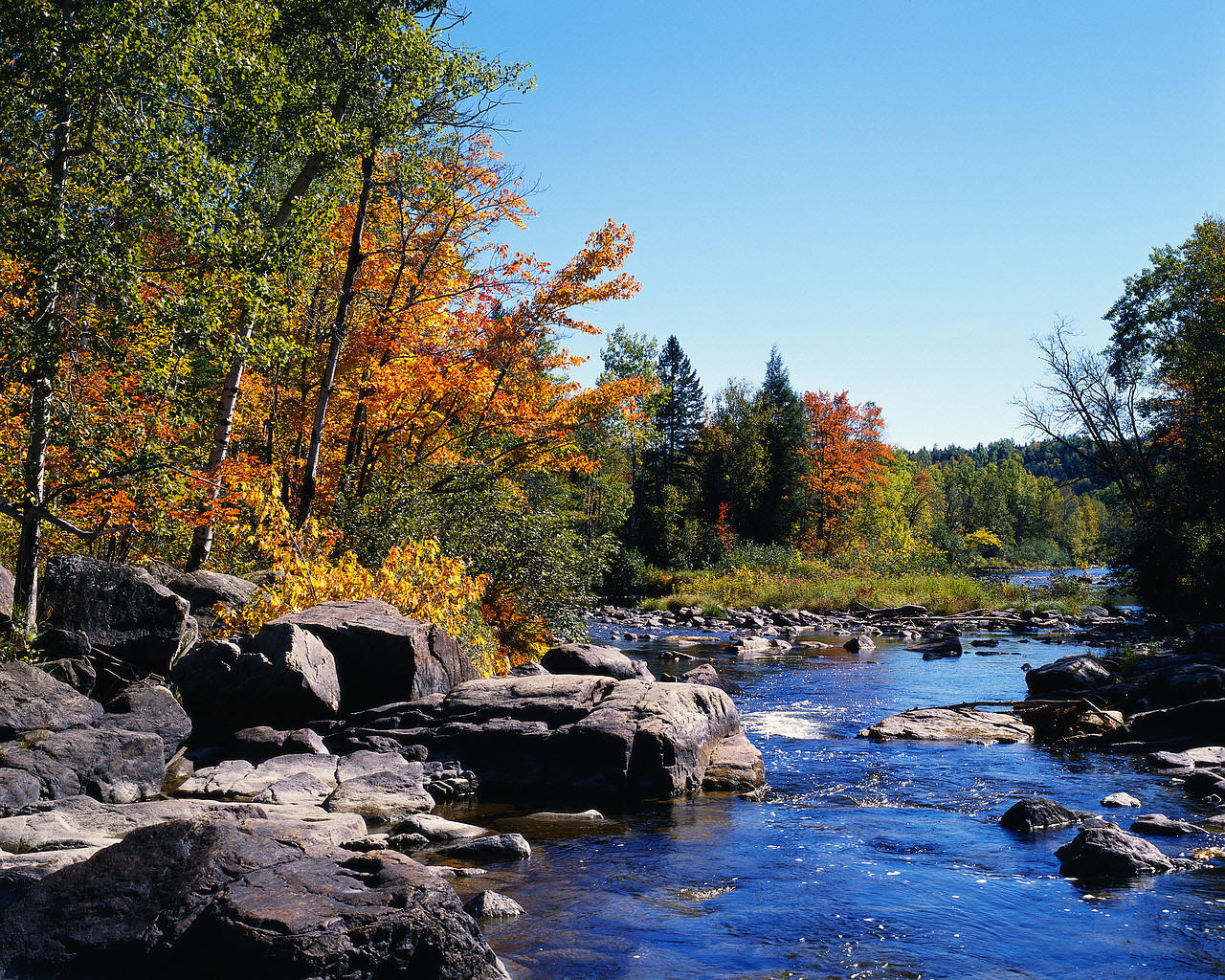
    The man-made world is very much a world that is constructed of indoor environments. We are in our car, we are in our house, we are in the mall, we are at the movies. Indoors is our main environment. This is normal, but we must not forget the benefits of outdoor environments and fresh air. We are often so busy doing things that we don’t make time to go outdoors just for the pure pleasure of it. Maybe you have a river by your house, or a forest that you’ve always wondered about. Knowing that being around nature and just being out in the fresh air is actually good for you may provide extra incentive to get out there and explore.

    When we are in outdoor environments we are immersed in oxygen-rich air – much more oxygen-rich than the air in even the most ventilated of buildings. This oxygen will help your red blood cells’ ability to regenerate and will immediately help you to feel better. Newer buildings have higher standards for the quality of air, but older buildings may be very poorly ventilated, causing stuffy air to dominate. If you go to school in an old building that has air that will affect you day after day, fit in some time outside to help you to get the oxygen-rich air that your body craves.

    Not only is there more oxygen available in the fresh air, but the fresh air and being out from under a ceiling will give you a feeling of freedom and space that you don’t get from being in indoor environments. There is something mentally reassuring about being out in the fresh air that will help you to feel better. Being outside is also a great stress reliever because it gives you some time to simply relax and enjoy nature. Who knows what new ideas will come to you when you have time to let go and clear you mind. You might want to consider bringing a notepad with you to jot down anything that comes to you, or bring a friend who you can have some good quality conversation with. You also may want to leave your cellphone or any other connection to the “indoor world” behind. This will allow you to fully enjoy being in a new environment.

    So take 10 minutes to get out of your house or take the day to go hiking, bicycling or walking along a path. Removing yourself from being directly beside a roadway will mean that you are breathing fresher, less polluted air. If possible, surround yourself with trees because trees are reservoirs of carbon dioxide, improving the quality of the air.

    Wherever you are outside, enjoy the fresh air and breathe deeply!
  • Fall In Love With Nature

    Fall In Love With Nature

    A recent Ipsos Reid poll conducted for the Nature Conservancy of Canada (NCC) shows that more than 97 percent of Canadians believe that getting outdoors is important to their family’s well-being. The new findings complement an earlier poll that found Canadians are happier when they are connected to nature.

    We already know about the valuable health benefits (both mental and physical) of getting outside and talking a walk. But the recent research gives us more information on how Canadians feel about the importance of nature to their happiness and to their families.

    The study found:
    • 97% of Canadians agree that nature is important to their family’s well-being;
    • 90% felt that being outdoors in nature is an important element in their family’s recreational activities;
    • 87 % felt that given the choice, they would prefer to spend family time outdoors in nature, rather than indoors.

    What better way to spend a long weekend than to go and explore what nature has to offer? Nature is alive this time of year with many fun things to do in your backyard or local park. Winter bird identification, exploring the types of trees that may look vastly different in the summer, following tracks of animals in the snow or taking a meandering walk are perfect examples of winter activities that are fun for all ages and can offer an exhilarating day in the beauty of nature.

    Get happy, get outside.

    “Our mandate of protecting the land that brings so much joy to Canadians becomes even more important was we learn just how much Canadians depend on it for their own happiness and well-being,” said John Lounds, President and CEO of the Nature Conservancy of Canada. “We want to encourage Canadians to go outside and explore what nature has to offer in the winter.”

    The Nature Conservancy of Canada has accessible properties from coast-to-coast where Canadian families can visit for free. Check out www.natureconservancy.ca/timefornature for a starter list of places to see.

    The Nature Conservancy of Canada (NCC) is the nation’s leading land conservation organization, working to protect our most important natural areas and the species they sustain. Since 1962 NCC and its partners have helped to protect more than 2.6 million acres (more than 1 million hectares), coast to coast.

  • Science Isn’t Just For Scientists

    Science Isn’t Just For Scientists

    A 14-year-old boy in Donetsk, Ukraine, recently made a fascinating discovery halfway around the world and 894 metres under the sea. Kirill Dudko was watching Neptune Canada’s live-stream footage of the ocean floor near Vancouver Island on his computer when he saw a creature with a “nose and moustache” eat a hagfish. It seemed unusual, so he contacted Neptune scientists, who checked the footage and identified an elephant seal.

    It was unusual. Predators normally spit out the eel-like hagfish or avoid them altogether because they excrete foul slime when threatened. Scientists had never before seen an elephant seal eat one, and may not have noticed this evidence had it not been for Kirill. They believe the seal quickly slurped up the hagfish before it could release its slime.

    Like many “citizen scientists”, Kirill played an important role in advancing our understanding of the world. It takes a lot of study and training to become a scientist, but with some knowledge of scientific method, anyone can practise science.

    Citizen science is not a new concept. The Audubon Society started its Christmas bird count in 1900. As the Society explains, from December 14 to January 5, tens of thousands of volunteers throughout the Americas grab their binoculars, bird guides and checklists and head outside. “Each of the citizen scientists who annually braves snow, wind, or rain to take part in the Christmas Bird Count makes an enormous contribution to conservation. Audubon and other organizations use data collected in this longest-running wildlife census to assess the health of bird populations — and to help guide conservation action.”

    Thanks to the Internet, citizen science is a more powerful tool than ever before. Some projects are passive, such as Seti@home, where people set their home computers to search for signs of extraterrestrial life when they aren’t using them. Others take a bit more effort. The Louisiana Bucket Brigade provides tool kits and training for people who live near oil refineries and chemical plants to take air samples for lab analysis.

    Some, like the American Gut project, are highly interactive, requiring participants to provide detailed information about their diet and send in stool, oral or skin samples. In return for that and varying levels of monetary donations, researchers give participants information about their bodies and the microbial life inside them. The research is designed to “help shape a new way of understanding how diet and lifestyle may contribute to human health through each person’s suite of trillions of tiny microbes.”

    Some initiatives require only simple observation. In a recent column, we mentioned RinkWatch, which asks people to send information about outdoor skating rinks to researchers at Ontario’s Wilfrid Laurier University to help track the impacts of climate change. The David Suzuki Foundation has also invited assistance from citizen scientists, most recently asking Canadians to participate in a survey about toxic ingredients in common personal care products like soaps, shampoos and cosmetics.

    On its website, Scientific American describes a range of citizen science projects designed to do everything from tracking animals in Africa’s Serengeti to analyzing historical patterns in human DNA to studying the ways people play with their dogs.

    Beyond providing valuable research, citizen science is a fun way for people to engage with nature and learn about the world and their place in it. Participating in the bird count, for example, is a good way for individuals and families to enjoy time outside in winter. Citizens can also enjoy the results of the research. Do you want to know what an indigo-banded kingfisher or a forest elephant sounds like? Cornell University’s Macaulay Library is “the world’s largest and oldest scientific archive of biodiversity audio and video.” Thanks to contributors worldwide, site visitors can hear sounds made by three quarters of the Earth’s birds, as well as a large number of insects, mammals, fish and amphibians. And anyone can add to the collection.

    Some citizen scientists get involved for fun. Others have a general interest in science or a particular research area. Kirill Dudko plans to become a marine biologist. Regardless of their reasons or level of involvement, all citizen scientists help us gain a better understanding of the world and our place in it.

  • The Collapse of the Great Barrier Reef

    The Collapse of the Great Barrier Reef

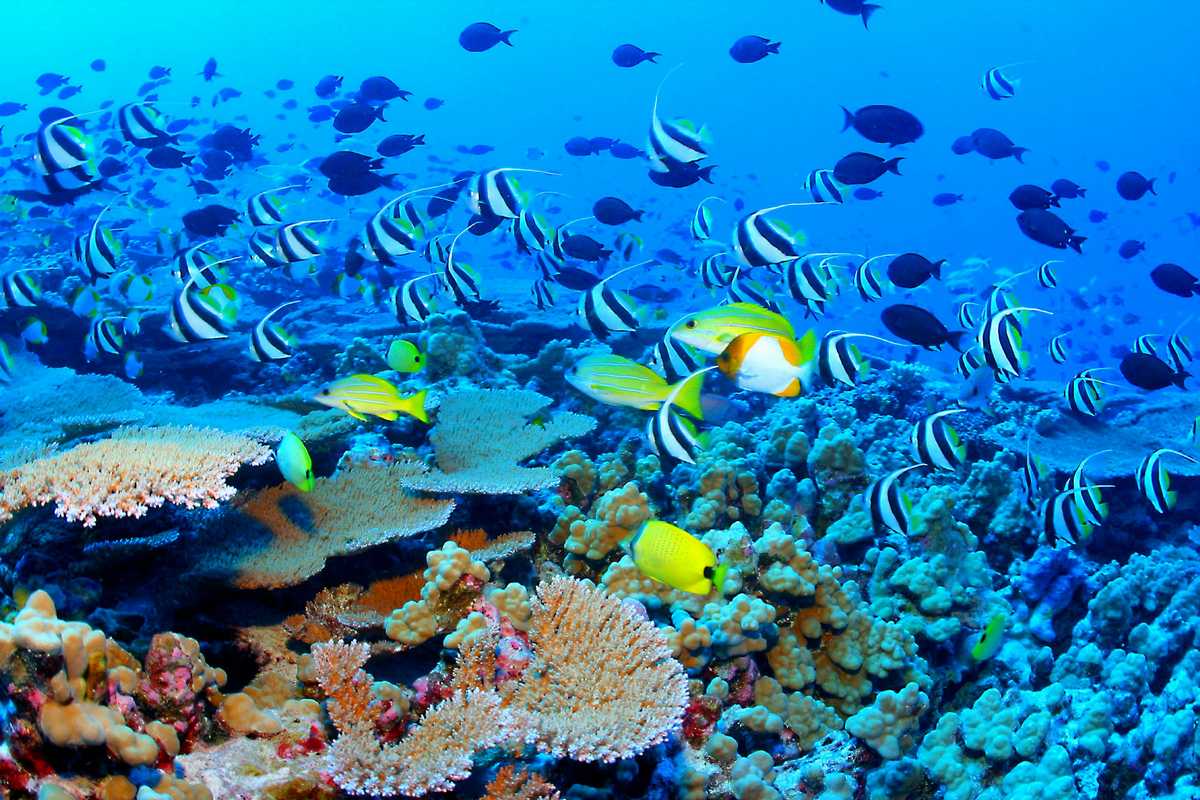
    Imagine what it would be like to look down into the ocean and see brilliantly-coloured fish darting in and out of the world’s largest area of coral. Do you know where that is? If you thought of the Great Barrier Reef off the coast of Australia, you were right. For many years, the Great Barrier Reef has been known as the biggest and best coral reef in the world, but that might not be the case for much longer. The Great Barrier Reef is collapsing, and unless something changes it might soon be gone.

    The Great Barrier Reef is a huge coral reef covering 348,000 square kilometres off the coast of Australia. Some parts are 2000 metres deep, while others are fairly shallow. Like other coral reefs, the Great Barrier Reef is actually made up of a lot of different types of plants and animals. Corals look like small trees with branches sticking out in all directions, but they’re not. The brightly-coloured tree-like shapes are the skeletons of animals, but instead of being on the inside of the body, like for people, they’re on the outside. Altogether, the Great Barrier Reef has four hundred types of coral and 1500 types of fish, as well as many other animals.

    All of that amazing life is in danger. Scientists believe that about half of the corals on the Great Barrier have died in recent years, probably because of human activity. Coral reefs have always lived on cycles. Storms or diseases would kill some of the plants and animals, but then they would recover. Recently, the recovery process has been very slow or has even stopped entirely in some areas. The long-term loss of the corals has happened mainly since people started clearing trees off the land in the late 1800’s to make room for farming and raising animals.

    Because of these activities, mud, fertilizers and other toxic substances started to wash into the lagoons and then out to the reefs. Slowly the plants and animals on the reefs started to die. Pollution from boats and other sources might also have been part of the problem.

    Why does it matter if the Great Barrier Reef disappears? The loss could mean the disappearance of some species of animals, such as the marine turtle. Six of the world’s seven species of marine turtles live in the Great Barrier Reef. The loss of the turtles might then affect another type of animal, which would then change another type, and the problem could eventually affect the food that people eat. Scientists are unsure of exactly how coral reefs affect life on land and in water, but they know that the reefs are important.

    Almost every area of the world is facing pollution problems because of human activity. Oceans, rivers, and land are dying because of chemicals and garbage that people throw away. However, you can help. Keeping your own home and school clean and trying not to pollute the environment might prevent disasters like the collapse of the Great Barrier Reef.

    If the plight of the environment and the Great Barrier Reef interests you, why not consider a career as an Environmental Scientist? An Environmental Scientist applies their knowledge of the natural world to help preserve and protect nature.

  • Whales of the Bay of Fundy

    Whales of the Bay of Fundy

    The Bay of Fundy is located between New Brunswick and Nova Scotia and is home to the world’s highest tides. The tides range in height from 11 feet to 53 feet depending on location. They change between high and low tide twice a day, carrying with them a hundred billion tons of water.

    The story of the Bay of Fundy, as told in Micmac lore says, “It was a giant whale, who angered the god Glooscap, and created such a splash with his mighty tail that the water sploshes back and forth to this day.” Although this story is entertaining, scientifically speaking the Bay’s tremendous tides are formed by its unique shape, which was created hundreds of millions of years ago.

    In the summer months the Bay of Fundy is the feeding ground for half of the world’s population of endangered North American right whales and 12 other species of whales. They feast on the enormous amounts of krill, plankton, squid and schools of young herring, cod, pollock and mackerel. It is also the preferred location for whales to give birth, mainly because of the vast amounts of food available and due to the protection the bay provides. At any given time the population of whales in the area ranges between three and four hundred.

    The first species to arrive in late spring are the finback and minke whales and harbour porpoises. The endangered right whale usually arrives in mid-July and stays until Fall.

    The most common whales in the Bay of Fundy are:
    The Minke Whale: Can grow up to 30 feet and weigh up to 10 tons. These whales travel in pods of 2 or 3, and can dive for up to 25 minutes without surfacing for air.

    The Humpback Whale: Can grow up to 60 feet and weigh up to 30 to 50 tons. The females of the species are usually larger than the males. These whales enjoy spy hopping, breaching and tail lobbing and usually put on a good show for those who go whale watching.

    The Finback Whale: The second largest whale in the world (next to the blue whale) and generally only frequent the bay during their migration periods, when they are seen following their food sources. The finback can grow up to 82 feet in length, and they usually travel in pods of 2 to 7 whales. They can even live for up to 100 years.

    The North American Right Whale: The most endangered species of whale in the world. There are fewer than 35 left worldwide. These whales migrate to the Bay in the summer months to mate. They can grow up to 50 feet and weigh up to 45 tons.

    The best time to view the many different species of whales found in the Bay of Fundy is August.

  • The Importance of Wetlands

    The Importance of Wetlands

    What Are They?
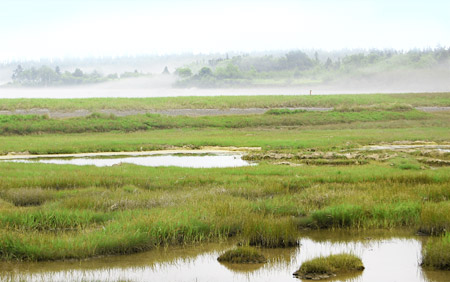
    A wetland is a habitat where land meets water such as ponds, marshes, swamps, bogs and fens. To classify as a wetland, the area must be completely covered or partially covered with water for a significant amount of time over the course of a year. This could be from flooding due to rain or melting snow, or because it exists as an established waterway. Wetlands are home to aquatic and land creatures, a combination that creates an incredible habitat able to function at great efficiency. This produces a rich environment for its inhabitants – wetlands sustain more life than any other ecosystem!

    Swamps: streaming water, often confused with marshes, set apart by the presence of trees and shrubs.
    Ponds: shallow waters, surface free of vegetation.
    Marshes: continually flooded with lots of surface vegetation.
    Bogs/fens: high water levels, large accumulation of peat, looks like solid ground but easy to fall through.

    Why Should I Care?
    Wetlands are home to more than 200 species of wildlife. Canada has a diverse population of amazing creatures, many that are endangered or at risk. Scientists have estimated that a third of these rely upon the wetland ecosystem. Migrating birds return to the same spot each year, and if that wetland is now a Superstore they have lost nesting grounds and their food source.

    Wetlands act like sponges, preventing floods from rainfall and melting snow. They also filter the water from pollution and chemicals, cleansing it before it recycles to the larger water basins. Amazingly, wetlands also remove and store greenhouse gases from the environment, making them important to the future of climate change as well.

    Cause to Worry
    Canada is home to many varieties of wetlands. It is estimated that 14% of the country is covered by a wetland, though the number shrinks every year. Wetlands are in danger of disappearing across the globe due to agriculture and residential development. According to the Alberta Wilderness Association, 70% of wetlands have been destroyed in that province alone. It is only in more recent years people come to understand the great importance of wetlands and their impact on our country. Without these powerful ecosystems, fowls, amphibians, mammals, reptiles and plants will eventually become extinct.

    What Can I Do?
    There are numerous organizations that recognize the value of wetlands and work hard to see them untouched and preserved. There are many things still yet to be done and much awareness that still needs to be raised. One factor in the decline of wetlands is the rapid consumption of water. We all need to conserve our water intake. Limiting the chemicals and pesticides we use will also have a positive effect on this ecosystem. Perhaps the most important thing one can do to help protect the wetlands is to educate themselves and others on the subject and become willing advocates. Finally, we can all take the time to enjoy the remaining wetlands and allow ourselves to be reminded why they are important.

  • The Plight of the Honey Bee

    The Plight of the Honey Bee

    They are a marvel of architectural design and one of nature’s most heroic creatures. The honey bee is an incredible insect with a work ethic beyond anything humans could ever endeavor to mimic. The honey bee works day and night without tiring, each assigned to a specific task.

    There are three groups bees can be categorized into: workers, queens and drones. The worker bees are the only bees people ever see. They gather food from the outside world, build and clean the hive and work to protect it. The drone’s only job is to fertilize the queen and in the fall, when the hive is at its bursting point, they are ejected from their home, sent to live in the wild elements where they eventually die. Honey bees are social creatures that co-operate well within the confines of their narrow existence. They have a job to do and they do it well.

    The worker bees must gather food for the queen and the drones. They do so by collecting pollen and nectar from flowering plants, thus beginning the production of new seeds. This process is called pollination and the honey bee is the biggest contributor. Without pollination, many crops of fruits, vegetables and nuts would die. It is estimated that one third of the world’s food source depends on honey bees to pollinate them.

    In 2006, there was a sudden collapse in honeybee colonies. This decline in bees was so drastic that scientists coined the event “Colony Collapse Disorder” or CCD. Throughout history bee colonies have experienced sudden and unexplainable collapses, but none so wide spread and epic as in recent years. Why is this happening? Many scientists have speculated that there is no one particular cause for the decline in the bee population, rather it is several factors put together. Some believe the pesticides farmers use on crops is to blame. Others feel it the radiation from cell phones causing poor navigation for the bees. Global warming has been cited as a possible reason as well. The real answer is that no one knows why the bees are disappearing, but everyone agrees on one sobering fact – if the problem continues to persist, the world has a very big problem.

    Humans have been exploiting the actions of the honey bee for centuries, capturing and manipulating their surroundings to acquire the much sought after honey and wax the bees so guilelessly create. It was not until the 1600’s that North America was introduced to this ambitious worker. European settlers brought their precious bee hives to ensure a certain quality of life laced with the natural sweetness of honey, and today it is unfathomable to imagine a life without the bees and their effects.

    Fabricated bee colonies are cropping up everywhere in a global effort to repopulate the bees. So far this has met with success, but perhaps this phenomenon should be a warning to all of us. Rather than try to only fix the problem, we might just want to ask what the bees are trying to tell us. If there is a lesson to be learned from their disappearance it would be wise to understand it.

  • Are plastic bags really necessary?

    Are plastic bags really necessary?

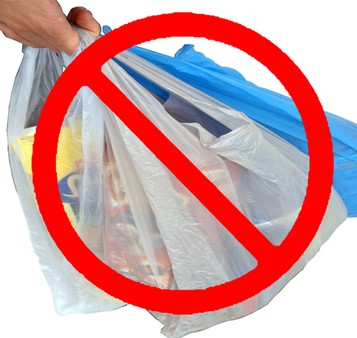
    A national newspaper columnist wrote that “banning plastic bags will do exactly nothing to save the planet.” She went on to argue that they’re even environmentally friendly. Outright bans may not be the best solution, but plastic bags pose a big problem that must be addressed. The columnist appeared to be more interested in contrarianism for its own sake than in acknowledging the environmental harm these products cause.

    Plastic bags are bad and for the most part unnecessary. Many of us older folks remember a time, only a few decades ago, when we didn’t have them. Sure, they’re convenient, but is that an excuse to damage the environment and the life it supports?
    Subscribe to Science Matters

    A University of British Columbia study found that 93 per cent of beached northern fulmars (migratory seabirds related to the albatross) had bellies full of plastic — a substantial increase from the last time they were tested, in 1980. Head researcher Stephanie Avery-Gomm told the Globe and Mail that one bird had 454 pieces of plastic in its stomach. Eating plastic can severely harm or kill birds, as well as the 260 other marine species, including turtles and fish, that we know eat or get entangled in the stuff.

    It’s not just bags, of course. We humans have become dependent on plastic for a range of uses, from packaging to products. Reducing our use of plastic bags is an easy place to start getting our addiction under control.

    Canadians use between nine- and 15-billion plastic bags a year, enough to circle the Earth more than 55 times, according to the Greener Footprints website. (U.S. citizens use about 100 billion a year!) Few plastic bags are recycled. Most are used for a short time to carry groceries, and then maybe re-used as garbage bags or to wrap dog poop before ending up in the landfill or the ocean. Some people argue that, because they make up about one per cent of the volume of waste in landfills, we shouldn’t worry. But one per cent of the massive amounts of what’s in landfills is a lot, especially since plastic doesn’t biodegrade.

    Because they’re lightweight, plastic bags are easily carried by wind and water. Besides accumulating in the ocean, they litter our streets and natural areas, often clogging drainage systems and contributing to flooding. They take at least 1,000 years to break down, and even then, they don’t biodegrade; rather, they fragment into smaller and smaller pieces, making them more likely to be eaten by marine and land animals.

    Plastic is also a petroleum product, so continued and increasing use of it accelerates the depletion of valuable fossil fuels. According to Greener Footprint, 8.7 plastic shopping bags contain enough embodied petroleum energy to drive a car one kilometre.

    Finding something to carry your groceries in is easy; inexpensive re-usable bags come in a variety of materials and sizes. Many are small and light and can be carried in a purse or daypack. I carry one in my back pocket and have refused dozens of plastic bags as a result. Some people worry about bacteria and other contaminants that may accumulate in the bags, but you just need to wash them regularly.

    One of the bigger issues is what to put garbage in. Before the 1980s, no one used plastic bags for groceries or garbage, nor did we have composting or recycling programs, so we know that plastic garbage bags aren’t entirely necessary. The first step is to reduce the amount of garbage we produce. In fact, there’s really no such thing as garbage. It’s all resources, so we should more accurately refer to it as “waste”.

    Buying products with less packaging and reducing overall consumption of unnecessary goods is a start. Re-using, recycling, and composting also help you cut down what you send to the landfill. For the unavoidable waste, and the dog poop, use bio-compostable bags.

    Outright bans on plastic bags may not be the best solution, but education and incentives to get people to stop using them are necessary. If we have any hope of finding ways for seven billion people to live well on planet with finite resources, we have to learn to use our resources efficiently. Plastic bags are neither efficient nor environmentally friendly.

  • Old-growth forests 101

    Old-growth forests 101

    Why are old-growth forests important?

    When thinking about healthy forests, it’s not often that we think about dead, dying or diseased trees but any forest manager will tell you that they’re an essential part of a healthy forest ecosystem, and a key characteristic of old-growth.

    Dr. Bill Freedman, a professor of biology at Dalhousie University in Halifax, Nova Scotia, and Chair of the Nature Conservancy of Canada’s (NCC’s) National Board of Directors, explains that “old-growth forest contains some large and old trees, but all age classes are present.” Old-growth forests exist because they have not been subjected to a significant disturbance such as wildfire or clear-cutting for a century or more. Overall, it’s not easy to pin down an age at which a forest becomes “old,” because depending on the climate, geography and soil, a forest’s composition and lifespan will vary drastically.

    So what makes old-growth forests unique, and why are they important? The first answer is that old-growth forests contain trees in all phases of their life cycle, from saplings, to mature trees, to dead standing trees and finally, as rotting trees on the forest floor. This provides a home for many species of plants, fungi, invertebrates, salamanders and snakes, and makes old-growth forests hotspots for biodiversity and a refuge for high concentrations of species at risk.

    “Protecting old-growth forests means respecting the elders, letting them die a natural death and crash down, even if they’re diseased,” notes Mark Stabb, NCC’s Central Ontario Program Manager. Dead trees significantly change the structure and composition of the forest, but there are always saplings waiting in the shadows to take their place. “This helps us understand how they will respond to disease and natural disturbances such as fire, tornadoes or earthquakes,” says Stabb.

    “There aren’t many old-growth forests left compared to a couple hundred years ago,” he adds. But the 200-year-old Happy Valley Forest (HVF) Natural Area in Ontario is a good example of a forest that is growing old. Located just 35 kilometres from Toronto, this 2,851-acre (1,154-hectare) forest is an outstanding example of mature Sugar Maple and beech forests characteristic of the Oak Ridges Moraine. The HVF is critical habitat for over 110 breeding bird species, including the nationally significant Acadian Flycatcher and Cerulean Warbler and amphibians like the Jefferson Salamander.

    Dr. Henry Barnett, whose land NCC helped protect in the HVF and who has been instrumental in convincing neighbours to put their land under conservation protection, remarks, “with more than 210 acres (85 hectares) protected so far, hopefully the Happy Valley Forest will have a chance to become truly old-growth in the years ahead.”


    Provided by Nature Conservancy Canada

    www.natureconservancy.ca