Author: Meghan Brown

  • Why Taking a Year Off to Work Can Be a Good Plan

    Why Taking a Year Off to Work Can Be a Good Plan

    At the beginning of your last year at high school, chances are you’re being asked a lot of questions: Where do you want to go to college or university? What do you plan to study? How will you pay for school?

    If you don’t know the answers, that’s okay.  It might just mean you’re suited for taking a year off between high school and college or university in order to work.  Spending a year working offers several benefits that will help you in your future path, whatever it turns out to be.

    Earn Money for School

    While many students work during their high school years, not every student will.  Even for those who do work, these jobs are often only part-time and minimum wage positions.  While this can be enough to have some spending money and savings, it may not be enough when it comes to paying for school.

    A university or college education is expensive, and the costs are rising each year.  The reality is that a college degree can cost anywhere from $5,000 to $10,000 per year (including things like rent and food) while a university degree can cost as much as $20,000 per year when you include rent and food on top of tuition costs.  Living at home can save you the cost of rent, but the fact remains that you will need a fair bit of savings to get through your degree–quite likely more than you will be able to save up from a part-time weekend job.

    Taking a year off after high school in order to work full time gives you time to save up enough money to make a significant contribution toward your education.  When you are able to commit to a full-time job for more than a few months, you also have more options with better pay to choose from.  While many of these jobs will still be entry level or apprenticeship positions, there are lots of these that pay more than minimum wage. If you live at home during your gap year, then you will be able to put nearly all your pay into education savings, and make the most of your time.

    Knowing The Path You Want To Take

    Another way taking a gap year to work before post-secondary can save you money is by helping you decide what you want to study and what eventual career path you want to pursue. Given the costs of a year of college or university, you don’t want to start a program “just because” and end up not liking it or wanting to change degrees.  Not every course you take in first or second year will be applicable to another program, so changing your degree part way through can result in an additional year or two of study–along with the cost of a year or two more tuition and everything else.

    Gain Experience to Help Win Scholarships

    Scholarships are a way to significantly reduce the costs of your schooling, but winning scholarships can be very competitive.  By taking a year off to work, you will have the chance to gain useful work or volunteer experience that you can use to spice up your scholarship applications, increasing your chances of being awarded more scholarships and ones of higher value.

    Sources:

    https://www.goabroad.com/articles/gap-year/gap-year-after-high-school-pros-cons

    http://www.college-scholarships.com/articles-for-students/9-reasons-to-work-before-college/

    https://www.theglobeandmail.com/news/national/education/is-it-worth-taking-a-gap-year-after-high-school/article32767250/

    https://www.macleans.ca/education/the-cost-of-a-canadian-university-education-in-six-charts/

  • The Upsides and Downsides of Extracurricular Activities

    The Upsides and Downsides of Extracurricular Activities

    Even though achieving academic excellence in school is important, students also yearn for ways to acquire abilities and nurture their talents beyond what books can offer them. They also are interested in developing skills and establishing strengths outside the classroom. The best way to do this is by getting involved in extracurricular activities that are focused on sports, arts, music, theatre, and others.

    However, while there are advantages to participating in extracurricular activities, there are drawbacks as well.

    Pros

    It looks impressive on college applications.

    Sure, it might be too early to think about college or university now, but you would like to get off to a good start as early as possible. Having a stellar academic record is naturally always an advantage, but admissions to higher learning institutions have become more competitive than ever. Also, keep in mind that if you are aiming to win a scholarship, it’s not always about the grades anymore. It pays to stand out from the crowd, and the best way to do that is through extracurricular activities.

    It fosters responsibility and a sense of commitment.

    Students having a wide open schedule often leads to leniency or procrastination. On the other hand, students who have a full plate of academic- and non-academic-related activities inspire them to be more responsible with their time. They will be motivated to make every activity count because they don’t have a lot of time to spare. In addition, they learn to develop a sense of commitment to meet their obligations with their respective groups, whether it’s a study group or a field hockey team.

    It teaches a great deal about organization and time management.

    Ask anyone older and they attest that organizational and time management skills are a must in any work environment, something for you to think about for the future. Balancing academics with extra activities train you to be organized and manage your time efficiently. At the same time, you become more punctual because you know you keep to a schedule and once you miss out on something, the other items on the schedule will fall like dominos.

    Cons

    It can lead to exhaustion.

    Juggling too many balls is not always ideal—there’s a tendency to drop them all and you’re left with nothing. This means that if students become too engrossed with band practice or soccer runs, they end up not having enough time or being too exhausted to study for their academic subjects and eventually face the threat of low grades.

    It can lead to mental stress.

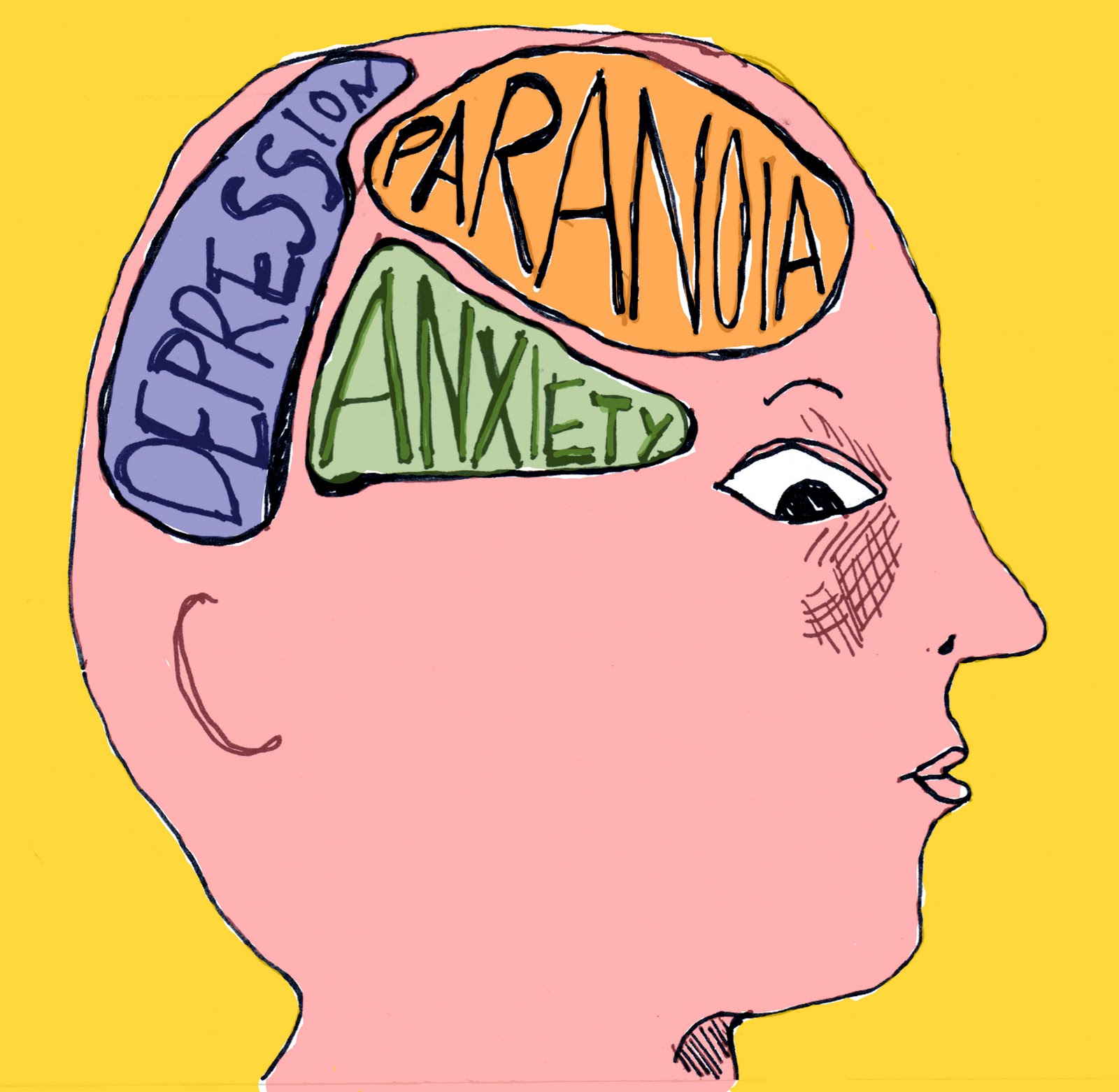
    Physical stress at a young age is one thing, but mental stress is a whole different ballgame. The pressure to keep up to a schedule can mean anxiety to some students that they tend to lose their drive to do better in both academics and their after-school activities. Some may even turn into a worrywart because they keep thinking they will be a disappointment if they don’t meet their commitments, something that will greatly upset them.

    It can lead to decreased social life.

    When students have far too many activities, it’s likely they will sacrifice spending time with their family and friends, eventually defeating the purpose of the school and life balance. Losing movie nights, dinner night-outs, and video game time to cheerleading practice may not seem like a big deal, but these activities with family and friends are helpful to relieve stress. As such, when they lose these privileges, there’s a likelihood the students will feel more anxious and strain.

    Being active in after-school activities is valuable in growing up, but overdoing it can lead to more detriments if not handled properly- balance is the key!

    SOURCES:

    https://globalnews.ca/news/3706356/kids-activities-anxiety-back-to-school-2017/

    http://www.babysittingjobs.com/blog/advantages-and-disadvantages-of-keeping-your-teens-super-busy/

    https://greengarageblog.org/6-pros-and-cons-of-extracurricular-activities

    https://classroom.synonym.com/advantages-disadvantages-extracurricular-activities-4932.html

  • A Closer Look at a Career as a Medical Office Assistant

    Canada’s health care industry is an ever-growing one, with continuous investment support from both the public and private sectors. It will only continue to flourish, especially with the increasing aging population, which translates to an increased demand of health care services for seniors and retirees. In British Columbia alone, there is a total of 210,000 health care professionals, and the figure is expected to pick up even more.

    While Physician – General/Family Practice & Specialists, Registered Nurse, Licensed Practical Nurse, Nurse Practitioner, Occupation Therapist, Medical Laboratory Technologist, and Physiotherapist

    Respiratory Therapist are the top of the list for most in demand health care practitioners, all health care facilities—whether hospitals, clinics, rehabilitation centres, treatment centres, etc.—will need a medical office assistant to ensure health care services run smoothly.

    If this is the career path you have in mind, continue to read below as we delve deeper into this profession.

    Medical Office Assistant – What You Need to Know

    While a formal medical education is not required to be a medical office assistant, health care professionals owe a lot to these medical office assistants. Basically, they are the heart of the organization, making sure all patients are booked for appointments accordingly, attended to by the corresponding physician/doctor, and are invoiced properly. They are also mainly responsible for ensuring patient records and documents are organized and secured as they should be.

    Without them, medical care facilities will be in pure chaos—patients with no scheduled appointments come in for checkups any time they please and leave without proper billing or documentation. Without someone ensuring the appointment system is in place, patients might be neglected or outright ignored. In some cases, medical office assistants are also tasked to help prep patients for examinations or tests.

    Salary

    According to PayScale.com, medical office assistants can earn C$26,745 – C$45,962 a year with additional potential earnings for bonus or overtime work.

    Skills

    Since a medical office assistant’s main tasks involve administrative duties, they should have administrative capacities and excellent organizational and time management skills. Not only do they need to set up appointments for patients, they also set up follow-up visits for patients who have major medical issues. Medical office assistants need to also have excellent customer service skills and rapport building skills because they would also need to speak with patients to confirm their appointments, usually by phone (although sending out email reminders is also common).

    To kick off a career as a medical office assistant, a high school diploma or equivalent is required. Enrolling in specialized programs offered in vocational schools and community colleges can also prove to be advantageous, especially for those who aim to work in a large-scale medical office.

    Pros and Cons

    Working as a medical office assistant does mean the same stress and pressure for administration assistants and, in some cases, even more as hospital or clinic settings can be extremely busy and you would have to deal with numerous patients daily.

    In addition, being a medical office assistant can be hazardous as well since you are exposed to patients and their respective illnesses. However, as long as you follow standard operating procedures in health care safety, you will be fine.

    The role does offer its rewards as you are an important component for patients to receive quality health care.

    SOURCES:

    https://www.payscale.com/research/CA/Job=Medical_Office_Assistant/Hourly_Rate

    https://pwp.vpl.ca/siic/industry-profiles/fastest-growing-industries-health-care/

    https://www.sci.ca/the-hub/healthcare-logistics/healthcare-trends-in-canada/

  • A Look into Co-op programs for the Trades in Ontario

    A Look into Co-op programs for the Trades in Ontario

    The skilled trades industry continues to thrive in Canada, but unfortunately, there are major gaps in the workforce. For the past few years, particularly in the province of British Columbia, the labour shortage hit such a critical level that it was a major headline in all news outlets and companies started to get more creative in recruiting people such as offering thousands of dollars in bonuses to anyone who could refer skilled workers. Others truly went the extra mile and brought on workers from Ireland to fill in the gaps. TimesColonist.com reports that as of 2016, a total of 5,885 immigrants from Ireland were living in B.C. as of 2016, and majority were employed in the skilled trade sectors.

    Ontario is also affected by this crisis, and the Globe and Mail reported that in February 2018, finding welders, tool and die makers, machinists and millwrights for industrial companies in the Toronto suburb of Scarborough, are now a top concern.  Business owners affected offer a number of reasons attributed to the scarcity. One common reason they deduced is that there is a large number of skilled workers who are retiring and the number is not being replaced because today’s youth are shying away from these types of jobs because they are misinformed and are unaware that skilled trades could be a viable career path.

    Fortunately, the Ontario government has recognized the issues plaguing the skilled trades industry and thus has implemented measures to ensure its steady growth. Skills Ontario, for instance, has launched several programs like in-school presentations that promote trades among students. Some of these programs also call for the participation of the students’ parents, who plays a pivotal role in educating their kids about multi-career paths offered by skilled trades.

    Another method adapted by the Ontario government to foster growth in the skilled trades industry is to provide free education for 1,200 people to join apprenticeship programs. The program is open to all, including newcomers, high school students, graduates, or dropouts, as well as those who are already attending college.

    Here’s a closer look at these Co-op programs for the trades in Ontario:

    Pre-Apprenticeship Training 

    This program’s duration is one year with an additional work placement for eight to 12 weeks. The program also completely covers the costs of textbooks, equipment and tools and includes safety training for skilled trades, improvement to academic skills, and basic level apprenticeship in-school training.

    Ontario Youth Apprenticeship Program

    The Ontario Youth Apprenticeship Program (OYAP) is an ideal program for students aiming to get their foot in the door to work in apprenticeship occupations via the cooperative education program. Through OYAP, students gain the chance to become registered apprentices and pursue becoming certified journeypersons in a skilled trade while completing their secondary school diplomas. There are three types of OYAP programs, and the most common of which is the Regular OYAP which is open to any student who are over 16 years old with at least 16 credits to their name and are registered full-time in school, working on secondary school credits, and be signed up for cooperative education in one of over 150 apprenticeship trades.

    Co-op Diploma Apprenticeship Program

    The Co-Op Diploma Apprenticeship Program is another initiative implemented by the Government of Ontario to increase access to the skilled trades. This program aims to provide individuals opportunities to train as apprentices in a specific trade while in pursuit of an associated college diploma. Those who want to apply to the program must be attending a college program that offers the Co-op Diploma Program to see if they qualify for an individual school and the trade of their interest.

    SOURCES:

    https://www.collegeoftrades.ca/links

    http://www.tcu.gov.on.ca/eng/eopg/programs/coda.html

    http://oyaptdsb.com/

    https://www.theglobeandmail.com/report-on-business/small-business/talent/canadian-factories-say-shortage-of-skilled-workers-is-hurting-growth/article37848454/

    https://www.narcity.com/news/ontario-is-begging-for-skilled-trade-workers-and-is-looking-to-give-free-education-to-get-1200-people-in-the-workforce

    Skilled trade shortage remains a concern

    https://www.timescolonist.com/construction-companies-get-creative-to-find-skilled-workers-1.23529071

    https://www.theglobeandmail.com/life/looking-for-a-job-why-you-should-consider-a-trade/article9117896/

  • Being Busy Isn’t Always a Good Thing: Why It Pays to Take a Breather

    These days, we take pride in keeping ourselves occupied with school, work, and social life and making sure we tick the checkboxes for all our daily tasks. Attend soccer practice? Check. Attend Calculus study group? Check. Go to the movies with best friend? Check. Drop by uncle and aunt for their 20th wedding anniversary? Check.

    For most of us, being involved in enough activities and attending enough events are fulfilling. We’ve grown so accustomed to be always doing something that if we do find ourselves with free time for one reason or another, we are at a loss. Sure, having something to do all the time is great, and it beats splaying out on the couch and watching “Stranger Things” for the ninth time.  However, keep in mind it’s fine to take a breather once in a while when things get overwhelming:

    Learn to prioritize.

    It’s 2019, and yes, that cliché rings true more than ever: you can be whoever you want to be. Do you want to be a world-class chef? Go to YouTube.com to learn how to whip out a Michelin-level meal. Do you want to learn how to code? Invest in some online classes, and you’ll understand the essentials in a short time. Because almost everything is now within reach thanks to technology, we often are afflicted with the “Fear of Missing Out” or FOMO syndrome. However, take note that if you try to be everything all at once, you won’t become anything at all. So hit pause and re-evaluate your life now. What areas do you think need priority more? Focus on those instead, and put the others in your mind on hold.

    It’s OK to say no.

    Often, we take on more things than we can handle because we are afraid to disappoint the people around us or we are too focused on trying to impress them. If you often go by these two reasonings, chances are, you’ll get overwhelmed and lose focus on who really needs attention: you. You are not a superhero, and it’s completely understandable if you can’t do everything that people ask of you. If your favourite aunt asks you to plan her upcoming wedding and you know fully well you already have a lot on your plate—be honest with her and politely refuse. If you always set out to please everyone, you’ll end up pleasing no one.

    Take time out from social media.

    We always tell ourselves that we are not the type of people to be lured by the temptations of social media, but we do fall into the trap more than we realize. Our addiction to social media can lead us to be busier than necessary, so we get to update are profiles regularly, and we get more likes and more clicks. In addition, the more we see other people on social networks being busy and active, the more we try to be like them, and in the process, we lose sight of the important things: working hard to build skills for our future career, spending quality time with family and friends, and others.

    Keep your health in check.

    When you become overwhelmed, you tend to take your health for granted, and this is a big NO. Don’t deprive yourself of sleep and the right food even when you are busy, otherwise, your health will pay the price. Ensure you always get at least 7 to 8 hours of sleep every night, or if not, find a way to take cat naps in between classes when you can. A power nap can help you regain the energy you’ve lost. In addition, avoid fast food and instead go for nutritious food that’s home-prepared or home-cooked no matter how tempting it is to order fast food via online food delivery services.

    Being overwhelmed is common these days when multitasking has become a life skill. However, don’t give in to the pressure and try out the recommendations above to keep your head above water.

    SOURCES:

    https://www.socialworkhelper.com/2018/12/01/4-calming-techniques-to-improve-your-mental-health/

    https://www.theguardian.com/education/2018/dec/07/revision-tips-how-to-avoid-a-meltdown-in-the-exam-hall

    https://www.lifehack.org/articles/productivity/7-quick-ways-calm-down-when-you-are-overwhelmed.html

  • Memorizing vs. Understanding: Knowing the Distinctions between the Two

    Memorizing vs. Understanding: Knowing the Distinctions between the Two

    For all students, it’s normal to feel overwhelmed when there is a ton of schoolwork to complete and tons of exams to prepare for. Sometimes, when getting ready for a quiz, it’s more common to come up with practice tests to be reviewed prior to the big day.

    Some examinations are designed in a way that students need to do a lot of memorization, especially those which are multiple choices or fill-in-the-blanks, while some, like essay exams or problem or case-based exams, are constructed where memorization is not necessary. Rather, it calls for more understanding of concepts. All of these exam types effective tools of learning, but let’s get in-depth into what advantages and drawbacks memorization vs. understanding offer.

    What They Truly Mean?

    First, let’s differentiate the two. Memorization is when you instill something in your memory, like the lines for a play, lyrics for a song, formula for a mathematical equation, or the verses of a poem. Memorizing something requires a lot of brain power as it’s not easy to remember something right off the top of your head. This is the reason why some students rely on techniques to help them memorize.

    One of the more common tools for memorization is using mnemonics. You can apply this whether you’re memorizing Canadian Prime Ministers or Shakespeare’s works. For example, grammar rules dictate that when using multiple adjectives, one would need to follow a certain order: 1. Opinion; 2. Size; 3) Age; 4) Shape; 5) Color; 6) Origin; 7) Material; and 8) Purpose, and a mnemonic device you can use to memorize these is the acronym OSASCOMP.

    On the other hand, understanding means having the sum of your knowledge about a topic or subject. It pertains more to using your comprehension abilities. For example, when reading a figurative language-laden poem, you aim for coming up with your interpretation rather than knowing that particular poem line by line.

    Is One Better than the Other?

    When it comes to memorization or understanding, it’s difficult to say whether one is better than the other since they are both effective ways to retain information and acquire knowledge of a particular subject or topic.

    But simply memorizing something like important dates or figures in history doesn’t offer any gains for the students unless they know the impact of these dates or figures are. Sure, you or your friends can win points in Trivia Nights if you are able to pinpoint the exact date or location of the Battle of Waterloo, but can you explain why this event had such a great impression in World History? What significance does it offer modern society?

    In addition, understanding something instead of memorizing it helps you to better apply that concept or theory. For example, you probably memorized the four Ps of marketing: Price, Product, Promotion, and Place, but if you have to market a new game app, for instance, would you know how to apply those four Ps? You can easily do it if you have a good grasp of the concept and not merely knowing what those four Ps stand for.

    How You Can Make Both Work for You

    As we’ve learned above, retaining information is, of course, useful in some aspects, as being able to comprehend something, but there are far more benefits that await you if you know how to make use of both because ultimately, they can go hand in hand. Furthermore, understanding information can lead to better memorization of that information.

    Recalling something from your textbooks or from the notes you’ve jotted down in class reinforces your understanding of the information, and most of the time, one cannot exist without the other. For instance, in philosophy class, you can’t provide a real-life example or analogy of deontological ethics if you don’t have an idea of this theory that’s been presented. Of course, merely knowing the model does not automatically mean you understand it, that’s why it’s always ideal to think about it in a practical sense or a real-life setting.

    To conclude, memorization and understanding are both necessary tools for learning, and you can’t dismiss one for the other.

    SOURCES:

    https://wsimag.com/culture/27083-understanding-the-best-way-to-memorize

    https://www.edutopia.org/measuring-what-counts-memorization-versus-understanding

    http://thepeakperformancecenter.com/educational-learning/learning/principles-of-learning/memorization-vs-understanding/

    What Are Mnemonics? (With Examples)

  • Mental Health: Canadian Educational Institutions Leading the Way

    Mental Health: Canadian Educational Institutions Leading the Way

    While more and more Canadians are seeking help for their mental problems, access to mental health services still has a long way to go. Based on a CMHA report, over 1.6 M Canadians claim that the government are not meeting their mental health needs. Fortunately, there is a growing number of educational institutions that are leading the charge for more accessible mental health services in the country.

    If you’re passionate in actively contributing to mental health services and you realize the true value in helping clients deal with their mental challenges, a career in mental health counselling, including psychology and psychiatry, is the ideal one for you. Check out this plethora of options around the nation to start you off.

    Centennial College

    Toronto, ON

    Centennial College offers the Addiction and Mental Health Worker program through the School of Community and Health Studies. Enrolling in this program will help you gain the knowledge and skills necessary to thrive in mental health and addiction services by utilizing evidence-based knowledge and skills to screen, assess, and respond to people with mental health and substance use issues from diverse cultural and community perspectives. The program lasts two years or four semesters. The second year will consist of field placement experience where students have a chance to spend several days each week working with clients under the close watch of experienced service providers within social service organizations.

    Durham College

    Pickering, ON

    The Addictions and Mental Health Graduate Program at Durham College helps students acquire the knowledge and skills required that targets two of Canada’s leading health care issues – mental health and addictive behaviours. Students acquire both a theoretical understanding and the clinical skills for them to help clients successfully cope with their challenges with mental health and/or addictive behaviours so they can start their journey to wellness. Students would need to have a degree in psychology or social work or related discipline or college diploma in health or social service work or Practical Nursing to enter into this program. It consists of three semesters, with the third one greatly focusing on placement in a professional setting.

    Dalhousie University

    Halifax, NS

    Dalhousie University offers a Graduate Certificate in Mental Health and Addictions for those working within the field of health and social services, or in other professional capacities, who interact with individuals facing mental health and/or addictions challenges. This is a good program for those with busy work or study schedules as all four courses required are offered fully online. Students will learn to know about the current mental health and addictions systems and their inner workings.

    Brandon University

    Brandon, MB

    Brandon University’s The Faculty of Health Studies offers a post-diploma baccalaureate program for Registered Psychiatric Nurses leading to a Bachelor of Science in Mental Health (B.Sc.M.H.), which acknowledges previous education and work experience. This is a good program for students who aim to focus in mental health/developmental habilitation and consists of education in professional areas with studies in Arts and Science with a requirement of 67 credit hours. Upon completion of the program, students can be able to facilitate learning and foster activities which are in line with developmental/mental health potential goals, as well as prevention of psychiatric and psychosocial disorders.

    McGill University

    Montreal, QC

    Montreal’s bilingual university McGill University offers a Mental Health Nurse Practitioner Program that targets setting a unique opportunity to develop advanced practice mental health nursing abilities. Students learn mandates in various roles including communicator, collaborator, manager, scholar/professional advocate, and leader. This program is only offered in the province of Quebec, and graduates of the program can choose to practice in primary, secondary and tertiary care settings throughout the province.  The length of the course varies whether students have a Bachelor’s degree in Nursing or a Master’s degree.

    University of Alberta

    Edmonton, AB

    Alberta’s premier university offers a Certificate in Community Mental Health: Theory and Practice which is administered by the Augustana Faculty and is available to students with a major in psychology in the Augustana Faculty BA or BSc program. Through this program, students are able to gain in-depth understanding and skills to work within the fields of mental health or other health-related community programs. The program encompasses psychological and neuropsychological disorders, as well as basic components of health psychology. A total of 24 credits is required to complete this program.

    SOURCES:

    https://www.mcgill.ca/nursing/prospective/master-programs/npnnpc/mental-health

    https://www.dal.ca/faculty/health/programs/graduate-certificate-in-mental-health-and-addictions/about.html

    https://www.centennialcollege.ca/programs-courses/full-time/addiction-mental-health-worker/

    Addictions and Mental Health (graduate certificate)

  • How You Can Develop a Healthy Career as a Dietician

    How You Can Develop a Healthy Career as a Dietician

    Having health and fitness goals is very popular amongst people, especially when the new year rolls around. But since not everyone is an expert in diet and fitness, people generally need to consult with a dietician or nutritionist. If this is the career you would like to pursue, then this is where you come in! A dietician’s job is to consult with their patients and understand their health and diet needs, formulate meal and diet plans to abide by their clients’ needs, continuously evaluate and document a patient’s progress and re-develop their diet, as well as keeping up-to-date on new developments in the nutritional field and educate people on these new findings.

    If you are passionate about maintaining a healthy lifestyle and you find yourself encouraging others to meet their goals, then this may be the job for you. Part of the job description is to have a strong understanding of the chemical composition of food and how it impacts the body, so if you have a passion for biology, then that is another reason to consider this career. Here is how you can work your way into a healthy career as a dietician:

    What are the perks of the job?

    The joy of helping people reach their fitness goals is one of the biggest perks associated with this career. According to Payscale, It also has a sustainable salary with an average income of $59,863 (which stands above the national average of $51,000, according to Workopolis). Being a dietician can also be a relatively low-stress job, especially if you go the entrepreneurial route and become a self-employed dietician with your own clinic where you can set your own hours.

    What are some of the setbacks?

    Getting ahead as a dietitian can be complicated as an entry-level career in the field requires a bachelor’s degree, but further advancement in the field may require a master’s degree. This level of education can be unaffordable for many students or can present a strong barrier if school is not their strong suit. However, the dedicated student can earn both a bachelor’s and master’s degree to succeed in their field. Another potential issue is that dietitians must have strong people skills and regularly interact with customers and clients. There can be times when clients are difficult to consult with which can be stressful for some dietitians.

    How can I grow with this career?

    An entry-level job within the field can enjoy a job as an associate or dietitian in a health clinic. As you gain more experience within the field and possibly gain more educational certificates and credit, you could eventually become a researcher within the field, public health representative or an advanced clinical dietitian. Otherwise, you could try your hand at running your own clinic and run your own set of registered staff. There are plenty of options for the dietitians willing to combine their nutrition skills with other skills.

    That’s all great, but could I be hired for other careers?

    Having a bachelor’s degree in science with a specialization in dietetics can make you adaptable for other directly related careers, like being a dietetic technician. There are other second- and third-tier careers that you would be qualified for, such as a cooking or baking career with your knowledge of food, educational roles such as being a professor within the field or a high school health teacher or having a career in an entry-level nursing job.

    Reference:

    MyPlan.com, “Dietetics/Dietitan (RD)”: https://www.myplan.com/majors/dietetics-dietitian-rd/related-careers-51.3101.html

    PayScale, “Registered Dietician Salary (Canada): https://www.payscale.com/research/CA/Job=Registered_Dietitian/Salary

    Truity, “Dietician or Nutritionist”: https://www.truity.com/career-profile/dietitian-or-nutritionist

    Study.com, “Dietician: Educational Requirements”: https://study.com/articles/Dietitian_Educational_Requirements.html

  • Career Profile: Massage Therapist

    Career Profile: Massage Therapist

    There aren’t too many workplace environments quite as relaxing as the massage parlour or spa, with small running waterfalls, candles lit around the room, and a smiling Buddha. When people think of an ideal work environment and a perfect picture of relaxation, they often think of a space closely resembling a massage clinic. Being a massage therapist puts you in this environment every day – but it is not a pleasure cruise all the way through. The journey it takes to become a massage therapist and the work you have to put into your day-to-day work. This line of work requires that you have an in-depth understanding of the musculoskeletal system (the system in the body made of the muscles and the skeleton) to help tease out muscular knots, consult with patients to diagnose issues with their body so that you can begin to treat that pain, keep up with the latest research within the massage therapy industry, help patients understand what their ailments are and guide them on how they should and should not be stretching, as well as documenting the patient’s progress.

    As a massage therapist, you can form relationships with clients through repeated appointments that can last a few minutes up to an hour. Most work part-time, though there are a handful of massage therapists that either work full-time or they begin their own practice in a clinic. As far as education goes, a student would need to complete a post-secondary school program that abides by the provincial guidelines established by the registered massage therapy organization. This program can range from 500 hours to 1,000 hours to complete depending on the program.

    What are the perks of the job?

    If you are passionate about helping people work out their bodily pains and issues, then the perks to a career in massage therapy can be obvious. As well, it can be a slow-stress occupation with a minimal amount of educational requirements before landing a position. The average $47,168 yearly salary (according to PayScale) is also somewhat close to the average Canadian salary of about $51,000 (according to Workopolis).

    What are some of the setbacks?

    The biggest setback is the fact that most massage therapist jobs are part-time and securing a full-time position can be difficult. Some massage therapists decide to start their own clinics, however, that requires business-building prowess and even then, it can still be difficult to get your own location off the ground.

    How can I grow with this career?

    Most massage therapists start out as a part-time practitioner, so there are a few paths to take in this career, whether it is through going full-time, developing your own business, or if you choose a specialization. Massage therapists can also take on certain specializations, such as a deep tissue massage therapist or become an expert in a certain style of physical therapy.

    That’s all great, but could I be hired for other careers?

    People trained in massage therapy can be eligible for other careers related to the musculoskeletal system, like taking on a career as an athletic trainer (as long as they received other job training), a physical therapist or an exercise physiologist. With an understanding in physical therapy and leading a healthy lifestyle, massage therapists can also transition to other careers within the health industry if they fulfill other educational and training program requirements.

    Reference:

    CollegeGrad, “Massage Therapists”:

    https://collegegrad.com/careers/massage-therapists

    PayScale, “Average Registered Massage Therapist Hourly Pay”: https://www.payscale.com/research/CA/Job=Registered_Massage_Therapist/Hourly_Rate

    MyPlan.com, “Massage Therapist: Job Description”: https://www.myplan.com/careers/massage-therapists/description-31-9011.00.html

    Truity, “Massage Therapist Career Profile”:

    https://www.truity.com/career-profile/massage-therapist

  • Preparing for the Gig Economy: Jobs in the Future

    Preparing for the Gig Economy: Jobs in the Future

    With the workforce becoming more mobile, the labour market is shifting towards a gig economy. Coined as the “Hollywood Model”, companies hire people only for the term of a project in the same way producers hire actors for a film. According to a BMO Wealth Management study, 2.18 million Canadians are doing some type of temporary work – a number that has grown significantly in the past 10 years.

    For those who hope for a long-term career with one company, the gig economy could be a scary concept. There is a misconception that as a gig worker you’ll end up toiling away in poorly paid, repetitive, and boring jobs. This does not have to be your experience if you prepare properly so here are some lessons learned from my personal experience as a gig worker:

    Start by preparing your mind. Be open to new opportunities. I’ve been a gig worker since the late 80s, and I really enjoy working for different companies and clients. I get to know a lot of people in my field and learn new things to keep my skills sharp. As an established gig worker, I’m not only paid well, but I also choose my clients, set my own hours, and create a better work life balance.

    Think like an entrepreneur. As an independent gig worker, you’re basically a business. No one is going to knock on your door and ask you to work for them. You need to go out there and get the work yourself. Identify the types of companies and clients you want to serve, and position yourself as an expert in a niche market. Professionals who are seen as experts tend to command higher rates and get better projects.

    Learn to get along with others. People skills are a must for a gig worker because no matter how big your city, industries are like small villages where you meet the same people often. You never know who knows who, and bad news can travel quickly if you get fired for being difficult to get along with.

    Manage your money. You may experience fluctuations in your income, especially when you’re starting out. As you make money, try to put some aside and avoid high debt to keep financial stress at bay when you’re searching for your next gig. Keep track of your spending and calculate the tax you expect to pay so you don’t get a nasty surprise at tax time.

    Stay up to date on labour trends. Read industry publications, join a professional association, and network at business events. Engage in forums and LinkedIn groups that are relevant for your industry.

    Find a mentor. People generally like to help others. Find someone experienced in your industry who is willing to answer your questions and share their knowledge.

    Get the right skills and training. Do an inventory of your skills and identify the training you need. Many colleges and universities offer continuing education courses; but if you don’t have a lot of money, you may find affordable courses at Udemy or Coursera.

    The gig economy is not necessarily bad for your career. With the right preparation, you’ll be in the driver’s seat – on your way to an interesting, profitable career.

    Giselle Mazurat received her designation as a Certified Resume Strategist from the Career Professionals of Canada. She also writes technical and business content for government and private companies.

    Bibliography:

    4 Ways To Stay Up-To-Date on Industry Developments and Trends

    7 ways to stay up to date in your industry

    Canada’s gig economy ‘growing at a phenomenal rate’: BMO

    Preparing Students for Future Work: What is the Gig Economy?

    The gig economy is here – and we aren’t ready

    These 4 Skills Are Essential To Succeeding In The Gig Economy

    What is gig economy