Author: Meghan Brown

  • Trade Profile: General Carpenter

    Trade Profile: General Carpenter

    If you like working with your hands, designing and building things large and small, and working with tools and machinery, a career as a carpenter is a great idea.

    Carpenters work mainly with wood to construct, install, repair, and maintain things like houses, apartments, and other buildings, as well as smaller projects such as cabinets, stairs, or artistic wood projects.  They can also work with materials such as wood composites, drywall, lightweight steel products, and other materials used in building.

    General carpenters are trained in a wide variety of building construction and detailed woodworking skills.  In carpentry, you also have options to specialize.  You can be a rough work carpenter who does framework and construction work.  You can also be a detail woodworker who builds and installs cabinets and other wood furniture, stairs, trim, and railings.  You can also specialize in either new construction, or repair and renovation.

    As a carpenter, you need skills like drawing and reading blueprints, knowing how to measure and calculate sizes and specifications, how to calculate cost estimates for clients, and how to cut and join wood and wood materials.

    For rough construction, you will need to know how to frame walls, floors, and stairs, and how to install support beams for floors and roofs.  For detail woodworking, you will build smaller wood projects, install doors, ceiling trim and floorboards, install hardwood flooring or wall panels, moulding, and all associated hardware.

    Carpenters can work independently in a sole proprietorship or small business, which usually means working a variety of short-term contract jobs.  You can also work with a company, such as a construction company that employs a number of carpenters and woodworkers, as well as other trades people, and is hired to do specific construction projects from beginning to end.

    Generally, carpenters will require at least their high school diploma or equivalent, and also either a three-to-four year college program, or several years of an apprenticeship program or work experience.  Currently, there is mandatory certification only in Quebec; other Canadian provinces have a voluntary certification process for carpenters.  The Red Seal interprovincial trade certification is also available for carpenters who meet the required qualifications.

    In terms of wages, carpenters start around minimum wage to $17/hour.  With experience, and depending on the market in your area, skilled carpenters can make up to $30-60/hour.  These days the skilled trades are always in demand, with new construction and renovation projects starting every day, so the future job prospects are very promising.

    With hard work and diligence, you will have a great career as a carpenter!

  • Career Profile: Atmospheric & Space Scientists

    Career Profile: Atmospheric & Space Scientists

    Checking the weather each day is a common activity, and the news is full of discussion on climate change and how this will affect people, cities, and agriculture.  But where does all this information come from?

    Atmospheric science, also often called climatology, is a branch of environmental science that focuses on the study of Earth’s atmosphere, climate, and weather.  Atmospheric scientists and climatologists will use tools such as weather balloons, satellite data, radar and sensor systems to collect and analyze data on droughts, storms such as hurricanes and tornadoes, pollution and air quality, air pressure and temperature, and the ozone layer, then make forecasts and predictions.  They can also take historical records study the climate and weather of the past, both the recent past and hundreds or thousands of years ago, or study how the Earth’s atmosphere interacts at the boundary of outer space and how this affects the planet’s climate.

    Climatologists will take their research data and use sophisticated computers to develop weather and climate models for both short term, like the weekly weather forecast, and long term, like predictions for climate change over a decade or longer.  They will also create weather and climate maps, advise local and national government on climate and weather-related topics, and can issue public safety warnings during instances of dangerous weather events.  These scientists often work indoors in labs and offices, but will often also travel and do field work outside in order to gather data.

    The data and forecasts developed by atmospheric scientists are vital to many other industries, including governmental bodies, the military, transportation and commerce, agriculture, and environmental organizations.

    A bachelor’s degree in climate science, atmospheric science, environmental science or a related field is usually required for most entry level positions, such as lab and research assistants, fieldwork technicians, and teaching environmental sciences at the high school level.  Teaching at the college and university level will require a Master’s degree, as will research and fieldwork positions with governmental and environmental organizations. For advanced academic research positions, and government or military advisory and consulting, often a Ph.D. will be required.

    Starting salaries for climate and atmospheric scientists are around $40,000 per year for entry-level positions, with an overall industry median of around $56,000. As these scientists move up through their careers, they can reach salary levels as high as $80,000 or a bit higher in experienced positions in government and research organizations.

    Sources:

    https://www.sokanu.com/careers/atmospheric-scientist/

    https://www.environmentalscience.org/career/atmospheric-scientist

    https://www.payscale.com/research/CA/Job=Environmental_Scientist/Salary

  • Career Profile: Chemist

    Career Profile: Chemist

    Chemistry is more than just a class you take in high school.  The field of chemistry is the study of all things chemical, which includes processes, configurations, synthesis and manipulation of chemicals, and from the atomic and molecular level through all different states of matter.

    Working as a chemist means mostly working in a laboratory setting, but many different companies and organizations employ chemists.  Some of the primary places chemists can work include research labs at universities or corporations, chemical manufacturing plants, pharmaceutical research and manufacturing, oil and gas processing plants, and in agriculture, plastics, cosmetics, minerals, pulp and paper, food and beverages, environmental management, medical research and healthcare, among others.

    Because this field covers a wide variety of topics, pursuing chemistry as a career path opens up many different opportunities and types of jobs. Depending on which of these industries you’re interested in working for, there are many different specialties for chemists, such as biochemistry, nuclear chemistry, neurochemistry, forensics, and medicine.

    Chemists perform research tasks such as testing formulas, substrates, and reagents, then collecting and analyzing the data.  This means they are highly skilled in using lab equipment for chemical analysis and processing, such as machines and techniques for high pressure liquid chromatography, gas chromatography, titration, and data analysis.  Chemists are also familiar with the scientific method, which they use to plan experiments, and have a high attention to detail.  They also need good communication skills, for writing notes, reports, and academic articles about their experiments, and for working on research teams with other scientists.

    If you have an interest in chemistry but don’t want to spend your life in the lab, there are also many opportunities to work as high school and college chemistry teachers, or to pursue additional degrees in business or law and leading a company and offering guidance to governments and corporations.

    Most careers as a chemist will require a minimum of a bachelor’s degree in Chemistry, Biochemistry or Chemical Engineering; for advanced careers, lead research positions, and professorships, a Ph.D. is usually required, as well.  In addition, chemists need a strong understanding of mathematics, physics, biology, and scientific safety procedures and equipment.  Adherence to safety protocols is essential in this field, as many chemists work with chemicals that are extremely hazardous, such as compounds that are toxic, corrosive, infectious, and volatile.

    Salaries for Canadians working as chemists average around $51,000 per year.  Entry level positions and those just beginning their careers see salaries starting around $37,000 per year, with experienced chemists and those working advanced careers can receive salaries as high as $80,000.  For these experienced chemists, there can be opportunities for grants, fellowships, and inclusion in special projects and research teams, which can come with greater salaries and the opportunity to travel within Canada and internationally.

    Sources:

    https://www.topuniversities.com/student-info/careers-advice/what-can-you-do-chemistry-degree

    https://www.academicinvest.com/science-careers/chemistry-careers

    https://www.payscale.com/research/CA/Job=Chemist/Salary

    https://jobs.newscientist.com/article/what-does-a-chemist-do-/

    https://www.jobbank.gc.ca/report-eng.do?area=9219&lang=eng&noc=2112&action=final&ln=n&regionKeyword=Toronto%2COntario&source=0&titleKeyword=chemist#job_opps

  • How to Make the Most of Your Campus Visit

    How to Make the Most of Your Campus Visit

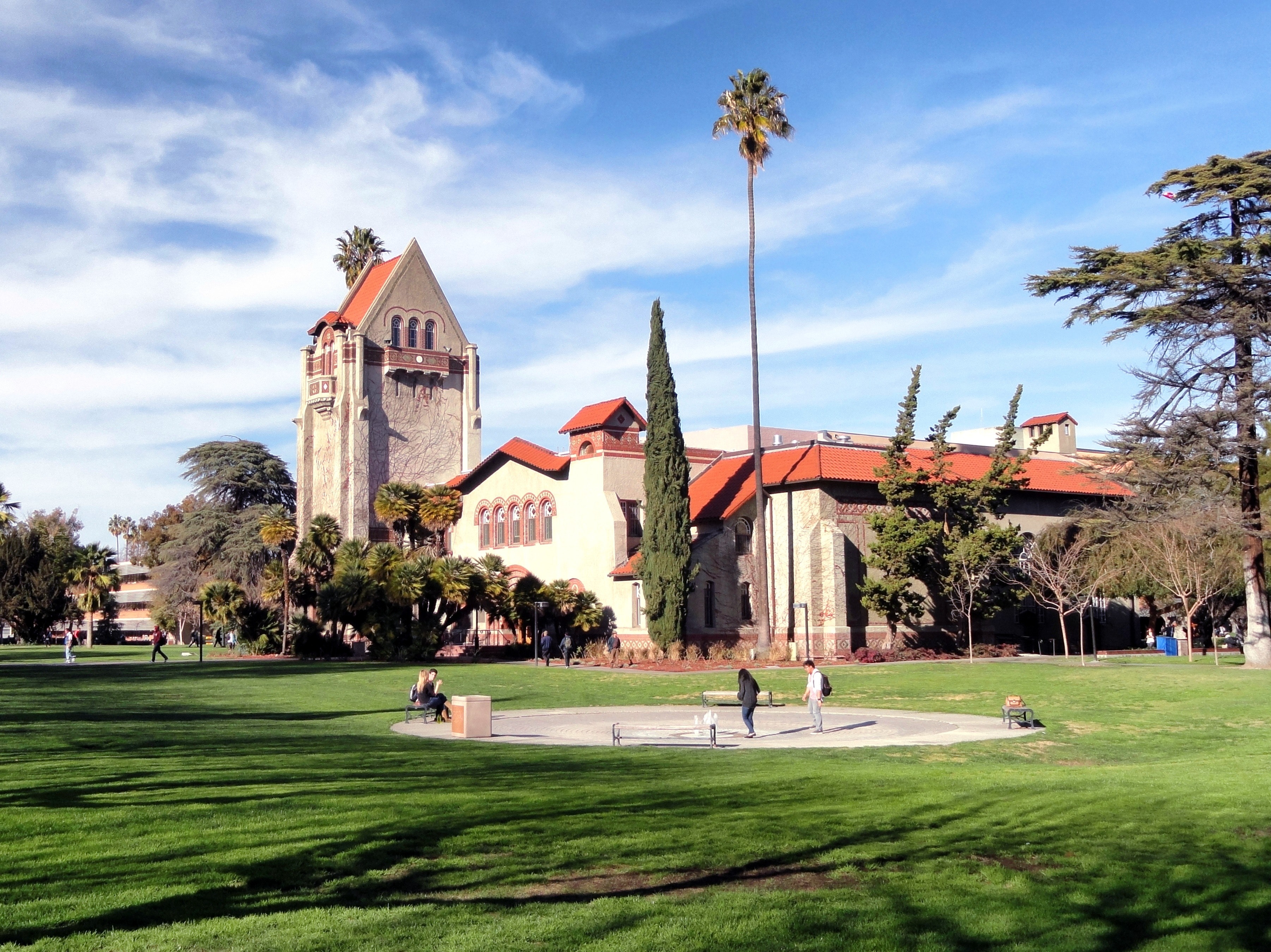
    School is almost out for the summer, but for students preparing to go off to college or university in the fall, there’s lots to do.  Summer is a popular time for post-secondary institutions to run programs for high school students to tour the campus and facilities before they make their final decision on whether to accept an offer of enrollment.  For those students who have already accepted an offer from a college or university, there are often also pre-orientation activities that will help you get a feel for your future school.

    In order to make the most of your visit to a college or university campus, there are a few things to keep in mind.

    Plan an Efficient Schedule

    If you are still deciding on which school to attend, it’s a good idea to try to schedule multiple school visits within the same time period, such as visiting two or three schools over the course of a week.  This way, you don’t have to take too long of a break from your summer job, and it will also be easier for the parent or guardian who will be making the visits with you.

    Plan your schedule and make a list of the things you want to check out at each school, such as classrooms, student community centres, gym and sport facilities, labs, and points of interest around the campus.  Have a general idea of where everything is and how to get from place to place, so you don’t waste time wandering around or getting lost.  Most schools make maps readily available and run guided tours that can be arranged through the Admissions office or visitors centre.

    Be Prepared and Dress Appropriately

    Chances are you will be doing a lot of walking, much of it outside, so be sure to dress for the weather during your visit–especially comfortable shoes.  While most school campuses will have some sort of convenience store and food services available, you shouldn’t rely on this.  Pack yourself some snacks and a drink to bring along, and make note of any restaurants nearby where you can go for a full meal.

    Strike Out On Your Own

    Tours are great, and will ensure you see the most important things at your prospective college or university, but there’s something to be said for taking the initiative and exploring on your own.  Some schools will allow you to sit in on classes or attend events on campus, which can help you get a feel for the professors and the student community.  Keep in mind that you do still have to ask for permission for this; arrange it ahead of time with the campus admissions office or visitor’s centre, so that they can find the best things for you to check out.  It’s also worthwhile to simply walk around the campus away from the tour group, as this will give you a better understanding of what attending will be like.  If you can, talk to other students who have been enrolled for a year or two, and ask them about their experiences.

    Take Notes to Help Make Your Decision

    Lastly, use your phone or a notebook to write down your thoughts about the classes and campus, what you liked or didn’t like, and any interesting locations or activities the school offers.  Especially if you are visiting more than one location close together, it’s useful to have your notes afterwards so you can compare schools and make your final acceptance decision.

    Sources:

    http://www.newswise.com/articles/view/690569/

    https://www.usnews.com/education/best-colleges/slideshows/10-tips-for-an-effective-college-visit

    https://totallyuniquelife.com/5-student-tips-to-a-successful-college-tour/

  • Making First Impressions Everyday: A Concierge Career Profile

    Making First Impressions Everyday: A Concierge Career Profile

    First impressions are always important. Whether it is classmates, teachers, or neighbours, we want people to think good things when they first meet us. For condominiums, apartment buildings, business offices, and hotels, the person customers usually meet first is the concierge. This is the man or woman at the front desk who greets everyone, answers their questions, and helps them with their needs. These buildings are large businesses with many employees, but it is the concierge that help make all of that happen.

    Concierge help visitors, workers, and residents in many different ways. They have to take messages, hold onto mail packages, and help people find the room or person they are looking for in the building. This job requires being very organized, patient, and dedicated to helping many other people in many different ways. It can be very stressful having to handle different people’s requests at the same time. Not everyone will be friendly or in a good mood, and concierge have to be ready to help angry residents or visitors in a professional way. Depending on the building, you may have to work shifts at different times of the day, including overnight.

    The annual salary for concierge can start at around $24,400, and go up to over $44,800. Those in hotels can expect to make around minimum wage and up to $20.00 per hour, while those in condominiums or business buildings often make more than minimum wage and up to $25.00 per hour. The field has many job opportunities, as well as many people looking for work, as it does not take a lot of schooling or experience to get a concierge job. Luckily, there will be more jobs than people. From 2015 to 2024 there will be 6,800 positions and 6,500 people looking for jobs in hotels. For condominium and business buildings, there will be 68,000 new jobs and 59,400 people looking for them.

    A minimum of a high school diploma is needed to get a concierge job. More expensive buildings with greater responsibilities for their staff will expect you to have experience at other places. You can get certificates in guest services that can help you with getting work as well. With years of experience, you can become a senior-level concierge with more responsibilities and higher pay. Many people work as concierge part-time while going to university or college, or work full-time while looking for jobs in their preferred career field.

    Concierge are very important for an apartment, concierge, hotel, or big office. They are the person residents, workers, and visitors first talk to when they step inside, and the last one they see before leaving. They act as the face of the building, and the impression people have of the place often has to do with how the concierge treated them. If you are interested in this career, you can start working at smaller buildings right after finishing high school. Before that, you can find volunteer or part-time jobs that have you working at a front desk or directly helping people in different ways. By doing so, you are starting on a career path filled with first and lasting impressions.

    Sources:

    Job Bank. “Hotel Front Desk Clerks.” https://www.jobbank.gc.ca/report-eng.do?area=9219&lang=eng&noc=6525&source=allnoc

    Job Bank. “Janitors, Caretakers and Building Superintendents.” https://ns.jobbank.gc.ca/report-eng.do;jsessionid=3694E72CAA70DE4002A5ED70A9E3F643.jobsearch75?action=final&noc=6733&region=9219&s=0&source=6

    PayScale. “Concierge Salary.” https://www.payscale.com/research/CA/Job=Concierge/Hourly_Rate

  • The Art of Advertising: A Marketing Managers Profile

    The Art of Advertising: A Marketing Managers Profile

    YouTube ads. Billboards. Pop-ups. Every moment of the modern world is a war between companies and people vying for your attention. It takes a strong strategy and know-how in order to stand out. Companies of all sizes rely on marketing managers, analysts, and specialists to make this happen. These people employ a variety of tactics designed to gain an in-depth understanding of potential customers, and to determine how to utilize that in advertising campaigns. This is an exciting career field which requires you to get inside people’s heads, understand what matters most to them, and figure out how to give them exactly that.

    Those in marketing work within a company to oversee, help create, and manage the different forms of advertising sent out to potential clients. They may be responsible for advertising one product or service, or an entire brand or company. This is done by working in a team setting with people in different roles. You must be organized, love challenges, and passionate about understanding and speaking to people. The career offers a lot of room for creativity and the potential to impact a vast number of people. It can also mean significant stress and pressure with so much of the organization’s success dependent upon your marketing campaign.

    Marketing Managers make an average of around $60,800 per year. You can expect to start out at around $41,200, and that could go up to over $85,500 annually. With the growing importance of effective advertising, there are sufficient opportunities in the industry to meet the demand for jobs. From 2015 to 2024, it is expected that there will be 16,600 job openings in the field, and about 16,000 individuals seeking these positions. The median age of current people in the position is 44, and there are many expected retirements that will account for over three-quarters of the positions that will open up.

    The requirements to get yourself hired will vary depending on the organization, the level of seniority, and the demands of the position. An undergraduate degree in market research, communications, or public relations is a common requirement. You will likely be expected to have several years of experience in an entry-level advertising or communications role. It is also useful to have a background in website design and social media usage. As you gain experience, the field offers great room for advancement. You can progress your way to senior level management, and from there become a Marketing Director, Vice-President of Marketing or Communications, and beyond.

    Companies large and small need effective communication with their potential customers now more than ever. This opens up massive opportunities in the field of market management and research. The role comes with immense pressure and the need to juggle massive amounts of data, but also lets you flex your creative muscles and impact the lives of countless individuals. If this sounds like the career for you, start with the appropriate undergraduate program. In addition, become as familiar as possible with social media platforms, digital marketing, and the methodology of advertising. You can not only help companies stand out amongst the crowd, but also yourself.

    Sources:

    Job Bank. “Advertising, Marketing and Public Relations Managers.” https://www.jobbank.gc.ca/report-eng.do?area=9219&lang=eng&noc=0124&action=final&s=1&source=6#report_tabs_container2

    PayScale. “Marketing Manager Salary.” https://www.payscale.com/research/CA/Job=Marketing_Manager/Salary

  • The Healing Power of the Outdoors

    The Healing Power of the Outdoors

    Society seems designed to keep us indoors. Whether frantically working away on our laptops at Wi-Fi hotspots, attending yet another lecture, or at a part-time job, these activities always seem to be happening within four walls. Stepping outside is a challenge, but it is a necessary one. When we consciously take the effort to venture into nature, and put in the time and energy to make it a habit, we are rewarded physically, mentally, and emotionally. In doing so, we become better at all of those indoors activities.

    When stationary in one spot, we tend to rely on coffee or energy drinks to keep us going and finish that assignment. Instead of taking a trek to the nearest coffee shop or convenience store, try venturing into a park or forest area instead. According to studies from the Journal of Environmental Psychology, it only takes a 20-minute wooded walk to boost your energy and mood. Whereas excessive screen time can deplete our energy and heighten depression, studies have shown that people who live close to forests have significantly lower chances of getting various forms of cancer. Even if you are surrounded by concrete, a park is likely not far away.

    That daily walk will not only soothe your body, but sharpen your mind as well. The vitamin D from sunlight is a surefire mood-booster. If you know you will be stuck inside for much of the day, try working by the window and having many plants around your desk. Plants have been shown to aid in cognition and energy levels. However, scheduling in regular outdoor breaks from school or work will help relieve stress and even improve your short-term memory. It is a simple but effective way to return to your work with greater focus, clarity, and positive state of mind.

    All of these benefits will ultimately have a profound effect on you emotionally. The University of Rochester conducted a study that found that exposure to nature makes people more generous and enhances their awareness of the community around them. It causes a reinforcement of our deep connection to all living things. This can also be achieved by eating natural and organic foods. If you can, plant your own fruits or vegetables in a backyard space or in pots. Even something as seemingly inconsequential as colours can have a major impact – research has shown that environments with both green and blue, such as leafy trees next to a body of water, can benefit your emotional wellbeing. If you are able to escape to nature for a longer period of time, such as with a wilderness retreat, you will gain a significant creativity boost. The positives of taking the time, energy, and money for these outdoor excursions far outweigh any of the negatives.

    Advancing technologies are likely to continue their dominance over our society, and we will only be further encouraged to remain indoors. Laptops, cell phones, and other devices beckon us, keeping everyone chained to their seats. Yet the lure of constantly being glued to our screens to get work done is ironically counterproductive. Taking the time to step outside and take in nature will make the time in front of your screen far more effective. This can start with scheduling short walks in a park, and develop into regular excursions and even longer getaways. Your body and mind will thank you.

    Sources:

    CanyonRanch. “The Healing Power of Nature.” https://www.canyonranch.com/blog/mind-and-spirit/the-healing-power-of-nature/

    Selhub, Eva. “A Doctor Explains How To Take Advantage Of The Healing Power Of Nature.” Mbgplanet. https://www.mindbodygreen.com/0-30024/a-doctor-explains-how-to-take-advantage-of-the-healing-powers-of-nature.html

    Sprouse, Sydney. “10 Reasons Why Being Outside is Important.”  Ask the Scientists. https://askthescientists.com/outdoors/

    UCDavis. “The Healing Powers of Nature.” https://shcs.ucdavis.edu/blog/archive/healthy-habits/healing-powers-nature

  • The Road to Independence…

    The Road to Independence…

    Congratulations! You made it through another successful school year. The future looks bright and you have plenty to get excited about. You may be going off to University or College this Fall and that requires a lot of preparation. If you are not going to College or University, that is OK, too. Everyone takes a different path and yours may not include post-secondary. If you are receiving your high school diploma this June, that means you are on your way to bigger and brighter things, naturally. Maybe you need to take a summer course or two- that is alright, too. You just need to know that whatever road you choose, you’ll be OK if you have the drive to take care of yourself and become independent. Working a job, volunteering and saving some money can help you feel more independent than you ever have before….


    To finish off the year, JPD has some helpful articles for you before you hit summer break: financial aid for students in Alberta and Saskatchewan ( and Ontario), turning your grades around before year end, campus tours, detoxing from Netflix and chill, the healing power of the outdoors, and how to break up with your phone ( for a while). 

    JPD will be back at the beginning of the school year on September 3rd, 2018. If you are not returning, we wish you good luck in all your academic and life endeavors! We hope JPD has given you some helpful tips and advice on how to navigate your career path.

    Have a blast and stay safe!

    Erin Bouman

    Content Editor

  • April Showers Bring May Flowers!

    April Showers Bring May Flowers!

    The snow is gone and the rain is here. Thawing out from the winter can take some time, but just like the weather, we all eventually become lighter, brighter and happier. You may be already preparing for summer activities, like signing up for camp, applying for summer jobs and volunteering. Make sure to use this time wisely to prepare for those important, life changing activities. It is never too early to start looking for a summer job, and as the year comes to an end, you may find yourself scratching your head wondering where the time went- it will sneak up on you!

    This month we have more career profiles for you and some great articles on scholarships for students with disabilities. Some career profiles and articles include: Interior designer, travel agent, camera operator, environmental engineer and tax preparer.

    Take time to stop and smell the tulips this month!

    Stay Safe!

    Erin Bouman

    Content Editor

  • NEADS Events for May 2018: Mark your Calendar!

    NEADS Events for May 2018: Mark your Calendar!

    Organizer: Humber College

    Title: 2018 Transition To Work Event: Employment Success for People with Disabilities

    Category: Employment

    Location: Toronto, Ontario

    Date: May 1, 2018 – May 4, 2018

    E-mail: keith.manalo@humber.ca

    Web site: https://transitiontowork.eventbrite.ca

    Description: Humber College Careers, Accessible Learning, and Community Employment Services are excited to announce the second annual Transition to Work Event – Employment Success for People with Disabilities.


    Organizer: Disability Resource Network of B.C.

    Title: 35th Annual Disability Resource Network of B.C. for Post-Secondary Education Conference

    Category: Education

    Location: Vancouver, British Columbia

    Date: May 7, 2018 – May 8, 2018

    Web site: http://drnbc.org/

    Description: 35th Annual Disability Resource Network of B.C. for Post-Secondary Education Conference


    Organizer: Ryerson University Equity Services

    Title: White Privilege Conference Global – Toronto

    Category: Education

    Location: Toronto, Ontario

    Date: May 9, 2018 – May 12, 2018

    Web site: https://www.ryerson.ca/wpc-global/

    Description: White Privilege Conference Global – Toronto

    Are Canadians Too Polite? Addressing Global Perspectives on White Privilege and Oppression in Canada and Beyond.


    Organizer: Sarasvati Productions Inc.

    Title: Sarasvati Productions presents the world premiere of New Beginnings

    Category: Education

    Location: Winnipeg, Manitoba

    Date: May 22, 2018 – May 27, 2018

    Telephone: 204-586-2236

    E-mail: admin@sarasvati.ca

    Web site: http://sarasvati.ca/product/new-beginnings-2/

    Description: Sarasvati Productions presents the world premiere of New Beginnings

    May 22, 24, 27 at 7pm; May 23 at 1:30pm; May 25 at 9pm; May 26 at 4pm

    Asper Centre for Theatre and Film (at the University of Winnipeg, 400 Colony Street)

    For tickets and information www.sarasvati.ca 204-586-2236

    Sarasvati is excited to bring to the stage our latest community collaboration New Beginnings. Witness the coming together of a diverse range of artists, community members, recent newcomers and established immigrants. Through the use of dance, music, visual art and storytelling we explore the themes of displacement and resettlement.