Author: kyla palin

  • Different Ways to Learn

    Different Ways to Learn

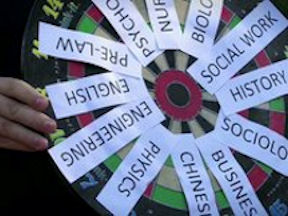
    GROUP WORK! It’s a popular form of instruction and it’s not going away. But it can be one of the most frustrating things about school. It can be difficult to work with people sometimes, but maybe there’s a reason for that. Consider that everyone learns and applies learning in different ways.

    People tend to develop a way of learning that works for them, and each way has weaknesses and strengths. Different styles of learning were categorized in the Learning Style Inventory, developed by educational psychologist David Kolb and his colleagues. He identified four learning styles that correspond with a person’s preference for learning behaviours. Of course these aren’t the only ways that people learn, but it offers a neat system of labels that may help when you are landed with yet another group project.

    Kolb’s Learning Styles

    • Converger: These learners do best when they can apply what they learn in a practical setting. They like to work with “what if’s” and with things rather than people. Often these types of learners will choose to specialize in a technical subject like engineering.
    • Diverger: People who draw from this learning behaviour like to see complicated scenarios from many viewpoints. They can draw from imagination, empathy, and an interest in people. These learners often head towards the humanities in careers like counselors, or sociologists.
    • Assimilator: People who use this learning style are very good at creating theoretical models of problems. Like convergers, they are concerned with the practical application of a model, but they’re more interested in making sure the theory fits the facts logically. This style is more characteristic of people in mathematics, or theoretical physics.
    • Accommodator: Here we see learners who prefer to learn by doing things, often by trial and error as the situation arises. They get fully involved in new experiences, and if the theory doesn’t fit, they discard it in favour of a new one. This style of learning will be seen often in people who move into sales, marketing or entrepreneurship.

    If you look around the group you’re assigned with, you can probably find each kind of learner. Is there someone who loves to jump right in to a situation without a plan? Accommodator! How about the person who acts as mediator in arguments, seeing both sides of the situation? Diverger! Who else can you think of that fits into these learning styles? Sometimes people will fit into more than one, or all four. You can still identify their strongest style.

    Using your knowledge of each kind of learning style, you can begin to apply it in the next group project. Perhaps the diverger will be best suited to brainstorming and taking minutes. How about assigning the accommodator to be the presenter? This is just a broad overview of the theory behind learning behaviours, but opening your mind to the idea that everyone learns in their own way, you can begin to understand how to work with others; a skill that will follow you through your entire life.

    Reference: The Art of Teaching Adults: How to Become an Exceptional Instructor and Facilitator by Peter Renner, 2005.

  • Can’t Go Offline? Three Smart Tips for Online Safety

    Can’t Go Offline? Three Smart Tips for Online Safety

    Can you imagine life without the Internet? While it offers advantages when it comes to learning and communication, it also gives a way to possible danger. It’s likely for you to come across people with bad intentions in forums, online communities, and social networking sites. These people prey on the youth’s desire for a sense of belonging, acceptance, romance, or sexual curiosity. These malicious people would pretend to offer a sympathetic ear, but in actuality, they are practicing emotional manipulation. An online relationship may ensue that could possibly lead to a physical meeting in the future. In the online kingdom, everyone can be anonymous if they choose to be, so predators can be anyone. A CBC.ca report last April states a 16-year-old boy lured young girls into having online romantic relationships with him.

    As such, whenever you go online and talk to people other than your relatives, friends, or classmates, consider these wise tips to ensure your safety:

    1) Watch out for signs of predatory behavior.

    It is okay to engage in conversations and chat about common interests like favorite or most hated subjects, music, movies, and TV. It is not okay when you are asked things like “What are your best features?” or “What do people like about your physical appearance?” While these questions sound casual, they can lead to completely inappropriate questions or requests. As such, once you find yourself even a bit uncomfortable, stop the conversation, and log off.

    2) Set your privacy settings correctly.

    For sure, your parents or friends have warned you about posting your home address and phone number in your social networking accounts, and they are right. Another thing to remember though is that when you post a status or a photo, make sure that only your friends or followers can see it. And while it is tempting to use the “check-in” feature and tag the pals you are with when you are in an exclusive event and such, it is best to avoid this. Remember, whenever you tag anyone, those who are connected to them will see your post. For instance, if your buddy’s classmate from years ago has been obsessed with you for years and sees that check-in post, you may get a stalker in return.

    3) Don’t take pictures you don’t want your parents/grandparents to see.

    Taking selfies are fun, but when they end up in the wrong hands, you would probably think twice about taking them in the first place. You may have the trickiest PIN code or password there is but keep in mind these cybercriminals probably have the sophisticated technology to hack into your gadgets and take whatever they find there. Let last year’s celebrity hacking scandal serve as a lesson. The bottom line is, technology is continuously evolving and so are cyberhackers, so always think twice before clicking to take that selfie.

    So how do you ensure your safety online? Well, you don’t have to go back to the dark ages and throw out your iPhone or laptop. All you have to do is be aware of your surroundings, what you say, and what you post. You don’t have to share everything with everyone all the time. Be mysterious and take pride in your privacy!

    SOURCES:

    http://www.cbc.ca/news/canada/nova-scotia/nova-scotia-child-porn-case-highlights-dangers-of-online-friendships-1.3028837

    http://www.netsmartz.org/InternetSafety

    http://www.covenanteyes.com/2012/01/03/7-dangers-of-the-internet-for-kids/

    https://www.yahoo.com/parenting/5-myths-and-truths-about-kids-internet-safety-122964460683.html

    http://www.theguardian.com/technology/2013/nov/03/internet-children-parents-safety

    http://nobullying.com/dangers-of-the-internet/


  • Taking Care of Reptiles

    Taking Care of Reptiles

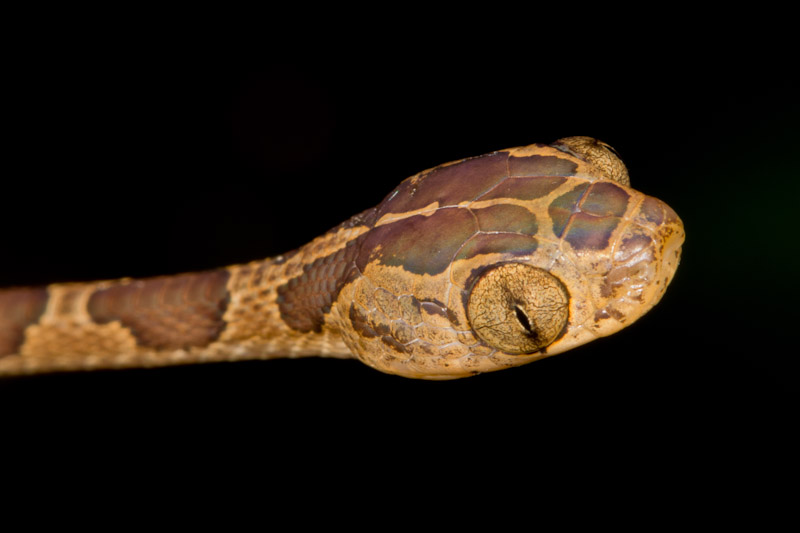
    Do you know what snakes, turtles, and lizards have in common? They’re all reptiles, and they can all be found in Canada. Whether they live in the wild, in zoos, or as pets in people’s homes, these animals are a very common part of our world.

    You might think of reptiles as tropical animals, but every continent except Antarctica has at least a few reptiles. Almost all of these animals are cold-blooded, meaning that they don’t produce their own heat but need rays of the sun or a lamp to stay warm. People who keep reptiles as pets have to remember to provide a source of warmth which will keep the animal from freezing.

    Almost all reptile species hatch from eggs instead of being born live, including the turtles, snakes, and lizards that live in Canada. Although some snakes in the United States and other parts of the world are poisonous, none of Canada’s reptiles can do much harm to people. However, one problem for owners of snakes and lizards is that the animals often try to escape, meaning that the cages have to be very well made.

    Getting a reptile as a pet can be a very long-term commitment, especially since some turtles and tortoises can live for more than one hundred years. These animals can become very friendly with people, but they can often seem much less affectionate than pets like dogs or birds. When they are afraid, they might run and hide, change colour to camouflage, hiss, or bite anyone who is nearby. Taking care of a reptile as a pet can help you acquire and practice responsibility. Just like remembering your homework deadlines at school every day, you must remember to feed your pet reptile- maybe you can even bring them for show and tell!

    One very obvious difference between reptiles and other animals is that reptiles are covered with either scales like a snake or a hard, bony shell that helps to protect them from injury. Turtles, for example, can retreat into their shells whenever they sense danger, and lizards have scales to protect them from harm.

    Keeping a reptile as a pet might sound exciting, but it can be a lot of work. Some animals might refuse to eat processed reptile food from a store, and pet owners can spend a lot of time looking for fresh insects or finding other live food for their animals. Many reptiles end up being given away or abandoned because their owners changed their minds about keeping these very unusual pets.

    Even if you prefer not to have a reptile as a pet, you can spend time watching them at a zoo or anywhere else where you can observe their behaviour. Despite the often odd and mysterious way they look and act, these animals can provide a fascinating insight into the animal world- check them out, and don’t be afraid!

    Bibliography:

    Canadian Herpetological Society. “Key to the Reptiles of Canada.”

    http://www.carcnet.ca/english/reptiles/key/rkey1.php.

    Kaplan, Melissa. “Reptiles as Pets.”

    https://www.petfinder.com/pet-adoption/other-pet-adoption/reptiles-as-pets/.

    Science Kids. “Fun Reptile Facts for Kids.” http://www.sciencekids.co.nz/sciencefacts/animals/reptile.html.

    Smithsonian National Zoological Park. Fun facts about reptiles and amphibians. http://nationalzoo.si.edu/Animals/ReptilesAmphibians/Facts/.

  • Career Profile: Dairy Herder

    Career Profile: Dairy Herder

    Imagine a job that may require you to feed cattle or goats, help sick animals and repair machinery. The hours vary widely and include both day and night work. Some people in this job even live and work at the same place; these people are dairy herders. Being a dairy herder can involve many different tasks, but the basic job is taking care of animals and making sure that they have the food and water that they need. Herders might also assist veterinarians, do basic maintenance of buildings and machines, and supervise other farm workers. They help to keep our dairy, meat and fur industries running.

    With experience, dairy herders can increase their level of responsibility in able to earn more money. A dairy herder’s salary is usually between $13 and $20, and the work can be physically tiring, especially in bad weather. However, the chance to work outside the city is a benefit for anyone who loves nature and has skills working with animals.

    Many of the skills that dairy herders need come with experience and natural ability, but a university degree in a field like agriculture or animal behaviour can be helpful. Information on some of the specific requirements is available at the Canadian Dairy Information Centre or from a local farmer.

    Learning to understand animals and to deal with their problems is an important part of being a dairy herder. Volunteering to work on a farm on the weekends might be a place to start. Dairy herders have to learn to be comfortable around all kinds of animals and to be able to understand their moods and know how to handle them.

    Cattle are the most common source of milk in North America, although sheep and goats are also part of the dairy industry. If you work as a dairy herder, you will have to learn to work with large animals that will not always do what you want. You will have to learn how to understand animals and to find out how to make them happy and cooperative. Learning about animal behaviour in an educational institution would be an asset. Formal education in an area such as animal care is useful, although employers might be willing to hire someone with more hands-on experience.

    Besides the daily tasks of feeding and milking the animals, herders might also need to clean barns and care for newborns. Dairy herders might need to solve difficult problems when they help sick animals or recapture ones that have escaped from where they are kept. On large farms, some dairy herders might have to supervise other workers and learn how to keep everything running.

    Becoming a dairy herder might be difficult for people who have grown up in the city, but it can be a good job for anyone who loves the outdoors and can work with animals.

    Bibliography:

    The Canadian Dairy Information Centre. “About Us.”

    http://www.dairyinfo.gc.ca/index_e.php?s1=cdi-ilc.

    Careers.org. “Occupation Profile for Farmworkers, Farm and Ranch Animals.”

    http://www.careers.org/occupations/45-2093.00/farmworkers-farm-and-ranch-animals.

    Dairy Farmers of Canada. “Animal Health and Welfare.”

    http://www.dairyfarmers.ca/what-we-do/animal-health-and-welfare.

    Ferrier, Donna. “Herdsman Job Description.”

    http://www.ehow.com/about_6468360_herdsman-job-description.html.

    Indeed.com. “Dairy Herdsperson.”

    http://ca.indeed.com/cmp/Shelter-Valley-Land-and-Cattle/jobs/Dairy-Herdsperson-d7033f438a0c92cc.

  • What Kinds of Jobs are in Agriculture?

    What Kinds of Jobs are in Agriculture?

    If someone asks you to name a job in agriculture, chances are the first thing to come to mind is farming. When you are interested in agriculture, but working on a traditional animal or crop farm is not the type of work you wish to do, it can be difficult to learn what other options are available. Luckily, these days there are many different jobs in the agricultural industry besides farming.

    Food Scientists ensure that food production is safe and healthy, and help to develop new foods and other agricultural products. They often go to university and study subjects including chemistry, biology, and genetics. These scientists study things like food allergies, reasons why food goes bad and how to prevent this, or how to make processed foods healthier, more nutritious, and better tasting.

    Agricultural Officers work to ensure research laboratories and outdoor field production follow municipal, provincial, and national regulatory standards. They will also conduct investigations when a company disobeys the regulations, act as consultants, and give advice to companies and government agencies.

    Plant or Animal Biologists work in research labs studying ways to use, grow, and protect our food crops and animals, or in civilian and government positions working to affect legislature and laws. Research can include how to fight plant or animal pests and diseases that can affect food production, and ways to help food crops grow faster or in poor conditions.

    Inspectors with the Canadian Food Inspection Agency inspect and certify industrial food production and processes, to ensure they comply with sanitary production, and other health and safety regulations.

    Veterinarians are important members of the agricultural field, specializing in produce animals such as cattle, chickens and other birds, and pigs, to ensure that they are healthy and well-treated. They will also advise on matters of public safety, such as disease control.

    Hydroponic and Aeroponic Farmers are related to traditional farmers, but use special techniques to grow plants with little or no soil, and often indoors. Hydroponic farming works by having the plants grow in pots or containers with their roots in a water mixture containing minerals and nutrients. Aeroponic techniques are similar, but have the plants’ roots hanging into an empty space or container, where they are surrounded by a fine mist of nutrient-rich water. This type of farming is becoming very popular, because they can produce a large volume of food crops with very little land requirements, as since these are typically indoors, a hydroponic farm can operate inside a building with several floors, each dedicated to different crops if desired.

    Horticulture and Landscaping Technicians grow primarily non-crop plants, usually for ornamental indoor and outdoor use, and are responsible for breeding, growing, planting, and maintaining them. They can work at greenhouses, landscaping companies, golf courses, or municipal and regional parks and other outdoor recreation spaces.

    Sources:

    Government of Canada Job Bank – Explore Careers by Occupation

    http://www.jobbank.gc.ca/occupation_search


  • Addictions: Everyone and Everything

    Addictions: Everyone and Everything

    News and stories on addiction seem to be everywhere, on T.V, in the paper/magazines and in books- even you may have an addiction to something. Overall, addictive behaviour in humans is common, no matter what the medium. Now, an addiction can be bad or really bad, since having too much of one thing is never healthy. Most people do not even realize they have and addiction to something because they may not want to realize they are addicted to something. It is sometimes difficult for someone to admit they are addicted to something. This takes time and support from others in order for the person to realize how bad their addiction really is.

    When we hear about someone being addicted to something, 9 times out of 10 we assume the addiction is to drugs; cocaine, prescription drugs, heroin, etc. However, the addiction does not always need to be a drug in that instance. You can be addicted to anything; video games, TV, candy, even people. A person can become addicted to caffeine or painkillers that you buy over the counter just as easily, and can be hidden from others, also. So when you watch My Strange Addiction, the people on that show really do not have an abnormal addiction; they are just like the rest of us. Although eating chalk is not necessarily like a shopping addict, we all have something that we cannot stop doing. We just generally call people addicts when they are addicted to something that could seriously harm them or ruin their health for the long run, or possibly kill them.

    Drugs like PCP (Phencyclidine), Cocaine, Heroin, Methamphetamine (Meth), are generally what a person will think of when you picture a drug addict; these are some of the most chemically addictive drugs in the world. You don’t tend to picture someone drinking coffee or playing video games all day and all night. Some serious general effects of addiction to drugs can be brain damage, liver damage, and damage to your nervous system, heart problems, depression, memory loss, anxiety/paranoia, and many more. A most prominent and terrifying side effect can be death- scary, no? If you know someone suffering from a drug addiction or otherwise, encourage them to get help. It is our job as friends, family and neighbours, to stand beside those in need. However, you can only do so much to help people, sometimes. Just let them know you love them, and check up on them regularly. If you feel like you are having trouble with an addiction, it is never too late to stop.


    Reference:

    https://www.psychologytoday.com/basics/addiction


  • College & University: Where to Live and What to Bring

    College & University: Where to Live and What to Bring

    Deciding to attend college or university can lead to an endless stream of decision making. Starting with which schools to apply to, getting more complex from there. What will you study? How will you pay? Will you work? Play sports? Get involved in student politics? Where will you live; on campus in a dorm, or off campus in an apartment?

    There are benefits and draw backs to both. Dorms are close to school and can be quite convenient. They are secure, social, there are planned activities and people around to help you with school work, or comfort you if you are feeling down. The downside is they can be loud. There are rules, and there’s little privacy.

    Apartments can be quieter and provide more privacy. It’s much easier to control who’s coming and going. But it can be a longer commute to campus (you may need to budget for transportation expenses). Apartments can be less secure and expensive if you have to pay for rent, utilities, phone, cable, internet, apartment insurance, groceries, laundry, parking, etc. Often a lot of additional expenses will be included in your dorm fee, like a meal card and internet for example. Having an apartment will most likely come with you having to sign a 1 year minimum lease (however, sometimes you can get out of it if needed).

    The other challenge is pinning down what to bring once you decide where to live. Most colleges provide a list of basic necessities in their orientation package. However, these lists might not be detailed, especially for apartment living. You can use the internet to find detailed lists.

    Here are a few links that may help:

    http://www.dormsmart.com/Dorm-Room-Checklist.html

    http://www.hercampus.com/life/campus-life/what-bring-college-best-college-packing-list-ever

    http://www.fastweb.com/student-life/articles/college-apartment-packing-checklist

    http://www.bedbathandbeyond.com/store/registry/apartmentchecklist

    These sites can help you narrow down what to pack and what to leave behind. You can also use apps like Pinterest, which has packing lists, decorating tips and storage ideas for living in small spaces. There are other apps available at the Google Play Store you can download for free. These apps provide checklists, so you can keep track of what you’ve already purchased and packed, tips on each item, and the ability to add or remove items. You don’t want to over pack. Often times an item seems like a necessity, but will end up unused, taking up space.

    Whether you move into an apartment or dorm make sure you know the rules before you start packing. Know what is and isn’t allowed. If you are moving in with a roommate, check with them so you don’t have two of everything.

    Here’s a list of items you might not think of for Dorms and Apartments:

    Dorms:

    • Shower shoes (like flip flops with good treads so you don’t slip)
    • Dish liquid, washer and dryers
    • Microwavable dishes and storage containers
    • Mini fridge
    • Bed risers
    • Noise cancelling headphones
    • Extra blankets and pillows (for guests, cool nights or extra seating)

    Apartment:

    • Plunger
    • Cleaning supplies (including broom, dust pan, mop, vacuum, toilet brush etc.)
    • Shower curtain
    • Garbage cans
    • Shovel (if you live where it snows)
    • Condiments , spices and olive oil for cooking
    • Tin foil, parchment paper, plastic wrap and storage bags
  • Environmental Groups Across Canada

    Environmental Groups Across Canada

    Do you want to get involved with environmentalism in your community? There is a good chance that there is an organization in your town, city, or region where you can learn about environmentalism, attend events and fundraisers, or volunteer your own time and effort. Below is a sample of some of the options available for both independent organizations, and regional or provincial eco-networks that can help you locate smaller groups in your area.

    West Coast

    • Living Oceans Society

    British Columbia

    They strive to protect Canada’s oceans through sustainability management of sea life and coastal communities.

    https://www.facebook.com/livingoceans?fref=nf

    •  Ancient Forest Alliance

    British Columbia

    This group aims to protect Canada’s old growth forest, while making sure that employment in the forestry industry remains sustainable.

    http://www.ancientforestalliance.org/

    Prairies

    •  Nature Alberta

    Alberta

    A network of groups and clubs dedicated to enjoying, studying, and preserving Alberta’s wildlife.

    http://naturealberta.ca/

    •  Friends of Banff National Park Fellowship

    Alberta

    The Fellowship offers educational opportunities, and appreciation of Banff’s natural and cultural heritage.

    http://www.friendsofbanff.com/

    •  Green Action Centre

    Manitoba

    Through home, work, school, and city education programs, they promote sustainable green living through resource conservation, and help develop and advocate environmental policy.

    https://www.facebook.com/GreenActionCentre

    •  The Manitoba Eco-Network

    Manitoba

    An affiliate of the Canadian Environmental Network, they link more than fifty smaller environmental groups throughout the province.

    http://mbeconetwork.org/

    Central Canada

    •  Toronto Environmental Alliance

    Ontario

    An activist group engaged in supporting environmental issues in Toronto and the surrounding area.

    http://www.torontoenvironment.org/

    •  Ontario Parks Association

    Ontario

    Dedicated to enhancing, protecting, and educating about parks and other outdoor spaces.

    http://www.ontarioparksassociation.memberlodge.com/

    •  Les Cercles des jeunes naturalists (CJN)

    Quebec

    CJN is a group who aim to inspire youth to increase interest in nature and the natural sciences.

    •  Four Green Steps

    Quebec

    Operating online, they offer educational information and curriculum materials on green living, corporate responsibility, and sustainability.

    •  The Rivers Foundation/Fondation Rivières

    Quebec

    Dedicated to raising public awareness about preserving rivers and waterways against pollution, privatization, and electric dam projects.

    East Coast

    •  Petitcodiac Riverkeeper

    New Brunswick

    Leading efforts to restore, protect, and promote the watershed regions in New Brunswick and the Bay of Fundy.

    http://petitcodiac.org/welcome/

    •  East Coast Trail Association

    Newfoundland

    Dedicated to the development, operation, and maintenance of the East Coast Trail.

    http://www.eastcoasttrail.ca/association/

    • The Clean Nova Scotia Foundation

    Nova Scotia

    Encouraging communities to foster consideration, respect, and protection of the environment.

    The New Brunswick Environmental Network

    Newfoundland and Labrador Environmental Network

    Networks linking together multiple smaller organizations, to aid their communication and cooperation.

    Far North

    •  Yukon Conservation Society

    They perform research, advocacy, and educational tasks about environmental issues facing the Yukon.

    •  Nunavut Wildlife Management Board

    Their mission is to respect and preserve Inuit hunting and harvesting rights and priorities, while conserving wildlife and wild habitats of the far north.

    Across Canada

    • The David Suzuki Foundation

    Operating across Canada, they are an environmental science-based organization dedicated to protecting and balancing the needs of humans with the diversity of the natural world.

    • The Canadian Youth Climate Coalition

    Made up of a variety of youth environmental and other advocacy groups across the country, they aim to present and educate climate change as an issue facing society both locally, and globally.

    Sources:

    Canadian Universities and Colleges Higher Education and Employment in Canada

    http://www.canadian-universities.net/Volunteer/

    Environmental Organizations Based In Canada

    https://en.wikipedia.org/wiki/Category:Environmental_organizations_based_in_Canada

  • Changing Majors in School

    Changing Majors in School

    When starting college or university, you might feel confident that you chose the right subject to study, but as you learn more, and are exposed to different ideas, you may decide that your current major isn’t quite right for you.

    Before jumping into a new major, research everything you can about the program in which you are interested. Learn any academic requirements, such as grades and prerequisites, as well as any non-academic requirements such as interviews and auditions, extra-curricular activities, or portfolios of work. Learn your new program’s fulfillment requirements, and if any of your completed credits can transfer to your new major. The best way to ensure you are fully informed is to meet with your program’s academic counsellor, who can give you all the specifics.

    One point to consider is where you are in your degree program. Though hopefully you will determine before your third or fourth year whether you want to pursue a career in your program, sometimes it’s only when you reach the higher and more specialized level of studies that you will realize things are not a good fit. If you are close to completing your degree, you might want to consider finishing your current course of study, before pursuing another degree or diploma in your new field. After all, education is never wasted, and you will always have any credentials you earn. It is very common for university grads to enter into a college program for a different subject later on in life, or even directly after they finish their BA.

    Alternately, look at what you have already completed to see if you meet or are close to meeting the requirements for a minor through your institution. Often a minor in most fields of study will not require courses past the second or third level. This way you can still get credit for the work you have already put into your degree, even if you are no longer pursuing the full major.

    If you still decide to change programs, time and money are the other two primary concerns. Make sure you know how much additional time it will take to complete a new degree. Depending on how different your programs are, and how many of your credits are transferrable, it can be an additional one, two, or even four years. Whatever the case may be, have a plan to pay for the additional years of schooling. There are a variety of grants, scholarships and loans available to students, but grants and scholarships can be difficult to attain. Student loan debt can build up with additional years of school, and require significant effort to pay off in the future. If necessary, consider taking a year off between programs in order to work and save up.

    Deciding to switch majors partway through your studies is a difficult decision, with many factors to consider, but in the end if you are not satisfied with your current major, then a change is the best solution. Just remember, don’t decide to change to a new major just because it is considered “more popular” or “more employable”; rather, make sure you choose something you enjoy and are deeply interested in, and which will help you achieve your future dreams.

  • Academic Probation in College and University

    Academic Probation in College and University

    Some of us may know what academic probation is, others may not. It is a term most often used in college and university to describe a formal warning issued to students whose grade point average(GPA) does not meet the minimum requirements, and are required to improve their GPA if they wish to continue study their courses. Students are usually given a semester to demonstrate progress and are normally asked to write a letter outlining their academic goals for the future.[1]

    Universities and colleges usually offer support to struggling students to help them improve their GPA and continue their studies. Brock University’s BOOST program assists students by allowing them to take noncredit courses and achieve a grade of 60% or more with each course taken. Ryerson on the other hand uses the course grade point average CGPA to determine if the student will be put on academic probation. It is multiplied by the grade points for the grade achieved by the course weight.[2][3]

    Additionally, programs that give students financial assistance for post-secondary education such as the Ontario Student Assistance Plan (OSAP) also have restrictions related to academic probation. Students, who do not meet OSAP’s academic requirements, will not be able to apply for financial assistance until the following year.[4] This can be challenging for students trying their best to achieve a better grade.

    To avoid academic probation, it is best to attend all lectures and laboratories. However, just attending classes is not enough to get by. If you have entered into a school with high GPA requirements, you need to pick up your socks and study hard. University and college can be a shock to the old’ high school you, but it can be extremely rewarding once you realize what you need to do in order to achieve good grades and a fulfilling degree. If necessary, seek extra help from programs within your college. They are there to help you succeed and meet your goals- don’t be afraid to voice your fears and concerns.

    Footnotes:

    [1] https://www.utsc.utoronto.ca/~registrar/current_students/probation

    [2] http://www.ryerson.ca/content/dam/adminsupport/pdfs/CGPA_TGPA_PGPA.pdf

    http://www.ryerson.ca/calendar/2011-2012/pg2254.html

    [3] https://www.brocku.ca/registrar/advising/academic-sanctions

    [4] http://www.ocadu.ca/Assets/documents/ocadu-osap-academic-probation-$!26-restriction-review.pdf