Author: Susan Huebert

  • Career Profile: Photographers

    Career Profile: Photographers

    Taking pictures can be fun and can help people remember interesting events. For some people, photography is more than just a hobby. Professional photographers work with cameras and other instruments to produce pictures of people, buildings, scenery, and much more. For artistic and detail-oriented people, the job of photographer can be a good choice.

    Almost anyone can take pictures, but professional photographers have special training to help them take the best pictures possible. Many people in this field have a bachelor’s degree in visual arts with courses in photography.

    Other options are to train for the work in high school, college, or other schools. Art classes in high school, as well as English and mathematics, can be helpful.  Training on the job is also a possibility in some cases. After training, people can work in photographic studios, universities, or businesses such as real estate companies. Some photographers are self-employed, but they all need a portfolio of work to show to potential employers.

    Creativity is an important part of being a photographer, but it is also essential to have technical knowledge of aspects such as lighting, film versus digital photography, picture composition, and more. Some photographers choose to specialize in certain types of work, such as school pictures, nature photography, or other types of picture-taking.

    Depending on where they work, photographers can earn between $17 and $38.46 per hour. Finding full-time work can be difficult in some parts of the country, but photographers can begin with a few projects and gain experience for more difficult work. Part of the process is learning to use equipment like scanners, computers, and tripods, and sometimes to use delicate instruments such as optical microscopes.

    The field of photography includes many specialties. Some people concentrate on wedding photography or taking pictures of other special events like graduations or anniversaries. Taking pictures of homes to show to potential buyers can give people a good income, and nature photography can be a good choice for people who enjoy being outside. Making connections with people who can help with finding work is always a good idea.

    Different types of jobs require different equipment. Photographing flowers or other small plants, for example, often involves using special lenses on the camera and using special techniques to make sure that the subjects of the picture are in focus. Having good vision is helpful in this work, but people can learn to adjust the cameras to suit their level of eyesight. Steady hands are essential for the job in many cases, although tripods and other devices can help keep the camera steady so that the images will not be blurred.

    Sometimes, special effects and individual touches can help make a picture more interesting. Many photographers develop a special style that people can recognize. It might be a certain colour combination or a way of including animals or items like books or candles. Developing a special style could take several years, but photographers can already begin to consider their tastes and abilities early in their careers.

    Working as a photographer can be a good choice for people who are creative and able to work with both equipment and other people. You can already start to prepare for this interesting career.


    Bibliography:

    Government of Canada. Photographer in Canada. https://www.jobbank.gc.ca/marketreport/summary-occupation/5514/ca.

    Professional Photographers of Canada. “Accreditation.” https://www.ppoc.ca/membership/accreditation.php

    University of Manitoba. “Photographer.” https://umanitoba.ca/career-services/career-planning/explore-occupations/photographer


  • Careers and Jobs That Help the Homeless and Those Living in Poverty

    Careers and Jobs That Help the Homeless and Those Living in Poverty

    Most cities and towns have at least some people who are homeless or living in poverty, or both. People in this situation might have been going through a difficult time in their lives, or they might just have grown up that way. Many different factors can lead to poverty and homelessness. If you want to try to change that, you might want to consider a job or a career that helps the homeless and those living in poverty.

    People in Canada can fall into poverty for many reasons, such as low wages or a disability that makes it difficult to find work, and homelessness can often follow. About fourteen percent of Canadians live in poverty, and up to 300,000 people experience homelessness each year. They might be homeless for a few weeks, months, or years at a time. This situation is difficult for them, but it is also expensive for the government and the rest of society. Working with the homeless and people in poverty can help everyone.

    One option is to work directly with the people in need at a homeless shelter or food bank. This work could involve checking people in and out of the shelter, organizing meals, filling food orders, or other tasks. Some people in this type of work have no special training, but others might be qualified social workers or other professionals.

    Providing a place to stay and making food available to people are two essential first steps for working with the homeless and people in poverty. Unless these two needs are filled, people are unlikely to be able to concentrate on anything else they need. However, people in these situations need other kinds of help, as well. Once they have a place to stay and enough to eat, they can start to work on their education, career, and more.

    Counsellor, teachers, and nurses can also work with these kinds of people. Counsellors help people work through personal problems or advise them on choices about careers and other questions. Teachers can help them learn what they need to know for a high school diploma or other educational program. Nurses can help them if they are ill or need help with health questions. Government employees and politicians can make new laws, or they can fund programs to make a difference in the people’s lives.

    These professions normally require at least a bachelor’s degree, and sometimes a master’s degree or more. Getting a bachelor’s degree normally requires at least three or four years of education after high school. This length of commitment might be somewhat long for people to choose unless they are sure of what they want. However, volunteer work is a good place to start before deciding on a profession to pursue.

    Writing is another career where people can help the homeless and people living in poverty. Articles or books about issues of inequality and people’s needs can keep the public informed. This can prompt action from others. Writing a few articles each month or working as a full-time writer can be very rewarding for people who enjoy working with words.

    If you care about poverty and homelessness, you can find many different ways of using your skills to help. In these jobs or others, you can be useful in working with people in need.


    Bibliography:

    Become with Lantern. “Careers for Poverty Aid: Lifting up the Poor Through Jobs and Community Service.” https://www.learnhowtobecome.org/make-a-difference-careers/poverty/.

    Indeed.com. “Drop-in Support Staff.” https://ca.indeed.com/Homeless-Support-jobs?vjk=b3b9f3023e1be47b.

    Student Training & Education in Public Service. “Careers Helping the Homeless.” https://www.publicservicedegrees.org/careers/working-with-the-homeless/.

  • Job Profile: Launching a Career as an Astronaut in Canada

    Job Profile: Launching a Career as an Astronaut in Canada

    Enjoy science and wonder what’s out there in space? Exploring the stars as an astronaut can be an out-of-this-world dream turned into a reality.

    The Canadian Space Agency (CSA) seeks out new recruits every decade, and it could be you. From the classroom to the over-the-moon feeling of being at NASA, an astronaut studies and works hard.

    Basic Requirements

    Over 18,000 people applied during the past four recruitment periods, and 14 applicants were selected. The CSA held these recruitment periods in 1983, 1992, 2009, and 2017: this occurs every 8-10 years.

    Canadian permanent residents and Canadian citizens worldwide can apply. However, the CSA gives preference to Canadian citizens.

    The job also requires fluency in either English or French, but both are an asset.

    Educational Requirements

    Astronauts need:

    • A bachelor’s degree in engineering or science fields (such as biology, chemistry, computer science, geology, or math) or a Ph.D. in medicine or dentistry
    • To be a licensed medical professional in Canada or have at least three years of relevant professional experience: a master’s degree is one year of experience and a Ph.D. is three years.

    Physical Requirements

    Astronauts undergo medical examinations by the Canadian Space Agency (CSA), that require certain medical requirements in areas such as:

    • Height
    • Weight
    • Sight
    • Hearing
    • Blood pressure

    Skill Requirements

    Astronauts need skills such as:

    • Communication
    • Integrity
    • Judgement
    • Reasoning
    • Resourcefulness

    Astronaut Training

    After selection, Astronauts train for two years. The basic training includes:

    • Flight training
    • History and fundamentals of space flight
    • Human behaviour and performance
    • Learning Russian
    • Life, space, and materials and fluid science
    • Media relations
    • Parachute jumps
    • Robotics
    • Survival and physical training, first aid, and CPR
    • International Space Station Systems

    Astronauts’ Duties

    Although the CSA is Canadian, Canadian astronauts work in Houston, Texas, at NASA’s Johnson Space Centre.

    After two years of training, astronauts wait for their space mission. During this time, their duties include:

    • Supporting astronauts in space as a Capcom, a “capsule communicator,” that communicates with teams on Earth and in space
    • Choreographing spacewalks, when astronauts do activities outside of the spacecraft
    • Training other astronauts

    Astronauts’ mission duties include:

    • Performing installations, repairs, and maintenance on space crafts and equipment
    • Launching and recapturing satellites
    • Piloting or commanding other crewmates, or being another member of the team

    How Much Astronauts Make

    Depending on the type of astronaut, the salary level varies from $91,300 – $178,400 annually:

    • Entry level astronauts, who need to train
    • Qualified level astronauts, who finish the NASA Astronaut Training Program and wait for an assignment
    • Senior level astronauts, who have finished a space mission before

    How Students Can Prepare

    Younger students can prepare for a career in space by:

    • Studying science, technology, engineering, and mathematics (STEM)
    • Joining STEM clubs in school
    • Volunteering at space-related organizations, like museums, observatories, or planetariums

    Becoming an astronaut is a tough task, but if you stay persistent, study hard, and keep your body in shape, you may join the 14 Canadian astronauts in history to explore this career.

  • Black History Month: Spotlight on 5 Historic Black Canadians

    Black History Month: Spotlight on 5 Historic Black Canadians

    By Avreet Jagdev

    February marks Black History Month, a time during which Canadians celebrate and acknowledge the history of Black Canadians and communities, many of which have transformed our very country. In honour of this year’s Black History Month, here are five Black Canadians that we are highlighting for their powerful roles in history:

    Jean Augustine

    Jean Augustine made history as the first Black Canadian woman to serve as a Member of Parliament. She immigrated to Canada in her young 20s and pursued a Bachelor’s degree at the University of Toronto. As a Member of Parliament, she served the constituency of Etobicoke-Lakeshore in the Greater Toronto Area. She won four consecutive elections until she decided to pass the torch on in 2006.

    Viola Davis Desmond

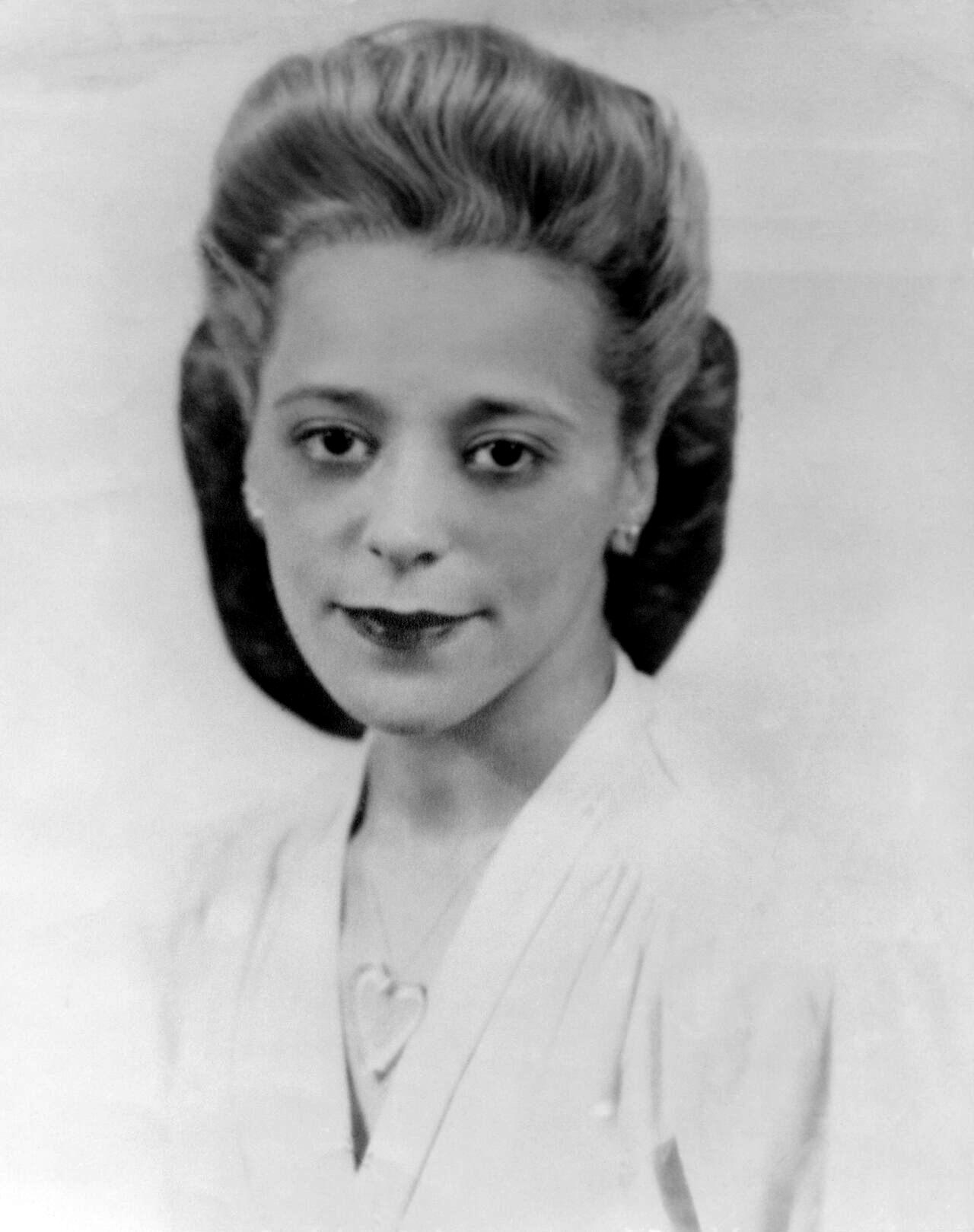
    Viola Davis Desmond was a civil rights activist and a businesswoman. She was best known for her courageous act of resistance against racial segregation. In November 1946, Desmond visited the Roseland Theatre in New Glasgow, Nova Scotia. Despite requesting a seat on the ground floor, she was given a balcony ticket.

    Upon realizing that she was refused her ticket because of her race, Desmond decided to take a seat on the ground floor anyway — an area reserved for Caucasians only. When she refused to exit her seat, the police were called. Desmond was physically dragged from her seat and jailed overnight. She refused the charges against her, and her case went to Nova Scotia’s Supreme Court. In 2018, she made history again by becoming the first Canadian woman to be regularly circulated on a $10 bill.

    Lincoln Alexander

    Lincoln Alexander is widely known for being the first Black Canadian to serve as a member of Parliament in the House of Commons, Cabinet Minister, and Lieutenant Governor. His legacy is recognized annually on the 21st of January, which in 2015 was officially made Lincoln Alexander Day. He was a recipient of honorary degrees from six universities and was honoured with several awards, including Queen Elizabeth II’s Golden and Diamond Jubilee Medals.

    Violet King

    Violet King was the first ever Black woman lawyer in Canada. Born in Calgary, she knew from a young age that she wanted to pursue law. To pay for her degree at the University of Alberta, she taught piano lessons in her free time. King accomplished many milestones: she was the first Black Canadian to graduate from law school in the province of Alberta and was the only Black woman in her graduating class. Through her accomplishments, she paved the way for other BIPOC and women to pursue law.

    Josiah Henson

    Josiah Henson was a Canadian author and spiritual leader who was born into slavery in Maryland. In 1830, he escaped to Canada. As a leader in his community, he mobilized abolitionists to create the Dawn Settlement; this was a place for survivors and refugees of enslavement to become educated and learn skills that would help them become self-sufficient.

    These five Canadians paved the way for those after them, inspiring millions of people on their way. During Black History Month, it is imperative that we take the extra step to learn their stories and recognize the accomplishments they achieved.

  • Canada’s history of slavery and segregation

    Canada’s history of slavery and segregation

    By Avreet Jagdev

    Since 1995, Canada has celebrated Black History Month. It is a time to celebrate the accomplishments and contributions of Black Canadians, but also to acknowledge the darker part of our history – the parts that are too often overlooked.

    Few people know about the history of slavery and segregation in Canada. The darker parts of our history have been continually glossed over, and in some cases, ignored entirely. In fact, many Canadians believe that our only role in slavery was as a safe haven for enslaved African Americans who escaped to Canada through the underground railroad. 

    Despite the lack of awareness surrounding it, slavery existed in Canada for almost two hundred years, between 1671 and 1834. During this time, about 4,000 enslaved African people were transported from British and French colonies to Canada. 

    Owning slaves was incredibly common across Canada. Slave ownership was not exclusive to the rich or elite either; on the contrary, people of all social and economic backgrounds took part in slave ownership.  Not only did slave labour provide profits, but it also indicated social standing. 

    There is a commonly held belief that slavery in Canada was not as cruel or violent as American slavery. This, however, is untrue: enslaved people in Canada were stripped of their basic human rights and freedoms. They were dehumanized heavily, and treated like mere commodities. Many faced violence and abuse at the hands of those who exercised ownership over them. Some were even tortured and murdered.

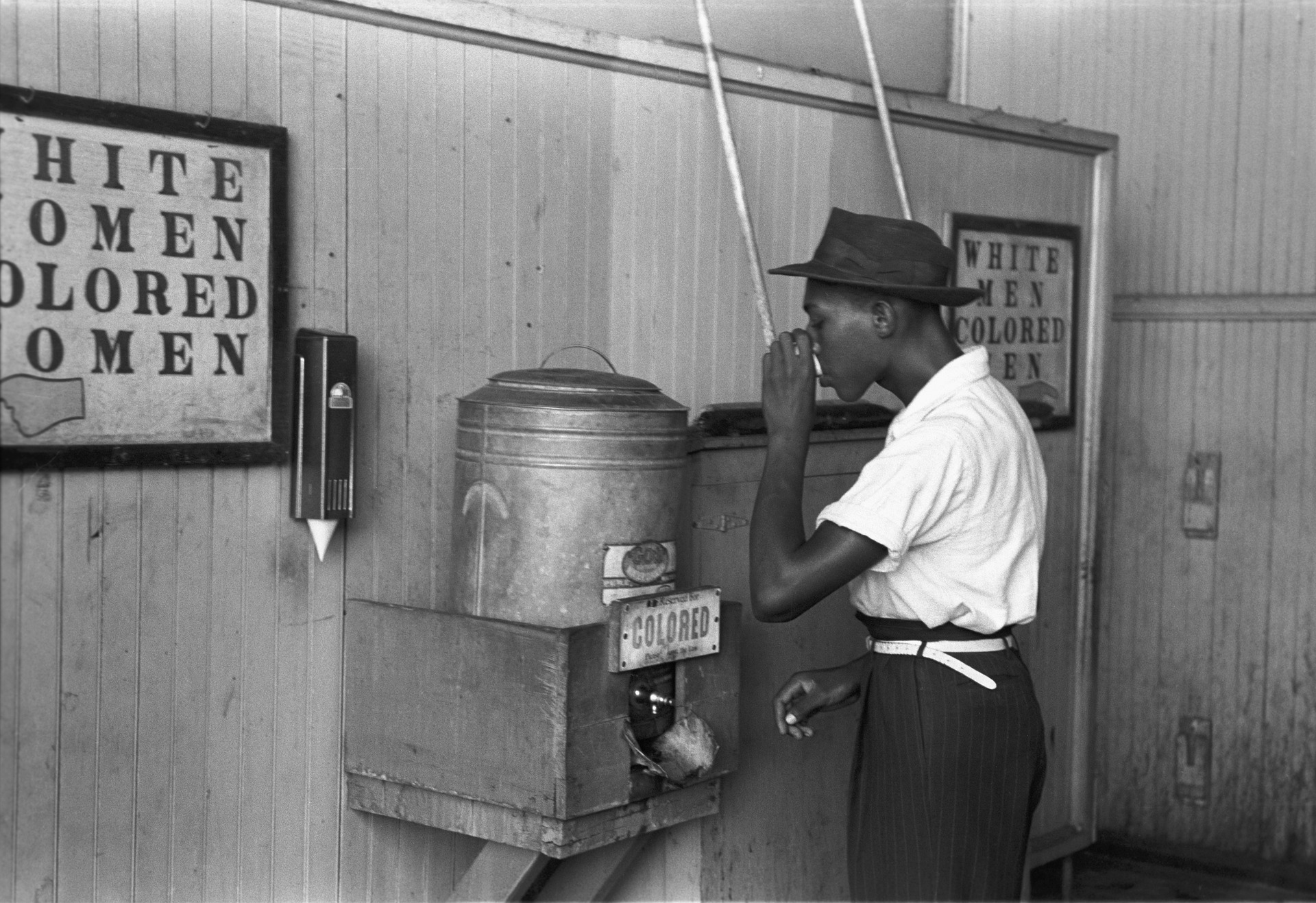
    In 1834, Britain’s Slavery Abolition Act came into effect, which abolished slavery across the British Empire, including Canada. However, the end of legal slavery did not result in the freedom of Black Canadians. The abolition of slavery was followed by systemic racial segregation across Canada. Justified through a lens of racial inferiority, Black and racialized Canadians were segregated and denied equal opportunity in many aspects of life, including healthcare, education, and jobs.

    Racially segregated schools were established in Ontario and Nova Scotia in the early 1800s, and these laws existed up until 1950. Racial segregation within education extended to post-secondary institutions as well, with many denying admission to coloured applicants.

    In addition to education, segregation based on race also affected public areas such as theatres, swimming pools, and skating rinks. 

    Some public amenities had separate seating or areas reserved for Black people, while others banned Black people entirely. For example, Edmonton City Council ruled in 1923 that Black people would be prohibited from using city swimming pools, to prevent ‘mixed bathing’ between white and coloured folk.

    Policies such as this were widespread across Canada up until the late 1970s when the Canadian Human Rights Act was passed. However, even with the legal end to slavery and racial segregation, Anti-Black discrimination and racism is ongoing. 

    Understanding the Anti-Black racism that prevails today requires a vital understanding and acknowledgement of Canada’s long-running history of Anti-Blackness. In order to truly honour Black History Month, we must go beyond convenient forms of allyship and face the entirety of our history, even the uncomfortable parts.

  • Critical Thinking and Questioning the World around You

    Critical Thinking and Questioning the World around You

    Critical thinking has become a major buzzword for many employers over the last few years, but it certainly isn’t a new topic. Critical thinking is the ability to “objectively analyze and evaluate an issue in order to form a judgement”; judgements that are logical and well thought out.

    Questioning leads to great discoveries. Some of the greatest minds in history have used critical thinking skills to develop new, innovative, profound ideas that have resulted in great advancements in science, medicine, and technology.
    Critical thinking has many benefits. It can help you develop improved cognitive skills, become a better listener and allow you to become a better team player. It can be helpful in situations that are stressful by helping you remain calm, relaxed and rational, as critical thinking makes you focus on facts and evidence rather than emotions. It requires you to use your ability to reason instead of just reacting to a situation. Many of these benefits are essential skills to have for many jobs.

    Some jobs that require critical thinking are:

    Judges – they must assess all the information presented to them and make an informed decision. Judges must be fair, knowledgeable and objective.
    Teachers – need to plan lessons, and make decisions in class about the best methods to help students learn. They must have ways of dealing with behavioural issues keeping students’ attention and motivating them.
    Journalists – need to keep an open mind and report on all sides of the story. They need to be able to distinguish facts from fiction.
    Doctors – need to diagnose patients and find the best approach to treatment. They may need to make referrals if they are not qualified to treat specific issues/ illnesses. Surgeons often need to make critical choices on the fly. They need to quickly weigh all the options and do what is best for their patients.
    Coaches, Athletic Trainers, Scouts – need to be able to make smart, knowledgeable choices. They often need to analyze statistics and incorporate them into their decision-making process.
    Many other types of jobs require critical thinking skills as well like: accountants, property appraisers, computer programmers, lawyers, writers, psychologists, counsellors, engineers, scientists and many more. Most of these jobs require people to not see everything in black and white but to look at the gray areas. Not only is it important to learn how to question everything (even your own opinions), but it’s also important to have humility if the evidence shows your conclusions are wrong.

    Critical thinking is also an important aspect of education. It is important to apply it when doing assignments, essays, presentations and exams. It helps you deliver your opinion in a logical manner, and know the strengths and weaknesses of your argument. You must also be sure to use credible sources and up-to-date information. The most important thing you can do for yourself and others is to not just accept things as they come to you. University can teach you how to become more critical of the world around you; knowledge can be a privilege and you must take advantage of it.

  • Workplace dress codes can be discriminatory against certain races. Here’s how, and what can be done about it.

    Workplace dress codes can be discriminatory against certain races. Here’s how, and what can be done about it.

    By Avreet Jagdev

    Over the years, it has become quite common for many work environments to enforce dress codes for their employees. Some workplaces simply ask that employees dress “business professional” or “business casual”, while others require specific colour schemes or entire uniforms. Sometimes, these dress codes are enforced for safety reasons, such as at a construction site or in a doctor’s office. In retail and service workspaces, uniforms are usually required so that employees can easily be recognized by customers and clients. Some aspects of workplace dress codes, however, can be discriminatory against employees from racial or religious minorities. No matter their intent, dress codes function to police and monitor bodies, all under the guise of “professionalism”. This has disproportionate impacts on those who are racialized or of visible minorities. Here are some examples.

    ‘Professional’ expectations for hair:

    It’s no secret that most employers expect their employees to be presentable and professional at all times. But what does it mean to have “professional” hair? Unfortunately, this standard too often leads to bias against curlier hair, specifically, natural Black hair. There are far too many stories of Black employees being reprimanded or even fired from their positions for wearing natural hairstyles, such as box braids, to their workplace. Recent studies have found that African American women are the most likely group of people to be discriminated against on the basis of their hair, as well as to be sent home from their workplace because of their hair. This can lead to pressure on Black people to straighten their hair or avoid ethnic hairstyles that hold great meaning to fit in with their workplace’s “professional” hairstyle expectations.

    Hats:

    Certain religions, such as Sikhism or Islam, require hijabs, turban, or other headwear. In these cases, requiring employees to wear a company hat or other type of headwear, can directly conflict with a person’s ability to practice their religion.

    Rules against facial hair:

    Some workplaces enforce dress codes that prohibit or limit facial hair, but this is discriminatory against certain religions and cultures in which people cannot shave or are required to keep facial hair.

    These are just some examples of workplace dress code policies that can be harmful to certain religious or racial groups. Everyone deserves the right to be themselves, to practice their religion, and to express themselves through their culture. When workplace dress codes infringe on these rights, it tends to disproportionately impact those who belong to visible minority groups.

    So what can be done about it?

    A very important aspect of tackling this issue is to learn and spread awareness about it. Because workplace dress codes are so common, it is quite easy to gloss over their negative impacts and implications. By intentionally educating yourself and those around you about the issue, you become part of the solution.

    And of course, it’s absolutely imperative that employers commit to more inclusive and equitable practices and policies across the workplace, including expectations around dress code.

  • Career Profile: Museum Technicians and Conservators

    Career Profile: Museum Technicians and Conservators

    Visiting a museum can be fun. Learning about history and different cultures through the exhibits is a good way of making the past real. Have you ever thought about the people who put the exhibits together? Museum technicians and conservators help to educate the public about the past. Working in this field can be a good career choice.

    Putting together a museum exhibit involves more than just finding empty spaces in the building. Museum technicians and conservators might have to clean and repair objects first. For example, a piece of cloth with a tear in it might need repair or a picture might need cleaning. Outside experts might need to do this, but often the local museum technicians and conservators do the work themselves.

    Normally, people in this field have a bachelor’s degree in a field like history, special collections, or natural history. This education qualifies them to work in museums, zoos, aquariums, and universities.

    Students learn about the kinds of documents or artifacts to include in each collection and how to describe them to visitors. They learn about the kinds of information that they need to gather and what they need to include in what they give to the public. In high school, students can prepare by taking courses in history, geography, and related topics.

    Suppose that a museum has an exhibit on South African history. The decisions on what artifacts to include would likely come from the curators and other museum officials. Still, the museum technicians and conservators could give advice on how to transport the materials and what to do with them when they arrive. Some materials have to be kept in a cool, dry spot to keep them from becoming mouldy or falling apart. Technicians and conservators can help make those decisions.

    With an exhibit on South Africa, another decision would be about translations. People in South Africa speak a language called Afrikaans, which is related to Dutch. Museum technicians and conservators might decide to translate entire documents or just give summaries of what they say. The same thing can happen for exhibits on all kinds of other subjects at museums and universities. At zoos and aquariums, technicians and conservators might help with exhibits that explain types of animals or how to help keep natural areas safe.

    Museums, universities, and other places where technicians and conservators work often share their exhibits. This is where technicians and conservators can help. Some of their work involves organizing items for display or storage and giving numbers to each one. This helps in keeping track of the items and making sure that the don’t get lost along the way. Often, technicians and conservators photograph the items before they ship them to the new place. Technicians and conservators might help with research, lead tours, and teach courses.

    Salaries for people in this field are normally between about $15 to $31 per hour, with a median of $20 per hour, but it depends on the location and size of the institution. The work can sometimes be physically difficult, but usually, it is a busy but otherwise fairly comfortable job. It might be the right one for you.

    Bibliography:

    ALIS—Government of Alberta. “Museum Technician.” https://alis.alberta.ca/occinfo/occupations-in-alberta/occupation-profiles/museum-technician/.

    CFNC.org. “Museum Technician & Conservator.” https://www1.cfnc.org/Plan/For_A_Career/Career_Profile/Career_Profile.aspx?id=ogUwN6XAP2BPAXKJTUU8a3TSWuRpAXAP3DPAXXAP3DPAX.

    Government of Canada. “Museum Technician in Canada.” https://www.jobbank.gc.ca/marketreport/summary-occupation/16240/ca.

    Study.com. “Museum Technician: Career Information and Background.” https://study.com/articles/Museum_Technician_Career_Information_and_Requirements_for_Becoming_a_Museum_Technician.html

  • La Saint-Valentin et la culture du mercantilisme

    La Saint-Valentin et la culture du mercantilisme

    Tous les 14 février, appelés journées de la Saint-Valentin, nous nous livrons à de petits plaisirs en mangeant du chocolat et en organisant des rendez-vous romantiques. Cette journée spéciale existe depuis des millénaires, mais elle n’est devenue telle que nous la connaissons aujourd’hui que récemment. Pour certains, c’est une preuve d’amour et une journée pour arroser de cadeaux, d’amour et d’affection la personne de leur vie. Pour d’autres, c’est un piège inventé par des entreprises pour nous faire dépenser encore plus d’argent. Alors, qu’est-ce que la Saint-Valentin ? Il n’existe pas de réponse claire. Mais, plus de jamais, nous pouvons façonner cette journée pour qu’elle corresponde plus à nos propres valeurs et transformer un piège de mercantilisme en quelque chose d’originale.

    Les humains ont une longue histoire de traditions et de jours de congé. Avant de devenir la Saint-Valentin, dans la Rome antique, aussi loin que 300 avant J. C., les Romains marquaient le 14 février par la fête des Lupercales. Bien que la Saint-Valentin soit devenue un gain financier évident pour les entreprises, elle continue une tradition annuelle que les peuples célèbrent depuis des millénaires. Nous avons utilisé ces journées de congé de façon positive – pour fêter, se reposer et passer du temps avec la famille et des amis. C’étaient des jours comme les autres jusqu’à ce que les humains leur donnent un sens nouveau par leurs actions. La Saint-Valentin n’a peut-être pas une origine spirituelle ou historique comme d’autres journées spéciales, mais nous pouvons agir pour qu’elle prenne un sens plus profond pour tout le monde.

    L’université d’agriculture de Faisalabad, un établissement postsecondaire au Pakistan, le fait. La Saint-Valentin étant devenue répandue dans la région, les célébrations publiques ont été interdites en 2017. À la place, l’université a choisi de fêter cette journée à sa façon, en soulignant l’émancipation des femmes et en nommant cette journée « la journée des sœurs ». Tout comme la fête des Lupercales, la Saint-Valentin peut se transformer.

    Jeffrey Alexander, un sociologue de Yale, a constaté que les rituels ont toujours aidé les humains à ressentir un sens de solidarité. Il voit les cadeaux comme « la concrétisation des sens et des émotions ». En participant à ces journées spéciales de la façon qui correspond à nos propres valeurs, comme l’ont fait les étudiants de l’université d’agriculture, nous pouvons participer à ce rituel pour améliorer notre sens d’appartenance.

    Au lieu de ne voir que les aspects négatifs de cette journée, comme des cadeaux superficiels surévalués et l’importante excessive accordée au côté romantique, essayez de voir la Saint-Valentin sous une optique plus large. Voyez nos journées spéciales comme essentiellement  des évolutions de traditions plus anciennes et le fil fondamental qui relie l’amour et le lien entre des semblables. Prenez cette journée pour penser aux personnes importantes dans votre vie, ce que vous pouvez faire pour eux, et mieux. Elles peuvent être votre partenaire, de la parenté, des amis, des collègues et même juste des connaissances. C’est l’occasion de renforcer ces liens, cela peut être de petites marques de reconnaissance que vous pouvez vous permettre. Même sans dépenser d’argent, vous pouvez montrer votre amour en prenant un peu de temps et d’énergie pour créer un petit cadeau  ou passer du temps avec ces personnes.

    La Saint-Valentin est, sans aucun doute, une invention des entreprises qui recherchent le profit. Cependant, s’en attrister et l’éviter totalement ne ferait que renforcer vos pensées négatives. En vous concentrant sur les côtés positifs de la journée et la signification des traditions à travers l’histoire de la civilisation, vous agissez pour renforcer vos relations et amener un rayon de positivité dans ce monde croulant sous les problèmes. Les actions parlent plus fort que les paroles. Elles parlent aussi plus fort que le mercantilisme.

    Sources:

    Oppenheim, Maya. “Pakistan university rebrands Valentine’s Day as ‘Sister’s Day’ with free headscarves for women’.” Independent. https://www.independent.co.uk/news/world/asia/pakistan-university-valentines-day-sisters-free-headscarves-faisalabad-university-a8728681.html

    Zareva, Teodora. “How did Valentine’s Day become so commercial – and is it a bad thing?” Big Think. https://bigthink.com/design-for-good/the-history-and-commercialization-of-valentines-day

  • Career Profile: Powerline Technician

    Career Profile: Powerline Technician

    Turning on a light, using the oven, or recharging a phone seem like simple actions, but they require power, often from electricity. That power uses overhead and underground lines that technicians put in place and maintain. Working as a powerline technician can be a good choice for people who enjoy precise technical work, repairs, and maintenance. If this describes you, why not consider working as a powerline technician?

    Powerlines can be overhead, such as the lines that you see along most streets and highways. Others are underground, where no one can see them. Installing or repairing overhead lines can involve climbing ladders or utility poles to reach spots high above the ground. Sometimes powerline technicians place poles in the right places for attaching wires to them. They splice cables together or cut them into the right length for what they need.

    Work as a powerline technician involves the ability to continue even in difficult conditions. High winds or other bad weather can make the work unpleasant or even dangerous. Underground powerlines can be easier to work with, but technicians still need to be careful to avoid potential problems such as hitting sewer lines and water pipes.

    Working as a powerline technician often involves irregular hours, especially in emergencies. These technicians sometimes get help from other people, but they might work alone at times. Being able to work without supervision and to get jobs done on time is essential. These technicians often find jobs with power, Internet, or telephone companies. They might work as employees or establish their own businesses where they work as contractors for others.

    Most people in this trade have at least a high school education, and many have a three- or four-year apprenticeship or a combination of education and work experience. Learning from other people is important since the equipment people work with can be dangerous. Even in high school, students can begin to prepare for the job. Mathematics courses can help with calculating the amounts of pipe or wire needed for each job, and English studies can help with reading complicated instructions.

    After high school and an apprenticeship, powerline technicians might want to continue with their training. Trade certification and Red Seal qualifications are available but voluntary in most of Canada. However, getting these designations can help with finding work and advancing to higher levels of responsibility.  Career prospects vary, but they are reasonably good in many areas of Canada. Wages start at about $30 per hour and can rise to $57 per hour with experience.

    Like in many trades, work as a powerline technician can be physically demanding. People need to be outside in all kinds of weather conditions, which can be difficult. Even when the work is indoors, it can be difficult. Steady hands and a basic level of physical strength are important. An ability to see potential problems and work out solutions is also helpful. Problem-solving can be a large part of the job in many cases. For people who have their own businesses, a knowledge of accounting is useful.

    Powerline technicians do important work that can help keep other people’s lights and heat on, their computers running, and much more. If you like to work with your hands and find solutions to problems, the job of powerline technician might be right for you.


    Bibliography:

    Job Bank. “Powerline Technician in Canada: Job Prospects.” https://www.jobbank.gc.ca/marketreport/outlook-occupation/4740/ca.

    Job Bank. “Powerline Technician in Canada: Employment Requirements.” https://www.jobbank.gc.ca/marketreport/requirements/4740/ca.

    Payscale Canada. “Powerline Technician: Hourly Rate.” https://www.payscale.com/research/CA/Job=Powerline_Technician/Hourly_Rate.

    Red Seal Recruiting Solutions Ltd. “Power Line Technician Salaries.” https://redsealrecruiting.com/salaries/power-technician-salary-information/.

    Red Seal. Sceau Rouge. “Powerline Technician: Red Seal.” https://www.red-seal.ca/trades/p.4w.2rl.3n.2_t.2ch-eng.html.