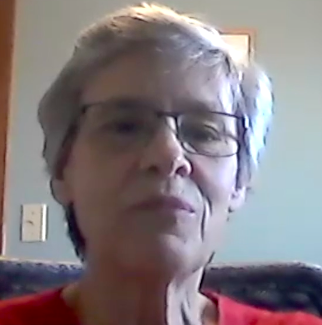
Susan Huebert talks with library technician Marilyn Cameron about her career and education.
Author: Susan Huebert
-
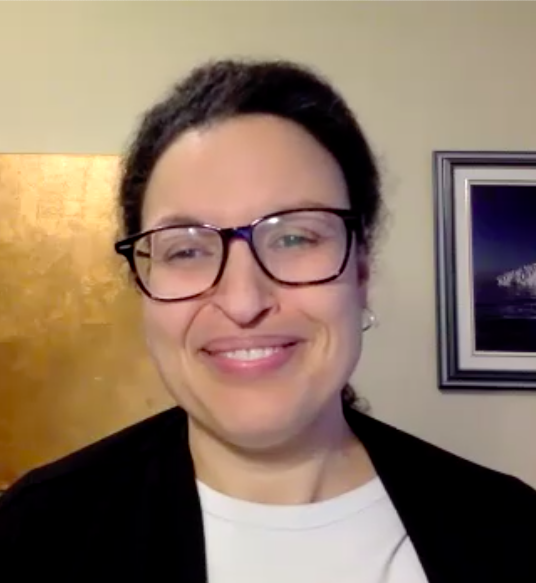
Emergency Physician – Dr Jennifer Bryan
Erin Rebello has an in-depth conversation with Dr. Jennifer Bryan about her work, education, and the impact that the pandemic has had on the healthcare system.
-
My Campus Life: The First Day
I just completed my first semester of college. And looking back on it, I feel as though I have grown and discovered plenty about myself. My first day was nerve-wracking. The campus seemed daunting as I walked up to its front doors. I had only been to campus once prior, to pick up an orientation package. However, I did not know where any classes were. Also, I did not know anyone from my small town who was going into the same program or college as I was.
I always struggled to make friends as a kid and ask for help, so I knew my first day would be tough. Taking a deep breath, I walked into the school. I had arrived half an hour before my class began because I knew I would get lost. I wandered down a hallway I had been in at the orientation, and tried to find my way to the wing my class was in. Within five minutes, I realized I was completely lost. Looking back now, I was a little too independent for my own good.
I wandered around for another ten minutes before I gathered the courage to ask someone for help. I found an older student with a “volunteer” shirt on and approached her to ask for help. She was quite nice and led me to my classroom. I let out a breath and walked into the room. After the fiasco of finding my class, I was not up for much socializing. I sat in the back, close to the door awaiting the start of class. My professor decided today was a good time to do small group discussions. So despite my aversion to talking to new people, I turned to the few people sitting near me and started a discussion.
My first day was full of stress, but it helped me realize a few things. First, I am capable of good things when in an uncomfortable situation. Second, asking for help is not as scary as I thought it was. Asking for help solves the problem you’re facing faster than trying to work through it yourself. And finally, college was not as scary of an experience as I was led to believe. College is a wonderful time to push yourself outside of your comfort zone and experience new things.
My advice for other students is very simple. You never know what you’re capable of until you try. This is applicable to so many aspects of life. For me, I never knew I was capable of being social in uncomfortable circumstances. The uncertainty of a new experience can create an idea that you are not good enough to complete the task laid out before you. In college, you should embrace this uncertainty. Make yourself uncomfortable, express yourself in new ways and discover wonderful things that you never knew you were capable of. College is a blank slate – it is up to you to decide what you want to do with it.
-

Paris Climate Accord and Canada’s actions
The Paris Climate Accord, also known as the “Paris Agreement” is an international effort “to tackle climate change and its negative impacts.” On December 12, 2015, at a UN climate change conference, world leaders came together to create this agreement. This agreement is legally binding and includes almost 200 countries. Over the course of five years, there is an action plan for climate change. Every five years these goals are updated. Every country involved in the Paris Agreement has taken different paths to take action against climate change.
Canada has a goal to reduce their carbon emissions 40-45% lower than the 2005 emission level by 2030. To do this, the country has implemented a carbon pollution pricing system. The federal government left how severe the pricing would be up to the provincial governments. Another way Canada is reducing their carbon emissions is by investing in eco-friendly means of travel and energy production. Canada is investing $28.7 billion into public transit, $26.9 billion into green infrastructure, and over $500 million to organizations to generate clean growth. Canada has also followed the lead of other countries to reach net-zero emissions by 2050. Net-zero emissions means that the country will either produce no greenhouse gasses, or they will offset the emissions enough. Despite the billions being invested into greener initiatives, little change has actually been made.
At this moment in time, Canada is making slow progress to their goals. Despite the nation as a whole having set goals to reduce greenhouse gas emissions, seven out of twelve provincial governments did not have a set target. Out of the five remaining governments, only New Brunswick and Nova Scotia were on track to reach the overall target they set. Initially, Canada had set on reducing carbon emissions by 2020. However, when that goal was greatly missed, they shifted their focus to reducing carbon emissions by 2030.
On a positive note, Canada made waves by implementing a single-use plastic ban nationwide. Six different categories of single-use plastics were banned, such as foodservice ware, checkout bags and cutlery. In this ban, the manufacturing, importing and sale of these items are no longer allowed. This ban is not immediate. In December of 2022, foodservice ware, cutlery, checkout bags, stir sticks and straws were no longer allowed to be manufactured and imported in Canada. By December of 2023, these items will no longer be sold. And in December 2025, Canada will no longer be able to export these items.
There is still hope for Canada to start reaching its goals. In the next seven years if each province and territory step up to the plate and take strides to lower their greenhouse emissions, the initial goal of the Paris Climate Accord won’t seem so far out of reach.
Sources
https://unfccc.int/sites/default/files/resource/2_Canada.pdf
https://www.un.org/en/climatechange/paris-agreement
https://www.oag-bvg.gc.ca/internet/English/parl_otp_201803_e_42883.html#hd3a https://www.canada.ca/en/environment-climate-change/services/managing-reducing-waste/reduce-plastic-waste/single-use-plastic-overview.html -

Just Graduated and Doing Nothing: Advice and Strategies for Recent Graduates Who Are Just Sitting Around Feeling Lost/Confused
Graduating from post-secondary school is an interesting time. For many, this means that your journey with academics has come to an end and you’re moving on to the next stage of life. Though exciting, it can also be quite daunting, especially if you now find yourself just sitting around while feeling lost or confused.
If you’ve been like that and you’re just sitting around as a result, here are some pieces of advice and strategies to navigate this situation:
Advice For Feeling Lost/Confused
Try Exploring Other Fields If Your Interests Have Changed
Is questioning your original choice of field the reason why you’re feeling confused? Do you find that you’ve developed an interest in other fields? In that case, look up how to go about pursuing them, e.g. the required education, associated practical training, etc. Of course, there’s no urgent need to make any commitments or concrete decisions concerning this since you’ve just finished school, but you should consider it if you’re having doubts regarding what you initially chose to pursue.
Look After Your Mental Health
Transitioning from school to the real world can be challenging as you’re probably experiencing pressure to start establishing yourself professionally now that you’ve graduated. Therefore, it’s understandable if feeling lost is further causing feelings of anxiousness.
Looking after yourself remains crucial, so try engaging with anything that helps you relax. You could set aside time on a regular basis for a hobby. If you haven’t already, try yoga and meditation. The breathing exercises they involve are known for being very helpful in this respect.
All in all, it’s evidently important to know that you must take measures to address your current circumstances as you’re now entering the workforce. However, you should also refrain from being too tough on yourself. This could cause additional stress that wouldn’t benefit you in any way.
Strategies To Navigate This Situation
Try Working an Odd Job or Volunteering In The Meantime
As this is a confusing time and you’re unsure about what to do, try working an odd job or volunteering. These are good ways to also be productive while you decide on any long-term, professional pursuits. There’s a possibility that doing so could provide you with other opportunities you’ve never considered before as well.
Research Career Coaching Services
Career coaching services are for helping people find and pursue the right career path. Many can assist in every step of the process, from creating the best related goals for you to refining your job application documents. Overall, seeking career coaching would be beneficial as, with this guidance, you’ll likely develop a better sense of where you’d like to end up.
Having just graduated, it’s normal to feel lost/confused at this point in your life. Remember that starting the career you’re meant to have likely won’t happen right away, so remain patient and don’t be afraid to ask for help when you need it. If you consider taking the pointers above while looking after your well-being, you’re on the right path to effectively improving you current situation and making the correct choices for you.
-

“I Feel Empty”: How To Make Sense Of “Feeling Empty” And How To Get Better
Without a doubt, emotions remain a very complex topic. This complexity especially refers to dealing with negative emotions. Common examples are anger, sadness, and frustration. Nonetheless, another one that some would say isn’t discussed as much is feeling “empty.” At times, “emptiness” can be difficult to articulate and, in turn, also difficult to address.
If this is what you’re going through right now, here is how to make sense of “feeling empty” as well as ways you can get better:
Making Sense of “Feeling Empty”
“Feeling empty” means that it almost seems as though you aren’t feeling any emotions at all. Life has a sense of bleakness because you can’t understand why you should be happy about, or satisfied with, anything. It would make sense if you were to additionally describe “feeling empty” as experiencing overwhelming “uncertainty,” “hopelessness,” or “numbness.”
All in all, this could also lead to more negative emotions, including depression and anxiety.
How to Get Better
Take Inventory of the Things You Feel Are Lacking In Your Life
This feeling of emptiness may stem from lacking fulfillment in certain areas of your life. For instance, are you not as close to loved ones as before? Do you find that goals you have aren’t as meaningful as they used to be? Do you still feel unsatisfied even after achieving these goals or end up not caring if you do?
Overall, taking this inventory might help you get to the root of the issue. Doing so could lead to a breakthrough by either changing your perspective regarding these things or have you take a step back and re-examine what you truly want/need.
Find a Medium to Express Your Feelings and What You Think You Need to Feel Better
Another great way to get better is finding the best medium you can use to express how you’re feeling and what you think you need to feel better. It could be anything. Some suggestions would be writing in a journal on a regular basis, drawing, or even creating a fictional story about a character who is going through something similar. These activities possess potentially therapeutic qualities and therefore could benefit you in this respect. A notable one includes turning these into larger, personal projects and providing you with a sense of accomplishment.
Try Seeing a Mental Health Professional
If you find that your efforts aren’t helping, it might be a good idea to try booking an appointment with a mental health professional. Tell them about what you’ve been experiencing, and they will likely provide pointers that can help guide you as you continue to address how you’re feeling.
Remember: tackling emotional challenges usually takes time, so be patient. Negative emotions are tricky to manage and in most if not all cases, you won’t know when you’ll begin to improve. Continue trying and seeking avenues that could help. Of course, there’s no telling exactly what the remainder of your journey through this situation will look like, but if you take the advice stated above, you’re well on your way to feeling better.
-

Eco-anxiety: Mental health issues caused by climate concerns
Climate change and environmental disasters can cause immense amounts of anxiety. This stress actually has a name of its own: Eco-anxiety. Eco-anxiety can be described as “a feeling of worry about threats to the environment, such as pollution and climate change” (Oxford Dictionary). However, eco-anxiety can run much deeper than that. Not only will a person feel a sense of worry, but also feel depressed, or helpless. Eco-anxiety can be so overwhelming that it affects a person’s everyday life, causing them to lose focus on relationships, or to have panic attacks. The causes of eco-anxiety include climate change, natural disasters, and concern for the future of the environment.
Advice for Dealing with Eco-Anxiety
Eco-anxiety does not have to be a debilitating or lifelong stressor. There are small things you can do in your daily life to relieve some anxiety. First, commit to sustainable practices will diminish some stress. Consistent recycling, composting, and reusing items will reduce your carbon footprint. Also, small things like turning off lights when you leave a room, ensuring your taps are off, or keeping the thermostat at a reasonable temperature will also help your carbon footprint. These suggestions will help anxiety regarding your own contribution to climate change. For larger aspects of eco-anxiety, some things will be out of your control. You cannot control the carbon productions or toxic waste of large companies, but you can control how often you consume that information. Be selective about how often you watch the news, or consume social media posts regarding climate change or natural disasters.
Eco-anxiety may seem to be relentless and hard to overcome; however, there are so many small options to help resolve some fear. You may not be able to control climate change, but you can control your levels of anxiety. It is also important to remember that you are not alone in this stress.
My Experience with Eco-Anxiety
Personally, eco-anxiety is something I struggle with. I often feel that climate change is a never-ending, explosive issue that I can do nothing about. When I watch the news, I see these terrible disasters across the world and the people affected by it. Sometimes I feel almost helpless. There are a few things I have found that help with my eco-anxiety. The first thing that has helped is talking to a therapist. Therapy is still an extremely taboo subject; however, it is very helpful especially in stressful times. Contrary to belief, you do not need to have a diagnosed mental illness to see a therapist. You can book an appointment with someone whenever you feel necessary. Therapy is an opportunity to talk about these stressors and also get feedback from an outside perspective on how to feel better. Another thing that has helped me is that I have been speaking to friends and family about my anxiety revolving around climate change. Quickly, I found many of my friends are feeling the same way. Finding people with similar anxieties helped me feel like I wasn’t alone in this fight.
References
Oxford Learners Dictionaries. https://www.oxfordlearnersdictionaries.com/us/definition/english/eco-anxiety?q=eco-anxiety
Young Upstart. Eco Anxiety. 2023. https://www.ecoanxiety.com/what-is-eco-anxiety/
Iberdrola. Eco-anxiety, Solastalgia, and Fear of Climate Change. https://www.iberdrola.com/social-commitment/what-is-ecoanxiety#:~:text=The%20American%20Psychology%20Association%20
-
March 2023 Scholarships: Apply now!
Nursing Scholarships
Scholarship Value: $10,000
Awards Available: 10
Award Deadline: March 30, 2023Kezian Science Scholarship
Scholarship Value: $1,200
Awards Available: 1
Award Deadline: March 31, 2023Global Lift Equipment Scholarship
Scholarship Value: $500
Awards Available: 1
Award Deadline: April 15, 2023Mission Creek Orthodontics Scholarship
Scholarship Value: $500
Awards Available: 1
Award Deadline: April 15, 2023Abbott Painters Scholarship Program
Scholarship Value: $500
Awards Available: 1
Award Deadline: April 30, 2023Lift Parts Express Scholarship
Scholarship Value: $500
Awards Available: 1
Award Deadline: April 30, 2023LM Scholarship Program
Scholarship Value: $500
Awards Available: 1
Award Deadline: May 1, 2023Luke Santi Memorial Award
Scholarship Value: $1,000
Awards Available: 1
Award Deadline: May 31, 2023AIA and the University of the Aftermarket Foundation Scholarship
Scholarship Value: $1,000
Awards Available: 5
Award Deadline: June 15, 2023OYF Memorial Scholarship
Scholarship Value: $1,000
Awards Available: 2
Award Deadline: June 30, 2023 -
3 Years Later…
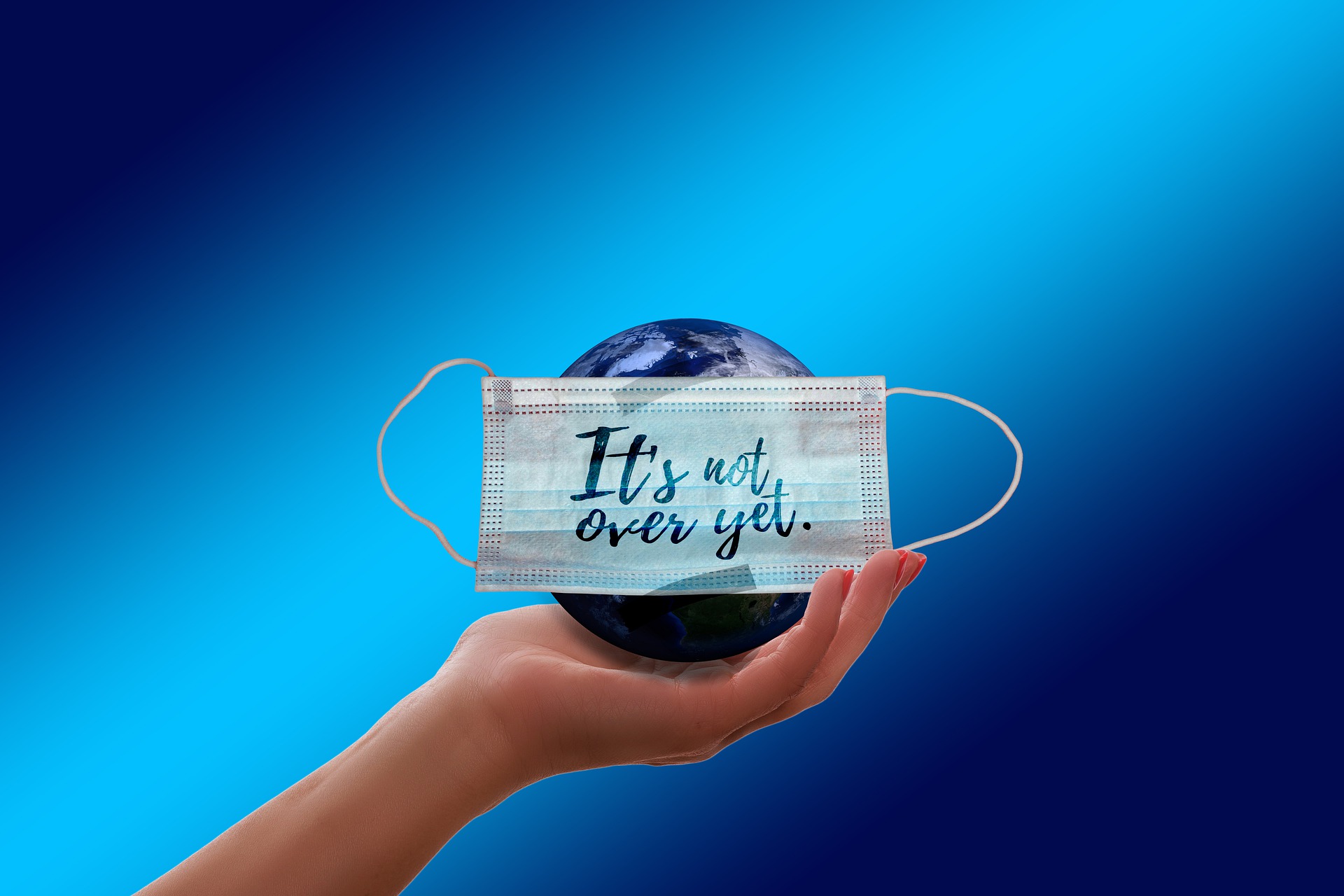
It’s been three years. Now that some time has passed, we have a clearer idea of just how big of a cultural moment March 2020 was. And all that time, I managed to avoid getting struck with the virus — until now. As I write this, I’m sitting here with a fever and trying to find the words to finish this. Fortunately, we have an amazing team of writers to do that, so be sure to check out the latest articles in this issue.
This issue, we take a look at the climate crisis, trades jobs, and several new career profiles. Covid carries on and we have to keep that in mind, but we also have to balance that with moving on with the world the way it is now.
Stay tuned later this month when we publish more articles, as well as video interviews. We’ll be posting at least twice a month going forward to keep you up to date on all the latest careers and social issues.
As for me, I’m going to back to sleep.
Regards,
Anthony Teles, Vice-President -
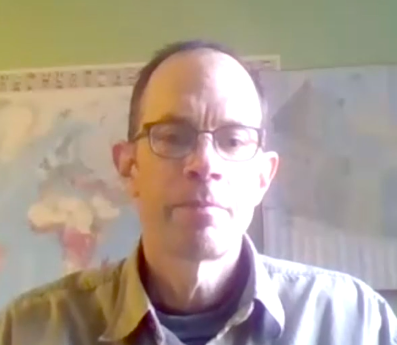
Quality Control Technician – Galen Miles
Susan Huebert interviews Galen Miles, a quality control technician in plastics manufacturing.