Author: Rochelle C. Pangilinan

  • Little Acts of Kindness Go a Long Way

    Little Acts of Kindness Go a Long Way

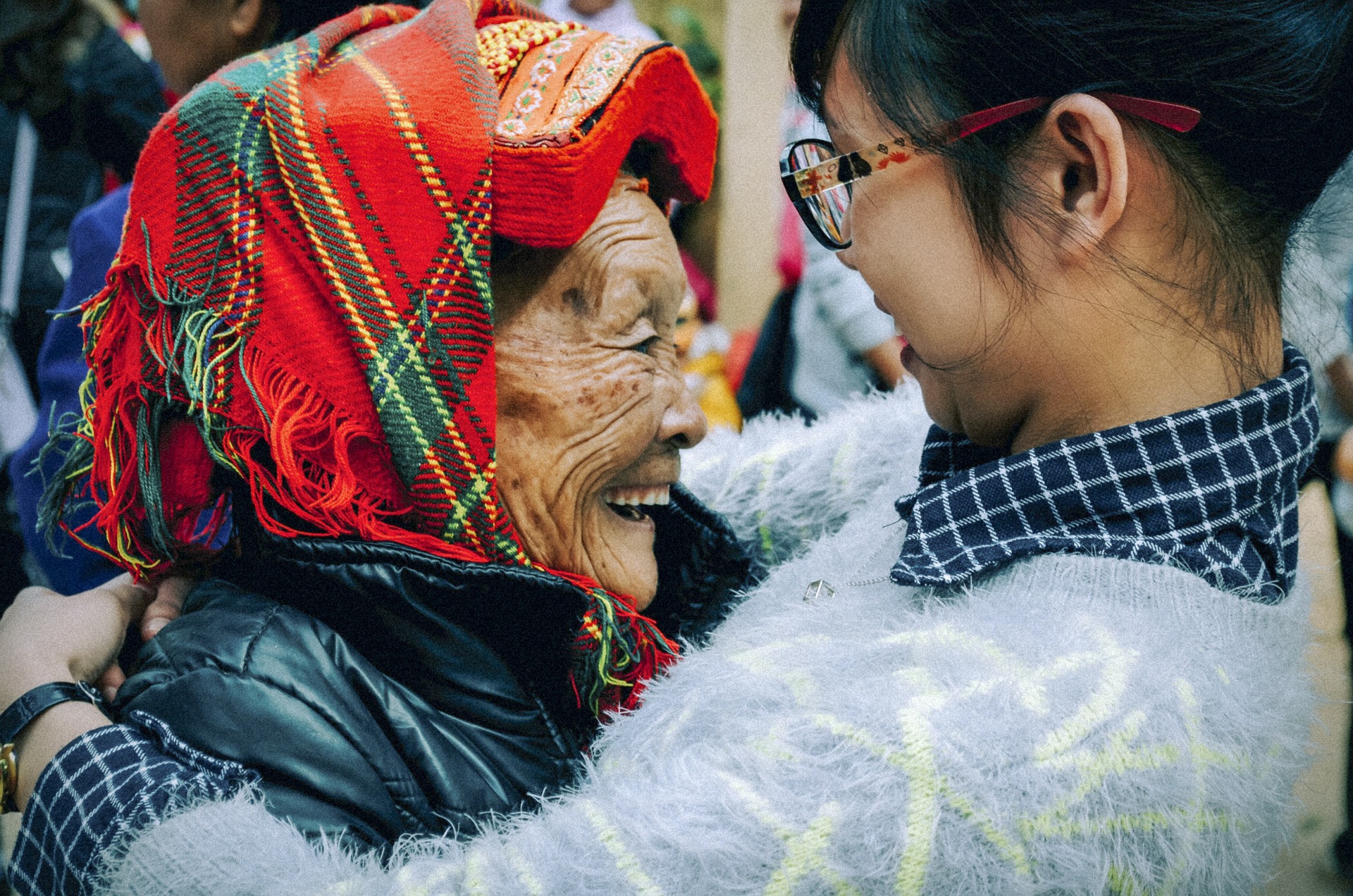
    “Happiness can be found, even in the darkest of times, if one only remembers to turn on the light,” is a famous quote by Albus Dumbledore, a well-loved character in the Harry Potter series written by J.K. Rowling. While the quote is from a work of fiction, it is definitely relatable during times when things aren’t going as smoothly as one expects. Collectively, it’s a quote that’s apt when describing our experiences at the height of the pandemic. While we all found ourselves with conflicted emotions during COVID, we also found solace in stories of random acts of kindness that gave us hope that we can look forward to brighter times ahead.

    One story that particularly tugged at our heartstrings and inspired similar acts of kindness throughout Canada is the one involving 13-year-old Allison Young from Cupids, Newfoundland. During the peak of the pandemic, Allison was given a “good deed” assignment in school by one of her teachers, who probably meant something simple like baking cookies for a classmate’s upcoming birthday or walking the neighbour’s dog. The teacher certainly was not expecting a grand gesture, which was what Allison exactly did.

    When the assignment was first brought up in class, Allison thought about the senior population in the long-term care home where her mother worked. Allison knew that the seniors were one of those hardest hit by the pandemic, and she wanted to brighten their day in a way she could: by writing to them, all 124 of them.

    Allison’s act of kindness is definitely a tough act to follow, but not impossible. Of course, even little gestures of kindness can go a long way. Here’s how to ignite the kindness in you so you can pass it onto other people:

    • Practice self-kindness.

    As the cliché goes, if you want to see a change in the world, you should start with yourself. We may not realize it, but sometimes we are too hard on ourselves and prone to being overly critical of our own actions. While it’s good to be self-aware, particularly on those things you can do better, you don’t have to beat yourself up when you don’t realize your own expectations. Be kind to yourself, and keep in mind that you do your best even during the tough times.

    • Work on your empathy.

    These days when we life seems to get busier by the day with all the things we try to accomplish, it’s easy to get stressed out and put our needs first ahead of everyone else’s. However, everyone is likely going through things as well like yourself, so before you pass on judgment, put yourself in their shoes and be more empathetic and understanding.

    • Help your community out.

    Helping out your community is always a good place to start when you want to promote kindness. You can start small such as volunteering to pack at food bank centres or serving meals at a community meal program. Remember though that it should all be about helping those who are in need of help and making sure that job is done well.

    • Be ready to listen.

    How many times have you stopped to listen to a person who suddenly approaches you on the street? You’ve probably waved your hand to say “no” or walked away before the person can speak. It’s become far too common that we are so embroiled in our daily tasks that we tend to automatically ignore strangers who approach us before we give them a chance to tell us what they need. Next time someone comes to you, stop for a moment and take time to listen. Maybe all that person needs is someone to acknowledge their presence, and that alone already means the world to them.

    Don’t underestimate the power of kindness, and even little acts such as providing a listening ear, can go a long way.

  • Most post-secondary students are struggling with mental health — here are 5 job and volunteer opportunities that can help you make a difference

    Most post-secondary students are struggling with mental health — here are 5 job and volunteer opportunities that can help you make a difference

    By Avreet Jagdev

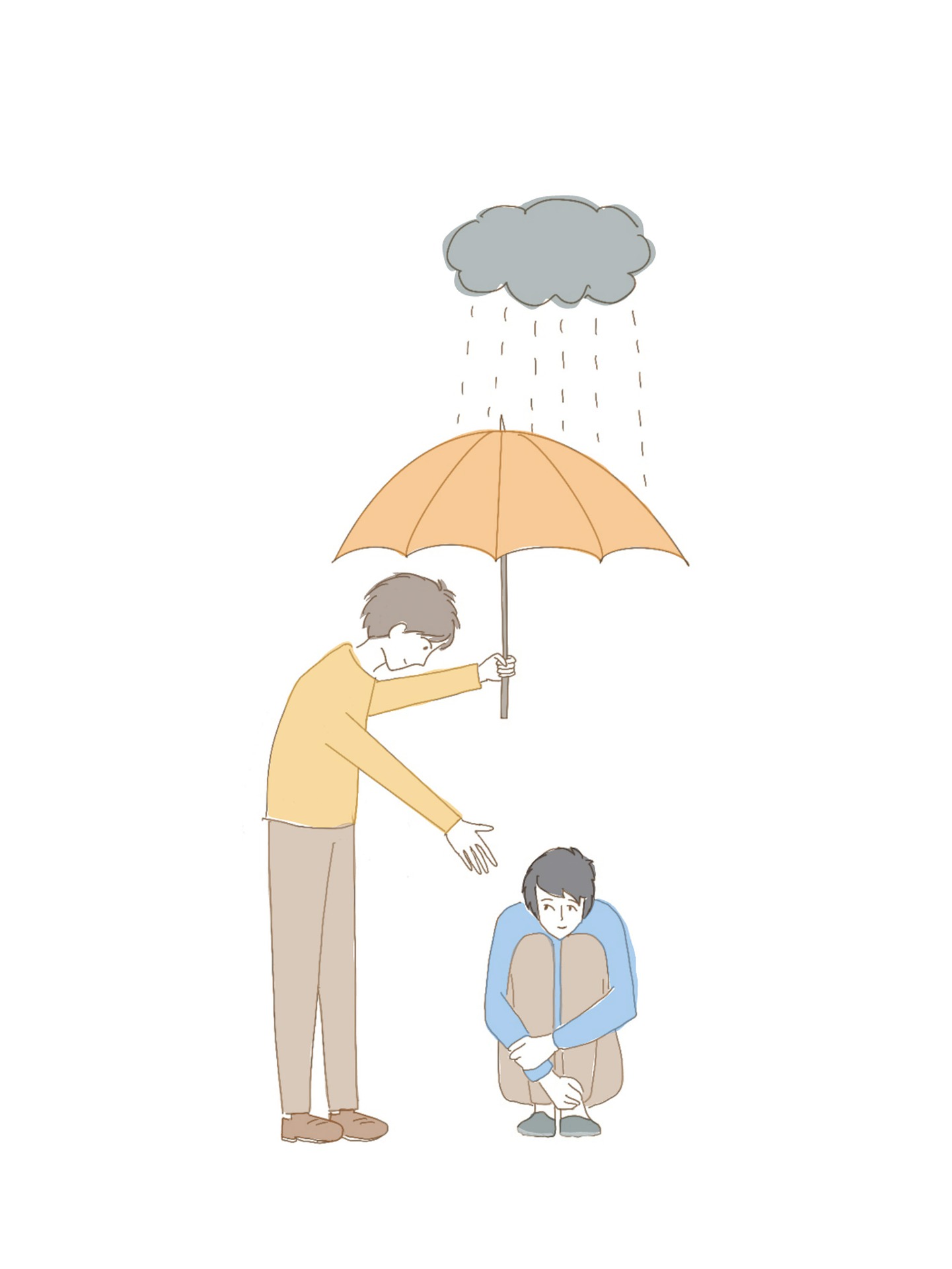
    A recent Toronto Star article brings to light an important but less than happy fact: the majority of post-secondary students are grappling with their mental health, especially after a rough couple of semesters riddled with Covid. Factors like poor sleep schedules and lack of in-person interactions has only exacerbated the issue.

    If you have found that you’ve been feeling sad, unmotivated, or just not too great – you are not alone. Although mental health is an incredibly important topic, it’s also one that is not talked about enough. Because of the stigma that surrounds mental health, it can be difficult to discuss what you’re going through, let alone seek the support that you might need. This is why it’s even more important to have these discussions, so that people know they are not alone in their struggles with their mental health, and are empowered to seek resources and support.

    In addition to having conversations about mental health, there are many job and volunteer positions that can help you make a difference. If you’re looking to make an impact, are some opportunities to get you started:

    1. Volunteer at CAMH

    The Centre for Addiction and Mental Health is an organization that performs research, provides training to health professionals, and advocates for mental health care. There are ten locations across Ontario, and volunteering at CAMH has many benefits – in addition to making an impact, you get the opportunity to network, gain knowledge, and receive letters of recommendation.

    1. Work or become a volunteer with Kids Help Phone

    Kid’s Help Phone is Canada’s 24/7 online mental health service for children and youth. It provides confidential support to young people in both English and French. Since it’s a fully online nationwide service, you can volunteer with them from anywhere in the country! For post-grads, they also have many job opportunities available.

    1. Volunteer at your school’s mental health service center

    Whether you’re in high school or post-secondary, your school likely has mental health services and resources for its students. If you’d like to create an impact within your own community, it’s a great idea to reach out to your school’s counselor or mental health service center, to see how you can get involved!

    1. Pursue a career with the Canadian Mental Health Association

    The Canadian Mental Health Association is a non-profit Canadian organization dedicated to mental health support and advocacy. If you’d like to dedicate your career to mental health, working with the Canadian Mental Health Association is a wonderful way to do so!

    1. Become a Volunteer Angel with the Nanny Angel Network

    If you have a couple extra hours a week to spare, consider becoming a Nanny Angel with the Nanny Angel Network! It’s an organization dedicated to supporting children whose families are affected by cancer. You’re able to volunteer both in-home and virtually, and doing so makes a huge impact in the lives of children who might be dealing with grief.

  • Oh No I’m Graduating! Advice for Those about to Graduate or Recent Grads Who Have No Clue What to Do Next

    Oh No I’m Graduating! Advice for Those about to Graduate or Recent Grads Who Have No Clue What to Do Next

    Graduating can be a very exciting experience. All the hard work you’ve put in over the past four to five (or more) years has paid off and you can proudly bring that degree/diploma, etc. home. Nonetheless, this may also be an intimidating time because you’re entering the next chapter of your life. It might even seem as though there are so many things to address now that you’ve finished school and you don’t know where to start.

    Here are some tips if you’re graduating/have graduated and unsure about what to do next:

    Update Your Resume and Start Applying for Jobs

    Revamp your resume. This would include (of course) adding that you now have a degree/diploma, etc. and, if applicable, you’ve participated in any work-study programs. Also, look up ways on how you can add some extra flair to your resume. Incorporating creative touches will help you stand out to potential employers.

    It’s further a good idea to start applying for jobs. Of course, don’t worry about landing one right away. It often takes a while to secure employment after graduation. Additionally, remember that most in your situation are relatively new to the workforce, and it’s typical to go through several different jobs before eventually finding the one you’ll keep for the next few decades. For now, even finding work outside your chosen field is completely acceptable.

    See a Financial Advisor about Your Personal Banking

    Unless you’re thinking of applying for graduate school or pursuing another certification/bachelor’s degree, graduating likely means you’ll no longer be a student. As a result, you won’t continue receiving benefits/exemptions (if you have been receiving them) from your bank that are associated with being one unless they can extend these benefits/exemptions for an additional amount of time. It’s encouraged to see a financial advisor and ask about what the next best steps are regarding your personal banking.

    Take Some Time to Recoup if You’re Feeling Burnt Out

    Getting a degree/diploma, etc. can be a very difficult and tiring experience, so it’s understandable if you’re feeling burnt out. Though it’s normal to begin applying for jobs immediately after graduating, take the time to also rest if necessary. You can proceed with applying, but further engage with things you enjoy and relax as well in between. Are there any hobbies you miss? Have you been wanting to see a movie that was released recently?

    All in all, the best way to go about doing what’s necessary after you’ve graduated is determining what the most logical measures are. If you feel overwhelmed, just take one step at a time. Creating a list of these things is a good idea. You could also organize them according to how urgent each list item is and mark down when you’d like to have them done by (as in, specific dates) for extra motivation.

    It’s also important not to put too much pressure on yourself and refrain from worrying about what other recent grads/soon-to-be grads are doing. If you try your best and focus on your own goals, you’ll be on the right track.

  • Advice for Those Thinking of Dropping out of School

    Advice for Those Thinking of Dropping out of School

    People commonly pursue a degree, diploma, or any other academic-related accreditation after high school. Nonetheless, sometimes continuing with academics isn’t the best path for everyone. Considering how much pressure students often receive when it comes to getting an education, deciding whether or not to continue with their schooling (especially when they’re in the middle of it) can be a stressful and an anxiety-inducing experience.

    If dropping out is a serious consideration, here is some advice on how to make your decision:

    Consider Other Programs

    Before making this decision, take a look at other programs and see if any pique your interest. You can even consider ones at a different school(s) as well. Its understandable if you find your interests have changed (or you weren’t that interested in what you’re doing to begin with) but try giving academics another chance rather than stopping altogether. To provide an example, if you’re attending university, switching to a different major and/or pursuing a minor that aligns better with what you enjoy might be the answer.

    Take a Temporary Break from School

    Is feeling burnt out or overwhelmed the reason why you’re thinking of dropping out? Exhaustion can definitely impact a person’s motivation and a restful break could put you in a better position to decide. The logical solution is taking a semester or two (or some time) off, then making your choice. For certain cases, even withdrawing from courses you’re currently enrolled in remains an option if school has been taking a serious toll on your health.

    Have a Realistic Plan in Place

    If you haven’t done so already, it’s best to think of a plan. Ask yourself this question: “What would my next steps be if I were to drop out?”

    This isn’t to say that everything must be figured out right now, but it’s still encouraged to have ideas of what you’d like to do after parting ways with school. For instance, if you’re thinking about a specific career but aren’t entirely sure you’ll pursue it, working an odd job in the meantime would be a good measure to take.

    Do What You Believe Is Best for You

    This is a difficult situation, and if you’ve already discussed this with others, you are probably receiving/have already received advice from these people about what to do. Above everything, however, trust yourself. If you truly believe dropping out is what’s best, then proceed by all means. It’s also possible that this isn’t a permanent farewell as you could go back to school should you choose to do so in the future.

    Overall, take your time to decide. Whether it’s continuing with your education but pursuing a completely different field or leaving school, consider all your options. What’s crucial is ensuring you’re in the right headspace so you can think rationally as you ponder this decision. Also, while those around you who are aware of your situation and want to advise you likely have your best interests at heart, remember that you know what the correct direction for you is.

  • Here’s to 2023!

    Here’s to 2023!

    Happy New Year!

    I hope you all had a fun and restful holiday season. It’s time to get back to class and get used to writing “2023” instead of “2022.” Regardless of what you think about New Year’s Resolutions, this is a great time to get yourself into a new mindset and take on new challenges or lingering goals. JPD has the inspiration you need to make that happen!

    Need inspiration for your own 2023 goals? Bhargavi shares her goals for 2023.
    Want to renew your French skills? Check out Rochelle’s comparison of the French language to English.
    About to graduate and scared of the new world you’re heading into? Tiffany has advice to help you out.
    Looking for a new job that speaks to social issues you care about? Read Avreet’s suggestions on how to land that dream job.
    Thinking of exploring your love for art? Maryam takes a look at the AGO’s spotlight on Indigenous artists.
    Thinking of a new career path in the trades? Susan has career profiles for jobs such as institutional cook and die designer.

    The new year only happens once annually, but a new day comes around every 24 hours. Seize it!


    Sincerely,
    Anthony Teles
    Vice-President, Content

  • A look at the Indigenous Connectivity Summit and the digital divide that impacts Indigenous Communities

    A look at the Indigenous Connectivity Summit and the digital divide that impacts Indigenous Communities

    By Maryam Sheikh

    Have you heard of the term digital equity? The First Nations Technology Council defines it as a state in which all Indigenous peoples, communities, and Nations are fully equipped to effectively access and use technology in order to contribute and thrive in our digital society while preserving self-determination. However, the fight for digital equity is more than just access to technology and the Internet; it also includes influence over the direction of technology and its impacts on society. Digital equity is a prerequisite for innovation, self-governance, entrepreneurship, and more.

    Not only is Internet access a basic right for Indigenous communities, it is also a tool for cultural survival. It offers access to Indigenous languages, traditional stories, skill building, interaction with other community members, education, healthcare, and sharing stories. Furthermore, it can be used as a platform for reconciliation between Indigenous and non-Indigenous peoples to take place through relationship-building via community events and learning opportunities.

    The digital divide has become even more of a pressing issue in the midst and aftermath of the pandemic as life, including access to work, education, healthcare services, and more has shifted online. The government has failed to sufficiently invest in sustainable infrastructure; this is related to a long history of colonial practices that have failed to recognize and respect Indigenous rights.

    So, what is next? There is a need for strategic planning, community leadership, and the inclusion of Indigenous voices in solution creation. There is already great work being done as Indigenous community members and other stakeholders come together to plan for the future.

    For instance, the annual Indigenous Connectivity Summit brings together Indigenous leaders, community members, community network operators, Internet service providers, researchers, and policymakers with the common goal of connecting Indigenous communities to fast, affordable and sustainable Internet. The 2022 Summit was hosted by the newly formed Indigenous Connectivity Institute, marking the transition to a truly Indigenous-led event.

    The 2022 Summit was held in Winnipeg, Manitoba and brought together more than 60 experts and advocates working to connect Indigenous communities as well as over 600 online participants. A recap of the event highlighted that there appears to be an “unprecedented level of commitment from governments, the private sector, and the philanthropic community to address the connectivity gap” coming out of the pandemic. As such, 2022’s delegates focused on translating that energy into lasting action through discussions on broadband mapping, spectrum sovereignty, access to funding, and building off-grid community-run broadband networks.

    Leading up to the event, participants were invited to join two training tracks. These sessions provided foundations for the in-depth conversations that took place during the Summit and focused on policy and advocacy training as well as technical community networks training.

    Attendees also brainstormed and developed five calls to action, working with pre-existing documents from past summits. The calls to action center around building participatory and inclusive policy consultation and funding processes, rethinking approaches to connectivity, holding governments and industry accountable, recognizing Indigenous rights to spectrum, and developing an Indigenous workforce in networking. The document is available here and includes more information on how to help; I’d highly encourage you to take a read through it and determine what part you can play in ending this divide.

  • Check out our new interviews with Canadian professionals!

    Check out our new interviews with Canadian professionals!

    We hope you’re having a great December and enjoying the holiday season. As the year and school semester wind down, check out the first videos in our series of interviews with Canadian professionals.

    JPD writers Julia Skoczypiec, Mara Hurst, and Susan Huebert interviewed workers in different fields to discuss their jobs, education, and how technology and the pandemic have affected their work. Our initial interviews are with technical writer Giselle Mazurat, catering entrepreneur Mauro Ritacca, and children’s media development producer Brandon Lane.

    Check out the new videos below!

    Many more interviews are to come in 2023. For even more conversations between our writers and Canadian professionals, check out JPD’s new podcast. The podcast will feature less formal chats discussing social issues and activist causes of the profesionals we’ve interviewed.

    All of us here at Jobs People Do wish you Happy Holidays and a very Happy New Year!

    Sincerely,
    Anthony Teles, Vice-President

  • Development Producer – Brandon Lane

    Development Producer – Brandon Lane

    Julia Skoczypiec talks with Brandon Lane about his work as a development producer and showrunner for children’s media.

    Brandon Lane is a Development Executive at Nelvana, a well-known Canadian animation studio, and a producer on the Emmy-nominated show Miss Persona. The show made history by featuring the pride-related episodes on Treehouse for the first time in 2021, with Season 3’s “Love Every Moment” and “I Wanna Wear.”  Before Brandon was at Nelvana, he created shows such as Alfredo Tomato (2011), and the full-length children’s film Princess Sparkly Butt and the Hot Dog Kid. 

    Sources: 

    Early Brain Development – CDC (USA)

  • Catering Entrepreneur – Mauro Ritacca

    Catering Entrepreneur – Mauro Ritacca

    Mara Hurst talks with Mauro Ritacca about his entrepreneurial work running Cucina Mauro. Check out Mauro’s business at the Cucina Mauro website!

  • Technical Writer – Giselle Mazurat

    Technical Writer – Giselle Mazurat

    Susan Huebert talks with Giselle Mazurat about her work as a technical writer.