
Author: Rochelle C. Pangilinan

  • 5 Ways to Keep Track of Your Credit Card Spending to Avoid Falling into the Debt Trap

    5 Ways to Keep Track of Your Credit Card Spending to Avoid Falling into the Debt Trap

    A credit card is essential these days. Even if one has the means to pay everything in cash, a credit card is necessary for building up one’s credit score. A high credit score gives one a better chance of being approved for a loan for big-ticket items such as a house or a business franchise.

    However, for some, it can be truly tempting to rely on the plastic for everything, especially if one has been granted a high spending limit. If one reaches the maximum limit, they tend to turn to quick loans with high interest rates, which will have its drawbacks. As a result, the debts pile up, and it becomes a never-ending cycle.

    When one seems to go in circles with their debts, they have officially fallen into the debt trap. And that will be challenging to get out of. Fortunately, there are sure fire ways to manage your credit card spending so you won’t get ensnared by the debt monster. Read on below for 5 good ones.

    1. Pay attention to your credit card statements.

    It’s easy to ignore credit card statements, whether they’re received via traditional mail or email. Most people focus on what’s left of their spending limit, but not necessarily the items they have spent their money on, and this is a big mistake. Going through your statements and making sure every line item is a legitimate purchase gives you a clearer picture of your spendings. It’s also an effective way of analyzing those purchases that you probably can do without, like a paid subscription to an online graphic design platform that you barely use.

    1. Use a budgeting app.

    Most banks today have an app that allows you to keep track of your spending. Some apps even categorize your expenses, and if something isn’t clear, they’re placed in the miscellaneous category. These apps help you get an idea of where exactly you’re at when it comes to purchases. If you don’t want to use a bank app, you can opt for budget tracking apps for Android or iOS devices which you can link to your accounts. These apps are efficient in noting down your expenses to give you a good picture of your spending.

    1. Try the envelope method.

    Place bills inside envelopes and categorize them according to your expenses. The money should be a good estimate of how much you’d typically spend for that expense monthly. As we’re still in a pandemic, it’s understandable why businesses encourage customers to pay with debit or with credit cards instead of cash. However, most supermarkets and groceries still accept cash, and this is where you can apply the envelope method. Set aside $200 for your monthly groceries. When it’s nearing month-end and you feel your money is running out, then it’s time to get creative. If you have a rewards card, use those points or take advantage of coupons to save money.

    1. Uninstall shopping apps from your devices.

    The notifications about promotions from the online stores you frequently shop from are hard to ignore. Something as simple as a $10 off from a $50 purchase or a free shipping with no minimum purchase can easily urge you to drop everything and reach out for that credit card and make a purchase. It’s like FOMO. A good way to combat this is to remove these apps from your devices so the temptations are gone completely. What you don’t know won’t hurt you, as they say.

    1. Adopt healthy habits.

    You may not be consciously aware of it, but you may have made purchases or used services that you could have easily done without if only you worked on establishing healthy habits. Negative habits may be costing you more than you think. For example, if you notice that every Monday, you tend to spend more on coffee and fast food or sugary snacks, this means that you’re most likely trying to make up for lost sleep. A good way to solve this is to avoid sleeping late on Sundays and instead go to bed early. If you notice that you tend to forego taking public transportation and instead spend a lot of money on rides to get to work or school on time, then most likely it means you need to work on building your time management skills.

    Avoiding accumulating debt completely is difficult, but it’s important to do all you can to avoid falling into the debt trap where financial obligations pile on top of another. Follow the suggestions above and they will help you become more money-sensible and steer clear of debts that you’ll struggle to pay.


    Sources

    Gravler, Elizabeth. “Here are the best expense tracker apps of 2022.” CNBC. https://www.cnbc.com/select/best-expense-tracker-apps/

    Long, Kelley. “6 Ways To Track Your Spending.” Forbes. https://www.forbes.com/sites/financialfinesse/2017/08/17/6-ways-to-track-your-spending/?sh=8433e2e46503

    Neidel, Courtney. “5 Steps for Tracking Your Monthly Expenses.” NerdWallet. https://www.nerdwallet.com/article/finance/tracking-monthly-expenses
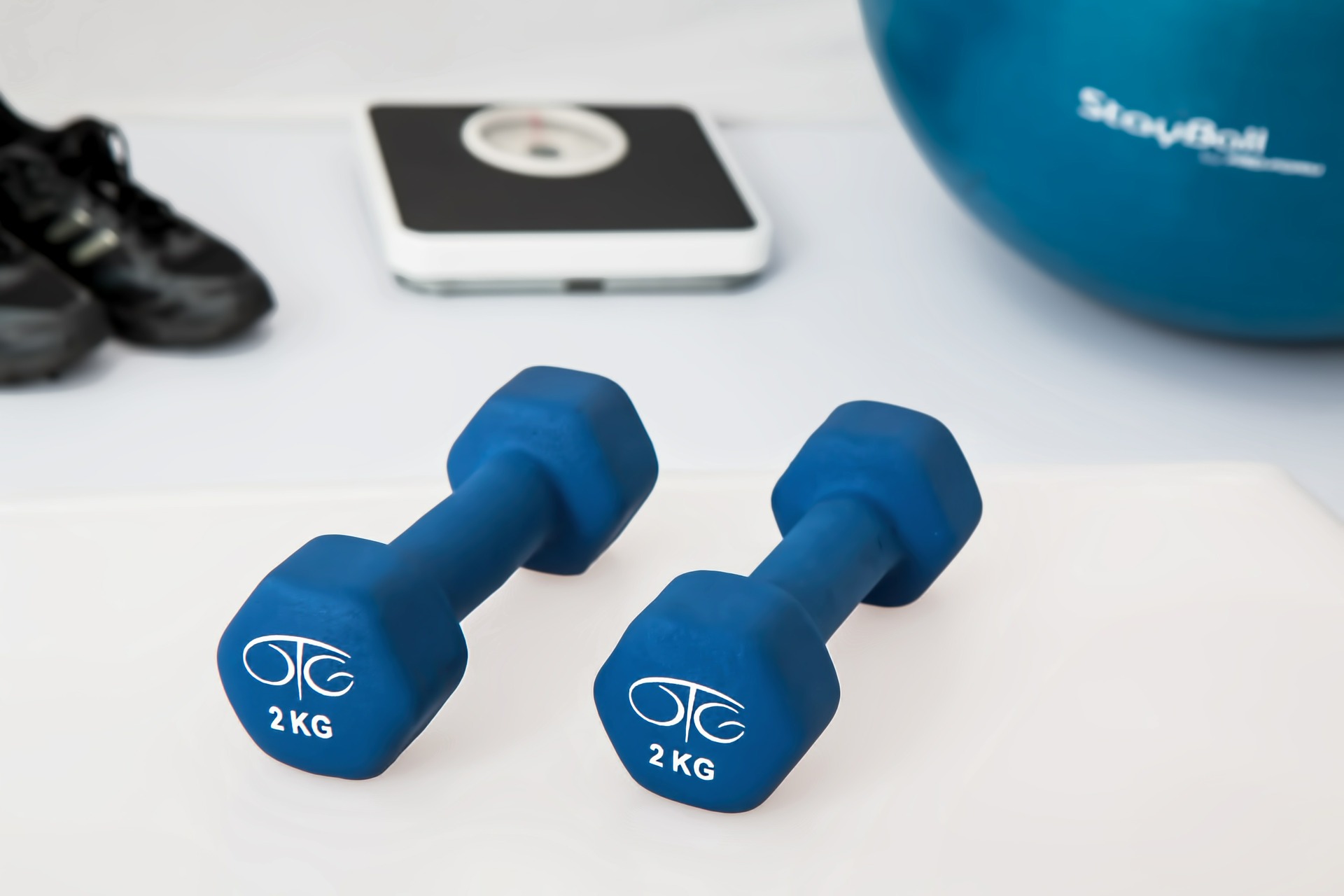

  • Tips for Safely Losing Weight Gained from the Pandemic/Holidays (French version available)

    Tips for Safely Losing Weight Gained from the Pandemic/Holidays (French version available)

    Since the pandemic began, it has been difficult to stick to healthy habits, especially during the holiday season. Are you someone that has been wanting to lose the weight that you’ve gained during the pandemic or the holidays? Here are some tips to help you lose that weight safely!

    Remember that starving yourself or other extreme measures do more harm than good. If you are very concerned about your weight, talk to your doctor.

    Drink More Water

    You have probably heard several times that drinking water is very good for your health. It can help with your circulation and digestion, eliminate toxins from your body, as well as boost your metabolism. Drinking water before each meal can prevent you from overeating by reducing your meal portions. There could be times when you may feel hungry but you could be thirsty instead. Try to drink lots of water or eat foods containing water instead of sugary drinks or snacks throughout the day.

    Exercise Daily

    Exercising daily is good for you whether you are trying to lose weight or not. It not only helps you burn calories, but it could also help you make healthier food choices. This is because being physically active can help reduce stress, increase your energy and mood, improve your sleep, and build muscles that can help your metabolism. Try to aim for at least 30 to 40 minutes of exercise per day. You could go work out at a gym or just walk around the neighbourhood. Exercising with friends or family is a good way to get you motivated.

    Avoid Eating Out

    Eating out at restaurants or ordering in can be very tempting. Although there is nothing wrong with eating out once in a while, it should not be done frequently. Most restaurants’ serving sizes are much larger than what is recommended and you may feel tempted to eat all of your food. Eating home-cooked meals is much healthier. This is because you have control over what ingredients are used and how much food is put on your plate. If you are going to eat out or order in, try to divide the food to take home or save for later.

    Follow a Schedule

    It is important to eat at around the same time every day. Eating on a regular schedule can regulate your appetite which prevents you from eating more or less than usual throughout the day. Also, skipping meals is not a good idea. It will only make you feel hungrier. This will lead to you overeating during your next meal. One thing you should have in your meals is vegetables. Vegetables are filled with vitamins, minerals, fibre, and antioxidants. Try to incorporate more protein into your meals as well. Protein helps keep you full for longer.

    It is important to remember not to be hard on yourself during this process. You may feel discouraged and frustrated. Keep in mind that you will see results when you put in your hard work. It may not be as quick as you’d like, but the results will be there.


    Resources

    Blanchfield, Theodora. “10 Ways to Reverse Holiday Weight Gain — Fast!” Glamour. https://www.glamour.com/gallery/10-ways-to-reverse-holiday-weight-gain-fast

    Greuner, Dr. David. “5 To Lose Weight After The Holidays.” Muscleandfitness.com.  https://www.muscleandfitness.com/nutrition/lose-fat/5-ways-lose-weight-after-overeating-during-holidays/

    Manning, Joy. “6 Habits That Can Help You Lose Lockdown Weight (and 5 That Won’t).” Everyday Health. https://www.everydayhealth.com/weight/habits-that-can-help-you-lose-lockdown-weight-that-wont/

    Sass, Cynthia. “COVID Weight Gain Is Totally Normal: Try These 9 Nutritionist-Approved Tips for Dealing With It.” Health.com. https://www.health.com/weight-loss/losing-weight-gained-during-the-pandemic

  • La carrière de psychiatre

    De Olivia Condlln-Wilby

    Pour les diplômés des écoles secondaires, beaucoup de possibilités les attendent, y compris un grand nombre de programmes d’études et de choix de carrière. Au début, c’est normal de se sentir écrasé ou intimidé par tous ces choix. Mais après quelques recherches, vous pourrez prendre les meilleures décisions d’enseignements et professionnelles pour aller de l’avant. Pour les étudiants intéressés par le domaine de la psychologie, ça vaut la peine de découvrir la carrière de psychiatre. Vous pouvez utiliser cet article pour en cerner les points essentiels.

    Les tâches et les attributions

    Le psychiatre évalue, pose un diagnostic et soigne les personnes ayant des troubles psychologiques et émotionnels. Il peut travailler dans un cabinet privé ou dans des centres médicaux comme les hôpitaux, les cliniques et les maisons de retraite. Il peut effectuer les tâches telles que :

    • Procéder à des évaluations psychiatriques (par ex., s’entretenir avec les patients, étudier les histoires médicales, interpréter les résultats de tests, observer les études de comportements, etc.,)
    • Dépister les troubles psychologiques et émotionnels des patients
    • Prescrire et administrer des médicaments
    • Créer une planification de soins pour les patients et évaluer leurs progrès au fil du temps
    • Travailler avec une équipe multidisciplinaire (par ex., des travailleurs sociaux, des médecins, des infirmières, etc.)

    Quels sont les avantages de ce choix de carrière ?

    En tant que psychiatre, vous aurez la possibilité de faire une différence positive dans la vie des patients et de leur famille. Vous passerez votre temps à aider les gens qui se battent contre des problèmes de santé mentale, en les soutenant pour mener une vie saine et agréable. Pour beaucoup de personnes, une telle carrière est émotionnellement gratifiante.

    Le psychiatre peut espérer un très bon salaire et trouver facilement du travail. D’ici à 2028, environ 32 500 emplois seront offerts. Cela signifie que le psychiatre sera très demandé dans les prochaines années. Pour ceux ayant moins d’une année d’expérience, le salaire commence autour de 100 000 $ par année. Au bout de dix ans ou plus, le salaire peut monter à plus de 270 000 $.

    En résumé, le psychiatre pourra avoir une satisfaisante carrière, bien payée et stable.

    La formation et l’expérience

    Le psychiatre doit avoir des qualifications de formations approfondies. Pour commencer, il doit obtenir un baccalauréat de 4 ans dans un domaine comparable comme la psychologie, les sciences infirmières ou les neurosciences. Ensuite, il lui faut suivre quatre années de médecine et cinq ans de résidence psychiatrique. Pour celui qui souhaite se spécialiser dans un domaine particulier, comme la psychiatrie médico-légale ou l’administration de la psychiatrie, il doit effectuer 2 à 3 ans de formation supplémentaire. Au total, cette carrière demande entre 13 et 16 années de préparation.

    Les inconvénients et les défis

    Comme la psychiatrie exige plus d’une décennie de formation, beaucoup de personnes suivent une carrière moins intensive.

    Certains choisissent également d’abandonner le domaine après avoir éprouvé des signes d’épuisement professionnel (par ex., de l’épuisement, du stress, de l’anxiété, de l’irritabilité, etc.) Bien qu’aider les gens puisse être très gratifiant, ce travail a des conséquences émotionnelles. Vous serez exposé à des personnes qui affrontent des traumatismes, de l’abus et des problèmes de santé mentale complexes. Des recherches montrent qu’en Amérique du Nord, environ 78 pour cent de psychiatres vivent de l’épuisement et 16 pour cent présentent des signes de dépression. Celui qui envisage ce choix de carrière doit s’attendre à des conditions de travail difficiles et un travail émotionnellement épuisant.

    Envisager d’autres possibilités de carrière

    Si le domaine de la psychologie vous intéresse, il existe beaucoup de choix de carrière. Vous pourriez obtenir un diplôme dans les disciplines suivantes :

    • Enseignant ou conseiller d’orientation
    • Assistant social ou travailleur en service du développement
    • Chercheur ou professeur
    • Travailleur auprès des enfants et des jeunes
    • Spécialiste en ressources humaines


    Références

    Canadian Job Bank. (2021, December). Psychiatrist in Canada. Government of Canada. https://www.jobbank.gc.ca/marketreport/outlook-occupation/4016/ca

    Glassdoor. (n.d.). Psychiatrist Job Description. https://www.glassdoor.ca/Job-Descriptions/Psychiatrist.htm

    Gramigna, J. (2020, July 21st). Many psychiatrists experience burnout and depression. Healio. https://www.healio.com/news/psychiatry/20200721/many-psychiatrists-experience-burnout-and-depression

    Indeed Editorial Team. (2021, April 2nd). 5 Steps to Become a Psychiatrist. Indeed. https://ca.indeed.com/career-advice/career-development/how-to-become-a-psychiatrist

    Indeed. (2022, January 3rd). Psychiatrist Salary in Canada. https://ca.indeed.com/career/psychiatrist/salaries

    Payscale. (2021, December 5th). Average Psychiatrist Salary in Canada. https://www.payscale.com/research/CA/Job=Psychiatrist/Salary

    Schlette, J. (n.d.). 13 Pros and Cons of Being a Psychiatrist. NursingProcess.org. https://www.nursingprocess.org/psychiatrist-pros-and-cons.html

    University of Toronto Mississauga. (2021, February). Careers by Major – Psychology. https://www.utm.utoronto.ca/careers/careers-by-major-psychology

  • Conseils pour éviter la fatigue créée par les vidéoconférences

    De Selina

    Un des résultats de la pandémie est l’augmentation énorme du temps que nous passons en téléconférences et en réunions en utilisant des plateformes comme Zoom. L’expression fatigue des vidéoconférences par Zoom est devenue monnaie courante ; il a été inventé pour décrire l’épuisement qui découle d’appels vidéo incessants. Bien que Zoom soit l’une des plateformes de vidéoconférences les plus utilisées en ce moment, le terme peut être également utilisé pour d’autres plateformes (comme Microsoft Teams, Skype, Google Meet, et FaceTime).

    Qu’est-ce qui cause la fatigue des vidéoconférences ?

    Les appels vidéo demandent plus d’énergie mentale que les interactions de personne à personne. Notre cerveau doit travailler pour interpréter les signaux non verbaux sur lesquels nous nous appuyons en personne, y compris le langage corporel et le ton de la voix. L’épuisement vient aussi des problèmes techniques et la gêne qui surviennent pendant ces téléconférences, comme les gens qui ne ferment pas leur microphone et ont beaucoup de bruit de fond, des délais d’écran, le gel de l’image et d’autres problèmes techniques.

    Quels sont les conseils pour éviter « la fatigue de Zoom » ?

    1) Organisez à l’avance et raccourcissez les réunions

    Les longues réunions virtuelles peuvent être fatigantes et frustrantes. La modification vers le travail virtuelle rend plus simple l’organisation de plus d’appels. Cependant, les rencontres plus longues ne signifient pas forcément qu’elles sont plus efficaces. Le but de certaines réunions peut être atteint en moins de temps si tous les participants sont concentrés et arrivent à la réunion avec un ordre du jour précis. Pour raccourcir les rencontres, établissez et distribuez un ordre du jour à tous les participants à l’avance. Être bien préparé aide à maintenir la réunion centrée et précise.

    2) Planifiez des pauses et évitez des réunions immédiatement l’une après l’autre

    Essayez d’espacer vos rencontres pour avoir des pauses entre chacune d’elles. Donnez-vous au moins 15 ou 30 minutes dans votre horaire pour éviter d’avoir des réunions Zoom l’une immédiatement après l’autre. Pendant vos pauses, levez-vous et étirez-vous, allez marcher (comme sortir le chien), faites-vous une tasse de café, reposez vos yeux ou prenez du temps hors de l’écran.

    Avant la modification récente de cours en ligne, les déplacements quotidiens pour assister à des réunions ou à des classes en personne généraient des pauses nécessaires et naturelles dans la journée. Transposer ces pauses dans votre environnement en ligne peut aider à éviter le sentiment que vos journées ressemblent à une longue tâche monotone.

    3) Utilisez la règle des « 20-20-20 » pour vos yeux

    La fatigue oculaire est courante lorsque vous regardez trop longtemps votre écran d’ordinateur. Les appels Zoom et les autres composantes d’apprentissage en ligne qui demandent l’utilisation de l’ordinateur peuvent causer de la fatigue oculaire. Comme les rigueurs de l’apprentissage en ligne signifient plus de temps passé devant l’écran, c’est important de vous assurer que vos yeux obtiennent le repos dont ils ont besoin.

    La règle des « 20-20-20 » signifie que pour chaque tranche de 20 minutes que vous passez à regarder l’écran, prenez 20 secondes pour regarder un objet situé à 20 pieds. Créé par un optométriste en Californie, cet exercice peut contribuer à détendre les muscles de l’œil et réduire la fatigue.

    4) Évitez le mode multitâche

    Notre cerveau doit déjà travailler plus fort pour traiter le langage corporel pendant les interactions virtuelles, il n’est donc pas nécessaire d’ajouter plus de tâches à sa capacité limitée de traitement. Des études ont démontré que le mode multitâche peut réduire les performances de 40 %.

    Des psychologues de Stanford ont découvert que de faire de multiples tâches en même temps, nuisent non seulement à la mémoire, mais rendent l’exécution de simples tâches plus difficile et plus éprouvante. Ils ont déterminé que l’engagement de plusieurs sortes de médias en même temps comme l’un des principaux facteurs contributifs. La suppression des distractions peut contribuer à rendre les réunions par vidéoconférence plus productives, car vous serez plus présent et vous vous sentirez moins fatigué.

    5) Réduisez les appels vidéo en utilisant les courriels, les plateformes de communication basées sur l’écrit et des outils de collaboration sur le nuage informatique

    Certaines discussions ou certains buts peuvent être effectués en utilisant des moyens de communication simples comme les courriels, les forums de discussions ou les plateformes de clavardage (par ex. Discord, Slack). Cela contribue non seulement à réduire la fatigue des vidéoconférences, mais permet aussi de gagner du temps puisque les participants peuvent répondre ou fournir leur contribution au moment qui leur convient (sans devoir trouver un créneau horaire favorable pour tout le monde).

    Les produits de collaboration des outils sur nuage informatique comme Google Docs, Google Sheets, et Microsoft Online peuvent aider les équipes qui travaillent ensemble sur les mêmes documents. C’est excellent pour la planification, la réflexion, la correction, la révision et plus encore.

    6) Remplacez les appels vidéo par des vidéos enregistrées non synchronisées

    Un message vidéo enregistré et non synchronisé peut remplacer une réunion. Des outils comme WebEx et Loom ont des possibilités d’enregistrement (y compris des enregistrements de capture d’écran). Si vous cherchez à lancer un projet, à fournir une mise à jour de l’état du projet ou à expliquer à quelqu’un comment faire quelque chose sur l’ordinateur, essayez un enregistrement d’écran de votre diaporama ou capturez une vidéo par webcam de vous-même, donnant l’explication. Vous économiserez votre temps et celui des autres participants.

    Conclusion

    L’apprentissage en ligne et le télétravail ne vont pas disparaître de sitôt. La fatigue des vidéoconférences pourrait être là pour longtemps encore, bien après la fin de la pandémie. Utiliser les conseils donnés plus haut pour éviter cette fatigue peut vous aider à vous sentir plus attentif et plus efficace dans vos cours et projets en ligne.


    Sources

    The Best Schools. (2021, April). 6 Tips to Avoid Zoom Fatigue. https://thebestschools.org/magazine/how-to-beat-zoom-fatigue

    Vidyard. (2021, March). 10+ Tips to Prevent Zoom Fatigue. https://www.vidyard.com/blog/zoom-fatigue-tips

  • Career Profile: Paperhangers

    Career Profile: Paperhangers

    On your walls at home, you might have wallpaper designs like stripes, trees, or birds. Wallpaper can make a room look bright and cheerful, but someone needs to put it up before people can enjoy it. Paperhangers can do that. If you like to work with your hands and to make houses look good, the job of paperhanger might be right for you.

    Like in many other trades, paperhangers can either learn on the job or complete an apprenticeship program taking several months or more. The job involves covering walls or ceilings with wallpaper, fabric, or posters. Often, this involves first removing the old wallpaper or scraping off chipped paint before hanging the new wallpaper.

    Paperhangers measure the right length of wallpaper to fit each section of wall, apply the glue to the back of the paper, and press it onto the wall. Often, this involves matching the designs on the paper so that it looks like the wallpaper is all one piece. Any mistakes in doing this could make expensive wallpaper look bad. Neatness and attention to detail are important in this job. Taking mathematics courses in high school can help with measurements, and English courses are important for being able to read instructions.

    When the paper is on the wall, paperhangers use brushes or rollers to smooth the wallpaper and make sure that there are no bubbles or gaps in the paper. They may also need to wipe off any extra glue that has been squeezed out onto the surface. If some of the edges are rough, paperhangers might need to use knives to trim off the extra parts. If the length of the piece of wallpaper is not exactly right, the paperhanger might need to trim off a section at the top or bottom. Cuts and other injuries are possible at this point, but people who take their time can often avoid problems. Working on ladders is also normally required, and paperhangers need to be careful not to fall off.

    Although the job is not especially dangerous, it can be tiring. Paperhangers need to bend and stretch all day, and they are normally on their feet for hours at a time. This job is not good for anyone with back problems or anyone who has trouble with using tools. A certain amount of strength is necessary, although people do not need to be especially strong. However, having a good sense of colour and design is important, especially with clients who are unsure of what they want. Paperhangers might have to advise clients on the best wallpaper for the room and for the type of wall they want to cover.

    Paperhangers work mainly at private homes, but they may also work at hotels or theatres which have wallpaper. Construction or interior design companies are possible sources of jobs, but about half of paperhangers are self-employed. Current job prospects are somewhat limited, but opportunities are available for people who are willing to move. Like in most trades, jobs are more plentiful in larger cities, but the competition can also make it difficult to find work.

    Salaries for paperhangers begin at about $38,000 per year and can rise to $63,000 with experience. Although the job may be too difficult for older workers, some people can continue in it until retirement. If you have a sense of colour and style and you like to work with your hands, then it’s a good idea to do some more research on the job of paperhanger.


    Bibliography:

    Big Future. “Career: Painters and Paperhangers.” https://bigfuture.collegeboard.org/careers/construction-painters-paperhangers.

    Careers in Construction. “Painter and Decorator.” https://www.careersinconstruction.ca/en/career/painter-and-decorator.

    Careers.org. “Occupational Profile for Paperhangers.” http://www.careers.org/occupations/47-2142.00/paperhangers.

    Owl Guru. “Paperhangers.” https://www.owlguru.com/career/paperhangers/.

    Salary Expert. “Wallpaper Hanger.” https://www.salaryexpert.com/salary/job/wallpaper-hanger/canada.

  • Getting Your G-Licence: Ways to Overcome Your Fear of Driving

    Getting Your G-Licence: Ways to Overcome Your Fear of Driving

    For the majority of people, driving is an essential life skill that offers numerous benefits, especially if one resides in an area where there is a limited selection of public transportation.

    Driving provides one the convenience of getting to their desired destination, be it for school, work, or for pure pleasure, without having to rely on others and experiencing public commute delays and hassles. What’s more, these days, more and more companies have been requiring their employees and future hires to be able to have a Class G licence or at least a Class G1 licence if it’s an essential part of the position. It’s not only listed as an advantage to getting hired, it’s a pre-requisite.

    Even with the backlog issues due to pandemic restrictions for those who wish to acquire their driving licences, many still endure lining up in driving centres for long hours and even inclement weather. In fact, the province of Ontario realized that demand outnumbered resources so much that they have reduced the length of road tests, eliminating tasks like parallel parking and three-point turns that were normally part of the requirements to earn one’s driving licence.

    Still, the fear of driving remains one of the most common phobias due to various reasons. If you want to work on earning your driver’s licence but having anxiety issues, here are ways on how to overcome your fear:

    Get a medical assessment.

    You would need help to establish that your driving anxiety is not caused by physical factors like Binocular Vision Dysfunction or BVD. This condition happens when the eyes are misaligned and thus have difficulty working together to come up with a clear image. The body tries to cope with this condition by overusing or straining the eye muscles. This causes both physical and mental stress, which can often result in motion sickness or nausea or dizziness. Have a vision specialist assess you to rule out that this is indeed the cause of your anxiety. The good news is the condition is treatable through specialized aligning lenses or micro-prism lenses.

    Try calming techniques.

    Before hitting the road, try meditation techniques like breathing in and breathing out repeatedly until you feel comfortable. Have a car air freshener that makes you feel at peace, like lavender, lemon, peppermint, and jasmine. You can also listen to meditational music in your car or download phone apps that promote calmness. See which one works best for you. Some will find nature sounds soothing, while for some classical music is the way to go. Have a go at these various methods and see which suits you best. Interestingly enough, some people calm themselves with rock or heavy metal music, so to each their own.

    Enroll in a professional driving school.

    Having a professional instructor teach you on driving essentials could help alleviate your fear of driving, knowing that you’re learning from someone with the proper training and experience. Driving instructors have dealt with all types of students, and they will know best which teaching technique works for someone with driving anxieties. You can also share with them what’s holding you back and they can offer recommendations on how to conquer your fear and improve on your driving skills. With a professional teacher in your camp, you’ll gain the confidence to be a skilled driver and finally get to your desired licence level.

    Opt for a vehicle with ideal safety features.

    It’s natural to have safety concerns about driving, and the good news is car manufacturers worldwide have been consistently working to come up with safety features that will put every driver’s mind at ease. Features like Night Vision with Pedestrian Detection are now available to help drivers spot pedestrians even under limited lighting. Another feature that’s become prevalent in the last few years is adaptive cruising or stability control, where you can drive in highway speeds without having to constantly adjust your speed to ensure you won’t risk a collision with the vehicle in front of you.

    Have a person next to you when you drive.

    For some, being on their own on the road leads to other bigger worries like what if they get lost or they get into a mishap. Ask a trusted family member or a friend to be by your side when you drive until you feel confident enough on your own.

    These days, most people can’t get by without a vehicle. Driving does offer plenty of advantages as opposed to simply relying on public transportation. To get a head start, so to speak, in acquiring a driving licence without fear, try the tips above. We wish you the best of luck!


    Sources

    ADAA. “Overcoming the Fear of Driving.” https://adaa.org/learn-from-us/from-the-experts/blog-posts/consumer/overcome-fear-driving

    The Dizziness and Headache Optometry Centre. “How Can BVD Impact Your Daily Life?” https://www.dizzinessandheadache.com/blog/how-can-bvd-impact-your-daily-life.html#

    Heaps, Russ. “Car Safety Features 101: Everything You Need to Know.” Kelley Blue Book. https://www.kbb.com/car-advice/car-safety-features/

    Ontario Human Rights Commission. “Can an employer ask for a driver’s licence, when I am applying for a job?” https://www.ohrc.on.ca/en/frequently-asked-questions/can-employer-ask-driver%E2%80%99s-licence-when-i-am-applying-job

    Passifiume, Bryan. “MTO cutting road test backlog by shortening road tests.” Toronto Sun. https://torontosun.com/news/local-news/mto-cutting-road-test-backlog-by-shortening-road-tests

    PsychCentral. “What Is Driving Anxiety?” https://psychcentral.com/anxiety/driving-anxiety 

  • February 2022 Scholarships: Apply now!

    Indigenous Student Scholarships

    Métis Student Bursary Program
    https://www.metisnation.org/programs-and-services/education-training/post-secondary-education/mno-scholarships-and-bursaries/

    MNO Major Targeted Bursaries
    https://www.metisnation.org/programs-and-services/education-training/post-secondary-education/mno-scholarships-and-bursaries/mno-major-targeted-bursaries/

    Other Scholarships and Bursaries
    https://www.metisnation.org/programs-and-services/education-training/post-secondary-education/mno-scholarships-and-bursaries/other-scholarships-bursaries/

    ONECA Scholarships, Bursaries, and Financial Support
    http://www.oneca.com/transitions/scholarships.html


    February 2022 Scholarships

    Laurier Scholars Award

    Scholarship Value: $40,000

    Awards Available: 7

    Award Deadline: February 15, 2022

    Address: https://www.wlu.ca/future-students/undergraduate/admissions/assets/resources/laurier-scholars-application.html


    John Proctor Scholarship at York University

    Scholarship Value: $8,000

    Awards Available: 1

    Award Deadline: February 15, 2022

    Address: https://sfs.yorku.ca/scholarships/award-search?awardID=0268


    Tentanda Via Award at York University

    Scholarship Value: $40,000

    Awards Available: 60

    Award Deadline: February 15, 2022

    Address: https://sfs.yorku.ca/scholarships/award-search?awardID=4850


    VSA International Young Soloists Award

    Scholarship Value: $2,000

    Awards Available: 4

    Award Deadline: February 28, 2022

    Address: https://www.kennedy-center.org/education/opportunities-for-artists/competitions-and-commissions/vsa-international-young-soloists/


    Women’s Cyber Security Scholarships

    Scholarship Value: $6,000

    Awards Available: 10

    Award Deadline: February 28, 2022

    Address: https://iamcybersafe.org/s/womens-scholarships


    Dr. Ed O’Connor Scholarship

    Scholarship Value: $5,000

    Awards Available: 1

    Award Deadline: March 1, 2022

    Address: https://www.stfx.ca/admissions/tuition-and-financial-aid/scholarships/general


    Gibson Energy Scholarship

    Scholarship Value: $10,000

    Awards Available: 1

    Award Deadline: March 1, 2022

    Address: https://www.ucalgary.ca/registrar/awards/gibson-energy-scholarship


    Kay Kirby Pullen Entrance Bursary

    Scholarship Value: $2,500

    Awards Available: 1

    Award Deadline: March 1, 2022

    Address: https://www.ucalgary.ca/registrar/awards/kay-kirby-pullen-entrance-bursary


    Queen’s Golden Jubilee Scholarship for the Performing Arts

    Scholarship Value: $5,000

    Awards Available: 1

    Award Deadline: March 1, 2022

    Address: https://www.affta.ab.ca/funding/find-funding/queens-golden-jubilee-scholarship-performing-arts


    Terence Grier Entrance Scholarship

    Scholarship Value: $40,000

    Awards Available: 12

    Award Deadline: March 1, 2022

    Address: https://www.ryerson.ca/admissions/scholarships-awards/

  • Advice For High School Students Considering Applying to Post-Secondary as an Undecided Major

    Advice For High School Students Considering Applying to Post-Secondary as an Undecided Major

    By Tiffany Chang

    Applying to attend post-secondary schools can be daunting at times. Essentially, this is your next step in preparing yourself for adulthood.

    However, what also may add on more uncertainty is going into post-secondary without a determined major. Superficially, it’s often associated with declaring that you haven’t decided what you would like to do and you remain unsure about your future.

    If the statements above are similar to what your currently experiencing, here’s some more detailed advice on how you can successfully navigate this consideration:

    There’s Absolutely Nothing Wrong With Applying As An Undecided Major

    You have no need to fear! You still have plenty of time and many options to explore.

    In the case where you are accepted as an undecided major, many use the first two or three semesters to figure out what the best program(s) is for them. (Of course, this time frame could be shorter or longer, depending on when you decide.) Even if you come to a decision then change your mind again, its common for people to switch majors.

    Map Out What Your Opportunities Are

    If you’re considering applying as an undecided major but still want to or are also considering choosing a specific major, look closer at what seems relatively appealing to you.

    Do the following:

    Exercise 1: Take inventory of what your current interests and strengths are, then see if they coincide with any programs at your prospective post-secondary schools. You could even write them down to organize your thoughts.

    Microsoft Excel is a useful tool here. Columns can list what’s stated above, i.e. interests, strengths, and possible majors each having their own column, and then organized so the rows show that the “interests” and “strengths” cells align with the corresponding program(s) cells.

    Create a “program/major” column for every school you’ve considered applying to.

    Tip: Colour each column to make them more easily distinguishable. For example, “University of British Columbia” could be in blue, while using green and orange for “University of Toronto” and “Langara College” respectively.

    Exercise 2: On another separate sheet, express what you personally think of applying as an undecided major.

    Afterwards, carefully look at everything you’ve written down. Doing these exercises might help you finalize your decision.

    Surround Yourself With People Who Will Support You Unconditionally

    Deciding where to start doesn’t have to be scary. By having a good support system, as in people supporting you no matter what direction you’ve chosen for yourself, combined with the right attitude, everything will fall into place. Therefore, if you truly believe beginning your post-secondary journey as an undecided major is the right choice for you, don’t second-guess yourself or discount that opportunity.

    The term “undecided” for students in this context should be discerned as an open door leading to numerous possibilities. Selecting “undecided major” remains a legitimate option and isn’t meant to put huge amounts of pressure on high school students.

    Overall, it’s giving yourself a fresh start and a certain leeway that involves making the most of what your future post-secondary institution has to offer.

  • La crise climatique qui a causé la météo extrême en C.-B. et les mesures urgentes à prendre

    En 2021, la Colombie-Britannique a subi sa pire météo jamais vécue. La ville de Lytton a brûlé pendant les feux de forêt de la province et d’autres secteurs ont subi des températures extrêmes qui ont tué beaucoup de personnes. Ensuite, ce sont des inondations qui ont détruit d’autres endroits de la province. Pour tous ceux qui ont écouté les nouvelles, l’année passée a montré que la Colombie-Britannique est en crise climatique. Une intervention urgente est nécessaire pour aider à éviter un désastre total à cause de ce genre de météo.

    La météo fluctue d’une année sur l’autre, mais 2021 fut la pire que tout ce que les gens avaient déjà vu. L’organisme World Weather Attribution qui étudie les tendances météo a rapporté que la vague de chaleur de la C.-B. a été un évènement totalement inattendu dans les conditions climatiques actuelles et qui n’arrive qu’une fois tous les mille ans. Cependant, si les températures mondiales augmentent de deux degrés, ce genre de vague de chaleur pourrait arriver tous les cinq ou dix ans.

    La chaleur peut affecter les gens, les animaux et la végétation. Dans ce cas-ci, les petits fruits ont séché, les animaux sont morts dans l’eau de mer surchauffée et les oiseaux ont quitté leur nid pour essayer de trouver des endroits plus frais. Comme la terre a séché, les feux se sont déclarés un peu partout dans la province. L’un des cas les plus catastrophiques a été la ville de Lytton qui a été réduite en cendres, mais beaucoup d’autres feux ont forcé les gens à quitter leur maison.

    Les gens ont pu penser que la météo était finalement revenue à la normale une fois les feux contrôlés, mais ils avaient tort. À la mi-novembre, une tempête a apporté des pluies torrentielles dans la province. La pluie a causé des glissements de terrain qui ont détruit des autoroutes et ont piégé les gens dans leurs voitures. Il a fallu utiliser des traversiers pour apporter de l’approvisionnement dans les fermes et les maisons parce que les rues étaient inondées.

    Ces catastrophes climatiques ont aidé les gens à comprendre qu’ils doivent agir. Le gouvernement de Colombie-Britannique a organisé des consultations publiques pour trouver des stratégies pour faire face à ces inondations. Par exemple, des organismes de recherches amélioreront les systèmes d’alerte et renforceront la recherche sur le climat. Vancouver investira dans de meilleures infrastructures comme les égouts pendant que le public s’impliquera pour enlever des feuilles mortes des bouches d’égout. Planter plus de jardins et construire des trottoirs perméables pour laisser passer l’eau seraient également de bonnes mesures.

    Les gouvernements peuvent changer les systèmes et les infrastructures, mais le public peut aussi faire une différence. Faire pousser des jardins, prendre le bus plutôt que la voiture et aider à nettoyer les déchets sont des mesures simples que les gens peuvent adopter. Vous pouvez encourager votre famille ou votre école à prendre de meilleures habitudes pour aider à économiser l’énergie. Par exemple, installer de meilleurs systèmes d’isolations dans les édifices peut contribuer à la réduction des appareils de chauffage qui créent des gaz à effets de serre. Les ampoules écoénergétiques peuvent également avantager l’environnement. Encourager les autorités municipales à améliorer les réseaux de transport en commun peut aider les gens à moins utiliser leurs voitures qui consomment beaucoup de carburants.

    Des mesures urgentes sont nécessaires pour gérer les effets des changements climatiques. Vous pensez peut-être que vous n’avez pas beaucoup d’influence ou que vos petits gestes ne font pas de différence. Cependant, une centaine ou un millier de personnes qui posent ces petits gestes peuvent faire une grosse différence. L’été et l’automne 2021 ont montré que les gens ne peuvent plus attendre pour répondre aux changements climatiques. Nous devons tous agir rapidement pour éviter une autre année comme la dernière.


    Bibliographie :

    Carman, Tara. “Climate Change in BC: Here’s How 2050 Could Look.” https://www.cbc.ca/news/canada/british-columbia/climate-change-in-b-c-here-s-how-2050-could-look-1.4146580.

    Cruikshank, Ainslee. “After a Year of Climate Disaster, BC Grapples with the Urgent Need to Adapt to Its Dangerous Future.” https://thenarwhal.ca/bc-climate-disasters-2021/.

    Duncan, Scott. “British Columbia at the Epicentre of Climate Change-Fuelled Weather Extremes.” https://www.euronews.com/green/2021/11/19/british-columbia-at-the-epicenter-of-climate-change-fuelled-weather-extremes.

    Moon, Jenna. “Urgent Climate Change Action is Needed or Else Canada’s Extreme Heat and Severe Weather Will Worsen.” https://www.thestar.com/news/canada/2021/08/09/urgent-climate-change-action-is-needed-or-else-canadas-extreme-heat-and-severe-weather-will-worsen.html.

    Province of British Columbia. “Climate Change.” https://www2.gov.bc.ca/gov/content/environment/climate-change.

  • Making Art with Pressed Flowers: A Starter Kit

    Making Art with Pressed Flowers: A Starter Kit

    With all the negative impacts that COVID-19 has brought onto us, we can all agree that it also gave us one positive effect: new hobbies! According to a report by Thomas Insights, consumer spending went up through the roof as people got a knack of new things: learning a musical instrument, taking up gardening, baking banana bread, and playing board games and puzzles. Another activity that surged in popularity during the pandemic is arts and crafts.

    Arts and crafts encompass anything from knitting, crocheting, origami, scrapbooking, painting, colouring, and sculpting. One activity that’s quickly gained popularity as well is Oshibana, or the art of pressing flowers and other botanical materials to form an entire picture.

    If you’re curious about this art and you want to give it a try, read on to find out how exactly you can kick things off.

    First, A Background

    As you have clued in by now, Oshibana is a historical craft that originated in 16th century Japan, though some historians believe it can be traced back to ancient civilizations. As trade with Japan increased in the mid-1800s and the craft was introduced to England during the Victorian era, it went to become a well-loved hobby in Western countries. By the end of the 1800s, the art of flower pressing became a favourite pastime in both England and the United States.

    Among the most famous art works that involved flower pressing is a floral bouquet from the grave of Abraham Lincoln himself, said to be preserved by the wife of a judge in Ohio in 1865. The Western Reserve Historical Society currently holds this work of art and one might be surprised on how it has remained intact after almost 155 years.

    So What Would You Need Exactly?

    Well, it can’t be the art of pressing flowers if you lack flowers! So yes, the first thing you need are flowers or any botanical materials like leaves, grasses, herbs, and others. After you’ve gathered these, you’ll need a large book, preferably one that’s not a collector’s item because there’s a risk of staining. Ask your parents if they have any of those encyclopedia books that were hugely popular back in the day, and you’ll be all set to do the pressing.

    For arranging, a canvas is ideal, but if you’d like to give yourself a couple of tries before you really showcase your work, a blank sketchbook page will do. If you don’t have a sketchbook, any blank notebook would do or a notecard or postcard. The final items you’ll need are a small or thin paintbrush and glue.

    Let’s Get On With It!

    To start your first Oshibana project, be sure to gather the botanical materials as fresh as possible. Place them between two pages of the large book, and if you can apply additional weight on the large book, it’s even better. This will ensure there is steady pressure on the pressed samples.

    It takes about two to three weeks for flowers or leaves to completely dry, but if you don’t want to wait this long, you can apply advanced drying techniques like ironing or microwaving the flowers before pressing them. Be sure to practice safety precautions if you want to try these two techniques though.

    Once the flowers or leaves are completely dry, you can start arranging them to the base of your choice according to the design of your choice. It can be anywhere from a bouquet of flowers to something more elaborate like a woman in a fancy dress or your favourite painting. Make sure to dilute the glue with at least one drop of water. The goal is to ensure the pressed products are properly pasted onto your base but at the same time in a polished way. If you are going for a more intricate design, plot it out on your base first to ensure everything goes smoothly.

    Once you’ve done this, wait for 15 minutes, and voila! Your Oshibana is ready for display!


    Sources

    Wonderopolis. “How Do You Press Flowers?” https://wonderopolis.org/wonder/how-do-you-press-flowers

    Western Reserve Historical Society. “Pressed Flowers: History and Tutorial.” https://www.wrhs.org/blog/pressed-flowers-history-and-tutorial/

    Ross, Laura. “11 Unexpected Products That Boomed During the Pandemic.” Thomas Publishing Company. https://www.thomasnet.com/insights/11-unexpected-products-that-boomed-during-the-pandemic/