Category: Elementary

  • How to Handle Rejection

    How to Handle Rejection

    One of the most important lessons you can learn is how to deal with rejection and the feelings that accompany it. No matter how successful someone is they will inevitably face some form of rejection at some point in their life. Take Michael Jordan for example; he was cut from his high school basketball team, but he used his rejection as motivation to get better, and went on to become one of the most successful NBA players of all time.

    Everyone has a fundamental need to feel valued, to feel worthy and to be accepted. When rejection happens it can impact your self-esteem, making you feel inadequate, unworthy or like a failure. You could feel hurt, pain, disappointment, anxiety, loneliness, disconnected or angry. You can face rejection in various aspects of your life; in social situations, relationships, careers and school. It can come in all forms, big and small. A friend may not return a text, someone you like and ask out might say no, you could be passed over for a part in the school play, not get accepted to your top pick for university or not get hired for a part-time job you applied for. Whatever the situation, it’s important to know how to cope with your emotions when they arise, so you can work through the pain of the rejection and move on.

    Here are 8 ways to handle rejection:

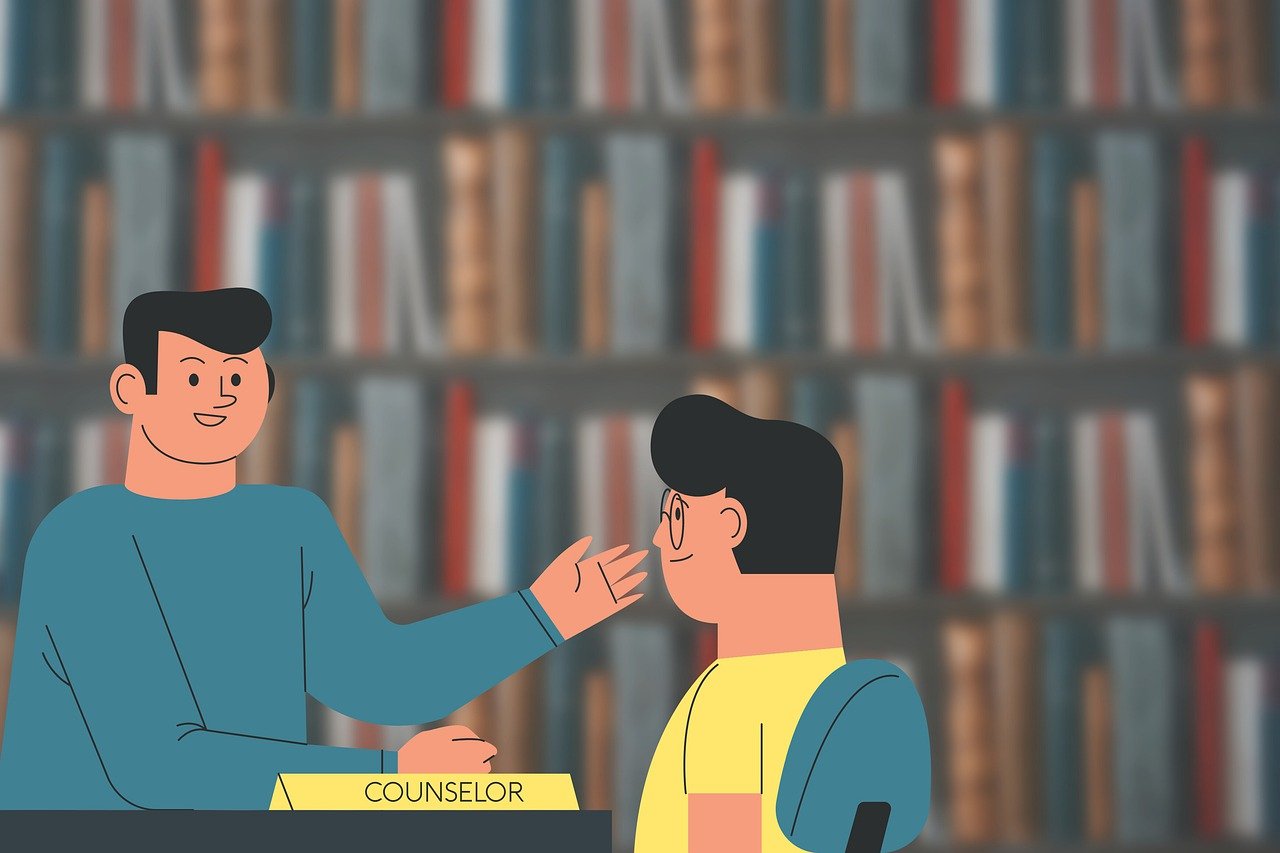
    1. Talk to someone you trust. It could be a teacher, counselor, relative or coach. Pick someone who will listen to your situation and your feelings surrounding it. Someone who want judge. Often talking about your feelings can help ease the pain. The person might also be able to help you sort out what went wrong (if anything).

    2. Allow yourself to feel bad about the rejection. Don’t try to cover up your feelings or burry them. It’s healthy to let yourself feel what you feel. Try to process your feelings; it may even help to journal about them.

    3. Don’t go on social media to complain about the situation. Angry Facebook posts and Tweets blaming others will not help you deal with your feelings. It may even cause more problems.

    4. Try not to take it personally. It is not a personal attack. If someone you ask out says no or you don’t get a job you applied for, they are not rejecting you. They may be rejecting your request, but not you as a person. They don’t know you well enough to reject you as a person.

    5. Distract yourself. After you’ve given yourself time to process your feelings do something to take your mind off the situation. Read a book, hang out with friends, watch a movie, or go to the park to play basketball, do something you enjoy to help take your mind off the rejection.

    6. Think of a time in the past when you overcame a difficult situation. It’s helpful to remember what strategies you used then and apply them to your current situation.

    7. Learn from the rejection and use it to improve. If you didn’t make the football team you may need to practice more to improve your skills. Just because you didn’t make it this time doesn’t mean you never will. And it certainly doesn’t mean you’ll never make any other teams you try out for. Be sure not to overreact and turn one rejection into thoughts of, “I’ll never be able to…” or “It’ll never happen.”

    8. If you can’t shake off your feelings of rejection and you start experiencing feelings of depression be sure to talk to a school counselor, teacher or care giver so they can help you. It’s okay to need support from others. Seeking help for depression, anxiety and other mental health issues is nothing to be ashamed of. It takes a strong person to recognize when you need help. Don’t let shame or embarrassment prevent you from doing so.

    Remember, everyone faces rejection in their lives. But you can’t let it define you. How you cope with and overcome hard times says more about you as a person then the rejection ever will. Sometimes it’s hard to move past your feelings, but it’s important to remember to keep trying, and to believe in yourself, after all rejection is part of success.


  • Finding Your Perfect After-School Activity

    Finding Your Perfect After-School Activity

    Extra-curricular activities help give you valuable experience, keep you active, and provide a myriad of benefits. As more and more options become available, it can be difficult to decide which activities to take on. After all, there are a limited number of hours available, and knowing that you are choosing one activity while sacrificing another can lead to feelings of regret. There are a number of things to consider as you decide what to pursue.

    Before you start looking into activities that are available in your area, write down a list of your interests. This can be a point-form list or a journal entry, depending on how you like to organize your thoughts. Also, write down what you want to get out of the activities you choose. Ensure that you take this step before looking at what is out there. This way you are avoiding any biases or impact on your thought process from what you read. By going into the decision-making process with a clear goal and mindset, there is far less chance of confusion and regret later.

    Make sure to weigh the benefits of the activities you find. Upon selecting potential picks for programs you can enroll in, write out the positives and negatives for each one. Take into account your schedule, the mental and physical energy involved, and the short-term and long-term benefits. Certain activities may not be worth their strenuous nature, especially physical ones. On the other hand, ones that may not seem like an immediately good choice could prove to provide long-term benefits, such as work experience that will shine on your resume.

    Finally, do not be afraid to take risks. Children and adults alike tend to stick to habits and the things they know. Instead of choosing an activity you have done before and are well-versed in, it might be worth stepping outside your comfort zone. Take a look at the options available with as open a mind as possible. There are many sites to visit as you investigate your potential picks. There are many possibilities to consider, and thoroughly examining your options will make sure your ultimate decision is one you will be happy with.

    It can be a lot to take on choosing and participating in these activities on top of your usual schoolwork. By taking the time to analyze what you enjoy and want to get out of these pursuits, as well as extensively reviewing your options with an open mind, you are ensuring that what you undertake will be well worth your time. Although you are restricted to certain classes during the school day, extra-curricular activities help you in taking the first steps towards independence and building the life you want to have as an adult.


  • Career Profile: Set and Exhibit Designers

    Career Profile: Set and Exhibit Designers

    If you go to a movie, a play, or a museum, you might barely notice the background, but it is very important. It helps give people the context of the story and makes it seem real. Set and exhibit designers work with directors, producers, and other professionals to prepare sets or exhibits to help people appreciate and understand what they are seeing.

    Becoming a set and exhibit designer usually involves getting a bachelor’s or master’s degree in the fine arts. Normally, this training takes at least four to six years of studying after high school. Some people might be able to get a job without these qualifications, but having a background in the theory behind set and exhibit design is helpful. For example, people can use what they learn about the history of the set and exhibit design to do something unique and interesting. This can help them stand out to employers and make it easier to get jobs.

    Besides learning the basics, set and exhibit designers might specialize in a particular era or type of design. One person might choose to work mainly with sets related to the Renaissance era in the 1500s or to work mainly on exhibits related to animals or the climate. However, general knowledge is still important.

    In high school, people can already start to prepare for this job. Art or theatre classes are useful, as well as possibly mathematics for learning to calculate spaces and amounts. English or history classes can also help people understand the important features of each project and to communicate clearly.

    Set and exhibit designers can work in a variety of places. Often, they work in film, video, television, and theatre. Exhibit designers are most likely to find work at museums or retail stores. Someone who can do both will have the best chance of finding work, but even some smaller cities or towns can have a few jobs in this field. Cities or towns with several museums or theatres are the best places to find work. Salaries usually start at over $70,897 per year and can rise to more than $94,000 per year, depending on the type and location of the job.

    People working as set and exhibit designers should be able to work with others but also to work alone. The first part of any job involves consulting the people at the theatre or museum to learn what they want. Next, the set or exhibit designer might conduct some research about the place or era being portrayed. Accuracy is important so that the set or exhibit looks as real as possible. For example, having a modern car in a set portraying a scene from the 1930s would look wrong. Having the details right helps the audience experience the play or the exhibit more fully.

    Daily work for a set and exhibit designer can vary, depending on the situation. Some people in this field spend much of their time in an office, making drawings and measurements for the set or exhibit. Others might be very much involved in putting the different parts together and might sometimes need to lift heavy objects. Either way, they should be available to help solve any problems that arise.

    Working as a set and exhibit designer can be an exciting job for people who are creative and able to work with others. You can already start to prepare for this career.


    Bibliography

    Associated Designers of Canada. “Raising the Profile of Live Performance Design in Canada.” https://designers.ca.

    Owl Guru. “What Does a Set and Exhibit Designer Do (including Their Typical Day at Work).” https://www.owlguru.com/career/set-and-exhibit-designers/.

    Talent.com. “Set Designer Average Salary in Canada, 2024.” https://ca.talent.com/salary?job=set+designer.

    University of Manitoba. “Theatre, Set and Exhibit Designers.”

    https://umanitoba.ca/career-services/explore-occupations-theatre-set-and-exhibit-designers

  • Role of Counsellors in BC High Schools

    Role of Counsellors in BC High Schools

    Suppose that you needed help with planning your future career or with an issue at school. You might decide to go talk to the school counsellor. People in this profession are trained to help students deal with the various problems they encounter. In British Columbia, as elsewhere, school counsellors are important for students’ welfare.

    A good school can help students learn the skills they need for the future, whether with learning to read and write, make calculations, or help preserve the environment. However, these skills are only part of what people need to do well in life. School counsellors help students with social and emotional development, mental health concerns, and anything else that they might need.

    In addition, school counsellors help older students explore career options and choose jobs that suit them. Often, they suggest courses for students to take so that they can get into the right training after high school. For example, a student who wants to become a doctor or a dentist should take science courses such as chemistry or physics in high school, but someone who wants to become a writer should concentrate on courses like English or history. A good school counsellor can make recommendations and guide students to the best courses for them.

    Providing high-quality school counselling requires education and experience. In British Columbia, school counsellors must have a professional teaching certificate, as well as a master’s degree in a field such as counselling psychology. They should also have some experience in teaching or working in other roles in schools so that they know how the system works and the kinds of issues students normally have.

    Many factors affect student’s needs, including family income, community support, and health. Issues such as depression, divorce of parents, loneliness, lack of self-esteem, stress, and substance abuse are some of the most common problems that students face. In many schools, bullying is a major issue, and some students are even driven to suicide. A good school counsellor can help students work through their problems before they become very severe.

    Often, school counsellors work with individual students to help them deal with whatever situations they are facing. Sometimes, however, they might work with groups of students or even teach classes on various issues. If anxiety about the future is a problem for many students, for example, a school counsellor might teach a class on job search skills or environmental protection. Classes on understanding emotional or mental health can also help students understand what they are experiencing.

    Being a good listener is an important skill for school counsellors. They need to listen to the words that students are saying but also to understand that much more could be behind the words. Counsellors need to ask the right questions so that they can learn as much as possible about the problem. For example, a normally good student who is failing tests and not handing in assignments might be having trouble studying at home and might need a quiet study space. Another might be dealing with the death of a relative. Working to understand the deeper issues is important for school counsellors.

    In BC, as elsewhere, school counsellors have an important role in helping students deal with issues in their lives and in assisting with career planning. With their help, school can be a valuable and productive time for all students.


    Bibliography

    British Columbia School Counsellors’ Association. “Comprehensive School Counselling Model.” https://supportforlearning.sd61.bc.ca/wp-content/uploads/sites/153/2022/11/BCSCA-Comprehensive-School-Counselling-Model.pdf.

    Graham-Migel, Janice and Lisa Cheyne-Zanic. “School Counselling in Canada: An Examination of the School Counselling Profession in Canadian Provinces and Territories.” https://www.ccpa-accp.ca/wp-content/uploads/2019/05/School-Counselling-in-Canada-Presentation-CCPA-Conference-14-May-2019.pdf.

    Vancouver School Board. “High School Counsellors.” https://www.vsb.bc.ca/page/5131/high-school-counsellors.

    Wikipedia.org. “School Counselor.” https://en.wikipedia.org/wiki/School_counselor.

  • Student Mental Health in New Learning Environments

    Student Mental Health in New Learning Environments

    The way we learn keeps evolving, and with that comes a fresh set of challenges. One of the most important is supporting your mental health. This article explores some key strategies that schools, educators, and even you can use to navigate these new learning landscapes and prioritize well-being.

    Building a Supportive Classroom Community

    Imagine a classroom that feels safe and welcoming, where everyone is valued and respected. This kind of positive environment can make a huge difference in your mental well-being. Educators play a key role in creating this by setting clear expectations and promoting a sense of care and understanding. Simple things like using humour, checking in with students regularly, and showing genuine interest can go a long way.

    Understanding Mental Health

    Educators need to recognize the signs that a student might be struggling. This involves understanding mental health in general, but also being aware of the unique challenges that students from diverse backgrounds face. Some educators are even incorporating social-emotional learning into their curriculum, teaching you valuable skills like managing stress, resolving conflicts, and building empathy.

    Partnering with Parents and the Community

    Your parents or guardians can be a huge source of support when it comes to your mental health. Schools that prioritize open communication with families are on the right track. This allows them to share insights and work together to reinforce these skills you’re learning at school. Clear and supportive communication is key, especially if there are any concerns about your well-being.

    Leveraging Policies and Frameworks

    Schools should have a clear framework in place to address student mental health. This could involve creating inclusive environments, promoting well-being through teaching practices, and building connections with local mental health resources. Think of it as a roadmap that helps ensure everyone is on the same page when it comes to supporting you.

    Addressing Individual Needs

    Everyone experiences challenges differently. If you’re facing mental health issues, educators should be prepared to offer targeted support. This might involve connecting you with professional help or even adjusting your learning experience to accommodate your needs.

    The Bottom Line

    Supporting student mental health is a team effort. Educators, parents, and the wider community all play a role. By embracing a collaborative approach and fostering inclusive and supportive learning environments, we can help students navigate whatever challenges they face and ensure everyone thrives in their educational journey.

  • Unlocking Potential Through Gifted Programs in B.C.

    Unlocking Potential Through Gifted Programs in B.C.

    Ever wonder how schools help and support students who excel academically? British Columbia’s education system is all about celebrating everyone’s strengths, and that includes gifted and talented programs. These programs are designed to challenge super-smart students and help them blossom. But are they working? Let’s investigate!

    First things first, how do they even figure out who’s “gifted”? It’s not just about straight A’s. We all have our strengths and different ways of displaying them. These students are superstars in all sorts of areas, maybe math, art, or maybe they’re just natural leaders. The way they find these students is thorough, making sure all kinds of talent get a shot at these special programs.

    Alright, so what goes on in these gifted programs? They have classes that dig even deeper into subjects, like advanced science or crazy cool history projects. It’s all about getting these students to think outside the box and keeping that love for learning burning bright.

    One of the best organizations for a deeper dive is the Gifted Children’s Association of B.C., founded in 1983 as a not-for-profit charity building awareness about gifted children, as well as how to support them.

    So, do these programs work? Research shows that students in gifted programs tend to be way more engaged and motivated, which means their grades soar in all kinds of subjects. Plus, the classes are designed to be a real challenge, so they don’t get bored and can truly understand the material.

    But school isn’t just about grades, right? These programs consider how students are feeling too. That’s why these programs create a space where gifted students can hang out with other like-minded peers, which is awesome for their social development. However, it’s important to remember that this can also come with challenges, like feeling extra sensitive or having high expectations of yourself. These programs make sure they’re there to support students through that too.

    Now, not everyone thinks these gifted programs are perfect. Some folks worry that they make students feel superior or cut them off from their regular classmates. Others worry that the quality of these programs can vary wildly, and not everyone who deserves to be in them gets a fair shot. These are valid concerns, and B.C. needs to make sure these programs are top-notch and accessible to everyone in the province.

    So, what does the future hold for gifted programs in B.C.? Well, a recent decision to pause admissions for a provincial program has led to concerns. The Transition Program for Gifted Students, also known as the University Transition Program (UTP), is run by the province’s Ministry of Education, Vancouver School Board, and the University of B.C. It’s been around for nearly three decades, but last month the UTP announced it is pausing enrolments for the coming year due to concerns over students’ mental health. The school has raised concerns about separating these students from their peers into a gifted program, while advocates worry this could lead to the program being shelved for good.

    Through the good and the bad, B.C.’s gifted programs can be a launchpad for amazing things. These students can truly reach their potential and become the innovators and leaders of tomorrow. More than anything else, it is essential that we understand how we can make sure all learners get the chance to shine.

  • Music and Arts Education: A Necessity, Not a Luxury

    Music and Arts Education: A Necessity, Not a Luxury

    When people consider the most important subjects for students to learn, they probably think of the sciences or mathematics, or maybe practical skills like welding or construction. Music and the Arts can seem like luxuries compared with those subjects. However, an education in music and the arts is necessary for helping students gain the skills they need for the future.

    Many people take lessons in piano or another instrument in their childhood and sometimes beyond. Very few of them ever earn money directly as musicians, and it can seem like a luxury to learn something like that. However, music can help people in many ways. Although some of these benefits are hard to measure precisely, they are important.

    One of the benefits of music is that it stimulates the brain. Scientists believe that even listening to music activates parts of the brain that could otherwise become weak. It activates memory and emotion, besides helping different parts of the brain work together better. For people who play an instrument, these benefits would be even stronger.

    For most instruments, some degree of manual dexterity is necessary. Musicians need to move their fingers and their hands quickly to hit the right notes. Exercising the hands can be very useful for people as they age since many muscles tend to become stiff and sore. This type of exercise can also help people recover from injuries more easily than if they rarely use their muscles.

    Like music, the Arts can seem like a luxury. English literature, history, and similar subjects are not as immediately useful as skills in chemistry or biology, but they are essential to a balanced education. For example, everyone needs to be able to read and write beyond the basics that they learned in elementary school.

    Good communication is important in any field. Technical writers use the reading and writing skills that they learned in school to write user manuals, instruction books, and other documents that people need. Without the work of these writers, factory work would be far more dangerous than it is, and even learning to use a television or a microwave oven could be very difficult.

    Other types of reading and writing can also be useful. For example, learning to read the language of Shakespeare or the complicated plots of Charles Dickens novels can help people think and analyze. They learn to look beyond the surface of what the words say and to understand how different people think and act. This kind of analysis helps students analyze what people around them say or do and understand that what they see on the surface might not be the whole truth, or even part of it.

    The Arts teach people to think, discuss, and express themselves. People can learn empathy and compassion through literature and develop creativity and the ability to work with their hands to draw, paint, or work with materials such as clay or enamel. Students can learn self-discipline and important social skills. This type of learning can be helpful in many fields, including medicine and dentistry. Communication skills are useful in every field, even when people work alone.

    Studying the Arts or music might not always seem very useful, but both fields teach students important skills that they can use in any career. You should consider studying these important subjects.


    Bibliography:

    Budson, Andrew E. “Why Is Music Good for the Brain?” https://www.health.harvard.edu/blog/why-is-music-good-for-the-brain-2020100721062.

    EdCan Network. “What is Arts Education Good For? https://www.edcan.ca/wp-content/uploads/EdCan-2003-v43-n4-Upitis.pdf.

    Kisida, Brian and Daniel H. Bowman. “New Evidence of the Benefits of Arts Education.”  https://www.brookings.edu/articles/new-evidence-of-the-benefits-of-arts-education/.

    People for Education. “Arts Education 2018.” https://peopleforeducation.ca/report/arts-education-2018/.

  • Parent-Teacher Relationships: Best Practices

    Parent-Teacher Relationships: Best Practices

    Schooling should be a good time for children. Whether it incorporates building strong study habits or them taking an interest in offered extracurricular activities, it’s usually the goal to optimize their journey as students. However, what’s also important and may help achieve this goal is positive relationships between parents and teachers. Having these primary adult figures in their lives get along as well as trust each other can impact their overall experience at school. If you’re a parent or teacher who has been thinking about these relationships and contemplating the best practices on how to foster them, here are some tips:

    Make The Most of Parent-Teacher Conferences

    Many are aware that parent-teacher conferences normally take place early on during the school year. This one-on-one meeting remains a great opportunity to lay the foundation for a good relationship. As it encompasses teachers explaining a student/child’s progress and how well they have been fairing in their class, parents should not only listen carefully but further clearly indicate that they are, while exhibiting how all the information given is being taken to heart. When providing these updates, teachers doing so in an honest and considerate way would be an ideal practice.

    Be Approachable and Keep An Open Mind

    If either the parent or teacher would like to raise a concern that they have, open-mindedness and feeling comfortable approaching one another about it is key. Though this depends on your unique circumstances, acting defensive/aggressively could generally create tension, hinder necessary progress from happening as well as make the child feel uneasy should they be within earshot. If a conflict does occur, a helpful de-escalation tactic is pausing and taking a moment to acknowledge how both sides remain on the same page in terms of wanting what’s best for the child, then proceeding from there.

    This approachability additionally applies to occasions including field trips involving parent-volunteers or other crucial events that require parents and teachers to engage in longer-term collaborations such as setting up grade 7 (or whichever grade your elementary school concludes with) graduation celebrations and Sports Days.

    Establish and Respect Boundaries

    Boundaries must be established for the health of parent-teacher relationships. Without a doubt, it’s imperative not to overstep. Examples of overstepping include giving unsolicited advice and asking personal questions. It’s reasonable for most situations that parents should not expect to have any authority over how a classroom is run nor should teachers expect to have a say in what parenting decisions are/will be made. On the whole, consistently remaining conscious of these boundaries and respecting each other in this regard is essential.

    Healthy, parent-teacher relationships can positively affect a child’s experience while going through school. From practices like making a good impression during parent-teacher conferences and maintaining approachability, to truly understanding as well as respecting boundaries, these undertakings can all contribute to an optimistic situation where this is concerned. If you take every piece of advice above into consideration, you’re well on your way to successfully carrying out the best practices for parent-teacher relationships.

  • The Future of Libraries in High Schools: More Than Just Books

    The Future of Libraries in High Schools: More Than Just Books

    School libraries can be very useful places. If you are researching a subject for a project or want a good book to read, you can probably find what you want in the library. However, high school libraries are about more than just books. Whether you need materials that you do not have at home or need help in putting a project together, high school libraries can be good places to go.

    In the past, most libraries in schools had a teacher librarian in charge. Teacher librarians normally had degrees in both education and librarianship to give them the background they needed to help students find materials and to use them in the best possible way. Even now, despite budget cuts in many schools, library staff members are often well prepared to do more than just direct students to a shelf of books.

    Many libraries now have a variety of materials for students to use. Computers often have Internet connections, as well as databases on a variety of topics. For example, the History Reference Center is useful especially for American history, but also for other topics. Global Issues in Context is a good place to start for researching current events and the impact that they have on daily life in Canada and the rest of the world.

    Some students might wonder why people need libraries or databases when the Internet has most of the information they need. One problem can be finding that information. When a Web search results in a million or more sites to look at, it can be difficult to find the best places to look. For example, a student working on a project dealing with the history of Sweden might retrieve information instead on cooking or sports. Using a library database or books on the country is likely to help students focus on the information they need.

    Periodicals can also be good sources of information. Magazines like Maclean’s have information about Canadian politics and current issues, and magazines directed specifically towards teenagers deal with issues that are important for that age group.

    Reliability is another question. Although books and databases can also be unreliable, they have at least gone through an editing and selection process that can help to make them a reliable source of information. The librarian and other school staff have also likely chosen what they consider to be the best options among the various materials available to them. The Internet, in contrast, is largely unregulated and can have very unreliable information.

    Education is about much more than just learning facts about history, English literature, or science. It is also about learning skills that people need later in life. For example, a history project can teach students organizational skills in addition to the facts about Confederation in Canada or the ancient pharaohs of Egypt. A good school library should have study guides or staff to help students learn the skills they need for researching a subject or putting information together clearly and concisely.

    Many schools have made substantial cuts to school libraries to help deal with tight budgets and limited resources. However, students can still find many good resources and use their school libraries to learn important skills for the future.


    Bibliography:

    Canadian School Library Journal. “Future of the School Library Learning Commons.” https://journal.canadianschoollibraries.ca/future-of-the-school-library-learning-commons/.

    Ex Libris. “Three Trends Shaping the Future of Libraries.” https://www.libraryjournal.com/story/three-trends-future.

    The Hamilton Spectator. “More Than Just Books: Libraries Are Important Social Hubs, New Report Finds.” https://www.thespec.com/news/canada/more-than-just-books-libraries-are-important-social-hubs-new-report-finds/article.

    Knapp, Maggie. “Just for Reference: Must-Have Databases for School Research.” https://www.slj.com/story/must-have-databases-for-school-research.

    Lynch, Matthew. “Libraries of the Future: Where Trends are Taking K-12 Public School Libraries.” https://www.theedadvocate.org/libraries-of-the-future-where-trends-are-taking-k-12-public-school-libraries/.

  • Career Profile: Chiropractors

    Career Profile: Chiropractors

    This is an astounding statistic: did you know that close to 2 million people in Ontario regularly see chiropractors? Chiropractors are a regulated health care profession that focuses on diagnosing and treating neuromuscular disorders. Patients may either seek out chiropractors directly or be referred for chiropractic care by their family physician.

    What is the role of a chiropractor?

    Using manual adjustment and manipulation of the spine, chiropractors frequently treat conditions such as back pain, neck pain, headache, whiplash, strains and sprains, repetitive strain injury, work and sports injuries, and arthritis. Some patients may find chiropractic care appealing because it is non-invasive. Chiropractors may also advise patients on nutrition, diet, exercise, and ergonomics, all contributing to the overall health of the patient.

    Where do chiropractors work?

    Chiropractors may work for themselves in a solo clinic or a group may band together to open a multi-chiropractor clinic. Other health care settings, such as family health clinics and hospitals, are also possible future employment opportunities. As the case with other health care professions, experienced chiropractors may become involved with education, research, government, advocacy, and regulation.

    How do you become a chiropractor?

    Ontario’s Canadian Memorial Chiropractic College is a school devoted to training future chiropractors, and their curriculum ensures students receive a thorough knowledge of anatomy, pathology, biomechanics, chiropractic principles, diagnosis and adjustment techniques. Chiropractors have a Doctor of Chiropractic degree, earned after graduating from an accredited chiropractic institution and logging more than 4200 hours of clinical training. (So when visiting a chiropractor, make sure you address them as Dr.) In order to practice, a graduate must pass the Canadian Chiropractic Examining Board Exams, which consist of both written and clinical skills testing.

    Although chiropractic care is considered alternative medicine, it is still a respected and regulated health care profession caring for millions of people across Canada. Becoming a chiropractor is definitely not an effortless career path, but this discipline may appeal to you if you like caring for patients manually and being able to provide counselling on maintaining a healthy lifestyle.

    References:

    1. https://www.spine-health.com/treatment/chiropractic/what-a-chiropractor
    2. https://www.chiropractic.on.ca/public/what-is-chiropractic-2/
    3. https://www.cmcc.ca/academic-programs/index
    4. http://www.cco.on.ca/english/Members-of-the-Public/