Category: Elementary

  • Why Recess is Crucial for Child Development

    Why Recess is Crucial for Child Development

    Recess is a routine outdoor time for elementary school students. This is a time of the day for students to be physically active outside, and take part in various forms of play. As an ECE student, I am constantly told just how important recess is for children. Recess allows children to exercise, form friendships, explore their imagination, and improve on specific skills.

    First, outdoor recess brings children closer to nature. Spending time in grass, near trees or bushes, and other natural materials has a great impact on children. This time outside gives them fresh air and sunlight. All these things boost children’s mood and cognition, and it is essential for them to be outdoors often. In fact, “children’s diminishing time outdoors in unstructured play experiences correlates with increased incidents of stress, anxiety, and depression.” (Child Development, pg 496) So the more time children get to spend outdoors, the less likely they are to have increased amounts of stress and anxiety. Outdoor time boosts their mood for the rest of the day. Children being close to nature affects their understanding of emotions as well. Children who spend more time in nature were found to be more empathetic towards other people, and develop empathy sooner than children who were not outdoors often.

    Second, recess builds upon a child’s physical development and their physical literacy. Recess offers plenty of space for children to engage in rigorous physical activity, which they do not get to experience while in class. Children have specific movements and physical developmental goals, and these can only be reached by spending time outside and taking part in physical activity. The specific movements children must learn are: running, jumping, throwing, catching, balancing and kicking. These skills can only be learned in gym class, or during recess when in a school setting. Physical benefits of recess include: maintaining a healthy weight, encouraging muscle growth, developing strong bones, and improving a child’s sleeping and eating habits. Physical literacy is a lifelong skill that children develop in situations like recess. Physical literacy is the understanding, motivation and confidence to take part in physical activity and exercise, as part of their lifestyle. “Physical activity enables children and adults to release tension, have fun, learn social skills, and build-self esteem as they develop skills.” (Healthy Foundations, pg 333) Physical activity benefits all other areas of a child’s development.

    Recess is crucial for other developmental areas as well. It affects a child’s cognitive, social and emotional development. Regarding a child’s emotional development, recess offers a break from daily stressors. This time allows children to reduce any anxiety or depression and improves upon their ability to manage stress. Recess is an excellent time for children to develop their social skills. It provides an unstructured, child-led environment for them to connect with their peers. Children can use this time to develop strong friendships and work on their problem-solving skills. The benefits of recess trickle into a child’s cognitive development as well. After recess children have an increase in their concentration, memory, alertness, creativity and motivation to learn.

    The benefits of recess are endless! Children are improving on their social, physical, cognitive, and emotional development through the bit of recess they receive. This time allows children to develop and become well-functioning adults, and prevent future issues. In fact, children should receive more recess time. Being away from the classroom will benefit their grades, friendships, and physical health.


    References

    Pimento, B. Kernested, D. Healthy Foundations in Early Childcare Settings. 6th edition. (2019) Nelson.

    Santrock. Deater-Deckard. Lansford. Piercy. Rosati. Child Development. 2nd edition. (2022) McGraw Hill.


  • A Letter To My Elementary-Aged Self

    A Letter To My Elementary-Aged Self

    Dear Tiffany,

    Right now, you’re having a lot of fun. While doing your best with academics and extracurricular activities, you also have a great group of friends who you see at school five days a week. Life is fine. Nonetheless, being you from the future and knowing what I know now, I’d like to provide some advice that I think would be useful:

    First of all, enjoy spending time with friends as much as possible. As you’ve learned, friendships don’t always last so appreciate all the good moments you get to experience with them.

    You are a very quiet, introverted girl who lacks confidence, and having these traits can make it difficult to put yourself out there. As a result, many opportunities have been missed. Not raising your hand in class when you know the answers to some questions remains an example. Also, you usually don’t speak up about things, even when you think you should. This especially refers to bullying.

    Where bullies are concerned, I want to emphasize that you don’t want to look back and wonder: “What if?” What if I had said something? What if I had spoken up? Would things have turned out differently? When you think any situation is wrong or unfair, please tell someone. At times, people might not believe you or attempt to dismiss what you have to say, but don’t give up so easily. Even if nothing comes of your efforts in the end, at least you tried.

    In order to improve this, the initial step is to work on actually feeling as though you deserve to voice your opinions and stand up for yourself. We both know you’re a tolerant person. Whether it’s continuing with certain extracurriculars you find tiresome or facing scary conflicts, you’ve developed a resilience to deal with challenging situations.

    You should be proud of being resilient but try determining the difference between situations where tolerating is justified and what simply isn’t acceptable. You can also think of this ability to distinguish between the two as setting an example for other people. What would you want them to do if they were in your shoes? Asking yourself questions like this sometimes is key as you tackle difficulties both in and outside school walls. Care as much about your feelings/well-being as much as you do others.

    To end this letter on a pleasant note and give you a glimpse into what’s in store: An amazing teacher you’ll have (and never forget) will inspire you to look at similar issues as well as many other areas of life from a refreshing perspective.

    Though you’ll definitely continue to encounter challenges while you’re a student (and afterwards), there’s also plenty of things you can look forward to. Trust me when I say that your days of textbooks and backpacks will pass by really quickly. With these notes in mind, take more chances as you go through this process. Try being more confident because you have more to offer than you realize.

    Sincerely,

    Future Tiffany

  • Acts of kindness — from small ones to jobs and careers

    Acts of kindness — from small ones to jobs and careers

    In a world where hate and negativity is normalized, it is important to try to spread kindness everywhere we go. Kindness is a stepping stone to making the world a better place. It does not have to be a complicated thing – most acts of kindness are simple and small.

    First, if kindness is not your forte, start as small as possible. Acts of kindness do not have to be gigantic gestures. If you see someone struggling, offer to help. You can help someone move boxes, put groceries in their car, or carry something heavy for them. If you’re like me, physical labour for others does not seem like an appealing idea. Instead, you can smile at people as they pass you or compliment them.

    An easy way to bring a smile to someone’s face is to compliment them on their outfit or hair. It is important to phrase your compliments in the right way though, so that there isn’t an uncomfortable interaction. Keep it simple by saying “I love your _____.” Then if they seem receptive, expand a bit by saying you like the colour or pattern and that it suits them. These acts don’t cost any money or time, they are simple ways to brighten someone’s day.

    If you feel like doing a “bigger” act of kindness, money does come into play. Something I enjoy doing is buying flowers for a stranger. Some days I’ll purchase a bouquet from my local grocery store and give the whole bouquet to someone who seems down and out. Or I cut open the bouquet and hand out one flower to people who pass by me. Also, you can offer to pay for someone’s groceries or food. I’m sure we’ve all been in a pay-it-forward situation at a Tim Hortons line up. Paying for the person’s meal behind you is always a lovely surprise.

    Acts of kindness do not have to only be done to strangers. Everyone in your life deserves to be treated with kindness. Offer friends and families a helping hand, or a shoulder to cry on when they need it. Acts of kindness are also really rewarding for those who do them. Spreading positivity ultimately results in you being more positive and feeling more joy in your life.

    Certain jobs are reliant on acts of kindness. So if you find you are really enjoying spreading kindness, check out some of these professions. Any job where you are actively working with people are great options to continue kindness. Some examples are nurses, childcare workers, and teachers. You may also be interested in being a veterinarian, a social worker, a therapist, or a guidance counsellor.

    In conclusion, kindness is a simple thing that can be done in many ways. We can spread kindness to loved ones or strangers. However, it is important to remember that one act of kindness is not better than another. You do not have to spend money or resources to be kind.

  • Work-from-Home Volunteer Opportunities

    Work-from-Home Volunteer Opportunities

    Mahatma Gandhi, regarded as one of the 20th century’s greatest political and spiritual leaders who was the pioneer of the national movement against the British rule of India, “The best way to find yourself is to lose yourself in the service of others.”

    Oftentimes we find ourselves too preoccupied with our own lives unaware that unfortunate circumstances can befall our fellowmen and we can step up and lend a hand. Before the pandemic, it was easy to find volunteer opportunities where one can truly have a hands-on experience, like a community meal program or a clean-up.

    However, because of COVID, a lot of restrictions have limited those opportunities. While the world goes back to the new normal, it’s a good time to look into volunteer opportunities that could provide you the flexibility of doing it from your home in your own time, especially if you’re a full-time student or part-time student/part-time employee. Let’s look at some of these:

    Tax Preparation Specialist

    If you’re one with a knack for numbers, this is the ideal opportunity for you as we’re well into tax season! The Government of Canada offers the Community Volunteer Income Tax Program (CVITP) that allows you to prepare tax returns or provide support to those who are unable to do their taxes on their own. A number of organizations host tax clinics, and because of the pandemic, most of them launched virtual tax clinics that allowed support via videoconference or phone. You wouldn’t need to be a professional tax returns specialist to volunteer (but of course knowledge about tax returns helps). Volunteers are provided with web-based training on how to do taxes, use tax software, and ascertain duties.

    Transcriber

    With more and more institutions going digital these days, it’s becoming increasingly necessary for them to ensure their collection of historical archives or artefacts are more accessible and easily searchable by database. Historical museums or libraries often have limited budget for the resources to do these tasks and thus require help. If you have a skill for deciphering a person’s handwriting or a good ear to put audio files into text, then this volunteer opportunity is for you – and all can be done as long as you have a computer. Each institution will have a standard on how they prefer the text to appear, and they will usually provide training for you.

    Social Media Specialists

    If you are drawn to scrolling through social media pages and always flooded with ideas on how to promote products or services better, then this opportunity is for you! Startup companies and non–profits organizations can benefit from the skills of a volunteer social media specialist to help them build a strong social media presence. As long as you’re armed with all the tricks of the trade for establishing a buzz for a product or service, you’ll shine in this opportunity!

    Customer Support

    If you have the propensity to help people, then a volunteer position in the customer support industry is for you, and you can do it right at home! The volunteer openings in this field can vary from customer lead building for new companies or donor retention for not-for-profit companies. You need to determine your own skillsets to pinpoint which ones best match what you have to offer.

    Online Teacher 

    An online teaching volunteer opportunity is the ideal choice if you’re one who prefers to impart knowledge. You can choose from a variety of subjects to teach, but in Canada, one of the most common opportunities is to teach English as a Second Language to Canadian newcomers or anyone outside the country who is passionate about learning English. The teaching level can vary as it depends on the learning levels of the students.

    Volunteer opportunities you can do from home is a great way to help others without having to travel. So which of these options seem like the most suitable for you? Good luck and we hope you find the perfect volunteer position for yourself!


    Sources

    https://www.canada.ca/en/revenue-agency/services/tax/individuals/community-volunteer-income-tax-program/lend-a-hand-individuals/roles-responsibilities.html

    https://www.familysearch.org/en/wiki/Transcribing_Historic_Documents_(National_Institute)

  • Jobs for people who love the cold weather

    Jobs for people who love the cold weather

    By Rabia Khan

    It’s that time of the year when it gets hard to step out of the house as the cold breeze seeps in. However, winter season rings in plenty of opportunities for those who love working hard in the cold. There are challenges working during extreme weather conditions but as long as one loves the feel of it, it’s worth giving a shot. Here are some jobs for those who love the cold weather.

    1. Ski Journalist

    The job of a journalist is upbeat and very fast-paced and it doesn’t change when winter hits. Writing about skiing is a job that ski journalists do for a living. The two things they adore – writing and skiing (or snowboarding) – allow them to make reasonable incomes. People in this role love skiing love double tasking – while skiing, they write about it!

    1. Photographer

    Photography is a profession that involves taking pictures for a client or putting your work on your terms. Creative freedom may or may not be granted to a photographer. There are several winter magazines that hire professional photographers to click picture of beautiful landscapes of places that are hit by extreme cold or weather conditions.

    1. Sales Associate

    When winter hits, one of the industries that can get impacted the most is that of sales associates. People either opt for full-time or part-time positions. This role can be high-paying and comes with many perks. Alongside this, there are many benefits to working in a retail store – who doesn’t like store discounts?

    1. Ski Operator

    If you love snow and enjoy the winter season, working as a ski operator is your go-to job. For some, skiing is a passion, and they can do it any time of the day! Not many are aware that there are companies that hire ski operators during the winter season.

    1. Snow Plower

    There’s so much hard work when it comes to snow plowing and it isn’t an easy job. Snow plowers earn a lot of money annually because it requires aggressive exertion. It’s a fun and exciting job for those who love enjoying the snow.

    1. Cold Storage Manager

    It is highly likely to find a full-time job as a cold storage supervisor, and if you love working during cold weather, this role fits your schedule! One should be aware that night and weekend shifts may be required, depending on the position. In addition, they are available 24 hours a day for emergency situations. 

    1.  Santa Claus

    Christmas brings festive vibes! You have the opportunity to dress up as Santa Claus and make people laugh. If you are people pleaser and people person, this job can be a good fit. This is the most popular winter/seasonal position which requires highly professional acting skills. You can also train on how to become Santa Claus.

    1. Delivery Persons

    Since winter season leads to employers’ shortage working in delivery service, there are plenty of roles in the delivery service that you can fill during the cold weather. One may get provided a vehicle to deliver goods and services, but owning a car can benefit you in many ways.

  • Tips & suggestions for preparing for your EQAO testing

    Tips & suggestions for preparing for your EQAO testing

    By Avreet Jagdev

    As we approach the end of the school year, students across Ontario are getting ready to take their EQAO tests.

    For many, test taking can be a source of major stress, but preparing effectively can help alleviate some of this stress and anxiety. If you’re getting ready for your EQAOs this semester, here are some tips and suggestions to make sure you’re well-prepared for your test.

    1. Start preparing well in advance

    It’s important to give yourself enough time to study. Beginning your preparation well in advance can help make sure you don’t have to cram your studying towards the end, which can lead to stress and lower performance.

    Instead, start thinking about your exam weeks or even months in advance. Figure out what you have to review before you take your test, and make a study plan for yourself to follow!

    1. Do a little bit every day

    For many students, studying for just a little bit every day is more realistic than having long study sessions. It’s more than likely that you have class assignments and other commitments that take up your time, so long study sessions might not always be possible. In fact, they may not even be needed if you span your studying over a longer period of time!

    1. Pay attention in class

    The EQAO, like most other tests you’ll take as a student, will test material that you have covered in your classes. For this reason, one of the best strategies to employ is to pay attention in your classes! If you actively listen and learn during class, your study time can be used to review information, rather than attempting to learn it all on your own.

    1. Ask for help when you need it

    As you study for your test, you will most likely encounter a topic or subject that you have trouble with. When this happens, it’s best to ask for help right away. Whether it’s a teacher, classmate, or tutor, asking for the help you need will always help solidify your understanding and ease your nerves about the test!


    In addition to those longer-term study tips, here are some tips for exam day:

    1. Get a good night’s rest

    You hear it all the time for a reason! It’s essential that you get at least seven to eight hours of sleep every night, but especially the night before a big test. Make sure you go to bed at a reasonable time so you wake up well-rested for your EQAO.

    1. Eat a good breakfast

    Or if you’re not a breakfast person, make sure you nourish your body in some other way – whether it’s a smoothie or you just grab a granola bar. Also, don’t forget to hydrate!

    1. Do stress-relieving activities

    If you’re someone who gets test anxiety, try out some stress-relieving activities or techniques. Some examples include deep breathing, going on a walk before your test, or doing a colouring activity.

    1. Once you’re done, try not to worry about it!

    Once you walk out of that exam room, remember that what’s done is done, and that you did your very best.

  • Why Volunteering Is So Important and Ways You Can Go About Volunteering

    Why Volunteering Is So Important and Ways You Can Go About Volunteering

    Volunteering is a valuable pursuit that schools try to encourage at a very young age. Currently, many high schools in Canada even require students to complete a certain amount of volunteer hours before graduating. Nonetheless, although it’s crucial that students are taught to engage with volunteering, it’s arguably just as important to understand the significance of it as well as know how to go about doing so.

    Here are the main reasons why volunteering is so important and ways you can go about it:

    Why Volunteering Is So Important

    Volunteering Can Make a Notable Difference for Others in Multiple Ways

    Most, if not all volunteer work can make a positive difference. It could be anything from helping provide necessities for others, such as at a food bank, to volunteering at an elementary school sports day and ensuring that kids have fun while certain events run smoothly. The work you do could also inspire those close to/around you and motivate them to volunteer as well.

    It Can Benefit What/Who You’re Volunteering for as Well as You

    The organization you’re volunteering for would undoubtedly be grateful for your help, but these opportunities can also benefit you. Not only could you learn/gain new skills and network, it’s advantageous in terms of developing a more enhanced social life, especially if you end up befriending others who are involved/establishing long-lasting relationships. In doing so, this may have a positive impact on your life as a whole. With volunteering, there’s always a possibility of creating strong connections with people.

    Ways You Can Go About Volunteering

    Start with Finding Opportunities that Involve Things You’re Passionate About

    A good way to start volunteering is by looking up opportunities online that involve or are related to things you feel passionate about/have an interest in. If you can find any, they have the potential to be truly enjoyable experiences. To provide an example, if you love animals, you could ask to volunteer at an animal shelter such as the nearest SPCA (Society for the Prevention of Cruelty to Animals) location.

    Look for Any Volunteer Work Available near You

    Of course, the ultimate goal includes combining a passion while also making a difference. However, this isn’t always the case.  If you’re unable to find a volunteer opportunity that relates to anything your passionate about but still want to volunteer, try approaching an organization(s) whose work is primarily community-related, like the Association of Neighbourhood Houses BC. They will likely have volunteer positions available. Also, by consistently keeping an open mind as you try different things in this respect, there’s a likelihood of discovering a new passion when doing so as a result.

    Overall, volunteering entails doing good for people and/or communities. It can make a difference in more ways than one as you are not only given opportunities to help others, but also have much to gain personally as well. From learning new skills to potentially fostering strong relationships with those you work with, there are so many possibilities possessing positive implications. If you remain enthusiastic and consider the advice above, you’re on the right track to pursuing fulfilling volunteer endeavours.

  • Strategies for setting personal goals – that will actually help you achieve them!

    Strategies for setting personal goals – that will actually help you achieve them!

    By Avreet Jagdev

    It’s a new year, so it’s time for many people to think about new goals and habits. Although setting New Year goals and resolutions can be a great practice, it is important to remember that you don’t have to wait for a specific time of year to decide to set new goals for yourself. It is never too late or too early to do this — in fact, the most effective time to set goals is as soon as you see the need for them.

    It’s a month into 2023, and if you haven’t set or stuck to your New Year’s Resolutions, there is no need to worry! With these tips and strategies, you will be able to set goals that you will actually achieve.

    1. Start with some serious reflection

    The best goals are the ones that directly respond to an area of your life that you think you lack in or need to work on. In order to find these areas, it’s important to sit down and reflect on the past year, month, or semester. What are some good and bad habits that you have? Which aspects of your life do you want to improve in? How can you do this? What habits do you want to employ?  These questions will help you formulate goals that are specific to you and the areas of your life you want to improve in.

    1. Avoid using the internet as a starting point

    These days, it can seem like the first step to everything is to consult Google. Although using the internet can be great for inspiration, try avoiding using it as a starting point. Many of the goals you will find online will be generic, or simply won’t apply to you. This can make the process of goal setting more confusing and complicated than it has to be. Instead, begin with self-reflection, as listed in the first point. If you still need inspiration once you’ve done this, then you can consult the internet!

    1. Make your goals specific and achievable

    To ensure you will be able to follow-through with your goals, make sure they are specific instead of generic. Once you’ve identified an area of your life you want to improve in, think about what specifically needs to be done to improve it. For example, if you have been struggling with your morning routine, you might start with a goal that looks like ‘wake up earlier’. But for your goal to be achievable, you’ll want to make it more specific. To do this, think about questions like: What time do you want to wake up? Are you going to aim to wake up at the same time every day, or a little later on weekends? In order to get up at this time, what time should you be in bed by the night before?

    1. Hold yourself accountable

    The last step of effective goal setting is holding yourself accountable to that goal, and there are many ways to do this! You can write your goal down on a sticky note and stick it on your bathroom mirror, so that you are forced to face it every day. If you feel comfortable, you can share your goal with a family member or friend, and ask them to help you stay accountable. Whatever your method is, make sure it helps you stick to your goal!

  • Why volunteering is so important and ways you can go about it

    Why volunteering is so important and ways you can go about it

    By Rabia Khan

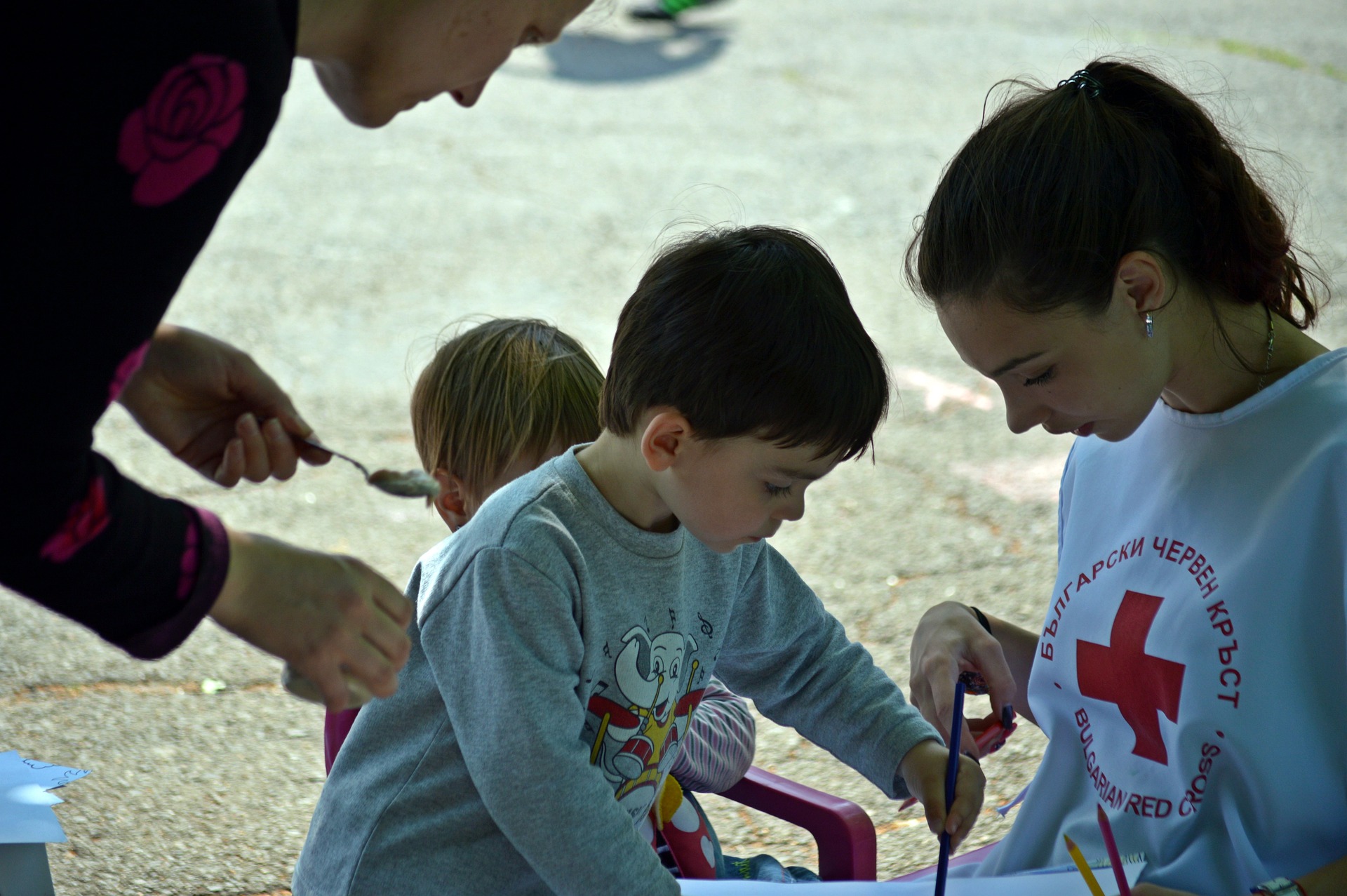
    The new year is upon us and what better way to start afresh than with volunteering? It doesn’t matter whether you’re a student or an employee, it takes great effort to make society a better place to live in. In the current time, we all feel a little indifferent because of various factors. Loneliness, depression, and anger can be warded off by volunteering with people. In addition to strengthening their social network, volunteers focus on others, according to Harvard Health. When life seems unmotivated, volunteering regularly can provide structure. In many communities, unpaid volunteers play an invaluable role. Making your community better through volunteering is an excellent way to connect with it. People, animals, and organizations in need can benefit from even the most minor acts of kindness.

    Here are some ways you can go about volunteering:

    Help people in sickness

    Helping people in sickness never goes out of fashion, and it keeps our humanity intact. Many groups care for the sick and disabled, from non-governmental organizations (NGOs) to community clinics to the Red Cross. You can help people regardless of your medical experience.

    Clean Up Drive

    Often volunteering can become fun when you join hands to help the whole community and contribute a little something that uplifts your spirits. You can extend a hand by cleaning your community which can lift the quality of life in the neighbourhood. It’s a valuable activity to clean dirty trash off the street. This can assist pets, and street animals with a clean world to wander.

    Provide for the homeless

    Economic crises have led many people to the streets. Like everyone else, the homeless are entitled to a peaceful and comfortable life. We all need a chance and it’s time that unhoused people receive their chance to live a better life. We must step forward and help those who cannot save themselves.

    Benefits you can seek through volunteering:

    Interpersonal skills

    People build interpersonal skills and establish social relationships through volunteering, which helps them engage in social activities. The opportunity to volunteer can provide opportunities for individuals to connect with others and engage with their community, even if he or she is shy or introverted. Thus, interpersonal skills and communication abilities can be enhanced.

    Get hired

    A lot of organizations and companies encourage potential volunteers, as they’re dedicated and committed to challenges. Most of the time companies look for such opportunities to hire volunteers on the spot. The young generation has more benefits when it comes to joining unpaid work at an NGO. This can later turn into a great paid opportunity. Things could also work out through recommendations for future aspirants.

    Career boost

    If you want to boost your career, it’s time to start volunteering. It’s no doubt that even unpaid opportunities can bring career growth in positive ways. In addition to that, being a volunteer can help you build a skill, dive deep into new challenges, and make you a better person. You will also get recognized by companies that collaborate with NGOs.

  • Examples of video games that help you learn real-life skills

    Examples of video games that help you learn real-life skills

    By Rabia Khan

    If you ever ask a teenager what drives them to play video games, it’s definitely the entertainment factor. Contrary to the past, games have become a part of our daily life because of the learning they bring. Playing games not only leaves you having fun but boosts skill building and learning new real-life skills. One can challenge themselves to a certain extent. It’s one of the most soothing ways to detox our minds and cope with several mental health issues. Here are examples of video games that help you learn real-life skills.

    Minecraft

    The renowned game, which debuted in 2011, is still thriving today. As slaying enemies and completing missions is entertaining, Minecraft can train you in technology and programming while you explore more. There’s no doubt that passionate gamers have constructed fantastic objects.

    The educational version of Minecraft includes a plethora of courses, objectives, and syllabuses for use in the classroom. Yes, a video game is now being utilized to assist children in subjects that require analytical thinking.

    Stardew Valley

    Stardew Valley is a game that you must play. This aesthetic farming stimulator is cute in every possible way. There’s so much to learn while you play this game; it teaches you everything from farming techniques to valuing hygienic surroundings.

    The game also helps you adapt to a pure way of life from nurturing livestock, to leveraging cooking skills, to even fishing. Besides, creating a healthy bond with your neighbours is a real-life skill in itself that this game teaches you!

    The Oregon Trail

    The Oregon Trail first appeared in the 1970s and has endured several revisions. Youth have spent countless afternoons attempting to navigate their digital wagon over 2,000 kilometres far from civilization. If you go, you must choose a career (each with a distinct set of rewards), identify your partners, and buy types of equipment.

    Somewhere on the route, your troop may confront disease, choked streams, freeway robbers, food scarcity, as well as other time-related obstacles. Despite the intense nature of the scenarios, players quickly understand the importance of preparing ahead of time and take judgments with said foreseeable future in the heart.

    Nancy Drew Interactive Mysteries 

    Nancy Drew games have been always helpful in solving mysteries. You can solve cases virtually by being a detective. There’s more to things than what meets the eye! Riddles will make your brain work hard as you collect clues to solve the pieces of a mysterious puzzle. The game is packed with punchy timelines that are more than just entertainment!

    One is bound to find treasures and that in itself can make your nerves crack. Nancy Drew Interactive Mysteries is something you should give a shot since such games can assist you in life-long situations.

    The Sims 4

    The Sims 4 has been one of the most successful games ever established and has transformed many lives. It’s a virtual reality and one that requires you to use your logic. This wonderful game train people in skills that are needed in real-life. This game will help young minds to save, invest and work towards their goal.

    First, you have to design a personal avatar and select a career. You’re sent to work and generate a salary. Later you’re struck by bigger responsibilities that require investment. It’s possible to buy a house, establish a family, raise a child, or set up a company. Such games provide a significant economic perspective and teach valuable financial skills.