Category: Elementary

  • Cooking Creators on Instagram & TikTok for Amateur Home Cooks

    Cooking Creators on Instagram & TikTok for Amateur Home Cooks

    By Bhargavi Venkataraman

    Cooking is a life skill. There are many times in life when you may not have access to healthy delicious meals in your role as a university/college student or as a working professional. Most people turn to takeout or quick microwaveable meals during this time that soon become tasteless, boring, and very unhealthy. Fortunately, we live in the day and age of social media and technology, putting millions of amazing content creators at our fingertips. Below, I have compiled a very brief list of content creators, on TikTok and Instagram, who I have personally followed and are incredible cooks and bakers. They instill a sense of joy regarding cooking and food in general so that even if you might not find the activity the most enjoyable way of spending your time, you at least do not find it an unbearable task.

    Tiffy (@tiffy.cooks on Instagram and @tiffycooks on TikTok)

    Tiffy is a Taiwanese-American creator who shares numerous Asian-inspired recipes and delicious food with Asian flavours. If you’re looking for some experience with Asian cuisines, she is a great starting place!

    Nadia Caterina Munno (@the_pastaqueen on Instagram and TikTok)

    Nadia was born and raised in Rome, Italy and brings to us authentic recipes and dishes in an entertaining manner. I personally really enjoy her pasta recipes so if you are a fan of Italian cuisines and want to try some classic foods, she is a good follow!

    Tabitha Brown (@iamtabithabrown on Instagram and TikTok)

    Tabitha is a vegan Southern creator, mom, and actress. She brings an enthusiasm and ease to her videos that often make a possibly daunting task, cooking vegan food, a fun and easy task. For those who also want to create and experience vegan Southern food, a difficult niche to access in restaurants, she is an appreciable option!

    Matthew Merril (@mmerril on Instagram and @matthewinthekitchen on TikTok)

    Matthew began his career in food at the age of 10 when he appeared on Food Network’s ‘Kid’s Baking Championship.’ Since then, he has had numerous culinary experiences around the world that took him to TikTok in 2020. Now, he is in university and posts easy and creative dorm recipes, desserts, dinners, and all sorts of other meals that are perfect for students and adults likewise!

    Carleigh Bodrug (@plantyou on Instagram and TikTok)

    Carleigh is a NYT bestselling cookbook author and a sustainable creator on TikTok, YouTube and Instagram. She has great series such as “SOUPerb Soups”, “Sneaky Veggie”, “Veganized” and “Scrappy Cooking” that tackle a wide variety of comforting and wasteless recipes. If you are looking to figure out how to incorporate more veggies into your meals or want to learn more about zero-waste cooking, this account is a great find!

    Chaheti (@rootedinspice on Instagram and TikTok)

    Chaheti has been a food creator since only 2021 and uses her platform to share food, stories, and her South Asian culture. She posts numerous vibrant and tasty that use unique ingredients and are often South Asian inspired. If you are looking to try out a new cuisine or want a taste of India, this is a good beginning!

    As is evident by this list, there are so many amazing creators online that can help guide you in your cooking journey, no matter your expertise level. Here are a couple more creators that didn’t make it onto the list but are nevertheless amazing:

    So, whether you are trying to learn a new skill or building an old skill, use social media to take a risk and diversify your palates!


  • Jobs that Help People

    Jobs that Help People

    By Rabia Khan

    The world has been a messy place to live in and we’ve encountered some heart-wrenching stories during the pandemic. Social causes are something most people are passionate about. Helping one another makes the world feel better. Here are ways how to find jobs that help social causes that matter most to you.

    One of the best job would be that of a teacher. Teachers help students with their goals for the future, and their prospects of a satisfying career. They help in the overall development of the student’s personality. The focus of a teacher is always the student’s best interests at heart. Schooling is always at the forefront of bringing out a learner’s capabilities to the forefront. So the future decisions and development of a person are very nicely shaped by the teacher who should be open and supportive to students.

    Community service officers provide help with keeping the law, supporting the community in every which way they can. They work with the community to make life easier for the people there. In terms of crime prevention and other violent crimes that hinder the community, these officers give their best to ensure everyone’s safety.

    Home health aides are actively involved in their patients’ day-to-day needs like bathing, eating, cleaning, dressing, and other housekeeping duties. They see to it that their clients are well cared for and don’t lack anything.

    Dispatchers are the ones who receive 911 calls. They alert the emergency services about these calls after which help is sent to the caller. Meantime they help the distressed person to navigate the best actions to be done before help arrives.  These people are trained in crisis prevention and intervene to ensure the caller is always safe. These dispatchers operate the necessary equipment for dispatching to the place of emergency and act as liaisons between the caller and driver.

    Paramedics respond with speed to emergency calls. They provide care and support while the patient is in transit between their home and hospital. Paramedics provide CPR to patients in need and first aid to accident survivors.

    Personal trainers are fitness people who help individuals to achieve their health and fitness goals. They help the individual with their diet and give them good workout programs that fit their body type. Keeping in mind the nutritional needs of their clients, these personal trainers are what a person needs to feel healthy, competent, and fit.

    Social workers work with families and people to endure they get the proper resources to improve their lives. They help clients with mental health issues and help with major or minor crises that a family or individual is going through. They help with finding ways of counteracting anxiety and stress by providing assistance and support.

    Guidance counselors offer support and guidance to students in need of it, helping them in their professional and academic development. They help by interacting with the students, advising them about the best course of action that furthers their interests to build a better life. Depending on the student’s skill and experience, they help to ensure success in their career.

    Rehabilitation specialists help people by assessing their needs and interests. They assist with job searches and help the client in preparing for interviews. They assist by setting up goals that they help the client to meet by guiding them. A rehabilitation specialist also integrates with other social workers and nurses to see to the well-being of their client.

    Translators read and understand any edited documents to translate original documents. They need a good command of the language they are translating. Excellent communication skills and good listening skills are a prerequisite to a translator translating well. They cannot afford to make major mistakes because the original wording will be lost in the translated language.

    An occupational therapist helps with individual needs on a daily basis to ensure that the patient has proper health care. These people work with physiotherapists, social workers, nurses, and psychologists to see that the patient is well cared for. These people team up and help the client in their home. If the client has been hospitalized, then they work together to make the patient’s recovery easier.

  • Ways to Have a Healthy and Fun Meat-Free Diet

    Ways to Have a Healthy and Fun Meat-Free Diet

    By Rabia Khan

    A healthy and tasty vegetarian diet is all you need to stay fit. There is plenty of nutritional value from lentils, sprouts, vegetables, fruits, etc. Have you heard of fun ways to play around with a clean diet? And once you stick to it, it’s easier to have cheat meals and stay fine! Here are some ways to have a healthy and fun vegetarian diet.

    Lacto-Vegetarian

    A lacto-vegetarian diet excludes meat products, fish, and eggs. But dairy products like milk, cheese, butter, and yogurt, are included. In order to enjoy a healthy and fun vegetarian diet, following a lacto-vegetarian routine is a good first step!

    Lactose-Free

    Some people are born with allergies and lactose intolerance at birth. You don’t need to worry since there are a string of options available for you! These include foods like fish, leafy green vegetables, tofu, almonds, fruits, etc. Make sure to check the labels before you purchase lactose-free food!

    Ovo-Vegetarian

    Ovo-vegetarian diets do not include meat, poultry, seafood, and dairy products, but eggs are a yes. Eggs are healthy too, and you can incorporate them into salads.

    Lacto-Ovo Vegetarian

    Lacto-ovo vegetarian diets exclude meat, poultry, and fish, but eggs and dairy products are allowed.

    Pescatarian

    Not many are aware of pescatarian diets which allow fish but not any meats. Plenty of celebrities have taken on this diet, including TV host Ellen DeGeneres and pop singer Miley Cyrus.

    Vegan

    One of the most popular food habits of millennials is none other than going vegan! Vegan diets do not include meat, poultry, fish, eggs, or dairy products. What you can rely upon are vegetables and definitely clean eating!

    Flexitarian

    There are people who follow a flexitarian diet, also called a semi-vegetarian diet, which is basically a plant-based diet but you are allowed to sometimes have meat, dairy, poultry, and fish, in small portions.

    Here are some further tips for your healthy diet:

    Include Nuts and Dry Fruits

    Fruits and vegetables, nuts, legumes, and whole grains are a must if one needs to stay healthy. Most celebrities follow a clean ritualistic diet which in part helps them appear wrinkle-free and fit on screen.

    Be Diet Conscious

    If you’re worried about gaining too much weight then switch to lean vegan meats – they taste delicious! Add fiber and drink plenty of water to push toxins out of your body. Eat smaller portions and follow a clean ritualistic diet which will keep both mind and body healthy.

    More Green, more Protein!

    Eat more salads. Greens are very healthy and iceberg lettuce are a vital ingredient in salad meals, which go great with boiled lean vegan chicken. Olives are a must including proper dressing for your salad.

    Some “No’s”

    Beverages, soft drinks, and refined food are definitely unhealthy. Canned foods can trouble your overall health, so better watch out before opening them! Sodium should be limited. Avoid canned vegetables or food and make sure to always read food labels. It’s advisable to know what is going into your stomach.

  • Building a Career in Politics

    Building a Career in Politics

    If you watch the news, you will likely see politicians giving speeches or making announcements about programs or initiatives in the community. Have you ever thought of becoming a politician?  Building a career in politics can begin early in life.

    People get into politics for many different reasons, but often they want to help people. Politicians sometimes establish programs to help student pay for their courses or to help build housing for seniors. They also make laws for people to follow so that society will run as smoothly as possible. Meeting with people is a large part of the job for many people in politics.

    Many different roles are possible in politics. Some people become city councillors or mayors of towns or cities. Their job is to deal with local issues like snow clearing or repairing roads. Others get into provincial politics, working with education and other programs that affect the province. Another option is to get into federal politics, making laws and working with programs that affect the whole country. Setting standards for housing is one of the jobs of the federal government.

    Learning about issues like these is one way of preparing for a career in politics. People in this field need to know about many different subjects, whether these topics are the cost of food, international relations, or daycare for young children. Any of these issues or more can be part of a politician’s work.

    Even if your career is years away, you can already start to read about current issues and how they are likely to affect the future. For example, homelessness has become a problem in many Canadian cities and other communities.  Climate change, unemployment, or other issues can all be part of a politician’s work. Reading about these topics early can help in your career later in life.

    Many schools have opportunities for students to get involved in a form of politics. You might have a chance to run for student council or other positions that can help you to learn what is involved in running for political office and a bit of what the actual work involves. You can also join a working group connected to a political party and volunteer for an election campaign, whether that is for school trustee, Member of Parliament, or anything in between. Learning to talk with people individually or to give speeches to groups can be very valuable for a career in politics.

    Having experience even in school groups can help you decide about pursuing politics as a career. If you choose to continue, a good idea is to study political science at a university. Normally, this involves a four-year degree which teaches students what they need to know for becoming politicians or for a variety of other jobs, such as city planner, police officer, or head of a non-governmental organization such as the United Way or Oxfam.

    Since a career in politics can involve almost anything that affects people, the courses in a political science degree are not only about learning specific tasks like making budgets or writing reports. They are also about learning to think, to communicate, and to understand the background to various issues. In high school, you can already start to prepare by taking courses in English, mathematics, and history.

    Building a career in politics can take a long time, but it is worth the effort for people who are interested in this type of work. If you like the idea of a political career, you can already start gaining important skills.


    Bibliography:

    The Best Schools. “How to Launch a Career in Politics.” https://thebestschools.org/careers/career-guide/politics/.

    Canadian Jewish Political Affairs Committee. “Winnipeg High School students launch political Working Group.” https://cjpac.ca/winnipeg-high-school-students-launch-political-working-group/.

    Government of Canada. “I Want To Become a Candidate.” https://www.canada.ca/en/public-service-commission/services/political-activities/i-want-to-become-a-candidate.html.

    The Samara Centre for Democracy. “Part 1: So You Want to Work in Politics.” https://www.samaracanada.com/samarablog/blog-post/samara-main-blog/2014/03/06/part-1-so-you-want-to-work-in-politics.

    The University of Winnipeg. “Career Opportunities for Political Science Students.” https://www.uwinnipeg.ca/political-science/career-opp.html.

  • To Write or Not to Write Poetry: 4 Ways to Kickstart Your Knack for Poetry

    To Write or Not to Write Poetry: 4 Ways to Kickstart Your Knack for Poetry

    Why are people drawn to poetry? As Professor John Keating once said, ““We don’t read and write poetry because it’s cute. We read and write poetry because we are members of the human race. And the human race is filled with passion.”

    Being a poet now is light years away from being a poet before. These days, poets no longer have to rely solely on printing presses or publishers to share their verses with others. Through social media platforms, you can share your beloved compositions under no geographical restrictions at all. Once you post through a popular app like Instagram or Tumblr, your beautiful words will be out there for all the world to read.

    A great example of this is no other than Canadian poet Rupi Kaur, who built a large following via Tumblr and then Instagram in the early 2010s. Along with others like Lang Leav, they were dubbed “Instapoets” because they gained popularity through social media platforms. By 2014, Kaur published her collection of poetry that went on to have multiple editions in 40 languages and to date has sold 2.5 million copies.

    If you’re passionate about life and about being, you might have given a thought or two to putting together rhymes to express yourself or share your sentiments with others, something that’s easily plausible these days.

    One doesn’t have to be an excellent wordsmith right from the start to craft poetry à la Rupi Kaur. It will take a lot of practice and commitment to hone your skills. The good news is, the road to get there is to start now, so read on below for four great tips.

    1. Immerse yourself in poetry.

    All the great artists in the world have come to be because they were passionate about their art and totally absorbed themselves in it. Take for example, Quentin Tarantino, who’s one of the most prolific modern-day directors. Tarantino used to work for a video rental store (yes, those were a thing back then) where he had the privilege to watch countless of movies and TV shows. In the same way, you can delve into poetry. Go to your library’s poetry section. Go to your local bookstore. If you’d rather dive into poetry at the comfort of your own home, then by all means, go online. There are multitudes of options for you to binge in poetry.

    1. Go to poetry readings in your area.

    If listening to poetry is more your forte, this is an ideal way to familiarize yourself with poetry. Libraries often hold open mic events where poets can sign up to read their verses in front of an audience, and these are at no cost. On the other hand, published poets sometimes hold a promotional tour to promote their book of poetry; though most of the time, these events are open only to those who make a purchase. In any case, you can find inspiration by listening to other poets read their work.

    1. Buy a guided poetry journal.

    Perhaps the biggest challenge in trying your hand at writing poetry (or writing per se, for that matter) is choosing your subject. Of course, there’s the adage “write what you know,” but that’s usually harder to do than it sounds. The good news is you can turn to a guided poetry journal to get you started on what to write about because they come with prompts. Examples of these are a place you’ve traveled to, your childhood home, and what the rain reminds you of. These journals are widely available online or in stores, and all you would need to do is have your writing tool ready.

    1. Start small.

    Don’t pressure yourself to write a Shakespeare sonnet in the beginning (maybe wait after a few tries or so). Start off with something short and sweet like a haiku or a simple rhyming poem and go from there. Also, keep an open mind that long doesn’t always mean great. The length of a poem doesn’t necessarily always equal efficiency to what the poets want to convey to their readers. Consider the well-known poem “Trees” by Joyce Kilmer. This poem only has 12 lines and 80 words but it’s fully capable of touching the hearts of its readers.

    Now that you’ve read about these strategies to help you bring out the poet in you, it’s time to get started on your verse. Happy writing!


    Sources

    Hill, Faith and Karen Yuan. “How Instagram Saved Poetry.” The Atlantic. https://www.theatlantic.com/technology/archive/2018/10/rupi-kaur-instagram-poet-entrepreneur/572746/.

    MasterClass. “How to Write Poetry: 11 Rules for Poetry Writing Beginners.” https://www.masterclass.com/articles/how-to-write-poetry#11-rules-for-writing-good-poetry.

    Walker, Rob. “The Young ‘Instapoet’ Rupi Kaur: from social media star to best-selling writer.” The Guardian. https://www.theguardian.com/books/2017/may/27/rupi-kaur-i-dont-fit-age-race-class-of-bestselling-poet-milk-and-honey.

    Yang, Hannah. “5 Tips for Poetry Writing: How to Get Started Writing Poems.” ProWritingAid. https://prowritingaid.com/write-poetry.

  • Don’t Put Your Eggs in One Basket: The Pros and Cons of Juggling Two Jobs

    Don’t Put Your Eggs in One Basket: The Pros and Cons of Juggling Two Jobs

    Juggling two jobs may not be the easiest thing but it can be beneficial. Some people may be able to handle it, while others may not. If you are considering working two jobs, the following are lists of pros and cons, as well as tips for juggling two jobs.

    Pros of Having Two Jobs

    • Your Income Increases

    Working two jobs means that you will have more than one stream of income compared to when you were working one job. It can help relieve any financial stresses you may have. It is also a good way to save more money if you are trying to reach a goal.

    • Learn New Job Skills

    When working more than one job, you have the opportunity to refresh skills you haven’t used, as well as learn new ones. These skills could help improve your resume, which can help you with future jobs or careers. It can also help you learn more about yourself, and discover what you are good at and what you need to improve.

    • Help You Discover Your Dream Career

    Having a second job can give you more of an opportunity to discover your likes and dislikes. You should keep track of what you enjoy and don’t enjoy about each job. This may help you have an idea of what career you would like to pursue, or if the career you are pursuing is right for you.

    Cons of Having Two Jobs

    • Less Free Time

    While working two jobs, you will not have as much free time as you did when you were working one job. You will spend most of your time working. This may not be a con for those that are constantly bored and don’t have much to do during their free time.

    • Increased Stress

    Working two jobs can leave you feeling stressed. Having to go back and forth between two different work environments with completely different people can be overwhelming. It is important to recognize when you are feeling stressed and to find healthy solutions that can help you cope with your stress.

    • Feeling Drained of Your Energy

    Working two jobs can make you feel mentally and physically tired. With a busier schedule, you may not be getting as much sleep. Your body may eventually get used to your busy schedule but it may not be healthy for your mental and physical health. It is important to try to get as much rest as possible throughout the day.

    Tips for Juggling Two Jobs

    • Manage Your Time

    Time management may be difficult due to your busy schedule. Having a planner with your schedule and daily tasks can help you manage your time and stay organized. If possible, try to plan your week ahead of time for you to be aware and remember what you have to do that week.

    • Take Care of Yourself

    Your days may be so busy that you might forget to take some time to take care of yourself. Remember to eat healthy meals, stay hydrated, and get as much rest as you can throughout the day. Set reminders if you need to and check in with yourself each night before going to bed.

    • Carefully Choose Your Second Job

    If possible, your second job should be carefully selected. Try finding a job with a good wage that will help you build your skills. A job that is near your home or your other job is another thing you should look out for.

    • Stay in Touch with Friends and Family

    With your busy schedule, it is easy to become isolated. You may forget to check in with friends and family. When you have the extra time, call or text your friends and family to check in and catch up with them.

    As mentioned, working two jobs has its pros and cons. Whether or not one is able to handle both jobs depends on the person and their lifestyle. If you are considering working more than one job, take some time to reflect and make sure if it is best for you.


    Resources

    Dulin, Jon. “10 pros and cons of a second job you need to know.” Side Hustling Money. https://sidehustlingmoney.com/pros-and-cons-of-a-second-job/.

    Graham, Jerry. “Is a Second Job Worth It?” Kinda Frugal. https://www.kindafrugal.com/is-a-second-job-worth-it/.

    Hotmart. “Is taking on a second job worth it? Find out the pros and cons.” https://blog.hotmart.com/en/second-job/.

    Indeed. “15 Tips for Balancing Two Part-time Jobs.” https://www.indeed.com/career-advice/career-development/how-to-balance-two-part-time-jobs.

    Indeed. “How To Balance Working Two Jobs at Once.” https://www.indeed.com/career-advice/starting-new-job/balance-working-two-jobs-at-once.

    Taute, Maria. “The Pros And Cons Of Having Two Jobs.” Odyssey. https://www.theodysseyonline.com/pros-and-cons-having-two-jobs.

  • The Dangers of Always Being on Social Media and How to Beat the Addiction

    The Dangers of Always Being on Social Media and How to Beat the Addiction

    Social media consists of online platforms in which people can communicate with friends or family, as well as other people with similar interests. There are many social media sites. Commonly used sites include Facebook, Twitter, Instagram, and Snapchat. Although social media can have its advantages, always being on social media can be harmful in many ways.

    Sleep Can Be Negatively Affected

    Using social media at night can affect the quality of your sleep. You might see something that could leave you feeling anxious, envious, or sad. These feelings could keep you up at night. The continuous lack of sleep can be harmful to your physical health. Try to replace the use of social media with another activity. Meditation, reading, and stretching are a few activities that can help you fall asleep. Also, try to keep your phone or any technology away from you to keep you from using social media at night.

    Special Moments Are Missed

    You may miss the special moments in your life if you are always spending your time on social media. At concerts or sporting events, a lot of people focus too much on taking pictures and videos to later post on social media. Although it is fine to capture the moment, it is also nice to live in the present. At gatherings, you may feel the urge to go on social media. Try to talk to others instead. It is important to communicate with others in person, in order to develop your social skills.

    You Compare Your Life to What You See Online

    Always looking at pictures and videos of other people’s lives can make you start comparing your life to theirs. You may begin feeling envious or upset and think that you and your life are not as great. It is important to remember that most people only post their highlights on social media. They may prefer not to post when they are having a bad day or not feeling confident with themselves. For this reason, you don’t get to see the low moments of those people’s lives. Try not to compare yourself and your life to posts you see on social media.

    Using Social Media Can Become an Addiction

    Social media apps can be addictive. When you open a social media app, you never know what posts you are going to see. The element of mystery will keep you coming back. You may even subconsciously open the apps and scroll for hours.

    If you think you may be addicted to social media, the following points can help you beat your addiction:

    • Turn off your notifications

    It can be very difficult to stay away from social media when your phone is always lighting up with new notifications. Turning off your notifications can help decrease the urge to always check what is happening online.

    • Avoid using your phone at night and in the morning

    Many of us have the urge to use our phones right before bed and check them right after we wake up. Before you sleep, keep your phone out of reach. This will help keep you from using it before going to sleep and picking it up after waking up.

    • Find a new hobby

    What did you enjoy doing before you had social media? Try to get back into old hobbies or find a new one! You could learn a new skill, learn to play an instrument, or even learn a new language. You will see how much free time you have when you aren’t scrolling through social media all day.

    • Deactivate or delete your accounts

    If you are having trouble fighting the urge to check your social media, you could temporarily deactivate your account or delete the apps off your phone. This is called a “digital detox”. If you think it is best, you could also permanently delete your accounts.


    Resources

    Avison, Phoebe, and Mia Mercado. “7 Easy Ways to Detach Yourself from Social Media.” Bustle. https://www.bustle.com/life/144893-7-ways-to-stop-your-social-media-addiction.

    Deveraux, McKay. “The Dangers of Social Media for Teens.” Outback Therapeutic Expeditions. https://www.outbacktreatment.com/the-dangers-of-social-media-for-teens/.

    nidirect. “Social media, online gaming and keeping children safe online.” https://www.nidirect.gov.uk/articles/social-media-online-gaming-and-keeping-children-safe-online.

    Vanas, Dylan. “5 Dangers of Social Media.” Entrepreneur. https://www.entrepreneur.com/article/377940.

    Ward, Isabella. “6 Ways to Beat Social Media Addiction.” Time to Log Off. https://www.itstimetologoff.com/2020/10/25/6-ways-to-beat-social-media-addiction/.

  • The Good and Bad of Taxes

    The Good and Bad of Taxes

    You probably hear a lot of adults complaining about taxes. People work hard to make money for food, clothing, and to support their families. It can be frustrating knowing that the government takes some of that money. Where does it go? Taxes are used to run the government and go toward many different things that benefit you and everyone around you. Even if you do not realize it, those dollars are going towards physical things and services that have a huge impact on our lives.

    The municipal (cities), provincial (provinces), and federal (national) levels of government all collect taxes from people’s incomes, purchases, and more. You are required by law to pay your taxes to these government bodies. About half of those funds are spent directly on Canadians. These are things such as healthcare, education, and more. Provinces use taxes for education, children’s programs, and beyond. Canada invests in helping senior citizens, people with disabilities, and those struggling to find work. About a third of taxes go towards running the government, which includes police and firefighters. These are services that we do not use every day. Yet we are extremely grateful for this when we need them.

    Did you know that you already pay taxes? Every time you buy something, a percentage of tax is added onto the cost. Start paying attention to receipts when you buy something online or at the store. Taxes are not often shown on the display price, so it is important to know the percentage of tax you will pay and how it impacts your budget. As you go to and from those stores, as well as school or other places, start taking notes of the things around you. The roads around you need repair. Firetrucks drive by with sirens blaring. The public library is open and filled with books to read. All of these things take work to make them happen, and that work is paid for by your tax dollars.

    Part of the reason adults get so upset about taxes is we cannot see directly where every dollar goes. Many people disagree with ways some of taxes are spent. You may hear adults complain about overpaid politicians, or money being spent on wars in other countries. It is easy to become bitter about something you have little control over. This is why it is so important to follow politics and learn about the different political parties in Canada. They have platforms, or a list of actions they plan to carry out, that tell you how they want to spend your tax dollars. Start by visiting their websites. Talk to your teachers, parents, and friends about it. Be educated. So many adults get frustrated about taxes without doing their research. Know where your money is going and who to vote for to make it go towards good causes.

    The tax system is very complex. Yet it is important to learn, because it plays such an important role in your community and society as a whole. Governments use that money for things that keep us alive, healthy, and happy. A lot of that money can also go towards things people feel are wasteful or unethical. This is why knowledge is so important. Start studying and learning more about how the levels of government use taxes, as well as what politicians are saying about how that money should be spent. This includes money you are already giving to the government with every purchase, and will continue to pay with your job’s salary. So make sure you know where that money is going.

    Sources:

    Turbo Tax. “Teaching Taxes: What Are Taxes and How Are They Used?” https://turbotax.intuit.ca/tips/teaching-taxes-what-are-taxes-and-how-are-they-used-228

    Wonderopolis. “Why Do You Have To Pay Taxes?” https://www.wonderopolis.org/wonder/why-do-you-have-to-pay-taxes

  • How to Protect your Mental Health in Times of Crisis

    How to Protect your Mental Health in Times of Crisis

    Recently, the world is in a state of distress. With global warming, wars, and political issues, how can we tackle these problems and still take care of ourselves? It is a truly wondrous thing that people around the world are doing everything they can to help one another and protect the space around them. However, in doing this, people often forget they must take care of their mental health. How are we supposed to help solve problems if we are not in our best state to do so? Author Bryant H McGill put it best: “Taking care of yourself is the most powerful way to begin to take care of others.”

    Many psychologists acknowledge that people have something called “The Window of Tolerance.” This window is also referred to as your comfort zone. When we take on too much, and we push ourselves outside of this window, we risk going into a fight or flight response, or a freeze response. The fight or flight response is a result of too much stress. And rather than taking time to wind down and relax, you keep pushing yourself and start feeling things like anxiety, anger, and frustration. The freeze response is on the opposite end of the spectrum. Freezing is when you push past your limits and then start feeling numb and tired. It can result in you not wanting to leave your bed, or falling into a depression. Staying within your window of tolerance is vital to caring for your mental health. Notice the signs of when you are reaching your limit and do your best to bring yourself back into your window.

    So now that we know more about the window of tolerance, what tactics will help us stay in the window?

    1. Get off of social media

    With social media becoming so accessible and popular, it almost feels like you can’t escape it. Any big change or issue in the world is immediately posted and shared across all platforms. No matter where you look, the issues are always hitting you. A quick fix is to take a break from social media. Log off for a few hours, and reconnect to the space around you. By putting your phone down, even if it’s for half an hour, your mind will slow down and grounding will become much easier. If you have no way to see the issue, then you can’t pick up on new things to stress about.

    1. Practice Mindfulness and Grounding Techniques

    When you are overwhelmed, your mind goes into overdrive and it may feel like you’re losing all control. And although it feels that way, there are easy tricks for you to get back into the driver’s seat. First and foremost, remember to breathe. It sounds a bit silly, doesn’t it? We’re breathing all the time, why would I need to remember to breathe? The trick is to do it consciously. Don’t just let your body do its thing; take charge and focus on taking deep breaths. An easy pattern to follow to relax is to breathe in for a count of three, hold the breath for a count of four, and exhale for a count of five. By doing this, you’re already taking some control of yourself.

    When we hear all these negative things, it’s seemingly impossible to find anything good. Take a few minutes, and list off anything in your life that is good or that you are grateful for. It can be anything! If you have a wonderful pet, or ate an amazing lunch, those are such positive things that are happening. Completed an assignment, or achieved a goal? Give yourself a pat on the back and remember how amazing that is. By looking at positives often, you are training your brain to be more optimistic.

    1. Talk with someone

    You are not alone with your anxieties about the world. Millions of people are feeling the exact same way and are trying to take care of themselves while hearing about all these problems. So, reach out to somebody. Even if it is just a friend or family member, they will be able to offer advice. And if not advice, some comfort and support. Which is really what we all need a bit more of right now. If you are finding talking to friends is not helping, there is absolutely no shame in reaching out to professionals. The stigma around therapy and professional help is diminishing daily. Seeing a therapist can benefit your mental health and will help you find tactics to relax.

    Overall, with the things happening in the world right now, there is no surprise or shame in feeling stressed and overwhelmed. Finding tactics that work for you is so important, and hopefully some of these suggestions are a good place for you to start. Anything you are feeling is valid, so do not be ashamed of worrying about the world – it makes you a caring and kind person. Just remember to transfer that care and kindness to yourself.

  • Fair and Square: Why Extending the $15 Minimum Wage to Gig Workers Is Important

    Fair and Square: Why Extending the $15 Minimum Wage to Gig Workers Is Important

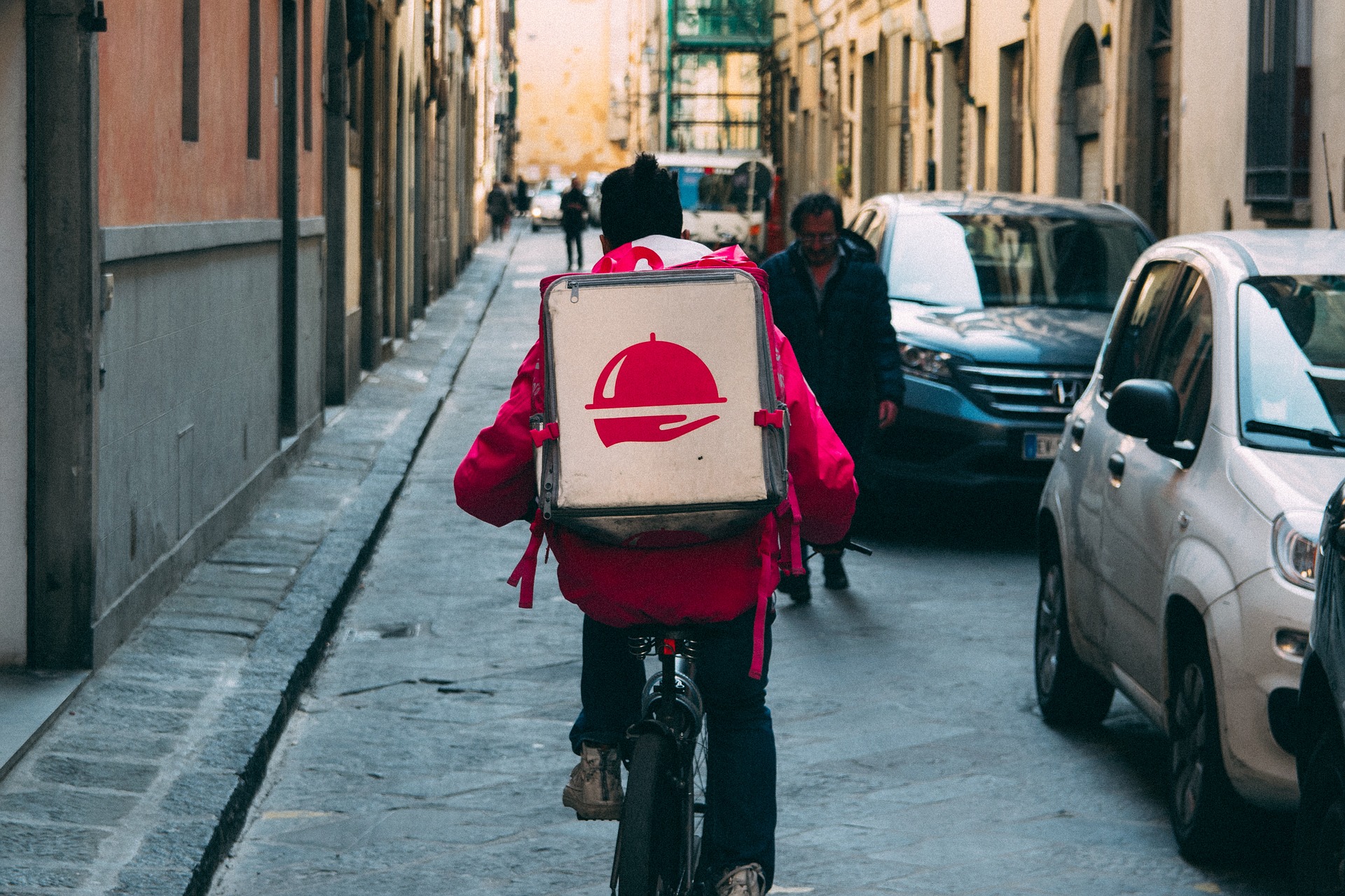
    What is the gig economy? Well, if you have ordered food or booked a ride through an app, then you have a good idea of what it is. The gig economy involves the exchange of labour for money between individuals or companies through digital platforms that match providers and customers on a short-term and/or payment-by-task basis.

    By contrast, traditional employees have consistent work with a single company and steady salary, and they are guaranteed to make at least minimum wage. Workers in the gig economy do not have that stability. As the gig economy grows, it becomes even more important that they get paid fairly.

    A variety of sectors

    Among the most common sectors in the gig economy are transportation-based services, including food delivery and ride-sharing, and asset-sharing services, including home sharing or parking space-sharing. There are also digital platforms that connect freelancers with businesses or individuals to complete projects, and this ranges from writing to art and design work.

    Pre-COVID gig economy

    According to a study by Statistics Canada, in 2016, pre-pandemic times, gig workers – self-employed freelancers, on-demand online workers and day labourer – represented about eight to ten per cent of all Canadian workers. This was a combination of individuals who did gig work to supplement their wage employment and those who primarily relied on gig earnings.

    During COVID

    In the midst of the pandemic, that number ballooned to 20 per cent according to a survey by staffing firm Randstad, and it’s completely expected. The health crisis had a strong negative impact on regular 9-to-5 jobs, while opening more flexible work opportunities in the form of gig jobs that catered to those whose work was disrupted and became irregular. With the lockdown restrictions posing a greater need for app-based deliveries, especially food and groceries, the gig economy soared.

    On the other hand, employers preferred the gig workers because they have a wider access to a talent pool, especially when it comes to freelance editing or writing projects where they can hire anyone in the world if they are qualified.

    Another perk for employers is that they don’t have to shoulder the expenses for benefits like extended health insurance coverage or RRSPs because the employees are project-based or purely short-term.

    All That’s Going to Change

    Now this is where a big change is set to take place.

    On February 28, 2022, the Ontario government introduced a new legislation that will give app-based gig workers “fundamental rights,” including a $15 minimum wage and transparency when it comes to their tips.

    Dubbed as the “Digital Platform Workers’ Rights Act,” this will ensure a regular minimum wage for those employed by app-based services, such as ride-share drivers and couriers, which they will receive on top of their tips. The legislation will also make it mandatory for workers to receive a recurring pay period and pay day while at the same time preventing platform operators to withhold their tips.

    The committee behind the “Digital Platform Workers’ Rights Act” also suggested coverage for workers employed by platform-based services that include benefits and severance.

    These are changes that gig workers would welcome with open arms, but there’s still a lot of work to be done for them to not feel like they are second-class workers.


    Sources

    Bajwa, Rumzz. “How the Gig Economy Benefits Employees & Businesses.” GlobalTrade. https://www.globaltrademag.com/how-the-gig-economy-benefits-employees-businesses/

    Charlton, Emma. “What is the gig economy and what’s the deal for gig workers?” World Economic Forum. https://www.weforum.org/agenda/2021/05/what-gig-economy-workers/

    Henderson, Rebecca. “How COVID-19 Has Transformed The Gig Economy.” Forbes.  https://www.forbes.com/sites/rebeccahenderson/2020/12/10/how-covid-19-has-transformed-the-gig-economy/?sh=3e9692436c99

    Nosov, Ritva. “The gig economy will continue to grow postpandemic. Is your company ready?” The Globe and Mail. https://www.theglobeandmail.com/business/careers/leadership/article-the-gig-economy-will-continue-to-grow-postpandemic-is-your-company/

    Petriglieri, Gianpiero, et al. “Thriving in the Gig Economy.” Harvard Business Review. https://hbr.org/2018/03/thriving-in-the-gig-economy

    Stanford, Jim. “Gig workers aren’t second class workers – but that’s how Ontario’s recent recommendations treat them.” Toronto Star. https://www.thestar.com/business/opinion/2021/12/18/at-a-fork-in-the-road-on-gig-work-ontario-went-the-wrong-way.html

    Statistics Canada. “The impact of COVID-19 on the gig economy: Short- and long-term concerns.” https://www150.statcan.gc.ca/n1/pub/45-28-0001/2020001/article/00021-eng.htm