Category: Elementary

  • High School Horror Stories: I Had a Project Partner Who Did Absolutely Nothing

    High School Horror Stories: I Had a Project Partner Who Did Absolutely Nothing

    Depending on the classmates you’re assigned to work with, navigating projects involving multiple people can result in very different scenarios. For those that are best-case, every group member does their share and once it’s time to submit the project, everything goes smoothly. Worst-case ones, however, typically entail one or two people completing all the work while others remain irresponsible throughout the entire process. Fair delegation is virtually non-existent, ultimately creating inevitable tension amongst the group. I experienced the latter – and saying that this experience was “challenging” wouldn’t even begin to describe it.

    About a decade ago, for one of my elective courses, our class’s first major term project required an 8-10-page written report as well as a presentation. At this point, I had never done a project like this before and was quite nervous.

    The project was meant to be done in pairs. I partnered up with someone (who, of course, will remain anonymous) who seemed to be nice and hard-working. Little did I know that this was a huge mistake.

    After we decided to be partners, I would try my best to contact the person and set up times to meet outside of school so we could work on the project. But this was a nearly impossible feat. Every time I tried to do so, something always came up or they simply never responded. I also always had to cater to my partner’s needs and not only that, whenever we did work together, they’d be distracted and look at their phone the entire time. I took the initiative, and this person couldn’t even try their best to get their part of the project done.

    After countless tries to work collaboratively to no avail, I decided that I had enough. I went to see our teacher and explained the whole situation. Luckily for me, our teacher understood. They then said they’d evaluate us individually, so I made the decision to complete the entire project on my own. Though at this point I was definitely relieved that I didn’t have to deal with my partner anymore, it felt extremely intimidating as I was now taking on, as stated above, an 8-10-page report and in-class presentation (which I planned to have a PowerPoint slideshow to go along with) all alone.

    Interestingly enough, I had written formal essays before but never a report just needing straightforward facts. I also wasn’t used to typing reports out on the computer (another requirement) and at this length, for that matter, so it was a slow process, which made it all the more nerve-wracking.

    The night before the project was due, I remember lying in bed, shaking, and breaking into a sweat. I had barely slept and dreaded presenting in front of the class. The next day (presentation day), when I saw my partner, I was so angry that I couldn’t speak. They then sat next to me and actually asked if I made sure everything was prepared for us. They thought I had the project covered and expected me to share my work with them. But I clarified that I was doing the presentation by myself as well as taking all the credit for the work I did.

    When it came time for me to present, I was terrified. I started out fine, but halfway through, I panicked and thought I couldn’t continue. However, our teacher said I was doing well and encouraged me to finish my presentation. The vote of confidence meant a great deal to me, so I ended up resuming from where I left off and finished it. Afterward, I felt incredibly relieved that the project was finally over.

    The following week, grades were posted, and I was awarded an “A” for my project. I recall feeling proud of myself, but also truly appreciated the support I received from our teacher.

    Overall, although I’d say this was one of the worst experiences I’ve ever gone through as a student, I showed myself that I had the resilience to complete what needed to be done. If you put your mind to something and have the determination to finish what you start, it might take you on a difficult path, but it will be worth it in the end.

  • Staying at Home Sucks! How to Make the Best of Your At-Home Learning Situation (French version available)

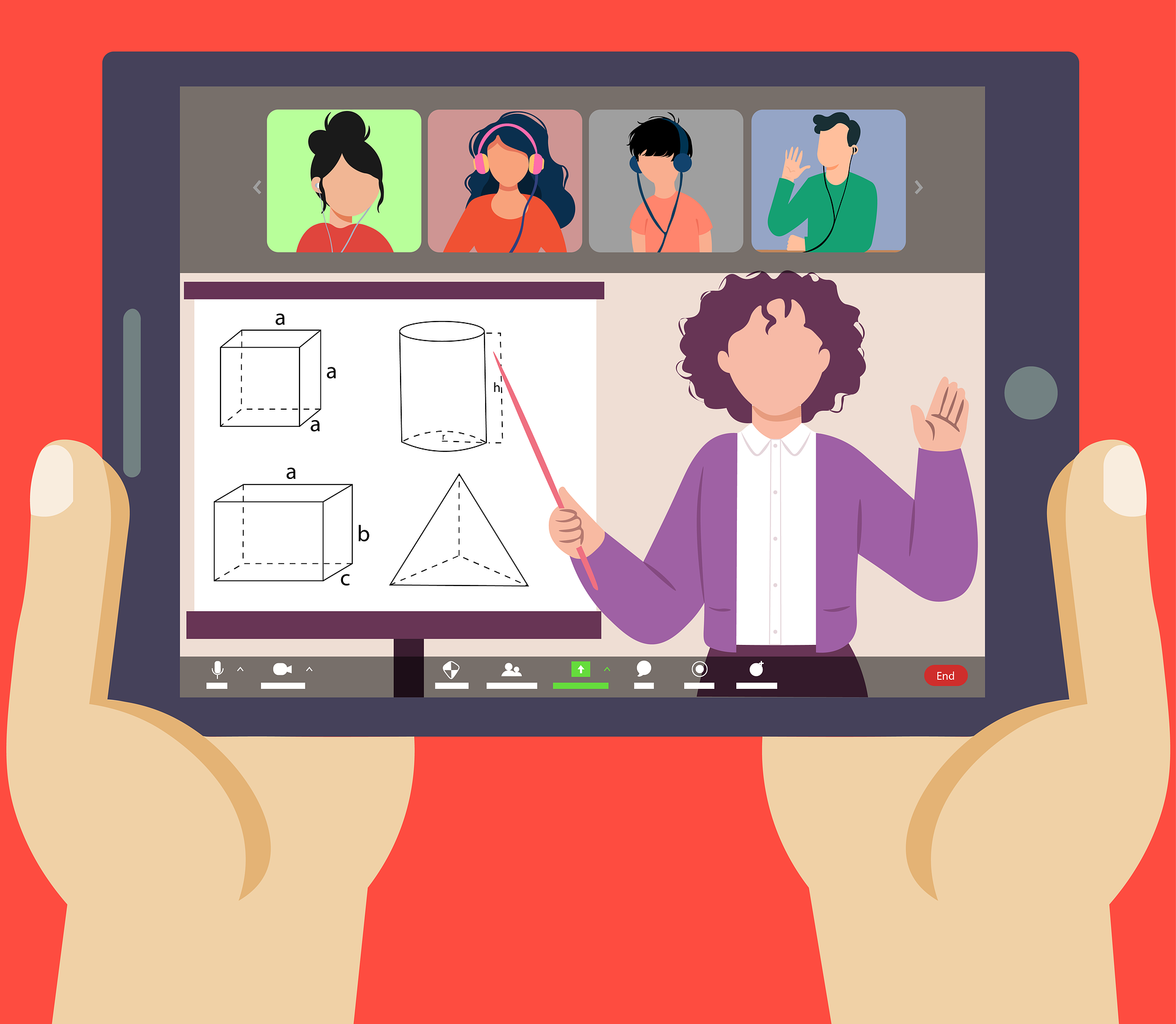
    Staying at Home Sucks! How to Make the Best of Your At-Home Learning Situation (French version available)

    Obviously, with COVID-19, people have gone into isolation to stay safe. Whether it’s work or leisure activities, many things we’d normally do outside are, for the time being, done at home.

    Students in particular have been greatly impacted as a part of their everyday lives that normally occurs in a room amongst peers, is now located on their kitchen table, bedroom desk, etc., and done alone.

    Overall, this long-term learning situation might be very unpleasant for some, so here’s a few words of advice applying to those who do not enjoy at-home learning.

    It’s All about Perspective

    Constantly being surrounded by the monotony of home while also undertaking school-related tasks can seem like a situation one would dread. However, it’s about how you look at these things. Rather than focusing on the negative, attempt a gratitude-based approach.

    For instance, you could continue saying to yourself: “I’m so sick of learning at home” or “I’m grateful that I’m able to learn in the comfort and safety of my own home.”

    Actively changing your internal dialogue can act as a powerful tool to help turn your mentality around. It requires more conscious thinking, which implies additional effort on your part but may make differences in the way you perceive day-to-day life.

    Of course, everybody has good days and bad days. It’s understandably difficult to maintain positivity when the world is in the state that it’s currently in. Nonetheless, try to remain positive and put your best foot forward as each day comes.

    Create an At-Home Study/Homework Completion Routine That Works for You

    If you haven’t done so, this could optimize your time. Creating a new routine (or improving an existing one) might help you progress through the day more efficiently. A great example would be students who have a longer commute to get to school. Now that your regular commute is paused, you could take that time you’d usually designate for travel and get more work done.

    Figure out how to utilize the time that staying at home is allowing to your advantage.

    Take a Healthy Amount of Breaks

    Burnouts are absolutely real. When needed, take breaks, and engage with things that will help you relax (this is also where a routine could come in handy). Don’t hesitate to take a short walk, nap, eat a snack, or listen to some music. There’s a good chance these will help you feel more refreshed and boost your energy, so going back to what you were doing might seem less daunting. If you don’t have the time to do what’s stated above, even standing up, stretching, and leaving the room you’re working in for a few minutes can reinvigorate you.

    Staying at home clearly isn’t the ideal circumstance regarding school. With students staring at screens for long periods of time and not being able to see certain people, it can be lonely. But if you have the desire to stay productive despite these trying times and are considering the options in this article, you’re already on your way to making the best of your at-home learning situation.

  • How to Handle Arguments with Friends and What to Do When They Seem to Be Ignoring You

    How to Handle Arguments with Friends and What to Do When They Seem to Be Ignoring You

    By Tiffany Chang

    All relationships have their ups and downs. That’s just a part of life. Whether it’s occasional disagreements, personalities clashing, or even betrayals, navigating them can be difficult, especially when you truly want the relationships to work out.

    Often times, we come across these situations with our friends.

    If this has happened or is currently happening to you, or you’re simply looking for a future reference, here are some words of advice:

    Getting Into Arguments with Your Friends is Totally Normal

    Everyone is different and therefore has different opinions. Nobody agrees with every person all the time. Actually, healthy arguments in certain cases can be beneficial as they might help people more productively get feelings about things off their chests.

    In General, How Do I Handle These Arguments?

    All parties might be very upset. However, try not to let negative emotions get the best of you. At times, people say hurtful things to each other out of anger, but they don’t necessarily mean them.

    Try taking the following de-escalation steps:

    1. When you start to notice the situation getting heated, suggest that everybody take a deep breath and calm down.
    2. Go around and have every party explain why they feel the way they do, so there are no misunderstandings.
    3. Depending on the situation, maybe you can then come to an agreement or compromise.
    4. If the first two steps don’t seem to work, it might be a better idea to give them space. Sometimes it’s essential when emotions are running high.

    What to Do When They Seem to Be Ignoring You

    After giving your friends space, you may think enough time has passed to try speaking to them again, but they may not feel the same way. It’s understandably frustrating. Of course, it’s difficult to address conflicts when the people you’re having the conflicts with refuse to acknowledge you.

    Consider asking your friends to hear you out even when they still don’t seem to want to. Tell them they can respond however they want (or not respond at all) but you just want to let them know how and what you’re feeling.

    If what I stated above doesn’t yield the results you were anticipating and the ignoring persists, re-evaluate your friendship with them. Though it may be difficult to accept, there’s a possibility that they don’t believe the friendship is worth fighting for. You can’t control what they do and maybe you aren’t meant to be friends with them at this point in time.

    Nonetheless, never say “never.” As implied above, maybe in the future, they’ll have a change of heart, and you could resume your friendships with them. Or maybe, you won’t ever be friends again, but will remain on better terms later on. As time passes, there’s a good chance you’ll have plenty of opportunities to make new friends. For now, keep your distance. People come and go in your life and when the time arrives, you’ll know exactly who your lifelong friends are going to be.

  • Tips for Safely Losing Weight Gained from the Pandemic/Holidays (French version available)

    Tips for Safely Losing Weight Gained from the Pandemic/Holidays (French version available)

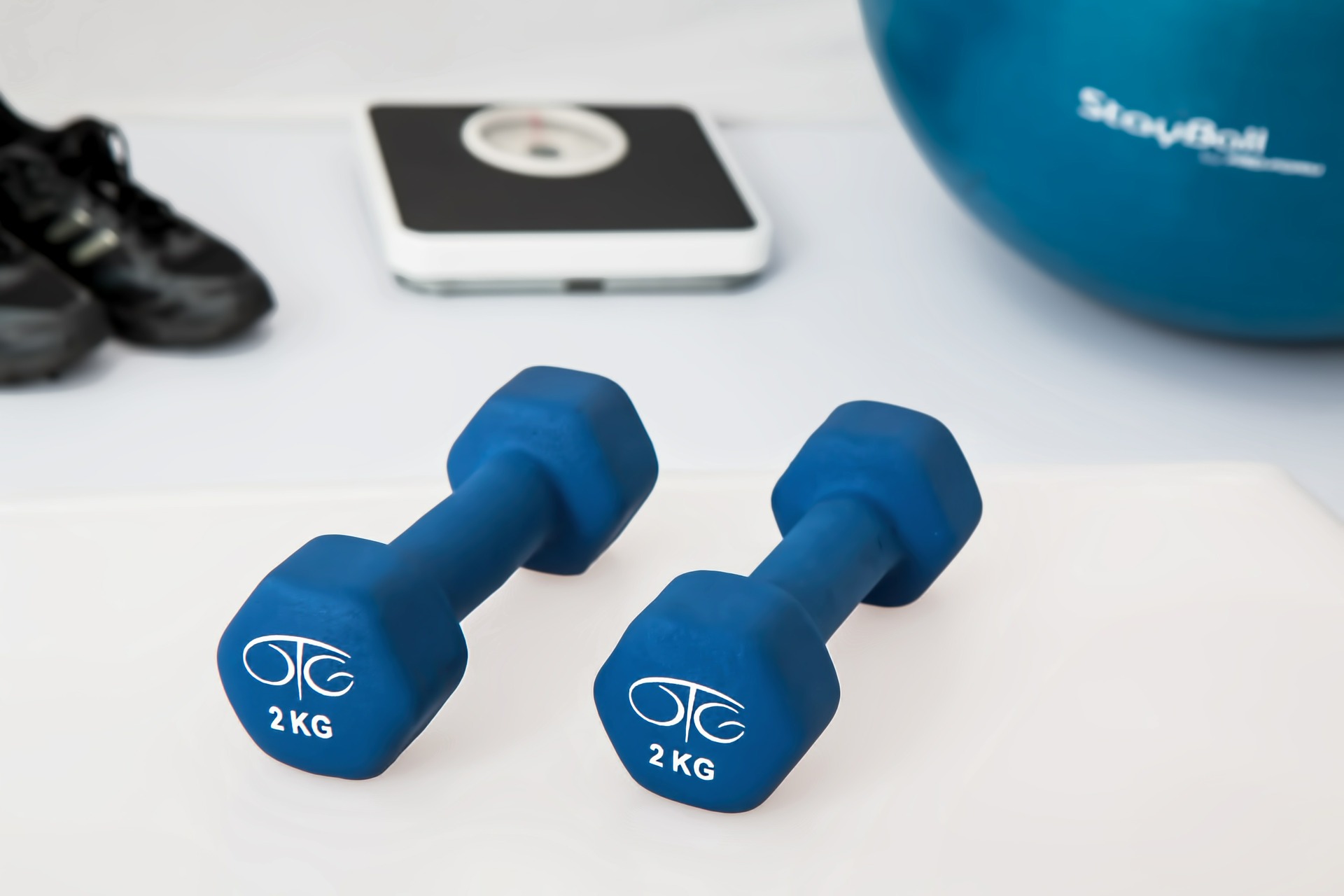
    Since the pandemic began, it has been difficult to stick to healthy habits, especially during the holiday season. Are you someone that has been wanting to lose the weight that you’ve gained during the pandemic or the holidays? Here are some tips to help you lose that weight safely!

    Remember that starving yourself or other extreme measures do more harm than good. If you are very concerned about your weight, talk to your doctor.

    Drink More Water

    You have probably heard several times that drinking water is very good for your health. It can help with your circulation and digestion, eliminate toxins from your body, as well as boost your metabolism. Drinking water before each meal can prevent you from overeating by reducing your meal portions. There could be times when you may feel hungry but you could be thirsty instead. Try to drink lots of water or eat foods containing water instead of sugary drinks or snacks throughout the day.

    Exercise Daily

    Exercising daily is good for you whether you are trying to lose weight or not. It not only helps you burn calories, but it could also help you make healthier food choices. This is because being physically active can help reduce stress, increase your energy and mood, improve your sleep, and build muscles that can help your metabolism. Try to aim for at least 30 to 40 minutes of exercise per day. You could go work out at a gym or just walk around the neighbourhood. Exercising with friends or family is a good way to get you motivated.

    Avoid Eating Out

    Eating out at restaurants or ordering in can be very tempting. Although there is nothing wrong with eating out once in a while, it should not be done frequently. Most restaurants’ serving sizes are much larger than what is recommended and you may feel tempted to eat all of your food. Eating home-cooked meals is much healthier. This is because you have control over what ingredients are used and how much food is put on your plate. If you are going to eat out or order in, try to divide the food to take home or save for later.

    Follow a Schedule

    It is important to eat at around the same time every day. Eating on a regular schedule can regulate your appetite which prevents you from eating more or less than usual throughout the day. Also, skipping meals is not a good idea. It will only make you feel hungrier. This will lead to you overeating during your next meal. One thing you should have in your meals is vegetables. Vegetables are filled with vitamins, minerals, fibre, and antioxidants. Try to incorporate more protein into your meals as well. Protein helps keep you full for longer.

    It is important to remember not to be hard on yourself during this process. You may feel discouraged and frustrated. Keep in mind that you will see results when you put in your hard work. It may not be as quick as you’d like, but the results will be there.


    Resources

    Blanchfield, Theodora. “10 Ways to Reverse Holiday Weight Gain — Fast!” Glamour. https://www.glamour.com/gallery/10-ways-to-reverse-holiday-weight-gain-fast

    Greuner, Dr. David. “5 To Lose Weight After The Holidays.” Muscleandfitness.com.  https://www.muscleandfitness.com/nutrition/lose-fat/5-ways-lose-weight-after-overeating-during-holidays/

    Manning, Joy. “6 Habits That Can Help You Lose Lockdown Weight (and 5 That Won’t).” Everyday Health. https://www.everydayhealth.com/weight/habits-that-can-help-you-lose-lockdown-weight-that-wont/

    Sass, Cynthia. “COVID Weight Gain Is Totally Normal: Try These 9 Nutritionist-Approved Tips for Dealing With It.” Health.com. https://www.health.com/weight-loss/losing-weight-gained-during-the-pandemic

  • Advice For High School Students Considering Applying to Post-Secondary as an Undecided Major

    Advice For High School Students Considering Applying to Post-Secondary as an Undecided Major

    By Tiffany Chang

    Applying to attend post-secondary schools can be daunting at times. Essentially, this is your next step in preparing yourself for adulthood.

    However, what also may add on more uncertainty is going into post-secondary without a determined major. Superficially, it’s often associated with declaring that you haven’t decided what you would like to do and you remain unsure about your future.

    If the statements above are similar to what your currently experiencing, here’s some more detailed advice on how you can successfully navigate this consideration:

    There’s Absolutely Nothing Wrong With Applying As An Undecided Major

    You have no need to fear! You still have plenty of time and many options to explore.

    In the case where you are accepted as an undecided major, many use the first two or three semesters to figure out what the best program(s) is for them. (Of course, this time frame could be shorter or longer, depending on when you decide.) Even if you come to a decision then change your mind again, its common for people to switch majors.

    Map Out What Your Opportunities Are

    If you’re considering applying as an undecided major but still want to or are also considering choosing a specific major, look closer at what seems relatively appealing to you.

    Do the following:

    Exercise 1: Take inventory of what your current interests and strengths are, then see if they coincide with any programs at your prospective post-secondary schools. You could even write them down to organize your thoughts.

    Microsoft Excel is a useful tool here. Columns can list what’s stated above, i.e. interests, strengths, and possible majors each having their own column, and then organized so the rows show that the “interests” and “strengths” cells align with the corresponding program(s) cells.

    Create a “program/major” column for every school you’ve considered applying to.

    Tip: Colour each column to make them more easily distinguishable. For example, “University of British Columbia” could be in blue, while using green and orange for “University of Toronto” and “Langara College” respectively.

    Exercise 2: On another separate sheet, express what you personally think of applying as an undecided major.

    Afterwards, carefully look at everything you’ve written down. Doing these exercises might help you finalize your decision.

    Surround Yourself With People Who Will Support You Unconditionally

    Deciding where to start doesn’t have to be scary. By having a good support system, as in people supporting you no matter what direction you’ve chosen for yourself, combined with the right attitude, everything will fall into place. Therefore, if you truly believe beginning your post-secondary journey as an undecided major is the right choice for you, don’t second-guess yourself or discount that opportunity.

    The term “undecided” for students in this context should be discerned as an open door leading to numerous possibilities. Selecting “undecided major” remains a legitimate option and isn’t meant to put huge amounts of pressure on high school students.

    Overall, it’s giving yourself a fresh start and a certain leeway that involves making the most of what your future post-secondary institution has to offer.

  • Making Art with Pressed Flowers: A Starter Kit

    Making Art with Pressed Flowers: A Starter Kit

    With all the negative impacts that COVID-19 has brought onto us, we can all agree that it also gave us one positive effect: new hobbies! According to a report by Thomas Insights, consumer spending went up through the roof as people got a knack of new things: learning a musical instrument, taking up gardening, baking banana bread, and playing board games and puzzles. Another activity that surged in popularity during the pandemic is arts and crafts.

    Arts and crafts encompass anything from knitting, crocheting, origami, scrapbooking, painting, colouring, and sculpting. One activity that’s quickly gained popularity as well is Oshibana, or the art of pressing flowers and other botanical materials to form an entire picture.

    If you’re curious about this art and you want to give it a try, read on to find out how exactly you can kick things off.

    First, A Background

    As you have clued in by now, Oshibana is a historical craft that originated in 16th century Japan, though some historians believe it can be traced back to ancient civilizations. As trade with Japan increased in the mid-1800s and the craft was introduced to England during the Victorian era, it went to become a well-loved hobby in Western countries. By the end of the 1800s, the art of flower pressing became a favourite pastime in both England and the United States.

    Among the most famous art works that involved flower pressing is a floral bouquet from the grave of Abraham Lincoln himself, said to be preserved by the wife of a judge in Ohio in 1865. The Western Reserve Historical Society currently holds this work of art and one might be surprised on how it has remained intact after almost 155 years.

    So What Would You Need Exactly?

    Well, it can’t be the art of pressing flowers if you lack flowers! So yes, the first thing you need are flowers or any botanical materials like leaves, grasses, herbs, and others. After you’ve gathered these, you’ll need a large book, preferably one that’s not a collector’s item because there’s a risk of staining. Ask your parents if they have any of those encyclopedia books that were hugely popular back in the day, and you’ll be all set to do the pressing.

    For arranging, a canvas is ideal, but if you’d like to give yourself a couple of tries before you really showcase your work, a blank sketchbook page will do. If you don’t have a sketchbook, any blank notebook would do or a notecard or postcard. The final items you’ll need are a small or thin paintbrush and glue.

    Let’s Get On With It!

    To start your first Oshibana project, be sure to gather the botanical materials as fresh as possible. Place them between two pages of the large book, and if you can apply additional weight on the large book, it’s even better. This will ensure there is steady pressure on the pressed samples.

    It takes about two to three weeks for flowers or leaves to completely dry, but if you don’t want to wait this long, you can apply advanced drying techniques like ironing or microwaving the flowers before pressing them. Be sure to practice safety precautions if you want to try these two techniques though.

    Once the flowers or leaves are completely dry, you can start arranging them to the base of your choice according to the design of your choice. It can be anywhere from a bouquet of flowers to something more elaborate like a woman in a fancy dress or your favourite painting. Make sure to dilute the glue with at least one drop of water. The goal is to ensure the pressed products are properly pasted onto your base but at the same time in a polished way. If you are going for a more intricate design, plot it out on your base first to ensure everything goes smoothly.

    Once you’ve done this, wait for 15 minutes, and voila! Your Oshibana is ready for display!


    Sources

    Wonderopolis. “How Do You Press Flowers?” https://wonderopolis.org/wonder/how-do-you-press-flowers

    Western Reserve Historical Society. “Pressed Flowers: History and Tutorial.” https://www.wrhs.org/blog/pressed-flowers-history-and-tutorial/

    Ross, Laura. “11 Unexpected Products That Boomed During the Pandemic.” Thomas Publishing Company. https://www.thomasnet.com/insights/11-unexpected-products-that-boomed-during-the-pandemic/

  • How to Politely Yet Assertively Say No

    How to Politely Yet Assertively Say No

    By Mara Hurst

    As a people-pleaser, the idea of saying no is not in my vocabulary. Many of us have the same issue. Wanting to help those around us is a seemingly natural instinct and we often do not realize when we are nearing our limit until it is too late. As much as we want to help those around us, it is impossible to care for others if you don’t care for yourself first. This is why learning how to say no in a kind, but assertive way is an extremely important skill.

    A widely asked question is, “Well, why should I say no?” Despite the pushed narrative that saying “yes” leads to opportunities and happiness, saying “no” can do the exact same thing! If you have plans to see movies with your friends, and your uncle asks you to mow his lawn at the same time, what would you prioritize? Saying “no” in that case doesn’t make you a bad person, it means that prioritizing fun and friendship is what you need that day! Saying no gives you the opportunity to take care of yourself and your needs, therefore allowing you to grow more as a person.

    Now for the daunting part, actually saying no. Saying no in a polite and assertive way follows some simple guidelines. The first is to be firm. If you are saying no, you have to mean it. On top of being firm, you should set your boundaries and make sure the person asking something of you is respecting these boundaries. Finally, remain polite and courteous. Saying no does not have to be mean or vicious.

    But, how do you use these guidelines? A fantastic example would be responding to their question with something like this: “I’m really sorry, I have to say no. I am unable to do this for you.” Now this phrasing will not work in every circumstance, but it is a great starting point! In some cases, you may be presented an opportunity where you are willing and capable to complete some tasks, but not all. In this circumstance you can follow the same guidelines as above, saying something like, “I can’t do X, but I am more than happy to do Y and Z.” You are still saying no in a kind manner, while setting your boundaries. Keep in mind that everyone should be respecting the boundaries that you put in place. If they do not respect these boundaries, then there is no reason to feel guilty for saying no. In fact, you should never feel guilty for saying no because you are caring for yourself.

    Saying no is nothing to be afraid of or avoid. Everyone in the world does it. Saying no means you are respecting yourself, and there is nothing wrong with that. In fact, respecting yourself is key to succeeding in life. To quote CEO Warren Buffett, “The difference between successful people and very successful people is that very successful people say no to almost everything.”  Saying no means prioritizing yourself for once and some self-care is what everyone needs. As long as you do it in a respectable way, saying no can be the best choice you can make.


    Sources

    Alpert, Jonathan. “7 Tips for Saying No Effectively.” Inc. https://www.inc.com/jonathan-alpert/7-ways-to-say-no-to-someone-and-not-feel-bad-about-it.html

    Mendelsohn, Pamela. “The Importance of Saying ‘No’.” myTherapyNYC. https://mytherapynyc.com/importance-of-saying-no/

  • Yes Eye Can: Jobs That Require Great Eyesight

    Yes Eye Can: Jobs That Require Great Eyesight

    Great vision is not necessary for all jobs but some do require you to have great eyesight. Some jobs might require you to complete an eye exam before you are hired. If you are curious about which jobs require great eyesight, this article is just for you!

    Photographers

    Having great eyesight is not necessarily required to become a photographer but it certainly is helpful. While taking pictures, it is good for the photographer to have a keen eye for detail. Good eyesight could help them take better and more professional-looking pictures.

    Lifeguards

    Lifeguards must keep an eye out for danger at all times. This is why they need to have great eyesight. They have to pay attention to those who are nearby as well as those far away from them. It is best if they do not have to rely on glasses or contact lenses to see clearly in case they have to enter the water.

    Surgeons

    Along with having a steady hand, having good eyesight is also important when it comes to being a surgeon. While performing surgeries, surgeons have to pay close attention to detail. Having poor eyesight could get in the way of them successfully performing surgeries. One small mistake could put the patient’s life at risk.

    Paramedics

    Paramedics are another healthcare provider that requires good eyesight. Since they are emergency healthcare providers, they must be able to navigate through traffic as well as carefully identify any injuries their patient might have. This job requires a lot of attention to detail.

    Police

    Police officers need to have good eyesight. This is because they must act fast in emergencies. They often have to drive cars and they need to see their surroundings. When necessary, police officers must be able to accurately aim their weapons at their target.

    Firefighters

    Being a firefighter requires great vision. This is because they are exposed to smoke, flames, heat, water, and darkness, and have to navigate through these conditions. They must be aware of their surroundings at all times and spot any danger or victims in need of their help.

    Pilots

    Pilots must have great eyesight. They are responsible for flying hundreds of passengers per flight. For this reason, they must be able to see the controls in the cockpit, as well as the airway when they are flying the plane at all times of the day. They must also pay attention to exactly where they are taking off from and landing the plane.

    Astronauts

    Astronauts need to have good vision. Wearing glasses and contact lenses can cause issues. This is because astronauts spend a large amount of time in a zero-gravity state or in an area where the atmospheric pressure changes constantly.

    Some of these jobs will allow you to wear glasses and contact lenses to correct your vision, and others will not. If your vision is not so great, you don’t have to let it get in the way of you having your dream job. Some procedures can help correct your vision but they must be discussed with your optometrist first.


    Resources

    Bashi, Maria. “7 Jobs that Require Nothing Less than Perfect Vision.” Ms. Career Girl. https://www.mscareergirl.com/7-jobs-that-require-nothing-less-than-perfect-vision/

    Dawson, Adam. “7 Occupations that Can Benefit Most from Vision Screening.” E3 Diagnostics. http://blog.e3diagnostics.com/7-occupations-that-can-benefit-most-from-vision-screening

    The Edinburgh Clinic. “Jobs Where Nothing Less Than Perfect Vision Will Do.” https://www.edinburghclinic.com/blog/jobs-where-nothing-less-than-perfect-vision-will-do/

    Eye & Laser Centre. “11 Occupations That Require Excellent Vision.” https://eyeandlasercentre.com.au/blog/11-occupations-require-excellent-vision

    Newton, Matt. “10 jobs that require good eyesight or glasses.” Arlo Wolf.  https://www.arlowolf.com/blog/jobs-with-vision-requirements/

  • Overcoming Shyness in the Classroom: How to Speak Up and Get More Involved

    Overcoming Shyness in the Classroom: How to Speak Up and Get More Involved

    It is common for students to be shy in school. They may not be comfortable expressing their thoughts and ideas in class. Shy students should be encouraged to work on their shyness, especially if it is affecting them academically. The following are a few tips to help overcome shyness in the classroom.

    You Are Not the Only One Feeling Shy

    You may feel like you are the only shy person in a room filled with outgoing people that are secretly judging you. This is most likely false. Everyone feels shy at some point, especially if it is the start of a new school year. Some can hide it much easier than others. Remembering that other people may be just as shy as you are could help ease your mind.

    Get To Know Your Classmates

    Getting to know your classmates can help you feel more comfortable in class. You could keep an eye out and try to help someone needing help. If you are doing a project in groups, try to work with people you haven’t worked with before. You could get to know each other better and feel much less alone in the classroom. This is a good way to make new friends in your class.

    No Question Is A Bad Question

    Many people feel shy in class because they are afraid of being judged when they speak out loud. Their shyness may interfere and lead to them not asking questions when they are confused. If you have a question, you should ask it. Don’t worry about it being a silly question. There most likely is someone else that has the same question as you do. By asking your question, you will be helping yourself and possibly someone else as well.

    Set Goals for Yourself

    It is very difficult to overcome shyness overnight. The best way to do this is to work on it in small steps. You could set small daily goals for yourself. You could start by talking to someone new every day or raising your hand in class every couple of days. As you get comfortable you could increase your goals. Eventually, you could raise your hand in class once a day. With time and dedication, you will be able to successfully overcome your shyness.

    Share Your Goals

    Telling friends or even your teacher about your goals to help you overcome your shyness can be very helpful. It may be difficult for you to get the courage to go through with your plans yourself. Your friend and your teacher could help encourage you to participate and speak up in class. They will likely also praise you for your participation. This will further inspire you to achieve your shyness-related goals and others.

    Overcoming shyness may not be easy for some people. It is something that takes time. As long as you put in the time and effort, you will feel more comfortable speaking up and participating in class.


    Resources

    Marshall, Lisa B. “How to Overcome Shyness in the Classroom.” Quick and Dirty Tips. https://www.quickanddirtytips.com/business-career/communication/how-to-overcome-shyness-in-the-classroom

    O’Connor, Jess. “Five tips for overcoming shyness in the classroom.” ITC. https://www.itc.co.nz/five-tips-for-overcoming-shyness-in-the-classroom/

    Schools with Scholarships. “How to overcome shyness at school: 10 Practical Tips.” https://www.schoolswithscholarships.com/overcome-shyness-at-school/

  • Career Profile: Actor

    Career Profile: Actor

    By Selina

    What They Do

    Actors express ideas, portray characters, and play parts in theatre stage, film, television, radio, video, or other settings for entertainment, information, or instruction. They interpret a writer’s script to entertain or inform an audience. They may interpret serious or comic role by speech, gesture, and body movement to entertain or inform audience. Some may dance and sing.

    Voice acting is a sub-specialty of acting, where they use only voice to depict and play out characters (usually in animated films or for voice-over narration).

    Other terms and specialties include: Actor, Actress, Comedian, Comic, Community Theatre Actor, Ensemble Member, Narrator, Performer, Tour Actor, and Voice-Over Artist.

    Duties

    Actors typically do the following:

    • Read scripts and meet with agents and other professionals before accepting a role.
    • Audition in front of directors, producers, and casting directors.
    • Research their character’s personal traits and circumstances to portray the characters more authentically to an audience.
    • Memorize their lines.
    • Rehearse their lines and performance, including on stage or in front of the camera, with other actors.
    • Discuss their role with the director, producer, and other actors to improve the overall performance of the show.
    • Perform the role, following the director’s directions.
    • In some stage or film productions, actors sing, dance, or play a musical instrument.
    • For some roles, an actor must learn a new skill, such as horseback riding or stage fighting.

    Work Conditions

    Actors perform work in a variety of settings, both indoor and outdoor (depending on the production and characters being played out). It is uncommon for work hours to be very long at times, especially when filming for feature length films and larger productions. Actors may perform in unpleasant conditions, such as outdoors in bad weather, under hot stage lights, or while wearing an uncomfortable costume or makeup. Those playing parts in action movies or TV shows might encounter risky and dangerous work conditions. Sometimes stunt doubles are used to perform highly risky action sequences.

    Work assignments are usually short, ranging from 1 day to a few months, and actors often hold another job in order to make a living. Some actors in touring companies may be employed for several years.

    Some actors have long periods of unemployment between roles and often hold other jobs in order to make a living. Some actors teach acting classes as a second job.

    Statistics

    Most actors are self-employed and work in various different productions / work with different employers on a contract basis. An actor in Canada can expect to make an average hourly rate of $21.36. This can range from $24,000 to over $200,000 depending on the work and level of experience. As of 2018, the largest employers of actors in North America were as follows:

    Self-employed workers = 25%

    Theatre companies and dinner theatres = 12%

    Colleges, universities, and professional schools (state, local, and private) = 5%

    Professional, scientific, and technical services = 5%

    Work Schedules

    Work hours for actors are extensive and irregular. Early morning, evening, weekend, and holiday work is common. Some actors work part time. Few actors work full time, and many have variable schedules. Those who work in theater may travel with a touring show across the country. Film and television actors may also travel to work on location.

    Education and Training

    Many actors enhance their skills through formal dramatic education or acting school. Many who specialize in theatre have Bachelor’s degrees, but a degree is not required. Although some people succeed in acting without getting a formal education, most actors acquire some formal preparation through an acting school, theatre company’s acting conservatory, or a university drama or theater arts program. Students can take college classes in drama or filmmaking to prepare for a career as an actor. Classes in dance or music may help as well.

    Actors who do not have a college degree may take acting or film classes to learn their craft. Community colleges, acting conservatories, and private film schools typically offer these classes.

    Every role is different, and an actor may need to learn something new for each role. For example, a role may require learning how to sing or dance, or an actor may have to learn to speak with an accent or to play a musical instrument or sport. Some roles require a certain body physique. Accent, fitness, and nutrition coaches are available to help actors prepare for their roles.

    Programs that can prepare you:

    • Acting
    • Comedy Writing and Performance
    • Directing and Theatrical Production
    • Drama and Dramatics / Theatre Arts, General
    • Dramatic / Theatre Arts and Stagecraft, Other

    Skills and Abilities

    The important skills and abilities that actors should possess include, but are not limited to:

    • Reading Skills – Actors must be able to read scripts and interpret how a writer has described their character.
    • Speaking Skills – Actors must be able to say their lines clearly, project their voice, and pronounce words so that audiences understand them.
    • Memorization Skills – Actors memorize many lines before filming begins or a show opens. Television actors often appear on camera with little time to memorize scripts, and scripts frequently may be revised or written moments before filming.
    • Creativity – Actors interpret their characters’ feelings and motives in order to portray the characters in the most compelling way.
    • Physical stamina – Actors should be in good enough physical condition to endure heat from stage or studio lights and the weight of heavy costumes. They may work long hours, including acting in more than one performance a day, and they must do so without getting overly tired.
    • Persistence – Actors may audition for many roles before getting a job. They must be able to handle rejection and keep going.

    Job Prospects

    Actors face intense competition for jobs. Most roles, no matter how minor, have many actors auditioning for them. For stage roles, actors with a Bachelor’s degree in theatre may have a better chance of landing a part than those without one. Having a well-polished and up-to-date CV and demo reels can help in getting auditions and callbacks.


    Sources

    Career One Stop. (2021). Actors. Occupational Profiles. https://www.careeronestop.org/toolkit/careers/occupations/occupation-profile.aspx?keyword=Actors&onetcode=27201100&location=US&lang=en

    PayScale. (2021). Average Actor / Actress Hourly Pay in Canada. https://www.payscale.com/research/CA/Job=Actor_%2F_Actress/Hourly_Rate

    Truity. (2021). Actor. Career Profile. https://www.truity.com/career-profile/actor