Category: Featured Articles

  • Learning on the Job: My Personal Experience with My First Job (French version available)

    Learning on the Job: My Personal Experience with My First Job (French version available)

    By Bhargavi Venkataraman

    As a third-year university student, I have had many job experiences. Jobs are a great way to learn new skills while also making money towards wants, needs and savings. Of all my job experiences, my first job is one of the most memorable.

    I came into the job scene a little later than average. I started my first job as a mathematics instructor at a big education brand franchise that will remain unnamed for privacy reasons in the summer of grade 11. It was run by a couple, and I got hired, along with another candidate, to start over August that summer.

    The hiring process was conventional, but as this was my first job, I remember taking it very seriously. I carefully curated a resume and cover letter and took hours to prepare for the interview. I remember sitting in front of the owner in my formal shirt and trousers with sweaty hands, in nervous anticipation of his questions. He took one look at my resume and put it away. He then proceeded to ask me a couple of basic questions, and that was it; I got the job. It seemed too simple at the time, but I did not question it too much in my excitement.

    My first days on the job were invigorating. It was a big learning curve to teach in the model of this education brand, but it was also fulfilling to earn money for the first time. I was paired with another employee who would supervise me and was invited to staff meetings where they provided food and lively conversation. Initially, everything was going well. The issues started when the owner began scheduling me for many more hours than I originally agreed to when being hired. As I knew that this was my grade 12 year and that I would mainly focus on school, I asked the owner if he was okay with a certain number of hours per week during the interview. He let me know that it was okay. However, when the school year started, I got scheduled for double the hours I had initially specified. When I conversed with him about this, he would brush off my concerns by saying that it was only for a couple of days. This pattern continued for a long while, and I found myself drained of energy by the end of each day.

    Another problem came up a few months later. I had made friends with some of the other employees, and we would talk when we had some free time. We discussed our difficulties with the number of hours we were required to work and some issues with the expectations set by the employers. I did not participate actively in these conversations as I felt uncomfortable talking about superiors in that way. Still, the owner assumed I was also part of the group gossiping about her. She proceeded to berate me for small mistakes publicly and criticize any work I did. The environment became very toxic, and I dreaded coming to work daily.

    My journey with this job ended over the winter break of that year. I noticed that I was waiting to get emails from the organization with the schedule for the next week. I called the company a few times, but was still waiting for a response. I eventually let them know I could not continue with the company and wished to terminate my contract.

    My experiences with this first job, the supervisors, my coworkers, and the general process taught me many things, which I applied to every future job. I will list some of these lessons below:

    1) Don’t be afraid to state expectations/boundaries before starting your job: I think one of the reasons I was able to speak confidently with my superiors about my issues with the hours they were assigning me was because I set clear expectations beforehand about how much I was able to commit. This also helped make my termination easier to digest, as our priorities differed.

    2) Speak up when expectations are not met: It is easy to feel like you cannot speak up or don’t have a voice when you are just starting a job or in a lower-level position in a company. However, it is crucial to recognize that you deserve to be valued and that your boundaries should be respected. This role may not be the best fit for you if they are not. I let my supervisors know when I felt burdened by the time commitment. I wish I had taken myself out of that situation earlier, as I became more burnt out and unhappy as time went on in the position.

    3) Be careful about workplace boundaries: It is easy to get carried away with the camaraderie of workplace relationships, especially in the first couple of months on the job. However, it is essential to respect the feelings of everyone around you, including superiors, and ensure that you keep within your values when joining group discussions. In my case, I should have removed myself physically from my coworkers when they were gossiping about the supervisor and said something to stop them. This would have been more in keeping with my values.

    4) Know when to terminate your role: Sometimes, despite your actions, a position might not fit you. The environment might become toxic, or you might not be able to keep up with the demands at the time. This is when it is good to take a step back and evaluate if the positives of staying in this position outweigh the negatives. If they do not, then consider terminating your role. This is precisely the process I went through. I spoke with my friends and family and also reflected on my own. Eventually, I decided that I needed to quit.

    I hope someone else can utilize the lessons I have learned through this experience to help them in their career trajectory. It can be daunting to navigate such an unfamiliar terrain, so it may be worthwhile to see how others did it. Always remember your value and what you bring to the table, be confident in your skills, and learn from every new experience!


  • Living with Cerebral Palsy

    Living with Cerebral Palsy

    Cerebral palsy hinders the coordination of the muscles and movement of the body. Its severity can range dramatically, from affecting just one body part to leaving the afflicted person unable to move on their own. One of my closest friends has the condition. John uses crutches to walk and takes much longer to do tasks that are quite simple for many others. It is a visible disability that, despite causing great difficulties for the sufferer, can be managed to allow those with cerebral palsy to live fulfilling lives.

    Beyond physical therapy and medical equipment, there are many resources in Canada and the United States for youth with cerebral palsy. United Cerebral Palsy (UCP), located in Washington, D.C., strives to provide education and support services for people on all parts of the cerebral palsy spectrum. Their network has been operating since 1949 and has fought for civil rights and public policies to support people with disabilities. Local service providers, or affiliates, work in individual communities to help meet the unique needs people have in specific areas. This includes housing, therapy, recreational programs, and employment assistance. Parents and caregivers can turn to My Child Without Limits, their online resource, to aid their offspring and address any developmental concerns.

    Canada has similar organizations offering support. The Ontario Federation for Cerebral Palsy (OFCP) focuses on “independence, inclusion, choice and full-integration” for people with the condition. Their offerings are akin to UCP. They include financial support, therapy, and direct help from program facilitators. The OFCP also strives to provide scholarships, assistive devices, and grants for research relative to cerebral palsy. All of these activities are funded through the resale of used goods and donations. A very similar organization is the Cerebral Palsy Association of British Columbia. They work to raise awareness of the disability amongst communities and provide help related to employment, recreational activities, and assistive devices.

    There are many programs to turn to for those with cerebral palsy. John has benefitted from physical therapy, recreational programs at hospitals, and support from his family. He has gone on to graduate from college and build a career in media production and writing. The help he has received has been coupled with his own determination and endless optimism. He frequents the gym and spends the extra time needed to type up projects without seeking out any help to do so. He works and attends meetings by utilizing door-to-door accessible transportation that the Toronto Transit Commission offers via Wheel-Trans. John’s strength in the face of his unfortunate situation has always been an inspiration to me, and I am very proud to call him a close friend.

    Those with cerebral palsy have made options available to them to reach out for help. Whether their needs are related to finding a job, joining a recreational program to make friends, or receiving aid in mobility, help is readily available. This assistance is not a weakness – instead, it provides the boost that allows people to utilize their many strengths and achieve their true potential. John may receive help, but his intelligence, hard work, and creativity are wholly his own talents. If you or someone you know has cerebral palsy, there is help out there to unlock the potential within.

    Sources

    Cerebral Palsy Association of British Columbia. “Our Mission.” http://bccerebralpalsy.com/about-us/mission-vision/

    The Ontario Federation of Cerebral Palsy. “About the OCFP.” https://www.ofcp.ca/about-the-ofcp/

    United Cerebral Palsy. “About United Cerebral Palsy.” http://ucp.org/about/

  • Career Profile: Agricultural Fruit Growers

    Career Profile: Agricultural Fruit Growers

    If you have cereal in the mornings, you might put a few berries or a banana on top. Maybe you eat an apple with lunch or some fruit as a bedtime snack. Have you ever thought of where that fruit comes from?  Some might come from your yard, but a lot of it probably comes from farms. The people who help bring this food to you and your family are agricultural fruit growers.

    Growing large amounts of fruit can be complicated. Agricultural fruit growers analyze the soil to make sure that it is healthy enough for the plants and decide where to put each kind of plant. Apple trees, for example, need much more space than raspberries. Some types of fruit grow in black soil and others in different kinds of soil. In Canada, two of the major fruit-growing areas are British Columbia and southern Ontario, but other parts of Canada also grow fruit in smaller amounts. The warm areas with long summer seasons can grow fruit like peaches, cherries, and plums.

    Fruit grows for only part of the year, but the work can be very busy even during the winter. For example, fruit growers might need to thin out raspberry bushes or prune apple trees to make them healthier the next spring. They might have to add fertilizer to the soil or dig in new areas to find better areas to plant the next year. Owners of fruit-growing businesses have a lot of responsibility to make sure that they do whatever they can to help ensure a good crop for the next summer.

    Depending on what kinds of fruit they grow, people might be busy early or late in the season. For example, strawberries tend to be an early summer fruit, but peaches and nectarines come much later, close to fall. Many commercial fruit growers are likely to have several different kinds of fruit so that they can have something to sell throughout the season. Studying botany in university or completing an apprenticeship can help, although anyone can work in this area.

    Growing fruit can be very risky because bad weather can ruin an entire crop or badly damage delicate fruit. Owners of the businesses might do very well one year and not sell anything the next year because of frost or hail damage. The employees who work on the farm to pick the fruit are likely to earn minimum wage, but their work also depends on weather conditions. If a crop is ruined, they might be out of work for the rest of the season.

    Another factor that agricultural fruit growers have to consider is who buys their fruit. Some farmers who live close to cities or towns might have U-Pick fields where people come to get fresh fruit. Others might take their fruit to farmers’ markets, but that also means that they have to be close to the cities. Supermarkets and other large stores are also important places to sell fruit, but the prices that the growers get are not always very high. Sometimes, it might be very hard to make a profit in this business.

    Still, for people who love the outdoors and enjoy working with plants, being an agricultural fruit grower can be a very good option.

    Bibliography:

    Durham Workforce Authority. “Agriculture Fruit Grower.” https://durhamworkforceauthority.ca/wp-content/uploads/2014/03/Agriculture-Fruit-Grower1.pdf.

    Indeed.com. “Farm Worker Salaries in Canada.” https://ca.indeed.com/salaries/Farm-Worker-Salaries

    Ontario Fruit and Vegetable Growers’ Association. “About the OFVGA.” http://www.ofvga.org/aboutofvga

  • Motorboat Mechanic

    Motorboat Mechanic

    When cars break down, mechanics can often fix them by repairing the engine, dealing with rust, or putting on new bumpers. Being a car mechanic is something that people can do in almost any city or town, and there will always be work. Being a motorboat mechanic is a much more specialized job, but it could be the right career for you.

    Motors are complicated pieces of equipment, and many things can go wrong with them. Motorboat mechanics work with two types of motors: inboard motors, which are on larger boats like yachts, and outboard motors, which are attached to smaller boats and can more easily be taken off and fixed in a shop. Both kinds of motor have various moving parts that can break or become worn out.

    Mechanics who work with motorboats need to know as much as possible about the machines that they fix. A high school diploma is usually necessary for work in this area, and trade school courses in motors can be helpful. Working as an apprentice is also a good idea if people are able to do that, even informally, at summer jobs. Like with many trades, learning on the job is a good way of getting into this type of work.

    Depending on what they specialize in, motorboat mechanics might work mainly indoors or outside. For inboard motors on yachts and other larger boats, mechanics have to go to where the ship is docked, usually on an ocean or a large lake. This might mean that the mechanic has to live near one of the coasts or an area like the Great Lakes. Since outboard motors can be removed from their boats, mechanics who specialize in these types of machines can have their own workshops where they repair the motors before putting them back onto the boats.

    Like most trades, motorboat mechanic wages can vary, depending on experience and location. In general, pay starts at about $21 per hour and can reach $39 after a few years. In small shops, mechanics might earn less than in larger places, but the work can be more varied and interesting in small companies.

    People who work as motorboat mechanics need a certain amount of strength to be able to work with heavy machines, and they need to be good with their hands. An ability to work with other people is important, and a knowledge of basic bookkeeping is useful, especially for mechanics who work on their own. Even in a larger company, mechanics might have to meet with clients to discuss what they need.

    Working hours for motorboat mechanics can vary. In much of Canada, lakes and rivers are frozen in winter and using boats is impossible. Mechanics are unlikely to get much work at that time of the year, but they can be very busy in spring and summer. Having another source of income is likely to be necessary for many motorboat mechanics, but the skills they learn in their work can also apply to many other jobs.

    Do you like to work with your hands and to fix machines? Why not consider becoming a motorboat mechanic?

    Bibliography:

    CareerPlanner.com. “Motorboat Mechanics.” https://job-descriptions.careerplanner.com/Motorboat-Mechanics.cfm.

    Payscale Canada. “Marine Mechanic: Hourly Rate.” https://www.payscale.com/research/CA/Job=Marine_Mechanic/Hourly_Rate.

    State University.com. “Motorboat Mechanic.” http://careers.stateuniversity.com/pages/776/Motorboat-Mechanic.html.

  • The APTN Scholarship Program for Aboriginal Media Makers

    The APTN Scholarship Program for Aboriginal Media Makers

    Canada has a strong media landscape filled with different careers. Landing those opportunities requires a delicate combination of talent, networking, and timing. Enrolling in a college or university program for journalism, film, or television can help you develop your skills, meet the right people, and be ready for when opportunities arise. For First Nation, Inuit, Or Metis Canadians, one of the ways you can make this happen is through the Aboriginal Peoples Television Network Scholarship Program.

    Two scholarships, each worth $2,000, are awarded annually to qualified Aboriginal applicants. You must be attending or going to attend a full-time college or university program that is at least two years in length. A minimum grade average of 65% is required. The program seeks candidates who are actively engaged in the Aboriginal community. This ties into the Aboriginal Peoples Television Network’s dedication to developing professionals in that community and enriching their lives. The money can make a crucial difference and allow talented individuals to cover the tuition and living costs associated with post-secondary life.

    In 2017, the scholarships were awarded to Jamie Malbeuf of Alberta and Trevor Green of Ontario. Jamie is a member of the Raizenne Metis family. At the time of receiving the grant, she was working on her Bachelor of Communications and majoring in Journalism. The money has allowed her to devote greater time to her studies and to work towards her goal of becoming a news anchor, sharing important stories of Indigenous Peoples. Trevor’s parents are from the Cowichan Tribes and Dog River First Nations. His studies at Ryerson University are in journalism and public relations. He is concentrating on business reporting and wants to look at issues such as finance and health from an Indigenous perspective. In 2016, Adeline Gladue, from the Yukon Territory and Alberta with a Southern Tutchone and Cree background, and Savannah Kelly, from Manitoba with a Metis background, won the scholarships. The program has offered life-changing help to students of many backgrounds all across the country.

    If you are interested in applying for the scholarship, you must provide a copy of your resume, transcripts, and proof that you are either enrolled or accepted in a full-time program at a Canadian school. Furthermore, two recommendation letters from teachers or employers are needed. Finally, you must prepare a one-page essay that details your goals, how the scholarship can help you, and your involvement in your community. All selected finalists are interviewed to determine who will ultimately receive the funds. The application process is not overly demanding, and therefore, it is a good idea to apply even if you are on the fence about doing so.

    The media industry is challenging, competitive, and endlessly rewarding. It is important to continue developing your skills, meeting new people in the field, and hunting for opportunities. The Aboriginal People’s Television Network scholarship program is a fantastic way to ensure you can attain the schooling needed to achieve your goals. If it sounds like the ideal opportunity for your situation, start working on your resume and cover letter to be ready for the announcement of the next scholarships to be offered.

    Sources:

    APTN. “Scholarship Program.” http://aptn.ca/corporate2/scholarship-program/

    NationTalk. “Aboriginal Peoples Television Network Scholarship Program.” http://nationtalk.ca/story/aboriginal-peoples-television-network-scholarship-program

  • Career Profile: Insulation Workers – Floor, Ceiling, and Wall

    Career Profile: Insulation Workers – Floor, Ceiling, and Wall

    In Canada and other cold countries, insulation is important for keeping people warm and preventing pipes in buildings from freezing. In summer, insulation in floors, ceilings, and walls helps to keep homes cool in hot weather and reduces noise. Working with insulation is very useful, and this trade can be a good choice for people who like to work with their hands.

    Much of the work of people in the insulation trade happens during the construction of a building. Workers blow or roll insulation into walls or attics to help keep buildings climate-controlled and to reduce moisture. Some insulation is also necessary for reducing noise, such as between apartments in a building where many different people live. In schools that teach music or theatre, insulation might also be necessary to keep one musician from drowning out another.

    Installing insulation often involves cutting larger pieces down to the right size using saws, knives, and other tools. With other types of insulation, the work may involve weighing out the right amount to insert into the area. Some types of insulation require special tools to spread the material throughout the space that needs to be filled. Making accurate measurements is very important so that the building will stay at the right temperature.

    Some insulation workers learn on the job, but many enrol in apprenticeships through career colleges. Insulation worker apprenticeships are three or four eight-week periods with both classroom work and practical experience. Normally, this training takes about a year to complete. Beginning salaries start at about $17 per hour or $36,000 per year and can rise to $32 per hour or $69,000 per year. Insulation work is a Red Seal trade, meaning that the training in one province is valid in others, as well.

    Like with many other trades, being able to read instructions and make calculations is important. High school courses in English and mathematics are useful, as well as anything that gives people experience in working with their hands. Being able to work alone or with people is important, as well as being able to work quickly and efficiently when necessary.

    In Canada, most new construction of buildings happens in spring, summer, and fall. Some insulation work may be possible during the winter, but people in this field might want to find other work for that season.  People will also need help with putting new insulation in their buildings since it tends to become compacted over time and needs replacement. This can also help with energy efficiency, which is important to many.

    The materials used for insulation can be harmful to people’s health if they breathe in too much of it. Wearing a mask at work is important for people in this trade. Besides breathing in harmful substances, insulation workers can get small injuries like cuts, scrapes, and other wounds. Working on the upper floors of a building can also be dangerous. Taking safety precautions is very important in this job.

    A job as an insulation worker can be a good choice for people who like to work with their hands and to help make homes and offices more comfortable and energy efficient. If this describes you, why not consider this trade?


    Bibliography

    Career Planner. Job Duties and Tasks for: ‘Insulation Worker, Floor, Ceiling, and Wall.” https://job-descriptions.careerplanner.com/Insulation-Workers-Floor-Ceiling-and-Wall.cfm.

    Northern Alberta Institute of Technology. “Insulator (Heat and Frost).” https://www.nait.ca/programs/insulator?term=1-winter.

    Owl Guru. “Floor, Ceiling and Wall Insulation Workers: Salary, Job Description, How to Become One, and Quiz.” https://www.owlguru.com/career/insulation-workers-floor-ceiling-and-wall/.

    Payscale Canada. “Average Insulation Hourly Rate (Canada).” https://www.payscale.com/research/CA/Job=Insulation_Installer/Hourly_Rate.

    Red Seal. “Insulator (Heat and Frost).” https://www.red-seal.ca/eng/trades/.3ns.5l.1t.4r.shtml

    Salary Expert. “Insulation Worker: Floor, Ceiling, and Wall.” https://www.salaryexpert.com/salary/job/insulation-worker-floor-ceiling-and-wall/canada/quebec

  • Comfortable on My Own: Jobs for Introverts

    Comfortable on My Own: Jobs for Introverts

    By Rabia Khan

    Introverts prefer jobs that suit their personality traits — there’s no doubt about that! Every profession and workplace requires introverts to possess a wide range of skills. There is a wide range of emotions we can experience, from high anxiety to social aversion, and feeding your ‘introverted’ soul is not easy. What if I told you, as an introvert, you can work from the confines of your home? That’s right, here are some useful jobs you can do if you identify as an introvert! 

    1. Software Developer

    Working as a software developer is an ideal choice for any introvert. Thinking inward produces the chemical acetylcholine, which is beneficial for introverts. This is why the majority of introverts are required to work independently. The bonus of this job is the good annual salary.

    1. Architect

    Introverted personalities may find architecture a rewarding career path. As an architect, introverts can even turn into ambiverts (halfway between introvert and extrovert). Most architects’ schedules are spent independently planning and executing landscapes and larger-than-life structures, along with cold-calling and seeing clients.

    1. Psychologist

    Introverts make excellent psychologists and therapists because they prefer listening rather than talking. For this work, introverts should be comfortable guiding or counselling people in a physical setting. 

    1. Photographer

    Introverts are well-equipped to adapt their skills to street photography. It is due to their unparalleled ability to quietly absorb many extraordinary details that can make them good street photographers.

    1. Graphic Designer

    There’s no doubt that many creative people are introverts. One of the best jobs for introverts is a graphic designer, who communicates ideas through design. An introvert who enjoys creativity might find this job profile attractive, as it is one of the most competitive and rewarding.

    1. Social Media Marketing Manager

    If you’re a homebody, being an introvert makes you quickly addicted to the internet. Introverts will appreciate the remote job of managing social media. One can manage content for influencers or brands.

    1. Digital Marketer

    Since introverts enjoy working from home, a digital marketing role requires curating data as opposed to face-to-face communication. There’s less talking and more working on data execution. A digital marketing role is likely to exhibit several particularly valuable traits to introverts.

    1. Video Editor

    Video editing is a fun and exciting job for introverts. A producer of a project will often collaborate with an editor. This is another aspect in which introverts benefit from establishing strong professional relationships. The editing process also involves a lot of time on the editor’s own.

    1. Content Writing

    Content writers often remain in the know! If you love working from home and have a hardcore passion for word ideation, content creation, or content writing, it is an ideal profession for you! There are plenty of jobs available for introverts.

    1. Customer Service

    Introverts have immense benefits when opting for customer service agent roles that require them to work from home. Ever wonder about sitting at home and chatting behind the screens with customers? Solving their issues promptly can help you earn tons of money.

  • Paving and Surface Equipment Operator (French version available)

    Paving and Surface Equipment Operator (French version available)

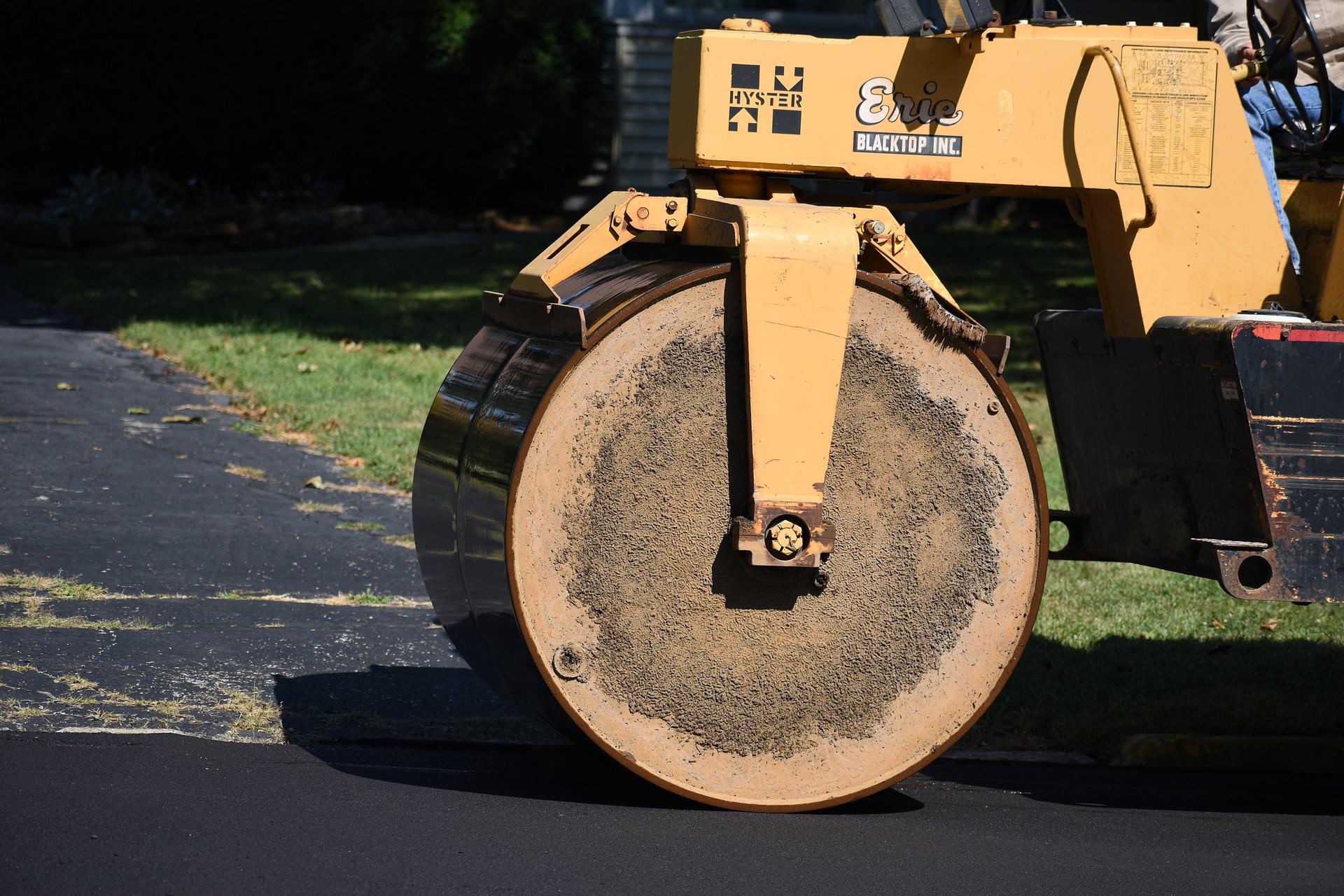
    Melting snow and warmer weather in spring bring road repairs in many parts of Canada. Many people are involved in this work, but some of the most important ones are paving and surface equipment operators.  For anyone interested in operating heavy machinery, this career could be a good choice. The condition of many roads in spring and other times of the year means that the skills of a paving and surface equipment operator will always be in demand.

    Operating heavy equipment like the machines that resurface roads takes strength and skill. People in this trade need to monitor the thickness of asphalt in the mixer and ensure that the road surface is evenly covered. The machine itself can have complicated controls, which the worker needs to learn to use. The work can be dusty and hot, and the equipment is often very loud, which can sometimes make the work unpleasant.

    Like most work in construction, paving, and surface equipment operator work is seasonal and heavily dependent on the weather. Although construction often continues even in bad conditions, a severe storm can cause major delays. People in this trade should be prepared to deal with heat, cold, dampness, and many other kinds of situations that are less than ideal.

    Generally, workers need to finish an entire section of road or sidewalk so that it will dry and harden as one piece. This could mean working late into the evening or even at night. Although paving and surface equipment operators often work regular days, they should also be flexible enough to work overtime when necessary.

    Having a license to drive large equipment is necessary for this job. Some employers might also require a commercial driver’s license, especially if it becomes necessary to move equipment from one place to another. High school is normally a requirement, especially if it includes courses in dealing with large machines.

    Some employers might require employees to complete a one- or two-year apprenticeship, and possibly some college or industry courses. Trade certification is necessary for working in Quebec and is available but voluntary in the Northwest Territories, Newfoundland and Labrador, and Nunavut. Some employers might also have their own systems of certification or apprenticeships for their employees, and on-the-job training is common.

    Knowing about the equipment and safety procedures is essential in this job. Starting and shutting down the equipment can be complicated. Making a mistake can potentially injure workers or damage the equipment, and it can cause delays in the work. Reading all instructions carefully and remembering them can help to keep workers safe. Good observational skills are also essential to be able to notice any potential problems, such as children playing nearby or rough sections of the road.

    Wages for paving and surface equipment operators begin at $22 per hour or about $45,000 per year and can rise to $32 per hour or $69,000 per year.  Operating equipment is not as strenuous as other construction jobs, and people can often stay in this work for many years. However, it can be tiring and hard on the eyes, and moving to a more supervisory role later in life is a good idea.

    Working as a paving and surface equipment operator is a good choice for people who like being involved in construction and helping to make transportation run smoothly. If you have the necessary qualities, it could be a good job for you.


    Bibliography:

    Indeed. “Asphalt Paving Operator.” https://ca.indeed.com/Asphalt-Paving-Operator-jobs?vjk=bebd40acf94648ad.

    Payscale Canada. “Asphalt Paving Machine Operator: Hourly Rate.” https://www.payscale.com/research/CA/Job=Asphalt_Paving_Machine_Operator/Hourly_Rate.

    Statistics Canada. “National Occupational Classification (NOC) 2011.” https://www23.statcan.gc.ca/imdb/p3VD.pl?Function=getVD&TVD=122372&CVD=122376&CPV=7521&CST=01012011&CLV=4&MLV=4.

    Your Free Career Test. “What does a Paving Equipment Operator do?” https://www.yourfreecareertest.com/paving-equipment-operator/.

  • Career Profile: Machinist

    Career Profile: Machinist

    Machines are part of all of our lives, but some people make a career of working with them. Tradespeople who set up or operate machines like lathes, milling machines, and grinders are called machinists. If you can work with very precise measurements and handle different machines safely, the job of a machinist is a good choice for you.

    Like many other people in the trades, machinists often work closely with the construction industry. This means that much of the work happens in spring, summer, and fall when the weather is warm enough for people to be outside for long periods. Still, the machinists themselves normally don’t have to work outside and deal with the weather. Most machinists work in factories, where they produce the metal parts that other people use for their work. Machinists can also work with car parts and might even help with assembling vehicles.

    Being a machinist requires a certain amount of physical strength and endurance. Lifting heavy objects is often part of the job, and standing in one place to work on a machine is also often necessary, although some machinists might be able to move around. Many machinists who work in large factories have to do shift work, meaning that they might have to work early in the morning or late at night, or even through the night.

    Starting wages for machinists are close to $18 per hour and can rise to almost $34 per hour. Many machinists leave the trade after fifteen or twenty years to become millwrights, tool and die makers, or maintenance planners, but others stay until retirement. Becoming a machinist usually requires an apprenticeship where people spend about 720 hours in classroom training and 7,280 hours in training on the job. Normally, this takes about four years, and it can sometimes start in high school. If you are interested, you can check out schools like the Southern Alberta Institute of Technology, the British Columbia Institute of Technology, or any other trade school in Canada for specific requirements.

    Working as a machinist requires mathematical skills and the ability to read blueprints. You can already start to prepare for a career as a machinist by taking math courses, and also working on your ability to read complicated diagrams and other documents. Writing skills can also be important, since you might need to write reports for supervisors or clients. If you work on your own or for a small business, you might have to deal with customers, and developing your ability to work with people is also important. Learning to estimate costs, write out bills, and keep records can also be useful in this kind of work.

    Machinists can decide to specialize in certain types of machines, or they might decide to work in repairs instead of operating the machines themselves. Repairing machines can be a good career choice, although the work is likely to be less regular and predictable than for other machinists. In either case, the job of a machinist can be a good choice for people who like to work with their hands.

    Bibliography:

    Career Profiles. “Machinist.” http://www.careerprofiles.info/machinist-career.html.

    Payscale Canada. “Average Machinist Hourly Pay.” https://www.payscale.com/research/US/Job=Machinist/Hourly_Rate.

    Work BC. “Machinists and Machining and Tooling Inspectors.” https://www.workbc.ca/Jobs-Careers/Explore-Careers/Browse-Career-Profile/7231

  • Activism for Students with Disabilities

    Activism for Students with Disabilities

    It has become a prominent issue for teachers to take disabilities into greater consideration in their classrooms. Accommodations are becoming increasingly available and affordable thanks to modern technology. Yet this is only part of the story. It is not only harder for students with disabilities to complete their work, but integrating socially with the rest of the class can be a daunting task. Even without facing forms of discrimination, their circumstances create a barrier for them to relate, connect, and engage in regular activities with other students.

    You can help by engaging in activism. This is no easy task, but it can be done in many different ways. Becoming an activist requires action, consistency, and cause. At the heart of it all, you genuinely believe what you are doing is important. You feel the rush of urgency, the problems disabled students face, and feel compelled to take action. Once you do, consistent and regular action is essential for long-term success.

    Start a website or social media campaign. Use it to get the news out there and shed light on the lives of disabled students. This can be a great platform for new friendships and to help students connect.

    Take advantage of public spaces to hold events involving those with special needs. Libraries and community centres offer spaces that can be rented by the hour. By having everyone who comes pay just a few dollars, you can easily cover most or all of the costs.

    Get their voices heard. Start a blog with posts written by students. It can examine a variety of issues that they face, from the accomplishments and breakthroughs in technological assistance to the emotional turbulence and challenges they face daily.

    Conduct surveys for friends, students, teachers, and community members. Ask people about how they perceive the current condition of students with disabilities, as well as what else can be done for them. The results can be used to show common ways of thinking and shared beliefs that people may not realize are so popular. Use this as a springboard for further action.

    Reach out to larger companies and organizations that could help. Write to those who offer assistance to those with special needs. You could set up an interview, have representatives come to your school, or even use examples of students to show what they could change or improve in their products.

    By taking multiple courses of action, you are ensuring a greater chance of success. Not all of these ideas have to work. In fact, most will not. But it only takes one – one yes from a company, one successful survey, one event or fundraiser. You are not only helping students who will benefit tremendously from your efforts, but you are also enriching your life and gaining experience that will be invaluable going forward.

    Source:
    Anti-Defamation League. 10 Ways You Can Engage in Activism. https://www.adl.org/