Category: Featured Articles

  • Show Them How It’s Done: 5 Ways to Conduct an Effective Interview (French version available)

    Show Them How It’s Done: 5 Ways to Conduct an Effective Interview (French version available)

    It’s a given that the pandemic had a big impact on our online activities, but Statistics Canada gives a much clearer picture of just how much. Based on a report released in June 2021, 75% of Canadians 15 years of age and older engaged in various online activities, with almost half (48%) saying they engaged in these online activities for the first time.

    Keeping these in mind, it’s no wonder that most interviews now are done via online platforms like Zoom or Microsoft Teams. If you’ve been tasked to conduct an interview soon, whether it’s for your job or something related to a school project, it pays to arm yourself with these five sure-fire tips on how to do an effective interview. Read on below.

    1. Lay out a professional environment.

    Knowing you’re the one conducting the interview may bring about the temptation of keeping it casual, but it’s just as important as being on the other side of the camera. The pressure may not fall on your shoulders in a major way, but you still have a mission to accomplish during these interviews. This means you’ll have to find a spot that gives off the most professional vibes possible and fight that urge to use the beach or Golden Gate Bridge background. Keep an eye on too casual behaviour as well, such as munching on snacks or drinking coffee constantly during your interview.

    1. Give a roadmap for the interview.

    Don’t let candidates go into an interview blindly. Before firing off with your questions, introduce yourself accordingly and provide an outline for the interview. This doesn’t have to be a lengthy one – you want the interviewee to do more of the talking, after all – but relaying the gist will give a better picture of how the interview will be conducted. You can also emphasize that towards the end, you’ll allow time for the interviewee to ask questions.

    1. Prepare the questions beforehand.

    To ensure the interview meets your goal, do your part and review the interviewee’s resume or any related documents and list down your questions. This will make the interview more focused and time-efficient. Doing research is also a great way to know if the interviewee has an interesting aspect that you would like to further delve into during the interview.

    1. Keep an eye out for non-verbal cues.

    In face-to-face interviews, it’s easier to watch out for non-verbal cues, but this is something you shouldn’t miss out on during remote interviews. It’s an effective way to assess your candidate’s confidence and grace under pressure. If the interviewee looks away while talking instead of looking directly at the camera, then it’s a good sign that they’re unsure of themselves and may not be a reliable team player when the situation calls for it.

    1. Give yourself a breather.

    While it’s tempting to pack in as many candidates as you can, it’s important that you give yourself sufficient time to take a break in between interviews. This is also a good way to ensure you can mentally draw a line among your candidates and distinguish them from one another, instead of lumping them all together. You’ll have a better chance of assessing who will be the best fit for the job or the school project you’re working on.

    Doing interviews comes with its own set of challenges. So be sure to give the above tips a try, and you’ll be more than ready to conduct the interview and find the best candidate!


    Sources

    Domencic, Andrew. “5 Tips for Conducting an Interview.” Geneva College. https://www.geneva.edu/blog/career/5-tips-for-interview

    Monster. “Interview Tips for the Interviewer.” https://hiring.monster.com/resources/recruiting-strategies/interviewing-candidates/interview-tips-for-the-interviewerus/

    Statistics Canada. “Internet use and COVID-19: How the pandemic increased the amount of time Canadians spend online.” https://www150.statcan.gc.ca/n1/pub/45-28-0001/2021001/article/00027-eng.htm

  • Temporary versus Permanent Disabilities

    Temporary versus Permanent Disabilities

    In the parking lots near every grocery store or shopping mall are parking stalls with signs saying “handicapped” or with a picture of a wheelchair. These spots are for people who were either born with a disability that makes walking difficult or who developed a problem like that later in life. For these people, the disability is permanent, but other people have temporary disabilities. Knowing the difference can help others understand these disabilities better and help make it easier for people with disabilities to overcome the barriers they face.

    Some disabilities are obvious, such as when a person is in a wheelchair or has a broken leg. Others are less obvious, such as when a person stutters or has a fear of crowds. If the person in those cases remains quiet, it might be impossible for other people to know about the disability until someone tells them. Realizing that not all disabilities are obvious is important for everyone.

    How do we define disability?

    Even knowing what a real disability is and what is not can be difficult. According to the United Nations’ Convention on the Rights of Persons with Disabilities, the definition of a disability is not fixed because it depends heavily on how the disability affects the person. It is related to how the condition influences people’s ability to function in society and to deal with the challenges they face. Needing special help, such as a wheelchair ramp or a sign language interpreter, is often part of having a disability.

    Disabilities are normally classified as either permanent or temporary, although some people add situational disabilities. Permanent disabilities are extremely unlikely to change, such as a spinal injury that makes it impossible for the person to walk or sometimes even to move. Some diseases also cause permanent disabilities, such as ALS or Lou Gehrig’s Disease, which scientist Stephen Hawking had. Accidents cause sudden disabilities, but diseases can take years before they cause a permanent disability.

    While permanent disabilities can last for decades or longer, temporary disabilities last only a few weeks or months. Examples might be a broken leg that heals in a few weeks or even a case of laryngitis that makes talking difficult or impossible for a short time. These types of disabilities can be difficult while they last, but they normally disappear fairly quickly and have few or no long-term effects on the person.

    A third type that some people have identified is a situational disability. This category can include a mother carrying a child who is unable to carry her groceries because her hands are full. Normally, this type of disability is quite easy to deal with as long as people are willing to help the person in need. Parking stalls for parents with strollers are some of the accommodations that people have made for this type of disability.

    Recovery from Disabilities

    Understanding the different types of disabilities can help people know what kind of help they need to give. Someone with laryngitis in a job that requires talking might just need a week or two off work to recover. A person with a broken leg or arm might just need a few weeks of help with going up the stairs or carrying heavy bags to allow the broken limb to recover. If the break fails to heal completely, however, the person might need ongoing help.

    Giving enough time for people to recover from temporary disabilities is important. Even if the problem is only a sprained wrist or bronchitis, the injury or illness can cause permanent damage if the person tries to get back to normal too quickly. Helping people out as much as possible can allow them to take the time they need to recover.

    Time is often the most important factor with temporary disabilities, but people can also help make the recovery as smooth as possible. For example, someone with a broken wrist might find it difficult to type on a regular computer keyboard. Being able to use a split ergonomic keyboard might take enough pressure off the wrist to allow the person to begin typing again with little pain.

    Advancements in Accessibility

    People have become more aware than they once were about the effects of disabilities. At one time, for example, very few buildings had wheelchair ramps, but these features have now become very common. Almost all public buildings in Canada have wheelchair ramps or some other way for people in wheelchairs to get into the building without depending on others for help. Most sidewalks have a sloped area for wheelchairs to access higher locations, and many intersections have beeping pedestrian lights to help people with limited eyesight know when it is safe to cross.

    These features are designed for people with permanent disabilities, but they can also help people with temporary disabilities. Wheelchair ramps and sloped sidewalks, for example, could help someone with a broken leg who has trouble lifting a heavy cast up a flight of stairs or a high curb. Audible traffic signals could help someone who is waiting for cataract surgery and who has trouble seeing the lights. For both permanent and temporary disabilities, these types of accommodations can be useful.

    Some disabilities affect people’s ability to get a job or to take care of daily tasks, such as grocery shopping or cooking. Someone with an extreme sensitivity to chemicals, for example, might become sick in a store that has been cleaned with certain types of soaps. Although the disability is completely invisible, it is very real for the person experiencing it. In Canada, a person’s perception of a disability is often an important factor in determining the nature of the problem.

    To some extent, Canadians have already been working to make life easier for people with this kind of invisible disability. Many buildings are now scent-free, and people are being encouraged to use natural products rather than chemicals. However, many things still need to change before people with invisible disabilities can function normally.

    Treatment & Recovery

    While some disabilities are easy to define, even if they are hard to see, others are more difficult. People with cancer, for example, have an illness that can potentially be cured. However, the treatments can last a very long time and cause the person to become very ill. Being cured of cancer often means either having surgery or taking treatments of chemotherapy or radiation, which can make people very sick. Giving the person time to recover from each treatment session is important for the overall healing process.

    Because recovery from cancer can take so long, it is often considered a permanent disability. This designation can be important for getting government benefits. Because patients are often away from work for weeks or months at a time, they often need help in paying their rent, buying groceries, or carrying out many other everyday tasks.

    At work or school, people undergoing cancer treatments might need extra time off, a special diet, or other help. The treatments might make them sensitive even to food smells or other scents, and people around them might need to be careful to avoid certain types of food, besides being careful about scented shampoos, soaps, and other products. People’s reactions to the treatments vary, and it is important to ask the affected person what to do or what to avoid.

    Government help can be available for many people whose ability to function in society is hindered because of their condition. Someone who is unable to find work because of a permanent wrist injury, for example, might be able to receive a disability benefit. A person with an extreme fear of crowds might find it more difficult to receive similar benefits, but could manage to get some money to help pay the bills while looking for work. In school, students can sometimes have a helper assigned to assist them in completing certain tasks. The amount and type of help that people receive depends on the disability.

    The time and place of a disability can make a difference. In a city where medical help is readily available, for example, a minor injury is less likely to cause permanent damage than in a remote area where help is far away. Often, quick treatment is the key to preventing worse problems. For invisible disabilities like dyslexia or a fear of open spaces, it may be very difficult to find good treatment in certain parts of the country.

    Advances in treatments and general health can also make a difference. In the twenty-first century in Canada, for example, a broken limb is generally a minor injury. It might be painful, but it usually takes only a few weeks to heal and results in little worse than a stiff wrist or a slight limp. Two hundred years ago, however, the lack of good medical treatments and the generally harsh conditions of life often meant that a broken leg or arm was fatal. Even now, people from countries where medical treatment is scarce or expensive often die from conditions that are easily treatable here.

    The differences in medical care might mean that Canadians need to make special arrangements for people who have grown up without the same kinds of benefits that people in this country have had. However, advances in medical knowledge also mean that some disabilities that are permanent now might eventually become temporary.

    For example, major spinal injuries have normally been permanent because of how delicate the spine is. People with severe spinal injuries have often had to use wheelchairs for life. However, advances in spinal research show that this type of injury might not always be permanent. Researchers still have a long way to go before they can cure a spinal injury, but the possibility is there. Other permanent disabilities might also become temporary.

    The Needs of People with Disabilities

    In the meantime, members of the public still need to consider the needs of people with permanent disabilities. Ramps or small elevators are still necessary for helping people up the stairs of buildings, beeping pedestrian signal lights are still necessary for people with limited or no vision, and other features are essential for people with different disabilities. Since many disabilities come with age, even the people who currently have no disabilities can expect their condition to change eventually.

    In some cases, permanent disabilities can disappear and then reappear. People with severe hearing impairments, for example, can get a cochlear implant designed to help them hear much better than before. However, the implant does not always work well for everyone. People might find the implant uncomfortable and have it removed. Having hearing problems might be more comfortable than the implant.

    Being aware of issues like these is important. Limiting the amount of noise in a school or workplace can help people with some level of hearing loss, whether they have an implant or not. Speaking slowly and clearly is also important. Standing back to let someone with crutches or a wheelchair go by is a good way of showing courtesy to people who might otherwise get stuck or possibly trip and fall.

    A “Social Approach” to Disabilities

    The Supreme Court of Canada and the United Nations both have what is called a “social approach” to disabilities. This approach emphasizes the effect on the person rather than just looking at the actual disability itself. For example, a severe limp from an old injury might have much less of an effect on someone who has an office job than on someone who works outside all day or whose work involves standing. A fear of crowds would be less of a problem for a person who works and lives alone than for a salesclerk. Even a permanent disability can be manageable under the right conditions.

    Temporary and permanent disabilities can impair a person’s ability to function, but not always to the same extent. With time and with assistance from others, people can often manage either type of disability quite well.  The key is to listen and to be sensitive to all kinds of disabilities, including ones that are invisible. When others are sensitive and caring, people with disabilities can participate in all aspects of society.


    Bibliography:

    The National Benefit Authority. “Temporary vs. Permanent Disability Tax Credit Status.” https://www.thenba.ca/disability-blog/temporary-vs-permanent-disability-tax-credit-status.

    Ontario Human Rights Commission. “What is disability?”
    https://www.ohrc.on.ca/en/policy-ableism-and-discrimination-based-disability/2-what-disability.

    Wells, Karin. More than a Footnote: Canadian Women You Should Know. Toronto: Second Story Press, 2022.

    Young, Marr, Malice & Associates. “The Difference Between Temporary Disability and Permanent Disability.” https://www.youngmarrlaw.com/the-difference-between-temporary-and-permanent-disability/.


  • 5 Surefire Ways to Efficiently Maintain Your Budget Amidst Inflation

    5 Surefire Ways to Efficiently Maintain Your Budget Amidst Inflation

    During these times, economization has become extremely important. Of course, it’s a challenge for those who have grown accustomed to a certain lifestyle and whose circumstances have changed at the same time.

    Below are five ways for more effective budgeting during inflation.

    Do an assessment of your spending habits.

    The first step in economizing your budget is to take a closer look at how exactly you’re spending your money. If you’re ordering a grande cup of coffee from your favourite coffeeshop twice a day instead of making your own at home or in your workplace, then that’s a spending of already at least $40 each week, something which can go towards your essentials like groceries.

    You may also be spending too much on dining out, where now you’re expected to tip no less than 15%. If each meal costs you $40 at the very least (tip included), then again, something that can cover basic needs costs like utilities. Be a tough auditor on your spending habits, and you’re on your way to budgeting more efficiently.

    Take advantage of coupons and rewards.

    These days, most stores offer loyalty programs to attract more customers. It’s a competitive market out there, and this is where you can maximize your benefits as a customer. Take advantage of the shop’s point system to earn rewards that convert to a purchasing amount or free items. It will truly benefit you in the long run.

    That being said, don’t get carried away and purchase perishable items more than you need for the sake of earning more points. You don’t want to end up with cartons and cartons of free-range eggs or organic milk, which will end up spoiled in your fridge.

    Resell unused items.

    During the pandemic, most of us relied on online shopping retailers for all our needs. Since there wasn’t a lot to do because we were under lockdown, you most likely ordered something just out of curiosity because it was trending on social media, and you didn’t want to feel left out. Years later, you may have items you don’t need or haven’t used at all since you purchased them.

    Instead of them taking up space in your home, why not try to resell these items to earn yourself some bucks?

    Curtail your online shopping.

    If you’re one who’s latched on to online shopping a little too much, even after the pandemic, and you can’t stop browsing and adding to your cart, maybe delete the apps from your devices. This way, you won’t receive any notifications about any promos or any free shipping deals that usually entice you to check out what’s in store, and you end up shopping.

    Of course, even with the apps gone, you may be tempted to log in to the website directly, so this is where practicing self-discipline comes in. Convince yourself that unless you need something badly, like a gift for your best friend’s birthday, don’t shop online.

    Consider GIC investments.

    If you’ve built a considerable amount of savings, and you’re always tempted to spend it on something, look into investments that can truly pay off after some time. An ideal one is a Guaranteed Investment Certificate, or GIC, where your money will be locked in for a certain period of time but will gain a fixed interest. This way, you’re guaranteed to earn interest while your investment is safely untouchable.

    Above are tips to effectively handle the inflation rate. Remember, though there is real work involved here, and as long as you’re willing to put in that work, you’ll be raking in the benefits in no time!


    Sources

    https://www.cbc.ca/news/business/canada-inflation-january-1.6754818

    https://www.ctvnews.ca/business/these-are-the-grocery-items-that-saw-the-biggest-price-increases-in-january-1.6282681

    https://www.forbes.com/advisor/personal-finance/how-to-budget-during-inflation/

    https://www.nerdwallet.com/ca/personal-finance/strategies-high-inflation-rate

    https://www.cnbc.com/2022/02/11/how-to-rethink-your-budget-to-combat-rising-inflation.html

    https://www.westernunion.com/blog/en/us/5-tips-to-manage-money-during-inflation/

  • Go to Work… with Your Parents! (French version available)

    Go to Work… with Your Parents! (French version available)

    Every weekday morning, you head off to school while many parents go to work. School and work are two very different worlds, but they have more in common than you think. A lot of what you are doing in that first world is preparing you for the second one. By joining your parents at their workplace, you get a better understanding and appreciation of both these worlds. You can do this through Take Your Kids to Work Day, as a volunteer at your parents’ place of work, or simply ask if you can come with them just to watch.

    However, you end up joining your parents on the job, it is a very valuable learning experience. You get to see a side of your mom or dad that you never get to see at home or elsewhere. This professional is someone who has worked hard and continues to put in a lot of effort in order to make sure your family has a place to live, food to eat, and can enjoy their lives. This helps you and your fellow students better understand the different roles your parents have, as well as all other adults. It is a great opportunity to bond with mom and dad in a way like never before. This is a chance to become closer to one another through a better understanding of each other’s situations.

    “What do you want to be when you grow up?” That might be the toughest question you get asked. As much as going to work with your parents will teach you about them, it will also help you learn a lot about yourself. By getting to experience different workplaces and watching the work itself happen, you can get a better idea of the type of career you may want to have in the future. Or maybe you will learn your parents’ workplace is not for you. Also, think about how your mom or dad helps you get ready for school before they go to their job, and spend time with you afterwards. Watching them at work will help you learn about the importance of life balance. We need to work, but it cannot be everything. It takes effort to balance a career, friends, family, and more.

    The things you gain from the experience do not have to stay at the job site. You can apply a lot of it when you go back to school. It can help students better respect their teachers, who you only see at their workplace. But many of them have children, spouses, and friends of their own. The skills and knowledge from the experience can also be used in school projects. Watching your parents act as leaders and help others at their work can inspire you to do the same for your friends and fellow students.

    Maybe you want to grow up to have the same job as your parents. Or maybe watching them made you realize you want to do something completely different. By having a better sense of what you do or do not want to do as an adult, you can start taking steps towards that today. Take classes or join after-school programs that match your interests, volunteer in your community, and start taking steps towards your own future. Make sure to build the future you want to live in. Before you know it, you may be the parent taking your own child to work.

    Sources:

    Gemino, Marilyn. “4 Benefits of Take Our Daughters And Sons To Work Day.” Garden of Life. https://www.gardenoflife.com/content/4-benefits-take-daughters-sons-work-day/

    Ilgaz, Zeynep. “Bring Your Child to Work Day Is Too Valuable to Limit to Once a Year.” Entrepreneur. https://www.entrepreneur.com/article/244819

    Jones, Autumn. “9 Ways You & Your Kid Benefit From Take Your Child To Work Day.” Romper. https://www.romper.com/p/9-ways-you-your-kid-benefit-from-take-your-child-to-work-day-9649

  • Important Facts for International Students Settling in Canada

    Important Facts for International Students Settling in Canada

    By Selina

    Congratulations, you have arrived in Canada! Below is some useful information to help you get started with settling in.

    Geography

    The Canadian landscape varies from mountains and grasslands to forests, lakes, and shorelines. The climate varies depending on where you are in the country. The winter season in Canada can get very cold with snow and ice (especially in the north and inland), while some parts (such as the west coast) tend to have milder but wetter winters.

    Climate

    Wind chill, which is a way to measure the temperature effect of wind, can make a cold winter day feel colder (especially when the wind gust or speed is strong). For example, a -2°C winter day can feel like -10°C when wind chill is factored in. Similarly, in the summer, the humidex measures the effect of humidity or moisture in the air. A high humidex value can make a hot summer day feel hotter. For example, a 25°C summer day can feel like over 30°C when the humidex level is above 80%.

    Because Canada is located north of the equator, the UV index can be quite strong as it is closer to the North Pole (and hence the sun) in the summer. UV index provides information about the risk of exposure to the sun. The Weather Network (available through its TV channel, website, and mobile app) provides the latest UV readings at all times of the day, across Canada. A high UV reading (above 6) means that you should seek protection from the sun by using sunscreen, UV-blocking sunglasses, and a wide-brimmed hat, or try to find shade.

    Time Zones

    There are 6 time zones in Canada:  Pacific (PST), Mountain (MST), Central (CST), Eastern (EST), Atlantic (AST), and Newfoundland (NST). The time difference from coast to coast is 4.5 hours. For example, when it’s 3:00 p.m. in Vancouver (PST time zone), it’s 7:30 p.m. in Newfoundland (NST time zone). Vancouver is in the Pacific (PST) time zone, and Toronto is in the Eastern (EST) time zone.

    Due to Daylight Saving Time, clocks are turned forward by 1 hour on the 2nd Sunday in March (“spring forward”) and turned back by 1 hour on the 1st Sunday in November (“fall back”). This happens on an annual basis in most parts of Canada, except in certain regions of Saskatchewan and small parts of British Columbia, Alberta, Nunavut, Ontario, and Quebec.

    Languages

    English and French are the 2 official languages of Canada. Being a very diverse and multicultural country, Canada is home to over 200 languages from around the world, and 60+ Indigenous languages. It’s common to hear various languages, dialects, and accents in public, especially in cities such as Toronto, Montreal, Ottawa, Calgary, and Vancouver. The most common languages outside of English and French include Mandarin, Cantonese, Punjabi, Urdu, German, Arabic, Spanish, Italian, Polish, Vietnamese, and Tagalog.

    Business Hours and Holidays

    The typical business and store hours are Monday to Friday, 9:00 a.m. to 5:00 p.m. This can vary by business or store. Many stores and clinics have extended evening and weekend hours. Some restaurants and grocery stores are open 24/7 (this is more common in big cities such as Toronto).

    The following are the national statutory holidays (celebrated nationwide and are paid days off work for most employees):

    New Year’s Day – January 1

    Good Friday or Easter Monday – Spring (usually in March or April)

    Canada Day – July 1

    Labour Day – First Monday in September

    Christmas Day – December 25

    In addition to the above national statutory holidays, different provinces and territories of Canada recognize other public holidays:

    Family Day – Third Monday in February in most provinces

    Victoria Day – The Monday before May 25 (Queen Victoria’s birthday)

    Civic Holiday – First Monday in August

    Thanksgiving – Second Monday in October

    Remembrance Day – November 11

    Boxing Day – December 26

    Legal Age for Drinking Alcohol

    The legal age for buying and consuming alcohol in Canada is 19 in most provinces and territories, except in Quebec, Alberta, and Manitoba, where the legal age is 18. Drinking and driving is prohibited and can result in demerit points or suspension of one’s driver’s license.

    Electricity

    Appliances in Canada use 120 volts and plug B. An electrical converter is needed if you bring appliances from another country that uses a different voltage. This can be purchased at airports and most hardware stores in Canada. Electricity is often referred to as “power” in Canada.

  • Career Profile: Plant Scientists

    Career Profile: Plant Scientists

    Imagine a world without plants. Much of our food and many medicines would be gone because they depend on healthy plants. If you want a very useful career that helps people eat well and stay healthy, the job of plant scientist could be right for you.

    Out in the forest or a grassy field, plants grow without any help from people. Many other plants, however, can benefit from scientific help. In much of Canada, for example, plants would have a much shorter growing season without help from scientists. Researchers have been able to develop plants that can survive Canada’s cold winters and grow in all kinds of soil.

    Plants intended for food are an important part of the work of plant scientists, but medicinal plants are also essential. Many of the basic painkillers and other medications that people use come from plants. Keeping these plants healthy and exploring the possibility of other medicinal plants is very important for disease control and prevention. Plant scientists conduct research into grains and other agricultural plants, as well as trees, shrubs, and additional plants.

    Plant scientists can work in many different settings. They might work in nurseries and laboratories or out in the wild to find the information they need. Other places to find work include governments, environmental consulting companies, chemical or pharmaceutical companies, resource or utilities companies, hospitals, universities, and other organizations. Depending on where they work and their level of experience, people in this field can earn between $61,000 and $108,000 per year.

    Educational requirements for this job can vary. Some employers hire people with lower levels of education, but many want all of their plant scientists to have at least a Master’s degree before beginning the work. In Canada, eight universities offer degrees in plant science, including McGill University in Quebec and Brock University in Ontario. For most people, this will take at least six years, with four years for an undergraduate degree and another two for a Master’s.

    High school courses in the sciences, especially biology or environmental studies, can help prepare people for the work as a plant scientist. Learning how to collect samples and to examine them under a microscope is helpful for the kind of work that plant scientists do. Courses in English can help people learn how to gather information and write reports, and mathematics can be useful for making calculations.

    Like in other occupations, accuracy is very important for plant scientists. They should be able to conduct experiments carefully to be able to get the best results possible while also learning from their mistakes. Persistence is important for plant scientists. Also, the ability to think things through as clearly as possible is important for helping people in this field choose the best ideas to follow and this avoid wasting too much time and effort.

    Communication is another very important skill for plant scientists, as it is for many other careers. The ability to communicate well with other scientists, supervisors, and the public can be very helpful and often necessary for avoiding misunderstandings. Imagination to see new possibilities is also a benefit. If you have some of these qualities and you enjoy finding information that could help people, the job of plant scientist could be right for you.


    Bibliography:

    Career Discovery Tool. “Plant Scientist.” https://careerdiscovery.sciencebuddies.org/science-engineering-careers/life-sciences/plant-scientist.

    Glassdoor. “Plant Scientist Salary in Canada.” https://www.glassdoor.ca/Salaries/plant-scientist-salary-SRCH_KO0,15.htm.

    Job Bank. “Plant Scientist in Canada.” https://www.jobbank.gc.ca/marketreport/occupation/2723/ca.

    University of Manitoba. “Plant Scientist.” https://www.umanitoba.ca/career-services/career-planning/explore-occupations/plant-scientist.

  • Career Profile: Blacksmith

    Career Profile: Blacksmith

    The term “blacksmith” might make you think of someone from previous centuries who makes horseshoes or swords. However, blacksmiths are still important today for the work they do in making objects from metal, and this trade can be a good choice for people who like to work with their hands. This trade can allow people the chance to do important work that helps in manufacturing and other fields. Working as a blacksmith could be ideal for your interests and skills.

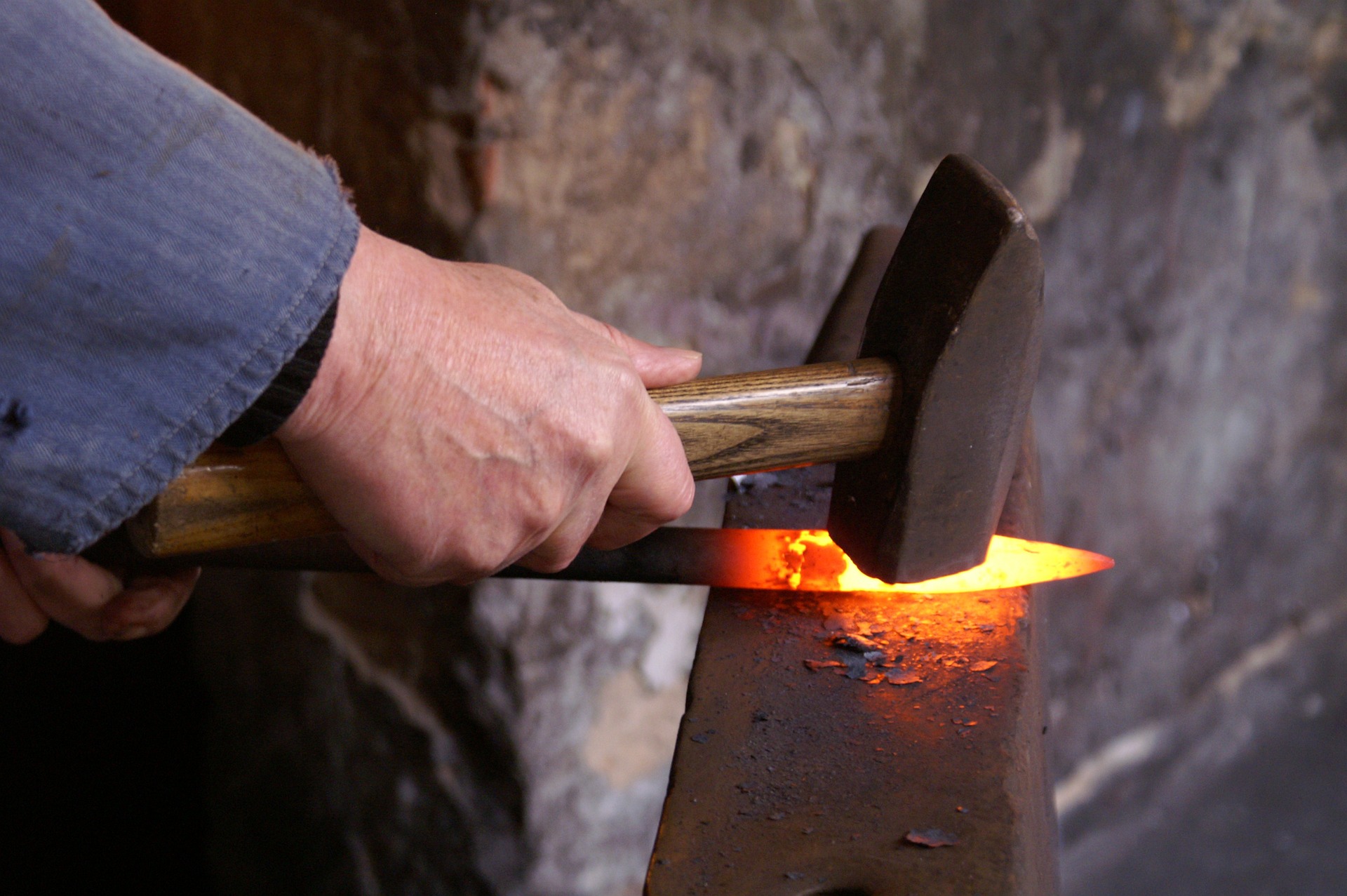
    Like with many other jobs that have been around for years, the career of blacksmithing has changed. However, many of the basic aspects remain very similar. Blacksmiths use fire in a forge to heat and soften metal. Then they put the hot metal on an anvil and hammer it into different shapes to make into metal railings, door handles, and many other objects. People in this trade often work in factories, but they can also work on their own or with one or two other people.

    Strength and endurance are necessary qualities for blacksmiths. Working with heavy pieces of metal next to a fire can be difficult, and the hours can be long. However, the trade can also be creative since blacksmiths can create their own designs or work with ideas that other people bring to them. Working with interior designers or other people in related fields can give blacksmiths ideas for what they need to learn and how they can help their customers.

    Normally, blacksmiths can find work with a high school education, but an associate degree in industrial technology or metalworking can be helpful for giving blacksmiths the background in how the trade works. Apprenticeships are also good ways of learning the skills necessary for the work. Contacting local factories is a good place to start. In high school, any kind of program that teaches people to work with their hands, such as woodworking or other industrial arts courses, can be useful. As always, English courses are useful for being able to read instructions, and mathematics courses are good for learning to calculate amounts.

    Many trades are seasonal, and blacksmithing can sometimes be the same. However, people still need doorknobs and other metal parts even in winter, and blacksmiths can often find work to do when construction stops for the season. However, having another type of work to do in the winter can help blacksmiths maintain a steady income throughout the year. Currently, career prospects for this trade are fair to good, depending on the region.

    Salaries for blacksmiths vary from one province to another and increase with experience. Hourly wages can rise to $22 per hour, and annual salaries range from $44,000 to $50,000. Larger companies generally have more opportunities for promotions, but the range of work might be limited. Smaller companies tend to pay lower wages, but the work is often quite varied.

    Working as a blacksmith can be a good job for people who have strength, endurance, and creativity. You might want to explore this career if you have the qualities necessary for the job.


    Bibliography:

    Job Bank. “Blacksmith – Manufacturing in Canada.” https://www.jobbank.gc.ca/marketreport/outlook-occupation/26846/ca.

    Ontario Colleges. “What to Expect from a Blacksmith Career.” https://www.ontariocolleges.ca/en/programs/arts-and-culture/blacksmith.

    Payscale Canada. “Average Blacksmith Hourly Pay in Canada.” https://www.payscale.com/research/CA/Job=Blacksmith/Salary.

    Ziprecruiter. “What Is a Blacksmith and How to Become One.” https://www.ziprecruiter.com/Career/Blacksmith/What-Is-How-to-Become.

  • Career Profile: Farmers and Ranchers

    Career Profile: Farmers and Ranchers

    If you look at your next meal, you might see meat, fruit, vegetables, or other kinds of food that comes from farms or ranches. The work that farmers and ranchers do is important for helping to feed people and to keep them healthy. If you enjoy working outdoors and helping to provide food for your community, why not consider a career as a rancher or farmer?

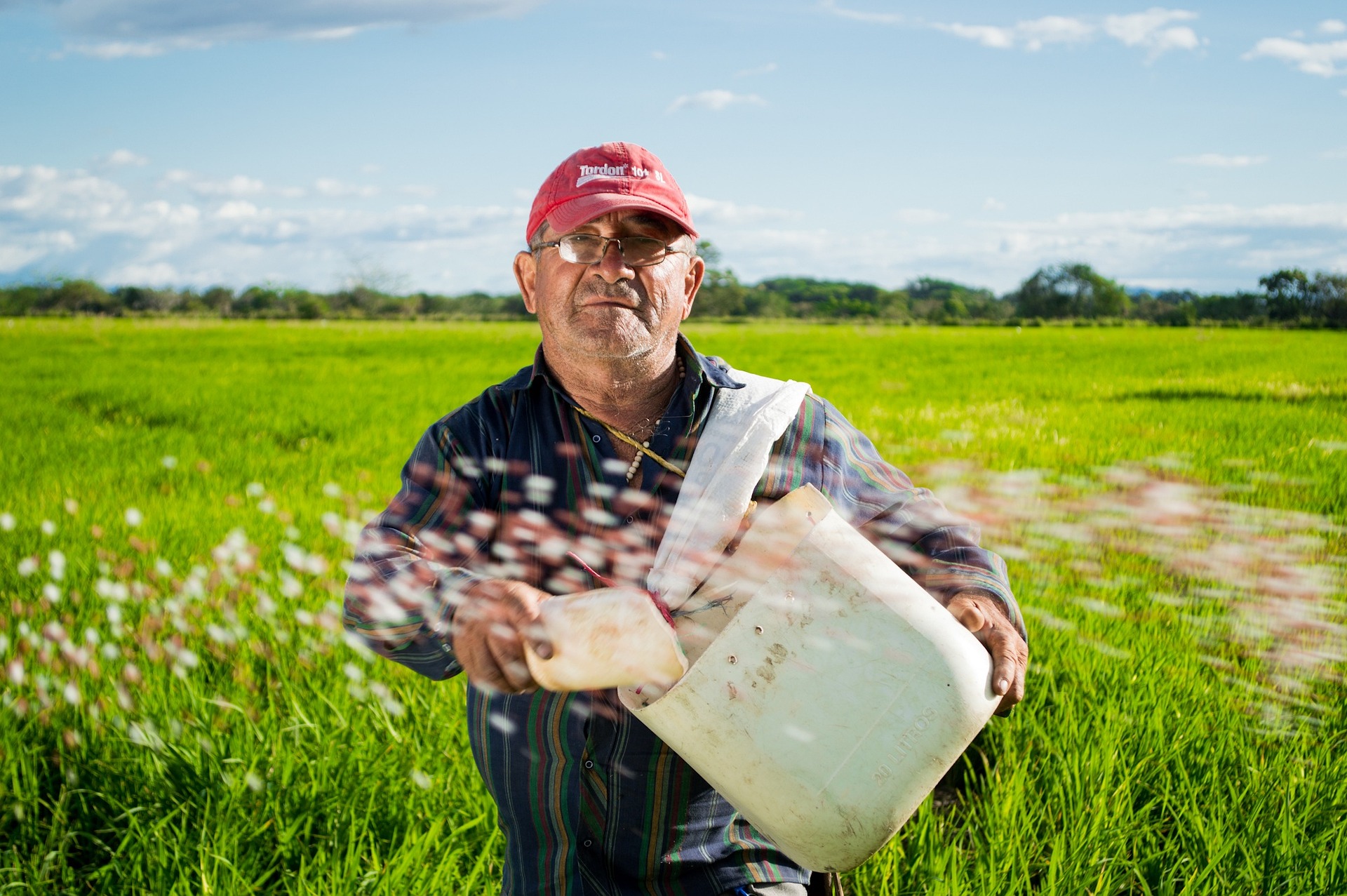
    Canada has many different kinds of farmers and ranchers. Some may be dairy farmers who keep large herds of cattle or grain farmers with huge fields of grain or greenhouses full of fruit. Ranchers might raise sheep, cattle, or other animals. Both jobs can involve hard physical work and require people to be outside in all kinds of weather, but they can be good choices for anyone who likes to be active.

    Farmers and ranchers often work directly with taking care of animals or planting and harvesting crops, but they might also train others to do the work. They need to be able to take care of the business side of the work, as well, including selling what they grow and dealing with budgets and anything else that needs to be done. Supervising farm workers or ranch helpers is also important to make sure that they have the right skills and knowledge.

    Some farmers and ranchers own the property where they work, but others rent the land. Salaries range from just over $36,500 per year and can rise to $50,910. Ranching and farming are heavily dependent on the weather. In very dry or very rainy years, crops can fail, or animals can have trouble finding enough land for grazing. Having a second source of income can be important, especially in winter when nothing grows outside. Working with plants in greenhouses can be one way of keeping busy in the colder months of the year while also earning an income.

    Educational requirements for farmers and ranchers vary, but a high school diploma with courses in courses in English and mathematics is helpful. A university degree or college diploma in a field such as animal husbandry or agriculture can also help to give people the knowledge they need to keep a farm or ranch running smoothly. Taking courses in business management can be useful for learning how to deal with budgets, wages for employees, and other aspects of the work.

    Hard physical work is often part of these jobs. Machinery can help relieve some of the most difficult tasks, but ranching and farming still involve long hours of work in all kinds of weather. As people age, they might want to move to more supervisory roles instead of continuing with the more active work. Helping to train younger people in the job can be one way of staying involved even when the active work becomes too difficult.

    A career as a farmer or rancher is difficult and can involve long hours, but the chance to work on the land and to provide food for other people can be very rewarding. If you enjoy growing plants or working with animals, it could be the right job for you.


    Bibliography:

    Career Planner. “Farmers and Ranchers.” https://job-descriptions.careerplanner.com/Farmers-and-Ranchers.cfm.

    Indeed.com. “Working as a Rancher: What They Do, Key Skills and Tips to Succeed.” https://www.indeed.com/career-advice/finding-a-job/rancher-job.

    Talent.com. “Farmer average salary in Canada, 2025.” https://ca.talent.com/salary?job=Farmer.

  • Career Profile: Arborist

    Career Profile: Arborist

    If you look at trees in your yard or a park, you might think that they just grow on their own. However, some people can have careers in looking after trees. Arborists are tree specialists who use their skills to keep trees healthy in cities, towns, and forests.

    Working as an arborist involves both labour and research. Arborists gather information about the health of trees, testing the bark and the leaves or needles, and the soil. They take the samples back to a lab to analyze them for disease or anything else that might affect the health of the plants, such as insects in the bark or a lack of nutrients in the soil. If they can, they treat the trees for any health problems they have.

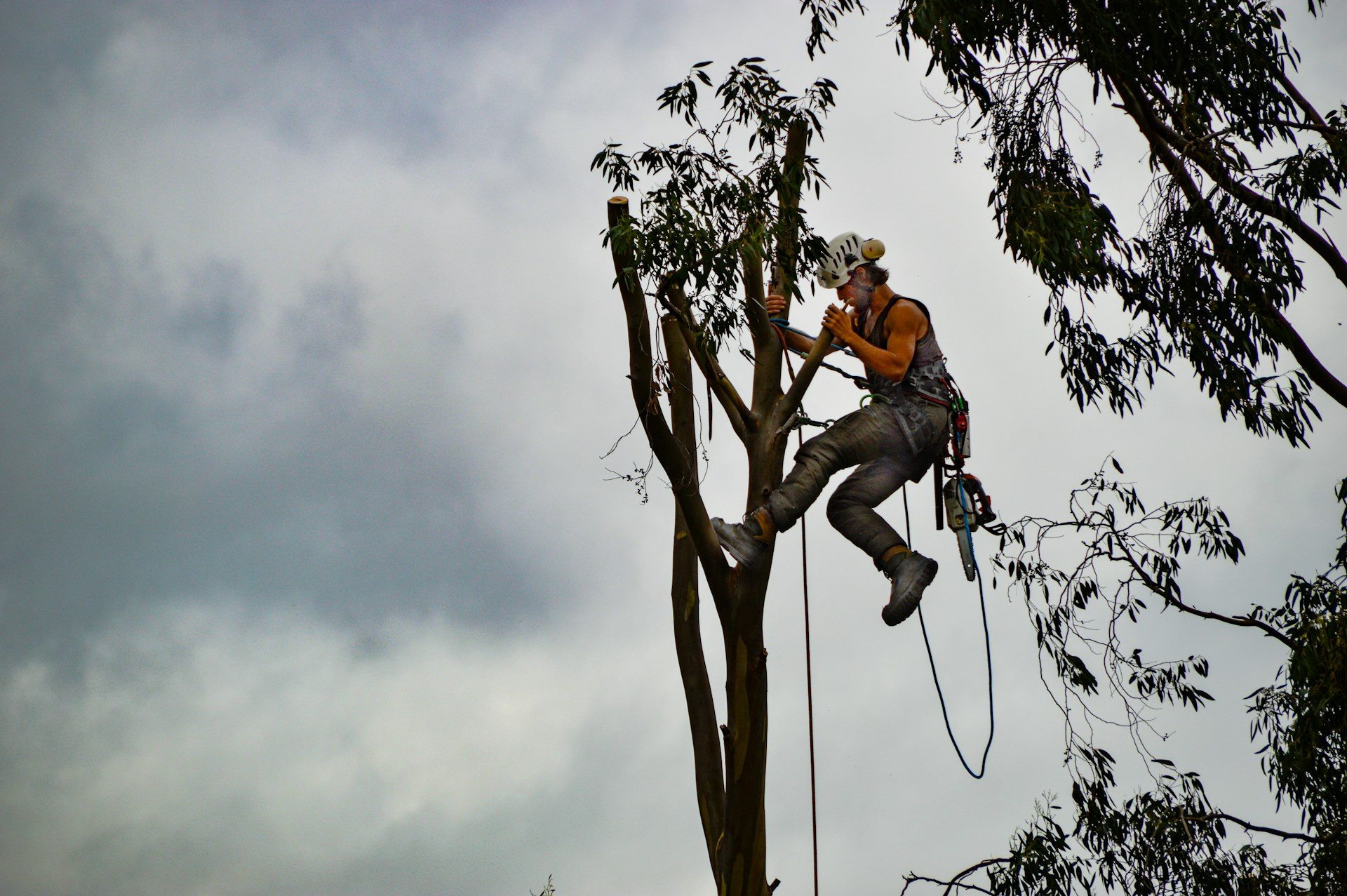
    Part of this work is assessing which branches of a tree need to be cut off, a task called pruning. Sometimes the decision is based on what the tree looks like and what shape people want it to be. Sometimes, however, the decision is based on safety or property issues, such as whether a branch is near a power line or hanging over another person’s property. Arborists can assess where to cut branches off to keep the trees looking nice without endangering their future growth.

    Checking for possible safety hazards is another part of the job, especially in urban areas. If trees die and rot or are weakened by a storm, they can fall onto people or cars as they go by. Arborists check for potential problems like these to make sure that people are safe near trees. Each kind of tree is different and needs a separate assessment. The age of a tree can also make a difference since trees that are either very old or very young tend to be more fragile than at other stages of their growth.

    Since the job involves both indoor and outdoor work, arborists should be prepared for long hours in offices or labs but also for time outside in cold or rainy weather. Arborists can work for governments, universities, and sometimes even for large companies. Although the most intense work is in the warmer months of the year, arborists can also spend the winter doing research or finishing projects that they began earlier in the year. Location can have a large effect on an arborist’s work since an area like Manitoba with long, cold winters will have less outdoor work than a place like the coast of British Columbia.

    Required education for arborists varies, depending on the employer. Normally, however, at least a high school education with English and mathematics courses is required. However, many employers are likely to require at least a bachelor’s degree in an area such as horticulture, agriculture, or botany. These degrees are normally at least three years at a university, although similar programs can also be available at community colleges or other schools.

    Salaries for trained arborists start at about $49,000 and can rise to $66,000 per year. In some cases, people working with arborists can start at about $15 per hour and earn up to about $40 per hour as they gain experience. Some of the work can be physically difficult or tedious. In some cases, wild animals might also be a danger.

    The work of arborists is very important for the health of people, plants, and animals. For people who enjoy working with trees and who like solving problems, the job of an arborist is a good choice.


    Bibliography:

    ALIS. “Arborist: Occupations in Alberta.” https://alis.alberta.ca/occinfo/occupations-in-alberta/occupation-profiles/arborist/.

    Eco Canada. “Career Profiles: Arborist.” https://eco.ca/career-profiles/arborist/

    Glassdoor. “Arborist Salaries in Canada.” https://www.glassdoor.ca/Salaries/arborist-salary-SRCH_KO0,8.htm

    Job Bank. “Arborist in Canada.” https://www.jobbank.gc.ca/marketreport/wages-occupation/22551/ca.

  • Career Profile: Restoration Mason

    Career Profile: Restoration Mason

    Buildings can easily decay or become damaged. Storms can damage the outside of buildings or floods can ruin the rooms inside. Age can cause parts of a building to rot or wear down. This kind of damage is where restoration masons are very important.

    Restoration masons, also called steeplejacks, help people preserve the buildings where they live or work. Sometimes, restoration masons might be called to work on special projects like helping to rebuild an important museum or other historical site. They might help to restore chimneys or church steeples. Restoration masons can choose to specialize in a certain type of restoration or work more generally with whatever project comes their way. Construction companies are good places to look for work, but some restoration masons are self-employed and work for a variety of clients.

    Jobs for restoration masons are more likely to be available in large cities than in small communities, but they can find work almost anywhere. For people who like historic buildings, a city like Winnipeg with a large collection of buildings from the early twentieth century is a better choice than a more modern city like Calgary. However, even relatively new buildings need repair at times.

    Educational requirements for restoration masons can vary, but generally, employers require at least a Grade Ten education but prefer to hire people who have completed high school. Courses in mathematics and English are useful, and it is a good idea to learn about construction concepts if possible. Patience and attention to detail are important qualities in this job.

    An apprenticeship may also be a requirement. Normally, apprenticeships in this trade take six thousand hours. Certification and Red Seal qualifications might also be necessary, especially in New Brunswick, Nova Scotia, and Quebec, although they are optional in many areas of Canada. Knowing about different types of materials and restoration techniques is also very useful.

    Daily duties for restoration masons can vary according to the type of damage to a building.  However, the job usually involves preparing mortar, cutting out and filling joints, and repairing or resetting bricks, terra cotta, or stone. Resetting or pinning stone pieces can also be part of the work. Parts of the job might be indoors, but restoration masons should be prepared to work outside, often on roofs. The work can be very dirty and physically exhausting, and it is often dependent on the weather. Although some of the work can take place in winter, the job tends to be seasonal because of the cold and snow of Canadian winters.

    Salaries for restoration masons begin at about $56,550 per year and can rise to $72,150 or more. As with other trades, the work can lead to serious injuries, and it can become difficult as people age. Many people in this trade might prefer to get into a less active role as they age or even move to an entirely different field.

    Despite these issues, the job of restoration mason can be a good choice for many people. If you have the necessary qualities, you should consider this career.


    Bibliography:

    Construction Training & Apprenticeship Ontario. “Restoration Mason.” https://www.ctaontario.ca/explore/restoration-mason/.

    Skilled Trades Ontario. “Restoration Mason.” https://www.skilledtradesontario.ca/trade-information/restoration-mason/.

    Skills Council. “Restoration Mason.” https://www.skillscouncil.ca/trades/restoration-mason.

    Talent.com. “Mason Average Salary in Canada, 2024.” https://ca.talent.com/salary?job=mason.