Category: Featured Articles

  • Career Profile: Museum Technicians and Conservators

    Career Profile: Museum Technicians and Conservators

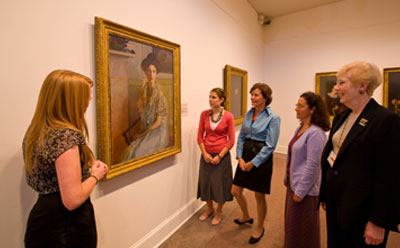
    Visiting a museum can be fun. Learning about history and different cultures through the exhibits is a good way of making the past real. Have you ever thought about the people who put the exhibits together? Museum technicians and conservators help to educate the public about the past. Working in this field can be a good career choice.

    Putting together a museum exhibit involves more than just finding empty spaces in the building. Museum technicians and conservators might have to clean and repair objects first. For example, a piece of cloth with a tear in it might need repair or a picture might need cleaning. Outside experts might need to do this, but often the local museum technicians and conservators do the work themselves.

    Normally, people in this field have a bachelor’s degree in a field like history, special collections, or natural history. This education qualifies them to work in museums, zoos, aquariums, and universities.

    Students learn about the kinds of documents or artifacts to include in each collection and how to describe them to visitors. They learn about the kinds of information that they need to gather and what they need to include in what they give to the public. In high school, students can prepare by taking courses in history, geography, and related topics.

    Suppose that a museum has an exhibit on South African history. The decisions on what artifacts to include would likely come from the curators and other museum officials. Still, the museum technicians and conservators could give advice on how to transport the materials and what to do with them when they arrive. Some materials have to be kept in a cool, dry spot to keep them from becoming mouldy or falling apart. Technicians and conservators can help make those decisions.

    With an exhibit on South Africa, another decision would be about translations. People in South Africa speak a language called Afrikaans, which is related to Dutch. Museum technicians and conservators might decide to translate entire documents or just give summaries of what they say. The same thing can happen for exhibits on all kinds of other subjects at museums and universities. At zoos and aquariums, technicians and conservators might help with exhibits that explain types of animals or how to help keep natural areas safe.

    Museums, universities, and other places where technicians and conservators work often share their exhibits. This is where technicians and conservators can help. Some of their work involves organizing items for display or storage and giving numbers to each one. This helps in keeping track of the items and making sure that the don’t get lost along the way. Often, technicians and conservators photograph the items before they ship them to the new place. Technicians and conservators might help with research, lead tours, and teach courses.

    Salaries for people in this field are normally between about $15 to $31 per hour, with a median of $20 per hour, but it depends on the location and size of the institution. The work can sometimes be physically difficult, but usually, it is a busy but otherwise fairly comfortable job. It might be the right one for you.

    Bibliography:

    ALIS—Government of Alberta. “Museum Technician.” https://alis.alberta.ca/occinfo/occupations-in-alberta/occupation-profiles/museum-technician/.

    CFNC.org. “Museum Technician & Conservator.” https://www1.cfnc.org/Plan/For_A_Career/Career_Profile/Career_Profile.aspx?id=ogUwN6XAP2BPAXKJTUU8a3TSWuRpAXAP3DPAXXAP3DPAX.

    Government of Canada. “Museum Technician in Canada.” https://www.jobbank.gc.ca/marketreport/summary-occupation/16240/ca.

    Study.com. “Museum Technician: Career Information and Background.” https://study.com/articles/Museum_Technician_Career_Information_and_Requirements_for_Becoming_a_Museum_Technician.html

  • La Saint-Valentin et la culture du mercantilisme

    La Saint-Valentin et la culture du mercantilisme

    Tous les 14 février, appelés journées de la Saint-Valentin, nous nous livrons à de petits plaisirs en mangeant du chocolat et en organisant des rendez-vous romantiques. Cette journée spéciale existe depuis des millénaires, mais elle n’est devenue telle que nous la connaissons aujourd’hui que récemment. Pour certains, c’est une preuve d’amour et une journée pour arroser de cadeaux, d’amour et d’affection la personne de leur vie. Pour d’autres, c’est un piège inventé par des entreprises pour nous faire dépenser encore plus d’argent. Alors, qu’est-ce que la Saint-Valentin ? Il n’existe pas de réponse claire. Mais, plus de jamais, nous pouvons façonner cette journée pour qu’elle corresponde plus à nos propres valeurs et transformer un piège de mercantilisme en quelque chose d’originale.

    Les humains ont une longue histoire de traditions et de jours de congé. Avant de devenir la Saint-Valentin, dans la Rome antique, aussi loin que 300 avant J. C., les Romains marquaient le 14 février par la fête des Lupercales. Bien que la Saint-Valentin soit devenue un gain financier évident pour les entreprises, elle continue une tradition annuelle que les peuples célèbrent depuis des millénaires. Nous avons utilisé ces journées de congé de façon positive – pour fêter, se reposer et passer du temps avec la famille et des amis. C’étaient des jours comme les autres jusqu’à ce que les humains leur donnent un sens nouveau par leurs actions. La Saint-Valentin n’a peut-être pas une origine spirituelle ou historique comme d’autres journées spéciales, mais nous pouvons agir pour qu’elle prenne un sens plus profond pour tout le monde.

    L’université d’agriculture de Faisalabad, un établissement postsecondaire au Pakistan, le fait. La Saint-Valentin étant devenue répandue dans la région, les célébrations publiques ont été interdites en 2017. À la place, l’université a choisi de fêter cette journée à sa façon, en soulignant l’émancipation des femmes et en nommant cette journée « la journée des sœurs ». Tout comme la fête des Lupercales, la Saint-Valentin peut se transformer.

    Jeffrey Alexander, un sociologue de Yale, a constaté que les rituels ont toujours aidé les humains à ressentir un sens de solidarité. Il voit les cadeaux comme « la concrétisation des sens et des émotions ». En participant à ces journées spéciales de la façon qui correspond à nos propres valeurs, comme l’ont fait les étudiants de l’université d’agriculture, nous pouvons participer à ce rituel pour améliorer notre sens d’appartenance.

    Au lieu de ne voir que les aspects négatifs de cette journée, comme des cadeaux superficiels surévalués et l’importante excessive accordée au côté romantique, essayez de voir la Saint-Valentin sous une optique plus large. Voyez nos journées spéciales comme essentiellement  des évolutions de traditions plus anciennes et le fil fondamental qui relie l’amour et le lien entre des semblables. Prenez cette journée pour penser aux personnes importantes dans votre vie, ce que vous pouvez faire pour eux, et mieux. Elles peuvent être votre partenaire, de la parenté, des amis, des collègues et même juste des connaissances. C’est l’occasion de renforcer ces liens, cela peut être de petites marques de reconnaissance que vous pouvez vous permettre. Même sans dépenser d’argent, vous pouvez montrer votre amour en prenant un peu de temps et d’énergie pour créer un petit cadeau  ou passer du temps avec ces personnes.

    La Saint-Valentin est, sans aucun doute, une invention des entreprises qui recherchent le profit. Cependant, s’en attrister et l’éviter totalement ne ferait que renforcer vos pensées négatives. En vous concentrant sur les côtés positifs de la journée et la signification des traditions à travers l’histoire de la civilisation, vous agissez pour renforcer vos relations et amener un rayon de positivité dans ce monde croulant sous les problèmes. Les actions parlent plus fort que les paroles. Elles parlent aussi plus fort que le mercantilisme.

    Sources:

    Oppenheim, Maya. “Pakistan university rebrands Valentine’s Day as ‘Sister’s Day’ with free headscarves for women’.” Independent. https://www.independent.co.uk/news/world/asia/pakistan-university-valentines-day-sisters-free-headscarves-faisalabad-university-a8728681.html

    Zareva, Teodora. “How did Valentine’s Day become so commercial – and is it a bad thing?” Big Think. https://bigthink.com/design-for-good/the-history-and-commercialization-of-valentines-day

  • Career Profile: Powerline Technician

    Career Profile: Powerline Technician

    Turning on a light, using the oven, or recharging a phone seem like simple actions, but they require power, often from electricity. That power uses overhead and underground lines that technicians put in place and maintain. Working as a powerline technician can be a good choice for people who enjoy precise technical work, repairs, and maintenance. If this describes you, why not consider working as a powerline technician?

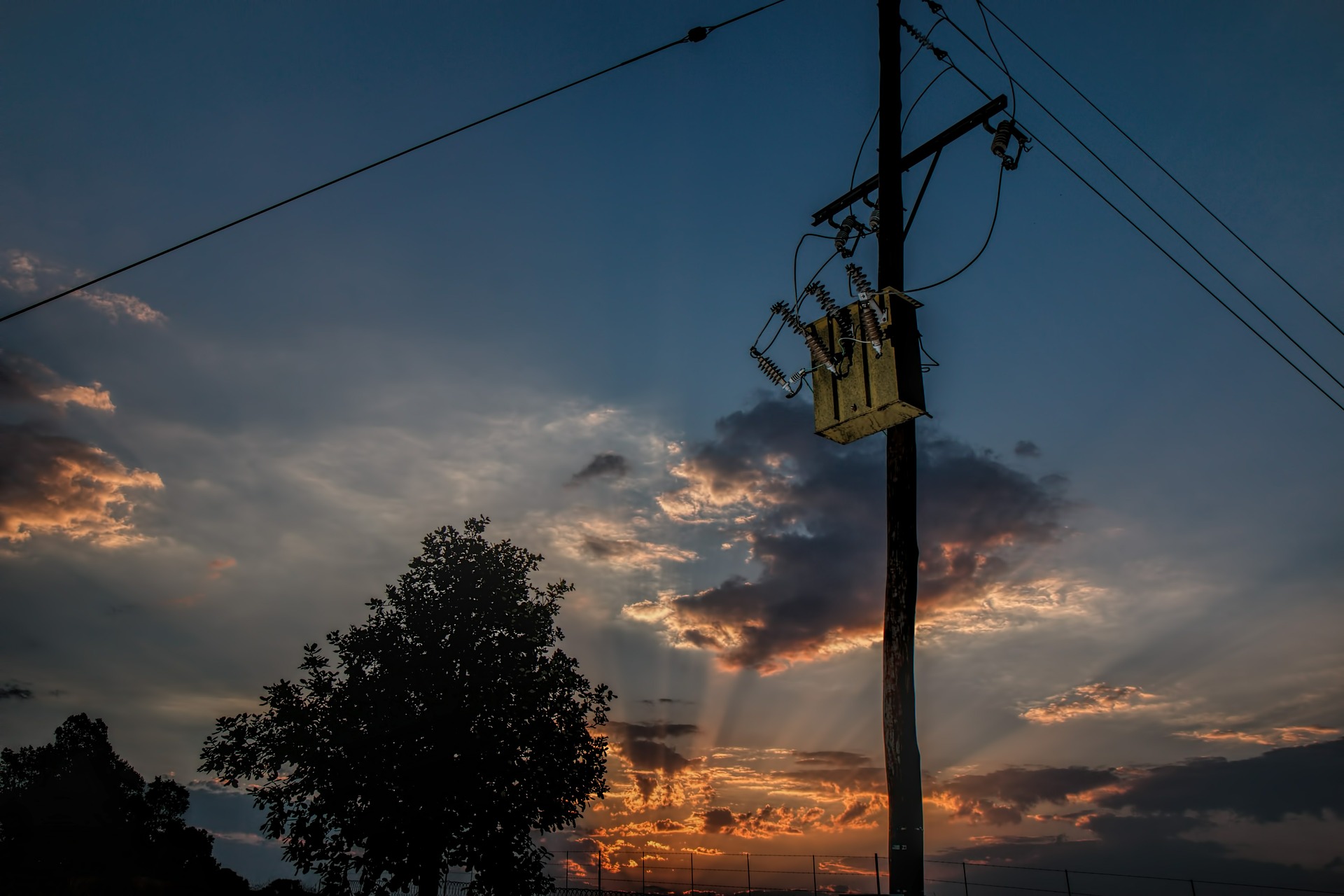
    Powerlines can be overhead, such as the lines that you see along most streets and highways. Others are underground, where no one can see them. Installing or repairing overhead lines can involve climbing ladders or utility poles to reach spots high above the ground. Sometimes powerline technicians place poles in the right places for attaching wires to them. They splice cables together or cut them into the right length for what they need.

    Work as a powerline technician involves the ability to continue even in difficult conditions. High winds or other bad weather can make the work unpleasant or even dangerous. Underground powerlines can be easier to work with, but technicians still need to be careful to avoid potential problems such as hitting sewer lines and water pipes.

    Working as a powerline technician often involves irregular hours, especially in emergencies. These technicians sometimes get help from other people, but they might work alone at times. Being able to work without supervision and to get jobs done on time is essential. These technicians often find jobs with power, Internet, or telephone companies. They might work as employees or establish their own businesses where they work as contractors for others.

    Most people in this trade have at least a high school education, and many have a three- or four-year apprenticeship or a combination of education and work experience. Learning from other people is important since the equipment people work with can be dangerous. Even in high school, students can begin to prepare for the job. Mathematics courses can help with calculating the amounts of pipe or wire needed for each job, and English studies can help with reading complicated instructions.

    After high school and an apprenticeship, powerline technicians might want to continue with their training. Trade certification and Red Seal qualifications are available but voluntary in most of Canada. However, getting these designations can help with finding work and advancing to higher levels of responsibility.  Career prospects vary, but they are reasonably good in many areas of Canada. Wages start at about $30 per hour and can rise to $57 per hour with experience.

    Like in many trades, work as a powerline technician can be physically demanding. People need to be outside in all kinds of weather conditions, which can be difficult. Even when the work is indoors, it can be difficult. Steady hands and a basic level of physical strength are important. An ability to see potential problems and work out solutions is also helpful. Problem-solving can be a large part of the job in many cases. For people who have their own businesses, a knowledge of accounting is useful.

    Powerline technicians do important work that can help keep other people’s lights and heat on, their computers running, and much more. If you like to work with your hands and find solutions to problems, the job of powerline technician might be right for you.


    Bibliography:

    Job Bank. “Powerline Technician in Canada: Job Prospects.” https://www.jobbank.gc.ca/marketreport/outlook-occupation/4740/ca.

    Job Bank. “Powerline Technician in Canada: Employment Requirements.” https://www.jobbank.gc.ca/marketreport/requirements/4740/ca.

    Payscale Canada. “Powerline Technician: Hourly Rate.” https://www.payscale.com/research/CA/Job=Powerline_Technician/Hourly_Rate.

    Red Seal Recruiting Solutions Ltd. “Power Line Technician Salaries.” https://redsealrecruiting.com/salaries/power-technician-salary-information/.

    Red Seal. Sceau Rouge. “Powerline Technician: Red Seal.” https://www.red-seal.ca/trades/p.4w.2rl.3n.2_t.2ch-eng.html.

  • Cinq livres à avoir lu avant l’école secondaire

    Cinq livres à avoir lu avant l’école secondaire

    Trouver un livre à lire peut sembler intimidant. Il semble qu’il existe d’innombrables choix. Si vous tapez dans Google combien de livres il y a dans le monde, la réponse est près de 130 millions. Vous n’aurez jamais suffisamment de temps pour les lire tous, mais ceux que vous lisez peuvent avoir un impact énorme sur votre vie. Voici cinq livres que vous devrez considérer lire avant de commencer l’école secondaire:

    1. La Source enchantée de Natalie Babbitt

    La différence d’âge entre Winnie, 10 ans et Jessie Tuck, 17 ans est plus grande qu’elle n’y paraît. La famille Tuck est immortelle, et l’eau de source qui l’a rendu comme ainsi est non seulement disponible à Winnie pour boire, mais créer plus de problèmes que prévu pour tout le monde. La mort et la nature de restreinte de la vie sont des concepts difficiles pour les enfants à comprendre, et elles ne deviennent pas beaucoup plus faciles à l’âge adulte. Ce livre explore ces concepts à travers le don de la vie éternelle, et illustre comment cela n’est peut-être pas une bonne chose après tout.

    2. Le bord du monde de Shel Silverstein
    Une collection de poèmes et d’illustrations absurdes pas comme les autres, il s’agit d’une lecture essentielle pour faire fleurir votre imagination et de préserver cette créativité sans limites dont tellement d’entre nous perdons alors que nous faites la transition vers l’âge adulte. De la folie de plantes qui dansent aux scrupules moraux causées par ne pas avoir sortie les ordures, ce livre a inspiré les enfants de tous les âges depuis des années.

    3. Le Hobbit de J.R.R. Tolkien

    Vous êtes probablement familier avec la trilogie épique qui raconte l’histoire d’un petit hobbit qui aide une bande de nains à combattre un géant dragon. Ce que vous-ignorez peut-être est que le livre, écrit en 1937, sur lequel les films sont basés est en réalité un récit beaucoup plus court et étrange. Bilbo Baggins est arraché de son paisible pays natal, la Comté, pour reprendre le trésor volé par Smaug, et le monde imaginaire que Tolkien a créé inspire les enfants et les réalisateurs depuis des décennies.

    4. Moi, Malala de Malala Yousafzai et Christina Lamb

    Un livre plus récent, cette histoire vraie et inspirante raconte la lutte de Malala Yousafzai, l’auteure, pour l’égalité des droits et l’éducation pour les femmes. Des membres du Taliban lui a tiré une balle dans la tête lorsqu’elle était à bord d’un autobus scolaire en raison de leurs croyances face à l’éducation des femmes. L’histoire de sa survie miraculeuse et de son travail incroyable depuis cet événement fait ce livre un ouvrage incontournable et offre une bonne dose d’optimisme et d’espoir pour notre ère moderne.

    5. Ne tirez pas sur l’oiseau moqueur de Harper Lee
    Les livres sur les sujets d’actualités ne sont pas nécessairement justes pour leur époque. Ce roman écrit en 1960 est l’histoire intemporelle raconté du point de vue d’une jeune fille nommée Scout alors qu’elle observe son père, l’héroïque Atticus Finch, un avocat, défendre un homme noir accusé de viol dans une petite ville où le racisme est répandu. Les sujets du viol et du racisme sont utilisés pour examiner la nature humaine et les dilemmes moraux auxquels nous sommes tous confrontés. Certaines personnes ayant commis de crimes terribles sont acquittées, tandis que d’autres personnes innocentes reçoivent des punitions injustement, mais les actions d’un seul individu peut encore avoir un énorme impact.

    Sources:
    Goodreads. Popular Read Before High School Books. https://www.goodreads.com/shelf/show/read-before-high-school

    Parr, Ben. Google: There are 129,864,880 Books in the Entire World. http://mashable.com/2010/08/05/number-of-books-in-the-world/#RTvrwKODfEqz

  • Careers & Jobs That Keep You Close to Nature (French version available)

    Careers & Jobs That Keep You Close to Nature (French version available)

    Do you enjoy spending time in nature? Are you curious about which jobs or careers keep you close to nature? If so, the following are a few jobs and careers that may interest you, along with a short description of each. If any of these jobs interest you, do not hesitate to research them some more!

    Marine Biologist

    Marine biologists study the ocean and its relationship with the many organisms living within it. This includes coral reefs. They collect specimens and examine them, and conduct experiments in laboratories.

    Park Ranger

    Park rangers manage parks. These parks could be local parks or even national parks. They are responsible for protecting the wildlife in the park as well as those that are visiting. Park rangers also give tours and guide people throughout the park. They show the many beautiful parts of the park during their tours. A majority of their day is spent outside in nature.

    Nature Photographer

    Nature photographers do exactly what it sounds like. They are photographers who observe and photograph nature without disrupting it. They often travel and spend their time outdoors in nature. Their photos can be used for educational purposes or just to show off the beautiful environment.

    Wildlife Biologist

    Wildlife biologists study wildlife and different animals to understand how they interact with their environment. They study animals’ physical characteristics and behaviours. They also research the impact humans have on wildlife and their natural habitats. Wildlife biologists collect specimens to later analyze in laboratories.

    Environmental Geologist

    Environmental geologists research solutions to issues in the environment. They closely observe and study floods, earthquakes, pollution, and natural hazards. Human interactions with the Earth are also studied. Environmental geologists have to collect samples of soil and rock, conduct surveys, and record information from reports.

    Agriculture and Food Scientists

    Agriculture and food scientists look into crops and farm animals. They find ways to improve the safety and quality of our food. This could be by developing better methods to process, package, and deliver food in ways that won’t negatively affect our health.

    Conservation Scientist

    Conservation scientists work with farmers, foresters and mining companies to determine the safest way to extract natural resources from the Earth without causing damage to the environment. They also analyze damaged forests, usually caused by forest fires and the area’s soil quality.

    Meteorologist

    Meteorologists study the weather. They look into how the weather changes and how it affects everyone on Earth. They spend time in nature collecting data and afterwards analyze the data to understand the weather.

    Wildlife Forensics Specialist

    Wildlife forensics specialists are scientists who investigate wildlife crimes. They collect evidence from animals and their environment to later investigate in laboratories. The evidence collected and examined will help identify crimes that were committed.

    Environmental Engineer

    Environmental engineers use their engineering principles, biology, chemistry, and soil science to evaluate and find solutions to environmental problems. They can work on improving recycling, waste disposal, controlling air pollution, and even climate change. Environmental engineers are often consulted to advise agencies on procedures to clean up contaminated areas.


    Resources

    CareerExplorer. “What does a conservation scientist do?” https://www.careerexplorer.com/careers/conservation-scientist/.

    CareerExplorer. “What does a geologist do?” https://www.careerexplorer.com/careers/geologist/.

    Environmental Science. “What is a Wildlife Forensics Specialist?” https://www.environmentalscience.org/career/wildlife-forensics.

    Kolmar, Chris. “10 Best Jobs for People Who Love Nature.” Zippia. https://www.zippia.com/advice/jobs-nature-lovers/.

    NewScientist. “What Does a Marine Biologist Do?” https://jobs.newscientist.com/article/what-does-a-marine-biologist-do-/.

    Renzulli, Kerri Anne. “15 high-paying jobs for people who love to be outside.” CNBC. https://www.cnbc.com/2019/04/18/15-high-paying-jobs-for-people-who-love-to-be-outside.html.

  • Racial Bias in the Canadian Healthcare System

    Racial Bias in the Canadian Healthcare System

    When people are sick or injured, they expect that the healthcare system will work for them. Sometimes they get the care they need, but at other times, they leave without getting the necessary help, especially if they are non-white. Racial bias is often a problem in the Canadian healthcare system, but people can try to make it fair. If everyone has access to good healthcare, regardless of race, Canadians will live healthier and better lives.

    Examples of racial bias are everywhere in the Canadian healthcare system. One of the worst cases was the experience of Brian Sinclair, a wheelchair-bound Indigenous man from Winnipeg who died in September 2008. He had gone to see a doctor about a bladder problem. The doctor sent him to the emergency department of the Health Sciences Centre.

    Sinclair waited for someone to take care of him, but the doctors were busy with other patients. They failed to treat him, and he died after waiting thirty-four hours in the emergency room. A later inquiry showed that emergency room staff believed that he was drunk when instead he was very sick.

    Not every situation is as bad as the case of Brian Sinclair, but people in Canada have experienced many other examples of racial bias. For example, medical care tends to favour treatments based on tests and medications rather than traditional treatments that are a large part of the history and culture of Indigenous groups and other non-white people. Laws related to harvesting and developing on Indigenous territories mean that people do not have access to traditional medicines as they should.

    Doctors, like many other Canadians, often have biases about the people they see. They may assume that alcohol or drug use are problems for Indigenous people, and they may have biases about other races, as well. These biases can cause doctors to listen less carefully than they should and to make false assumptions about the causes of people’s illnesses. If these biases are obvious, they can also add to a patient’s stress and make recovery more difficult.

    In the COVID-19 pandemic, Indigenous, South Asian, and black people have been hospitalized more often than white people. They have also been more likely to experience long-term symptoms that can have a major effect on their lives. Although some of these people might receive good care, many of them do not.

    One reason for these differences is the difficulty in gaining access to care and to the conditions that help them recover more fully. Many non-white people, especially new immigrants, work in low-wage jobs and live in poorer housing than others do. This can affect their health in many ways. Low wages mean that they are less likely to be able to take time off work when they are sick, and minor problems can become worse.

    Low-income people face many barriers in healthcare. Even if they can take time off work to visit a doctor, they still need transportation to the hospital or doctor’s office. They might not be able to afford the medications necessary for treating the disease, even if they get a prescription. While this problem is not only a racial issue, it tends to have the greatest effect on people who are already facing other barriers.

    Racial bias in healthcare is often difficult to identify and change. However, becoming aware of the problem is the first step. If you let people know about the problem, you could be part of the solution.


    Bibliography:

    Amin, Faiza. “Racial Bias Reaches Tipping Point in Canada’s Healthcare System.” https://toronto.citynews.ca/2019/12/04/racial-bias-healthcare-system/.

    Bascaramurty, Dakshana. “Racial Bias in Canada’s Health Care System Makes Diagnosing Long COVID Even More Challenging, Experts Say.” https://www.theglobeandmail.com/canada/article-long-covid-health-care-racial-bias-diversity/.

    Gunn, Brenda L. “Ignored to Death: Systemic Racism in the Canadian Healthcare System.” https://www.ohchr.org/sites/default/files/Documents/Issues/IPeoples/EMRIP/Health/UniversityManitoba.pdf.

    Phillips-Back, Wanda. “Confronting Racism within the Canadian Healthcare System: Systemic Exclusion of First Nations from Quality and Consistent Care.” https://www.ncbi.nlm.nih.gov/pmc/articles/PMC7697016/.

  • Indigenous Student Scholarships for January 2025

    Indigenous Student Scholarships for January 2025

    Indigenous Student Bursary for Seneca College of Applied Arts and Technology
    Scholarship Value: $1,000
    Awards Available: N/A
    Award Deadline: January 21, 2025

    FortisBC Indigenous Foundation Award
    Scholarship Value: N/A
    Awards Available: N/A
    Award Deadline: January 21, 2025

    FortisBC Indigenous Women in the Trades Award
    Scholarship Value: N/A
    Awards Available: N/A
    Award Deadline: January 21, 2025

    HSA Bursaries for Indigenous Students
    Scholarship Value: $1,500
    Awards Available: 2
    Award Deadline: January 27, 2025

    Aditya Jha Indigenous Student Bursaries
    Scholarship Value: $2,000
    Awards Available: N/A
    Award Deadline: January 31, 2025

    Golder Scholarship for Indigenous Students in Water
    Scholarship Value: $2,000
    Awards Available: 1
    Award Deadline: January 31, 2025

    Alberta Blue Cross Scholarships for Indigenous Students
    Scholarship Value: $1,500
    Awards Available: 3
    Award Deadline: January 31, 2025

    RBC Future Launch Scholarship for Indigenous Youth
    Scholarship Value: $10,000
    Awards Available: 20
    Award Deadline: February 5, 2025

    National Indigenous Scholarship Program (Western University)
    Scholarship Value: $50,000
    Awards Available: 5
    Award Deadline: March 14, 2025

    ii’taa’poh’to’p Indigenous Student Access Program Award
    Scholarship Value: $2,000
    Awards Available: 20
    Award Deadline: March 20, 2025

    Western Continuing Admission Scholarship of Excellence for Indigenous Students
    Scholarship Value: $6,000
    Awards Available: 30
    Award Deadline: Ongoing

  • January 2025 Scholarships – Apply now!

    January 2025 Scholarships – Apply now!

    Jean Caya Scholarship
    Scholarship Value: $1,200
    Awards Available: 2
    Award Deadline: January 31, 2025 (estimated)

    Society of Manufacturing Engineers Scholarship
    Scholarship Value: $20,000
    Awards Available: 60
    Award Deadline: February 1, 2025

    CIBC National Scholarship
    Scholarship Value: $25,000
    Awards Available: 1
    Award Deadline: February 14, 2025

    John Proctor Scholarship
    Scholarship Value: $8,000
    Awards Available: 1
    Award Deadline: February 15, 2025

    Information Security Undergraduate Scholarship
    Scholarship Value: $5,000
    Awards Available: 20
    Award Deadline: February 28, 2025

    Wilfrid Laurier University Chancellor’s Scholarship Fund
    Scholarship Value: $5,000
    Awards Available: 2
    Award Deadline: March 1, 2025

    RE/MAX Quest for Excellence Scholarship Program
    Scholarship Value: $1,000
    Awards Available: 40
    Award Deadline: March 9, 2025

    Connex Foundation Scholarship
    Scholarship Value: $5,000
    Awards Available: 2
    Award Deadline: March 10, 2025

    Kocchar & Co. Scholarship
    Scholarship Value: $1,000
    Awards Available: 1
    Award Deadline: March 31, 2025

    Jean Chretien Scholarship
    Scholarship Value: $5,000
    Awards Available: 5
    Award Deadline: March 31, 2025

    Lift Parts Express Scholarship
    Scholarship Value: $500
    Awards Available: 1
    Award Deadline: April 30, 2025

    Western Continuing Admission Scholarship of Excellence for Black Students
    Scholarship Value: $6,000
    Awards Available: 30
    Award Deadline: Ongoing

    Western Continuing Admission Scholarship of Excellence for Indigenous Students
    Scholarship Value: $6,000
    Awards Available: 30
    Award Deadline: Ongoing

  • Inspirational Leaders Worth Mentioning

    Inspirational Leaders Worth Mentioning

    When celebrities dominate the news and social media, it can be difficult to narrow in on inspirational leaders, specifically for kids. Whether you are into sports, science or computers, or feel like life offered you a harder hand than your friends, there are people out there to look up to. Here are a few:

    Bill Nye – The Science Guy!
    Bill Nye may be on your radar because of his work on children’s television networks, but he is so much more than that. A Cornell University graduate and real-life super science guy, Nye has worked as a mechanical engineer and co-developed MarDial—a sundial created for the Mars Exploration Rover missions. Meaning, that he has worked for NASA! While his accomplishments are many, it is also inspiring that Nye managed to combine his love of stand-up comedy and performance with his love of science. Using these attributes to teach children about science has been so influential, and he has reached every generation since the early 1990s with ease. The bow-tied super scientist never falls out of obscurity, tackling the issues that are most important to the current day like the most recent climate change debate.

    Bethany Hamilton – Surfer Extraordinaire
    The 25-year-old professional surfer survived a shark attack in 2003, but the incident left her with her left arm bitten off. Not letting that stop her career, Hamilton returned to the professional surfing world and reigned. Her autobiography Soul Surfer: A True Story of Faith, Family, and Fighting to Get Back on the Board is a true tale of perseverance, the deep love of surfing and facing obstacles with a positivity that is hard to achieve. The story of Hamilton proves that no matter what happens to you throughout your life, there is always a way to achieve your dreams and goals. This comes with a lot of hard work and at times, forced positivity- but life is hard and a true judge of character is how you choose to approach it.

    Bill Gates – The Computer Whiz
    Another Bill! You cannot have an inspirational leaders list without an entrepreneur and billionaire. Having co-created Microsoft, Gates has led a long career that has stayed at the forefront of technical creativity and business. His wealth has steadily grown since the 1980s, and he is currently the wealthiest person in the world with a net worth of $77.3 billion US. That is a lot of money, but life isn’t about wealth—Gates has been consistently involved in philanthropic and charitable practices, putting a lot of his money into making the world a better place. Often criticized for not being competitive in the field of software—unlike Steve Jobs etc.—Gates’ calm approach to marketing and capitalism is refreshing in a world that moves too fast at times and to the beat of a very greedy drum.

    Nick Vujicic – Living without Limits!
    This is especially inspiring for those who suffer from disabilities. Vujicic was born with tetra-amelia syndrome; this rare disorder means that he has none of his four limbs. In an age of YouTube, Vujicic testified to a life without limits and working past obstacles, bullying and thoughts of suicide. If you ever feel limited—even without disabilities—just remember that no matter how hard it is there is always hope. You can take control of your life no matter the home situation, financial situation, personal relationship or physical limitations. Vujicic is now an international motivational speaker and author. Check out his YouTube videos to get inspired and add a push to your day.

    BONUS – The people in your own life!
    Let’s not forget about parents, siblings and teachers…the everyday heroes that inspire you and provide guidance. Believe it or not, these people will have the most long-lasting effect on you. Often times the person you wish to become will mirror the adult in your life that you respect the most.

  • Why “Reducing” Is More Important Than “Reusing” and “Recycling”

    Why “Reducing” Is More Important Than “Reusing” and “Recycling”

    By Erin Rebello

    When you think of eco-friendliness, what comes to mind? Perhaps you picture disposable bottles being recycled into new plastic, or old textiles being thrifted into cute new outfits. Perhaps you’ve even participated in this yourself, by purchasing reusable water bottles or buying secondhand! To put it simply, for most people, being environmentally conscious means reusing and recycling. Although these techniques help with reducing our carbon footprint, it almost feels as though they’ve been acting as an “eco” mask for more difficult-to-confront issues. In this day and age, when we’re at an environmental impasse, we mustn’t forget the less glamourous (and perhaps most important) triplet of eco-friendliness: reducing.

    The Problem with Reusing and Recycling

    Although the other two R’s are important, we must understand their limitations. For example, although recycling may seem like the solution to paper and plastic waste, we need to take a close look at the facts before making any broad statements. According to studies, only 25% of what you throw into a blue bin actually gets recycled. The rest is discarded because it is either non-recyclable or is contaminated with something that is non-recyclable, such as food waste or glass. Digging even deeper, only 9% of plastic waste in Canada is actually recycled! Are you ready for the cherry on top? Most plastics can only effectively be recycled once or twice before losing quality. Although recycling does help by small margins, by putting our faith into recycling, Canadians are effectively ignoring several more eco-friendly solutions.

    Similar to recycling, the act of reusing can also be less helpful than we may initially imagine. Think about reusable metal straws. Although they may sound convenient and look pretty, without proper care or maintenance, they won’t last nearly as long as they should, and you may end up tossing them early. Additionally, if you only purchased these reusable straws to follow the trend, and never actually used them before, you’re actually creating more waste. Although reusing items gives them a sense of longevity, the misconstrued concept of “reusable” can also bring more harm than good.

    Why Reducing is the Way to Go

    Now that we know that both reusing and recycling can be problematic at times, how do we stay eco-friendly? Thankfully, the answer is quite simple: reducing waste! Although this may seem like a very vague piece of advice, reducing our own waste is a huge step in the right direction. Rather than speaking empty words, or surrounding ourselves with the “idea of being eco-friendly,” by reducing our shopping, travel, and expenditures we can make a sizeable impact. Although it is not as glamorous as thrifting or recycling, the reduction of waste products is easily the most effective way to reduce your carbon footprint.

    How You Can Reduce

    At this point, you’re probably wondering how you can reduce your carbon footprint, and thankfully, it’s not too difficult! Below are a few ways you can be less wasteful in your everyday life!

    • Only buy food you plan to eat. When you go to the grocery store, only purchase the amount of food you intend to eat, and don’t go overboard! Although food waste products can typically be composted, food tends to have a lot of packaging, which isn’t always recyclable!
    • Purchase less clothing. Although fast fashion can make you feel like you have to keep up with the seasonal trends, this way of thinking is very harmful to the environment. Online retailers like Shein, Romwe, Asos, etc. are cheap online brands, which are absolutely terrible for the earth! Not only this, but they also use unethical forms of labour. Although thrifting and buying second-hand are much better options, the best way to be eco-friendly is to purchase quality clothes that last for years.
    • Track your Impact. Another way to reduce your environmental footprint, in the long run, is to track it! By making a list of all the ways you’ve consumed products, even just for a day, you can get a good idea of which areas of your life are less eco-friendly and can find ways to reduce.
    • Embrace minimalism. Finally, the best way to reduce your eco-impact is by embracing minimalism, which is a style of living that uses the fewest resources possible. There are many ways to incorporate minimalism in your life and tons of resources online to help you through the process!


    Sources

    Chung, E. (2020, January 7). What Really Happens To Plastic Drink Bottles You Toss In Your Recycling Bin | CBC News. CBC. https://www.cbc.ca/news/technology/bottle-recycling-1.5416614

    Why Your Recycling May Not Actually Get Recycled | CBC Radio. (2019, April 18). CBC. https://www.cbc.ca/radio/sunday/the-sunday-edition-for-april-21-2019-1.5099057/why-your-recycling-may-not-actually-get-recycled-1.5099103