Category: Featured Articles

  • Career Profile: Teacher Assistants

    Career Profile: Teacher Assistants

    In your classes at school, you probably have a regular teacher and maybe an assistant who helps with some of the lessons or with students who need personal attention. Teacher assistants help to provide students with the help that they need while relieving some of the pressure on teachers. For people who enjoy helping others with their work, the job of teacher assistant could be a good choice.

    As the job title suggests, teacher assistants work to help teachers in their classes. The exact job can vary, depending on the teachers and the courses. A teacher assistant in a math course, for example, might help students with multiplication or division problems. In a history or English course, the assistant might give presentations on various topics like Canadian prime ministers or on poetry. Sometimes, teacher assistants photocopy exercise sheets, hand out textbooks or do whatever else the teacher needs.

    Educational requirements for teacher assistants can vary, but normally a high school diploma is the minimum level. Many people in this field also have a university degree or a community college diploma in a field such as English as a Second Language teaching. Teacher assistants who want to work in a specific subject, such as mathematics or biology, should have post-secondary training in that subject.

    One aspect that educational assistants need to consider is the grade level where they want to work. Assisting in high school requires a deeper knowledge of the subject matter than in elementary school, but working with younger children requires special techniques to be able to speak at their level. Many people in this career specialize in one age group, but some people may be able to switch between the very young students and older ones. Being able to work with a variety of age groups can help people in this field to find jobs more easily than if they are confined to one or two grades.

    Working conditions for teacher assistants can vary, depending on the school and the help that the teacher needs. Often, the job requires some outdoor work, but most of the work is indoors. Some classes are large and others are small, and some are easier to deal with than others. In some cases, educational assistants might spend much of their time just keeping the class orderly. In other cases, people in this job might have the chance to teach lessons or to grade assignments.

    Jobs for educational assistants can be available in almost any public or private school. However, large schools are more likely to have the money to pay for people in this field. Educational assistants with special skills, such as in mathematics, languages, or music, are likely to find jobs more easily than people with a more general background. Salaries start at about $17.15 per hour and can rise to $30.75 per hour with experience. Taking additional courses can help people gain new skills and higher salaries in many cases.

    Working as an educational assistant can be a busy and sometimes stressful job, but it can also be very satisfying. If you enjoy helping others with their studies, it could be a good choice for you.


    Bibliography:

    Job Bank. “Educational Assistant in Canada.” https://www.jobbank.gc.ca/marketreport/occupation/25517/ca.

    Job Bank. “Educational Assistant in Canada: Prevailing Wages in Canada.” https://www.jobbank.gc.ca/marketreport/wages-occupation/25517/ca

    Ontario Colleges. Education / Teaching / Teaching Assistant. https://www.ontariocolleges.ca/en/programs/education-community-and-social-services/education-teaching-teaching-assistant.

    Work BC. “Elementary and Secondary School Teacher Assistants.” https://www.workbc.ca/career-profiles/elementary-and-secondary-school-teacher-assistants.


  • Career Profile: Graders and Sorters, Agricultural Products

    Career Profile: Graders and Sorters, Agricultural Products

    Some people like to sort out anything that they have in front of them, whether that is jellybeans, coins, or anything else. Agricultural products also need to be sorted out to ensure that people can buy good quality food and eat well. If you are detail-oriented, you might want to consider the job of grader and sorter for agricultural products.

    Like most jobs related to farms, career prospects for graders and sorters for agricultural products are best near farming areas. With modern transportation, however, people in this trade can often work in cities where the products are shipped. This career is always in demand to some extent, although job prospects might vary, depending on the state of the economy.

    Grading and sorting agricultural products can vary from one part of the country to another. The products could include grain, fruit, or anything else that farms produce. Some of the aspects that people in this field look for are colour, appearance, species, length, width, feel, smell, and quality. For example, someone sorting strawberries would look for bruised fruit or any that are too small to include in a basket. Sometimes graders and sorters weigh the products, but sometimes they use visual assessments. Then they discard the products that are not good enough to sell.

    Keeping good records is an important part of working in this field. Each product requires a tag to show what it is and where it should go. Some products need to be shipped across the country, and people in this field need to know the length of time it takes to get a product from one side of the country to another. If it takes a fruit a week to ripen after it is picked, for example, graders and sorters need to take that into account when they ship the agricultural products to another part of the country.

    The province where graders and sorters work can affect the kinds of products that they assess since different climates and types of soil affect the agricultural products that grow in the area. The Prairie Provinces of Manitoba and Saskatchewan tend to have more grain than other areas, and provinces such as Ontario and British Columbia have large amounts of fruit.

    Generally, graders and sorters need less than a high school diploma, but some employers might require more education. Having good eyesight with or without glasses is important. Standing at a table for hours at a time can be very tiring, and people might want to move on to office work as they age. Wages average about 21.99 per hour, starting at $32,000 annually and can rise to $22 per hour or $47,000 per year. Getting a diploma or certificate in an area related to agriculture can help people advance in this job.

    Job opportunities in this trade can vary, but prospects are likely to be good in the coming years. This is especially true for people who are willing to move to places where these jobs are available. Different times of the year tend to be busier than others because of the times when the agricultural products ripen. If this type of job appeals to you, why not consider a career as a grader and sorter for agricultural products?


    Bibliography:

    Owl Guru. “How To Become an Agricultural Products Grader and Sorter.” https://www.owlguru.com/career/agricultural-graders/requirements/.

    Payscale Canada. “Average Grader/Sorter, Agricultural Products Hourly Pay in Canada. https://www.payscale.com/research/CA/Job=Grader_%2F_Sorter%2C_Agricultural_Products/Hourly_Rate.

    World at Work. “Graders and Sorters, Agricultural Products.” https://careers.worldatwork.org/career-insights/graders-and-sorters-agricultural-products/.

  • Curriculum Inclusion: Representing BIPOC History and Contributions in Schools

    Curriculum Inclusion: Representing BIPOC History and Contributions in Schools

    By Natasha Cooper

    In Canada’s unique and complex history, the stories of Black, Indigenous, and other people of colour or BIPOC communities have often been overlooked, written out, and silenced.  This reality is harmful to all students studying history, as it falls short of the primary reason why we teach students history; to understand the past so they can better understand the world and social-systematic structures they are currently living in.

    Recognizing and teaching BIPOC history is imperative for students to understand the full and diverse range of Canada’s heritage.  For far too long, an Anglicized curriculum emphasizing the triumphs of white settlers in this country has been the brunt of what Canadian students are taught in the classroom. These lessons fail to recognize the experiences of BIPOC communities, as well as any community that did not fall into a White, Anglo-Saxon and protestant background.  It is easy to see how such a narrow framework of history curriculum is harmful to students and society.

    While there are some lessons on the Atlantic Slave Trade as well as some more informal educational initiatives that take place in schools during black history month, many have noticed that the Canadian curriculum has large gaps in their curriculum on BIPOC experiences and contributions in Canada. Furthermore, when the history of minority groups is discussed, especially those of African descent, mostly negative experiences and stories are considered.  While of course, students need to be aware of the historical injustices that have taken place against BIPOC communities, it would also be beneficial to include the cultural history and positive impact of these peoples as well. It is necessary that further exploration of the experiences of BIPOC communities in Canada, both the good and the bad, are present in history lessons to ensure that students from all backgrounds feel positively represented.  Lessons on African civilizations and the achievements of black scientists, for example, are scathingly absent in the classroom.

    Another matter of concern is the inconsistency of the curriculum taught in schools. Unfortunately, what students are learning in History varies from classroom to classroom and can also be largely dependent on the teacher they have. This means that for a more inclusive history to be taught, school boards across the nation must do more to ensure that these lessons are mandatory within the curriculum.  Black people across Canada, more specifically educators and parents, have been campaigning for more teachings on the black experience in Canada for decades now.

    Only very recently, perhaps in light of the BLM movement are their voices finally being heard. British Columbia has made steps to include more elective history courses including Asian Studies, Genocide Studies, and BC First People’s Studies.  More elective courses covering a more diverse set of history is a great step forward but still lacks assurance that all Canadian students have a mandatory baseline understanding of our shared history with BIPOC communities. Teachers might find there simply are not enough hours dedicated to history to include all significant peoples and stories. This might mean that maybe these themes and lessons should also be highlighted in English, Social Studies, Geography, and other humanities courses.

    BIPOC inclusion in history can have a profound impact on self-esteem and a sense of belonging.  BIPOC students seeing themselves reflected in their curriculum is both validating and empowering.  By learning about the resilience, resistance, and achievements of BIPOC people, students can become more engaged in their own communities and be drivers of social change and justice.  If educators and school boards can take more steps to diversify mandatory history curricula, students will experience a more nuanced and accurate understanding of how our nation has come to be one of the most multicultural countries in the world.

  • Career Profile: Photographers

    Career Profile: Photographers

    Taking pictures can be fun and can help people remember interesting events. For some people, photography is more than just a hobby. Professional photographers work with cameras and other instruments to produce pictures of people, buildings, scenery, and much more. For artistic and detail-oriented people, the job of photographer can be a good choice.

    Almost anyone can take pictures, but professional photographers have special training to help them take the best pictures possible. Many people in this field have a bachelor’s degree in visual arts with courses in photography.

    Other options are to train for the work in high school, college, or other schools. Art classes in high school, as well as English and mathematics, can be helpful.  Training on the job is also a possibility in some cases. After training, people can work in photographic studios, universities, or businesses such as real estate companies. Some photographers are self-employed, but they all need a portfolio of work to show to potential employers.

    Creativity is an important part of being a photographer, but it is also essential to have technical knowledge of aspects such as lighting, film versus digital photography, picture composition, and more. Some photographers choose to specialize in certain types of work, such as school pictures, nature photography, or other types of picture-taking.

    Depending on where they work, photographers can earn between $17 and $38.46 per hour. Finding full-time work can be difficult in some parts of the country, but photographers can begin with a few projects and gain experience for more difficult work. Part of the process is learning to use equipment like scanners, computers, and tripods, and sometimes to use delicate instruments such as optical microscopes.

    The field of photography includes many specialties. Some people concentrate on wedding photography or taking pictures of other special events like graduations or anniversaries. Taking pictures of homes to show to potential buyers can give people a good income, and nature photography can be a good choice for people who enjoy being outside. Making connections with people who can help with finding work is always a good idea.

    Different types of jobs require different equipment. Photographing flowers or other small plants, for example, often involves using special lenses on the camera and using special techniques to make sure that the subjects of the picture are in focus. Having good vision is helpful in this work, but people can learn to adjust the cameras to suit their level of eyesight. Steady hands are essential for the job in many cases, although tripods and other devices can help keep the camera steady so that the images will not be blurred.

    Sometimes, special effects and individual touches can help make a picture more interesting. Many photographers develop a special style that people can recognize. It might be a certain colour combination or a way of including animals or items like books or candles. Developing a special style could take several years, but photographers can already begin to consider their tastes and abilities early in their careers.

    Working as a photographer can be a good choice for people who are creative and able to work with both equipment and other people. You can already start to prepare for this interesting career.


    Bibliography:

    Government of Canada. Photographer in Canada. https://www.jobbank.gc.ca/marketreport/summary-occupation/5514/ca.

    Professional Photographers of Canada. “Accreditation.” https://www.ppoc.ca/membership/accreditation.php

    University of Manitoba. “Photographer.” https://umanitoba.ca/career-services/career-planning/explore-occupations/photographer

  • Careers and Jobs That Help the Homeless and Those Living in Poverty

    Careers and Jobs That Help the Homeless and Those Living in Poverty

    Most cities and towns have at least some people who are homeless or living in poverty, or both. People in this situation might have been going through a difficult time in their lives, or they might just have grown up that way. Many different factors can lead to poverty and homelessness. If you want to try to change that, you might want to consider a job or a career that helps the homeless and those living in poverty.

    People in Canada can fall into poverty for many reasons, such as low wages or a disability that makes it difficult to find work, and homelessness can often follow. About fourteen percent of Canadians live in poverty, and up to 300,000 people experience homelessness each year. They might be homeless for a few weeks, months, or years at a time. This situation is difficult for them, but it is also expensive for the government and the rest of society. Working with the homeless and people in poverty can help everyone.

    One option is to work directly with the people in need at a homeless shelter or food bank. This work could involve checking people in and out of the shelter, organizing meals, filling food orders, or other tasks. Some people in this type of work have no special training, but others might be qualified social workers or other professionals.

    Providing a place to stay and making food available to people are two essential first steps for working with the homeless and people in poverty. Unless these two needs are filled, people are unlikely to be able to concentrate on anything else they need. However, people in these situations need other kinds of help, as well. Once they have a place to stay and enough to eat, they can start to work on their education, career, and more.

    Counsellor, teachers, and nurses can also work with these kinds of people. Counsellors help people work through personal problems or advise them on choices about careers and other questions. Teachers can help them learn what they need to know for a high school diploma or other educational program. Nurses can help them if they are ill or need help with health questions. Government employees and politicians can make new laws, or they can fund programs to make a difference in the people’s lives.

    These professions normally require at least a bachelor’s degree, and sometimes a master’s degree or more. Getting a bachelor’s degree normally requires at least three or four years of education after high school. This length of commitment might be somewhat long for people to choose unless they are sure of what they want. However, volunteer work is a good place to start before deciding on a profession to pursue.

    Writing is another career where people can help the homeless and people living in poverty. Articles or books about issues of inequality and people’s needs can keep the public informed. This can prompt action from others. Writing a few articles each month or working as a full-time writer can be very rewarding for people who enjoy working with words.

    If you care about poverty and homelessness, you can find many different ways of using your skills to help. In these jobs or others, you can be useful in working with people in need.


    Bibliography:

    Become with Lantern. “Careers for Poverty Aid: Lifting up the Poor Through Jobs and Community Service.” https://www.learnhowtobecome.org/make-a-difference-careers/poverty/.

    Indeed.com. “Drop-in Support Staff.” https://ca.indeed.com/Homeless-Support-jobs?vjk=b3b9f3023e1be47b.

    Student Training & Education in Public Service. “Careers Helping the Homeless.” https://www.publicservicedegrees.org/careers/working-with-the-homeless/.

  • Job Profile: Launching a Career as an Astronaut in Canada

    Job Profile: Launching a Career as an Astronaut in Canada

    Enjoy science and wonder what’s out there in space? Exploring the stars as an astronaut can be an out-of-this-world dream turned into a reality.

    The Canadian Space Agency (CSA) seeks out new recruits every decade, and it could be you. From the classroom to the over-the-moon feeling of being at NASA, an astronaut studies and works hard.

    Basic Requirements

    Over 18,000 people applied during the past four recruitment periods, and 14 applicants were selected. The CSA held these recruitment periods in 1983, 1992, 2009, and 2017: this occurs every 8-10 years.

    Canadian permanent residents and Canadian citizens worldwide can apply. However, the CSA gives preference to Canadian citizens.

    The job also requires fluency in either English or French, but both are an asset.

    Educational Requirements

    Astronauts need:

    • A bachelor’s degree in engineering or science fields (such as biology, chemistry, computer science, geology, or math) or a Ph.D. in medicine or dentistry
    • To be a licensed medical professional in Canada or have at least three years of relevant professional experience: a master’s degree is one year of experience and a Ph.D. is three years.

    Physical Requirements

    Astronauts undergo medical examinations by the Canadian Space Agency (CSA), that require certain medical requirements in areas such as:

    • Height
    • Weight
    • Sight
    • Hearing
    • Blood pressure

    Skill Requirements

    Astronauts need skills such as:

    • Communication
    • Integrity
    • Judgement
    • Reasoning
    • Resourcefulness

    Astronaut Training

    After selection, Astronauts train for two years. The basic training includes:

    • Flight training
    • History and fundamentals of space flight
    • Human behaviour and performance
    • Learning Russian
    • Life, space, and materials and fluid science
    • Media relations
    • Parachute jumps
    • Robotics
    • Survival and physical training, first aid, and CPR
    • International Space Station Systems

    Astronauts’ Duties

    Although the CSA is Canadian, Canadian astronauts work in Houston, Texas, at NASA’s Johnson Space Centre.

    After two years of training, astronauts wait for their space mission. During this time, their duties include:

    • Supporting astronauts in space as a Capcom, a “capsule communicator,” that communicates with teams on Earth and in space
    • Choreographing spacewalks, when astronauts do activities outside of the spacecraft
    • Training other astronauts

    Astronauts’ mission duties include:

    • Performing installations, repairs, and maintenance on space crafts and equipment
    • Launching and recapturing satellites
    • Piloting or commanding other crewmates, or being another member of the team

    How Much Astronauts Make

    Depending on the type of astronaut, the salary level varies from $91,300 – $178,400 annually:

    • Entry level astronauts, who need to train
    • Qualified level astronauts, who finish the NASA Astronaut Training Program and wait for an assignment
    • Senior level astronauts, who have finished a space mission before

    How Students Can Prepare

    Younger students can prepare for a career in space by:

    • Studying science, technology, engineering, and mathematics (STEM)
    • Joining STEM clubs in school
    • Volunteering at space-related organizations, like museums, observatories, or planetariums

    Becoming an astronaut is a tough task, but if you stay persistent, study hard, and keep your body in shape, you may join the 14 Canadian astronauts in history to explore this career.

  • Black History Month: Spotlight on 5 Historic Black Canadians

    Black History Month: Spotlight on 5 Historic Black Canadians

    By Avreet Jagdev

    February marks Black History Month, a time during which Canadians celebrate and acknowledge the history of Black Canadians and communities, many of which have transformed our very country. In honour of this year’s Black History Month, here are five Black Canadians that we are highlighting for their powerful roles in history:

    Jean Augustine

    Jean Augustine made history as the first Black Canadian woman to serve as a Member of Parliament. She immigrated to Canada in her young 20s and pursued a Bachelor’s degree at the University of Toronto. As a Member of Parliament, she served the constituency of Etobicoke-Lakeshore in the Greater Toronto Area. She won four consecutive elections until she decided to pass the torch on in 2006.

    Viola Davis Desmond

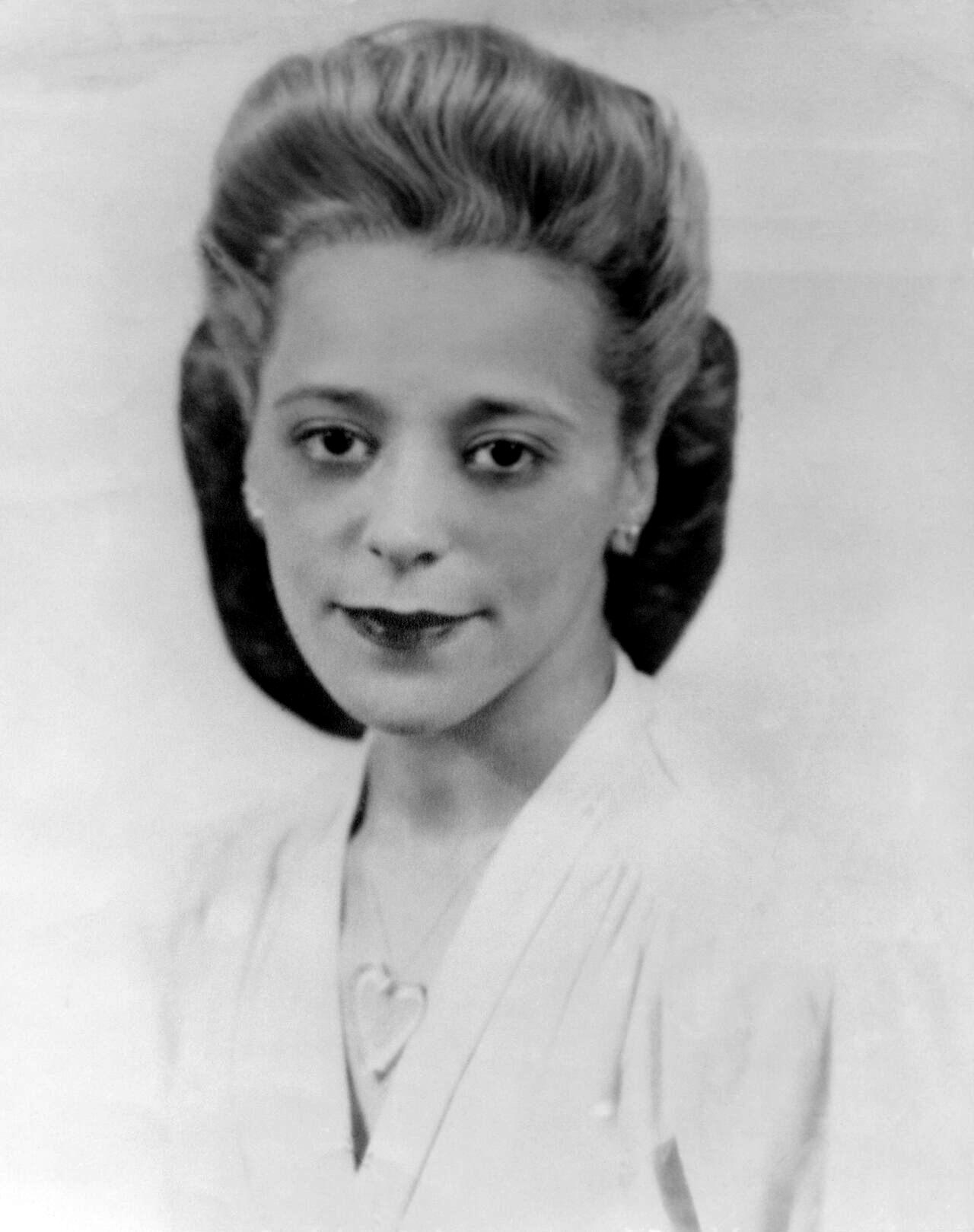
    Viola Davis Desmond was a civil rights activist and a businesswoman. She was best known for her courageous act of resistance against racial segregation. In November 1946, Desmond visited the Roseland Theatre in New Glasgow, Nova Scotia. Despite requesting a seat on the ground floor, she was given a balcony ticket.

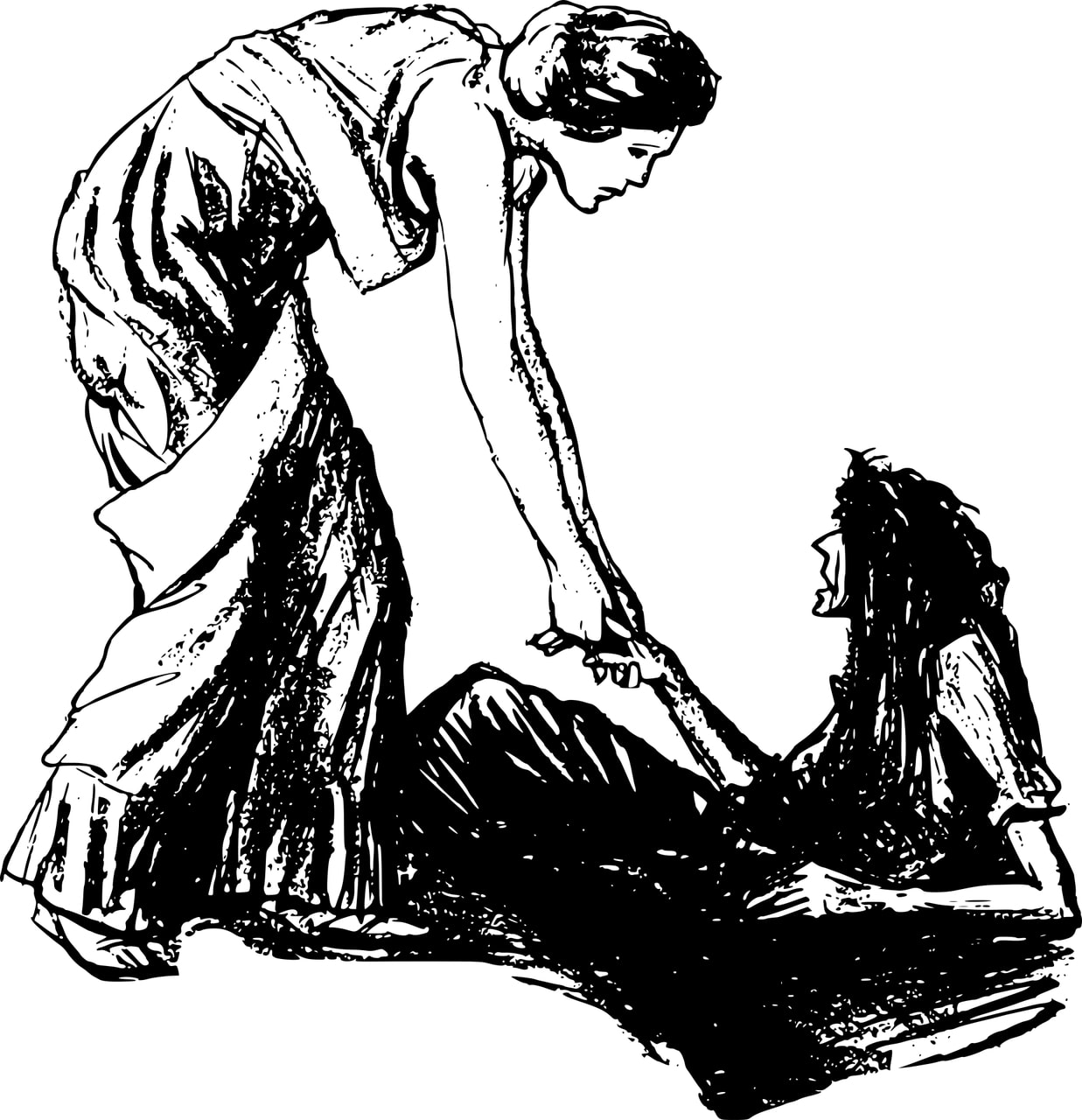
    Upon realizing that she was refused her ticket because of her race, Desmond decided to take a seat on the ground floor anyway — an area reserved for Caucasians only. When she refused to exit her seat, the police were called. Desmond was physically dragged from her seat and jailed overnight. She refused the charges against her, and her case went to Nova Scotia’s Supreme Court. In 2018, she made history again by becoming the first Canadian woman to be regularly circulated on a $10 bill.

    Lincoln Alexander

    Lincoln Alexander is widely known for being the first Black Canadian to serve as a member of Parliament in the House of Commons, Cabinet Minister, and Lieutenant Governor. His legacy is recognized annually on the 21st of January, which in 2015 was officially made Lincoln Alexander Day. He was a recipient of honorary degrees from six universities and was honoured with several awards, including Queen Elizabeth II’s Golden and Diamond Jubilee Medals.

    Violet King

    Violet King was the first ever Black woman lawyer in Canada. Born in Calgary, she knew from a young age that she wanted to pursue law. To pay for her degree at the University of Alberta, she taught piano lessons in her free time. King accomplished many milestones: she was the first Black Canadian to graduate from law school in the province of Alberta and was the only Black woman in her graduating class. Through her accomplishments, she paved the way for other BIPOC and women to pursue law.

    Josiah Henson

    Josiah Henson was a Canadian author and spiritual leader who was born into slavery in Maryland. In 1830, he escaped to Canada. As a leader in his community, he mobilized abolitionists to create the Dawn Settlement; this was a place for survivors and refugees of enslavement to become educated and learn skills that would help them become self-sufficient.

    These five Canadians paved the way for those after them, inspiring millions of people on their way. During Black History Month, it is imperative that we take the extra step to learn their stories and recognize the accomplishments they achieved.

  • Canada’s history of slavery and segregation

    Canada’s history of slavery and segregation

    By Avreet Jagdev

    Since 1995, Canada has celebrated Black History Month. It is a time to celebrate the accomplishments and contributions of Black Canadians, but also to acknowledge the darker part of our history – the parts that are too often overlooked.

    Few people know about the history of slavery and segregation in Canada. The darker parts of our history have been continually glossed over, and in some cases, ignored entirely. In fact, many Canadians believe that our only role in slavery was as a safe haven for enslaved African Americans who escaped to Canada through the underground railroad. 

    Despite the lack of awareness surrounding it, slavery existed in Canada for almost two hundred years, between 1671 and 1834. During this time, about 4,000 enslaved African people were transported from British and French colonies to Canada. 

    Owning slaves was incredibly common across Canada. Slave ownership was not exclusive to the rich or elite either; on the contrary, people of all social and economic backgrounds took part in slave ownership.  Not only did slave labour provide profits, but it also indicated social standing. 

    There is a commonly held belief that slavery in Canada was not as cruel or violent as American slavery. This, however, is untrue: enslaved people in Canada were stripped of their basic human rights and freedoms. They were dehumanized heavily, and treated like mere commodities. Many faced violence and abuse at the hands of those who exercised ownership over them. Some were even tortured and murdered.

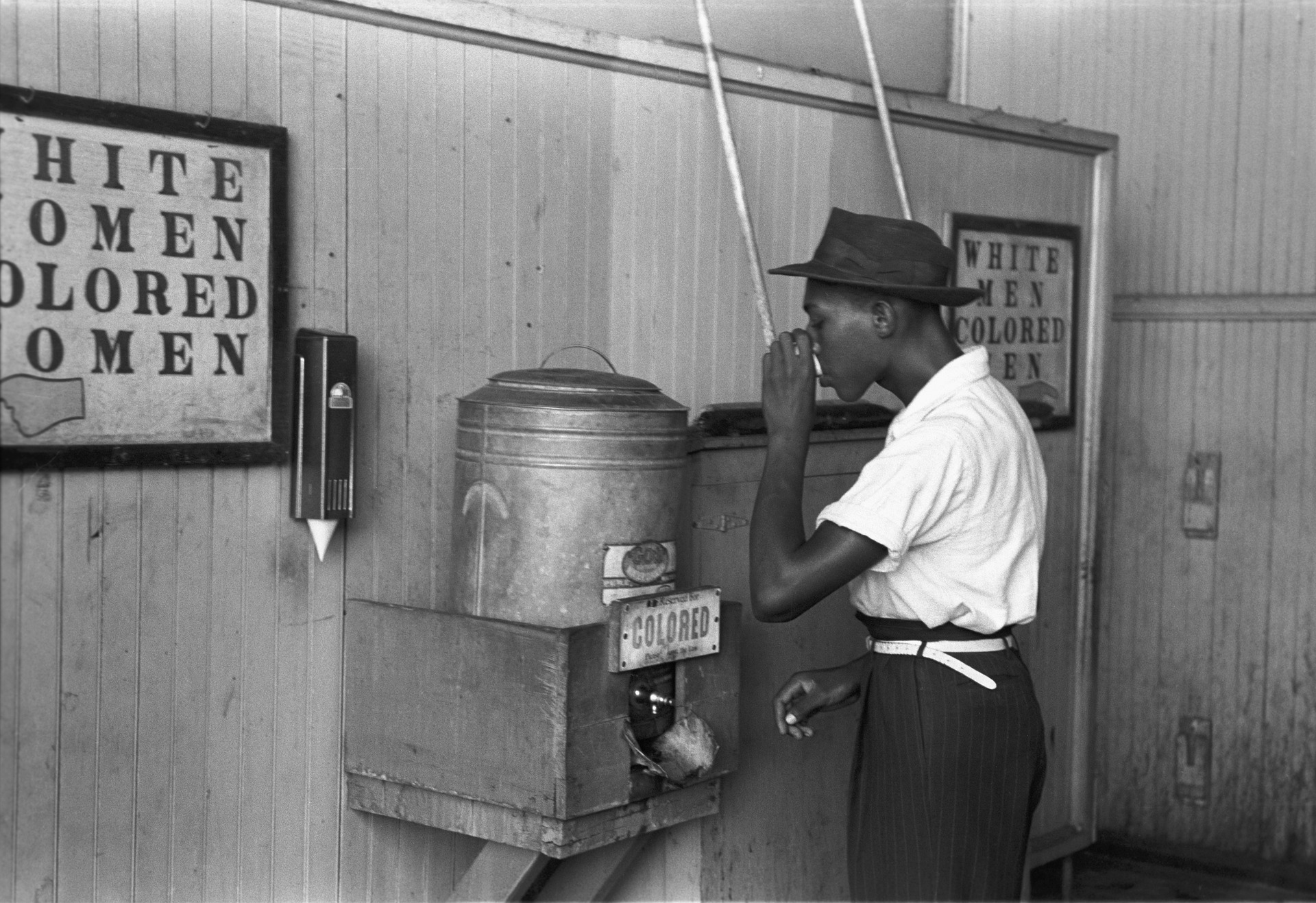
    In 1834, Britain’s Slavery Abolition Act came into effect, which abolished slavery across the British Empire, including Canada. However, the end of legal slavery did not result in the freedom of Black Canadians. The abolition of slavery was followed by systemic racial segregation across Canada. Justified through a lens of racial inferiority, Black and racialized Canadians were segregated and denied equal opportunity in many aspects of life, including healthcare, education, and jobs.

    Racially segregated schools were established in Ontario and Nova Scotia in the early 1800s, and these laws existed up until 1950. Racial segregation within education extended to post-secondary institutions as well, with many denying admission to coloured applicants.

    In addition to education, segregation based on race also affected public areas such as theatres, swimming pools, and skating rinks. 

    Some public amenities had separate seating or areas reserved for Black people, while others banned Black people entirely. For example, Edmonton City Council ruled in 1923 that Black people would be prohibited from using city swimming pools, to prevent ‘mixed bathing’ between white and coloured folk.

    Policies such as this were widespread across Canada up until the late 1970s when the Canadian Human Rights Act was passed. However, even with the legal end to slavery and racial segregation, Anti-Black discrimination and racism is ongoing. 

    Understanding the Anti-Black racism that prevails today requires a vital understanding and acknowledgement of Canada’s long-running history of Anti-Blackness. In order to truly honour Black History Month, we must go beyond convenient forms of allyship and face the entirety of our history, even the uncomfortable parts.

  • Critical Thinking and Questioning the World around You

    Critical Thinking and Questioning the World around You

    Critical thinking has become a major buzzword for many employers over the last few years, but it certainly isn’t a new topic. Critical thinking is the ability to “objectively analyze and evaluate an issue in order to form a judgement”; judgements that are logical and well thought out.

    Questioning leads to great discoveries. Some of the greatest minds in history have used critical thinking skills to develop new, innovative, profound ideas that have resulted in great advancements in science, medicine, and technology.
    Critical thinking has many benefits. It can help you develop improved cognitive skills, become a better listener and allow you to become a better team player. It can be helpful in situations that are stressful by helping you remain calm, relaxed and rational, as critical thinking makes you focus on facts and evidence rather than emotions. It requires you to use your ability to reason instead of just reacting to a situation. Many of these benefits are essential skills to have for many jobs.

    Some jobs that require critical thinking are:

    Judges – they must assess all the information presented to them and make an informed decision. Judges must be fair, knowledgeable and objective.
    Teachers – need to plan lessons, and make decisions in class about the best methods to help students learn. They must have ways of dealing with behavioural issues keeping students’ attention and motivating them.
    Journalists – need to keep an open mind and report on all sides of the story. They need to be able to distinguish facts from fiction.
    Doctors – need to diagnose patients and find the best approach to treatment. They may need to make referrals if they are not qualified to treat specific issues/ illnesses. Surgeons often need to make critical choices on the fly. They need to quickly weigh all the options and do what is best for their patients.
    Coaches, Athletic Trainers, Scouts – need to be able to make smart, knowledgeable choices. They often need to analyze statistics and incorporate them into their decision-making process.
    Many other types of jobs require critical thinking skills as well like: accountants, property appraisers, computer programmers, lawyers, writers, psychologists, counsellors, engineers, scientists and many more. Most of these jobs require people to not see everything in black and white but to look at the gray areas. Not only is it important to learn how to question everything (even your own opinions), but it’s also important to have humility if the evidence shows your conclusions are wrong.

    Critical thinking is also an important aspect of education. It is important to apply it when doing assignments, essays, presentations and exams. It helps you deliver your opinion in a logical manner, and know the strengths and weaknesses of your argument. You must also be sure to use credible sources and up-to-date information. The most important thing you can do for yourself and others is to not just accept things as they come to you. University can teach you how to become more critical of the world around you; knowledge can be a privilege and you must take advantage of it.

  • Workplace dress codes can be discriminatory against certain races. Here’s how, and what can be done about it.

    Workplace dress codes can be discriminatory against certain races. Here’s how, and what can be done about it.

    By Avreet Jagdev

    Over the years, it has become quite common for many work environments to enforce dress codes for their employees. Some workplaces simply ask that employees dress “business professional” or “business casual”, while others require specific colour schemes or entire uniforms. Sometimes, these dress codes are enforced for safety reasons, such as at a construction site or in a doctor’s office. In retail and service workspaces, uniforms are usually required so that employees can easily be recognized by customers and clients. Some aspects of workplace dress codes, however, can be discriminatory against employees from racial or religious minorities. No matter their intent, dress codes function to police and monitor bodies, all under the guise of “professionalism”. This has disproportionate impacts on those who are racialized or of visible minorities. Here are some examples.

    ‘Professional’ expectations for hair:

    It’s no secret that most employers expect their employees to be presentable and professional at all times. But what does it mean to have “professional” hair? Unfortunately, this standard too often leads to bias against curlier hair, specifically, natural Black hair. There are far too many stories of Black employees being reprimanded or even fired from their positions for wearing natural hairstyles, such as box braids, to their workplace. Recent studies have found that African American women are the most likely group of people to be discriminated against on the basis of their hair, as well as to be sent home from their workplace because of their hair. This can lead to pressure on Black people to straighten their hair or avoid ethnic hairstyles that hold great meaning to fit in with their workplace’s “professional” hairstyle expectations.

    Hats:

    Certain religions, such as Sikhism or Islam, require hijabs, turban, or other headwear. In these cases, requiring employees to wear a company hat or other type of headwear, can directly conflict with a person’s ability to practice their religion.

    Rules against facial hair:

    Some workplaces enforce dress codes that prohibit or limit facial hair, but this is discriminatory against certain religions and cultures in which people cannot shave or are required to keep facial hair.

    These are just some examples of workplace dress code policies that can be harmful to certain religious or racial groups. Everyone deserves the right to be themselves, to practice their religion, and to express themselves through their culture. When workplace dress codes infringe on these rights, it tends to disproportionately impact those who belong to visible minority groups.

    So what can be done about it?

    A very important aspect of tackling this issue is to learn and spread awareness about it. Because workplace dress codes are so common, it is quite easy to gloss over their negative impacts and implications. By intentionally educating yourself and those around you about the issue, you become part of the solution.

    And of course, it’s absolutely imperative that employers commit to more inclusive and equitable practices and policies across the workplace, including expectations around dress code.