Category: Featured Articles

  • The Importance of Teaching the History of Residential Schools in Elementary School

    The Importance of Teaching the History of Residential Schools in Elementary School

    By Natasha Cooper

    Just like Math, English and Science, History is a very important subject for students of all ages to learn.  For generations of Canadians, we have learned about the history of our nation in schools.  The curriculum often includes the founding of our country, the journey of becoming a British colony to an independent nation, the wars that brave Canadian men and women took part in, and much more.  But it has not been until recent years that Canada as a nation is beginning to assess and reconcile the history of cruel treatment to Indigenous peoples and the residential schooling system.

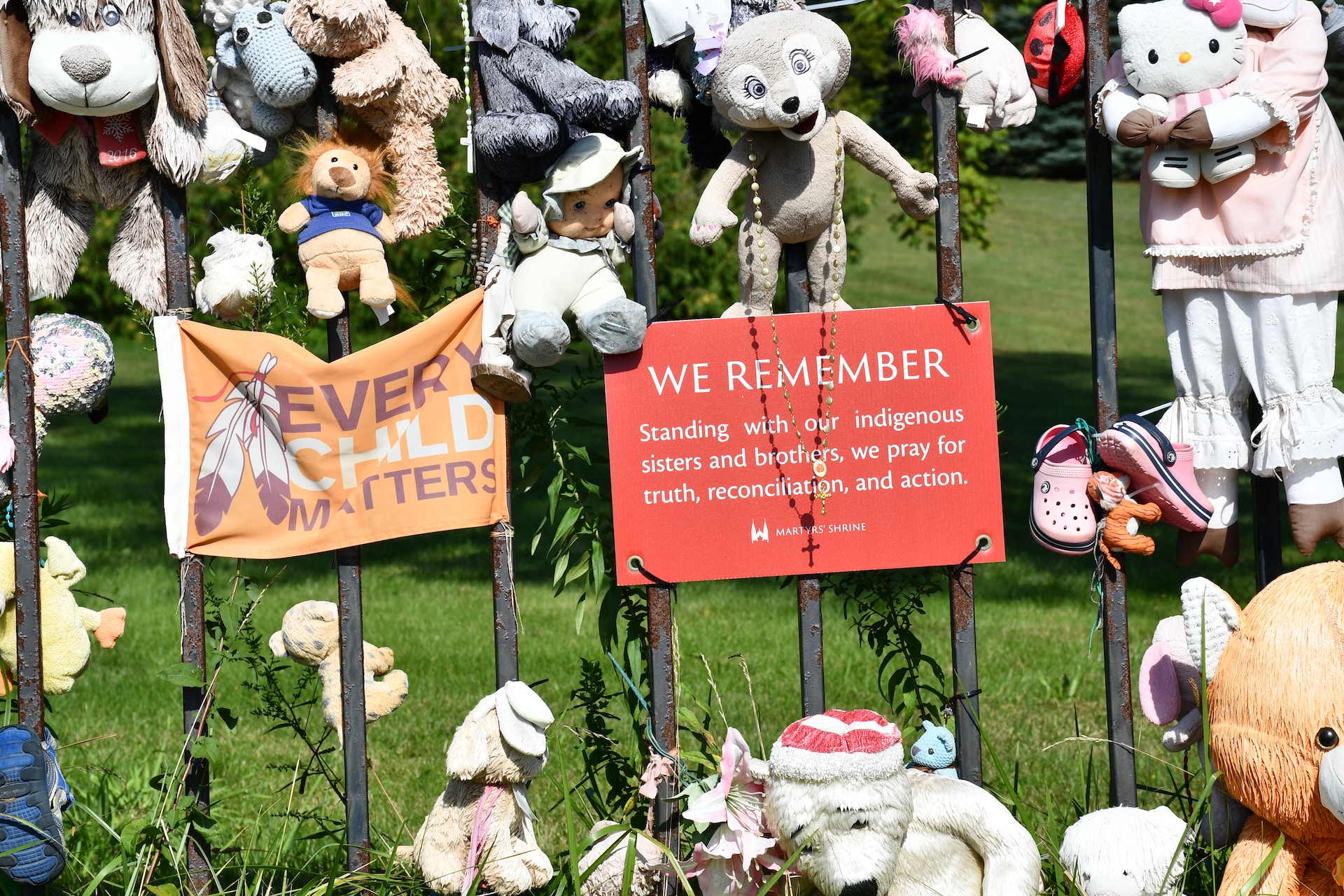
    Residential schools were a school system set up by the Canadian government often with church affiliations in the 1880s.  The primary goal of these schools was to teach Indigenous children the customs and beliefs valued in White societies.  In doing so, they separated their students from their families, and stripped them of their own cultures and languages.  In these schools, children were abused, mistreated, and neglected, leading to severe trauma and even the death of many of these students.  These schools continued to run in Canada all the way until the 1990s, meaning that there was over a hundred years of abuse facilitated in these schools, resulting in generational trauma, and a near cultural erasure of the Indigenous peoples of Canada.

    It was not until the early 2000s that the Canadian government began seriously investigating all of the tragic misconduct that was taking place in these institutions.  Now as a nation, it is time for us collectively to reconcile these atrocities, and much of this begins with educating not only ourselves, but our children on the darker parts of our history in relation to Indigenous peoples and its enduring legacy. Many may wonder why or how kids should be taught about such a sad topic in history, however children are extremely smart, and empathetic, making them a very important demographic to be learning about this.

    While some Canadians did not even know of residential schools until well into their adulthood, as a society we now have the opportunity to properly educate young people about this matter in a respectful and caring manner.  It is sad to think about having to tell today’s children about what the government has done in the past to kids not so different from them, but just because something is hard, does not mean it should not be done.  Canadian curriculums have been able to teach elementary school children about the World Wars, and many other scary parts of history in an appropriate way, which proves that the same thing is possible when educating children about residential schools. Being honest with children and teaching our full history instills important values, and helps make children more culturally aware and sensitive to the land they are living, learning, and playing on. It is also an undoubtedly important step to be taken while mending our relationship with Canada’s Indigenous peoples.

    Most importantly, teaching children of all ages about the history of residential schools in Canada will help safeguard future generations, and ensure that such a thing can never happen again.

  • How to be an Ally to Indigenous People

    How to be an Ally to Indigenous People

    By Avreet Jagdev

    What is Allyship?

    Allyship is a word which means building relationships with marginalized communities to help support and advocate for them. Marginalized groups are those that may have fewer privileges and be discriminated against for factors such as their race, culture, religion, gender, class, sexual orientation, or disability.

    Why is it important?

    It is important to be an ally because it means you have an active role in working with people from disadvantaged communities towards their goals of justice and equity. In other words, you get to be a part of the solution and help make the world a better place for communities that face mistreatment, just because of the identities they encompass.

    Allyship & Indigenous communities

    In Canada, our Indigenous communities have a long history of mistreatment and abuse. Indigenous people were the first to live here, but European settlers who wanted ownership over Canadian land caused their communities to face many adversities, including forced assimilation through the Indian Act and residential school system, as well as physical harm to their communities, such as through the physical removal of their people so that the Canadian Pacific Railway could be built.

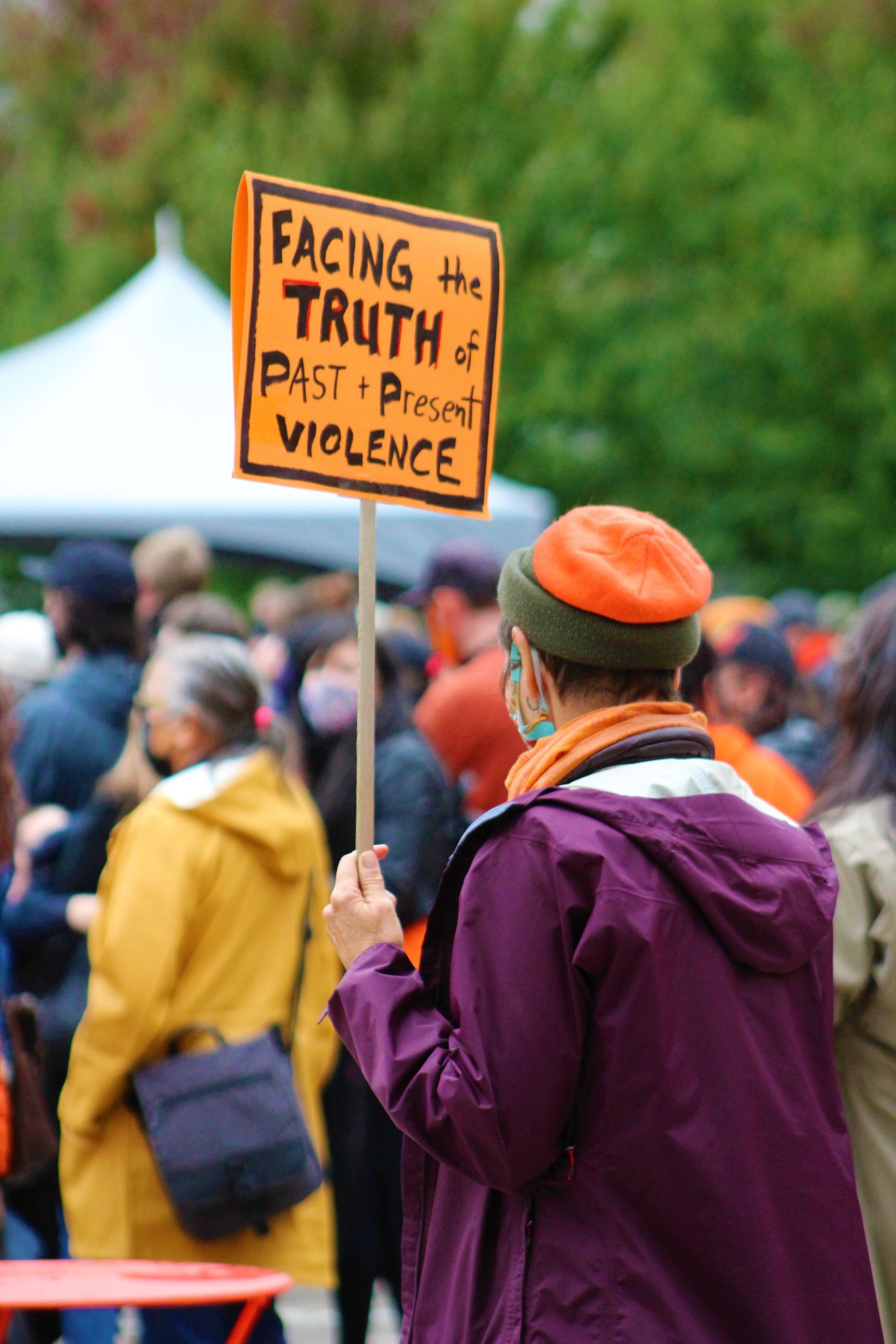
    To this day, Canada’s Indigenous peoples face many inequalities including lack of access to safe drinking water, and ongoing struggles for justice for communities such as Grassy Narrows, an Indigenous reserve in Ontario which has faced many injustices such as mercury contamination and clearcutting of their forests. These ongoing problems highlight why it’s important to support and be allies of Indigenous communities. There’s a lot of work to do to make things right.

    How to be an Ally to Indigenous communities

    1. Listen genuinely and seek to understand.

    It is important for allies to educate themselves about the experiences and challenges that Indigenous communities face. In addition to educating yourself about current issues, it is important to learn about the historical context of their oppression as well. The issues that Indigenous communities currently face are the result of a history of trauma and discrimination.

    1. Show up

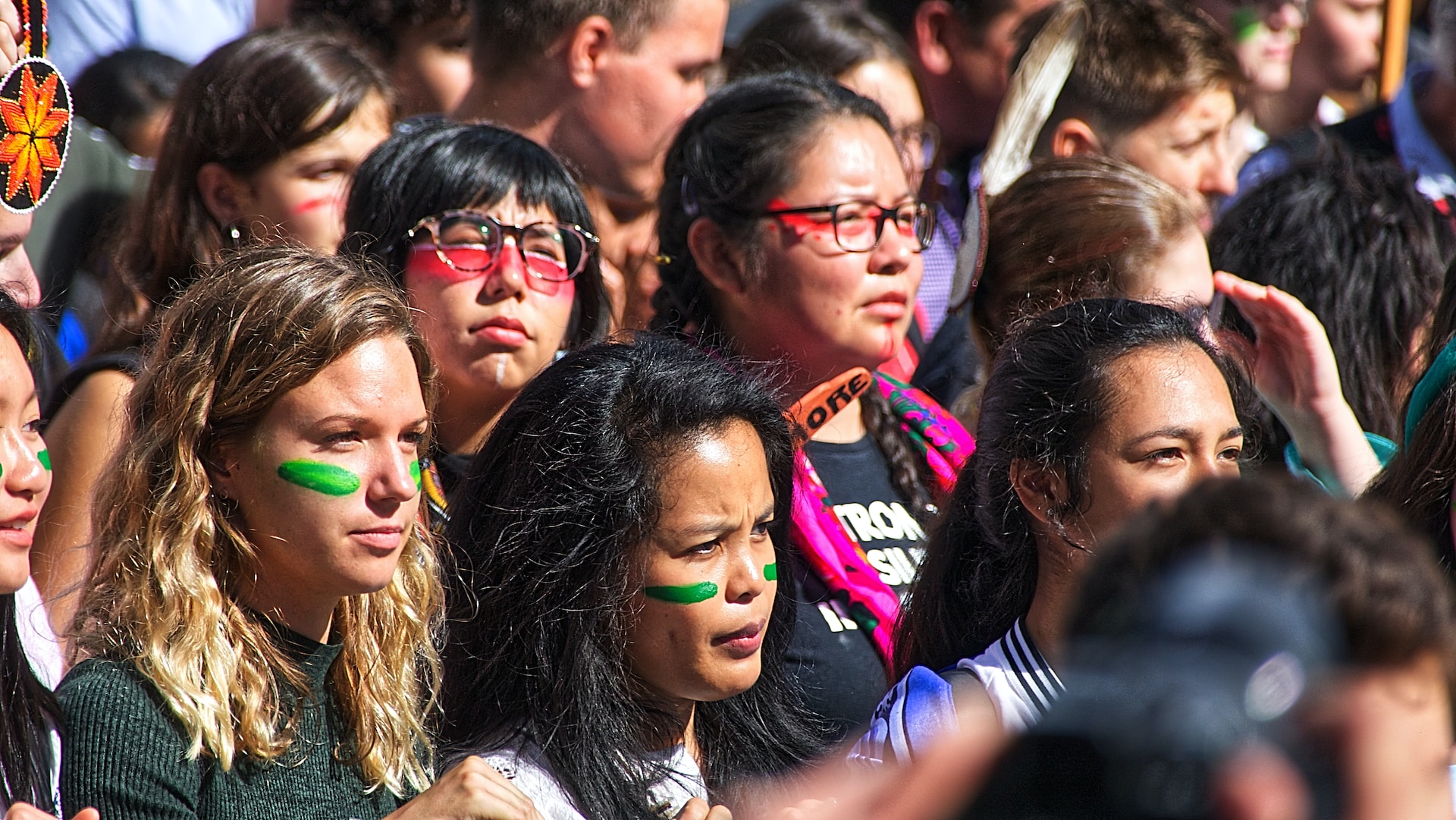
    A big part of being an ally is taking action. This can be done by showing up to events and actions, signing petitions, donating, volunteering, or lobbying as an act of your solidarity and allyship. This may also involve speaking out against discrimination and amplifying the voices of Indigenous peoples.

    1. Being open to feedback

    Learning is not a one-time thing, but an ongoing process that never ends! This is why it is important for allies to continually listen and be open to feedback. Making mistakes is okay, but it’s important to learn from and grow from them. Being a long-term ally means continually learning about what is going on, and what can be done.

    1. Centering Indigenous voices

    A key aspect of allyship is recognizing and prioritizing the perspectives and leadership of communities you are an ally of. To be a strong ally with Indigenous communities, it’s important to center their voices and perspectives when it comes to issues that they face.

  • How the Arts Help Emotional Expression and Mental Health in Youth

    How the Arts Help Emotional Expression and Mental Health in Youth

    Engaging in the arts can help youth express and navigate their emotions, as well as help with their mental health. According to the Canadian Institute for Health Information, 70 per cent of Canadians “experience symptoms of mental illness” before they turn 18. It is important to address mental health during these critical younger ages. Doing activities that encourage youth to use their imagination, like drawing, painting, writing, and music, can create one way to maintain a healthy outlook during stressful times.

    Defining Art

    “Art” is a broad topic containing many types. Like many abstract and large topics, it’s often to define art in one statement. The World Health Organization (WHO) defined five categories of art in their 2019 report on art’s positive impacts on heath:

    1. Performing arts (music, dance, theatre, singing, and film)
    2. Visual arts, design, and craft (crafts, design, painting, photography, sculpture, and textiles)
    3. Literature (writing, reading, and attending literary festivals)
    4. Culture (going to museums, galleries, art exhibitions, concerts, the theatre, etc.)
    5. Online, digital, and electronic arts (animations, filmmaking, and computer graphics)

    Benefits of Making Art

    A 2021 report by the English Language Arts Network (ELAN) noted that creative arts reduce stress and boost resistance to negative experiences within youth. While specific art therapy sessions with a professional exist, the benefits of making art apply to other social situations. When participating in the arts with others, it creates a sense of belonging, and connections with those around. Additionally, art helps children develop their own identity and as well as support and gain an “awareness of diverse identities within society.” Making these social connections make children feel more confident and less isolated in their lives, leading to greater health overall.

    The Flexibility of Art

    Art’s flexibility lends itself well to help people explore their emotions. Many creatives cite life experiences as inspirations for their work, and often art is a reflective process.  A simple piece of blank paper can be filled with text, or colour, or pictures — it all depends on what comes to mind. Art allows individuals to create anything they want, and this acts as a pathway to the mind. Emotions flow into works, whether they want to look into their current feelings, ones of the past, or ones they want to feel. Art can be a naturally therapeutic medium for its ability to let people think about which aspects of themselves they want to express.

    Arts for All

    Though participating in the arts is especially helpful for youth, the benefits help people of all ages. Creating art at a young age could start a life-long hobby that improves life even as someone grows older. Art is one of those things that will naturally evolve the more people get involved and as they change as people. Though someone’s art abilities and creations may vary throughout their life, having a consistent hobby helps to destress in busy times. Having a hobby such as art helps create a health work-life balance later on, and acts as something to keep people happy for the rest of their lives.

  • The Significance of Land Acknowledgments

    The Significance of Land Acknowledgments

    By Avreet Jagdev

    Over the years, there has been a larger focus on land acknowledgements across Canada. What are land acknowledgements, and why are they so important?

    Land acknowledgements are a recognition of the land on which Canada exists. Many Indigenous communities are from Canada, and these communities were the first people to live on this land — long before others arrived. When European settlers arrived to Canada, Indigenous communities faced many injustices and were forced to assimilate into European culture. This resulted in long-term injustices that continue today.

    A land acknowledgment is a way to recognize this history, and show respect and gratitude for these Indigenous communities and the land they called home before anyone else.

    Land acknowledgements vary in what they look like, but usually, they are shared as a statement towards the beginning of an event or meeting. The most basic aspect of a land acknowledgement is a recognition of the land that the meeting or event is taking place on, and the traditional territories that exist on that land.

    For example, the City of Toronto is traditional territory to many Indigenous communities, including the Mississaugas of the Credit, the Anishnabeg, the Chippewa, the Haudenosaunee, and the Wendat peoples. A land acknowledgment in Toronto might begin by naming these communities.

    Land acknowledgements often also include gratitude and respect for the land on which they are on. Some land acknowledgements are more personal, and include personal reflections on relationships with the land, or with Indigenous communities.

    Land acknowledgments are important for many reasons and are a key aspect of reconciliation, a word which means repairing Canada’s relationships with Indigenous communities. Firstly, they show respect to the Indigenous communities who have existed on this land for thousands of years, and this is a way of recognizing their history and connection to this land. This recognition is an important step towards reconciliation because Indigenous communities have faced a long history of having their relationship with the land denied or neglected. In addition, Indigenous histories have been left untold — so by recognizing Canadian land as traditional Indigenous territory, land acknowledgements are a step forward in repairing this issue.

    You can contribute to this reconciliation by researching the traditional territories and Indigenous communities that are associated with the city or town that you call home. You can also reflect on your relationship with the land on which you live, and learn more about its history with Indigenous peoples.

    Land acknowledgments are a lot more than just words. They are a way to connect us with Canada’s past, and learn more about the Indigenous communities which live alongside us. Overall, land acknowledgments are an important step in reconciliation with Canada’s Indigenous communities, and allow us to think more critically about the land that we live on, and the history that took place here.

  • The Pros and Cons of Online Courses in Post-Secondary Education

    The Pros and Cons of Online Courses in Post-Secondary Education

    Many post-secondary schools deliver classes online, with some programs even offered entirely on a remote basis. While this opens up various opportunities for students, it still presents both pros as well as cons. If you’re a post-secondary student or will soon be one who’s considering taking online courses and wondering about these pros and cons, here is a more in-depth look at them:

    Pros

    • No Commute – Of course, there’s the convenience of not having to commute to campus, which, in turn, usually allows more time for working on assignments and studying. This in particular will benefit you if the school is far from where you live and/or you have a busy schedule that includes responsibilities outside of academics.
    • It’s the Future – How people approach numerous jobs has changed, and hybrid or even strictly remote positions are becoming more common. Therefore, online courses can also challenge you productively by preparing you for these potential future work situations as you’d then get used to concentrating at home with the associated distractions for longer periods of time.
    • Master Online Video Platforms – You can familiarize yourself with or refresh your memory of how to use standard video-call tools such as Zoom (if they’re being used). When the pandemic began, many people turned to these communication platforms for work as well as school and are continuing to do so. All in all, remaining familiar with Zoom’s functions and that of other similar ones has proven to be beneficial.

    Cons

    • Lack of In-Person Practice – Although video-call tools are helpful for facilitating remote verbal communication, it’s also good to speak with others when you’re physically around them. You are likely preparing for the professional world during this time and being able to navigate a setting where you’re amongst colleagues as well as enhance your interpersonal skills remain relevant parts of that preparation. Though remote work has increased, having these skills is still very important. Most notably, if you do end up with a position that’s in-person or must attend necessary in-person interviews, meetings, etc. then taking courses online may interfere with developing them.
    • Difficulty Forging Relationships – Another con involving the absence of an in-person component is that it can make cultivating relationships with people from school more difficult. Meaningful relationships often have positive impacts on learning experience(s) and online classes could inhibit these connections.
    • Technical Issues – Though rare/unlikely, there is always a chance that the platforms used to host the classes will experience technical difficulties. This would create frustrating hindrances for everyone involved. Depending on the specific issue and platform, any aspect of the class, i.e. crucial interactions, submissions of assignments, and exam completions may be postponed or even prevented.

    Overall, online courses possess both benefits and drawbacks. While it’s likely you can dedicate more time to schoolwork and familiarize yourself with remote communication tools, they could lack a connection element that takes away from potentially having more dynamic learning experiences as well as impact course schedules if the platforms encounter technical issues. Nevertheless, if you consider these pros and cons, you’re on your way to successfully deciding as to whether or not taking online post-secondary courses is the right path for you.

  • Women in Trades: Breaking the Stereotypes

    Women in Trades: Breaking the Stereotypes

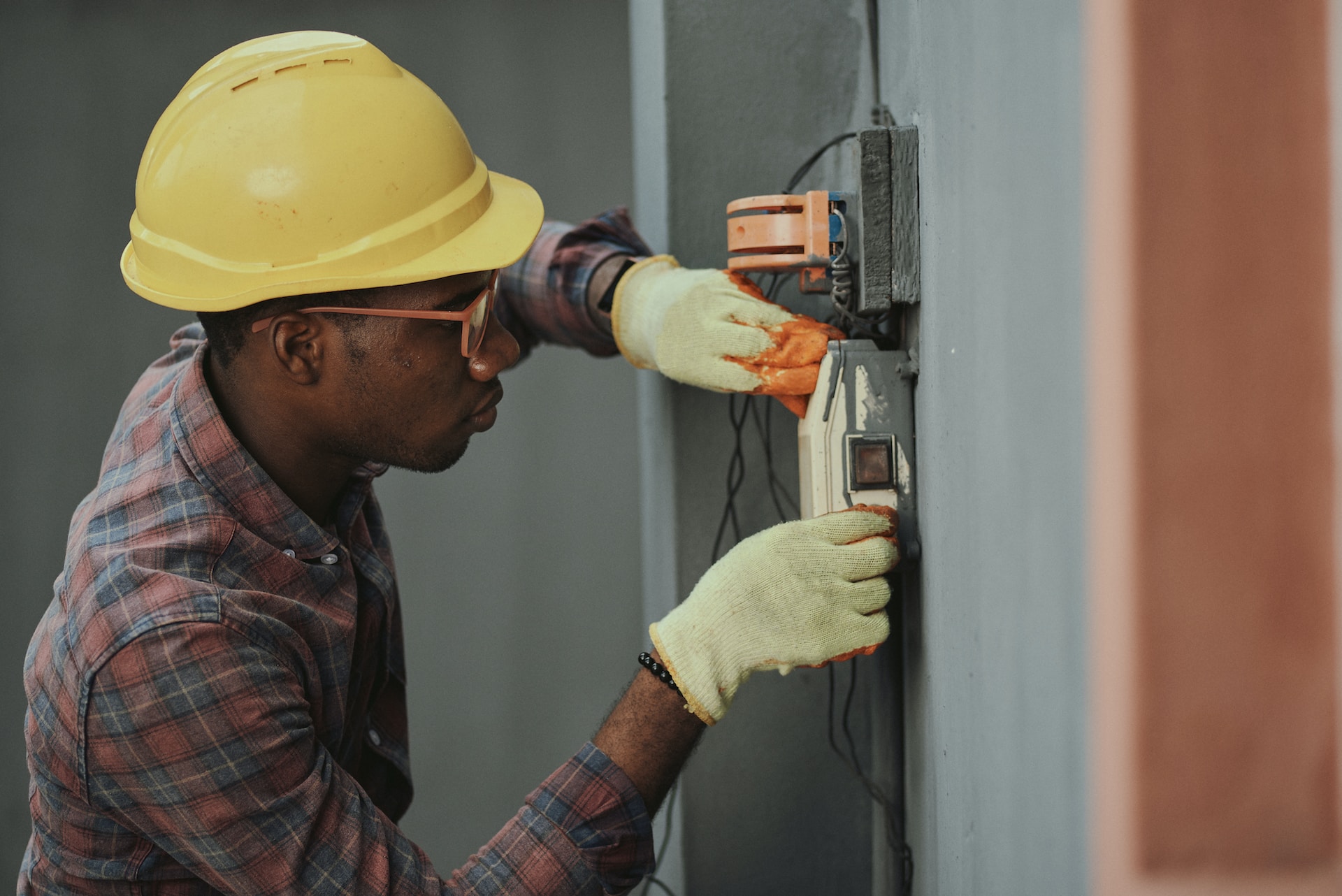
    Trades are an essential career path in society. This field is frequently dominated by men. In fact, “women only make up 5% of the skilled trades workforce.” (Skilled Trades College) Why is this? One issue faced by women in the workforce is sexism and discrimination. Women are consistently treated negatively due to societal stereotypes. Even if the bias against women is unintentional, the repercussions are obvious. Women are given less demanding, lower paying, and demeaning jobs. Additionally, women are being harassed in their jobs. Many report unwanted touching and comments from their coworkers and superiors. For women with families, access to childcare can be a big issue. Childcare is expensive, and people in trades work long and unpredictable hours. This often results in a difficult choice between work or family.

    In the past, women were not given access to blue-collar careers. Realistically, it wasn’t until World War I that women took the men’s places in these careers. Once the war ended, few women kept their careers going. Then, in World War II, women were called back to the workforce to ensure the nations didn’t collapse. These women were “were early pioneers for females in the skilled trades, but most of them were only temporarily in this industry.“ (FORTIS) Again, men were prioritized and preferred for these jobs because of stereotypes. Despite this, some women decided they wanted to continue working and find a way around these biases.

    So, now what? I hope I didn’t deter you from pursuing a career in trades. In fact, I encourage you to pursue it! Change is only going to be made with continuous progress, and

    willingness to challenge current biases. Canada is one of the countries that is rapidly losing their trade workforce. This presents a unique opportunity for women. You have the opportunity to make a change in the force. Also, there is a possibility of earning more money here than in a typical 9-5 job. Also, many companies are now making a distinct effort to promote diversity and inclusion, so they are looking to hire women and people of colour.

    How do you get started? It is important to zero in on what specific trade interests you. You can do this by asking people in the field, taking career assessment quizzes, or by doing some research. Then look into what post-secondary school is of interest to you. It never hurts to be over-informed.

    Women in trades are under-appreciated, disrespected, and underrepresented. In the present day, many women are working hard to disprove biases and shut down negative stereotypes about women. If you’re considering a blue-collar career, I wish you the best of luck and am excited to see how you change the field!


    References

    https://www.skilledtradescollege.ca/blog/women-in-skilled-trades

    https://www.cbc.ca/news/canada/toronto/women-on-site-ontario-discrimination-trades-1.6823862

    https://www.fortis.edu/blog/skilled-trades/a-history-of-women-in-skilled-trades–then-and-now.html

  • Role of Community Colleges in Trade Education

    Role of Community Colleges in Trade Education

    If you decide to train as an electrician, plumber, or other tradesperson, you might assume that a trade school was the best place to learn the skills you need. However, a community college often has advantages over trade schools that can make it a good choice.

    Experts estimate that by 2025, about half of the jobs in Canada will be in the skilled trades. Being part of one of those trades could be a good choice for anyone who enjoys working with tools and machines. Trade schools can teach people the technical skills they need and help them to find work, but sometimes other skills are necessary, as well. At community colleges, people can gain skills to help them in the future.

    One of the advantages of a community college education is the chance to get an overview of the trade in general, including the history and trends in the profession, local economic development, and changes in educational requirements. This kind of information might not be immediately useful, but it can help people gain a perspective of how their own goals fit with other aspects of society.

    This kind of information can be very useful. For example, if statistics show that electrician jobs are being combined with other trades in many workplaces, students will have a better chance of obtaining work if they have both sets of skills rather than just one. If work is opening in unexpected places, their instructors can help them find contacts in those workplaces.

    Having a variety of options can be useful in case a change in the economy or even an injury alters a person’s ability to work in a certain trade. A downturn in the economy, for example, could mean fewer jobs in construction and the trades associated with it. An injury could also mean that someone who had been working as an electrician or builder can no longer manage the work. Community college education usually includes some courses in fields such as computers or bookkeeping, which could help with getting into a new line of work.

    Another advantage of community colleges is that graduates gain foundations that can help lead to further studies. If someone wants to move from a trade into a degree in engineering, for example, a community college education can introduce students to the skills necessary for academic studies that might not be available in trade schools. Community colleges also tend to be less expensive to attend than trade schools, giving students the option of learning a trade without getting too deeply into debt.

    Canada has more than three hundred different trades, including fifty-four with a possible Red Seal designation. This means that someone who has successfully completed a set of tests in that trade can gain a Red Seal certification, which allows the tradesperson to work anywhere in Canada without retraining. Added to the benefits of studying at a community college, this aspect can be very useful.

    With the benefits that a community college education can bring, studying at one of these institutions rather than at a trade school can be a very good choice for many people. If you study your options, you might decide that a community college is right for you.


    Bibliography:

    Community College Review. “Community Colleges Are More Important than Ever.” https://www.communitycollegereview.com/blog/community-colleges-are-more-important-than-ever.

    Government of Canada. “Follow Your Passion. Find Your Skilled Trade.” https://www.canada.ca/en/employment-social-development/campaigns/skilled-trades.html.

    Ontario Colleges. “Programs and Careers in the Trades.” https://www.ontariocolleges.ca/en/apply/skilled-trades.

    Vocational Schools and Colleges. “Skilled Trades Schools in Canada.” https://www.vocationalschools.ca/trades/.

  • Natural Resources Careers in BC

    Natural Resources Careers in BC

    Natural resources are all around us, from water in the lakes and rivers to the oil and gas under the ground to the sun in the sky. Natural resources careers in British Columbia are about either preserving natural resources for the future or making them available for people to use.

    Many different jobs are available in natural resources. BC has many natural resources careers, including jobs for people who administer the programs and authorize the work with natural resources. People in this branch of the work gather information and make decisions in fields such as fish and wildlife, timber, and water. Listening to others, especially Indigenous groups and other people who can help to make sure that natural resources are available in the future, is very important in this job.

    Deciding what is important requires information. Biologists study animals, fish, and their habitats to find out how to preserve the natural world and keep the animals from decline or even extinction. These professionals help to educate people about how different parts of their work fit together and provide a scientific basis for the decisions that government officials and others make for the environment.

    Indigenous people are often closely connected to the land where they live, and they have insights and knowledge that other people might not have. Because of that, a third career in natural resources is a First Nations or Indigenous relations advisor who can help Indigenous and non-Indigenous people to work together. This job might involve arranging meetings, writing reports, doing research, or even travelling out to remote locations to consult with people on the negative and positive aspects of any project.

    Once people have gathered enough information and obtained an agreement from everyone concerned with the project, natural resources engineers can get to work. These people work with infrastructure such as roads and bridges that allow workers to get access to resources and to the cities and towns where the markets are. Maintaining the infrastructure is important, and natural resources engineers are often involved in projects until they are completed, monitoring the use of various parts of the infrastructure to make sure that workers maintain safety standards and find any problems or missing pieces.

    These jobs require a high level of understanding of the issues to allow people to work at more than a basic level. Normally, at least a bachelor’s degree is necessary for working in these fields, and sometimes a master’s degree might be necessary. Some people might be able to work their way up from low-level jobs, but normally these types of careers require at least some formal education. Useful high school courses include biology, history, and English. Salaries might start at about $30,000 or $40,000 but can rise to about $100,000 with experience, depending on the job and the location.

    Even without a bachelor’s degree, people can get jobs in natural resources. Biologists need lab assistants, engineers need construction workers, administrators need office workers, and Indigenous relations advisors need helpers to file documents or answer phones. Although these jobs might not be very well paid, they are still important. Training in the trades is often important for many natural resources jobs.

    Working in natural resources can be an exciting and important career choice. If you want to be part of this field, you can already begin to prepare for it.


    Bibliography:

    Government of Canada. “Follow Your Passion. Find Your Skilled Trade.” https://www.canada.ca/en/employment-social-development/campaigns/skilled-trades.html

    Government of British Columbia.  “Natural Resources Careers.” https://www2.gov.bc.ca/gov/content/careers-myhr/job-seekers/featured-careers/careers

    Natural Resources Canada. “Career Profiles.” https://natural-resources.canada.ca/careers/career-profiles/19466.

    Pawlowska-Manville, Agnes and J. D. Chapman. “Natural Resources in British Columbia.” https://www.thecanadianencyclopedia.ca/en/article/natural-resources-in-british-columbia.

  • Emergency Preparedness Skills in Trades

    Emergency Preparedness Skills in Trades

    Suppose that an emergency happened. Would you be prepared for it? For people in the trades, emergency preparedness skills are important for ensuring that the work can continue, while also keeping people safe.

    Fires, floods, and other disasters can happen very suddenly, but preparation can help people to recover quickly. The first stage is to conduct a risk assessment to see where the dangers are. Getting input from the workers themselves is important so that they can highlight areas that still need extra preparation.

    People in the trades have a special knowledge of what needs to be done after an emergency. They know how to restore electricity to communities that have lost power and other services for people who need them. Before a disaster happens, tradespeople need to plan how they will work to restore these services. Writing procedures down and identifying the roles for each person will help ensure that everyone knows what to do when the time comes to act. At this stage, people with good communication skills are important, since someone needs to gather the information and put it together in a form that is easy to understand and remember.

    Tradespeople frequently work with hazardous materials, and they know how to deal with these kinds of substances. In emergencies, however, many other people can be exposed to hazards like radioactive material or sometimes other dangers such as asbestos, which used to be part of many buildings. If fires, floods, or earthquakes destroy the structure of buildings or power plants, someone must contain the materials and ensure that people are safe.

    Being able to assess dangerous situations and to choose the right containment procedures is important. People in the trades learn these skills through their work in dealing with insulation and other potentially dangerous substances. However, a general knowledge is not always enough. People in the trades also need to study new types of hazardous materials and to work at improving their emergency preparedness skills whenever possible.

    Organization is a key part of emergency preparedness. Within each company, tradespeople need to assign different tasks to people who can complete them so that no one will neglect those tasks in an emergency. Writing those procedures down is important so that people can study them without having to ask other people for the information. Regular drills to practice those skills can help the procedures to become automatic so that people can act quickly without having to stop and think about each step.

    Part of this kind of preparation is learning how to help people who are injured or who have limited mobility. Knowledge of First Aid is important for taking care of people until help arrives, and assisting workers who are unable to get out of the building on their own is essential. Everyone should know the basics of First Aid and other procedures. However, designating a few people to take charge of these aspects of an emergency can help save valuable time.

    Tradespeople who know emergency preparedness skills for their own workplaces also have the skills to help in larger emergencies that affect entire communities. Developing emergency preparedness and communications skills can be useful for many people in the trades.


    Bibliography:

    Government of Canada. “Get Prepared.” https://www.getprepared.gc.ca/index-en.aspx.

    Government of Canada. “Get Prepared: Make an Emergency Plan.” https://www.getprepared.gc.ca/cnt/plns/mk-pln-en.aspx.

    Infrastructure Health & Safety Association. “Emergency Response Planning Overview.” https://www.ihsa.ca/pdfs/magazine/volume_16_Issue_2/emergency-response-planning-overview.pdf.

    International Water Management Institute. “Before Disaster Strikes: Preparing for Complex Emergencies with Anticipatory Action.” https://www.iwmi.cgiar.org/2023/10/before-disaster-strikes-preparing-for-complex-emergencies-with-anticipatory-action/.

    SafeCare BC. “Emergency Preparedness – What Employers Need to Know.” https://www.safecarebc.ca/2021/11/25/emergency-preparedness-what-employers-need-to-know/.

  • BC’s Thriving Film Industry

    BC’s Thriving Film Industry

    When people think of the film industry, the first place that comes to mind is likely Hollywood or maybe Toronto. Yet British Columbia has a thriving film industry that has helped to make the province an important part of this field.

    The film industry in British Columbia started in the 1970s and has continued to grow since then. Hollywood filmmakers have often used places in BC for their Canadian locations, beginning with the Dominion Bridge steel plant in Burnaby, which was part of a film in the late 1970s. Since then, spots in British Columbia have been part of many films, as well as documentaries, advertisements, and other parts of the industry.

    Besides being a location for Hollywood films, British Columbia has its own very successful film industry. For example, after Bridge Studios opened in 1987, the company filmed movies such as Star Trek 3, 50 Shades of Grey and Tomorrowland. North Shore Studios produced Deadpool, iZombie and The X-Files.  In 2001, Mammoth Studios opened and soon began producing films such as X-Men, The Revenant, and Night at the Museum: Secret of the Tomb. Famous movie stars have visited British Columbia to take part in filming programs in various locations around the province.

    British Columbia’s film industry is part of a larger Canadian film industry. Ontario and Quebec, as well as other parts of Canada, also have film companies producing many movies and documentaries. The National Film Board of Canada was formed in 1939 to make films that were significant for the history and culture of Canada, and the organization continues to be important today.

    Like in the rest of Canada, many parts of British Columbia’s film industry stopped or were severely restricted during the pandemic. These problems came after years of struggling with competition from Hollywood films. With bigger budgets and more access to famous actors, Hollywood films tend to get more attention than Canadian films, and people are often unaware of the films coming from Canada. Distribution of films in Canada also tends to be difficult, partly because of the large distances that films had to travel before the age of digital files. Even now, films can take a long time to get to Canada.

    Despite those difficulties, the film industry has done well in British Columbia. The creative sector, which includes film, television, media, music, and magazine and book publishing, generates $4 billion each year in the province. Besides that, these industries create 85,000 jobs for people working in various aspects of these creative fields. Actors, producers, artists, writers, and many other creative people can work in these fields, but others are also necessary.

    The film industry involves people in many different roles. Besides the writers, producers, directors, and actors, each film requires people to set up the stages, run the camera equipment, make lunches, and complete many different small jobs. People who want to be part of the film industry have many choices of how to get involved in this thriving field.

    British Columbia’s film industry will continue to change over the years. If it continues to do as well as it has, it will be an important part of life for many people in the province.


    Bibliography:

    Gee, Dana. “B.C. Film/TV Industry Awaits as Talks Continue in Hollywood Actors’ Strike.” https://vancouversun.com/entertainment/bc-film-tv-industry-hollywood-actors-strike.

    Magder, Ted; Piers Handling; and Peter Morris. “Canadian Film History: 1939 to 1973.” https://www.thecanadianencyclopedia.ca/en/article/canadian-film-history-1939-to-1973.

    Peng, Jenny. “Timeline: The B.C. Film Industry Shoots to the Forefront.” https://www.bcbusiness.ca/Timeline-The-BC-film-industry-shoots-to-the-forefront.

    Thomson, Cameron. “B.C. Leads the Way in Film and TV Production in Canada: Report.” https://globalnews.ca/news/5113028/bc-film-industry-2019/.