
Julia Skoczypiec interviews Benjamin Fieschi-Rose, a director and stop motion filmmaker.
Category: Featured Articles
-
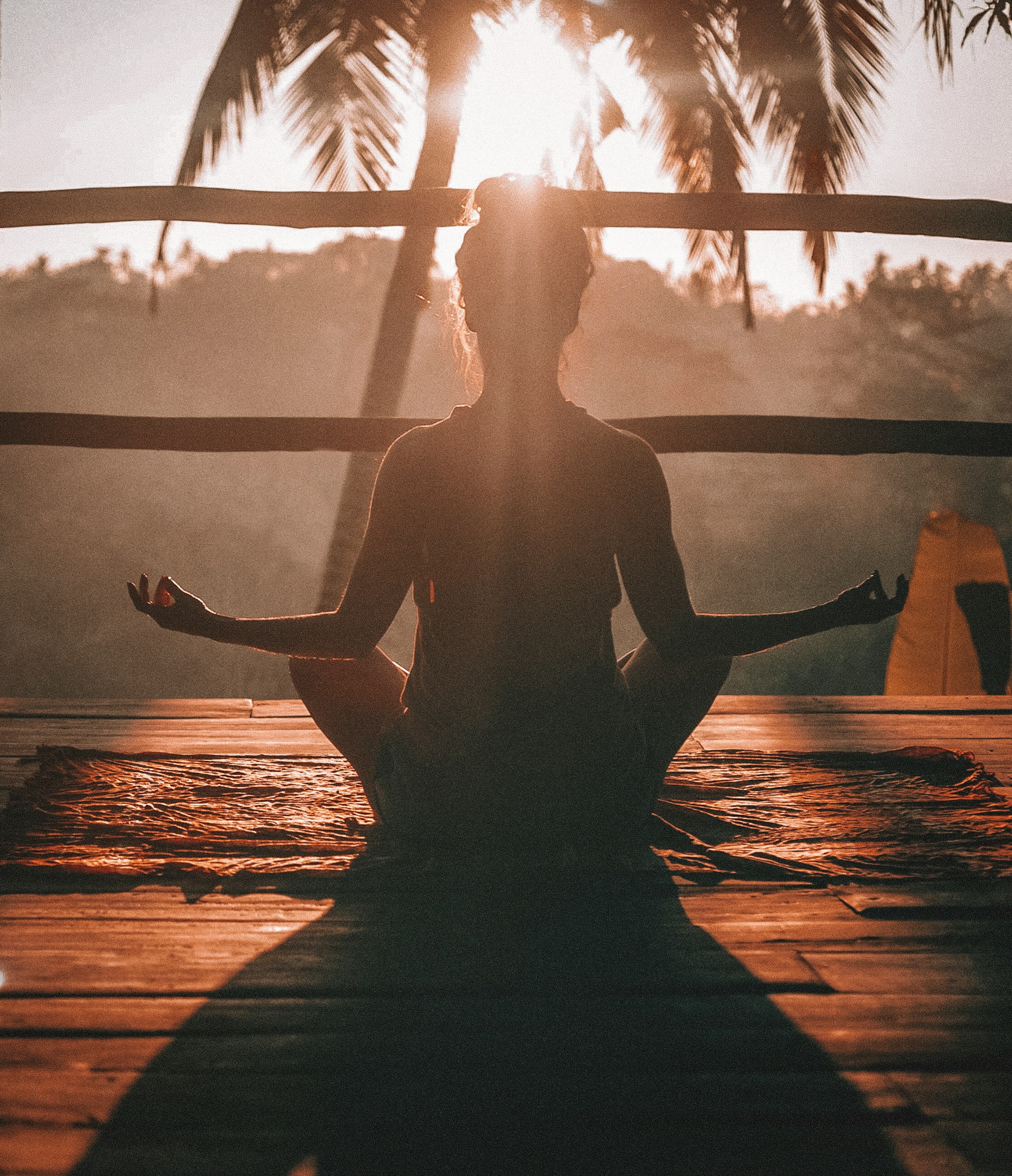
The Connection Between Physical Health and Mental Health
By Rabia Khan
Human beings have a unique and complex system. Both mind and body and soul are interconnected. When one part goes downhill, everything else goes downhill too. What happens to the mind deeply affects your physical health in different ways. Though, men and women both seem to take on the toll differently. There is a strong connection between physical health and mental health that many are not aware of.
How mental health affects your physical health
As we share an intense connection between our mind and the body, it also tends to affect us by the way we feel.
Poor sleep: Too much stress can hamper quality of life and take away all the peace! Your sleep is precious as it prepares you to fully function and wake up for a new day! If you skip a good sleep, it will most likely affect your physical health leading to fatigue, chills, headache, fever, etc.
High blood pressure: Another proof of mental stress manifesting into physical stress unfolds when you experience your blood pressure bursting into flames and suddenly turns high. If the symptoms worsen overtime, you should seek medical attention as soon as possible.
Stroke: Most often the connection of mental health and physical health is so strong that certain mental health disorders can cause havoc to the body. Too much stress can cause a heart or a brain stroke. That is why most health practitioners consider mindfulness and meditation good for the mind, body and soul.
Premature aging: Nobody talks about the fact that increase of stress can lead to premature aging. Your hair would eventually start falling while you’re young, nails will turn brittle and skin will sag and start showing wrinkles. Internal stress easily wears off on your skin making it look old. It’s important to keep yourself hydrated at all times!
Reproductive health: Many women face tremendous physical issues when they are stressed. One is the reproductive system, taking too much on yourself can lead to major health issues like PCOS, fibrosis, menstruation problems, etc.
Digestive system: Remember keeping a calm mind leads to a calm internal system, when your mind is thinking too many intrusive thoughts, that alerts your digestive system and causes a weaker immunity functioning. Your physical health is most likely to get affected severely, inviting issues like diarrhea, stomach cramps, bloating, indigestion, constipation, etc. It’s a known fact that mental health disorders lead to poor eating habits.
Here are some ways you can maintain mental and physical health:
Meditate: In order to keep your physical health in best shape, your mind needs positive fuel. You can only achieve this by meditating and practicing mindfulness daily.
Eat healthy: Eating healthy food contributes to a healthy mind and body, always be mindful of what you are eating! Remember, you are what you eat!
-

Substance Abuse: Understanding the Underlying Mental Health Issues
By Rabia Khan
If you’ve been dealing with substance abuse, you are not alone! In this article, I would like to trace my own journey with substance abuse and alcohol addiction and it has not been easy so far. Mental health issues have become so rampant ever since the pandemic hit off, half a quarter of the population has been diagnosed with multiple mental health disorders and it only gets worse everyday.
Mid-May, I was diagnosed with four mental health disorders: Generalized anxiety, major depression, panic disorder and PTSD. Only to realize one more recent diagnosis including Borderline Personality Disorder at the end of September. I often knew that there was a major mental health issue eating me up since early days of my childhood, just like everyone grows ignorant, I too did in fact excel at growing ignorant as an adult. Fast forward to June 1, 2023, is when I was forcefully placed on multiple antipsychotic drugs by my university psychiatrist. Now, I feel like I’m just a mere human being who is being experimented at and is treated like a project.
Well, It was going pretty great the entire month of June. Something ticked my bones and there I was abusing my antipsychotics in mid-July. Things were happening so fast that I lost track of how much harm I have done to myself. It was August the 3rd, the day I was admitted for an overdose in a psychiatric ward for 7 days. After discharge, I had several suicide attempts by overdosing and was in and out of emergency room, picked up by ambulance. There had been several incidents that I did not feel alive. It’s tough to live now! Though, the strong feeling of wanting to die still lingers on me even now.
The hospital switched my antipsychotics, and a few drugs were also discontinued abruptly. The whole process took a huge toll on my mental and physical health. I would often suffer from withdrawal symptoms and also experience stroke-like symptoms.
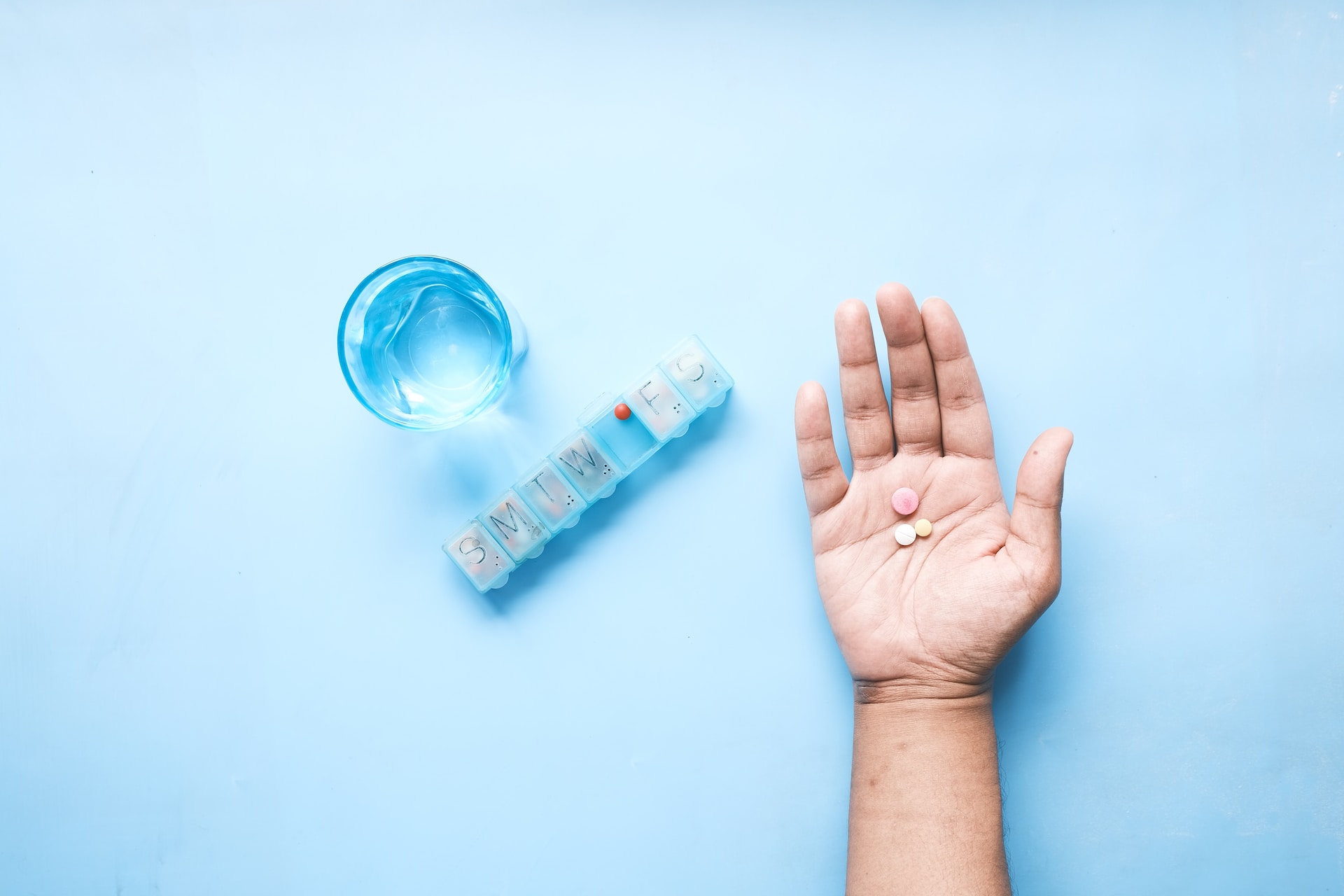
Apart from that, alcohol became my best friend. I resorted towards alcohol like a feast! I just started drinking and abusing my antipsychotics. Mixing drinks and drugs became a huge part of my life. I was put on new antipsychotics by my university psychiatrist as well as my dosage of antidepressant was increased. Currently, I am placed under “test”, so that I don’t abuse my meds. I have to religiously respect daily dispenses, and pick my meds daily! That’s how they prevent overdose in people.
Having a borderline personality can suck your life and soul for real. It’s a vicious cycle. You keep repeating the same patterns over and over again and now you wonder why! Mental health issues can increase in people if they start a path of substance abuse and it can only get tougher from there! Hope my story inspires many. The biggest moment is when you have survived!
-
Addressing the Stigma Surrounding Medication for Mental Health
By Rabia Khan
The topic of mental health is receiving immense attention these days and yet people feel reluctant to seek help. It’s high time that we address the stigma surrounding medication for mental health. While, there are people who are unable to get needed attention and are nearly killing themselves, there are some who are at their best denial.
Hundreds of thousands of people continue to go without the care they require owing there is a huge stigma surrounding the medication that could ease how they are feeling, even though the stigma connected with mental health issues has significantly diminished over the course of the last ten years. The acceptance of transparency regarding mental health issues has increased, in part due to the rich and famous discussing their battles with anxiety, depressive disorders, and other disorders.
Despite when people seek sympathy and encouragement for their mental health disorder, they are subjected to a variety of insufficient and stigmatizing attitudes towards medication, that range from the belief that they are simply not striving adequately to triumph over their demonic mind, to the advice that all they require is a particular meal plan, physical activity, or contemplation, to the notion that the healing for what bothers them is as straightforward as binging on medication. Yet, these views are frequently internalized by the same people who ought to profit from psychiatric medicine. Indeed, this stops them from receiving therapy.
In the past few years, mainly post the pandemic-era, the consumption of antipsychotic medication for mental health issues have increased tenfold. There’s a huge population which stigmatizes the use of medication for mental health disorders and it is prevalent in countries where the topic of mental health is considered as a taboo. The taboo culture is a big problem of this new-age society.
So many are wrapping their heads in misconceptions when it comes to treating mental health disorders, some fail to understand the role medication plays in treating them. People are accepting mental health disorders just like physical Illness because of the celebrities ranting about their personal struggles and drawing awareness about various mental health issues. It is essential to bring attention to various issues related to psychological health for it to be treated the same way as psychical illness.
However, one can navigate ways to address stigma surrounding medication for mental health problems by responding to negative reactions and sharing personal experiences and being factual. In recent times, major precautionary steps are being placed for those who are unable to regulate their emotions. While, stigma surrounding medication for mental health still remains a taboo for those who are very reluctant to receive it, the positive change is slowly unfolding for the better. Lot of government organizations are doing their best to reduce the stigma associated with medicines.
-
The Rise of Short Films in a Digital Age
By Natasha Cooper
The History of Short Films
Short films have an incredibly long history within the world of film. In the beginning of the art form’s inception, short films made up the entirety of film work until there was further technological development of the craft. It was until about 1913 that all films were fifteen minutes or less in duration. While eventually, feature films that were much longer became the dominant structure of film and storytelling, comedies, documentaries and children’s animated specials mainly remained short, and were very popular. During times when film and creators were becoming more experimental, the length of a film was often utilized to express objection to formal structures of films that had been established. This was prevalent throughout the 1930s, when both technology and practices within the film industry had been normalized, and therefore could be challenged. By the 1960’s, many emerging directors were using short films to start off their career. Some famous directors who entered their careers through the creation of short films were Roman Polanski, Jean-Luc Godard and Federico Fellini. Additionally, many film students might eventually find themselves in a class where they are asked to direct a short film, which can be both a challenging and rewarding task.
Because of the long history of short films, and their presence from mainstream media, academia and within experimental film making, there are many perceptions of this kind of film. In current times, the short film would generally be a film around 30 minutes or less, and this format is still holding up, and in fact seems to be growing in popularity once again. There seems to be a few reasons for this which we will explore.
Changes in Technology
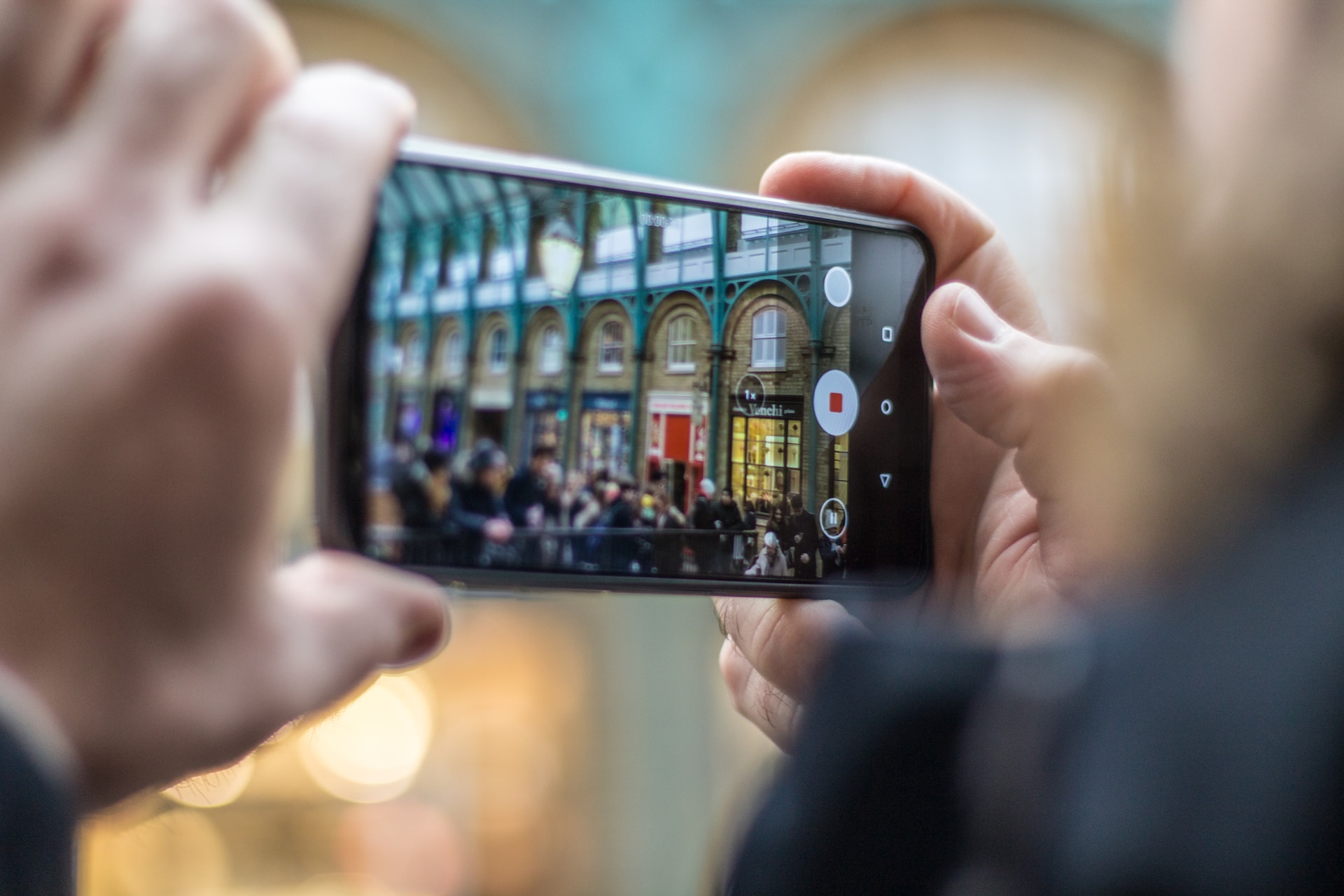
These days, just about everyone has a smartphone which has astonishing amounts of tools and applications to create with. A smart phone camera and video editing programs have opened the doors for many aspiring filmmakers to make films in varying durations with technology they already have access to. This has led to an influx in short films. Additionally, the internet and various social media platforms like YouTube, Instagram, TikTok etc., make it easy to upload and share your work with others and gain exposure.
Streaming Services
As more and more people have begun enjoying film and media entertainment through the usage of streaming services, this has led to a larger variety of the types of film being included on different streaming platforms. There has been a growing demand for more short films on streaming services which is being recognized and responded to. This has led to these streaming services showcasing more short films within their collections and even having specific categories for them. Netflix is one of multiple platforms that now has different collections of short films including categories of animated short films, independent projects, and even a collection highlighting short films that have won Oscars. This exposure of short films on popular streaming services is resulting in a growing interest in this kind of work.
Shortening Attention Spans
The very technology discussed previously that has made filmmaking more accessible to digital creators is also arguably to blame for people’s shortening attention spans . The American Psychological Association states that shortening attention spans is a real thing, and can mainly be attributed to the fact that it is the new norm for people to be attached to their phones and computers all day. This can explain why sometimes audiences simply want to watch a YouTube video, or a thirty-minute episode of their favourite TV show. However, short films are also a great option for someone who wants to sit down and watch something, knowing they do not have two hours’ worth of time or attention to give.
The Future and Benefits of Short Films
So, while short films have had ebbs and flows within their production and audience appreciation, recent trends in streaming platforms, growing accessibility of technology all mixed with societies shortening attention span, arguably can assure many that short films are not going anywhere, and in fact may be thriving. They have stood the test of time this far, and it seems there are still many more ideas that can be expressed and showcased through this medium of film. Next, are some benefits as well as a list of opportunities and tips to consider when working on a short film.
They Are Less Costly
For emerging filmmakers who might be tight for cash, short films are a viable option to get your work out there with a budget that works for you. By using the accessible technology and simply spending less time in the production stages, short films are a great option to consider for those wanting to tell a story.
The Creative Challenge
To be able to present a plot that is both concise and resonates with an audience is a huge artistic challenge. Being capable of this shows great talent from the creator, and the fact that short films are gaining popularity once again as well as a variety of mediums to share short films will hopefully reassure short film directors that it is possible for their work to be appreciated by the masses. Also, beginning to work on and complete short films are a great way to create or expand upon a creator’s portfolio.
Exposure
As said before, the internet is a great starting place for creators to get their work out there. There are also many festivals and competitions as well that are dedicated to showing short films. Below are a range of festivals creators can think about attending or submitting work to.
- Canada Shorts
- Reel Shorts Film Festival
- Toronto Shorts International Film Festival
- Vancouver Short Film Festival
- Halifax Independent Filmmakers Festival
There are many opportunities in Canada and beyond for those interested in becoming involved in the world of short films.
Virtual Film School Canada
If you are interested in one day creating a short film, or any other sort of captivating media, consider checking out some of the training courses offered at Virtual Film School Canada. Courses in screenplay and script writing, new media technologies, and all stages in the production process are offered to help ensure emerging creators are equipped with all the skills they need to be successful.
-
Post Covid World – Adjusting to Social Activities Again
By Natasha Cooper
It’s sometimes hard to think about the time, not that long ago, when it felt like the world was standing still. In March of 2020, in a matter of a few short weeks practically everyone in the world would say goodbye to life as we knew it before the pandemic. What might be even harder to recognize is the time lost, and the tremendous impact the Covid pandemic and isolation has had on many people. Indeed, there’s mixed emotions about it all. Many might not want to think about it and are grateful that they got through such a tumultuous time and are still healthy, when so many cannot say the same. However, it is probably not a stretch to say that there are still many that cannot shake this lingering effect of the pandemic.
Whether you were working, or in school, traveling, it does not matter; isolation protocols certainly had a profound impact on us all. On top of that, those who did experience having Covid would know all too well the fear that surrounded it. Even if one was not too concerned about their own health, many were petrified of spreading the illness to perhaps loved ones who were more vulnerable to the illness. While there is still much to be learned about the lingering effects of the Covid pandemic, both mental and physical studies are already suggesting that there are growing numbers of people reporting an increase in their anxiety.
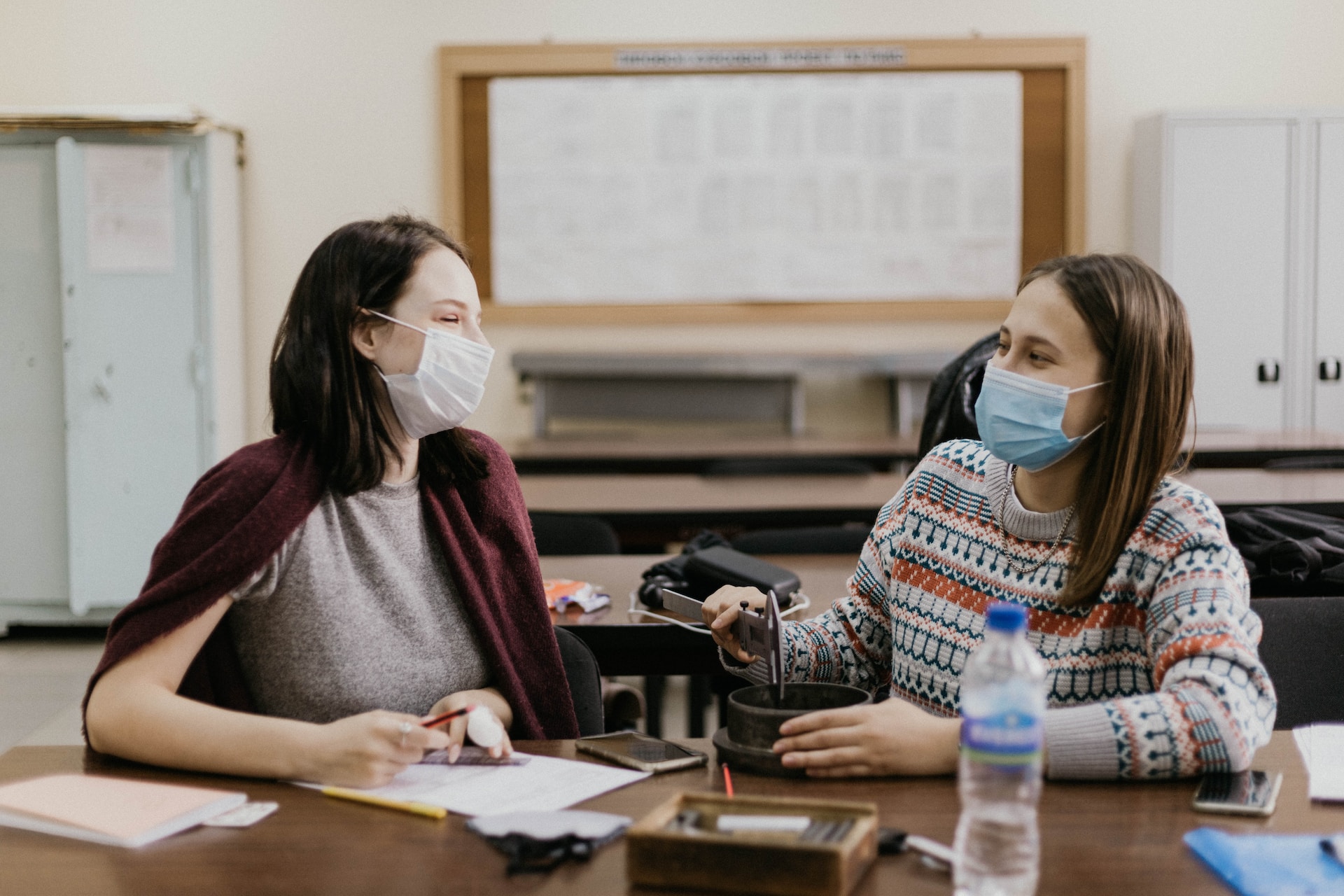
Going back to work, or school, traveling again, or re-emerging into social life can be challenging for some right now. It should also be noted that returning to social life after Covid can be a varied experience for any person depending on their personality type. While extroverts might be getting over how difficult the pandemic was for them, and the kind of effect that had, introverts might have thrived during isolation, and are now dealing with the stress of re-engaging in a social life. Here are some things to keep in mind while adjusting to life back out in the world again post-pandemic.
- The pandemic was an entirely new experience for most people, do not feel alone in still not feeling normal or fully integrated back into social life
- It’s okay to take things slowly; this includes going back to social activities or being in big crowds etc.
- If possible, find ways of remaining flexible with your work, school, or social schedule. This might help ease some of the anxiety. If this is not possible, try and be creative in coming up with some other strategies to make this transition easier for yourself.
- Practice mindful breathing if you find yourself overwhelmed in a large crowd or social setting. Mindful breathing exercises can generally be done almost anywhere at any time and have been proven to help improve overwhelming feelings of panic and stress.
- If at any time you feel like it is all too much and you might need help, reach out. Phoning friends or reaching out to a professional is never something to be ashamed of, and there are many resources out there for struggling individuals. Below are just a few.
- Mental health hotline for the Government of Canada
- Wellness Together Canada
- Crisis Resources at CAMH
- Black Youth Helpline
- Hope for Wellness Helpline (Designated for offering immediate help to Indigenous People)
As we find the Covid pandemic finally in the rear view, remember we all went through this as a collective society. A post-Covid world might be a frightening place, but it is filled with new possibilities and objectives to make this a safer, and hopefully more caring world.
-
Discussing Mental Health in High School Classrooms
Students can encounter many ups and downs while in high school. Therefore, being aware of mental health as well as having meaningful discussions about it during this time remain crucial. A productive place to do so is in the classroom because participating in these discussions when amongst others going through the same/a similar journey may not only help them navigate their challenges, but also just be a valuable facet of students’ overall at-school experience. For high school teachers/personnel who are planning on engaging in this with their students and looking to find some tips, here is what can be done and how to go about discussing mental health in the classroom:
Mental Health Should Be Brought Up More Often
It’s common for high schools to have discussions/presentations about bullying, usually for grade 8 students. While these are helpful and directly relate to mental health, the same should be applied to mental health in general as well as be discussed more often amongst all grades. Grade 12 students in particular are likely experiencing stress as they prepare for the next phase of their lives.
Establish That The Classroom Is A Safe Space
A good initial step is reminding students how classrooms remain safe spaces to talk about mental health. Having everyone, students included, involved partake in this reinforcement would be beneficial. Overall, requiring a collective responsibility is the best way to approach creating comfortable settings for these kinds of discussions.
Exchange Ideas and Thoughts On The Subject
A good place to start would be talking about what has been affecting their mental health as well as possible coping strategies. Some questions that could guide the discussions are:
- Have you been feeling overwhelmed lately due to academics or other roles you’ve taken on at or outside of school?
- If you are feeling down, is there anything you can do on a regular basis that might make you feel better?
- Can you name some activities that are typically associated with self-care?
- Have you been seeking ways to improve your mental health but are experiencing difficulties with it?
- Do you think seeing a counselor or any other mental health professional would help?
For most if not all, knowing that they’re not alone can make a significant difference. It’s especially reassuring when people receive support from peers and/or others their own age. Also, while students (of course) shouldn’t feel pressured to talk about what they’re exactly going through if they’re not 100% comfortable, consistently providing them with encouragement to open up to anyone they trust if need be or even to just express how they’ve been doing can contribute to an increased comfortability.
On the whole, mental health is an important subject to discuss during high school and should be brought up on a more frequent basis. Facilitating these discussions and giving students an opportunity to talk about it would have a positive impact on classroom culture and key factors that play into this is having a safe space so that they feel supported as well as comfortable speaking up. If the ideas above are taken into consideration by high school teachers/personnel, everyone involved is on the right path to meaningfully discussing mental health in the classroom.
-
Making the Most of University Networking Events
By Avreet Jagdev
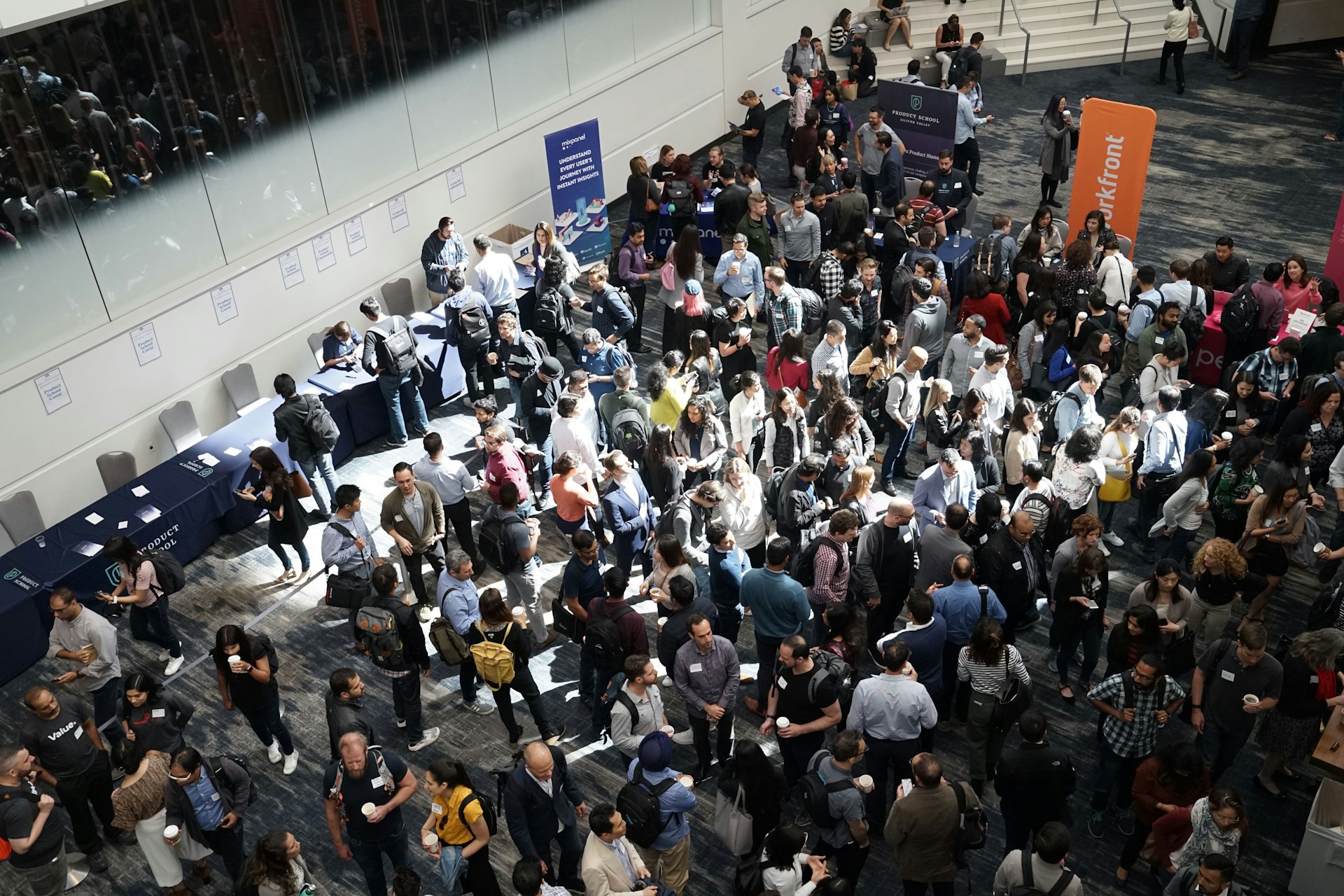
Being a university student is a great opportunity, not only to learn, but to build strong connections and build your network. Networking means to build professional or academic connections with others in your industry and is useful for many reasons. Networking may help you find a professional mentor, connect you to your dream job, and can help propel your career goals.
Universities often hold networking events in which you can connect with professionals from a particular industry, or with people who are alumni of your school. Going to these events is a great way to start building your network! Here are some steps you can take and things to keep in mind so that you can make the most of these events:
- Set goals for the event
Before the event, reflect on what your goals are. What do you want out of the event? Is it to meet new people, find a long-term mentor, or improve your networking and confidence skills? Figuring out your goals beforehand will ensure you approach your event meaningfully and will help you get the most out of it.
- Research attendees in advance
Sometimes, events may release information about key attendees in advance. If you have access to this information before the event, make sure to read through it! You might want to shortlist some people that you’re particularly interested in talking to and try to remember their names and what they do. This will help you walk into the event with intention, and approach conversations more confidently.
- Practice introducing yourself
First impressions matter! Before the event, think about how you’ll want to introduce yourself. It’s a good idea to tell people your name, major, and what you’re interested in pursuing in the future. If you are nervous about introducing yourself, write down what you’d like to say and practice with a friend or with yourself in front of a mirror!
- Come up with open-ended questions
Think of some questions that you are genuinely interested in the answers to, and instead of yes/no questions, come up with questions that are open-ended and encourage meaningful questions. For example, instead of asking someone if they like their field of work, ask what they like about it or what drew them to it.
- Show up prepared and as your best self
Make sure you show up to the event prepared! Give yourself enough time to arrive at the event on time, and wear something that you feel comfortable and confident in! Some events will indicate dress codes beforehand, but if you’re unsure, business casual is always a safe bet.
- Be approachable and genuine
Have open body language, smile, make eye contact, and approach others or join groups that look welcoming! Networking events are about making connections, and the most genuine ones will happen when you are approachable and being yourself. During conversations, make sure you are actively listening and contributing meaningfully.
- Collect business cards, contact info, or LinkedIn accounts!
A key part of networking is staying in touch, so be sure to collect people’s information after you’ve talked to them! They may have business cards, or you can always ask for their email or to connect with them on LinkedIn.
- Follow up afterward
If there is someone you particularly meeting, make sure to stay in touch after the event by following up with them! Send them an email or a message thanking them for their conversation, and opening yourself up to further conversation, or even a chat over coffee!
-

Upskilling: Online Courses vs Traditional Education
The modern workforce is always changing, and at an ever-faster rate. New technologies, new processes, and new ideas are changing what our work entails, and what jobs are available. New jobs are coming into existence that need workers to have new skills and knowledge—and if you want these jobs, you have to develop these in-demand skills.
Maybe your job is changing and to succeed you’ll need to learn something new. Or maybe you want to get promoted, or to one day change careers into a different field, but need some new skills in order to get there.
What is Upskilling?
You will naturally accumulate knowledge and experience while working in your chosen career, but upskilling differs in that it involved a more deliberate pursuit of new or improved skills. This is accomplished through taking internal or external training courses, participating in mentorship programs, completing certifications, and more. Upskilling can focus on improving the technical skills needed for your job, or improving your soft skills such as communication, leadership, and problem solving.
There are lots of personal benefits to upskilling, including increasing your competitiveness in the job market, achieving a promotion or new position, or simply for the joy of self-improvement. The more skills you have, the more valuable you are to your workplace, and the more successful you’ll be in your career.
Once you determine which skills you want to build on, you need to find out the best way to gain this knowledge. Luckily, there are plenty of education options for people looking to upskill, available both as online courses and via traditional educational classroom settings. Depending on the skills you’re pursuing, and the way you learn best, will determine whether online courses or traditional courses will be the best option for you. Availability will also play a factor, as some skills are better taught hands-on in a classroom while others are perfectly suitable for remote learning, and vice versa.
Online Education and Training
Online education (also called remote learning) offers a number of benefits, but may not be suitable for every student. Most online courses offer flexible schedules and on-demand access to materials, which makes it easy for you to study around your other work or family obligations. However, this also means that students are responsible for managing their own time and study schedule, ensuring they watch recordings, read materials, and complete assignments with minimal supervision or reminders.
Signing on for an online course also requires you to have access to the appropriate computer hardware or other digital devices – typically a tablet or laptop/desktop computer. If you don’t own these, you’ll need to ensure you can borrow one or have access through a library or school. Often if your online course is offered through a college or university, you will be able to use campus computer labs – but having to physically go to campus rather defeats the purpose of taking an online course.
Another benefit of online education is that you can take courses offered from anywhere. Many colleges and universities offer online courses either alone or as part of a program. There are also plenty of open options such as EdX, Coursera, MasterClass, and more.
Traditional Education and Training
The other option for upskilling is through more traditional classroom-based learning, where you attend a class physically to learn from a teacher and work directly with your peers. For skills that are best learned with hands-on experience, an in-person course will likely serve you best. These courses also ensure you have direct access to the teacher or trainer to ask any questions you have, engage in discussion, and get them to show you how to do something if you’re having trouble.
Many people learn best in a traditional education environment because they prefer having scheduled class times, structured schedules for readings and assignments, and face-to-face interactions. Attending courses in person at a trade school, college, or university also means you have access to the campus resources such as study groups, academic counsellors, libraries, labs, and other facilities.
Upskill To Your Heart’s Content
Regardless of whether you learn best online or in a classroom, there are plenty of upskilling courses available. If your company offers training courses, take them whenever possible. If you are pursuing some upskilling on your own initiative, do your research to find out what is available through colleges, universities, trade schools, or online educational platforms, and choose the learning style that works for you.
-
Cultivating Emotional Intelligence in Early Childhood
By Rabia Khan
The time when children is when so much growing and learning kicks in. It is during the days of early childhood, that children experience a myriad of opportunities to receive early support and learn how to regulate their emotions. Now, it is essential to prioritize this because children will not grow up to become problematic adults and prevent them from acting irresponsibly. There are many benefits to cultivating emotional intelligence in early childhood.
Maturity
Adults who received care and attention in their early childhood days tend to have higher maturity levels than those who had emotionally unavailable parents. Gaining maturity makes young people feel more independent as they transition into a much later stage in life.
Social life
For some, socializing in large gatherings could be challenging but those who grew up in a supportive environment tend to be a social butterfly and are flexible in adjusting to large social gatherings. They don’t feel shy being a total extrovert and blend well with everyone.
Academics
It is no science that excelling at academics often becomes a goal for those people who have cultivated emotional intelligence in early childhood as opposed to those who did not. These are the people who are willing to excel in academics and extracurricular activities alike. Besides, they are highly competitive and carry high self-esteem levels.
Relationships
Cultivating emotional intelligence in early childhood welcomes so many benefits when one starts adulting, relationships seem easier to navigate when one is emotionally aligned. Relationships are delicate as they are, and possessing good emotional intelligence can strongly impact the bond between two people.
Recognize emotions
People who cultivate emotional intelligence in early childhood grow up to live the most fulfilling lives and the best part is that they can easily recognize their own emotions.
Understanding
Adults with high emotional intelligence can understand others better and foster healthier relationships. One can assess and understand how other people feel which is excellent for overall human development in the long run.
Challenges
Days during early childhood are pretty much a game-changer and get you ready for real-life challenges. When one has their emotional health tied in green light, that’s when they can face any challenge as they grow up to become adults.
Personal growth
Fostering personal growth is essential to success in life and that is only possible when one has their mental needs in check. Learning how to regulate your emotions is the greatest gift to mankind and everyone deserves to make their life worth living.
Family/community bond
When people have high emotional intelligence, they’re driven to make a good bond with the members of their family. Likewise, they also strive to do better in the community.
Opportunities
It’s important to feel your best to welcome opportunities in life, whether career, making connections, finding a partner or getting a well-paying job, there’s always a door to more opportunities when you have a high emotional intelligence.