Category: Fun

  • Teen Make-Up 101

    Teen Make-Up 101

    It wasn’t until I was 14 that my father would even allow the sight of lip gloss on me, and only on special occasions. As I started to flirt with makeup throughout high school, I learned just how tricky these magic wands of beauty could be. Raccoon eyes to smudged lips, I could have saved myself a lot of embarrassment learning these tricks sooner;

    Softer is better – Your best intentions for recreating that bold and glittery Kesha look-a-like can leave a smudged, clumpy mess that even lunch period isn’t look enough fix. Trying too hard with your makeup is a lot like trying too hard with a guy. A disastrous mess that everyone can see. Instead, try for a softer, natural look. Think Taylor Swift and Selena Gomez. Freshen yourself with a little eye shadow, a shade of colour to your lips and maybe some mascara to highlight the look.

    Tailor to your features, not your clothes– You might think sparkly blue eye shadow would be the perfect thing to accent that new blue sweater, but going too matchy-matchy will only age you – all the way back to the 90’s. Instead try warm browns for blue eyes, mellow greens or gold for brown eyes and lavender for green eyes. Lipsticks and stains should only be one or two shades darker than your natural lip colour. Otherwise things can get a bit….dramatic. Case and point, that great-aunt of yours.

    Keep it Clean– Nothing, not even that 1200 word essay in history, can spoil the week faster than a full pimple break out. You may think caking foundation on will make those unsightly pimples disappear, but in reality they will be setting up shop. Invest in a good facial soap and clean off your makeup every day after school. And never, ever, EVER go to bed wearing makeup; a stained pillow will be the least of your worries.

    It’s OK to ask for help – Learning all this at once is a long and bumpy road, so why not cash in on others’ experiences? Older sisters, friends and even class mates may have a gold mine of experience to spark up your look. Don’t be afraid to ask around. Once you get your artistic flare rocking, they might be asking for tips from you!


  • Bike Riding Across Canada

    Bike Riding Across Canada

    Starting on her bike ride this month, Angella will be travelling through one of Canada’s smaller ecozones. This region, called the Pacific Maritime ecozone, covers approximately 196 000 km2, approximately the size of the country of Senegal. It spans the whole length of British Columbia’s western edge, which also includes Vancouver Island and the Queen Charlotte Islands. The close proximity to the Pacific Ocean means that winters are mild with temperatures ranging from 4°C to 6°C, while summers are cooler with an average temperature of 12°C to 18°C.

    The Pacific Maritime region is mountainous, and by the end of the week Angella will have travelled 369 kilometres over land, but also, more than 750 metres (2470 feet) up. Her climb in elevation between Victoria and Princeton will be equal to climbing almost to the top of the world’s tallest building, the Burj Khalifa, at 2700 feet.

    As Angella passes through this region, she’ll notice that the Pacific Maritime ecozone is home to the tallest trees in Canada. These trees are found in the forests that occupy 45% of the region’s land mass and cover approximately 10 million hectares. Five different forests make up this region: the Western Hemlock forest, Mountain Hemlock forest, Douglas fir forest, Arbutus and Garry Oak forest, and the famous Temperate Rainforest. Each one consists of various coniferous trees.

    Angella may see a large diversity of wildlife on her ride. Woodland animals are common throughout the region, and include Black and Grizzly Bears, Moose, and Cougar. Much less common, and unique to this ecozone, is the Vancouver Island Marmot, a highly endangered animal found only on Vancouver Island.

  • Study As You Play

    Study As You Play

    Well here we are again, getting back into the school routine. Early nights, early mornings, lots of studying, and a whole different mindset. Some of us like the busy schedules filled with endless studying, but others like myself would rather be doing many other things then studying for hours a day. If you’re into sports, video games, or your favorite TV shows and movies and would much rather be spending your time with them, let me help you study as you play.

    I’m a sucker for video games-I’m addicted. Studying was nonexistent in my middle school and early high school years, just video games. I would come home from school, grab some food and sit down for hours mashing through games. It’s what I loved to do, and at that point studying never crossed my mind. However, as the years went on and my marks started to fall, I realized I needed to change. The conventional way of sitting at a desk with my head stuck in a book wasn’t going to work for me.  I couldn’t focus, or remember important dates and names that way. So I gave up and went back to my games, and that’s where it hit me.

    I was playing a game called Rock Band (an interactive music game) and found myself saying important history dates to the rhythm of the songs I was playing. Usually I count the notes in my head, but this time I used dates, places and names. This may sound crazy, but it worked. What I started doing was looking over a section of my notes, and replayed it over and over in my head as I played games. I wasn’t able to focus on the work by just sitting there and reading it, but I was able to focus on the material while doing something else.

    This doesn’t just work for video games, this works for TV and movies as well. In English we always had to read books and know all about each characters personality traits. Let’s be honest, some of the books we’ve had to read were just terrible. So what I did was connect the book characters to TV show or movie characters. This will help you remember who each character is, what they do, and their personality.

    These are just my examples, what helped me through the long and important studying process. The main point of this is to tell you that studying doesn’t have to be dreadful. Try to connect or combine it with things you love to do. If you do that, you’re going to be more positive about studying. Make studying a part of your daily schedule, but do it your own way. Every bit of studying will help you, and I can guarantee you’ll see a difference in your school performance. What you have to study, and how much you have to study will only increase, so start making up a routine now-one that works for you. Let’s take this into our own hands, and study as we play.

  • Getting Involved with School Clubs

    Getting Involved with School Clubs

    During your first year of post-secondary education, youʼre going to want to experience different things, gain new friends, harness your academic and social skills, and perhaps get your mind off all that schoolwork.

    One of the best ways of doing this, outside of your classes, is by joining one of the many clubs on campus. There is bound to be a club that suits your needs and interests, and it may be as simple as going online to see what is available for you.

    A club is an excellent way to have fun while learning new skills that are relevant to your career path, and sharing your passion with other like-minded people.

    In my time at Brock University I joined three clubs.  One of them was the writers club – where students would join up after their classes to share poetry and prose. In a small seminar room, usually with under 20 students, we would discuss each others work in turns, pointing out our strengths and weaknesses.

    Sharing my work with others and receiving their criticism helped me grow as a writer. But clubs are not limited to just seminar discussions.

    Another club at Brock, called Guinness Brock,  is based around trying to break world records. If you need volunteer hours to put on your resume or application form, you may benefit from a club like this.  Being part of a club also helps out with scholarships, since most look for a candidate with strong extra-curricular achievement. Last year Guinness Brock broke the world record during their freshmen week for most people air soloing. They also attempted to break the record for worldʼs largest dodgeball game.

    More than just being rewarding, joining a club can help lead to other opportunities.  For example, the previously mentioned Guiness Brock club helped Brock student Sohail Ahmed climb his way to the top of Brock Universityʼs student council, becoming the acting president for the upcoming semester. Sohail founded Guiness Brock, not only to create a club that he would enjoy, but also to create something that would allow him to gain management experience that could lead him to other opportunities on campus. As a result, Sohail not only created a lasting impact in Brockʼs club society, he also created an opportunity for himself.

    As much fun as clubs can be, try and select clubs you’re interested in wisely and make sure they fit your academic schedule. Happy clubbing – and yes, there are probably dance clubs as well!

  • Preparing for High School

    Preparing for High School

    Starting high school can be an exciting time for many people. If you’re nearing that point in your life, you probably feel a combination of fear and anticipation. It’s the beginning of the end of childhood, a time when people can start to make their own decisions and influence their own lives. At the same time, it can also be stressful and sometimes overwhelming with all of new pressures people face. By thinking ahead and planning for the future, however, you can make the transition to high school much easier than it might otherwise be.

    For most students, the biggest change is the sudden increase in both freedom and responsibility. You can choose to go to an academic high school and take university-entrance courses or choose a vocational school and learn a trade like carpentry or plumbing. You can take courses in the sciences or in areas like history and English literature. In many cases, these kinds of choices can affect people’s lives and careers for years, and sometimes for the rest of their lives. Taking on such a big responsibility can sometimes be overwhelming for students.

    Freedom and responsibility come in many different areas as well. Depending on the school, you might or might not be required to be in class every day, and teachers are less likely to remind you to get your assignments done. Students become responsible to get their work done so that they can pass to the next grade. Most high schools work on a credit system in which each student must have a certain number of credits to graduate. It’s up to the students to take enough courses each year and to pass them in order to go on to the next grade.

    In high school, the structure and content of classes can also change a lot. Normally, students receive more homework than before and have more difficult assignments, such as writing long research essays. Classes might take on more of a lecture format than in earlier grades, and marks might become important for people going on to university. For many people, there are also the pressures of going to a new school and making friends in a strange setting.

    How can you prepare for high school? One way is by going to a high school orientation session, where teachers and school administrators take students and their parents on tours around the school. Another is by attending a transition program run by the high school or a community centre. Some of the activities a transition program might include are social events for parents and students, where new and returning students can meet each other, and mentorship programs, where younger and older students are paired together to provide information and support for the newcomers.

    If you’re getting ready to begin high school, you know that it can be an exciting and frightening time. However, if you work hard to prepare yourself beforehand, you can help to make the transition as easy as possible.

  • Jobs in the Outdoor Adventure Industry

    Jobs in the Outdoor Adventure Industry

    A brief window into the thrill based and skill based world of adventure sport.

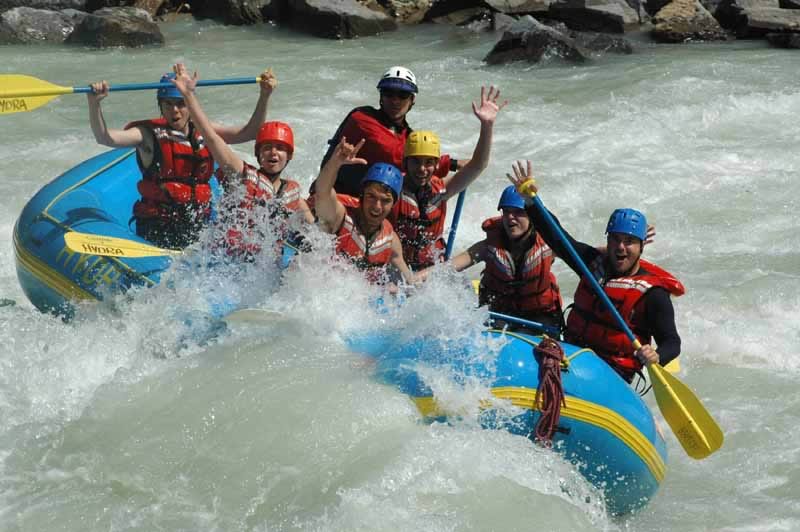
    The vast array of dangerous jobs out there has started to receive more exposure, especially with reality TV recognizing our love to experience these jobs from the comforts of our couch. From coal mining to deep sea fishing, television seems to cover it all. However, a less exposed but speedily growing industry falling into the “dangerous jobs” category is outdoor adventure. Whether it is rock climbing instructors, heli-ski guiding, white water kayak or raft guiding, Canada’s adventure sport scene is booming. An interview with Trevor Cardozo, who has rafted for Canadian Rockies Rafting in the Canmore/Banff area of Alberta, provides some insight on what it takes to work in a job so vastly different from the typical nine-to-five/sit at your desk kind of job that many of us will likely end up in.

    What made you decide to enter the outdoor adventure industry?

    I had done a ten day canoe trip in Quebec when I was in high school, and that was kind of my crash course into the outdoor adventure world. I got accepted into university for a computer related program, but decided to rethink what I wanted to do, and to instead attend Algonquin College’s Outdoor Adventure diploma program, because of my experience on that canoe trip. The Algonquin program became my springboard into a career of climbing, paddling and eventually water raft guiding. Many people enter the industry because of the adrenaline rush, but for me it was more the ability to not be stuck in an office and be in the outdoors all the time.

    How do you deal with the “danger” aspect of the job?

    Always be on your toes, thinking about risk management and minimization. Know the difference between perceived risk and inherent risk, especially in rafting, as people often have a misconceived idea of it, often assuming it may be safer than it actually is.

    What are the some of the skills needed to succeed as a raft guide?

    You have to be really personable, loud and assertive. It is your job to make sure people have a great trip, so you almost need to be an entertainer. Between rapids there can often be quite a bit of time spent on flat water, and you want make sure your customers are not bored.

    What advice would you give to someone who wants to get into the outdoor adventure industry?

    Do it! There are basically two routes to go through. The first being broad outdoor adventure and education training, through companies like NOLS and Outward Bound, or college programs like the one at Algonquin (at the Pembroke ON campus) or Thompson Rivers University (in Kamloops BC). The second way to get into the industry would be to go directly to the company you are interested in working for, with no experience and work your way up.. if you take that route, you need to pay your dues.. work hard, work a lot and maybe even work for free.. but it will be a great learning experience. Specifically with white water rafting, most companies offer a guide training program. Some companies charge for this or others will pay you for it, but not until the end of the season, to ensure guides do not skip out after training and work for another company. A great certification to get that most companies will require is Wilderness First Responder.

  • How to Prepare for the Dorm

    How to Prepare for the Dorm

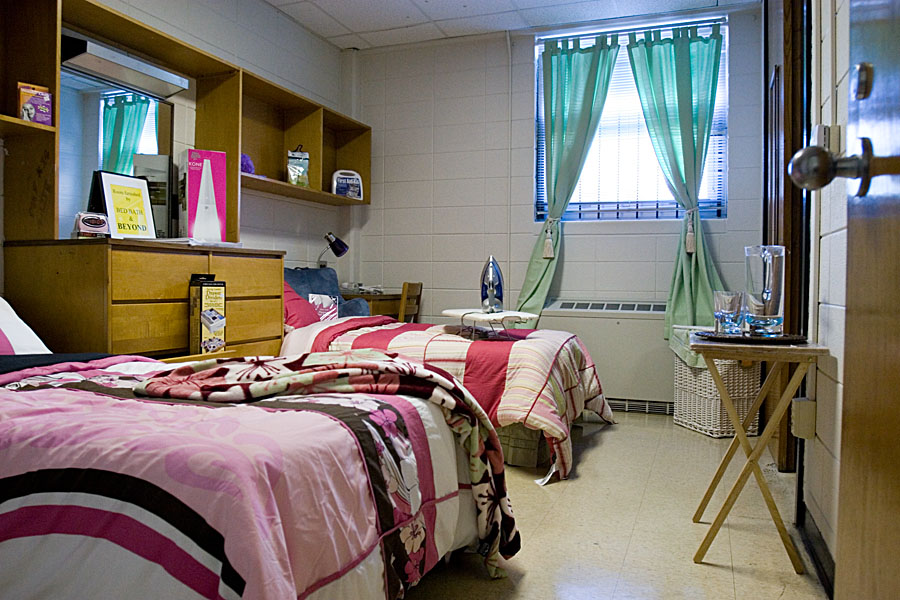
    1. Write a list of the stuff you know you need. A good start can be found below

    * Bedding (sheets, comforter, pillows, mattress pad. A lot of colleges use Twin Extra Long mattresses which are a few inches longer than a regular twin. Do not skip the mattress pad; dorm room mattresses by themselves are not comfortable)

    * Toiletries (shower tote, towels, soap, shampoo, toothbrush, toothpaste, shower sandals, bathrobe)

    * Storage (under-bed plastic tubs, laundry hamper, drawers. Organizing your closet with a shoe rack or sweater organizer is always a good idea.)

    * Personal touches (posters, lamps, Christmas lights, knick-knacks)

    * Clothes (typically bring enough to last you three weeks without having to do laundry; you’re not going to want to do laundry every weekend. A wide variety is good as well so you’re covered no matter what the weather is doing. Remember to bring nice clothes you’d wear to a job interview because you never know if you’ll need to look snazzy.
    * Necessary miscellaneous (fan, alarm clock, refrigerator (optional), bedside lamp, clip-on shelf for your bed frame, laptop, laundry detergent, umbrella)
    2. Take this list to a trusted college graduate who can help you decide what you can do without.
    3. Start thinking about what necessities you need. Those necessities are; a couple pairs of shoes, clothes that are of a wide range (bring summer and winter stuff), shower and bathroom stuff, entertainment stuff.

    Tips

    * Wait until you have moved into your dorm before you begin buying a lot of things. You may find after you get there that that really cool organizer bin will not fit in the room, or the doors are not set up for organizers to be hung from them.

  • Volunteering with Work in Mind

    Volunteering with Work in Mind

    Volunteering thoughtfully is the way to break free from the “no work experience” trap. In high school, students do community service hours and they learn that volunteering is something we have to do selflessly to help contribute to the community we call home.

    While I think it is important to give back to your community, there are many ways to give back outside of the strict volunteer setting – some ways you don’t even intend as giving but your actions simply benefit others as a by-product (look up Adam Smith’s concept of “invisible hand” if this interests you). Formal volunteering, then, you should frame as an exchange. Your time and skills are valuable – try to match them to a job where you will be appreciated and where you can truly give a lot. In other words, chose a volunteering position that works with your schedule and lines up with your skills. Remember, it’s an exchange.

    When choosing a volunteer position, consider how you will grow, learn and gain experience in each position, not just how the company or organization will benefit. This is not selfish and it doesn’t contradict the meaning of volunteering. Think of the actions you want to take in your life and your career: most likely you want to do something that will benefit others and you. Anything else is not sustaining; you would burn out from a lack of fulfilment or a lack of caring for yourself. So, volunteering is giving back to your community and planet in a regenerative way for both you and the receiver.

    Here are some often overlooked ways that volunteering can benefit you: First, think about this position and its impact on potential job interviews. A surprising piece of information is that most job interviews now are example-based. In an interview, you can say that you are “reliable and punctual” but this will mean little to your interviewer until you pull out an example of your previous volunteer position in which you arrived at the fair-trade shop at 7am every Sunday morning to assist your supervisor in opening the shop.

    Next, get a letter of recommendation from your volunteering supervisor. One or two of these and all of a sudden you’re not the only one rooting for your great work habits and abilities in an interview. Letters of recommendation make an employer much more likely to believe all the positive things you say about yourself, because they have a second or third opinion. If you are volunteering for a set duration, ask for a letter near the end of the term. Give your supervisor at least a week’s notice before you need the letter, and she or he will likely be glad to write it for you. If you’ve already completed a volunteering term you can certainly still contact your supervisor now and ask for a letter of recommendation.

    Finally, don’t feel obliged to stay in one volunteer position if it isn’t working for you. The main asset of volunteering is that you get to explore many different career routes without the commitment and stress of a paid job. If your position isn’t giving you anything back – joy or experience or knowledge — give a fair week’s notice of your departure and leave politely, thanking them very much for the opportunity.

    Volunteering is practice for your career, so go out and get the best combination of helping others and benefiting you that is possible!

  • Stay Productive this Summer!

    Stay Productive this Summer!

    As soon as school is over, it’s very tempting to launch straight into “summer mode.” The school year is highly structured – you need to be in class at a certain time each day, which means you have to go to bed and get up at a certain time. When summer starts, that’s all out the window. Suddenly you have lots of free time and you’re going to want to use some of this time to recharge and relax. But taking a little bit of time each day (or even each week) can help to keep you in the habit of being productive and get you ahead not only in school but in life.

    Start Small
    As soon as summer vacation starts, set aside a little bit of time each day to do something productive. This can vary from person to person – it might involve going through your school notebooks and reviewing the ones you think will be useful in the next year, or it might mean spending some time learning Spanish online if that’s something you’ve always meant to do. Setting aside even 30 minutes each day will help you to establish some kind of routine. This will make it much easier to stay in the habit of getting work done.

    Stay Current
    Reading the newspaper, listening to the radio, reading blogs and staying up on current events is a great habit to get into. Knowing what’s going on in the world from a young age will serve you very well by the time you’re finished high school. If your family subscribes to a newspaper, that’s a great way to start. Otherwise, the library carries more newspapers than you could hope to read, and every major newspaper has an online publication and even a Twitter feed.

    Work or Volunteer
    This is especially useful if you think you’ve chosen your future career. For example, if you know that you’d like to go into medicine, you might want to look for volunteer opportunities at local hospitals or clinics. If you want to work in architecture, you could look for a job handling reception for an architectural office. The Ontario government also has a great resource for students looking for job, co-op, or internship opportunities: http://www.gojobs.gov.on.ca/JumpStart.asp

    Here’s wishing you a happy and productive summer 2013!

  • Volunteer Centres in Canada

    Volunteer Centres in Canada

    As you know, all high school students need to have 40 hours of community service in order to graduate. Use this information to discover where your 40 hours can best be used.

    Volunteering and Community Hours

    What is a Volunteer Centre?

    Volunteer Centres are non-profit organizations or groups dedicated to fostering and developing volunteerism in the community as a whole. While other organizations contribute to sustaining our national heritage of volunteering through their programs and outreach, Volunteer Centres serve the broadest membership. Volunteer Centres reach across the non-profit and public sectors to include organizations working in human and social services, health care, education, the arts and recreation – regardless of their source of funding.

    What if my community does not have a Volunteer Centre?

    Volunteer Centres reflect the needs of the community they serve. Volunteer Centres exist primarily to foster and develop volunteerism in the community as a whole. They engage in four general kinds of services and activities:

    1. Promoting volunteerism and raising awareness of the power of service
    2. Building capacity for effective local volunteering through management consulting on volunteer programs and training of managers of volunteer resources
    3. Providing leadership and advocacy on issues relating to volunteerism and volunteer programs
    4. Connecting people with opportunities to serve through recruitment and referral of volunteers to community agencies

    Four Main Reasons to Volunteer

    1. Make a contribution to society.
    2. Share your skills.
    3. Support a cause.
    4. Do something meaningful with your friends and colleagues.

    One of these reasons probably makes sense for you. You may already be working as a volunteer or are thinking about what you might want to do next. Whatever your reason, there are many different opportunities out there – and organizations that need your help.