Category: Trades

  • Career Profile: Baker

    Career Profile: Baker

    Type of Work
    Bakers prepare bread, rolls, muffins, pies, pastries, cakes and cookies in retail and wholesale bakeries and dining establishments. Bakers who are supervisors are included in this unit group.

    Sources of Employment
    Job opportunities will result primarily from the need to replace bakers who will be retiring. Job opportunities will also arise from the need to replace bakers who leave this occupation for other food-related occupations such as cooks or jobs in other fields, or because they have been promoted to chefs or to management positions in the food business, food production or food and beverage industry, or to open up their own bakery or pastry shop.

    People can also advance their careers somewhat within this occupation by moving from baker or pastry cook to pastry chef, for example, or to a supervisory position. Note that the turnover is fairly high in this occupation, as indicated by the relatively high rate of young people aged 15 to 24 (26% compared with 14% for all occupations) and the contrasting low rate of people aged 55 and over (10% compared with 15% for all occupations). These data have been taken from the 2006 census.

    Labour Pool
    Jobs will be accessible to a large number of candidates. First of all, students seeking part-time, evening or weekend work represent a large pool for some of the job opportunities, especially for jobs in food stores. Young people with limited schooling can also access jobs in this occupation by learning the trade from an experienced baker or by taking on-the-job training. Another share of the jobs can be filled by candidates from among the large number of unemployed bakers with experience. Many candidates also come from the immigrant population, as is shown by their substantial presence in this occupation: 23% of jobs in 2006, whereas they filled approximately 12% of jobs in other occupations, according to census data.

    Finally, other jobs will be filled by graduates with a vocational diploma (DEP) in baking and pastry making or a vocational certificate (ASP) in restaurant pastry making. It should be noted that the labour market status of ASP graduates is not really dependent on the outlook in this occupation, because the majority of graduates are in other occupations, such as cook or chef, according to data from the Relance survey conducted by the Department of Education, Recreation and Sport. In addition to being directly linked to the occupation of pastry chef, pastry making is a desirable skill in other cooking and food services occupations

    Employment Characteristics
    According to census data, in 2006 women held approximately 53% of the jobs in this occupation, a percentage that has been rising significantly since 1991 (45%). The annual employment income ($24,256) shown in the “Characteristics” section of the “Statistics” applies only to the 48% of people in this occupation who worked full time and full-year in 2005. The average employment income for those who did not work full time and full-year, including students, was $11,230. Work on weekends, evenings and holidays is frequent. This occupation requires candidates to be in good physical shape because bakers may work long hours on their feet and carry fairly heavy loads. There is some seasonal unemployment from January to April.

    Education and Training
    Candidates can become bakers or pastry cooks without any special training. According to data from the 2006 Census, approximately 57% of the people working in this occupation had no post-secondary education and only 16% of them had a post-secondary diploma or degree in Personal and Culinary Services. Learning from an established baker or pastry cook and on-the-job training are fairly common ways of entering this occupation. Nevertheless, different training programs make it easier to work in this occupation, and are thus an important asset.

    Programs that facilitate access to this occupation are a vocational diploma (DEP) in bakery and pastry making, and an attestation of vocational specialization (AVS) in restaurant pastry making.

    Candidates can obtain a certificate of qualification in bakery. The certificate is sometimes required and is an asset in any case.

    Bakers with Red Seal certification can work anywhere in Canada.
  • Non-Red Seal Trades

    Non-Red Seal Trades

    There is more to the trades than you think – here are other jobs that are part of the trade industry. See if one feels right for you! Click through to see more information on select trades from Service Canada, and check back each month as we feature profiles of some of these exciting careers right here on Jobs People Do.

    Construction Sector
    –Cement (concrete) Finisher
    -Concrete Pump Operator
    –Construction Millwright
    –Electrician (Domestic and Rural)
    -Exterior Insulated Finishing Systems Mechanic
    -Hazardous Materials Worker
    –Heat and Frost Insulator
    – Heavy Equipment Operator
    – Dozer Operator
    – Excavator Operator
    – Tractor Loader, Backhoe Operator
    -Native Residential Construction Worker
    –Painter and Decorator: Industrial
    -Precast Concrete Erector
    –Precast Concrete Finisher
    –Refractory Mason
    –Residential Air Conditioning Systems Mechanic
    –Residential (low rise) Sheet Metal Installer
    -Restoration Mason

    Industrial Sector
    -Bearings Mechanic
    –Blacksmith
    -CNC Programmer
    -Composite Structures Technician
    –Die Designer
    –Draftsperson (Mechanical, Plastic Mould Design, Tool and Die Design)
    -Electrical Control (Machine) Builder
    -Electrician – Signal Maintenance (TTC)
    -Elevating Devices Mechanic
    -Entertainment Industry Power Technician
    -Facilities Mechanic
    -Facilities Technician
    –Fitter-Assembler(Motor Assembly)
    –Gas Technician
    -Hydraulic/Pneumatic Mechanic
    -Light Rail Overhead Contact System Lineperson (TTC)
    -Locksmith
    -Machine Tool Builder and Integrator
    -Mould Designer
    -Mould Or Die Finisher
    -Mould Maker
    -Optics Technician (Lens and Prism Maker)
    –Packaging Machine Mechanic
    –Pattern Maker
    -Precision Metal Fabricator
    -Pressure Systems Welder
    -Process Operator (Food Manufacturing; Power; Refinery, Chemical and Liquid Process; Wood Products)
    -Pump Systems Installer/Mechanic
    –Railway Car Technician
    -Relay and Instrumentation Technician
    -Roll Grinder/Turner
    -Saw Filer/Fitter
    -Ski Lift Mechanic
    –Surface Blaster
    –Surface Mount Assembler
    -Thin Film Technician
    –Tool And Cutter Grinder
    -Tool And Gauge Inspector
    –Tool/Tooling Maker
    –Tractor Trailer Commercial Driver
    –Water Well Driller

    Motive Power Sector
    –Alignment and Brakes Technician
    –Auto Body Repairer – Br.2
    -Automotive Electronic Accessory Technician
    –Automotive Glass Technician
    –Marine Engine Mechanic
    -Motive Power Machinist
    -Powered Lift Truck Technician
    –Small Engine Technician
    -Tire, Wheel and Rim Mechanic
    –Transmission Technician
    -Turf Equipment Technician

    Service Sector
    -Aboriginal Child Development Practitioner
    –Agriculture – Dairy Herdsperson
    –Agriculture – Fruit Grower
    –Agriculture – Swine Herdsperson
    –Arborist
    –Baker
    -Bicycle Mechanic
    –Chef
    –Child and Youth Worker
    -Child Development Practitioner
    –Cook – Assistant Br. 1
    –Developmental Services Worker
    –Educational Assistant
    –Electronic Service Technician
    -Gem Setter/Goldsmith
    -Hardware, Lumber and Building Materials Retailer
    –Service Sector Horse Groomer
    -Horse Harness Maker
    –Information Technology (Hardware Technician,  Network Technician)
    –Institutional Cook
    -IT Contact Centre (Customer Care Agent, Sales Agent, Technical Support Agent)
    -Micro-Electronics Manufacturer
    -Native Clothing and Crafts Artisan
    -Network Cabling Specialist
    –Pool and Hot Tub/Spa Installer
    –Pool and Hot Tub/Spa Service Technician
    –Retail Meat Cutter
    -Saddlery
    –Special Events Coordinator
    -Utility Arborist
    -Wooden Boat Rebuilder/Repairer

  • Hairdressing – Beauty as a Trade

    Hairdressing – Beauty as a Trade

    Hammer, screwdriver, wrench, scissors, shampoo, styling product – on the outside, a career in hairdressing shares little with a career in engineering or construction, yet they’re more similar than one would think.

    Often, when thinking about careers in the trades, the first thought is to the construction, industrial, or automotive industry. In fact, many service-based careers such as chef, child and youth worker, special events coordinator, and hairdresser are also considered skilled trades. Through on-the-job training and in-class sessions, you can become a certified hairstylist.

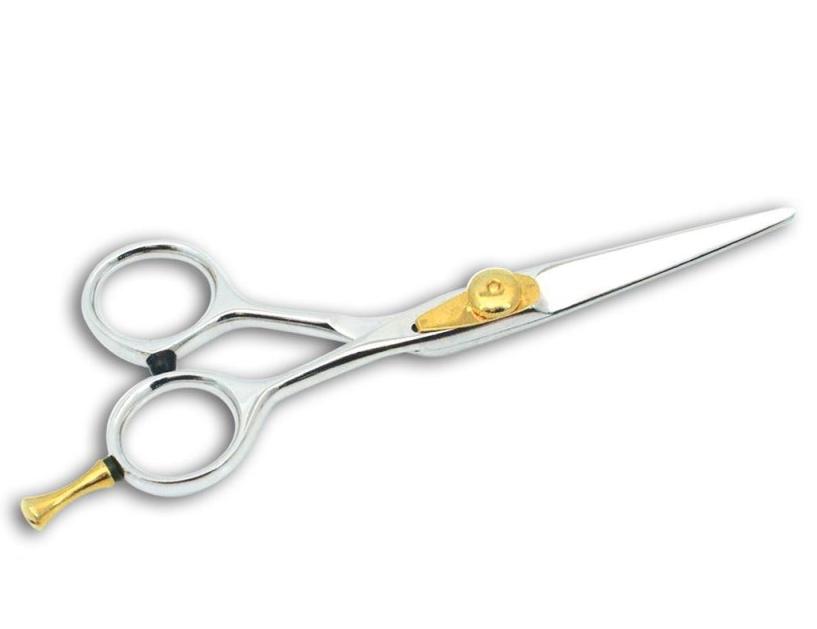
    Similar to a construction worker, a hairdresser prepares their work area with an array of tools including scissors, razors, combs, curling iron, and other specialized apparatus to accomplish different styles and techniques. With training, this equipment can be used to meet clientele needs, whether it be a quick trim or a full make over.

    A position in hairdressing is much more than just styling and beautifying clients. A hairdresser can also be responsible for the training or supervision of other stylists and assistants. Hairdressers are often business-minded individuals; often completing administrative tasks such as record keeping, supply ordering, and salon upkeep.

    A career as a hairstylist fits into the service sector in the Ontario College of Trades, requiring those interested in becoming a hairdresser to earn a Certificate of Qualification through apprenticeship training and examination.

    With individuals always seeking to invest time into looking good and feeling good, there is always a demand for hairstylists. Hairstylists can find work in this high-demand career working for beauty salons, hotels, and hospitals, or working in an at-home salon.

    While contemplating future career options, it’s important to investigate all opportunities available. Many may skip over the skilled trades assuming there aren’t any opportunities suited to their needs; when in fact there are plenty of opportunities within the skilled trades for creative, business-minded, driven individuals seeking a rewarding, high-paying career in a secure industry.

    From construction to automotive to the beauty-inspiring, service-based industry that includes hairdressing, there’s a career in the skilled trades for you.

  • Career Profile: Train Engineer

    Career Profile: Train Engineer

    Depending on how old you are, you might already be learning how to drive a car. How would you like to drive something much larger? One of the biggest vehicles you might ever drive is a train. With experience and education, train (or locomotive) engineers can have good, fulfilling careers.

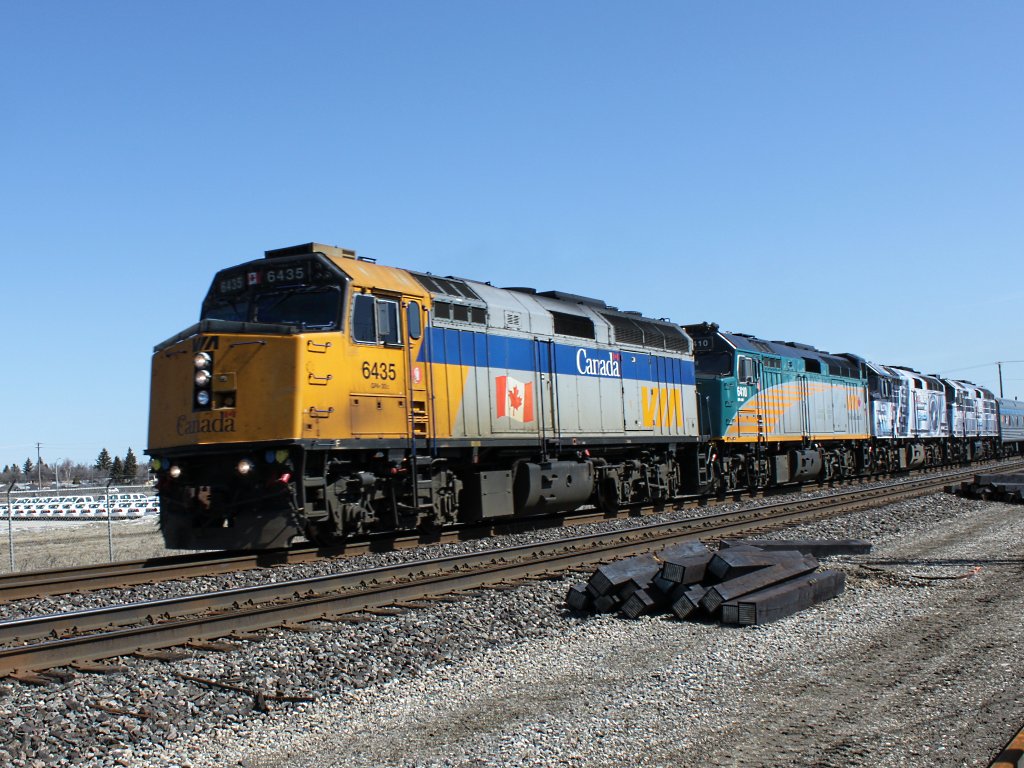
    Travelling by train is not as common now as it once was, but railways are still very important for carrying grain and other goods and for passenger travel. Every day of the year, trains travel around the country, sometimes for short trips and sometimes for long ones. The kinds of people who work on these trains depends on what the trains are carrying, but one person remains the same. Every train has a person who is called a train engineer or locomotive engineer. These are the people who drive the trains and make sure that they get to the right destinations safely.

    Being a locomotive engineer involves much more than just driving a train from one place to another. A lot of the work happens before the train leaves the station, especially in small towns where there are not many staff members to look after everything. In that case, an engineer might check the equipment to make sure that it is working properly and repair anything that is broken or wearing out. This part of the work often requires a lot of mechanical knowledge and the ability to use tools to repair the different parts of the train. Even when other people do the actual repairs to the trains, the engineer should know what changes are necessary.

    Another part of work as an engineer is doing paperwork. This job might include checking forms to make sure that the right amount of grain or lumber is on the train or filling in the proper documents for driving the train over the border into the United States. This part of the job takes practice, and it also requires a fairly good reading ability with complicated documents. Knowledge of mathematics is also helpful. Learning to read and understand technical documents, such as government forms, is a good way to get started.

    Becoming a train engineer does not usually require any special education, but it requires experience. After completing their high school diplomas, people start by trying to get work as conductors on trains. After about two years, they can transfer to the engineer training program and get a certificate which officially allows them to work as engineers. The training covers topics like how to stop and start the train and how to read the signals which tell engineers which track to take and what dangers to look for.

    Locomotive engineers have a lot of responsibility, and they often work long hours with few days to relax between trips. However, experienced engineers can make $95,000 per year, and the average pay is $78,000. For people who enjoy working with machines and who love to travel, a job as a locomotive or train engineer can be ideal.

  • Following Your Heart Into the Trades

    Following Your Heart Into the Trades

    Sometimes it might feel like you’re pressured to have your entire future planned out already. This is a false misconception, especially with the rapid way education and workforce demands are changing. The idea that you need to pursue one life or career path is an outdated one in today’s fast-paced, technologically driven society.

    Unlike in past decades, in the last few years education and work has shifted. It is now becoming more and more common for students to take several programs before they decide on one that they actually enjoy. It is also becoming more common for older members of the workforce to go back to school to re-train or take on new skills and professions to keep up with the competitive job market.

    It may seem like there is a lot of pressure to get into a good college or university or else you won’t be considered “successful”, but this is simply not the case. Many other fields, especially the trades, are accepting employees right out of high school. Due to the growing demand in Canada for tradespeople such as welders, plumbers, pipe fitters, and electricians. Some trades workers are making $50 or more an hour at the age of only twenty-four.

    Money isn’t everything, however, and the most important part of life is enjoying it, which pretty hard to do when you’re doing something that you hate. Yes, money is necessary for things like rent, food and entertainment, but its much more important to be happier and emotionally stable than depressed from spending every day doing something you do not enjoy.

    The world is a large place, and with the internet at your fingertips there is almost no limit to what you can be and accomplish if you set your mind to it. Just because one thing doesn’t work out it doesn’t mean something else won’t. You may even stumble into something that you really enjoy without thinking about it.

    In today’s constantly evolving job market, it’s not uncommon for people to re-train, re-educate and switch professions many times in their life. There are students who spend years at university for a Master’s program but end up going into the trades.

    So while it seems like there is a lot of pressure to choose an education path now, it is important to remember that money and prestige aren’t necessarily going to bring you any sort of happiness – but finding something that you love to do certainly will.

  • Career Profile: Patternmaker

    Career Profile: Patternmaker

    Patternmakers in this unit group create master patterns for the production of garments, footwear and other textile, leather or fur products.

    Examples of Occupational Titles
    -dress patternmaker
    -embroidery patternmaker
    -fur garment patternmaker
    -garment patternmaker
    -leather products patternmaker
    -shoe patternmaker
    -textile products patternmaker

    Sources of Employment
    Job opportunities will result mainly from the need to replace patternmakers who will be retiring or leaving this occupation to work in other occupations or because they have been promoted to fashion designer or management positions in the clothing industry.

    People can advance their careers somewhat within the same occupation. Thus some applicants in this occupation start out as graders responsible for adapting patterns to different sizes, before obtaining positions as patternmakers.

    Industries
    According to census data, in 2006 more than 75% of patternmakers – textile, leather and fur products worked in manufacturing, primarily in the clothing industry (approximately 68%). As well, 12% worked in the clothing retail and wholesale trade and 6% in design services. Since jobs in design services and in retail and wholesale trade are also related to the manufacture of garments, generally in companies that sell clothing, and design clothing lines and prepare their own patterns before contracting out the production, it can be concluded that in 2006 more than 85% of jobs in this occupation were related to the manufacture of clothing.

    There are proportionally many more patternmakers in the women’s and children’s clothing industries than there are in the men’s clothing industry. In fact, the men’s clothing industry usually has a much smaller selection of varieties and styles, and is characterized by mass production.

    Education and Training
    It is possible for candidates to find work in this occupation if they have extensive experience in the clothing industry. However, considering the growing use of computer tools in this occupation, successful completion of specialized training is increasingly required.

    Thus employers usually require at least a vocational diploma (DEP) in apparel design. A diploma of collegial studies (DEC) in fashion design are sometimes required. The DEC is an important asset for promotion to fashion designer or supervisory positions.

    Basic knowledge or experience of garment construction may be required, as patternmakers are sometimes asked to sew samples and to alter patterns in order to maximize the cost-effectiveness of sewing activities.

  • Choosing a Trade

    Choosing a Trade

    With more than 200 trades across Canada to choose from, finding the right one can seem challenging. Here are some tips to help you identify what would be a perfect career choice for you.

    Consider a wide range of trades
    Do you like working in the garden, or fixing your car? Do you enjoy home maintenance projects or styling hair? Get familiar with the many trade choices first, and think about what work you like to accomplish.

    Narrow your choices down to 5 or fewer trades
    Keep it manageable by narrowing down your choices. Get as familiar as you can with the work, to see if you’d like it.

    Observe a trade or participate in a youth apprenticeship or pre-apprenticeship program
    Some school boards offer Observe a Trade days, which will give you the opportunity to see what’s involved in your favourite trades. For something more comprehensive, you can also participate in a pre-apprenticeship program, which gives you practical, on-the-job training with hours that are often transferable to your full apprenticeship.

    Talk to people who work in the trade
    See if you can get in touch with a journeyperson who works in the trade you’ve targeted, to see what advice they can give you. This is a great way to learn some tips from those who have already been there.

  • Non-Red Seal Trades

    Non-Red Seal Trades

    There is more to the trades than you think – here are other jobs that are part of the trade industry. See if one feels right for you! Click through to see more information on select trades from Service Canada, and check back each month as we feature profiles of some of these exciting careers right here on Jobs People Do.

    Construction Sector
    –Cement (concrete) Finisher
    -Concrete Pump Operator
    –Construction Millwright
    –Electrician (Domestic and Rural)
    -Exterior Insulated Finishing Systems Mechanic
    -Hazardous Materials Worker
    –Heat and Frost Insulator
    – Heavy Equipment Operator
    – Dozer Operator
    – Excavator Operator
    – Tractor Loader, Backhoe Operator
    -Native Residential Construction Worker
    –Painter and Decorator: Industrial
    -Precast Concrete Erector
    –Precast Concrete Finisher
    –Refractory Mason
    –Residential Air Conditioning Systems Mechanic
    –Residential (low rise) Sheet Metal Installer
    -Restoration Mason

    Industrial Sector
    -Bearings Mechanic
    –Blacksmith
    -CNC Programmer
    -Composite Structures Technician
    –Die Designer
    –Draftsperson (Mechanical, Plastic Mould Design, Tool and Die Design)
    -Electrical Control (Machine) Builder
    -Electrician – Signal Maintenance (TTC)
    -Elevating Devices Mechanic
    -Entertainment Industry Power Technician
    -Facilities Mechanic
    -Facilities Technician
    –Fitter-Assembler(Motor Assembly)
    –Gas Technician
    -Hydraulic/Pneumatic Mechanic
    -Light Rail Overhead Contact System Lineperson (TTC)
    -Locksmith
    -Machine Tool Builder and Integrator
    -Mould Designer
    -Mould Or Die Finisher
    -Mould Maker
    -Optics Technician (Lens and Prism Maker)
    –Packaging Machine Mechanic
    –Pattern Maker
    -Precision Metal Fabricator
    -Pressure Systems Welder
    -Process Operator (Food Manufacturing; Power; Refinery, Chemical and Liquid Process; Wood Products)
    -Pump Systems Installer/Mechanic
    –Railway Car Technician
    -Relay and Instrumentation Technician
    -Roll Grinder/Turner
    -Saw Filer/Fitter
    -Ski Lift Mechanic
    –Surface Blaster
    –Surface Mount Assembler
    -Thin Film Technician
    –Tool And Cutter Grinder
    -Tool And Gauge Inspector
    –Tool/Tooling Maker
    –Tractor Trailer Commercial Driver
    –Water Well Driller

    Motive Power Sector
    –Alignment and Brakes Technician
    –Auto Body Repairer – Br.2
    -Automotive Electronic Accessory Technician
    –Automotive Glass Technician
    –Marine Engine Mechanic
    -Motive Power Machinist
    -Powered Lift Truck Technician
    –Small Engine Technician
    -Tire, Wheel and Rim Mechanic
    –Transmission Technician
    -Turf Equipment Technician

    Service Sector
    -Aboriginal Child Development Practitioner
    –Agriculture – Dairy Herdsperson
    –Agriculture – Fruit Grower
    –Agriculture – Swine Herdsperson
    –Arborist
    –Baker
    -Bicycle Mechanic
    –Chef
    –Child and Youth Worker
    -Child Development Practitioner
    –Cook – Assistant Br. 1
    –Developmental Services Worker
    –Educational Assistant
    –Electronic Service Technician
    -Gem Setter/Goldsmith
    -Hardware, Lumber and Building Materials Retailer
    –Service Sector Horse Groomer
    -Horse Harness Maker
    –Information Technology (Hardware Technician,  Network Technician)
    –Institutional Cook
    -IT Contact Centre (Customer Care Agent, Sales Agent, Technical Support Agent)
    -Micro-Electronics Manufacturer
    -Native Clothing and Crafts Artisan
    -Network Cabling Specialist
    –Pool and Hot Tub/Spa Installer
    –Pool and Hot Tub/Spa Service Technician
    –Retail Meat Cutter
    -Saddlery
    –Special Events Coordinator
    -Utility Arborist
    -Wooden Boat Rebuilder/Repairer

  • Skilled Trades Workers Key Drivers of Canadian Economy

    Skilled Trades Workers Key Drivers of Canadian Economy

    Nearly half of Canadians don’t know how to install a faucet, replace a zipper or change a flat tire, a new survey has found.

    “There’s a serious underlying message here that many Canadians are lacking basic, practical knowledge when it comes to completing everyday skills, admitting they require help,” Skills/Competences Canada CEO Shaun Thorson said in a release about the survey.

    The survey, conducted April 12 to 16, asked 1,011 Canadians in telephone interviews whether they could complete certain tasks. The results are considered accurate to within 3.1 percentage points, 19 times out of 20.

    The Harris/Decima survey found 46% of Canadians don’t know how to install a bathroom or kitchen faucet, while 14% said they have no idea how to turn off the water main in their home.

    When it comes to fixing their clothes, 45% of Canadians said they can’t replace a zipper. This percentage jumped to 63% when just the men were counted.
    About a third of Canadians – 31% – don’t know how to install a light fixture.

    As well, 28% of Canadians don’t know how to change a flat tire – but when looking at just the women’s answers, that jumps to 48%.

    “Industries that depend on skilled trade workers are key drivers of the Canadian economy contributing over 50% of Canada’s GDP. But the growing shortage of skilled trade workers is not only a concern for industry – it is only a matter of time before every Canadian will feel the impact in their everyday lives,” Thorson said.

    Skills/Competences Canada commissioned the survey. The organization promotes careers in skilled trades and technologies.

  • Non-Red Seal Trades

    Non-Red Seal Trades

    There is more to the trades than you think – here are other jobs that are part of the trade industry. See if one feels right for you! Click through to see more information on select trades from Service Canada, and check back each month as we feature profiles of some of these exciting careers right here on Jobs People Do.

    Construction Sector
    –Cement (concrete) Finisher
    -Concrete Pump Operator
    –Construction Millwright
    –Electrician (Domestic and Rural)
    -Exterior Insulated Finishing Systems Mechanic
    -Hazardous Materials Worker
    –Heat and Frost Insulator
    – Heavy Equipment Operator
    – Dozer Operator
    – Excavator Operator
    – Tractor Loader, Backhoe Operator
    -Native Residential Construction Worker
    –Painter and Decorator: Industrial
    -Precast Concrete Erector
    –Precast Concrete Finisher
    –Refractory Mason
    –Residential Air Conditioning Systems Mechanic
    –Residential (low rise) Sheet Metal Installer
    -Restoration Mason

    Industrial Sector
    -Bearings Mechanic
    –Blacksmith
    -CNC Programmer
    -Composite Structures Technician
    –Die Designer
    –Draftsperson (Mechanical, Plastic Mould Design, Tool and Die Design)
    -Electrical Control (Machine) Builder
    -Electrician – Signal Maintenance (TTC)
    -Elevating Devices Mechanic
    -Entertainment Industry Power Technician
    -Facilities Mechanic
    -Facilities Technician
    –Fitter-Assembler(Motor Assembly)
    –Gas Technician
    -Hydraulic/Pneumatic Mechanic
    -Light Rail Overhead Contact System Lineperson (TTC)
    -Locksmith
    -Machine Tool Builder and Integrator
    -Mould Designer
    -Mould Or Die Finisher
    -Mould Maker
    -Optics Technician (Lens and Prism Maker)
    –Packaging Machine Mechanic
    –Pattern Maker
    -Precision Metal Fabricator
    -Pressure Systems Welder
    -Process Operator (Food Manufacturing; Power; Refinery, Chemical and Liquid Process; Wood Products)
    -Pump Systems Installer/Mechanic
    –Railway Car Technician
    -Relay and Instrumentation Technician
    -Roll Grinder/Turner
    -Saw Filer/Fitter
    -Ski Lift Mechanic
    –Surface Blaster
    –Surface Mount Assembler
    -Thin Film Technician
    –Tool And Cutter Grinder
    -Tool And Gauge Inspector
    –Tool/Tooling Maker
    –Tractor Trailer Commercial Driver
    –Water Well Driller

    Motive Power Sector
    –Alignment and Brakes Technician
    –Auto Body Repairer – Br.2
    -Automotive Electronic Accessory Technician
    –Automotive Glass Technician
    –Marine Engine Mechanic
    -Motive Power Machinist
    -Powered Lift Truck Technician
    –Small Engine Technician
    -Tire, Wheel and Rim Mechanic
    –Transmission Technician
    -Turf Equipment Technician

    Service Sector
    -Aboriginal Child Development Practitioner
    –Agriculture – Dairy Herdsperson
    –Agriculture – Fruit Grower
    –Agriculture – Swine Herdsperson
    –Arborist
    –Baker
    -Bicycle Mechanic
    –Chef
    –Child and Youth Worker
    -Child Development Practitioner
    –Cook – Assistant Br. 1
    –Developmental Services Worker
    –Educational Assistant
    –Electronic Service Technician
    -Gem Setter/Goldsmith
    -Hardware, Lumber and Building Materials Retailer
    –Service Sector Horse Groomer
    -Horse Harness Maker
    –Information Technology (Hardware Technician,  Network Technician)
    –Institutional Cook
    -IT Contact Centre (Customer Care Agent, Sales Agent, Technical Support Agent)
    -Micro-Electronics Manufacturer
    -Native Clothing and Crafts Artisan
    -Network Cabling Specialist
    –Pool and Hot Tub/Spa Installer
    –Pool and Hot Tub/Spa Service Technician
    –Retail Meat Cutter
    -Saddlery
    –Special Events Coordinator
    -Utility Arborist
    -Wooden Boat Rebuilder/Repairer