Category: Trades

  • Trades Career Profile: Concrete Form Worker

    Trades Career Profile: Concrete Form Worker

    Concrete is one of the most popular building materials, and it’s used to construct everything from residential houses and sidewalks to high-rise buildings and bridges.  Construction firms that work with concrete employ skilled tradespeople called concrete form workers, or concrete masons.

    Concrete form workers are tradespeople who build the wooden forms and pour concrete in order to build a structure.  They read blueprints and determine the specifications and measurements required, then cut and construct the wooden forms using tools such as hand saws, power saws, hammers and nails, and powered nail guns.  They understand the proper way to pour concrete and how to monitor concrete while it sets to ensure that it does so properly and with the correct finish and texture.

    They are also responsible for installing stabilizing materials, such as wire mesh or steel rebar, when building the forms for more complicated structures.  Other tasks include using trowels and tools to move liquid concrete through a form or to smooth concrete surfaces, adding colour or texture, or applying sealants and other coatings.

    Working as a concrete mason is a demanding physical labour job involving heavy lifting, carrying heavy loads, using various tools, and bending/climbing. This requires workers who have good physical strength and endurance.  Much of the work occurs outside and requires the ability to work in the sun or fairly hot or cold temperatures.  Working with concrete is highly dependent on temperature and weather conditions, so depending on the area of Canada you work, these jobs can be available all year round, or only seasonally during the non-winter months.

    Concrete form workers require a high school diploma and enter the trade directly through a three or four-year apprenticeship program where they learn on the job and complete their training.  While not always required, it is often recommended to pursue some additional college or trades school courses in carpentry or similar skills.  For those who wish further certification, there is a Red Seal certification program available in all provinces.

    Wages for concrete form workers begin around $22 per hour for beginners and entry-level jobs.  Progressing through apprenticeship requirements and earning professional certifications and experience can lead to wages in the area of $48 per hour.  As most cities and towns are regularly building new infrastructure, industrial buildings, and residential buildings, there is usually steady, regular work available in this career.

    As with many skilled trades, there are multiple career paths you can follow depending on how you want to work.  If you prefer working within an established company, there are many construction companies that hire form workers and complete projects at the municipal, provincial, and national level, both for public projects and private projects.  Alternatively, if you prefer to work for yourself, you can establish yourself as an independent contractor who works on contract for larger companies, or who owns their own business to complete smaller jobs at the local level, such as home improvement and landscaping projects.

    Sources:

    https://www.jobbank.gc.ca/marketreport/occupation/6401/22437

    https://work.chron.com/job-description-concrete-form-laborer-18147.html

  • Career Profile: Foresters (French version available)

    Career Profile: Foresters (French version available)

    Trees are important in our world for producing oxygen, providing a home for animals, and giving us wood to use. Although cities and towns also have trees, forests have the largest number of trees, and keeping them safe is important. If you want to help, the job of forester might be a good choice for you.

    Maintaining forests can be difficult. Every year, fires burn large numbers of trees, or diseases kill them. People cut trees down to use for fuel or to make into tables, chairs, or other objects. Keeping forests from disappearing or dying can be a complicated job. Foresters keep track of the health of forests and work to reduce threats to the trees.

    Many activities can be part of a forester’s work. They might help restore a forest by planning tree planting projects, work with conservation, regulate logging activities, and manage areas that are protected. This work involves research about trees and other plants, animals, and anything else that affects the health of the forests.

    Some of the work that foresters do is based in laboratories and offices, but some is out in the forests, taking soil samples and checking for problems that they might find. Often, foresters work with others, but they should also be able to work alone. Indoor work can be very detailed and can be tedious at times, but the outdoor work can be strenuous. Although foresters can work in this field until retirement, they might want to reduce their outdoor work as they age. Being prepared for bad weather is important.

    Requirements for this job vary, but foresters generally need at least a bachelor’s degree in forest management, natural resources, or a similar subject. Almost all universities have three- or four-year degrees in these areas. In high school, courses in biology, mathematics, natural resources, and computers can be useful. As always, English courses are also beneficial. Foresters need to keep up with new research and information. Being able to read and understand this information is very important.

    Finding work as a forester can be difficult, but job prospects in Canada will likely improve as people retire. Jobs are available in timber companies, governments, provincial and national parks, universities, and elsewhere. Some foresters are self-employed, working as consultants for various companies and agencies. They might even work for small companies or occasionally for individuals.

    Salaries for foresters depend on where they work and how much experience they have. Generally, salaries start at about $45,000 per year and can rise to $99,000 per year. Although foresters can do much of their research work from almost anywhere, living close to forests is best. Often, this means living quite far north, but some people can work with urban forests or other areas with trees.

    Working as a forester involves both theoretical and practical tasks. People in this job need to be able to deal with difficult situations, such as non-functioning equipment or sometimes wild animals that live in the forests. Being prepared for emergencies is important. Besides that, knowing the job well can help foresters when they are under pressure to finish a project.

    Working as a forester can be a good way of helping to preserve Canada’s trees. If you like both practical and theoretical work, this could be a good job for you.


    Bibliography:

    AgCareers.com. “Career Profiles: Forester.” https://www.agcareers.com/career-profiles/forester.cfm.

    Eco Canada. “Forester.” https://eco.ca/career-profiles/forester/.

    Job Bank. “Forester in Canada.” https://www.jobbank.gc.ca/marketreport/wages-occupation/2733/ca.

    Payscale Canada. “Average Forester Salary in Canada.” https://www.payscale.com/research/CA/Job=Forester/Salary.

  • Being an Entrepreneur

    Being an Entrepreneur

    When people are young, they might dream of the freedom that they will have as adults. For some of them, part of that dream might be to become an entrepreneur, living a risky but exciting life with a lot of freedom but also responsibility. Although entrepreneurship can be very satisfying, it involves risks that people should consider before they begin that life.

    The first thing to consider is the difference between an entrepreneur and a freelancer. Working as a freelancer can often lead people to become entrepreneurs, but they can be two very different things. Basically, a freelancer has no official employer but instead works for many different people, whether the work is pet care, house painting, or something completely different.

    An entrepreneur builds a company and often employs other people to work there. A freelance dog walker, for example, would go to different places and take the dogs out, but an entrepreneur might organize the schedule and hire others to do the actual pet care. Often, entrepreneurs ask people to invest money in the company, and they get a portion of the profits.

    People can be entrepreneurs in almost any area of work. They might help others buy and sell houses, start a restaurant, or even run a dental office. The hours can be very long, and the amount of money they make depends on how successful they are. If you want a regular schedule and dependable pay, the life of an entrepreneur is probably not for you.

    Being an entrepreneur can also be very stressful. There can be tight deadlines to finish projects, and other people’s jobs often depend on the entrepreneur’s abilities. As the business becomes established, entrepreneurs can take more time off, but the first few years or even longer can be very busy.

    Why would anyone become an entrepreneur with all of the stress and hard work that it involves? This type of work can be very exciting, and it can pay well for people with good ideas and the ability to work hard. Entrepreneurs generally have a lot of freedom to choose their own hours, and once the business is going well, they can decide how much of the work they want to do themselves. They can take holidays whenever it works for them, and they can move on to another project when they want.

    Some people are well-suited to being entrepreneurs. The ability to talk with other people and to persuade them to invest in the company is essential to entrepreneurs, making this type of work very difficult for shy people. However, almost anyone can learn to give presentations and to talk to investors, as long as they can manage the stress.

    Two very important aspects of being an entrepreneur are patience and persistence. Starting a business can be a very slow process, and it can take years before an entrepreneur will really be successful. If you want to be an entrepreneur, the best place to start might be freelancing in an area that you would like to pursue later. Then, if you have a great idea for a new business, you’ll already be a step ahead of others.

    Bibliography:

    Entrepreneur.com. “Entrepreneurship vs. Freelancing: What’s the Difference?” https://www.entrepreneur.com/article/285804.

    Future of Working.co. “8 Advantages and Disadvantages of Entrepreneurship.” https://futureofworking.com/8-advantages-and-disadvantages-of-entrepreneurship/.

    First Institute. “The Good and Bad of Being an Entrepreneur: The Pros and Cons Explained.” https://www.first.edu/the-good-and-bad-of-being-an-entrepreneur-pros-and-cons-explained/.

  • Career Profile: Locksmith (French version available)

    If you have ever locked your keys in your house or need to install a new lock on a door, chances are you would have to call a locksmith.  These professionals are experts in knowing how to install, repair, pick to unlock, and remove all different types of locks, including both key and pin locks and electronic locks for commercial and residential use.

    Locksmiths usually attend a college program to learn the basics of locksmithing and earn a diploma or certificate.  This can be followed up with an apprenticeship to learn the real ins and outs of working in the trade.  In some provinces, taking an apprenticeship is mandatory, while in others it is optional.  Be sure to do your research and find out everything you need to have in order to work as a locksmith in your province.

    During a locksmithing college program, you will learn how to install and fix both key and electronic locks, how to identify different keys and locking mechanisms, as well as the basics of electronic alarm systems, automotive locks, and how to operate a key duplication machine.  Locksmiths will also learn how to assess a building for security and how to make recommendations for security solutions.

    If you do not live in a town with a college campus where you can attend in person, many colleges now offer the courses you need for a lockpicking diploma through online learning.  This means that you can enroll in the program remotely and study at home by accessing the course materials over the Internet.  This is a good solution for students who live in remote communities or who do not want to move to a new city in order to attend college.

    Most locksmiths begin working with an established company, but between a college program and apprenticeship experience, you will also learn how to begin your own locksmithing business in the future.  In Canada, whether you need to complete a test and earn a professional license will depend on which province you live in.  Alberta, for example, requires all locksmiths to have a professional license; however, other provinces may not have this requirement.

    A professional locksmith typically earns between $15.61 an hour for early-career stage up to around $30.41 an hour for a more experienced worker.  Salaries can range between $33,000 and $74,000 per year.  The number of hours you work will vary depending on where you work.  For example, a locksmith working for a hardware store or other business with regular open and close times can rely on having a predictable schedule.

    If you own and operate your own locksmith business, however, you can expect hours to be more variable, as well as sometimes incorporating on-call services for emergencies outside of regular business hours.  This can include working in the middle of the night, on weekends, and on holidays.  However, locksmiths can often charge a premium rate to accommodate these kinds of work requests.

    Sources:

    https://www.payscale.com/research/CA/Job=Locksmith/Hourly_Rate

    https://careertrend.com/how-6740001-become-locksmith-canada.html

  • Career Profile: Blacksmith

    Career Profile: Blacksmith

    The term “blacksmith” might make you think of someone from previous centuries who makes horseshoes or swords. However, blacksmiths are still important today for the work they do in making objects from metal, and this trade can be a good choice for people who like to work with their hands. This trade can allow people the chance to do important work that helps in manufacturing and other fields. Working as a blacksmith could be ideal for your interests and skills.

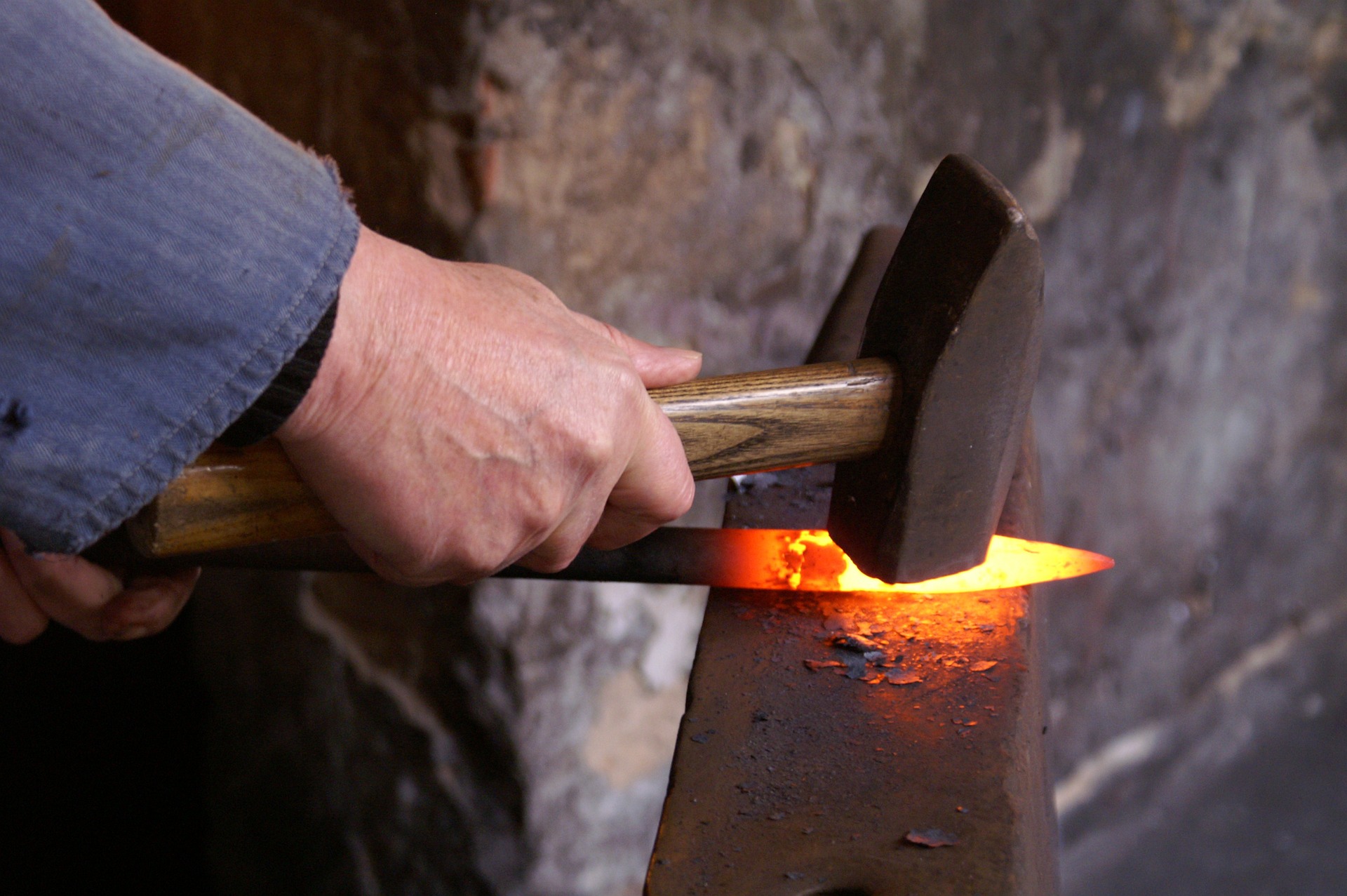
    Like with many other jobs that have been around for years, the career of blacksmithing has changed. However, many of the basic aspects remain very similar. Blacksmiths use fire in a forge to heat and soften metal. Then they put the hot metal on an anvil and hammer it into different shapes to make into metal railings, door handles, and many other objects. People in this trade often work in factories, but they can also work on their own or with one or two other people.

    Strength and endurance are necessary qualities for blacksmiths. Working with heavy pieces of metal next to a fire can be difficult, and the hours can be long. However, the trade can also be creative since blacksmiths can create their own designs or work with ideas that other people bring to them. Working with interior designers or other people in related fields can give blacksmiths ideas for what they need to learn and how they can help their customers.

    Normally, blacksmiths can find work with a high school education, but an associate degree in industrial technology or metalworking can be helpful for giving blacksmiths the background in how the trade works. Apprenticeships are also good ways of learning the skills necessary for the work. Contacting local factories is a good place to start. In high school, any kind of program that teaches people to work with their hands, such as woodworking or other industrial arts courses, can be useful. As always, English courses are useful for being able to read instructions, and mathematics courses are good for learning to calculate amounts.

    Many trades are seasonal, and blacksmithing can sometimes be the same. However, people still need doorknobs and other metal parts even in winter, and blacksmiths can often find work to do when construction stops for the season. However, having another type of work to do in the winter can help blacksmiths maintain a steady income throughout the year. Currently, career prospects for this trade are fair to good, depending on the region.

    Salaries for blacksmiths vary from one province to another and increase with experience. Hourly wages can rise to $22 per hour, and annual salaries range from $44,000 to $50,000. Larger companies generally have more opportunities for promotions, but the range of work might be limited. Smaller companies tend to pay lower wages, but the work is often quite varied.

    Working as a blacksmith can be a good job for people who have strength, endurance, and creativity. You might want to explore this career if you have the qualities necessary for the job.


    Bibliography:

    Job Bank. “Blacksmith – Manufacturing in Canada.” https://www.jobbank.gc.ca/marketreport/outlook-occupation/26846/ca.

    Ontario Colleges. “What to Expect from a Blacksmith Career.” https://www.ontariocolleges.ca/en/programs/arts-and-culture/blacksmith.

    Payscale Canada. “Average Blacksmith Hourly Pay in Canada.” https://www.payscale.com/research/CA/Job=Blacksmith/Salary.

    Ziprecruiter. “What Is a Blacksmith and How to Become One.” https://www.ziprecruiter.com/Career/Blacksmith/What-Is-How-to-Become.

  • Career Profile: Farmers and Ranchers

    Career Profile: Farmers and Ranchers

    If you look at your next meal, you might see meat, fruit, vegetables, or other kinds of food that comes from farms or ranches. The work that farmers and ranchers do is important for helping to feed people and to keep them healthy. If you enjoy working outdoors and helping to provide food for your community, why not consider a career as a rancher or farmer?

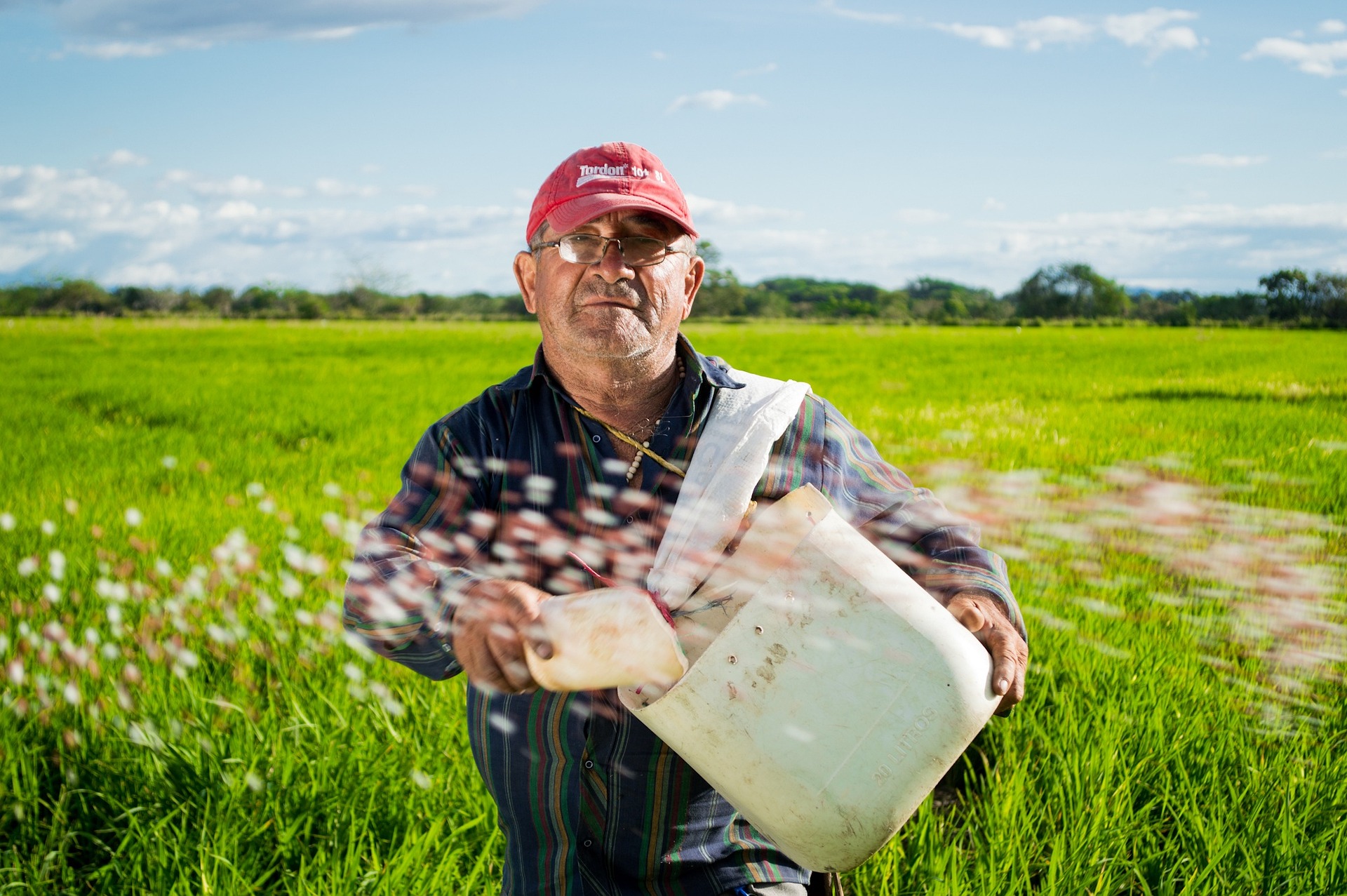
    Canada has many different kinds of farmers and ranchers. Some may be dairy farmers who keep large herds of cattle or grain farmers with huge fields of grain or greenhouses full of fruit. Ranchers might raise sheep, cattle, or other animals. Both jobs can involve hard physical work and require people to be outside in all kinds of weather, but they can be good choices for anyone who likes to be active.

    Farmers and ranchers often work directly with taking care of animals or planting and harvesting crops, but they might also train others to do the work. They need to be able to take care of the business side of the work, as well, including selling what they grow and dealing with budgets and anything else that needs to be done. Supervising farm workers or ranch helpers is also important to make sure that they have the right skills and knowledge.

    Some farmers and ranchers own the property where they work, but others rent the land. Salaries range from just over $36,500 per year and can rise to $50,910. Ranching and farming are heavily dependent on the weather. In very dry or very rainy years, crops can fail, or animals can have trouble finding enough land for grazing. Having a second source of income can be important, especially in winter when nothing grows outside. Working with plants in greenhouses can be one way of keeping busy in the colder months of the year while also earning an income.

    Educational requirements for farmers and ranchers vary, but a high school diploma with courses in courses in English and mathematics is helpful. A university degree or college diploma in a field such as animal husbandry or agriculture can also help to give people the knowledge they need to keep a farm or ranch running smoothly. Taking courses in business management can be useful for learning how to deal with budgets, wages for employees, and other aspects of the work.

    Hard physical work is often part of these jobs. Machinery can help relieve some of the most difficult tasks, but ranching and farming still involve long hours of work in all kinds of weather. As people age, they might want to move to more supervisory roles instead of continuing with the more active work. Helping to train younger people in the job can be one way of staying involved even when the active work becomes too difficult.

    A career as a farmer or rancher is difficult and can involve long hours, but the chance to work on the land and to provide food for other people can be very rewarding. If you enjoy growing plants or working with animals, it could be the right job for you.


    Bibliography:

    Career Planner. “Farmers and Ranchers.” https://job-descriptions.careerplanner.com/Farmers-and-Ranchers.cfm.

    Indeed.com. “Working as a Rancher: What They Do, Key Skills and Tips to Succeed.” https://www.indeed.com/career-advice/finding-a-job/rancher-job.

    Talent.com. “Farmer average salary in Canada, 2025.” https://ca.talent.com/salary?job=Farmer.

  • Career Profile: Arborist

    Career Profile: Arborist

    If you look at trees in your yard or a park, you might think that they just grow on their own. However, some people can have careers in looking after trees. Arborists are tree specialists who use their skills to keep trees healthy in cities, towns, and forests.

    Working as an arborist involves both labour and research. Arborists gather information about the health of trees, testing the bark and the leaves or needles, and the soil. They take the samples back to a lab to analyze them for disease or anything else that might affect the health of the plants, such as insects in the bark or a lack of nutrients in the soil. If they can, they treat the trees for any health problems they have.

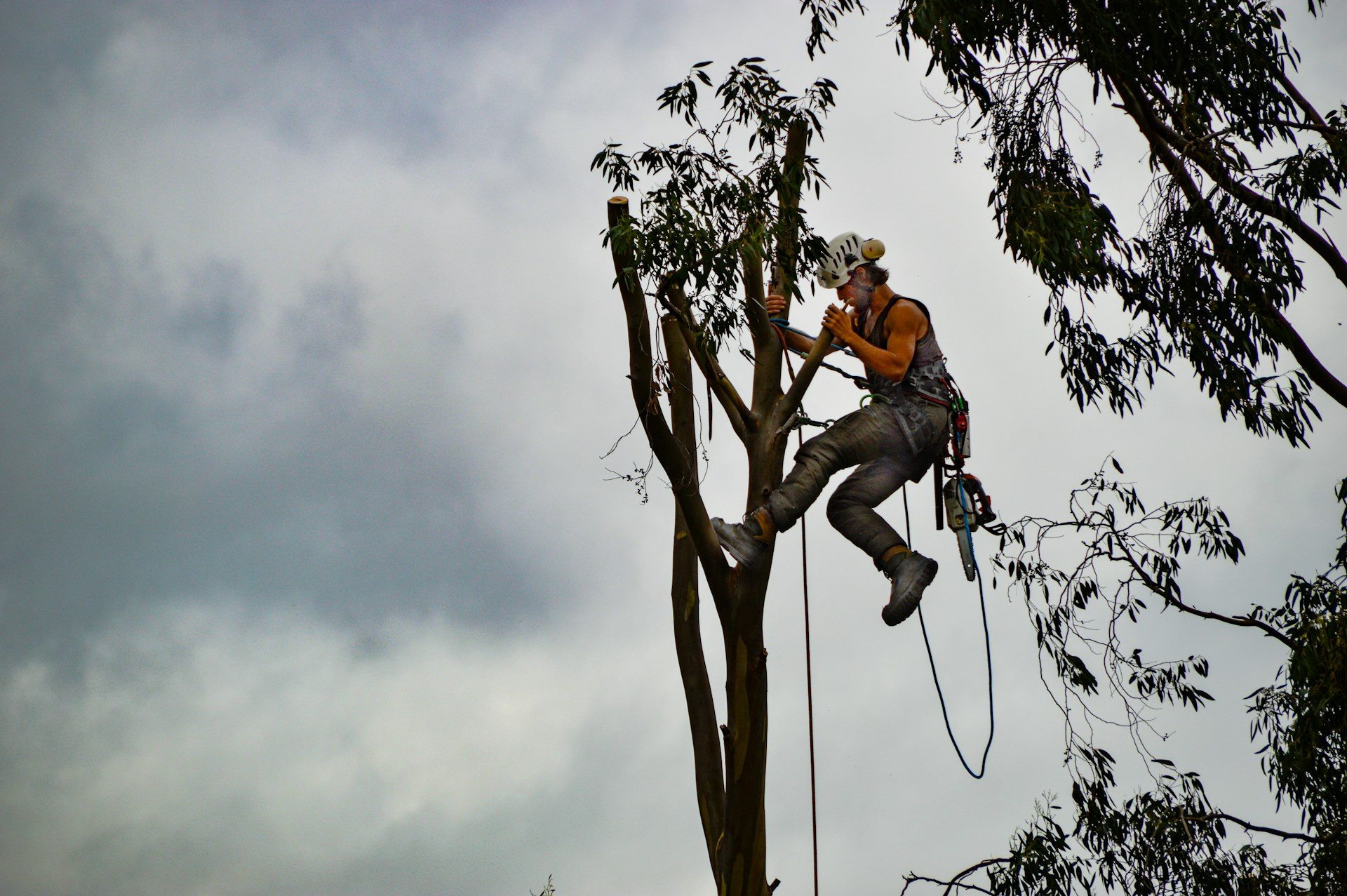
    Part of this work is assessing which branches of a tree need to be cut off, a task called pruning. Sometimes the decision is based on what the tree looks like and what shape people want it to be. Sometimes, however, the decision is based on safety or property issues, such as whether a branch is near a power line or hanging over another person’s property. Arborists can assess where to cut branches off to keep the trees looking nice without endangering their future growth.

    Checking for possible safety hazards is another part of the job, especially in urban areas. If trees die and rot or are weakened by a storm, they can fall onto people or cars as they go by. Arborists check for potential problems like these to make sure that people are safe near trees. Each kind of tree is different and needs a separate assessment. The age of a tree can also make a difference since trees that are either very old or very young tend to be more fragile than at other stages of their growth.

    Since the job involves both indoor and outdoor work, arborists should be prepared for long hours in offices or labs but also for time outside in cold or rainy weather. Arborists can work for governments, universities, and sometimes even for large companies. Although the most intense work is in the warmer months of the year, arborists can also spend the winter doing research or finishing projects that they began earlier in the year. Location can have a large effect on an arborist’s work since an area like Manitoba with long, cold winters will have less outdoor work than a place like the coast of British Columbia.

    Required education for arborists varies, depending on the employer. Normally, however, at least a high school education with English and mathematics courses is required. However, many employers are likely to require at least a bachelor’s degree in an area such as horticulture, agriculture, or botany. These degrees are normally at least three years at a university, although similar programs can also be available at community colleges or other schools.

    Salaries for trained arborists start at about $49,000 and can rise to $66,000 per year. In some cases, people working with arborists can start at about $15 per hour and earn up to about $40 per hour as they gain experience. Some of the work can be physically difficult or tedious. In some cases, wild animals might also be a danger.

    The work of arborists is very important for the health of people, plants, and animals. For people who enjoy working with trees and who like solving problems, the job of an arborist is a good choice.


    Bibliography:

    ALIS. “Arborist: Occupations in Alberta.” https://alis.alberta.ca/occinfo/occupations-in-alberta/occupation-profiles/arborist/.

    Eco Canada. “Career Profiles: Arborist.” https://eco.ca/career-profiles/arborist/

    Glassdoor. “Arborist Salaries in Canada.” https://www.glassdoor.ca/Salaries/arborist-salary-SRCH_KO0,8.htm

    Job Bank. “Arborist in Canada.” https://www.jobbank.gc.ca/marketreport/wages-occupation/22551/ca.

  • Career Profile: Restoration Mason

    Career Profile: Restoration Mason

    Buildings can easily decay or become damaged. Storms can damage the outside of buildings or floods can ruin the rooms inside. Age can cause parts of a building to rot or wear down. This kind of damage is where restoration masons are very important.

    Restoration masons, also called steeplejacks, help people preserve the buildings where they live or work. Sometimes, restoration masons might be called to work on special projects like helping to rebuild an important museum or other historical site. They might help to restore chimneys or church steeples. Restoration masons can choose to specialize in a certain type of restoration or work more generally with whatever project comes their way. Construction companies are good places to look for work, but some restoration masons are self-employed and work for a variety of clients.

    Jobs for restoration masons are more likely to be available in large cities than in small communities, but they can find work almost anywhere. For people who like historic buildings, a city like Winnipeg with a large collection of buildings from the early twentieth century is a better choice than a more modern city like Calgary. However, even relatively new buildings need repair at times.

    Educational requirements for restoration masons can vary, but generally, employers require at least a Grade Ten education but prefer to hire people who have completed high school. Courses in mathematics and English are useful, and it is a good idea to learn about construction concepts if possible. Patience and attention to detail are important qualities in this job.

    An apprenticeship may also be a requirement. Normally, apprenticeships in this trade take six thousand hours. Certification and Red Seal qualifications might also be necessary, especially in New Brunswick, Nova Scotia, and Quebec, although they are optional in many areas of Canada. Knowing about different types of materials and restoration techniques is also very useful.

    Daily duties for restoration masons can vary according to the type of damage to a building.  However, the job usually involves preparing mortar, cutting out and filling joints, and repairing or resetting bricks, terra cotta, or stone. Resetting or pinning stone pieces can also be part of the work. Parts of the job might be indoors, but restoration masons should be prepared to work outside, often on roofs. The work can be very dirty and physically exhausting, and it is often dependent on the weather. Although some of the work can take place in winter, the job tends to be seasonal because of the cold and snow of Canadian winters.

    Salaries for restoration masons begin at about $56,550 per year and can rise to $72,150 or more. As with other trades, the work can lead to serious injuries, and it can become difficult as people age. Many people in this trade might prefer to get into a less active role as they age or even move to an entirely different field.

    Despite these issues, the job of restoration mason can be a good choice for many people. If you have the necessary qualities, you should consider this career.


    Bibliography:

    Construction Training & Apprenticeship Ontario. “Restoration Mason.” https://www.ctaontario.ca/explore/restoration-mason/.

    Skilled Trades Ontario. “Restoration Mason.” https://www.skilledtradesontario.ca/trade-information/restoration-mason/.

    Skills Council. “Restoration Mason.” https://www.skillscouncil.ca/trades/restoration-mason.

    Talent.com. “Mason Average Salary in Canada, 2024.” https://ca.talent.com/salary?job=mason.

  • Career Profile: Furniture Finisher (French version available)

    Career Profile: Furniture Finisher (French version available)

    Every room in your home or school likely has furniture in it. The tradespeople who make this furniture look and feel good are furniture finishers. As the name shows, these people work at the end of the process of making furniture. If you have abilities in design, skills in working with your hands, and an interest in helping to keep furniture comfortable and safe, the job of furniture finisher might be right for you.

    Furniture finishers generally work in factories, retail stores, or repair shops. Some furniture finishers are self-employed, but others work for large companies. In factories, they normally work with new furniture, applying stains and varnishes to wood or paint to metal.  Elsewhere, they might work with either new or used furniture, anything from a small stool to a large dining room table to the frame of a sofa. Sometimes, older furniture might be fragile, and furniture finishers need to be especially careful to avoid breaking anything.

    Except in factories, furniture finishers work mainly with older furniture that people want to renew so that it looks better. Sometimes, furniture finishers might need to file or sand down rough areas on chairs or tables so that the people using the furniture will not get splinters in their hands or cut themselves on rough edges.  In large factories, they might work on only a small part of the process, but in smaller companies, they might also do other jobs, such as assembling the furniture or working with sales.  Being able to work with others and to deal well with the public is important for many people in this job.

    Generally, furniture finishers need a high school diploma or its equivalent to work in their business. Mathematics and English courses are helpful. Some additional training at a trade school can be helpful, but most people learn on the job. Having a good sense of colour and style is useful for being able to match wood stain with the colour of the upholstery or the shade of metal with the rest of the piece of furniture. Skills in mathematics can help with calculating the amounts of necessary supplies or for bookkeeping if necessary, and a fairly high reading level can help workers understand written instructions on paint cans and other supplies.

    Working as a furniture finisher is not a very dangerous job, although small injuries such as cuts and sprained wrists are some of the main hazards. The fumes from paints and stains can also be harmful, and furniture finishers might need to wear special masks to avoid harming their lungs. The days can be long if a job is in progress, especially since stains and paints look better if they dry evenly. Wages for furniture finishers start at about $18.00 per hour and can rise to $29.00 per hour with experience, or between $37,000 and $59,000 per year.

    Finishing furniture is the kind of work that people can do for many years if they want. Reasonably good vision and a basic level of strength are important, and people in this field should be able to bend and stretch without too much trouble. However, the work can become too difficult for older workers, and they might want to move to an office-based aspect of the job as they age. If this trade appeals to you, working as a furniture finisher can be a good career choice.


    Bibliography:

    Career One Stop. “Furniture Finishers.” https://www.careeronestop.org/toolkit/careers/occupations/occupation-profile.aspx?keyword=Furniture%20Finishers&onetcode=51702100&location=Maine.

    Job Bank. “Furniture Finishing in Canada.” https://www.jobbank.gc.ca/marketreport/summary-occupation/12759/ca.

    Payscale Canada. “Furniture Finisher: Hourly Rate.” https://www.payscale.com/research/CA/Job=Furniture_Finisher/Hourly_Rate.

  • Career Profile: Auto Body Repairer (French version available)

    Career Profile: Auto Body Repairer (French version available)

    Every day, accidents happen on roads all over Canada. They might be minor and barely dent or scratch the vehicles involved, or they might badly damage cars or trucks. For many kinds of accidents, auto body repairers help restore vehicles so that they look good and help protect the people inside the vehicle, as well as the engine and other parts that make the vehicle work. If you enjoy repair work, this job could be a good choice for you.

    Driving can have many small and large dangers. Minor accidents might involve a bit of scraped paint from a car door or a small dent in a bumper from running into a pole or a fence. Major accidents could involve crushed front or back ends of vehicles, broken bumpers, or more. Repairing the damage is important, especially with Canadian weather. Rust can easily form at places where the metal is buckled or the paint is gone, which can leave delicate mechanical parts exposed and cause the vehicle to fall apart quickly.

    Auto body repairers can help preserve vehicles for many years. Most people in this trade work in automotive garages, where they might be part of a large group of workers in the same field. Some repairers might start their own business in this trade, but the equipment and facilities can be too expensive for one person to afford.

    When an accident happens, the first task for an auto body repairer is to assess the damage and decide what to do. Often, a part will need to be replaced, and the repairer will need to do that job or assign it to someone else. Sometimes, it may be possible to hammer a dent out and repaint the spot. Part of the job is also completing other maintenance tasks such as replacing damaged head or tail lights, testing the shocks, checking the brakes, and anything else that might affect the safety of the vehicle.

    Most people in this trade learn on the job, but some extra training might also be required. In small businesses, knowing about accounting and customer service may be necessary. Most of the work happens during the day, but the hours can be long when a job needs to be finished. Typical workweeks can be either five or six days, depending on the size of the business, the number of other repair shops nearby, and other factors. Sometimes, people in this trade might need to supervise other workers, as well as manage the inventory and perform similar daily tasks.

    Like in many trades, working as an auto body repairer can be physically demanding. People in this trade should be able to lift heavy objects and handle a variety of tools. Good eyesight with or without glasses is important, and steady hands make the job easier. Although people can stay in this job for many years, they might find it difficult as they age.

    Wages for auto body repairers begin at about $15 per hour or $32,000 per year. With experience, wages can rise to $35 per hour or $87,000 per year. Jobs are more likely to be available in large cities than in small towns, but almost any community can have opportunities in this trade. This might be the right job for you.


    Bibliography:

    Centennial College. “Auto Body Repair Technician.” https://www.centennialcollege.ca/programs-courses/full-time/auto-body-repair-technician/.

    Job Bank. “Auto Body Repairer in Canada.” https://www.jobbank.gc.ca/marketreport/occupation/7662/ca.

    Payscale Canada. Average Auto Body Repair Technician Hourly Pay in Canada https://www.payscale.com/research/CA/Job=Auto_Body_Repair_Technician/Hourly_Rate.

    Talent.com. “Auto Body Technician Average Salary in Canada 2022.” https://ca.talent.com/salary?job=auto+body+technician.