Category: Trades

  • Farm Equipment Mechanic Career Profile (French version available)

    Farm Equipment Mechanic Career Profile (French version available)

    Every machine breaks down at some point, whether from frequent use or from being badly made. When that equipment is essential, such as on a farm, a person who can repair the machinery becomes very important. Working as a farm equipment mechanic can help keep farmers working and ensure that people have a reliable source of food.

    Most farms have a variety of equipment, depending on the type of work being done. Grain farms have tractors, harvesters, and other large machinery useful for working on large fields and digging up soil. Dairy farms might have equipment for milking cattle, and egg farms would have different types of equipment. For each of them, however, having equipment that functions well is important.

    Farm equipment mechanics work to make sure that the equipment works as well as possible. They inspect the machinery and maintain it by cleaning it, oiling the moving parts, and doing whatever else is necessary. At least once a season, many farm equipment mechanics do a thorough overhaul of everything to find any issues that might cause problems in the future. They might tighten bolts and deal with rusty parts or any other potential problems.

    Sometimes, farm equipment mechanics need to take machines apart to find the problem. Then they can replace or repair faulty parts, using welding machines, hand tools, or other equipment. Being able to put the machine together again is also very important so that the farm workers can use it again. Having a good memory and being methodical can help avoid the problem of having an extra piece left over at the end. Mechanics might also need to drive large machines to a barn or other repair facility. Having expert driving skills is helpful for this task.

    A high school diploma or equivalent is normally the minimum requirement for farm equipment mechanics. Being able to communicate is important, and so English classes are helpful. Any courses in mechanics or even in physics could also be helpful. Taking classes at a technical college could give workers an advantage in looking for work.

    Jobs for farm equipment mechanics are normally located in the country or in small towns near farms. Wages for people in this trade start at about $15 per hour or $33,000 per year and can rise to $34 per hour or $68,000 per year. Some people might choose to become experts in certain types of equipment, but others might prefer to deal with any type of machine that they can.

    Like many other trades, the job of a farm equipment mechanic can be physically demanding, especially when people bend over machines for hours at a time. The work can be dirty, as moving parts in machines require oil to keep them moving properly. Testing the machines to see if they are working can also be loud, and the repair shops can be dusty and hot. However, the work can be rewarding for people who enjoy putting machines together or finding solutions for mechanical problems they encounter.

    A career as a farm equipment mechanic can be the right choice for people who are detail-oriented and good with their hands. If that describes you, why not consider this important trade?


    Bibliography:

    Career Planner.com. “Farm Equipment Mechanic.” https://job-descriptions.careerplanner.com/Farm-Equipment-Mechanics.cfm.

    Job Bank. “Agricultural Equipment Technician in Canada.” https://www.jobbank.gc.ca/marketreport/occupation/26452/ca;jsessionid=44CBD3300650D70B70C4EFAB1589BF53.jobsearch74

    Payscale Canada. “Farm Equipment Mechanic Hourly Rate.” https://www.payscale.com/research/CA/Job=Farm_Equipment_Mechanic/Hourly_Rate.

    Salary.com. “Farm Equipment Mechanic.” https://www.salary.com/research/job-description/benchmark/farm-equipment-mechanic-job-description.


  • Hairstylist Career Profile

    Hairstylist Career Profile

    A hairstylist cares for, cleans, cuts and styles hair. They assist clients by taking requests and giving advice to those unsure of what they should do with their hair.

    Hair stylists fall under the trades industry. Salons, where hair stylists typically work all fall into the “personal care industry”.

    As a hairstylist, you are required to perform basic washing, conditioning, cutting and drying clients’ hair as per their requested style. Clients may also ask for their hair to be dyed, straightened or curled. After the client’s hair has been done and they are satisfied, you must clean up the hair on the floor. In order to succeed in the position, hairstylists have to be good at their job and good at matching the client’s requests as to how they want their hair done.

    To advance in the position, you would need positive reviews from clients if you’re working in a salon. If you’re a freelance hairstylist, there is no position to move up to – only more clients! As a hairstylist at a salon, you have the opportunity to advance to being a salon manager. You can also move up “levels” as a hairstylist based on how much education you endure, competition winning, and years of experience. Most salons have levels 1, 2 and 3 for hair stylists.  There will always be a need for hairstylists due to the fact that beauty is such an important part of our society.

    In order to become a hairstylist, you need to have a high school diploma and have graduated from cosmetology school, along with most places requiring you to get a license stating that you are a qualified hairstylist. It is recommended that you take cosmetology throughout high school in order to have a better chance at getting jobs in this field. There are many cosmetology programs provided at colleges and universities all across the world.

    If you are an extrovert, becoming a hairstylist is a great job for you. All day, you get to meet and interact with people. It is common that if people chat and become friendly with their hair stylists, they are more likely to give them good reviews and to return to the same hairstylist. This job also has very flexible hours and gives you the opportunity to work at a salon or freelance. A con of this job is that the pay isn’t always pre-determined and since you are paid per client, and by tips. Therefore, the pay can be unsteady.

    Hair stylists work flexible hours and often get to choose which hours they work. If the hairstylist is working in a salon, they usually aren’t open past 6:00-8:00 pm, so this job does not often require working night shifts. The work environment is of good quality; indoors, usually clean and professional.

    The salary for hairstylists typically starts at about $29,900 per year, but they have the room to grow up to a $46,000 salary depending on how long they have been working in that position. As mentioned, hairstylists have the chance to be promoted to salon managers who earn between $46,800 to $73,100 per year.

    Sources:

    Betterteam. “Hair Stylist Job Description.” https://www.betterteam.com/hair-stylist-job-description

    Francis, K.A. “What Type of Business Are Beauty Salons?” Chron. https://smallbusiness.chron.com/type-business-beauty-salons-32010.html

    Neuvoo. “Hairstylist Salary in Canada.” https://ca.talent.com/salary?job=Hairstylist

    Neuvoo. “Salon Manager Salary in Canada.” https://ca.talent.com/salary?job=Salon+Manager

    Private Label. “The Pros and Cons of Being a Hairstylist! Is It Worth It?” https://www.privatelabelextensions.com/pros-cons-hairstylist/#

    Study.com. “Career Advancements for Hair Stylists.” https://study.com/articles/career_advancement_for_hairstylists.html

  • Career Profile: Fishers and related fishing workers

    Career Profile: Fishers and related fishing workers

    When you and your family want a change from meats like beef or chicken, you might decide to eat fish. Have you ever thought of who catches the fish? Your family might buy the fish from a store, but someone has to catch it first. Fishers and related fishing workers help to bring fish and other seafood to the stores and then to people’s tables. The job can be difficult, but it could be right for you.

    Have you ever gone fishing with your family or friends? You might catch two or three fish each, or possibly a few more on a very good day. That might be enough for a family. However, supplying fish and other seafood like shrimp or lobster takes much more work. Fishers and fishing workers help to make this possible.

    Generally, people in this field work either as fishing boat captains or fish deckhands. They might work in shallow water and catch smaller numbers of fish. Others work in deep water, where they might stay for weeks or longer on large boats where they catch fish and other animals that live far below the surface. Some fishers harvest marine vegetation such as Irish moss or kelp rather than fish. Others dive for animals like sea urchins or set traps for lobsters.

    Captains plan and oversee the operations of fishing expeditions. They need to know the best places to find the type of catch they want. Sometimes, they hire workers and order supplies that they need for the journey. Fishing deckhands do most of the daily tasks of setting fishing lines and traps with the appropriate bait, hauling in the catch using nets or other tools, and repairing or maintaining the boat and fishing gear as necessary.

    Normally, deckhands also secure mooring lines when coming into a port or removing the lines when leaving. Some people in this field also work in supporting the fishing industry, such as by selling the fish to stores or restaurants.

    Physical strength and endurance can help people succeed in this very strenuous work.  People also need skills such as critical thinking and cooperation. The ability to assess weather conditions can help people avoid dangerous situations, and knowledge of trends in seafood consumption can help them choose the best type of catch to look for. If sea bass is a popular type of fish one year, for example, knowing that fact as early as possible can be helpful. Knowing where fish or other sea creatures are at a given time can also help fishers choose the best place to go. Often, managers or others who work on the land can analyze trends and look for this type of information.

    Working as a fisher can be very dangerous. Boats can sink in storms at sea, and people can fall overboard or be injured while pulling in their catch. Many fishers are self-employed, and their work tends to be seasonal, which can allow them time to work in fields like teaching or writing. A high school diploma is useful, but normally people receive training on the job. Generally, salaries start at about $39,000 and can rise to $89,300. Most of the jobs are available on the east or west coast, but some work is located near lakes and rivers.

    If you like to eat fish, you might want to be part of making this food available to people. The job of a fisher or related fishing worker could be a good choice.


    Bibliography

    College Grad. “Fishing and Hunting Workers.” https://collegegrad.ca/careers/fishing-and-hunting-workers.

    Talent.com. Fisheries average salary in Canada, 2023. https://ca.talent.com/salary?job=Fisheries.

    Talent.com. Fishing average salary in Canada, 2023. https://ca.talent.com/salary?job=fishing#.

    Truity. “Fishers or Related Fishing Workers.” https://www.truity.com/career-profile/fishers-or-related-fishing-workers#.

  • Career Profile: Surveyors

    Career Profile: Surveyors

    Any street with a lot of buildings, especially houses, is likely to have many fences marking the edge of each property. Before people can build those fences, they need to know where one property ends and another begins, and they need help in finding that information. Surveyors research property lines and boundaries to help determine the ownership of different pieces of land and settle any disputes that people might have.

    Suppose that your parents planted a bush just at the edge of your yard. In the future, the people living in the two houses might not know who owned the bush. A surveyor could research the property to find out where the boundary lines were. This work might involve working outside with special equipment to record the locations of the boundaries. Often, however, surveyors work in offices and archives to search for information on the property lines. Computers and other electronic equipment are an important part of this work.

    Making electronic or paper drawings of features of the landscape, such as hills and streams, is an important part of the work. People in this career should have a good sense of distance and proportions to be able to see how to make the most accurate drawings possible. Maintaining records and updating them whenever necessary is important. In high school, courses in mathematics and English are useful, and even art courses can be helpful. Getting practice in looking for details and then drawing them can be useful, as well.

    Construction is a common source of work for surveyors. Before builders can begin construction on a house or office, they need to be sure that they are not putting up the building in the wrong place. Surveyors learn how to record the necessary information and make it available to people who need it. Being organized and detail-oriented is important for people in this field.

    Most people in this job work regular days, although they might have longer days during the peak season for construction. Besides construction companies, governments and land surveying companies often hire people. Depending on the size of the company, surveyors might work alone or with a team of several others.

    Salaries for surveyors start at about $50,600 per year and can rise to about $78,900 with experience. The job is normally not very physically difficult, and people can continue in the field until retirement. However, it may become tiring and stressful, especially during the busy season. Later in their careers, surveyors might want to move into supervisory positions.

    Surveyors should be able to work either alone or with others. They might have several projects to work on at once, or they might concentrate on one at a time. Being flexible but also organized can help surveyors get the job done properly so that others can do their work.

    The work that surveyors do can seem invisible, but it is very important in keeping cities and towns in good repair. If you are accurate and detail-oriented, working in this area could be a very good choice for you.


    Bibliography:

    Careers in Construction. “Surveyors.” https://www.careersinconstruction.ca/en/career/surveyor

    Job Bank. “Land Surveyor in Canada.” https://www.jobbank.gc.ca/marketreport/jobs/24419/CA

    Salary Explorer. “Land Surveyor Average Salary in Canada.” http://www.salaryexplorer.com/salary-survey.php?loc=38&loctype=1&job=183&jobtype=3.

    University of Manitoba. “Land Surveyor.” https://umanitoba.ca/career-services/career-planning/explore-occupations/land-surveyor.

  • Trades and the Climate Crisis: Sustainable Practices

    Trades and the Climate Crisis: Sustainable Practices

    Some people see the trades as being major contributors to the climate crisis. With many goods being manufactured in one place and then being shipped over the ocean or across the country, this idea is not surprising. However, with creative solutions to replace old practices, the trades can move towards sustainable practices that help to reduce their impact on the environment.

    In the past and even now, people used the resources that were cheapest and most convenient instead of the ones that were sustainable. Diesel and gasoline were the most common fuels for running machines, and people were generally not very concerned with how these fuels were affecting the environment. Builders constructed houses and offices on wetlands so that by now, about seventy percent of Canada’s wetlands have been lost in some areas and even up to ninety-five percent in areas with large populations. Factories have polluted waterways, and many of the trades have contributed to the climate crisis rather than helping to keep the natural world safe.

    However, some tradespeople are trying to change. A British company called Futurepump, for example, has built environmentally friendly water pumps for people in countries like Nepal and Kenya. Renewable energy sources are replacing diesel-fueled pumps to get water for their daily needs. Other companies are using environmentally friendly designs in their construction.

    One example of these kinds of projects is the Manitoba Hydro building in Winnipeg. This building, which has glass covering almost all its exterior, was designed to use sixty-five percent less energy than a similar-sized building with a more traditional construction from concrete or stone. Other builders are also using better methods of construction to make offices and homes more energy efficient. In Paris, France, people have found ways of using warm water from baths, showers, and dishwashers to generate electricity, and other people are using creative methods to reduce their impact on the environment.

    Generally, engineers or people with similar skills are the ones who design new methods of generating electricity or reducing waste, but tradespeople can also help. Starting a small factory to produce goods locally can help reduce pollution, and using energy-efficient methods can also help in reducing the impacts of climate change. Using the best insulation in construction, for example, can help keep buildings cool in summer and warm in winter.

    According to research from the 3M Science Centre, about 700,000 people in the skilled trades are expected to retire between 2019 and 2028. Those retirements mean that younger people will have the chance to get jobs where they can possibly influence the choices that their employers make, or even become employers themselves. They can choose to build energy-efficient buildings and to run factories close to where the markets for those goods are. They can recycle as much as possible and reduce their impact on the environment.

    Individual tradespeople can also make a difference. Suppose that you have several jobs at opposite ends of the city. You could go back and forth many times in one day, or you could plan your work so that you can combine some of the jobs with other errands to use less fuel. You can use good-quality tools that last for years instead of cheaper ones that you might need to replace more often. With careful thought and planning, people in the trades can make a difference for the climate.


    Bibliography

    3M Science Centre. “The Future of Skilled Trades: Inspiring the Next Generation.” https://sciencecentre.3mcanada.ca/articles/the-future-of-skilled-trades-how-we-can-inspire-the-next-generation.

    Government of Canada. “Government of Canada Promotes In-Demand Skilled Trades as a First-Choice Career Path.” https://www.canada.ca/en/employment-social-development/news/2022/01/skills-trade.html.

    Government of Canada. “Nature-Based Climate Solutions.” https://www.canada.ca/en/services/environment/our-environment/nature-based-climate-solutions.html

    World Economic Forum. “Rethinking Trade’s Relationship to the Fight Against Climate Change.” https://www.weforum.org/agenda/2022/02/rethinking-trades-relationship-to-the-fight-against-climate-change/.

  • Trade Jobs You Can Do in Winter (French version available)

    Trade Jobs You Can Do in Winter (French version available)

    Winter is a time when many jobs come to an end for the season. Lawn care and gardening, for example, end in fall and start up again when the snow has melted. Many trades are also dependent on the weather, but some can continue even in winter. If you are interested in one of these trades, you can have a steady income to keep you going, even in the depths of winter.

    In many parts of Canada, the weather is too cold in winter for any trades that involve being outside for long periods of time. Outdoor construction usually ends once the cold weather comes, partly because many parts of the process are difficult when the weather goes below freezing. The workers get cold, snow and ice get in the way, and materials such as concrete cannot dry properly. Construction workers could still find some work on indoor jobs such as kitchen or bathroom renovations, but the work in these areas is much harder to come across in winter than in summer.

    Trucking is a good choice for year-round work. Even in winter, people need to have food or other goods from other parts of the country, and truckers help to haul the goods from one area to another. Driving on icy roads can be challenging, and the shorter hours of daylight can also be a problem. However, this job can be good for people who have a certain amount of physical strength and who are efficient and good drivers.

    For people who want an extra challenge, driving on the ice roads in northern Canada is another possibility. Many northern communities have no regular road access in winter, but ice roads are available for drivers who are able to handle the slippery conditions, darkness, and other challenges.

    Other jobs are also available in the trucking industry. Workers can load cargo onto trucks at the beginning of the route or unload it at the end, making sure that it gets to the right place, or they can help the drivers with this task. Packing or unpacking the boxes can also be a good option. Another option is to work in the office as a dispatcher, sending drivers to different destinations and keeping track of packages and other deliveries.

    Many outdoor activities close down in winter, but others open up for the cold season. Maintenance work at a ski resort or an ice rink could be two options for trade work in winter. Some people might choose to maintain ski lifts, while other tradespeople might choose to work with grooming ski trails or ice rinks.  The amount of work available depends on the size of the recreation area and the amount of snow that falls over the season.

    With ice rinks, the number of people who use the rink will affect the amount of work that people need to do. The blades of skates tend to cut into the ice, and gashes in the ice can cause skaters to fall. Keeping the ice smooth and clean is important for skaters to be able to keep themselves safe. For cities with large hockey rinks, being able to operate a Zamboni machine is an asset.

    Setting up or maintaining displays in malls and other public areas can be another good option. Christmas lights and trees need someone to set them up, while work might also be available in ensuring that the electrical connections for the lights are working properly.

    Another option is hairstyling, which can continue all year. If you enjoy people and can work with your hands, this might be a good option.

    Trade jobs tend to be most active in summer because of the weather. However, some trades are still possible in the cold season. These jobs can help people hone their skills or learn new ones as they get through the winter.


    Bibliography:

    Bromley, Sam. “Tips for Tradespeople Working in Winter.” https://www.simplybusiness.co.uk/knowledge/articles/2019/11/working-in-winter-tips-for-tradesmen/.

    Dixon, Brad. “Busting Skilled Trades Myths: “Skilled Trades Jobs are Inconsistent.” http://blog.getatrade.com/blog/busting-skilled-trades-myths-skilled-trades-jobs-are-inconsistent.

    Indeed.com. “Seasonal Winter Jobs (with Salaries).” https://ca.indeed.com/Seasonal-Winter-jobs?vjk=fda9b7d01fc168da.

    Winter Jobs. “Winter Jobs in Canada.” https://www.winterjobs.ca/.

  • The Social and Ecological Benefits of Urban Agriculture

    The Social and Ecological Benefits of Urban Agriculture

    As our lives are increasingly urbanized, we long more and more for nature. As ecological and climatic devastation ravage the world, nature needs our attention more than ever. Urban agriculture can help with both problems. Major cities like Toronto are taking advantage of this alternative form of farming to transform neighbourhoods, communities, and condominiums. This offers great work opportunities in the trades and uplifts spirits for the millions of Canadians living in concrete jungles.

    With more and more condominiums sprouting up, developers and residents are looking to utilize space for greenery. Toronto has a Green Roof By-Law that requires new developments bigger than 2,000 square meters and with more than six stories to have a green roof. This is roofing covered in vegetation and soil. It requires engineering and contractors to carefully build it with a waterproofing membrane to ensure the condominium structure is not at risk for damage. These green roofs can help reduce air pollution, reduce excessive heating in homes, and absorb rainfall to help prevent excessive water drainage. More and more buildings are looking to use this as an attractive feature for buyers and to build their community.

    People living in cities turn to community gardens for a number of reasons. It gives them sense of comradery with their neighbours and provides access to affordable and healthy food. Research has shown that these gardens help to improve the quality of life for neighbourhoods and reduce crime. Urban farming offers some work opportunities. More importantly, it is often used in programs to help teach children about environmental and farming matters to encourage the future generation of tradespeople in agriculture. Some urban farms also have workforce training. These are helpful reminders for urbanites as to where their food comes from and the efforts required to bring it to their plates.

    Postsecondary schools have increasingly created entire programs revolving around food studies. Universities and colleges are establishing gardens on rooftops and other empty lots of land. For example, Seneca has a partnership with Ripple Farms, a company focused on aquaponics farming, to provide educational programming to students. This has led to a growing push for container gardens and other farming projects to take over empty city spaces, parking lots, and underused hydro corridors. Government and private grants have slowly helped make this a reality, but there is still much work to do. There is a plethora of bureaucratic red tape and rejections of projects due to a lack of understanding of urban agriculture and its benefits. It is more important than ever to spread awareness of the importance of agriculture. Along with this will come growing appreciation for farming, greater employment opportunities, and a whole new generation of agricultural workers.

    Food cultivation has sustained human civilization for millennia. We may have shifted our major populations to metropolitan regions, but we still depend on the hard work of those in agriculture to sustain us. Urban agriculture offers great opportunities for employment, bonding of communities, and a better understanding of where our food comes from and how it gets to our kitchen. From green roofs to community gardens to urban farms, cities are doing more to help its citizens and nature. These are crucial steps in helping millions of people and the planet.

    Sources:

    Friedmann, Charlie. “How to feed a hungry city.” The Globe and Maihttps://www.theglobeandmail.com/news/toronto/new-urban-agriculture-projects-in-toronto-are-struggling-to-take-root-as-public-awarenesslags/article36835601/

    Plumer, Brad. “The real value of urban farming. (Hint: It’s not always the food.).” Vox. https://www.vox.com/2016/5/15/11660304/urban-farming-benefits


  • Career Profile: Network Cabling Specialist (French version available)

    Career Profile: Network Cabling Specialist (French version available)

    Suppose that your Internet connection or your phone suddenly stopped working. If unplugging the connection and plugging it back in failed, you might need the services of a network cabling specialist. These tradespeople are an important part of keeping people informed and connected.  If you are detail-oriented and good with your hands, this career might be right for you.

    Communications systems like the Internet and phones use cables and data networks to send messages from one place to another. Network cabling specialists install or repair these networks and keep them working properly. They might work in residential neighbourhoods, commercial businesses, and industrial buildings. These networks can include single lines, coaxial, and fibre optic cables for voice, video, and data transmission. People in this trade need to know the best type of cable to use in each situation.

    Becoming a network cabling specialist normally involves completing a program that includes theoretical work, practical experience, and a trade certification exam. Normally, this process takes about two and a half years, and training is available through career colleges like Herzing. Courses in the program teach basic skills like how to test cable connections, but also how to comply with safety standards, how to prepare cost estimates, and other skills that people in this trade need. As in many fields, high school courses in mathematics and English are useful, as well as anything related to electronics.

    Trade schools are good places to learn the skills necessary for becoming a network cabling specialist.  A typical program is twenty-four weeks long, including both practical experience and theoretical work. Other career colleges have similar programs that teach people what they need to know to work in this trade.

    In some cases, on-the-job training and apprenticeships can be good ways of learning the trade. The first step is to find an employer who is willing to train an apprentice. Once the apprenticeship is registered, the employer can start the process of training. This option could be a good choice for many people, since they can start on a job right away and get the experience they need.

    After completing the program, people in this trade can work with telecommunications or network installation companies, construction firms, data centres, and other companies that provide phone, Internet, or television services. Some of the work is indoors, but people in this trade might need to work outside to deal with underground cables and controls.

    Being detail-oriented and careful is important for network cabling specialists. Patience is an important part of the work since it can take time to find a problem and to solve it. Becoming an expert in this trade could be a good choice for people with these qualities, and job opportunities are likely to be steady in the next few years.

    Working as a network cabling specialist is not necessarily very physically difficult, but it can become harder as people age. Salaries in this trade generally begin at about $15 per hour, or about $47,000 per year and can rise to approximately $28 per hour or $79,000 per year. Jobs are likely to be more plentiful in cities than elsewhere, but almost every community has at least some need for people in this field.

    Network cabling specialists do important work for keeping people connected and informed. If the job appeals to you, it could be a good choice.


    Bibliography:

    Herzing College. “Network Cabling Specialist.” https://www.herzing.ca/programs/network-cabling-specialist#.

    Network Telecom. “Network Cabling Specialist: How to Become One.” https://network-telecom.com/what-do-network-cabling-specialists-do-how-to-become-one/.

    Payscale Canada. “Hourly Rate for Skill: Cabling.” https://www.payscale.com/research/CA/Skill=Cabling/Hourly_Rate.

    Skilled Trades Ontario. “Network Cabling Specialist.” https://www.skilledtradesontario.ca/trade-information/network-cabling-specialist/.

    Talent.ca. “Network Cabling Technician: Average Salary.” https://ca.talent.com/salary?job=cabling+technician.

  • Career Profile: Logging Equipment Operator

    Career Profile: Logging Equipment Operator

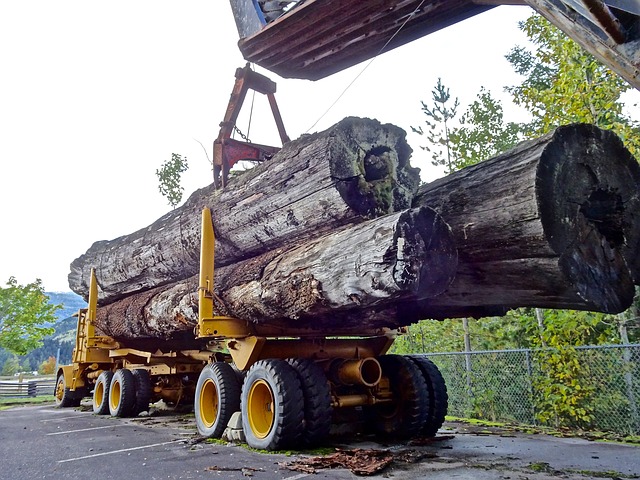
    Wood is an important part of every building, whether it is in doorways, on kitchen tables, or elsewhere. Before carpenters can make it into chairs or many other objects, people have to cut down trees and get them to the factories. Logging equipment operators help to move trees after they have been cut down so that manufacturers can work with the wood and turn it into all kinds of objects.

    Logging involves skill with a variety of machines and tools, such as bulldozer blades, cable winches, and more. Being able to coordinate driving a vehicle with operating the equipment is an essential part of being a logging equipment operator. Often, work in this field involves long hours, moving logs from where they have been cut down to the trucks that will transport them to where they need to go.

    Training to become a logging equipment operator involves a combination of education and experience. Usually, employers require people to have at least a high school diploma, as well as a driver’s license. On-the-job training can last from three to sixteen months, where learning to use new types of equipment is necessary. Being able to handle heavy equipment in muddy conditions or bad weather is very important for this job.

    Often, people can learn through experience, but it may be necessary to take courses or training sessions to practice new techniques. Experience can help people advance in this job, and learning special skills can give people flexibility in looking for work.

    Generally, salaries for logging equipment operators begin at about $19 per hour or $40,000 per year and can rise to about $36 per hour or $85,000 per year. The work can involve long hours, and it can be hot in summer and cold at other times of the year. Although people can continue in this career for many years, they may want to move on to other work as they get older.

    Normally, logging happens only in certain areas of Canada, mainly in the north. This job also tends to be seasonal and can depend on factors such as forest fires. Many people in this line of work may choose to fly in from other parts of the country and to stay in logging camps during the main working season. Being away from family and friends can be difficult, but it is often necessary.

    Like many physically difficult jobs, logging can be dangerous, even for people operating the equipment and driving the trucks. If the equipment falls off of its attachment, it can injure or kill anyone who is underneath. Logging equipment operators have to be careful to watch for other workers, and to make sure not to hit anyone else with a piece of equipment or to be hit by something themselves. Some of the areas where they work can be quite steep or uneven, and drivers need to be careful not to tip over.

    Working as a logging equipment operator has its challenges, but it can be a good choice for people who enjoy working outside with various types of equipment. Many people, including those who love the outdoors and working with their hands, could enjoy this job.


    Bibliography:

    Job Bank. “Logging Machinery Operator near Toronto (ON).” https://www.jobbank.gc.ca/marketreport/requirements/21779/22437

    My Plan. “Logging Equipment Operators.” https://www.myplan.com/careers/logging-equipment-operators/description-45-4022.00.html.

    Owl Guru. “How to Become a Logging Equipment Operator.” https://www.owlguru.com/career/logging-equipment-operators/requirements/.

    Payscale Canada. “Heavy Equipment Operator Hourly Rate.” https://www.payscale.com/research/CA/Job=Heavy_Equipment_Operator/Hourly_Rate.

  • Why Red Seal Trades Might Work for You

    Why Red Seal Trades Might Work for You

    You may have heard the advice, “Learn a trade – it’s an important skill to have.” That’s good advice: there will always be a need for carpenters, electricians, plumbers, mechanics, and welders. But what exactly is a Red Seal trade? What financial assistance is there for a person interested in becoming a tradesperson? How do you find out which trade is right for you? Read on to find out.

    In short, a Red Seal trade is one where you may work as a tradesperson in any province without having to take extra qualifications. The training and certifications of Red Seal trades are not individualized to each province; rather, they are standardized on a national level. Although each province is responsible for educating and training apprentices, or those who are at an entry level in their industry of choice, the Red Seal Program promotes the coordination of standards across the country. But in order to qualify as a journeyperson with a Red Seal, apprentices need a mix of classroom instruction and on-the-job training. Although they earn money while training on the job, acquiring the necessary tools and classroom instruction is expensive.

    The government recognizes the necessity to fund tradespeople. There is a provision called the Apprenticeship Incentive Grant, which is a $1000-$2000 per year taxable cash grant for apprentices once they have successfully completed their first or second year or level of their program in one of the Red Seal trades. Another is the Apprenticeship Completion Grant, which is available to an apprentice who completes their training and acquires their journeyperson certification in a Red Seal trade. But tools are expensive, too. The government provides the Tradesperson’s Tools Deduction of up to $500 yearly to assist in the purchase of new tools necessary for the trade in question. That leaves one final question: which trade to choose?

    In Ontario, there are forty-seven trades of the Program’s available 55 that you may choose from. These range from Automotive Service Technician to Baker to Hairstylist to Welder. The official website, www.red-seal.ca, contains a detailed job description of each. For instance, its page on carpentry tells us that “Carpenters construct, renovate and repair residential, institutional, commercial, and industrial … structures made of wood, steel, concrete and other materials.” We read about the risks involved, knowledge that a carpenter ought to have, and other useful skills. It tells us the career path a carpenter may be interested in taking. Further down the page, there is a chart that tells us that there is a provincial certification in all thirteen provinces and territories. Beyond that is additional information with links to relevant documents. You can also find this information on any of the other Red Seal trade pages. Read them over and decide which one may fit you best. Do you have an affinity for working in the kitchen? Bakers and Chefs can become Red Seal certified. Like tinkering with engines and other machines? A wide variety of trades will let you do just that: Automotive Service Technicians and Heavy Duty Equipment Technicians are among those who may acquire their Red Seal.

    The opportunities are numerous, and you can work anywhere in the country. Why not look into qualifying for a Red Seal trade?