Tag: elementary

  • Embrace Your Weirdness

    Embrace Your Weirdness

    A lot of people spend time trying to fit in. They don’t want to stand out or be considered different, weird, awkward or strange. Having the same clothes, interests and ideas seems like the most important thing in the world. Everyone just wants to fit in.

    But who established what is normal ?  And what exactly is considered weird? For most people, normal is what they are used to and weird is what they are not used to.

    The word weird is defined by www.dictionary.com in three ways, one of which is fantastic and bizarre. Interesting, isn’t it, how we took a word meaning fantastic and bizarre and created a label for people with an unflattering connotation? When you look at it like that, being “weird” really doesn’t seem that bad. In fact, some of the most successful people in the world were considered strange, different or weird growing up.

    Take Justin Timberlake, for example. He was once quoted as saying, “I grew up in Tennessee, and if you didn’t play football, you were a sissy. I got slurs all the time because I was in music and art.” He also suffers from Attention Deficit Disorder (ADD) and Obsessive Compulsive Disorder (OCD), both of which haven’t stopped him from succeeding.

    Prince Harry was ridiculed and bullied for being a redhead. He was quoted as saying he was teased “for being ginger.” However, not everyone made fun of him. His fellow soldiers in the British Army all wore red wigs to make him stand out less in combat.

    Michael Phelps is one of the most successful Olympians of all time, but as a kid his long limbs, large ears, and lisp caused him to be bullied and teased by his classmates. He also has ADD, and was told he’d “never be able to focus on anything.” Yet he didn’t let that stop him. He used all of his feelings, both good and bad, as motivation to win and as a result became the most decorated Olympian of all-time (winning 22 medals, 18 gold, 2 silver and 2 bronze).

    Chris Colfer, who plays Kurt on Glee, was called a “freak” growing up. He said, “I was teased daily, mainly because of my voice. They said I sounded like a chipmunk! Now everyone likes to remind me how they used to be my best friend, but I have a very good memory- that wasn’t always the case.”

    Lady Gaga has said she didn’t have the best high school experience. She said she didn’t fit in as a teen. “I wanted to be like Boy George and I felt like a freak. So I like to create this atmosphere for my fans where they feel like they have a freak in me to hang out with, and they don’t feel alone.”

    The list of differences goes on and on…

    Albert Einstein, whose name is pretty much synonymous with genius, was a theoretical physicist, and one of the most renowned scientists of all time. However, he didn’t talk until he was four and he didn’t learn to read until he was seven. It is now believed he had Asperger’s Syndrome, which is a form of Autism. Sir Isaac Newton is also believed to have had Asperger’s, and he too was a mathematical and scientific genius.

    Jay Leno, Orlando Bloom, Vince Vaughan, Alexander Graham Bell, John Lennon and Muhammad Ali all had dyslexia.

    Christopher Columbus, Karina Smirnoff, Eleanor Roosevelt, JFK, Walt Disney, Will Smith, Jim Carey and Ernest Hemingway and Bill Gates had ADD.

    Mozart, Daryl Hannah, Tim Burton, Andy Warhol and Susan Boyle all had or have forms of Autism.

    All of these people were considered weird for how they behaved, what they felt and what made them different. They all experienced obstacles they needed to overcome, and they did so by embracing their weirdness. They didn’t let others define who they were and what their limits would be.  They used their uniqueness to their advantage and succeeded. So don’t be afraid to embrace your weirdness too. As Lady Gaga has said, “let your teenage freak flag fly.”


  • No More Recess!

    No More Recess!

    One of the biggest transitions from elementary school to junior high school is dealing with the fact that there’s no more recess. Instead, you have one period of lunch during the day and a series of classes. This is a pretty big change, and it’ll definitely take a while to get used to, but soon enough you’ll find yourself managing – I promise!

    One of the hardest parts about having no recess is finding time to spend with your friends. You and your best friends are going to have different class schedules and you might not have any classes with them. You might not even have the same lunch period! But don’t worry too much, because you can still work around this and find times to catch up with your buddies. You and your friends can plan ahead and meet up a few minutes before the beginning of the school day to hang out or just have a few minutes to talk. This is likely to put you in a good mood, which will make the rest of the day a lot more bearable. On the other hand, you can also plan to meet after the school day and walk home together. You can recount the events of the day and perhaps even go out for a snack to give you more time to spend together. You’ll definitely find a way to make it work!

    You’re probably used to grabbing a quick snack during recess to keep you going throughout the day. But with no more recess, you might be unsure of when to find time to grab a bite to eat. Luckily, some junior high and high school teachers actually allow you to eat snacks in class, as long as you’re quiet and clean up your mess later. But remember, this doesn’t apply to all teachers so make sure you ask your teachers at the beginning of the year how they feel about snacks. Don’t be afraid to approach them; I’m sure they’ve been asked the same question dozens of times before. Also, if you’re the type to eat really small and quick snacks you can also munch on your snack in between classes. Most schools give you 5 to 10 minutes to get from class to class. You can spend a minute or two eating a granola bar or even half a snack before hurrying off to class.

    Another major adjustment you’ll have to make is staying focused without a break. Some lunch breaks take place at the beginning or end of a day, which means you’ll have to endure several hours of class before you get a moment to yourself. You’ll have to take time to develop your own strategies but there are definitely some things that can help. For one, eating a big breakfast will help you get through the day. You’ll find it very difficult to focus on class when you’ve got a rumbling stomach. You can also help yourself to stay focused by drinking lots of water throughout the day because it has been scientifically proven to keep you more alert. One final tip is to make sure you’re well rested. It’s very difficult to retain information when you’re half asleep and dreaming of a warm bed.

    With these tips, you can make the transition from having recess to not having recess easier on yourself. Good luck!

  • Entering High School: Why You Should Join Extracurriculars

    Entering High School: Why You Should Join Extracurriculars

    If you’re worried about trying to find the place you belong in the confusing high-school landscape, joining extracurricular groups is a great thing to do. These groups can range from sports teams, cultural clubs, interest clubs, and beyond.

    Joining these groups allows you to meet new people who share the same interests that you do. They also provide you with the opportunity to make new friends and become closer with the teachers who lead the groups. Developing relationships with teachers is important because they make awesome academic references for job applications as well as university applications down the road. Together, with your peers and teachers, you can explore these interests and satisfy your curiosities.

    Participating in extracurricular groups also looks fantastic on your resume and university/college applications. Employers and post-secondary institutions like to see that you are participating in groups outside of the classroom. Joining these extracurricular groups makes students seem well-rounded. It shows that you have interests that go beyond academics and make you stand-out. In a job interview, leveraging similar interests as the person interviewing you or showing passion for an interest outside of academics makes you a more memorable candidate.

    Through participating in extracurricular groups you can gain valuable skills. These include teamwork skills which you develop through working co-operatively with other members of the group. You may also develop leadership skills by leading a group project or inspiring and motivating others in the group. Both of these skills are very valuable in the work environment and the post-secondary school environment.

    Joining one of these groups will give you a sense of belonging. They can also be an outlet for stress from your academic life. You may even try out a new activity and discover that you really enjoy it. If you don’t end up enjoying it, no harm done – you now know more about yourself. There are definitely many more positive outcomes than negative outcomes from getting involved in extracurricular groups. They can make your overall high-school experience more enjoyable!

  • Be True to You

    Be True to You

    Each and every single one of us has a unique set of values, beliefs, and even inspirations that make us who we are as individuals. Naturally, as we progress through life, these very important elements that lie at the very core of our existence will slightly alter and adjust in a manner to allow for the new experiences and situations that we have endured. Life is much like a sea… at one time; we may drift peacefully and quietly atop the glistening waters. Then, there will be situations in which we must work to keep ourselves afloat waters that are ferocious and ominous in nature.

    Yes, it is true, there will be treacherous waters and frightening and intimidating clouds that linger among us throughout life, but it is essential that we each realize the importance of being true to ourselves. Is it not true that in the roughest of seas men learn to survive? Is it not among the violent waves that men learn to welcome and appreciate the calm surfaces of the water? Is it not true that when men face the evil of the storm that they relish in the calm that occurs after the thunders and treacherous waves have passed? If you are searching for the importance of being true to yourself, consider the man that was consumed by something much larger than he.

    In order to be true to yourself in the midst of peace and calmness, you must stand firm in your beliefs when staring opposition in the face. This is what assists in developing who you are, this is what defines you… your ability to overcome and learn.

    Many times in life, we will be faced with temptations that may defy who we are as individuals. It is so much easier to go with the natural flow of the tide than to push against it. It is human nature to want to experience as little complications as possible. What you must consider is if you are denying yourself of some important lesson, of something much bigger than you or you ever imagined. If floating with the direction of the tide defies you as an individual, and you feel as if you will not gain any type of insight as to who you are, or it does not allow you to stand alongside of your personal beliefs and convictions, turn that boat around and push with all of your might against the tide.

    It is better for a man to be true to who he is, rather than deny himself of all the rewards he will experience as standing alone in his personal convictions and beliefs.

    Being true to yourself is a very rewarding experience. Many experiences and situations will come your way and threaten the very existence of your unique stand in life. We pass over many different waves in life, many ships come in, and many ships pass us by. In many cases, animals of the wild such as sharks will want to engulf us in order to define their existence. Stormy skies will sometimes linger over us, and violent wars sometimes rest on the banks of life. In all of these things, you must stand strong in who you are. Allowing these situations to overcome you, violate you, and even control you in any way, just may be the point in which you lose sight of the horizon, sight of who you truly are.

  • Dream Job: Clown

    Dream Job: Clown

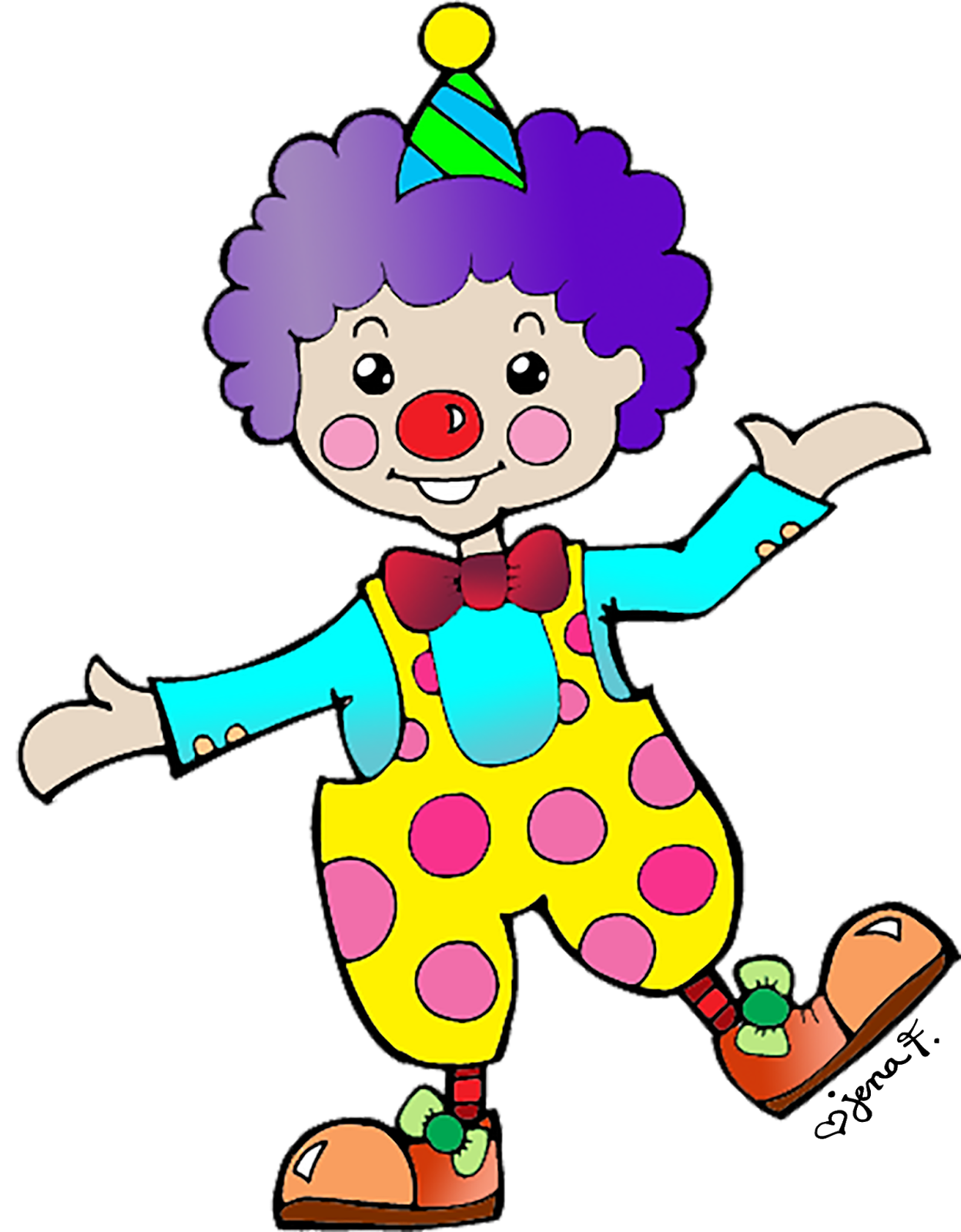
    Every circus needs a clown. Festivals and birthday parties are fun when they include clowns as part of the entertainment. People expect to see clowns in places like these, entertaining both children and adults. However, one of the world’s most famous clowns was known not for working in a circus or a festival, but for being on television.  Charlie Chaplin combined his role as a clown with his acting skills to play an important part in the history of entertainment.

    Most people probably know about the kinds of things that typical clowns do. How much do you know about clowns? You might have seen ones with painted faces and big red noses. They juggle balls or make balloon animals. Much of what they do is slapstick comedy, with a lot of physical jokes like falling over chairs, getting pies in the face and other funny actions.

    Sometimes clowns develop a character that people especially enjoy. Charlie Chaplin directed and acted in several movies, but he is best known for his famous clown character, the Tramp. Even years after he last played the role, he is still known for the way he portrayed people’s struggles through the Tramp. Charlie Chaplin began his career very early in his life. He was born in 1889 to parents who were both entertainers. He first started acting at the age of twelve when he got a part in a Sherlock Holmes play. He worked for some time in a circus and then began his career in comedy. Most of his long career in film was in the United States.

    Like many clowns, Charlie Chaplin developed his own style and special character. Many clowns are mimes who rarely or never speak during their acts. Charlie began his career during the era of silent films, before the technology could combine sounds and pictures. He was able to show all kinds of emotions and to tell stories without ever speaking, just by his actions and the expressions on his face. He wore a costume of a badly-fitting suit and a hat and carried a cane. He would do some of the usual clown tricks such as pulling flowers out of nowhere, but he also told stories through his films. His work was so good that he became famous around the world.

    You might never become as famous as Charlie Chaplin, but you can still be successful as a clown. If you know how to make people laugh, being a clown can be a fun and satisfying job for you!

  • Dream Jobs: Ballerina

    Dream Jobs: Ballerina

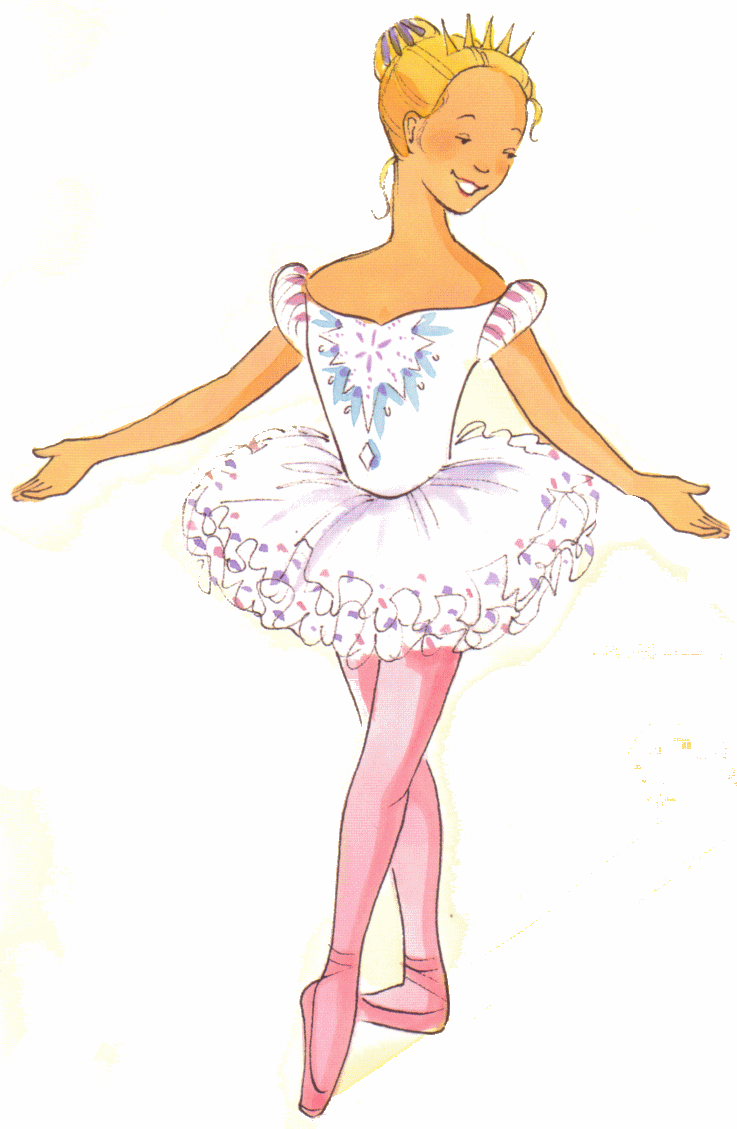
    Brooke Nagy is an 18 year old on a fast-track to becoming Canada’s next prima ballerina. Becoming a professional ballet dancer was not a decision Brooke made on a whim. It has taken a lifetime of preparation and focus. Since age three she has been classically trained in Ceccetti ballet, and has developed an advanced knowledge of both classical ballet and modern dance.

    Brooke has had the opportunity to dance professionally at many points throughout her career, but decided that it was important for her to complete her high school education before devoting herself entirely to the art. “I’ve already trained with the CanadianNational Ballet School and the Quinte Ballet School,” Brooke explains.

    “For two summers I was accepted to study as a part of the Canadian National Ballet School’s ballet-intensive summer school program, which led to the opportunity to be a part of their full-time program. I’ve also been accepted to (and attended) the Quinte Ballet School’s Summer School Program, which led to an acceptance into their full-time program” she continued.

    Ballet may well be in her blood, as her mother is a classical ballet teacher and former professional ballerina for the Miami Cityballet. Brooke intends to one day take over her mother’s dance studio, after travelling and performing as much as possible. She applied to the National Ballet of Canada’s Teacher Training program, New York’s Adelphi College and Suny Purchase College’s Conservatories of Dance and George Brown College’s prestigious dance program, garnering preliminary acceptance to all, but choosing to accept George Brown’s offer.

    The Toronto-based program will prepare her for an intensive Bachelor of Fine Arts transfer after earning her two year diploma, and set her up for work with Canada’s Ballet Jörgen, a renowned Canadian classical ballet company that selects dancers from George Brown program alumnus.

    Among the highlights of Brooke’s auditioning process was when famed Canadian dancer Frank Augustyn called her out from a class of second and third year Adelphi ballet students she was placed with, praising her grace and skill above those of professional dancers with many more years of training. She was then offered a ten thousand dollar dance scholarship for Adelphi, a tempting offer that she may return to later in her career.

    For Brooke, the choice of dance over other more job-stable programs was quite simple. “I want to be a dancer over everything else. I know that the field of dance is where I excel and where I belong.” Whether it be the National Ballet School or Frank Augustyn himself, the ballet world agrees.

  • Dream Job: Hockey Player

    Dream Job: Hockey Player

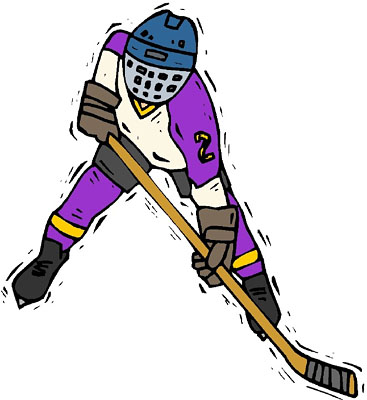
    Many people dream of being a famous sports star when they grow up, but not everyone achieves that dream. Have you ever wanted to become a star in a sport like hockey? A Canadian athlete named Hayley Wickenheiser has become well known for her amazing athletic abilities and for her work in helping others. Like other hockey players, she has worked hard at her sport while also balancing it with the rest of her life.

    Becoming a professional hockey player takes a combination of talent and hard work. Hayley Wickenheiser discovered her athletic abilities early. She grew up in Shaunavon, Saskatchewan, where she became skillful at several different sports, including hockey and softball. When she was fifteen years old she started playing hockey at the Women’s World Championships as part of the Canadian National Women’s Team. The team won seven gold medals over the next years. Hayley later played on men’s teams in Finland and Sweden, and she has won gold and silver medals at several Olympic Games. She is now known as one of the best athletes in the world.

    For most athletes, the time they spend on playing their sport every year is fairly short because the work is seasonal. However, they spend a lot of time during the rest of the year on training and keeping themselves healthy. They run, lift weights, swim, cycle, and continue to practice their skills. They try to keep themselves healthy by eating good food and avoiding anything that might make them sick. They keep themselves strong so that they can play well.

    A career in sports is not usually very long, and most athletes move on to other jobs by the time they are about thirty years old. Some athletes have to leave sports because of injuries, but most of them leave because of age, when they no longer have the energy to keep up with the demands of the sport. Hayley Wickenheiser has continued in professional sports longer than many other athletes, but she is also preparing for a different career after she finishes playing hockey. In 2013, she received a science degree in kinesiology from the University of Calgary, which will help her if she works to help other athletes play better.

    Besides her sports and her studies, Hayley has been working in several other areas. She works with several groups that encourage girls to get into sports, and she also works with a group that buys mosquito nets for people in countries that have trouble with a deadly disease called malaria. Hayley has traveled to Africa to work with the charity that she started, Right to Play. Her personal life is also busy, since she is looking after her son in addition to everything else that she does. She is already well known for her hockey skills, but people also recognize her for this charitable work.

    Are you good at playing hockey?  If you practice your skills and become part of local teams, you might someday be able to make hockey your career.

  • Your New Responsibilities in High School

    Your New Responsibilities in High School

    Starting high school is an important stepping stone in your educational career. That being said, sometimes the transition into this new time of your life can be a bit of a challenge. High school comes with new subjects, new teachers and a variety of new responsibilities, and you’re going to have to work even harder to do well. It’s crucial to know what you’re expected of in high school. It might take a little time for you to adjust, but if you stay on track and try your best, there is no doubt you will continue to succeed in school.

    The main new responsibility you have in high school is initiative. There aren’t always going to be people to check up on you; a lot of your learning and progress depends on your hard work. You are responsible for your own grades: no one’s going to stand over you making sure you actually complete the work. Most teachers assign late penalties to assignments, which can seriously take a toll on your marks if you aren’t careful to get them in on time. What’s more, studying for tests, managing group projects and completing independent assignments are all up to you to handle. Teachers do try to help you out by providing reviews, giving extra help or reminding you of important dates. Ultimately, however, it’s up to you to put in the time you need to succeed.

    To add to that, all high school courses, no matter the subject, have exams. Usually worth 10-30% of your final mark, this can either be a final exam, a summative assignment or a combination of both. Depending on your school’s setup, these final evaluation periods are once or twice per year for each subject—and unfortunately, they often come at you all at the same time. When you’re completing summatives or studying for exams, it’s important to stay focused and try not to lose your cool. Exam season is a stressful time of year for everyone, but little by little you’ll start to become accustomed to the extra hours you have to spend on your schoolwork.

    Keeping all that in mind, don’t be too intimidated. Starting high school may be a difficult transition at first, but you can make it through if you try! It’s crucial to develop good work habits from the start, because as your education progresses your responsibilities will continue to grow. High school is designed to help you along the path to post-secondary (whether it is university, college, an apprenticeship, etc.). You might find that once you get used to your new learning environment, you can really start to enjoy the material you’re studying. Don’t discount the important learning you’re going to do at this time of your life—not only through your schoolwork, but through the life skills you pick up along the way.

  • Jobs with Animals: Dog Groomer

    Jobs with Animals: Dog Groomer

    I interviewed Kelly Booth, a local dog groomer. We talked about dog grooming as a career, some challenges she faces at work, and what she enjoys about her job.

    M: Being a dog groomer isn’t a typical occupation. When and how did you decide to pursue it as a career?
    K: I knew I wanted to work with animals, so I just started applying to pet stores and veterinary clinics. I dropped off my resume at PetSmart where the manager explained the process of becoming a groomer. I would start as a bather and, if I showed potential, they would send me to the grooming “academy” which is run by PetSmart. So this is what I did, and I’ve been doing it for about three years now.

    M: What kind of schooling is required, and how long does it take?
    K: The training I received was pretty basic. I just went to an “academy certified” PetSmart store where I was trained how to groom. This lasted about a month and we learned how to do the different cuts on the main breeds of dogs.

    M: What are some typical challenges that you face at work?
    K: As you can imagine, working with dogs is not always easy. They can be temperamental and unpredictable. The most common challenge I face is grooming dogs that are just generally uncooperative, i.e.: pulling their legs when I’m trying to brush them or groom them, not standing, squirming when I’m trying to do their nails, etc. I get bit and scratched quite a lot. It can be frustrating and scary because I’m dealing with sharp objects and it can be dangerous.

    It’s also really hard on your body. A lot of groomers end up getting carpal tunnel and back and leg problems.

    M: What is the career path for someone who has just completed their schooling?
    K: I started as a bather/brusher, which is basically just bathing and brushing out the dogs, clipping their toenails, and cleaning their ears. After about six months, I started my training. After that, I had to do a 100-dog “apprenticeship”, in which I had to groom twenty shave-downs, twenty sporting dogs, twenty short-legged terriers, twenty long-legged terriers, and twenty hand-scissor cuts. When I was finished that, I became a commissioned groomer.

    M: What are the typical earnings per dog?
    K: The earnings vary depending on the cut that the pet parent wants. For example, a simple shave down ranges from $55-$65 or $80-$90 for a hand-scissored poodle. Some larger dogs, like a Newfoundlander or an Old English Sheepdog, can be $100-$120. Commissions are typically 50-70%.

    M: What is your favourite thing about your job?
    K: I love working with animals. Sometimes we get dogs that like to give hugs and kisses. And the little puppies are always so much fun! I also really like being able to use my hands to create something. Helping the dogs feel better after being all matted is really rewarding.

  • Under Pressure

    Under Pressure

    If you ever find yourself in a sticky situation, you probably turn to your friends for advice. Peers can be an excellent outlet for talking our problems out in order to figure out the best decisions to make. That being said, we can’t rely on our friends to solve every one of our problems. Not only does this interfere with our independence, but we could actually be swayed off the right path, even by friends with the best intentions.

    When you’re making decisions, it is important to consider your own opinions before you take anyone else’s word for it. How do you feel about what’s going on? Do you think it’s right? What do you think would be the best solution? It is much easier to let a friend take the wheel, because then you don’t have to consider all of these difficult questions—you can just use their answer. A problem comes up when you find you’re consulting your friends 24/7, and this is actually getting in the way of you expressing what you really think.

    Friends mean well (if they’re good friends). Often, they’re just trying to let you know what they think is right. The thing is, what is right for your friends might not be right for you. Even if they do have good intentions, you don’t want your decisions to be constantly dictated by the opinions of your peers: this might lead you into making entirely the wrong choices.

    Maybe you don’t consider peer pressure to be too big of a deal in elementary school, where the stakes aren’t so high. But think about the possible consequences of constantly following the leader, and the ways this could affect your future life. If you aren’t sufficiently independent to think for yourself and make your own choices, worse things can happen than simple punishments if you fall in with the wrong crowd. Furthermore, think about what it means to succumb to peer pressure all the time: chances are, if you’re letting someone boss you around, and do things you aren’t okay with, it’s probably taking a toll on your self-esteem.

    You deserve to be respected. In order to respect yourself, you have to respect your thoughts and feelings as well. The next time you’re tempted to do something just because your friends are doing it, or because it seems “cool”, think about how you would act if there was no one around to judge you. Do what you feel is the right thing—don’t base your choices off the rest of the bandwagon. Guaranteed, you’ll be a happier person for it and have a better idea of who you are.