Tag: environment

  • Carbon Scrubbers to Clean Up Emissions

    Carbon Scrubbers to Clean Up Emissions

    Research into methods of reducing carbon emissions is a continually advancing field, and a team of researchers developed an improved way to remove emissions directly from sources like smokestacks.

    The team recently had an article published in the Journal of the American Chemical Society detailing their findings, which focused on using substances based on a material called polyethylenimine to remove carbon dioxide (CO2) from sources. According to the article, these substances whoed some of the greatest results in removing CO2 from the air when compared to alternatives. The substances also proved capable of effectively capturing the CO2, and could either be re-used or isolated, so it wouldn’t contribute to global climate change.

    The team, which consisted of researchers from the Loker Hydrocarbon Research Institute and Department of Chemistry from the University of Southern California, explained in their article that the materials used are uniquely effective largely due to their low cost and reusability. The material is relatively inexpensive when compared to other options, and can be reused numerous times without losing its ability to capture CO2.

    The article also explains that materials manage to remain effective in real-world conditions. This means that the materials were observed as being able to accommodate for exceptionally humid, moist or dry environments, something that is important when considering practical application of scientific research such as this.

    Other options for CO2 reduction are more expensive, less effective or durable and use large amounts of energy than the processes being researched by this team. If the researchers are able to effectively implement these polyethylene materials, they will have created a valuable resource that is much easier to use. Considering the cost-effectiveness and stability of the polyethylenimine materials, the application of them will make sustainability much more accessible, and therefore potentially more widespread.

    The material’s main target for carbon reduction is smokestacks; however the research could also potentially be used to reduce CO2 emissions from car exhaust, submarines, and even the open atmosphere itself. Cleaning of the upper atmosphere would hopefully reduce the greenhouse effects of the CO2.

    CO2 is one of the greatest threats to the environment in recent years. The amount of CO2 emissions produced by humans is of great concern to the population due to its effects on climate change,rising sea levels and air pollution. Research on ways to reduce emissions of CO2 is an area of international concern.

    According to the World Health Organization, high levels of greenhouse gases — of which CO2 is a prominent part of — affect necessities to health like clean air and water and increase the incidence rates of climate-sensitive diseases.

    Up until now, finding ways to reduce these emissions has proven challenging and unpromising. However, if this research team is successful in implementing polyethylenimine as a way to reduce emissions, the levels of CO2 in the atmosphere may be significantly reduced. This would help reduce concerns of climate change, and result in cleaner air in an effective and affordable way.

  • Green Cleaning

    Green Cleaning

    Whether you live at home, or at campus, cleaning is an unavoidable part of the daily routine. Have you ever read the list of ingredients in store bought cleaning products? Not only are its contents difficult to pronounce, they are harmful and toxic. Green cleaning is not hard, and will save you money. Listed below are 3 simple ingredients that can be used to simply and efficiently clean your entire house.

    Vinegar or Baking Soda:  By adding warm water to either vinegar or baking soda, a natural all-purpose cleaner can be made. Vinegar and baking soda can be mixed together with water to clean as well. Do not worry about the vinegar smell; yes it is strong at first, but it will go away. The vinegar/water mixture can be used to clean both inside and outside of various machines and appliances like tea kettles, steam irons, coffee makers, and more. Vinegar or baking soda can be used to deodorize the home too (i.e. placing a slightly opened container of baking soda in the fridge). These green all-purpose cleaners can be used to clean almost anything! Everything from windows, clothing, furniture, microwaves, and even the kitchen sink can be cleaned with these simple ingredients.

    Lemon Juice:  The acid in lemon juice works great as a natural stain-remover . However, work quickly while using lemons as a stain remover since they do have “a bleaching effect, particularly when exposed to sunlight”. A lemon half can be used to scrub away at copper and steel surfaces; but be careful on marble. Or a cloth wetted with lemon juice (bottled or squeezed from a lemon) can also be used to rub away stains. Lemon juice can be combined with either salt or baking soda to form a paste, to make cleaning easier since lemon juice by itself it quite runny. Clothing, and other cloth-like material can also be freed from stains by using this lemon juice paste. After gently rubbing the mixture into the stain, be sure to wash the item of clothing after.

    Now that you know about green cleaning, your commercial cleaning products can be replaced; however, since they are toxic they must be disposed of responsibly. Toxic recycling programs are held in most communities to properly dispose of these chemicals. So even while cleaning may still be a chore, at least we can feel better that we are not harming the planet in the process.

    Check out these websites that offer more tips on green cleaning, and other ways on how to go green:

    http://planetgreen.discovery.com/

    http://www.treehugger.com/

    http://odyb.net/food-cooking/62-little-known-uses-of-vinegar/

  • Scientists Work to Solve Mystery of Dying Bees

    Scientists Work to Solve Mystery of Dying Bees

    When a swarm of bees landed on a tree in their yard a few years ago, a David Suzuki Foundation staffer and her husband became accidental beekeepers. They called an apiarist relative who came over and helped them capture the bees, build hives and round up equipment. Now they’re enjoying fresh honey and wax and have developed a fascination for the amazing insects. Staff shared that wonderment when she brought honeycombs and tools to the office for an impromptu lesson on beekeeping and bee behaviour.

    Bees are endlessly intriguing, and incredibly useful to us — and not just for honey and wax. If bees disappeared, it would be difficult, if not impossible, to grow much of what we eat. Bees pollinate crops ranging from apples to zucchini. Blueberries and almonds are almost entirely dependent on them. Some experts say they’re responsible for one of every three bites of food we eat. The economic value of pollination services from honeybees alone is estimated at $14 billion in the U.S. and hundreds of millions in Canada.

    Bees are good pollinators because — unlike some birds and other insects that are after nectar alone — they also seek out pollen, which they use along with nectar to feed the hive. In the process, they transfer pollen from the male part of one flower to the female part of another, fertilizing plants so they can develop seed-carrying fruits. Wild bees and domesticated honeybees are both important pollinators.

    In fact, research indicates wild bees may be more important for food-crop pollination than honeybees. That’s in part because a single species, such as honeybees, is vulnerable to mass disease outbreaks. Wild bees also use a wider range of pollination techniques and visit more plants, and so increase chances of cross-pollination, according to an article in the Guardian.

    Sadly, both wild and domesticated bees are in trouble, and that means we could be, too. Causes of phenomena such as colony collapse disorder and other declines in bee populations are not entirely understood, but scientists are getting closer to knowing why bees are dying. Ironically, much of it relates to agricultural practices. Modern methods of growing food are killing one of our biggest helpers in food production.

    Wild bees also face threats from climate change and habitat loss. A recent study published in Science found half the wild bee species in the U.S. were wiped out during the 20th century. That’s been partly attributed to “an increasing mismatch between when plants flowered and when bees were active, a finding consistent with climate change,” according to the Guardian.

    Causes of honeybee deaths are more complicated. Colony collapse disorder has wiped out millions of hives over the past decade, with pesticide use, parasites and poor nutrition eyed as likely culprits. Scientists from the University of Maryland and U.S. Department of Agriculture recently found pollen collected by honeybees was contaminated with a toxic mix of pesticides and fungicides. It appears the toxins make the bees more vulnerable to a parasite called Nosema ceranae, which is believed to cause colony collapse disorder. Pollen samples contained an average of nine different agricultural pesticides and fungicides, and as many as 21 in one case.

    The European Union has imposed a two-year ban on three neonicotinoids, a class of pesticides thought to be responsible for the dramatic declines in Europe’s bee populations, but only for use on “crops attractive to bees”. However, according to the Maryland study’s lead author, Dennis vanEngelsdorp, quoted in the online news outlet Quartz, “It’s a lot more complicated than just one product, which means of course the solution does not lie in just banning one class of product.”

    We need to get a handle on the toxic chemicals we use to grow food. If our practices kill insects and birds that make it possible to grow crops, we’re defeating their purpose and putting ourselves and the rest of nature at risk. As individuals, we can help bees. Stop using pesticides and join the call to ban the worst ones. Plant bee-friendly plants and gardens, make wild bee “houses” and learn more about our fuzzy, buzzing friends. Like our DSF staffer, you could even adopt a hive.

  • Rail and Pipeline Disasters are Symptoms of Fossil Fuel Addiction

    Rail and Pipeline Disasters are Symptoms of Fossil Fuel Addiction

    Like smokers who put off quitting until their health starts to suffer, we’re learning what happens when bad habits catch up with us. We’re witnessing the terrible effects of fossil fuel addiction every day: frequent, intense storms and floods, extended droughts, rapidly melting Arctic ice, disappearing glaciers, deadly smog and pollution, contaminated waterways and destroyed habitats. Transport accidents are also increasing as governments and industry scramble to get fuels out of the ground and to market as quickly as possible.

    Throughout it all, we’re asking the wrong questions. Take the recent horrific disaster in Lac-Mégantic, Quebec. A train carrying fracked crude oil from North Dakota to a refinery in Saint John, New Brunswick, derailed, caught fire and caused explosions that destroyed much of the town and killed dozens of people, sending millions of litres of oil into the ground, air, sewers and Chaudière River. It’s a senseless tragedy that has everyone in Canada and beyond grieving for the community’s citizens and their families.

    Governments and the railway company must answer numerous questions about safety regulations and practices, to prevent a similar catastrophe from ever occurring. The larger questions, though, are about the dramatic increases in fossil fuel use and transport. Sadly, industry proponents quickly exploited the situation to argue for expanding pipelines.
    As growing human populations and increasing industrialization drive up the worldwide demand for fossil fuels, and as oil, gas and coal companies rush to extract, sell and burn as much as possible while markets remain strong, we’re seeing ever-increasing exploitation from difficult sources — fracking, oil sands, deepsea drilling and more.

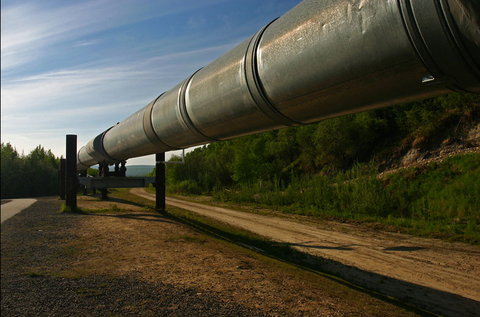
    The Canadian Association of Petroleum Producers expects oil production in Western Canada to double from three-million barrels a day to more than six-million by 2030. This means a huge increase in the amount of fuels transported around the country and the world in pipelines, rail cars, trucks and ocean tankers. According to the Railway Association of Canada, rail shipment of oil has already increased dramatically in Canada, from 500 carloads in 2009 to 140,000 this year.

    It’s true that rail accidents can be more devastating to human life than pipeline accidents — although when it comes to oil, pipeline breaks usually spill greater quantities and cause more environmental damage than train derailments. But shipping massive volumes of oil and gas is unsafe by either method. As we transport ever-increasing volumes of fossil fuels over greater distances to broader networks, we can expect more spills and accidents. Wastefully and rapidly burning them is also driving climate change, which experts say may even affect rail safety, as extreme heat and sudden temperature shifts can cause rails to buckle, increasing the potential for derailments.

    Massive pipeline spills and devastating rail accidents are among the immediate and frightening consequences of our growing appetite for fossil fuels, but our bad habits are really starting to hit back with climate change. The homes and lives lost around the world, numerous plant and animal species facing extinction, rising health-care costs from pollution-related illness and massive clean-up efforts after flooding show that failing to address climate change is far more costly than doing something about it. Much of what we’re seeing now — from increased intense rainfall and flooding in some parts of the world to extended droughts in others — is what climate scientists have been predicting for decades.

    We’re not going to stop using oil overnight, and we will continue to transport it, so we must improve standards and regulations for pipelines, rail, trucks and tankers. This should include safer rail cars for moving dangerous goods. Also, many environmental groups are calling for “a comprehensive, independent safety review of all hydrocarbon transportation — pipelines, rail, tanker and truck.” But in the long run, we have to find ways to slow down. By conserving energy and switching to cleaner sources, we can start to move away from fossil fuels — and to use remaining reserves less wastefully.

    That’s the discussion we need to have, rather then getting mired in debates about transport methods. As energy writer Russ Blinch noted in a Huffington Post article, “Looking at pipelines versus rail tankers is really like asking, ‘Should I drive the car with bad brakes or the one with bad tires?’”

    We need to look at the big picture.

  • What Happens After a Forest Fire?

    What Happens After a Forest Fire?

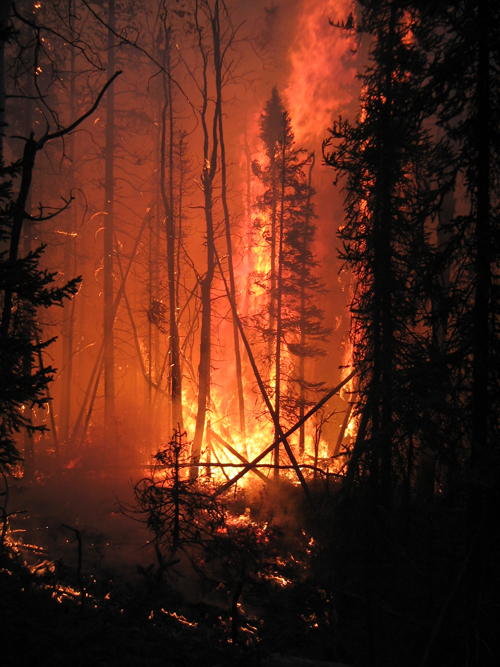
    Imagine what it would be like to watch a forest fire. Would you feel sad as you watched the trees and bushes burn and gradually turn to ash? Would you feel glad at the thought of all of the new life forest fires bring? It might seem strange to be happy at the thought of so much destruction, but forest fires can be a good and necessary part of the natural cycle of life. Without them, forests might never be the rich, green places they are – homes for animals and places where people can enjoy the outdoors.

    Every spring is the beginning of forest fire season in Canada, when about 10,000 fires will burn over the next few months. Some of those fires come from natural events, such as lightning striking a tree. More than half of them start because of human activity, such as when people forget to put out their campfires properly. By the time the snow and cold weather come at the end of the fire season, about 25,000 square kilometres of forest will be gone. Fires also pollute the air with carbon dioxide, which can make it difficult for people and animals to breathe. The animals that survived the fire will have to find new places to live, and plants will have to grow in place of the ones that were destroyed.

    Despite all of the destruction they cause, fires can also be good for the forests. They clear out all kinds of dead wood and thick grass that can choke new plants. With the extra space to grow, the plants can thrive. Trees like the Douglas fir and white spruce grow best on ground that has had a recent fire. Jack pines are especially dependent on fire. Their seeds come in thick cones which open up only with intense heat from a fire. Without an occasional fire to open up the cones, jack pines would eventually disappear. Many plants like these have ways of surviving even the worst forest fires.
    Despite opening up the ground for new growth, forest fires can damage the soil on the ground. With no plant roots to hold it down, the earth can blow away in the wind or wash away in heavy rains. Fire can also change the kinds of nutrients, such as nitrogen, that are available to feed the plants. The temperature of the ground can also rise, making it hard for certain types of plants to grow again, especially if the fire also affects the amount of moisture in the soil. Very intense fires can also affect small animals living in the ground, such as earthworms. Because these animals help to keep the soil healthy and full of nutrients, their loss can destroy the ground for years after a forest fire.

    So are forest fires good or bad? It depends on where they are, how big they become, and many other factors. However, fires are part of the natural cycle of life, bringing renewal and new growth to the world’s wooded areas.

  • The Hayes River in Manitoba

    The Hayes River in Manitoba

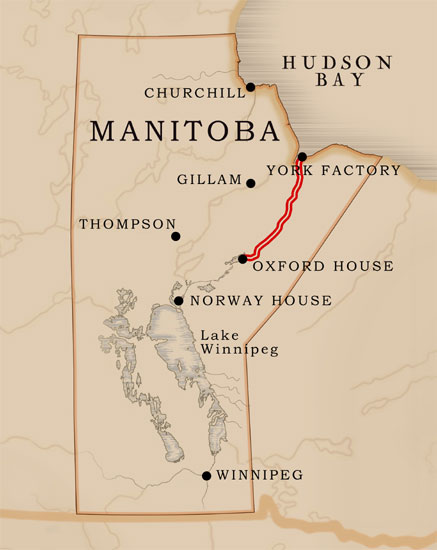
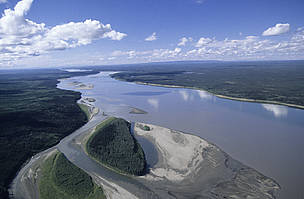
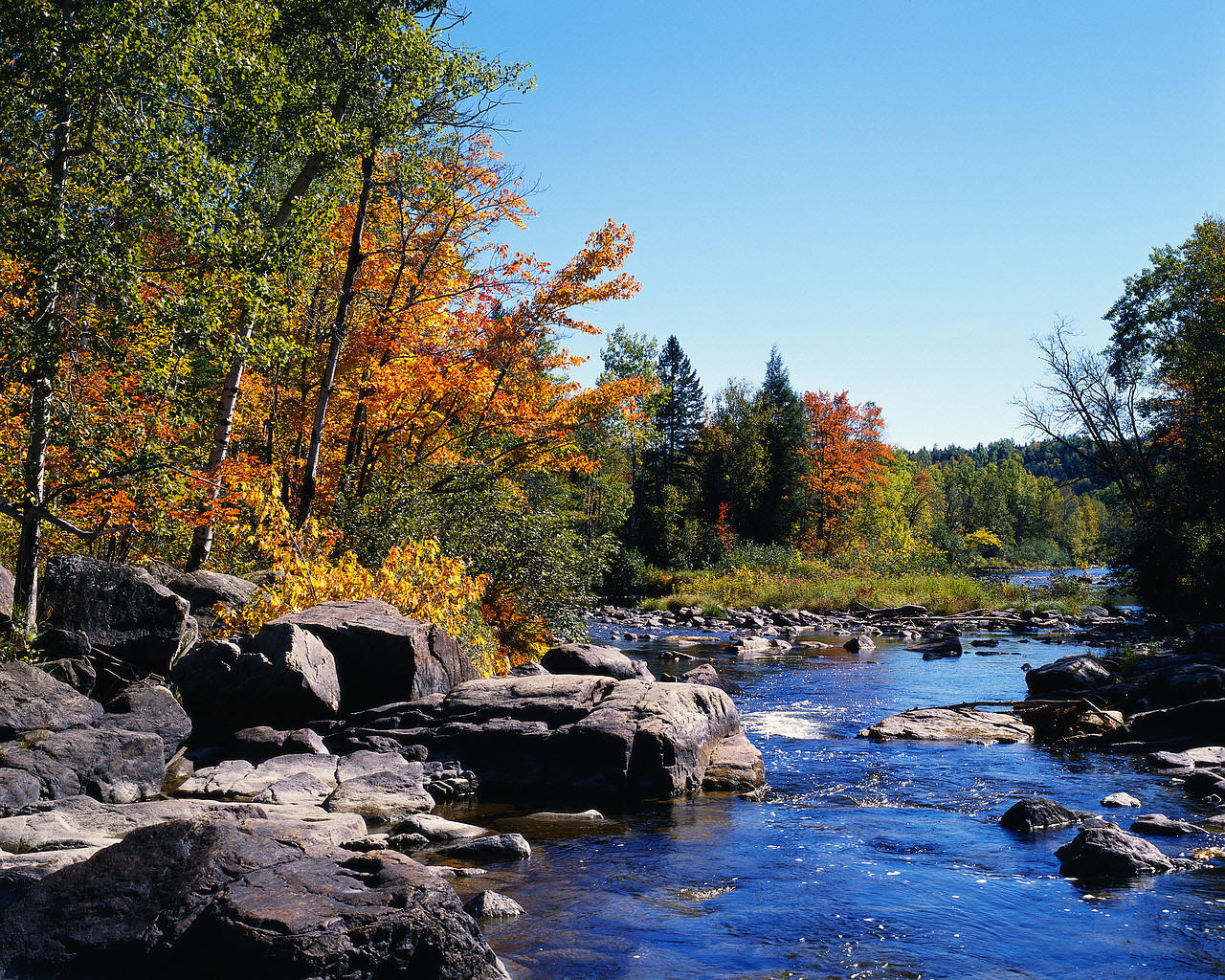
    If you live in Manitoba you might be aware that the Hayes River is the longest naturally flowing river in the province. It’s also one of the few remaining North American rivers that remains relatively unchanged – in fact it really hasn’t changed in 300 years! The Hayes River is considered to be one of Canada’s most scenic, natural and historic waterways.

    Hayes River begins at the north end of Lake Winnipeg, flowing northeast to Hudson Bay. It flows through a variety of landscapes including boreal forests, muskeg, dense spruce forests, an area of stunted black spruce/tamarack and bogs, even treeless tundra. And I can’t forget to mention the whitewater, lakes, gorges, deep valleys, a glacial outwash complex and Robison Falls – five sets of beautiful falls that plunge through granite formations.

    If you want to canoe or kayak on this river make sure you have lots of experience with whitewater navigation. With its challenging rapids, remoteness, intense weather and water conditions, it is best left for those with a high degree of competence in white water canoeing/kayaking and outdoor living skills.

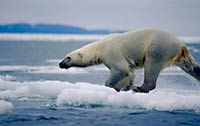
    Keep an eye out for beluga whales and polar bears – just two of the many species that can be found in and around Hayes River.

  • Great Changes for the Great Lakes

    Great Changes for the Great Lakes

    Across the world, North America is known for many things; the culture, the people and the great outdoors. Part of that great outdoors is the Great Lakes. The Great Lakes are an integral part of our North American identity; and to preserve that identity in 2005 the premiers of Ontario and Quebec and the leaders of eight American states that border the lakes came together and signed the Great Lakes Water Pact.

    The Great Lakes Water Pact is a pact that has introduced strict regulations in regards to the usage of the Great Lakes and it has sunk the tentative thoughts of shipping water to thirsty regions in the United States and Middle East. It was signed by the Canadian provinces and the American states that surround the Great Lakes; Ontario, Quebec, Ohio, New York, Pennsylvania, Michigan, Indiana, Illinois, Wisconsin and Minnesota. The agreement includes rules that make it difficult for communities surrounding the Great Lakes watershed to use the water and also aims to prohibit the commercial export of the lake water by restricting withdrawals of water to five gallon (twenty litres) containers.

    The affects this pact has on future generations are great. The Great Lakes are a natural resource that are depleting and are not renewing as fast or as much that is necessary. More than thirty five million people rely on the lakes for drinking water, and the lakes are only able to replace one percent of that per year.

    The Great Lakes Pact is important for North America’s future generation because it ensures that not all the lakes will be used up and it will be saved from disappearing. This works in the favour of future generations because it guarantees that the lakes will be there for their own usage as well just as it was there for the past generations usage. Not only does it assure fresh and natural drinking water for generations to come but it also promises that the amount of surface water in the world stays intact. The Great Lakes contains twenty percent of the world’s surface water and this pact will make sure that the surface water will remain for years to come. Without that surface water the world may dry up which in turn will not only affect people directly but also indirectly via the drying up of crops and vegetation.

    The Great Lakes Water Pact was signed in the year 2005 but its positive effects will last the world for years to come, both directly to people close to them and indirectly to people around the world. Directly through the fact that the Great Lakes are a source of fresh drinking water for people that surround them and indirectly because of the Great Lakes being a source of surface water that helps hydrate crops and vegetation, and without the lakes those crops and vegetation’s would dry up and therefore not feed communities around the world.

  • A Garbage Patch In The Great Lakes?

    A Garbage Patch In The Great Lakes?

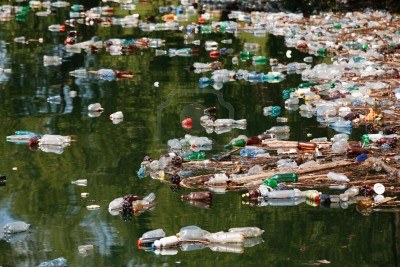
    You may have heard about the garbage patches that exist in the oceans – where specific ocean and atmospheric conditions ensnare debris, small pieces of plastic, which accumulate into large amounts of trash hundreds of kilometres from coastlines.

    Recent research has just discovered that the Great Lakes, the world’s largest freshwater ecosystem, are also being affected by plastic pollution.

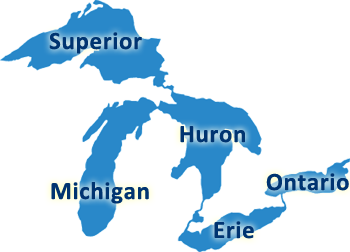
    Collecting water samples from Lakes Superior, Erie and Huron researchers found plastic concentrations ranging from 600 to 650,000 plastic pieces per square kilometer.

    While these plastic particles aren’t always visible, they’re there, absorbing toxic chemicals from the water, entering the food chain and impacting wildlife.

    For more information on issues impacting Canada’s water resources and actions we can take to help curb our impacts, please visit Rivers To Oceans.

  • Climate Change and the Loss of Sea Ice in the Arctic

    Climate Change and the Loss of Sea Ice in the Arctic

    Climate change affects every part of the world in a different way, but most experts agree the North will be impacted more than any other region. Sea ice spans most of the Arctic’s coastal and inter-island channels from eight to 12 months of the year and supports a number of species. It’s expected to undergo the most significant transformation.

    The effects of climate change in the North are not new occurrences. Actually, changes have been happening for quite some time. Over the past 25 years, Inuit and scientists have observed a decrease of roughly seven percent in sea ice area, with the largest rate of decrease during the summer months.

    Using highly scientific models of prediction, it has been determined that if warming trends continue at their current rate, by the end of this century the Arctic Ocean will be nearly ice-free during the summer.

    If Arctic sea ice melted away …
    Large sections of the Arctic Archipelago would open up.

    This would create more noise, traffic, pollution and safety issues for both humans and wildlife.
    (more…)

  • “Big Picture” Thinking Needed to Protect Nature

    “Big Picture” Thinking Needed to Protect Nature

    Few places on Earth have been untouched by humans, according to a study in the journal Science. Satellite images taken from hundreds of kilometres above the planet reveal a world that we have irrevocably changed within a remarkably short time.

    Although industrial projects like the proposed Enbridge Northern Gateway pipeline or the recently defeated mega-quarry in Ontario typically grab the headlines and bring out public opposition, it’s often the combined impacts of a range of human activities on the same land base that threaten to drive nature beyond critical tipping points. Once those are passed, rapid ecological changes such as species extinction can occur.

    For example, in British Columbia’s booming Peace Region, forestry, energy and mineral leases and licences are widespread and often multilayered in the same area. As various industries have exploited these “tenures”, a sprawling patchwork of large clearcuts, oil wells, dams and reservoirs, fracking operations and thousands of kilometres of seismic lines, roads and pipelines have come to dominate the landscape.

    Today, more than 65 per cent of the region has felt the impact of industrial development, leaving little intact habitat for sensitive, endangered species such as caribou to feed, breed or roam. Degradation or destruction of habitat has convinced scientists that remaining herds in the region are no longer self-sustaining and are spiralling toward local extinction. First Nations, who have relied upon caribou as their primary source of food for thousands of years, can no longer hunt them. This is a clear violation of treaty rights.

    This dire situation didn’t happen by accident or because of a laissez-faire approach to resource and land management. Numerous industries in the area have been operating legally and according to rules and regulations set by government.

    But legal experts, such as those at the nongovernmental organization West Coast Environmental Law, believe a root cause of the problem lies in laws about land, resource and water management that are “hardwired” to fail communities and the environment. The narrow focus of those laws enables industries to operate in isolation from one another.

    B.C., for example, has developed numerous individual laws, like the Forest and Range Practices Act, Oil and Gas Activities Act and Mines Act, alongside the regulated industries they enable. But the province lacks a legal framework to proactively and comprehensively manage the cumulative impacts of multiple resource industries operating within the same area.

    Because of this, WCEL and its First Nations partners are engaged in a multi-year law reform project that aims to overhaul the way we currently oversee and regulate cumulative impacts, ranging from declining water quality that may arise as a result of multiple industries using a common resource to emerging threats such as climate change.

    A cumulative-impacts approach to governing resource development would upend the current management paradigm. It would focus on the management needs of the land, water, air and wildlife and the communities that depend on them first, rather than the resources to be extracted. In practical terms, this would mean that, rather than focusing on what we should take from nature to create wealth and employment, we should first consider what must be retained in nature to sustain both wildlife and the well-being of local communities — such as clean air, safe drinking water and healthy local food.

    At a recent symposium on managing the cumulative impacts of resource development in B.C., numerous speakers — from First Nations to academics to business leaders — stressed that effectively managing cumulative impacts will require new institutions and governance mechanisms, even new legal tools. More importantly, it will require our leaders to adopt a more proactive and holistic way of thinking about the world — one that recognizes that far from just being a place to extract resources like fossil fuels, timber and minerals, nature is our home. Nature provides our most fundamental needs and dictates limits to growth and so its protection should be our highest priority.

    Managing our massive, growing human footprint on this planet more sustainably will require leadership, much of which is emerging from First Nations peoples who are on the frontlines of the day-to-day realities of cumulative environmental change. We need to look at the big picture rather than individual elements in isolation.