Tag: environment

  • Gum Recycling

    Gum Recycling

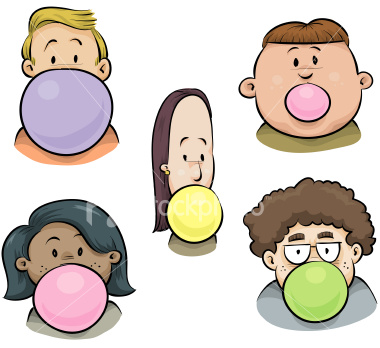
    Do you ever chew gum? How many times have you heard your parents or teachers tell you to put your finished gum in the garbage instead of spitting it out onto the sidewalk or leaving it under your chair? That’s good advice, since no one likes to have gum stuck to the bottom of their shoe or on their clothes or hair. Gum is sticky, and it can create a mess that is very difficult to clean up. Even in the garbage, however, gum can be a problem, since it never biodegrades. It would be far better if the gum could be reused or turned into something different. What if you could reuse gum and make it into a chair, a plastic container or fertilizer? Some scientists and inventors have found ways to turn discarded gum into many different products, and it’s helping to make cities cleaner.

    Cleaning up used chewing gum might not seem like a big problem, but it can be very expensive and difficult for city governments. According to research company Euromonitor International, Canadians bought more than 15,600 tonnes of gum in 2011. Much of that gum ended up on the streets. In one small area of a Toronto sidewalk, city officials once counted 2000 gum stains. Getting rid of that much gum can be difficult because it’s so sticky.

    One way to get rid of discarded gum is to use high-powered hoses that spray water and chemicals, but that can be expensive and wasteful. In Calgary, the government spends $50,000 each year on removing gum just from its light rail train stations, besides the money it spends to remove it elsewhere. The process ends up wasting a lot of water, as well as uses chemicals that might harm the environment. However, gum recycling might help to provide a solution for the problem.

    One of the first people to discover a way to recycle gum was a student named Anna Bullus from England, who found a way to change gum, which is made of rubber, into plastic. She now uses this plastic to make bright pink Gumdrop Bins where people can put more of their used gum. The bins come in 250-piece and 500-piece sizes and are appearing all over the country.

    Officials at the Southampton Airport in southern England, for example, claim to have the first airport in the world with gum recycling bins. Some of the gum from these bins ends up being recycled into a rubbery material used for construction and for running tracks. Some of the gum even ends up as toys. The United Kingdom already has a thousand gum bins in bus depots, train stations and other public areas. Some people estimate that the bins have reduced gum litter by 75%, and the project is still growing.

    Gum recycling is also coming to other parts of the world. Gumdrop Bins have appeared in an amusement park in the United States. In Canada, a company called Envyrobubble collects gum in 1000-piece containers and recycles it into fertilizer. If the idea of gum recycling catches on, who knows where it might appear next!

  • Fresh Air Is Good For You

    Fresh Air Is Good For You

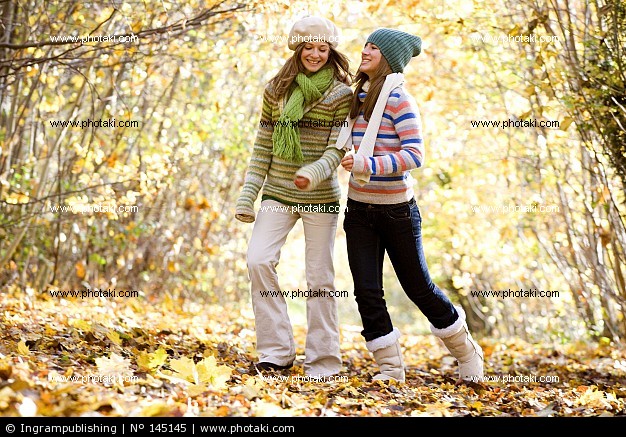
    Fresh air is good for you; it’s as simple as that. High school, college, university, academia or whatever path you choose to follow can be tiring and stressful. Long hours combing through forgotten history textbooks, memorizing flow charts and questioning minute details of your latest assignment can, and often will, be central to your formal education. So take a break – get outside!

    This isn’t a new concept. Many of us were fortunate enough to have parents push us out the backdoor when we were younger despite how much we wanted to watch just five more minutes of television or play one last level of our video games. Apparently they were right after all.

    With our technological era, the roles, responsibilities and resources of and for students are increasingly found behind the warm glow of a computer screen. Though such advances allow access to information and creates communication possibilities that our parent’s generation could never have dreamed of, it’s important not to forget the world beyond online academic databases, social networks and online video.

    Whether it’s a walk to the grocery store, a jog or finding a spot in a nice piece of shade, the outdoors can prove to be a welcome change from the fluorescent lighting, long lectures and minuscule texts typically found on campus.

    If you’re having trouble concentrating, how about a walk? If you’re experiencing a mental block, try working in a different environment (maybe your back porch?). Getting fresh air doesn’t necessarily mean excessive physical strain or avoiding your academic responsibilities. It can be as simple as sitting on a lawn chair or taking the scenic route back from your classes. It can be a welcome break, a stress reliever or just plain fun.

    Being outside, and physical activity, has its obvious benefits as well. One issue that many students face, particularly when beginning their post-secondary studies, is malnutrition and the dreaded weight gain of the “freshman 15”.

    For the first time, especially if going away for school, you will be in charge of your own physical fitness and for many this can be difficult. Sometimes there are too many temptations in the school cafeteria, or the ease of fast food during exam time is far too alluring. Physical fitness and personal well-being is an important part of student life and one that is often understated.

    So get outside! Whether for your physical well being, to help cope with academic stress and emotions or just for some fresh air, don’t forget there’s a world outside of the school’s facilities.

    You won’t regret it, I promise.

  • The Importance of Wetlands

    The Importance of Wetlands

    What Are They?
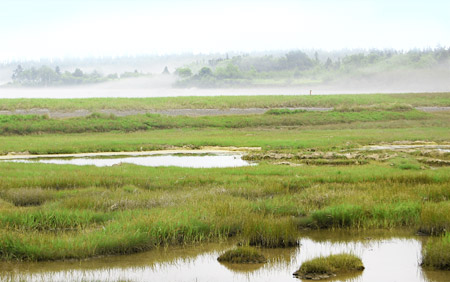
    A wetland is a habitat where land meets water such as ponds, marshes, swamps, bogs and fens. To classify as a wetland, the area must be completely covered or partially covered with water for a significant amount of time over the course of a year. This could be from flooding due to rain or melting snow, or because it exists as an established waterway. Wetlands are home to aquatic and land creatures, a combination that creates an incredible habitat able to function at great efficiency. This produces a rich environment for its inhabitants – wetlands sustain more life than any other ecosystem!

    Swamps: streaming water, often confused with marshes, set apart by the presence of trees and shrubs.
    Ponds: shallow waters, surface free of vegetation.
    Marshes: continually flooded with lots of surface vegetation.
    Bogs/fens: high water levels, large accumulation of peat, looks like solid ground but easy to fall through.

    Why Should I Care?
    Wetlands are home to more than 200 species of wildlife. Canada has a diverse population of amazing creatures, many that are endangered or at risk. Scientists have estimated that a third of these rely upon the wetland ecosystem. Migrating birds return to the same spot each year, and if that wetland is now a Superstore they have lost nesting grounds and their food source.

    Wetlands act like sponges, preventing floods from rainfall and melting snow. They also filter the water from pollution and chemicals, cleansing it before it recycles to the larger water basins. Amazingly, wetlands also remove and store greenhouse gases from the environment, making them important to the future of climate change as well.

    Cause to Worry
    Canada is home to many varieties of wetlands. It is estimated that 14% of the country is covered by a wetland, though the number shrinks every year. Wetlands are in danger of disappearing across the globe due to agriculture and residential development. According to the Alberta Wilderness Association, 70% of wetlands have been destroyed in that province alone. It is only in more recent years people come to understand the great importance of wetlands and their impact on our country. Without these powerful ecosystems, fowls, amphibians, mammals, reptiles and plants will eventually become extinct.

    What Can I Do?
    There are numerous organizations that recognize the value of wetlands and work hard to see them untouched and preserved. There are many things still yet to be done and much awareness that still needs to be raised. One factor in the decline of wetlands is the rapid consumption of water. We all need to conserve our water intake. Limiting the chemicals and pesticides we use will also have a positive effect on this ecosystem. Perhaps the most important thing one can do to help protect the wetlands is to educate themselves and others on the subject and become willing advocates. Finally, we can all take the time to enjoy the remaining wetlands and allow ourselves to be reminded why they are important.

  • Bike-sharing: An Idea for City Cycling

    Bike-sharing: An Idea for City Cycling

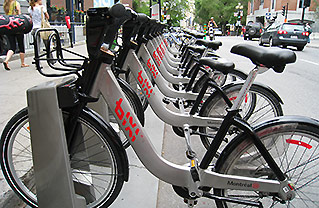
    How good are you at sharing with others? Do you ever let your friends use your bicycle? How would you like to share it with hundreds of other people? You might not want to do that with your own bicycle, but what if you and your friends could use public bicycles like taxis or buses? If you had to go somewhere, you could pick one up near your house, drop it off at your destination and then get another one for the return trip. Then someone else could use it for their own ride. That way, you could experience the benefits of cycling even if you didn’t own a bicycle.

    The idea of a public bicycle system began in the 1965 in Amsterdam, Netherlands. The White Bikes (Witte Fietsen in Dutch) were intended to be used for a short trip and then left for the next rider to pick up, but it didn’t work out that way. There was no way to know who had taken the bikes, and many of them were damaged or stolen. The program ended after only a few days, and bicycle-sharing seemed to be finished. Then in 1991 and 1993, four small bicycle-sharing programs began in Denmark. The largest of these was in Copenhagen, where bicycles were available at certain stations throughout the city for a coin deposit. The bicycles were much better built than the White Bikes of Amsterdam, but they were still often abandoned or stolen. The organizers needed a new way of keeping track of the customers who borrowed the bikes. Eventually, technology helped to provide a solution to the problem.

    The main trouble with previous systems was that there was no way of knowing who had the bicycles or where they went. In 1996, the Bikeabout program at Portsmouth University in England helped provide an answer with electronically-controlled bike racks and magnetic stripe cards for borrowing a bicycle. By 2005, the idea of bike-sharing was spreading around Europe. The city of Lyon, France bought 1500 bicycles for shared use, and the government of Paris started its own program called Vélib (from the French words for “bicycle” and “free”) in 2007. The program began with 7000 bikes but has now expanded to 23,600 around the city. In 2008, similar programs began outside Europe in places like Brazil and New Zealand. In 2009, the Bixi (“bicycle taxi”) program began in Montreal with 5000 bikes at 400 stations.

    The idea behind bicycle sharing is quite simple. People can buy daily, weekly or yearly passes. When they want to ride, they use their credit cards to release the bicycles from the racks. The first half hour of the ride is free, and after that they start to pay a rental fee for extra time. Bicycle repair people pick up damaged bikes, fix them, and return them to the racks.

    This system is especially good for people who use bicycles for short trips, such as riding to work or school. It saves the trouble of finding parking spaces for their cars, not to mention giving people a chance to exercise and to avoid adding to pollution in the air. If bicycle-sharing continues to grow, it could change the way people travel in the world’s cities.

  • The Plight of the Honey Bee

    The Plight of the Honey Bee

    They are a marvel of architectural design and one of nature’s most heroic creatures. The honey bee is an incredible insect with a work ethic beyond anything humans could ever endeavor to mimic. The honey bee works day and night without tiring, each assigned to a specific task.

    There are three groups bees can be categorized into: workers, queens and drones. The worker bees are the only bees people ever see. They gather food from the outside world, build and clean the hive and work to protect it. The drone’s only job is to fertilize the queen and in the fall, when the hive is at its bursting point, they are ejected from their home, sent to live in the wild elements where they eventually die. Honey bees are social creatures that co-operate well within the confines of their narrow existence. They have a job to do and they do it well.

    The worker bees must gather food for the queen and the drones. They do so by collecting pollen and nectar from flowering plants, thus beginning the production of new seeds. This process is called pollination and the honey bee is the biggest contributor. Without pollination, many crops of fruits, vegetables and nuts would die. It is estimated that one third of the world’s food source depends on honey bees to pollinate them.

    In 2006, there was a sudden collapse in honeybee colonies. This decline in bees was so drastic that scientists coined the event “Colony Collapse Disorder” or CCD. Throughout history bee colonies have experienced sudden and unexplainable collapses, but none so wide spread and epic as in recent years. Why is this happening? Many scientists have speculated that there is no one particular cause for the decline in the bee population, rather it is several factors put together. Some believe the pesticides farmers use on crops is to blame. Others feel it the radiation from cell phones causing poor navigation for the bees. Global warming has been cited as a possible reason as well. The real answer is that no one knows why the bees are disappearing, but everyone agrees on one sobering fact – if the problem continues to persist, the world has a very big problem.

    Humans have been exploiting the actions of the honey bee for centuries, capturing and manipulating their surroundings to acquire the much sought after honey and wax the bees so guilelessly create. It was not until the 1600’s that North America was introduced to this ambitious worker. European settlers brought their precious bee hives to ensure a certain quality of life laced with the natural sweetness of honey, and today it is unfathomable to imagine a life without the bees and their effects.

    Fabricated bee colonies are cropping up everywhere in a global effort to repopulate the bees. So far this has met with success, but perhaps this phenomenon should be a warning to all of us. Rather than try to only fix the problem, we might just want to ask what the bees are trying to tell us. If there is a lesson to be learned from their disappearance it would be wise to understand it.

  • How Animals Survive the Arctic Tundra

    How Animals Survive the Arctic Tundra

    The Arctic tundra, a snowy biome that is housed within the Arctic Circle, is characterized by freezing temperatures, strong winds and permafrost. Yet, despite being one of harshest environments on earth, many animals call the Arctic home. So how do animals living in the Arctic, a place that has months of continuous light followed by months of continuous darkness, survive in such a harsh habitat?

    Only a limited number of animal species in the Arctic do not migrate or hibernate during the winter months. The ones that do brave the winter have become well adapted to the extreme conditions and are able to survive year round. Some notable adaptations include the following:

    Bigger is Better
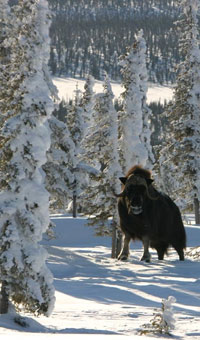
    Polar animals seem to be larger in size, have shorter limbs, denser fur and more fat and blubber than their counterparts in more temperate climates; these characteristics help reduce heat loss. It is also important to note that only larger animals, like the muskox, roam the Arctic in winter and huddle in herds to keep warm.

    Dig for Cover
    Smaller animals, such as the collared lemming, go under the snow for warmth, shelter and protection. These smaller animals dig elaborate tunnels under the packed snow and live on the roots of plants during the winter months.

    Fur Better, not Fur Worse
    As the temperature dips, animals replace their summer coats with thicker, longer coats. The snowy owl, for example, is covered in fluffy white feathers from head to toe These feathers are overlapped with more feathers to ensure the owl will remain warm in cold weather. The Arctic fox replaces its brown coat with a heavier white coat that not only keeps it warm, but also provides camouflage. The muskox grows plenty of shaggy, coarse hair that covers everything but its feet.

    Tick Tock
    A research team in Alaska studied the heart rates of two types of Arctic rodents exposed to continuous daylight, nocturnal porcupines and the Arctic ground squirrel. Despite having no time cues, the animals seemed to respond to something that provided them with regularity and allowed them to retain a normal day/night, 24-hour cycle and a biological clock. So what was the one constant factor that kept the animals’ cycle on schedule in Alaska? It was the sun, which moves overhead in a circular motion and, at midnight, is tipped to the north. The animals are aware of the position of the sun in the sky, and the nearness of the sun to the horizon can act as a clue to animals to maintain a 24-hour cycle.

  • Are plastic bags really necessary?

    Are plastic bags really necessary?

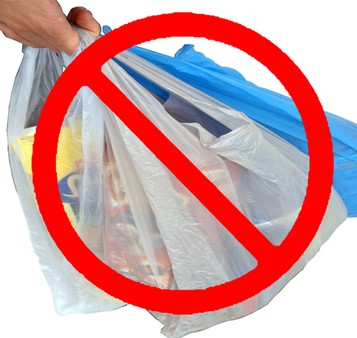
    A national newspaper columnist wrote that “banning plastic bags will do exactly nothing to save the planet.” She went on to argue that they’re even environmentally friendly. Outright bans may not be the best solution, but plastic bags pose a big problem that must be addressed. The columnist appeared to be more interested in contrarianism for its own sake than in acknowledging the environmental harm these products cause.

    Plastic bags are bad and for the most part unnecessary. Many of us older folks remember a time, only a few decades ago, when we didn’t have them. Sure, they’re convenient, but is that an excuse to damage the environment and the life it supports?
    Subscribe to Science Matters

    A University of British Columbia study found that 93 per cent of beached northern fulmars (migratory seabirds related to the albatross) had bellies full of plastic — a substantial increase from the last time they were tested, in 1980. Head researcher Stephanie Avery-Gomm told the Globe and Mail that one bird had 454 pieces of plastic in its stomach. Eating plastic can severely harm or kill birds, as well as the 260 other marine species, including turtles and fish, that we know eat or get entangled in the stuff.

    It’s not just bags, of course. We humans have become dependent on plastic for a range of uses, from packaging to products. Reducing our use of plastic bags is an easy place to start getting our addiction under control.

    Canadians use between nine- and 15-billion plastic bags a year, enough to circle the Earth more than 55 times, according to the Greener Footprints website. (U.S. citizens use about 100 billion a year!) Few plastic bags are recycled. Most are used for a short time to carry groceries, and then maybe re-used as garbage bags or to wrap dog poop before ending up in the landfill or the ocean. Some people argue that, because they make up about one per cent of the volume of waste in landfills, we shouldn’t worry. But one per cent of the massive amounts of what’s in landfills is a lot, especially since plastic doesn’t biodegrade.

    Because they’re lightweight, plastic bags are easily carried by wind and water. Besides accumulating in the ocean, they litter our streets and natural areas, often clogging drainage systems and contributing to flooding. They take at least 1,000 years to break down, and even then, they don’t biodegrade; rather, they fragment into smaller and smaller pieces, making them more likely to be eaten by marine and land animals.

    Plastic is also a petroleum product, so continued and increasing use of it accelerates the depletion of valuable fossil fuels. According to Greener Footprint, 8.7 plastic shopping bags contain enough embodied petroleum energy to drive a car one kilometre.

    Finding something to carry your groceries in is easy; inexpensive re-usable bags come in a variety of materials and sizes. Many are small and light and can be carried in a purse or daypack. I carry one in my back pocket and have refused dozens of plastic bags as a result. Some people worry about bacteria and other contaminants that may accumulate in the bags, but you just need to wash them regularly.

    One of the bigger issues is what to put garbage in. Before the 1980s, no one used plastic bags for groceries or garbage, nor did we have composting or recycling programs, so we know that plastic garbage bags aren’t entirely necessary. The first step is to reduce the amount of garbage we produce. In fact, there’s really no such thing as garbage. It’s all resources, so we should more accurately refer to it as “waste”.

    Buying products with less packaging and reducing overall consumption of unnecessary goods is a start. Re-using, recycling, and composting also help you cut down what you send to the landfill. For the unavoidable waste, and the dog poop, use bio-compostable bags.

    Outright bans on plastic bags may not be the best solution, but education and incentives to get people to stop using them are necessary. If we have any hope of finding ways for seven billion people to live well on planet with finite resources, we have to learn to use our resources efficiently. Plastic bags are neither efficient nor environmentally friendly.

  • Canada’s Environmental Changes – How You Can Make A Difference

    Canada’s Environmental Changes – How You Can Make A Difference

    When you hear the words “global warming” or “climate change” you might immediately think of its impact on humans and our habitat. But what about the animals living in Canada – how does climate change affect them?

    Canada is the second largest country in the world and home to many different species of animals, all with unique needs. Some thrive in rainforest temperate , like that found on Vancouver Island in British Columbia. Others need the cold climate of Canada’s vast north, like Iqaluit or Churchill, Manitoba on Hudson’s Bay.

    Climate change affects all of these animals. Perhaps the most well-known issue is with polar bears in Canada’s north. Global warming is changing how long ice is available in the north and this greatly affects the ability of the polar bear to hunt, swim and move about their habitat. Ice has been thinner and melting faster than ever before, causing many polar bears to scavenge for food in nearby towns. Unfortunately, many of these bears then can easily come into contact with humans and will have to be either put down or tranquilized and moved away from the town. However, the problem of not being able to hunt will cause a vicious cycle of the bear then returning to the town to find food again.

    A similar problem exists in the temperate rainforest of British Columbia (yes, Canada does have a rainforest. How amazing is that?). Grizzly and black bears thrive on hunting salmon in these habitats, but even the salmon spawns have been decreasing in size due to pollution and overfishing. When they cannot hunt, they also enter nearby towns and inadvertently threaten human populations.

    What can we do to help these animals? There are a number of seemingly small steps we can take to help slow down the effects of climate change that will in turn work to restore the natural habitats of these beautiful animals. One of the easiest things we can do is to turn down our thermostats. It may seem like a difficult thing to do in a Canadian winter, but lowering our heat consumption saves energy. Saving energy reduces the amount of fossil fuels our energy-producing plants need to expend. Turn your heat off when you leave the house or when you are sleeping.

    Another easy change is to take public transportation. Even if you only take it once a week, you are reducing the number of harmful emissions and pollutants in the air which threaten the ozone layer (causing the heat to rise). Imagine if we all took public transportation more rather than drove our cars – we would make a huge impact on the amount of pollution in our air!

    Our cell phone chargers, MP3 player chargers and other electronic devices all use up energy when they are plugged into the wall – even if they are not charging anything! Always unplug these chargers from the wall when you are finished using them.

    Finally, an easy way to reduce waste in our environments (which pollute our waters and forests) is to bring a reusable bag with you whenever you buy groceries. Most grocery stores now charge for plastic bags in an effort to convince people to bring their own reusable bags. It’s very easy to do – just pop one in your back pack and leave it there! You will never be without it or run the risk of forgetting it. Plastic bags do not break down for hundreds of years – imagine an entire forest filled with plastic bags, or our rivers and lakes choked with them. Breaking our addiction to these bags because they are convenient is very easy to do and will make a huge difference for our environment and animals.

    It may seem like an impossible feat, but making small changes in our everyday lives will make a big impact on the wonderful environment we get to call home. We are lucky to share this world with beautiful animals like polar bears, and it is our responsibility to help protect them. Implement these small changes listed above, encourage your friends and family to do the same, and we can ensure Canada remains beautiful and diverse.

  • Canada Environment – current issues and definitions

    Canada Environment – current issues and definitions

    Sourced: index mundi ( Canadian issues and definitions )

    Environment – current issues: air pollution and resulting acid rain severely affecting lakes and damaging forests; metal smelting, coal-burning utilities, and vehicle emissions impacting on agricultural and forest productivity; ocean waters becoming contaminated due to agricultural, industrial, mining, and forestry activitiesDefinitions to understand

    Acidification – the lowering of soil and water pH due to acid precipitation and deposition usually through precipitation; this process disrupts ecosystem nutrient flows and may kill freshwater fish and plants dependent on more neutral or alkaline conditions (see acid rain).

    Acid rain – characterized as containing harmful levels of sulfur dioxide or nitrogen oxide; acid rain is damaging and potentially deadly to the earth’s fragile ecosystems; acidity is measured using the pH scale where 7 is neutral, values greater than 7 are considered alkaline, and values below 5.6 are considered acid precipitation; note – a pH of 2.4 (the acidity of vinegar) has been measured in rainfall in New England.

    Aerosol – a collection of airborne particles dispersed in a gas, smoke, or fog.

    Afforestation – converting a bare or agricultural space by planting trees and plants; reforestation involves replanting trees on areas that have been cut or destroyed by fire.

    Asbestos – a naturally occurring soft fibrous mineral commonly used in fireproofing materials and considered to be highly carcinogenic in particulate form.

    Biodiversity – also biological diversity; the relative number of species, diverse in form and function, at the genetic, organism, community, and ecosystem level; loss of biodiversity reduces an ecosystem’s ability to recover from natural or man-induced disruption.

    Bio-indicators – a plant or animal species whose presence, abundance, and health reveal the general condition of its habitat.

    Biomass – the total weight or volume of living matter in a given area or volume.

    Carbon cycle – the term used to describe the exchange of carbon (in various forms, e.g., as carbon dioxide) between the atmosphere, ocean, terrestrial biosphere, and geological deposits.

    Catchments – assemblages used to capture and retain rainwater and runoff; an important water management technique in areas with limited freshwater resources, such as Gibraltar.

    DDT (dichloro-diphenyl-trichloro-ethane) – a colorless, odorless insecticide that has toxic effects on most animals; the use of DDT was banned in the US in 1972.

    Defoliants – chemicals which cause plants to lose their leaves artificially; often used in agricultural practices for weed control, and may have detrimental impacts on human and ecosystem health.

    Deforestation – the destruction of vast areas of forest (e.g., unsustainable forestry practices, agricultural and range land clearing, and the over exploitation of wood products for use as fuel) without planting new growth.

    Desertification – the spread of desert-like conditions in arid or semi-arid areas, due to overgrazing, loss of agriculturally productive soils, or climate change.

    Dredging – the practice of deepening an existing waterway; also, a technique used for collecting bottom-dwelling marine organisms (e.g., shellfish) or harvesting coral, often causing significant destruction of reef and ocean-floor ecosystems.

    Drift-net fishing – done with a net, miles in extent, that is generally anchored to a boat and left to float with the tide; often results in an over harvesting and waste of large populations of non-commercial marine species (by-catch) by its effect of “sweeping the ocean clean.”

    Ecosystems – ecological units comprised of complex communities of organisms and their specific environments.

    Effluents – waste materials, such as smoke, sewage, or industrial waste which are released into the environment, subsequently polluting it.

    Endangered species – a species that is threatened with extinction either by direct hunting or habitat destruction.

    Freshwater – water with very low soluble mineral content; sources include lakes, streams, rivers, glaciers, and underground aquifers.

    Greenhouse gas – a gas that “traps” infrared radiation in the lower atmosphere causing surface warming; water vapor, carbon dioxide, nitrous oxide, methane, hydrofluorocarbons, and ozone are the primary greenhouse gases in the Earth’s atmosphere.

    Groundwater – water sources found below the surface of the earth often in naturally occurring reservoirs in permeable rock strata; the source for wells and natural springs.

    Highlands Water Project – a series of dams constructed jointly by Lesotho and South Africa to redirect Lesotho’s abundant water supply into a rapidly growing area in South Africa; while it is the largest infrastructure project in southern Africa, it is also the most costly and controversial; objections to the project include claims that it forces people from their homes, submerges farmlands, and squanders economic resources.

    Inuit Circumpolar Conference (ICC) – represents the 145,000 Inuits of Russia, Alaska, Canada, and Greenland in international environmental issues; a General Assembly convenes every three years to determine the focus of the ICC; the most current concerns are long-range transport of pollutants, sustainable development, and climate change.

    Metallurgical plants – industries which specialize in the science, technology, and processing of metals; these plants produce highly concentrated and toxic wastes which can contribute to pollution of ground water and air when not properly disposed.

    Noxious substances – injurious, very harmful to living beings.

    Overgrazing – the grazing of animals on plant material faster than it can naturally regrow leading to the permanent loss of plant cover, a common effect of too many animals grazing limited range land.

    Ozone shield – a layer of the atmosphere composed of ozone gas (O3) that resides approximately 25 miles above the Earth’s surface and absorbs solar ultraviolet radiation that can be harmful to living organisms.

    Poaching – the illegal killing of animals or fish, a great concern with respect to endangered or threatened species.

    Pollution – the contamination of a healthy environment by man-made waste.

    Potable water – water that is drinkable, safe to be consumed.

    Salination – the process through which fresh (drinkable) water becomes salt (undrinkable) water; hence, desalination is the reverse process; also involves the accumulation of salts in topsoil caused by evaporation of excessive irrigation water, a process that can eventually render soil incapable of supporting crops.

    Siltation – occurs when water channels and reservoirs become clotted with silt and mud, a side effect of deforestation and soil erosion.

    Slash-and-burn agriculture – a rotating cultivation technique in which trees are cut down and burned in order to clear land for temporary agriculture; the land is used until its productivity declines at which point a new plot is selected and the process repeats; this practice is sustainable while population levels are low and time is permitted for regrowth of natural vegetation; conversely, where these conditions do not exist, the practice can have disastrous consequences for the environment .

    Soil degradation – damage to the land’s productive capacity because of poor agricultural practices such as the excessive use of pesticides or fertilizers, soil compaction from heavy equipment, or erosion of topsoil, eventually resulting in reduced ability to produce agricultural products.

    Soil erosion – the removal of soil by the action of water or wind, compounded by poor agricultural practices, deforestation, overgrazing, and desertification.

    Ultraviolet (UV) radiation – a portion of the electromagnetic energy emitted by the sun and naturally filtered in the upper atmosphere by the ozone layer; UV radiation can be harmful to living organisms and has been linked to increasing rates of skin cancer in humans.

    Water-born diseases – those in which bacteria survive in, and are transmitted through, water; always a serious threat in areas with an untreated water supply