Author: Anthony Teles

  • Overwhelmed

    Overwhelmed

    This has been a difficult time for our collective mental health. Everything from COVID-19 to the climate and economic crises are difficult to ignore. What can I even do as a single person up against all these problems? A recent study from the CDC found that 40% of adults in the United States experienced one or more adverse mental or behavioural health conditions during the pandemic. You are far from alone. If you are feeling overwhelmed and having difficulty functioning, take a few deep breaths and take a moment to reflect. There are steps you can take even when you feel at a complete loss.

    When we become overwhelmed, it can be hard to put it all into words. Thoughts of impending doom, nihilism, and anger can swirl in our heads. You can jump from fear to frustration to guilt in a matter of moments. Our bodies have physical reactions to this stress that can manifest in different ways. In this very moment, you can start addressing this by taking deep breaths. Take five minutes to meditate by focusing on a single image or object.

    Allow yourself to feel overwhelmed. We tend to put a lot of energy into fighting it and feeling guilty for being this way. Yet survey after survey shows that this is a normal and common part of the human experience – as normal as hunger and fatigue. We put so much effort into appearing happy on social media, and professional at work, that this can be easy to forget. Ride out that emotional wave.


    At the core of feeling overwhelmed mentally is a lack of control or predictability. This can range from issues with your body, to problems at school or work, to the huge problems we face globally as a species. Make a mental checklist of all the things you can control. These could include fixing a slouched posture, taking time to exercise, creating a daily routine, and eating healthier.

    Reach out for help. Your parents and friends are all going through their own mental health experiences. As we become more open as a society to talking about depression and anxiety, talk to the people in your life both about how you are doing and how they are doing. For professional help, start by making an appointment with your general practitioner or family doctor. Look into therapists in your area or online, including low-cost options available.

    If all of that sounds like too much, focus on this very moment. Take a break to listen to some of your favourite music or go for a walk outside. Think of it not as a distraction from your negative thoughts, but rather a chance for you to decompress and for those thoughts to get sorted. Afterwards, take note of the different ideas in your head and how they are affecting you. Take time to measure your emotional and physical reaction to specific thoughts, and take advantage of your calmer state to think of counter-arguments to those ideas.

    Being overwhelmed is not a problem that will go away with a few simple steps. It is a part of the human experience and will come and go in waves. It is essential to treat your mental health no different than you do your physical wellbeing. You would not simply ignore or learn to live with hunger or an injury. Figure out the smallest steps you are capable of taking to feel even a little less overwhelmed. If you feel clueless as to what that may be, remember that reading this was already your first step. Now take a deep breath and keep going.

    Sources:

    DuBois-Maahs Jessica. “How to Management When We Feel Overwhelmed.” Talkspace. https://www.talkspace.com/blog/feeling-overwhelmed/

    Tartakovsky, Margarita. “Overwhelmed? These 6 Strategies May Help.” PsychCentral. https://psychcentral.com/blog/overwhelmed-these-6-strategies-may-help/

    Teboe, Chloe. “Suicide prevention awareness during COVID-19’s toll on mental health.” News Centre Maine. https://www.newscentermaine.com/article/news/local/as-seen-on-tv/suicide-prevention-awareness-month-september-during-coronavirus-covid19-pandemic
  • Turn Out The Social Noise

    Turn Out The Social Noise

    By Erin Rebello

    *** Ding! That sounds like your phone buzzer is going off. What notification could it be now? Perhaps a text from a friend, someone liking your post, or maybe even a headline with breaking news? You should probably check it, right now, along with the 20+ other notifications that have been piling up since you last put down your phone. It could be important! ***

    Does thinking about this situation put you on edge or give you a feeling of lingering anxiety? If so, you certainly aren’t alone! In this technological day and age where information is at our fingertips, it can be very tempting to want to drink in every text, headline, or post. It’s human nature to crave information, and no one likes feeling left out.

    But is it healthy? Is it good for our mental health to be constantly searching for posts and replies to fill our souls? In this warped world where every app seems to be begging you to use their product and check your notifications, is it healthy to be giving in to such urges? In my humble opinion, I would argue that this constant flood of social noise is extremely unhealthy, especially for young and impressionable minds.

    For starters, think about how social media makes it harder to communicate and bond with your friends in person. Over the past few years, I’ve noticed that it is very common for people to check their phone notifications while hanging out with someone in real life! Although it may have been an important notification or text, more often than not, it could have waited until later. In this way, we are deteriorating how we connect with those around us. This is especially true for gen-z kids like myself, who have basically grown up surrounded by this sort of social white noise.

    Another issue, which I have noticed in myself, is how much anxiety constant social media use causes. Although I have it better under control now, I remember how I would sit on edge anxiously, waiting for a friend to reply to a text, waiting for them to get online, waiting to see the three little dots that indicate they’re typing. Although I thought I knew better, I was subconsciously wrapped up in the messy world of social media. It’s hard to admit, but like many other teens, I equated my self-worth to what others thought, reducing my personhood to a gallery of pictures in a sea of profiles. While over time I was able to gain better control, I sometimes wonder what would happen to me if I continued caring about the likes and comments. It truly scares me to think that I could have been drowned by the ear-splitting sound of social noise that sinks so many other teens my age.

    Finally, I want to bring light to the very real issue of social media addiction. Although it is often swept under the rug, social media addiction is a very real issue, especially for children and teens with an abundance of spare time. The worst part is that no one realizes they have a problem. Think about it, how much time do you think you’re spending on Instagram, Snapchat, Tiktok, Reddit, or Twitter. Maybe a couple of hours in a day? In most cases, this estimate is blatantly wrong. Many apps have complex algorithms put in place to keep you scrolling for hours on end- without even noticing! You probably thought it was convenient that your social media account always seems to show you posts that you enjoy, but this is actually a carefully planned attempt to hold your precious attention for as long as possible. Is this really something that you want for yourself?

    If you’ve read this far, you might just be convinced that social noise is harming your mental health. But how do you stop? How do you beat an algorithm that is programmed to be stronger than human willpower? I’m not going to sugarcoat it and say that it’s easy. Your problems and cravings won’t disappear overnight, and you might even still need social media for work or to communicate with others.

    So how do you cut down without necessarily going cold turkey? A great way to start, is by turning off notifications for most of your apps, except perhaps important email or SMS texts. It can be very tempting to pick up your phone and start scrolling when your phone buzzes to life with a new notification, so instead keep you instant notifications off. Worst comes to worst, you’ll reply a little later, which isn’t a huge deal! I also recommend being deliberate about your social media use. Open an app with a clear idea of what you want to do, and don’t linger! Once you start scrolling, you’re as good as gone, so be sure to think really hard and be purposeful with your social media usage. Finally, be aware of how much you use social media. Most phones have an option in the settings tab that allows you to track your usage. I urge you to constantly check up on these numbers. If you’re spending 20 hours a week mindless scrolling through Tiktok, take a step back and think about what you could be doing with that time. Improving your art? Learning a language? Diving into an interesting book? The possibilities are limitless!

    In conclusion, it’s important to realize that the constant pull of social media can be very harmful, especially to children and teens. It deteriorates in-person connections, causes issues with mental health and self-perception, and also results in terrible cases of addiction. With these severe consequences in mind, it’s important that we are mindful and purposeful about our social media usage. Instead of letting social media control us, we need to take back our autonomy, and instead control the way we use social media. We have waited far too long, and it’s about time we tuned out the social noise around us, and instead embraced a more peaceful social silence.

  • How to Keep Your Mind off of COVID-19 but Stay Safe

    How to Keep Your Mind off of COVID-19 but Stay Safe

    We are all sick of COVID-19! It is all over the news, in all our conversations with friends and family, and in our mind day after day. The pandemic is a serious health risk and must be taken seriously, but that does not mean it has to get all that negative attention. Worrying so much about it will not change anything. You can take your mind off of it. There are different ways to do so while still staying safe. Let us take a look at techniques and ideas for focusing less on the pandemic without putting yourself at risk.

    It can be hard to find distractions from bad thoughts when you are stuck at home. Try to limit how much news you take in from websites and social media. It is important to still keep up with what is happening in the world, but it only takes so long to do that. Instead of getting sucked into hours of tweets and posts, turn off your devices or take a break from social media. Spend some time pursuing a hobby around your home without your phone. Do some exercise or some cleaning. This will help you both mentally and physically, while still making sure you are safe and indoors.

    Going outside does not have to mean masks and social distancing. This is the perfect time to explore nature in your area. Go for a hike, get out on the water, or spend a sunny afternoon in the park. You can enjoy being out and about without the constant reminders of the pandemic. Instead, focus on where you are in the moment. Take in the sights, sounds, and smells of everything around you. Use the quiet of the outdoors to practice some yoga or meditation, or take down your thoughts in a journal. You can stay outside and stay safe.

    Not everything has to be done alone. Take advantage of this situation to spend extra time with your family members. Instead of talking about the pandemic, enjoy some fun events such as game nights or binge-watching a new show. You can all take your mind off of COVID-19 while staying safe within your social bubble. Keep in touch with your friends through phone calls, video chats, and text messages. Just like with your family, have virtual game or movie nights that allow you to have fun without dwelling on what is happening in the world. We are all experiencing the same concerns and worries, and so spending time together to help us forget about all that is helpful for all of us.

    It seems we cannot go more than a few hours without hearing someone talk about COVID-19. It is very important for our health to take our minds off of the issue. There are plenty of ways to do that without putting yourself or others at risk of getting sick. You can do lots of safe things at home, outside, and with others that will greatly benefit your physical and mental well-being. Now stop worrying and go find something else to do!

    Sources:

    Jacobson, Rae. “Supporting Kids During the Coronavirus Crisis.” Child Mind Institute. https://childmind.org/article/supporting-kids-during-the-covid-19-crisis/

    Susman, David. “10 Healthy Activities to Take Your Mind off Coronavirus.” Psychology Today. https://www.psychologytoday.com/ca/blog/the-recovery-coach/202003/10-healthy-activities-take-your-mind-coronavirus

  • What to Do When Your Classroom Feels Unsafe

    What to Do When Your Classroom Feels Unsafe

    Going back to school is an exciting and scary experience every September for students of all ages. It is exciting to come back to the classroom, see old friends, and meet new people. But it is especially scary in the middle of a pandemic. On top of concerns about making friends, dealing with bullies, and news stories about school shootings and other violence, you must also take proper measures due to COVID-19. If you find yourself feeling unsafe in the classroom, it is important to talk to your teacher about it. There are different ways to go about this and different things you can say to make your classroom a safer place.

    Teachers are not just responsible for your education, but also your emotional and physical well-being inside the classroom. It is important that your teacher works hard to make you feel able to approach them and tell them something is wrong. If that is difficult for you, then reach out to your parents or other teachers and staff at your school that you are comfortable with. Let them know how you are feeling about your classroom and what exactly is making you worried. Those adults can then communicate those issues with your teacher in order to make the changes you need.

    When you feel ready to speak to your teacher, do some homework beforehand. Take a look at the policies your school has on classroom safety for bullying, COVID-19, etc. Are there certain rules that your teacher is not following? Or are there things they could be doing beyond those policies? If so, then you are probably not the only one feeling unsafe. It might be easier to approach your teacher with some friends or fellow students who are feeling the same way. You can help make your classroom safer for everyone in it.

    If you are feeling unsafe, it will probably take more than one talk to fix it. Make a plan with your teacher on how to change the classroom and be ready to talk to them multiple times. Start with simple suggestions that can be done quickly. Maybe your teacher can set up website filters to block out sites students should not be visiting. Or perhaps they can start including a quiet time in the schedule to allow everyone to calm down and process what has happened that day. It could be as simple as moving desks further apart or rearranging the classroom to allow for better social distancing. Let your parents know what your teacher is doing in response to your talks and see what they have to add. Remember that it is okay to tell your teacher that you disagree with something they are doing. It is important that you and everyone at your school feels safe in order to be healthy and to learn.

    Being a student is hard work. So is being a teacher. It is important that teachers and students work together to make the classroom a fun and safe place of learning. Each room in a school is filled with young, growing minds, and the way they are taught will have a big impact on them and the world’s future. If you are feeling unsafe in your classroom for any reason, reach out to a trusting adult or your parents about the issue. Work together to figure out ways you can work on making it better. Making yourself feel safe will help make your school a better place.

    Sources:

    Curtello, Amy. “How Teachers Can Help Students Feel Safet at School.” James Stanfield. https://stanfield.com/how-teachers-can-make-students-feel-safe-school/

    Education World. “Creating a Safe Classroom Environment.” https://www.educationworld.com/a_curr/creating-safe-classroom-environment-climate.shtml

    Perry, Bruce D. “Creating an Emotionally Safe Classroom.” Scholastic. https://www.scholastic.com/teachers/articles/teaching-content/creating-emotionally-safe-classroom/

    Tholen, Celeste. “6 Ways You Can Help Your Kids Stay Safe at School.” SafeWise. https://www.safewise.com/blog/what-parents-can-do-to-make-sure-kids-are-safe-at-school/

  • Ditching Fast Fashion and Trying Out Thrifting

    Ditching Fast Fashion and Trying Out Thrifting

    By Erin Rebello

    With all that’s going on in the world, it seems like concern for the environment has taken a backseat. As much as we would like to ignore it, the world is going to get more polluted and less habitable if we continue to damage it. Although this is a huge weight to put on the shoulders of children and teens, we too are responsible for the state of our planet! One of the major contributors to pollution and waste is the fast fashion industry.

    As the name suggests, fast fashion is a sector of the fashion industry that promotes the sale of trendy pieces of clothing that are cheaply made and sold for low prices. Oftentimes, these garments are made by workers in third-world countries who are paid grossly unfair wages that trap them in a cycle of poverty. Besides the blatant ethical issues, fast fashion also creates excessive waste. Rather than buying a piece of quality-made clothing and wearing it for years, people are now purchasing clothing that’s “trendy” but falls apart quickly and cannot withstand wear and tear. Thus, the cycle of fast fashion has started, causing students to purchase poorly-made clothes, only to throw them out and buy new ones in a couple of months.

    As a result, landfills are being filled with unusable textiles that will take years to disintegrate. Although some countries have implemented systems to recycle fabrics, there will always be piles and piles of fabric that will fill landfills. And this all occurs because of the fast-fashion industry and the switch to cheap and non-durable clothing.

    So now that you’re educated about the issue, you are probably are wondering how you can help. Although you probably don’t have the power to shut down the fast-fashion industry, you can put your money where your heart is and invest your money into more sustainable clothing options. One thing that almost anyone can do is switch to buying secondhand. Although there has been a stigma about buying second-hand over the past decades, it’s time to put your preconceived notions aside for the sake of the planet!

    Buying from a secondhand store or thrift shop has two major positive impacts. For starters, you are keeping a garment out of landfills, which is huge! As well, you are also preventing yourself from falling victim to the vicious cycle of the fast fashion industry by not supporting brands with your dollar. Although seemingly simple, this small task can make a huge impact, especially when many kids decide to do the same thing!

    Not only is thrifting environmentally friendly, but it can also be a lot of fun. Instead of shopping at a store, which has a particular clothing aesthetic, thrift stores are a melting pot of various styles, fashions, and eras, exposing you to various clothing styles you may have never seen before. As a result, going thrifting can even help you develop a brand new and unique sense of style! Not to mention the rush of dopamine you feel when you find something that you absolutely love!

    Overall, although the fast fashion industry and climate change are two major issues that Canadians face, by shopping at thrift stores you can do your part to help resolve these problems. Happy thrifting!

  • The Importance of Studying Animals

    The Importance of Studying Animals

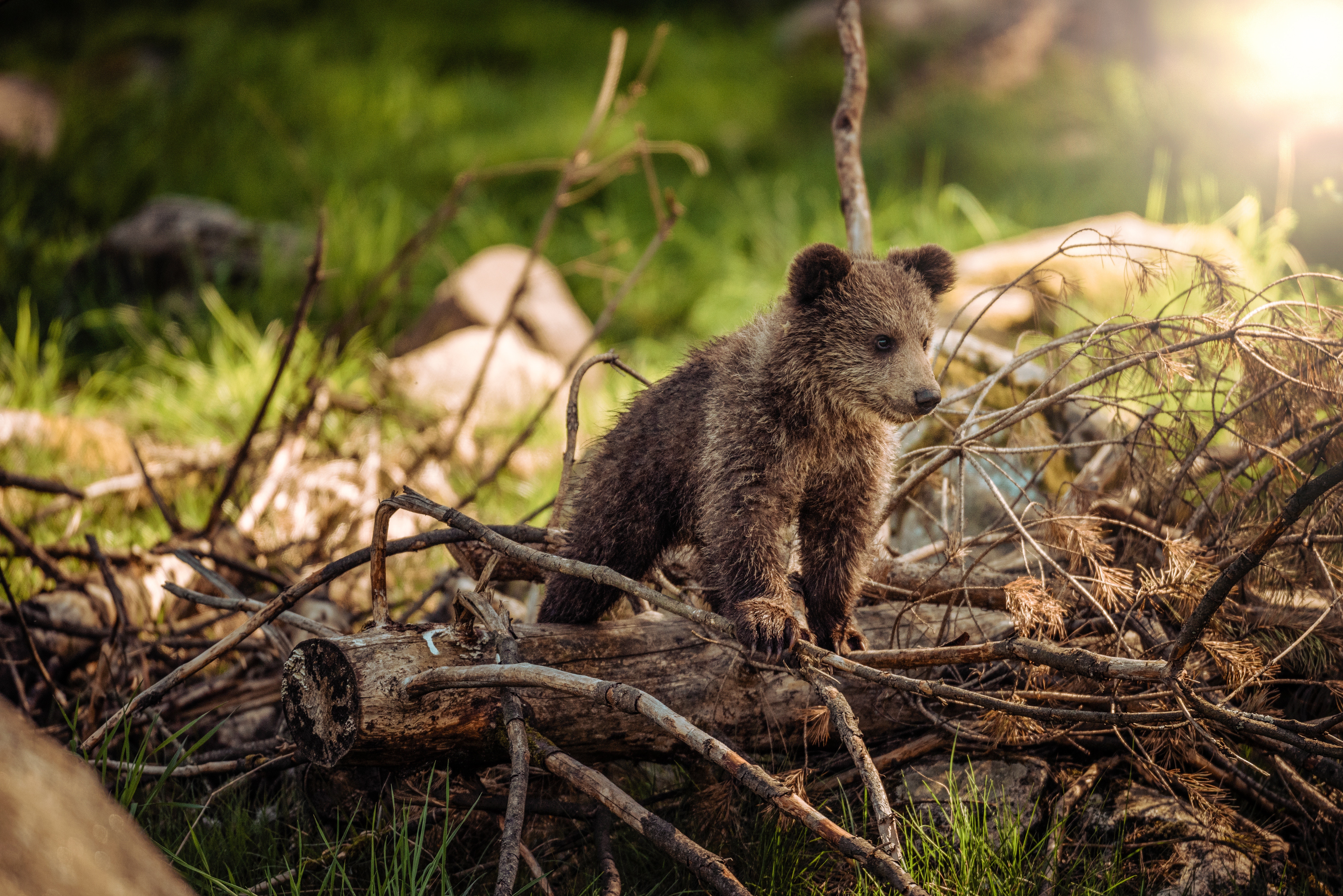
    We love animals. From the pets in our homes to the wildlife in parks and forests, animals bring people a lot of joy. They play such a big role in our lives, ecosystems, and the planet, and so it is important that we learn as much as we can about them. By studying animals, you can learn more about yourself, your friends and family, and the world. They are far more than just cute creatures to look at or play with.

    Ethology is the science of animal behaviour. It allows us to learn more about how they live and helps us in many different ways. Animals have wants, needs, and emotions like we do. Ethologists use different tests in order to figure out what they prefer and what motivates them. For preference tests, animals are placed in a maze with food or toys in different spots, in order to see where they go. For motivation tests, animals have to perform certain behaviours to get a reward. All of this helps us better understand them, as well as better understand how to treat them well and live alongside them. We learn to be more considerate of our pets and the animals we see outside, and can even learn more about our own preferences and motivations.

    Learning about animals and how they interact with each other helps us better understand how we live and work alongside our friends and family. A lot of research has been done on how chimpanzees and monkeys cooperate and get along in groups. This research has been used to make more sense of aggressive and negative behaviours amongst humans. By looking at how animals express their emotions, we have been able to know more about how the people in our lives do the same. Scientists have used the development of monkeys and communication between birds to gain insight into how the babies and children in our lives develop. Humans evolved just like all the other animals on this planet, and gaining understanding of them means building a better understanding of us.

    Studying animals makes the world a better place for all of us. With the assistance of animal scientists, farmers are able to improve breeding and nutrition, as well as ensure that farming has less of an impact on the environment. Learning more about animals also provides better understanding of how diseases spread and what can be done about it. Humans have caused a lot of destruction and harm to the planet. Studying animals can change that. We can learn how to better live alongside nature and the other creatures we coexist with on this planet.

    We are animals too. Humans are creatures that happened to evolve with big brains, but we share a lot in common with our pets and fellow creatures. It is important to learn about animals to ensure they live better lives. It also leads to us having a better understanding of ourselves, of the people around us, and the planet on which we live. Studying animals is an exciting and powerful way to lead to better lives for all living things.

    Sources:

    AnimalSmart.org. “Why is animal science important?” https://animalsmart.org/animal-science/why-is-animal-science-important-

    Logan, Melissa. “Why should we try to understand animal behaviour?” Every Living Thing. https://everylivingthing.ca/why-should-we-try-to-understand-animal-behaviour/

    Snowdon, Charles T. “Significance of Animal Behavior Research.” California State University, Northridge. https://www.csun.edu/~vcpsy00h/valueofa.htm

  • How to Form an Online Study Group

    How to Form an Online Study Group

    As you’re well aware, we’re all in some pretty strange times. With students joining online classes and adjusting to a new way of life, everyone needs to adapt. One of the biggest changes is how students engage in studying.

    Just a year ago, classmates could organize study groups to go over difficult material and ask each other questions. While it’s still possible to do that, students need to move online. If you’ve never done that before, though, how exactly do you go about putting the perfect group together? Well, there are a few important factors to keep in mind.

    Select a Moderator

    If you didn’t already know, video calls with multiple people can get messy. Even in everyday conversation, we often talk over one another. So, to eliminate all that, select an appropriate moderator to keep things in line. Keep the conversation organized, focus on the agenda, and don’t let people speak over anyone. You can also share the role every week so everyone gets a turn and the duties don’t fall on one person.

    Set an Agenda

    To keep things on track, have an agenda in place as well. This responsibility can also be passed down each week. Here are just a few items you should consider including each week:

    • have opening statements to let everyone know what you’ll talk about
    • make sure everyone gets a proper amount of time to talk
    • wrap up with closing statements before everyone logs off

    An agenda assures that the conversation doesn’t lull or drift completely off course. Do yourself a favour and send each group member the agenda in advance as well.

    Choose the Right App

    Not everyone has the social apps that you do. So, if you have Slack but someone else only has Skype, you’ll need to choose which platform you want to connect on. Contact your group members and figure out which platform would be best. You may also want to do your own research into which apps are best for the number of people you’ll have.

    Be aware that if someone hasn’t used the app you choose before, you’ll need to teach them. Spend some time (or write a document) explaining the basics off the app if you think it’ll help them. You want your group members to feel comfortable and have the basic know-how so they don’t get tripped up each week.

    Have a Separate Email Folder

    To keep from losing your hair, separate all study group files into its own folder. Store all important data in its own place so you can retrieve any files someone might need down the road (including yourself).

    Wrapping Up

    Having an online study group will take some time to adjust to, but soon it’ll be second nature. Find the right people, appoint a moderator, and keep talking points relevant with an agenda beforeh

  • What We Will Lose if ONLY Online Learning Persists

    What We Will Lose if ONLY Online Learning Persists

    By Alona Fiandaca

    It does not matter if you are in elementary school, high school, post-secondary or even at a full-time job; online learning can (and mostly has) been applied to almost every field of study. It can be frustrating, especially when you are just getting introduced to the online world for academic reasons. There is so much more to this situation than what meets the eye. In this article, you will learn some of the pros and cons of online learning, the facts, and why it shouldn’t persist.

    COVID-19 has brought many cons into our lives. Now it’s being fused into our academic lives as the school year is only beginning…

    PROS

    Comfort: You can learn in the comfort of your own home. Maybe even sleep in ten minutes longer and use the excuse “my computer was slow”, or “I had trouble logging on”.  During this time, I think it is okay to be a little late or slow to the game. Also, you won’t have teachers or administrators telling you how to do your work, instead you do it at your own pace and the way that you are most comfortable.

    Affordability: Another pro is the affordability of learning online. When learning online, you don’t have to worry as much about filling your car’s gas tank again, or filling you public transportation card again.

    CONS

    Flexibility: It’s easy to think that if you are learning from home simply by staring at a screen, you have more time on your hands. Think again. Just because you are learning remotely does not mean that you will get a lighter workload or not receive many deadlines in some cases. All of this on top of any regular house-hold chores or events, it requires a lot of balance.

    Social Interactions: It is in our human nature to connect with other people. If you think about it, one of the first things that really bummed people out when this pandemic started was the social distancing and not being able to make plans with your friends or family over the summer. Now take that and put it into an academic stand point. Online learning limits the human interaction that we naturally crave. Due to this the endorphins we get will be lost since we won’t have that tangible connection.

    Inaccurate Learning: Even in the year 2020, there are still many institutions that are unsure of how to offer online learning in a strategic and supportive way.

    Communication, flexibility and patience are three skills that everyone has and learns to maintain. Without flexibility, routine will be uneasy and hard to manage. Without communication, it can be hard to think and participate regularly, and without patience, it will only increase the frustration that technology already gives us. Online learning can easily limit the amount of each skill that students should only learn on an increased scale, not the opposite.

    Let’s say, metaphorically, the entire school year from September 2020 to June 2021 remains online. What would happen? First, take into account that not every household can even consider online schooling because roughly 28% cannot afford internet service and 19% cannot afford internet equipment. Also, it is shown that about 65% of students are visual learners. 30% of students are auditory learners and 5% of students are kinesthetic learners. These students, no matter which way they learn best, with online schooling, they lack communication skills, tangible interaction with numerous tasks, and will not experience proper visual analysis in their lessons.

    With online learning, students will most likely lose the ability to connect soulfully with others, and the ability to stay calm while planning and adjusting to a new daily schedule. Online learning will allow students to lose the money that they sent out to pay for their education, as it was not initially meant to be spent towards online learning at all. Students will lose confidence in their future careers due to the lack of hands-on experience and working with mentors.

    Unfortunately, we will notice more things that we will lose only if online learning persists over the course of the next couple of months. Hopefully, it will not come to the point where anymore confinements will be made.

  • Finding Work in Unexpected Places: Curriculum Writer for a Driving School

    Finding Work in Unexpected Places: Curriculum Writer for a Driving School

    When people look for work, they are likely to try standard places such as employment agencies, career websites, and professional organizations. However, looking in unexpected places can be successful, as it was for me in finding work as a curriculum writer for a driving school.

    Looking for work can be quite straightforward in many cases. Teachers and doctors, for example, tend to know exactly where to look for work, and it is only when these options are exhausted that they might look elsewhere. Tradespeople like electricians and plumbers also have a generally clear path to a job.

    For writers, the situation is somewhat different. The types of writing that people do can vary widely, from composing poetry and novels on the creative side to writing instruction manuals on the technical side. In this field, personal contacts or just catching someone’s interest can be the best paths to success.

    Connections are important for finding work in any field. Experts suggest contacting former employers or coworkers, or even people who chose not to hire you, for finding a new job. Gyms, social clubs, and volunteer organizations can be good places to meet potential employers, and alumni organizations can also be useful. Many professional organizations also have job boards or places where members can advertise their services as part of their membership fees. All of these can be good paths for making the necessary connections. A lot of the time, things can just happen when you are in the right place at the right time.

    Sometimes, however, even the best sources for jobs can fail, while the unexpected can succeed. That was the case for me. I was a former librarian who, finding it difficult to get work in that field, decided to move into writing and editing. I soon had a variety of freelance writing and editing projects to supplement my half time job, although never enough to be confident about earning a living.

    Then I decided to put a listing on the Kijiji site advertising my availability as a writer and editor. I received several small projects from various people and completed the work, assuming that I would be freelancing for the rest of my career.

    One of the people who contacted me was the owner of a school that specializes driver training, with curriculum on such topics as making right turns on red lights or changing lanes in intersections. It was a subject that I knew quite well, and I was glad to have relatively easy, if not particularly interesting, material to work with.

    For several months, I worked on various projects for the driving school, writing descriptions of street signs or finding the spelling or grammatical mistakes in the course material. Then when the business owner mentioned that he was hoping to hire a fulltime writer, I said that I would like to be considered for the job. I started soon afterwards and have now been working full time since then. I expect that I will continue in this job for some time to come.

    Moving from freelance to fulltime work is not necessarily easy. Still, for anyone struggling to find work in a particular field, it is worth pursuing.

    Bibliography:

    Antczak, Stephen L. “5 Unexpected Places to Find Work.” https://www.forbes.com/sites/nextavenue/2017/08/17/5-unexpected-places-to-find-work/#87e61dc416d7.

    Job Bank. “Technical Writer in Canada.” https://www.jobbank.gc.ca/marketreport/summary-occupation/20923/ca.

    Jones, Peter. “7 Unexpected Places to Find Jobs.” https://www.thejobnetwork.com/7-unexpected-places-to-find-jobs/.

    Ontario Ministry of Transportation. “The Beginner Driver Education (BDE) Program Curriculum Standards.” http://www.mto.gov.on.ca/english/driver/pdfs/beginner-driver-education-curriculum-standards.pdf.


  • 2020 Has Been a Garbage Year

    2020 Has Been a Garbage Year

    2020 has been brutal. On top of all the climate and environmental crises, the COVID-19 pandemic has drastically changed the world. On one hand, the pandemic has resulted in temporarily reduced carbon emissions and a brief reprieve from our onslaught on the environment. However, it has also brought about a huge increase in waste and in pollution as countries emerge from their shutdowns. We are in a very precarious position, and how we proceed will shape our future.

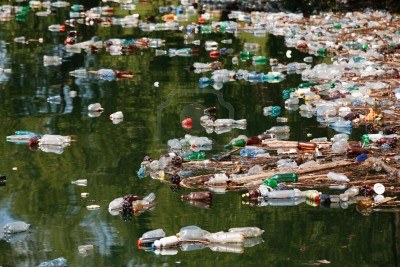
    Here in Canada, we have seen more waste as more people work from home. In Ontario, there were 8% and 5% increases in green bin and household garbage respectively from March to April 2020. This meant 8,300 tons more of residential waste than the year before during that period. In Wuhan, China, medical waste increased from 40 to 50 tons per day to about 247 tons per day in March 2020. The pandemic has resulted in far more plastic being used, for items such as masks, gloves, hand sanitizer bottles, and more. This material could easily end up overwhelming cities, especially since waste collection and recycling have been impacted by the lockdowns.

    Countries’ and businesses’ plans to reduce waste, particularly plastic, have run into roadblocks. Thailand had banned disposable plastic bags for major stores at the beginning of 2020 with the goal of reducing plastic waste. Instead, it will rise by up to 30%. Retailers such as Starbucks have had to stop allowing reusable cups, containers, or shopping bags. More and more of what we discard is being brought to landfills instead of being recycled or reused. As the pandemic and these trends continue, it will become increasingly difficult to change course and reverse this damage.

    As waste piles up, there are other connected environmental factors to keep in mind. With fires continuing to ravage the Amazon rainforest and western United States, illegal loggers in Brazil have increased their destruction. In Brazil, a country that has been one of the worst-hit in terms of COVID-19 cases, there was 64% more land cleared in April 2020 compared to April 2019. The smoke from these fires in turn add to the burden of breathing issues in the midst of a pandemic of a respiratory illness. This only adds to the pressure hospitals face, and only results in more waste being used up and discarded. Meanwhile, social distancing has resulted in reduced use of public transportation, and there is a major risk of an unsustainable increase in car usage. In China, traffic was back to pre-pandemic levels in June 2020, even with many people still at home. This will only result in further waste from drive-thru meals and car parts.

    Now is the time to demand that our governments choose what their priorities are. Will we continue to produce record levels of garbage on a planet already in the midst of a sixth mass extinction, dangerously increasing temperatures, and collapsing ecosystems? Or will we push for legislation and measures that will allow for a green economic recovery and a vast change from the status quo? Either way, we will have to fundamentally change our way of life as we know it.

    Sources:

    Bengali, Shashank. “The COVID-19 pandemic is unleashing a tidal wave of plastic waste.” Los Angeles Times. https://www.latimes.com/world-nation/story/2020-06-13/coronavirus-pandemic-plastic-waste-recycling

    Gardiner, Beth. “Why COVID-19 will end up harming the environment.” National Geographic. https://www.nationalgeographic.com/science/2020/06/why-covid-19-will-end-up-harming-the-environment/#close

    Ok, Sik Yong, Christine Sonne, and Siming You. “COVID-19’s unsustainable waste management.” American Association for the Advancement of Science. https://science.sciencemag.org/content/368/6498/1438.1Waste Advantage Magazine. “Ontario, Canada Sees Increase in Waste Generation During Pandemic.” https://wasteadvantagemag.com/ontario-canada-sees-increase-in-waste-generation-during-pandemic/