Author: Elora Pharai

  • Figuring Out Your Post-Secondary Education

    Figuring Out Your Post-Secondary Education

    When you are in high school, it flies by.  Occasionally, post-secondary will pop up into your mind. The question usually is ‘what do I want to be when I get older?’ Next thing you know you’re in Grade 11 or 12 attending university or college fairs trying to work it all out. You come to realize that you have to try and answer that burning question. The complicated thing about high school is that your seemingly controlled for most of it; In Grades 9, 10 and 11 it is mandatory for you to take courses like math. In your 4 years you must get at least 1 gym credit or even 1 French credit. You are forced to take courses that you don’t even want to. However, this can be a good thing: it helps you see what you are really interested in and what you’d potentially like to do at post- secondary. It’s all about figuring out what you like to do, high school is all preparation for post-secondary.  Different people work at different paces; some people go into high school already think they know what they’d like to pursue when they get older, but in high school they may change their mind. Others have absolutely no idea what they want to be when they get older, they didn’t know before, during or even after. You must remember that this is completely normal, just keep looking. Everybody on this Earth has a purpose and everybody is good at something. It is hard to narrow your options down because there are so many programs and careers to choose from.

    Now, I am in Grade 11. It feels like I just got into grade 9 when I was constantly nervous about being late to class or losing a textbook. At the beginning of high school, I never knew what I wanted to be. I knew that my grade 8 teacher recommended me for the STEAM program so I assumed that I would go into a science or math field, because that seemed like what I was good at. However, in Grade 9 I came to realize how much I hate science and math, but I love English and writing. In Grade 10, I realized that I like history too. I also figured out that I am not much of an athlete at all in my gym course. I am more of an expressive person; I like to write down what I feel and turn that into something more. It always feels like you have got an endless amount of time to figure everything out, but that is not true. This really hit me when I attended the university fair and university was starting to become more of a topic for conversation. Growing up is a puzzle; you’re always picking up the pieces and finding out where they fit and where they belong. When you get to post- secondary you don’t have to know what you want to do. You may even think you know, but you can always change your mind. Take whatever steps you can to try and figure everything out. Everyone’s path looks different; therefore, we all have different answers on what we would like to do. Below I have provided some advice and tips that could possibly help you slim down your options for post- secondary.

    Try Extra Curriculars: Most schools have a wide variety of extracurriculars and clubs that you can try out. There are many types of extracurriculars: art club, book club, robotics, drama club, math club. There are endless options! Trying different extracurriculars and finding your likes and dislikes can help you see what you excel in and what you enjoy doing. Extracurriculars are also helpful in many areas, they can look good on a post- secondary application or a resume, they help you improve your social skills and make friends too.

    Research: Everyone’s situation is different, some people may know exactly what they want to do, but not where they want to study. Some may be completely clueless as to what they want to do.  Therefore, research is essential. Look at different universities and colleges to see what programs they offer and if they have what you want. Look into what sounds the most appealing to you. Attend university and college tours to see what feels the best for you. If something looks right, it also must feel right. In your research make sure to always look at your budgets and finances, keeping an eye out for money is always helpful. If you need to, try applying for scholarships.

    Trust Yourself: At the end of the day, it all comes down to you and what you want to do. Do not do what your friends are doing or go where your friends want to go. Do not let your parents tell you where you should go. Listen to yourself, always be a leader! When the moment comes, you will know what to do. If you think that you don’t, do not stress over it. Your time to figure everything out will come soon enough. Everyone’s road to success looks different. You must trust yourself and validate that you know what is right for you.

    Works Cited:

    https://ukings.ca/news/considering-post-secondary-options-nine-tips-for-families/

    http://www.edu.gov.on.ca/extra/eng/ppm/graduate.html

  • Dual Lingo – How Learning a New Language Boosts Your Career

    Dual Lingo – How Learning a New Language Boosts Your Career

    Canada is known for being multi-cultural, and that’s certainly proven by this interesting fact from Statistics Canada from a study released in July 2018 — 17.5% of the Canadian population, or 5.8 million individuals, use at least two languages at home. And while it is a common scenario for those who do speak more than one language to utilize their native tongue at home, these days, it is becoming more widespread for some companies to go for professionals who speak two or even multiple languages.

    Whether you’re currently on a job hunt or stuck in a job rut and you feel you’re hitting humps and bumps here and there, consider learning a foreign language. While It is not a mandatory skill, it will certainly give you an edge over other candidates, open you to more promising job opportunities, or expand your potential. Let’s look into this further below.

    It’s all about soft skills

    During your job search efforts where you had to customize your resume and cover letter per each posting, you’ve probably come across the term soft skill and hard skill. Hard skills are the abilities that can easily be quantified like coding or proofreading skills. On the other hand, soft skills are the abilities that gear more towards “people skills” or “interpersonal skills” like flexibility and communication skills.

    While knowing multiple languages is by itself is a proof of one’s proficiency, it also demonstrates your adaptability, which is one of the critical soft skills for 2020 according to NYC-based career strategist Carlota Zimmerman. Being adaptable means that you are able to seamlessly adjust to your workplace environment or culture and that you’re open to new ideas and change. In a fast-changing world, this is a vital quality for employees everywhere.

    It also goes without saying that learning a foreign language also allows you to learn more about cultures and traditions other than your own. And if you can easily adapt to an office environment and possess a wider knowledge of world views, you can easily blend in with your peers and managers, communicate better with them, and establish stronger relationships with them. This then ties back to being armed with the soft skill of communication skills.

    A skill enhancer

    Studying a foreign language also strengthens your current abilities. Because you’re using your brain power to know new words and unfamiliar phrases, you improve your memory and sharpen your mind in the process. You’ll notice that you’ll be more alert as well and you develop your strengths in thinking in your feet.

    Furthermore, since you’ve conditioned yourself to use different languages depending on the scenario you’re in, you also enhance your abilities to multi-task, which is something employers wouldn’t say no to. In fact, if you can make it evident that you are able to juggle important tasks, you’ll likely to gain more bonus points.

    Globalization mindset

    Of course there’s the obvious advantage of being able to speak a foreign language – you get to have an expanded audience. You make yourself appealing to companies with global offices or even those with a global vision. They will see you as someone who can definitely add value to the team.

    In addition, for companies who are committed to professional development and additional training for their employees, you’ll be among the first on the list for out-of-the-country locations because they already know you’ll be able to adjust to a foreign environment easily. So better prepare yourself as loads of travel opportunities may be in store for you.

    In the same vein, if a company is planning an expansion or looking into expanding to other locations worldwide, you’ll likely be on the top of the list given your ability to speak a foreign language.

    Don’t underestimate the power of possessing foreign language skills. It can be a huge career booster as long as you know how to take advantage of it.

    SOURCES:

    https://www.careeraddict.com/second-language-benefits

    https://bilingua.io/benefits-learning-a-foreign-language-career

    https://www.marketwatch.com/story/the-no-1-soft-skill-you-need-to-compete-in-todays-job-market-2020-01-10

    https://www12.statcan.gc.ca/census-recensement/2011/as-sa/98-314-x/98-314-x2011001-eng.cfm

  • Jobs in the Fashion Industry

    Jobs in the Fashion Industry

    When you think of working in the fashion industry you might first think of a designer or maybe a model. If you want to work in fashion but do not want to be either of those, there are other jobs in this industry that might be just as satisfying or better!

    Of course there are the designers who are a big part of the final products, but there is also fashion illustrators who work with designers in the early stages of making a new product, making sketches and ideas. For either of these jobs a degree in fashion design is important, and also getting a degree in visual arts is also ideal. Look for internships in this field to get experience, some internships are paid while others might not be.

    If you do not want to work in the creative part of fashion, there are still plenty of other careers in the field to look for. A fashion stylist is someone who picks clothes for other people to wear, often to events. There are also person stylists who work one person rather than several people. To be a stylist you will need a portfolio of looks that you have styled, a degree in fashion merchandising and you will need to look out for internships as well.

    Maybe you would like to be the one to show the final products off. You could be a clothing model, or if you would rather be behind the camera, a photographer. Many brands are often looking for people to model their clothes for advertisements and magazines. There are also runway models who model clothing at fashionista shows. Fashion photographers are the people behind the cameras, taking and often editing the photos. To become a fashion photographer, you will need to have photography skills; you can develop these by taking courses. You can also get a degree in photography that will look good when looking for job opportunities. To work as a model, you need a portfolio. You can try freelance modelling, but be careful and make sure you are working with real studios with proper track records of business.

    Everyone starts somewhere and a good start for working in the fashion industry could be something as simple as working at a clothing store. Take a trip to the mall and see what stores might be hiring, and see if you meet the requirements to work there. It is always smart to have good resume ready when you plan to apply for jobs, so be sure to have one. Remember not to give up if you do not get the first job you apply to- there are other places that you might be a better fit for!

    The fashion industry is a lot bigger than most people think and there are more opportunities than just creating and presenting the fashion. Working in fashion can be really rewarding and fun- it may not even seem like work if you are really into it!

    Resources:

    https://learn.org/articles/Fashion_Photography_Education_and_Career_FAQs.html

    https://study.com/articles/Become_a_Fashion_Stylist_Step-by-Step_Career_Guide.html

    https://www.bachelorsportal.com/articles/589/what-should-i-study-to-become-a-fashion-designer.html

    https://study.com/articles/Become_a_Fashion_Illustrator_Step-by-Step_Career_Guide.html

  • Life Saving Jobs

    Life Saving Jobs

    Not all heroes wear capes, some wear scrubs, fire fighting gear or even just regular everyday clothes. There are so many career paths that you can take if you want to save lives, some might be more exciting than others but all equally important.

    Firefighter

    Firefighters are people who are trained to put out and rescue people and animals from fires. They also work to prevent future fires as well as looking for causes of fires. The basic requirements to become a firefighter include a high school diploma and a valid driver’s license. It is also important to be physically fit and able to lift.

    Doctor

    Doctors are people who practice medicine to help their patient’s health. Becoming a doctor involves a lot of schooling, some types of doctors have to go through more training than others

    Surgeon

    A surgeon who performs surgery on people; there are general surgeons as well as surgeons who specialize in specific types of surgeries. To become a surgeon you need to get an undergraduate degree in medicine and then complete a 5-year residency program in general surgery. Depending on if you plan to be a specialist you might have to take an additional 2 years of residency in surgery specific to what you want to specialize in.

    Psychiatrist

    Mental health is just as important as physical health. A psychiatrist is someone who diagnoses and treats mental health conditions. To become a psychiatrist, you must graduate medical school and complete a psychiatric residency.

    Veterinarian

    A veterinarian is someone who practices medicine, but for animals instead of people. To become a veterinarian, you must graduate from veterinary college.

    Lifeguard

    A lifeguard is a person who rescues and supervises swimmers in areas like pools, beaches and waterparks. In order to become a lifeguard you must pass the Red Cross life guard course with a minimum of 75%, and be at least 15 years old on the last day of the course.

    Wildlife Rehabilitator

    Wildlife rehabilitators might not save human lives but they save the lives of animals, and that is also important. Wildlife rehabilitators take in sick and injured animals and nurse them until they are healthy again. Animals that can survive by themselves get released back into the wild. To become a wildlife rehabilitator in Ontario you need to pass the Ontario Wildlife Rehabilitation Exam (OWRE). You should consider volunteering with an authorized wildlife rehabilitator before taking the exam to gain experience.

    Paramedic

    A paramedic provides first-aid to people on the scene of emergencies and transports them to the hospital. The requirements to be a paramedic is to graduate with a Paramedic diploma, pass the provincial certification exam and be at least 18 years old when you graduate. You also need to be physically fit and able to lift a certain amount of weight.

    Police Officer

    A police officer’s job is to protect and ensure public safety. To become a police officer you need to have a high school diploma or GED, and at least obtain a Police Foundations college diploma. You can also earn a university degree in criminal justice and then, a police training certificate.

    These are just a few jobs that can be lifesaving, inside and out. All of these career paths are great to follow if you really want to help people. They might be difficult but in the end it will be fulfilling.

    Resources:

    https://www.toronto.ca/home/jobs/information-for-applicants/recruitment-initiatives/toronto-fire-services-careers/becoming-a-firefighter/

    https://www.verywellhealth.com/types-of-doctors-1736311

    https://www.redcross.ca/training-and-certification/course-descriptions/swimming-and-water-safety-courses/lifeguarding?gclid=CjwKCAiA6vXwBRBKEiwAYE7i

    https://www.ontario.ca/page/find-wildlife-rehabilitator

    https://www.canadianveterinarians.net/documents/a-career-in-veterinary-medicine-handout-2018

    https://cags-accg.ca/patient-care/general-surgeon-education-training/

  • Getting Nervous…

    Getting Nervous…

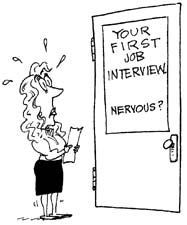
    Anxiety and stress are a common part of life, something that everyone experiences at one point or another. However, if you are unprepared for a nervous reaction, you are unfit to handle it and therefore it can consume your daily tasks. To deal with this, you must first understand what nerves are:

    Nervousness occurs when you are overwhelmed by something or someone triggers you into feeling stressed. You may experience symptoms such as short breathing, sweating, shaking, dizziness, and more. If this occurs regularly or throughout many days, you likely have serious issues with anxiety. Nervousness and anxiety can be controlled in similar ways, such as breathing exercises, altering your focus, meditation, physical activity, and getting a healthy balance of sleep, food and water.

    Breathing exercises are perhaps the most common coping mechanism for nerves. When you are stressed and overwhelmed, your breathing tends to quicken and your brain lacks the oxygen it needs, which is why dizziness is a side effect. There are many ways to practice breathing such as square breathing, the 4 7 8 technique, and simply focussing on your breathing. Square breathing is a frequently used technique to calm yourself down quickly and easily in the face of nervousness. All you have to do is simply breathe in for 4 seconds, hold your breath for 4 seconds, breathe out for 4 seconds and hold for 4 seconds, then repeat. Once you feel calmer, you can allow your breathing to go back to normal. Similar to this technique, 4 7 8 breathing uses a similar style to help with nerves. For this technique, breathe in for 4 seconds, hold your breath for 7 seconds and breathe out slowly for 8 seconds. This technique is slightly trickier and is easier to do when you are less panicked. Another way to practice breathing is to focus on your breathing. Try closing your eyes and simply notice the patterns of your breathing. Through focussing on this, you are distracted from the fear that is causing you to stress and are rather focussing on calming yourself down.

    Altering your focus is also an easy way to calm nerves. When you’re stressed, you tend to focus on the negative of what could happen or of a specific thing that is causing you to feel overwhelmed. Some ways to alter your focus are by reading, talking to friends or family, doing something you love, practicing a hobby, etc. Anything that takes your focus off of the thing that is causing your nerves will help to calm you down.

    Meditation and mindfulness are becoming a popular and frequently used technique to calm down and centre yourself. While slightly different, meditation and mindfulness have the same intent of keeping you grounded and focussed on something. There are countless guided meditations on YouTube and on apps that you can easily listen to. Mindfulness is very similar but can also be calming activities such as doodling.

    Physical activity has been proven to improve mental illness and to reduce stress. Endorphins and serotonin are chemicals that are released when you participate in physical activity. When these chemicals are produced, they have a positive effect on your mood and therefore decrease stress and anxiety. Many people find that running especially helps with nerves as you are in control and can let your frustrations and anxiety out.

    Getting a healthy amount of sleep, food and water is important for the function of your mind and body. Sleeping gives you the energy to function throughout the day, as do food and water. If your body is lacking the sleep and energy that it needs, your mind will slow down as well and it can create worse nerves since you’re overtired. Which foods you put into your body also have an impact on your mental health. Eating healthier results in less nervous and more positivity. Drinking enough water also provides both energy and a happier, more stable mind.

    Overall, there are so many ways to calm your nerves. If you find yourself panicked or stressed about a present or upcoming event, try one of these coping mechanisms as they are sure to help you calm down.

    If you have concerns about your health in general, tell your parents or talk to your Doctor for proper medical guidance.

    References:

    https://www.healthline.com/health/how-to-calm-down#7

    https://www.medicalnewstoday.com/articles/324417.php

    https://www.healthdirect.gov.au/exercise-and-mental-health

  • Helping a Friend During Rough Times

    Helping a Friend During Rough Times

    Everyone goes through difficult times- it’s a part of life. To get through it, we need lots of support from friends and family. Think back to when you went through a difficult time; who was there for you? Remind yourself of the kind things that person did for you. Nobody wants to be alone, especially in tough situations when we need someone to be there for us, to support us, to love us. That’s what makes us come out of the dark times. If a friend is experiencing this, you need to be supportive and kind to them to help them through a tough time.

    In my experience, friends need all the support they get. Whether they’re having a tough time at school, at home, at work, or something else, support means more than you think. Just simply being there for them, asking if they’re okay, what you can do to help means a lot to them. Try imagining what their going through and their perspective on the things that they are facing; this helps you to understand how they’re feeling and how difficult it must be for them.

    Often people just need someone to listen to them without judgement. Unless your friend asks for advice, try to avoid giving it out freely. Your friend may feel as though you are judging them rather than supporting them, so it’s important to listen to your friend. If they ask for your advice, give them your honest opinion based on what would be best for the situation they’re experiencing.

    If your friend asks you to give them space, you must listen. Whether you understand what they’re going through or not, your friend knows what’s best for them. However, make sure they know that you’re there for them when they’re ready to talk and that you’re fully able to listen.

    Another way to easily help your friend is by surprising them by doing acts of kindness. It does not have to be a grand gesture, just any small thing that reminds your friend that you love and care about them. Maybe write a small text reminding them that you’re there for them, or buy them something small like their favourite chocolate bar, or make them a card.

    It’s also really important to make sure you’re not making their problems seem easy to go away or that it doesn’t matter; all feelings and emotions are valid! Saying things like, “It’s not a big deal” will make your friend feel as if the problems they’re facing don’t mean much to you and that they are feeling upset when they shouldn’t, but it’s the opposite. Rather, say something like, “It makes sense how you’re feeling that way”. Ask them if they’re okay. If you notice a friend seems to be getting more upset, simply ask them if they are all right. It shows that you care, and it will mean a lot to them. It’s a simple way to let them know that you’re there for them if they need you.

    Lastly, if you think your friend is in danger, I can’t stress enough how important it is for you to seek help from a trusted adult. Avoid taking all of the problems on yourself, as it can be a lot of stress on you, especially if you feel like it’s your responsibility to take on what they’re going through, which it’s not. Being there and helping your friend is different than taking on their problems as your own. Talk to your parents first if that option is available to you. If it’s not, contact a neighbour, doctor or family. There are countless hotlines like Kids Help Phone available you can contact; you are never alone. If you seek immediate help, call emergency services in your area. While it’s important to be there for your friend, understand that what your friend is experiencing is not your fault. Try to avoid absorbing their feelings and emotions otherwise, it will result in you feeling down as well.

    Keep all of these things in mind while helping a friend having a hard time. Being delicate and respectful of your friends should be priorities, especially when you are helping them through a difficult time.

    References:

    https://www.huffpost.com/entry/7-ways-to-support-others-during-tough-times_b_7270550

    https://kidshelpphone.ca/get-info/how-help-friend-through-rough-patch

    https://www.sweetyhigh.com/read/how-to-help-friend-going-through-a-tough-time-010919

  • Trades Career Profile: Cabinetmaker

    Trades Career Profile: Cabinetmaker

    We’re used to seeing cabinets in every home and business — in kitchens, bathrooms, and storage spaces.  But you may not realize that not just anyone can put together a set of cabinets.  Instead, there are specific tradespeople who build and install all kinds of wooden cabinetry: Cabinetmakers.

    If you enjoy wood shop in high school, like working with your hands, and have a bit of an artistic streak, then pursuing a trades career as a Cabinetmaker could be an ideal path.

    One of the core construction trades, cabinetmaking encompasses designing, constructing, repairing, and installing wooden cabinets.  Cabinetmakers will also build wooden furniture and architectural millwork, and can work with various wood products including lumber, wood composites, and wood veneers.  They perform various woodworking tasks including using tools and machinery to cut, mill, carve, shape, and form wood, and joining the parts with glue, nails, or screws.  They will also be skilled in finishing processes such as sanding, varnishing, and sealing of wooden surfaces.  Some cabinetmakers can pursue additional training to learn special skills such as techniques to restore antique furniture.

    This trade requires both physical strength for lifting wooden materials and using power tools or CNC milling equipment, as well as a strong attention to detail to read blueprints and perform fine carving work using hand tools.  Cabinetmakers are also skilled in drafting and designing cabinets and similar furniture projects.

    Most cabinetmakers work regular daytime hours, though as with many construction trades there will be times and projects that require some overtime hours.  Most cabinetmaking work is also done indoors, whether you’re installing inside a building, or building and assembling cabinets in a factory or workshop.  Depending on the job and type of task, you may be working alone or working with a team of other cabinetmakers and construction tradespeople.

    Cabinetmakers can be employed by construction companies, cabinet manufacturing facilities, and can work as independent contractors.  Since cabinetmaking is a Red Seal trade, if you earn your certification you will be able to work anywhere in Canada.

    Becoming a cabinetmaker requires at least a secondary school diploma or equivalent, as well as a 4-year apprenticeship period or equivalent work experience.  Taking cabinetmaking courses at a college or trade school may also be a requirement, depending on the job or employer, and whether you want to pursue your Red Seal.

    Salaries for cabinetmakers range from minimum wage up to around $25 or $30 per hour.  This comes out to a yearly salary ranging from $24,000 to around $52,000.  For cabinetmakers who develop specialized skills such as antiques restoration, or those who work as independent contractors with a reliable client list, can often earn higher salaries.

    Sources:

    https://www.ontariocolleges.ca/en/programs/professions-and-trades/cabinetmaking

    https://www.careersinconstruction.ca/en/career/cabinetmaker

    http://www.red-seal.ca/trades/c.1b.3n.2tm.1k.2r-eng.html

    https://www.jobbank.gc.ca/marketreport/occupation/16991/22437

  • Careers to Fight the Climate Crisis

    Careers to Fight the Climate Crisis

    What do you want to be when you grow up in a world in crisis? As climate news grows more and more negative, the age-old question of what you want to do becomes ever more difficult. But from hardship comes hope. There are growing responses to the climate crisis, and increasing opportunities to find meaningful jobs that help our planet. You can find careers in many different fields that use many different skills. You will most definitely find at least one that perfectly matches your skills and interests.

    As the climate crisis is a scientific issue, it is no surprise that there are many job opportunities in the sciences. Meteorologists and atmospheric scientists are known for working on weather forecasts, but these professionals often specialize in climate-related issues. They might focus on how the climate is changing, as well as how the crisis is impacting the Earth. Conservation scientists look at parks, forests, wetlands, and more to protect natural resources. They help protect valuable resources from the effects of the climate crisis. There are also agricultural and food scientists who focus on farming and food supplies. They help to find better ways to grow and preserve food. This is especially important as many corporations have harmful methods of preparing products, and the climate crisis will make it harder to grow food.

    There are many career and job options outside of the sciences. Environmental engineers research ways that we can fix the problems caused by the climate crisis, as well as how we can prevent more issues from happening. Civil engineers design and build many different structures for the government and private sectors, such as tunnels, bridges, airports, and more. There is growing demand for these engineers to work on renewable energy projects. There are sustainable architects who work hard to create buildings that use resources efficiently and have less negative impact on the environment, such as by using water and energy in better ways.

    Even if you are not in a highly specialized field like science or engineering, there are plenty of opportunities to have a positive impact. Legislators and politicians work to create laws, and the more progressive and environmentally-friendly ones are fighting to ensure money goes to good causes and not in the hands of harmful corporations. Individuals in public relations work in the media and communications industry. They can help push the government and public to support environmental causes. Activists like Greta Thunberg are having a huge impact even at a young age. Artists, filmmakers, and writers can use their creativity and self-expression to inform the public of the horrors of the climate crisis and inspire people to take action.

    It is so hard trying to figure out what you want to do when you grow up. It is even harder when you are growing up in a worsening climate crisis. That fear and anxiety must be channeled into positive action. There are many options across so many industries for you to choose from. You do not have to be a scientists or engineer. Start looking into fields that interest you and volunteering opportunities related to the environment. Young people are becoming more and more proactive and ready to take on this challenge. Focus on your strengths and you too can make a huge difference.

    Sources:

    Andrews, Eve. “Should climate change be my new career calling?” Grist. https://grist.org/article/should-climate-change-be-my-new-career-calling/

    Brown, Sady. “Top Careers that Deal with Climate Change.” NoGRE.com. https://nogre.com/top-careers-that-deal-with-climate-change/

    Study.com. “Careers Related to Climate Change.” https://study.com/articles/careers_related_to_climate_change.html

  • How to Figure Out What You Want to do After High School

    How to Figure Out What You Want to do After High School

    Graduation is just as terrifying as it is thrilling. Look at how far you have come. Be proud of who you are. But what next? It can feel like your parents, teachers, and high school have been holding your hand up until graduation day, and then suddenly, you are thrusted into the unknown. The sooner you start preparing for this next chapter, the better off you will be. But how do you prepare when you have no idea what it is you want? Sometimes the answer is not figuring out what you want, but rather examining what you do not want and narrowing it down. Even if you feel entirely lost, that is a first step you can definitely take.

    While you are still in high school, start noting your options. The myriad of majors and college programs are all under the umbrella of the post-secondary path. Alternatively, you can take a year off to travel, find a job in a field that caters to your interests, or volunteer for something you are passionate about. Colleges and universities will all still be there a year later, and that invaluable experience could help give you a better idea of what you want once you start. It also gives you an opportunity to save money that could go towards schooling. Start considering and researching your options, and do not be afraid to venture outside the status quo.

    Perhaps you know you want to continue schooling. Now is a good time to talk to a counselor, job coach, and your teachers about your next steps. Take advantage of being able to apply to multiple schools and submit applications to all the ones that intrigue you. Do not limit yourself to one or two campuses. Also remember that you can start university without having your major selected. The first year or two offer plenty of general courses, meaning you can wait to choose your major without having to backtrack. Finally, take some time to figure out your expenses. Having a budget and ensuring your tuition and living expenses are accounted for will mean one less thing to stress over. By spending less than you make, you can devote more time and energy to figuring out what you truly want.

    Some people figure out their passions and dream jobs quickly. For others, it takes a bit more work. Consider your interests and write them down in broader terms, without even listing any specific jobs. Use that as a starting point in finding volunteer positions and jobs within those areas of interest. This will entail some trial and error. You will likely end up quitting positions that are nowhere near as positive as you expected. That is okay. This is the perfect time for experimenting and trying anything that piques your curiosity. Every new experience will either guide you towards what you want to do, or guide you away from things you do not want to do. None of it is wasted time.

    What do you want? This is a complex, exciting, and horrifying question. Now is the time to start finding the answer. But expect it to be a long and winding journey. You have to devote a good amount of time to researching your post-secondary options, as well as opportunities outside of school. Keep a daily journal of your thoughts, lists, and interests. Seek out volunteering positions and jobs, as well as counselors and adults you can talk to. For many of us, finding out what we want takes great effort. It is an ongoing adventure that continues well into adulthood. By taking the reins now, you will feel more confident and happier in the years to come.

    Sources:

    Klosowski, Thorin. “Advice I Wish Someone Had Given Me After Graduating High School.” Life Hacker. https://lifehacker.com/advice-i-wish-someone-had-given-me-after-graduating-hig-1573178134

    LDSJobs.org. “What Now? A Survival Guide for Life after High School.” https://www.ldsjobs.org/ers/ct/articles/preparing-for-life-after-high-school?lang=eng

    Peterson’s. “I Have No Idea What to Do: Advice for High School Seniors.” https://www.petersons.com/blog/i-have-no-idea-what-to-do-advice-for-high-school-seniors/

  • How to Have an Eco-Friendly Dorm Life

    How to Have an Eco-Friendly Dorm Life

    The end of high school and the start of college or university is a major step towards independence for many young people. You have far more freedom in what you are studying and the activities you partake in between classes. For many, it means living in a campus dorm and being on your own for the first time. With that freedom comes the opportunity to have greater control on your carbon footprint and impact on the environment. This is your time to act. Even in a tiny dorm room with little money on hand, there are many steps you can take to live eco-friendly and inspire others to do the same.

    The moment you move into your new space, you can start doing little actions that will add up. Be mindful of when you have water running to ensure it is only on when necessary. Turn off the tap when brushing your teeth, shaving, or doing anything that does not require water. Take time to unplug. Even when not in use, your laptop, phone, and other gadgets are using energy trickling into them when left plugged in. Put your phone on airplane mode whenever possible to use less energy. As you get to know your fellow students on campus, do not be nervous about discussing the environment and eco-friendly measures with them. This does not mean talking down to them or lecturing your friends, but rather encouraging discussion on a vital topic.

    As you step out on campus and go about your new independent life, there are many more things you can do to make a difference. Buy yourself a couple of reusable bags and never have to worry about using wasteful plastic bags at the grocery store ever again. Go on a thrifting hunt for second-hand items for your dorm to save on money and waste. Take a close look at the ingredients of the cleaning products and household items you buy to ensure they are eco-friendly. After using your environmentally friendly laundry detergent, hang your clothes up to dry around your dorm instead of utilizing the dryer. All of these lifestyle choices have a smaller impact on the environment and your wallet.

    As you continue looking for ways to have a bigger positive impact, continue talking to your roommates and friends about the climate crisis and escalating threats to our environment. All of the aforementioned tips are helpful, but a single person’s actions are not going to surmount to sufficient change up against stagnant politics and corporate greed. As others take similar measures in their dorm, consider starting an on-campus organization or club focused on eco-friendly living. Capitalize on your independence and freedom by reaching out to the community and encouraging action.

    We live in a frightening time of unprecedented ecological collapse. As daunting as that is, it means people are more and more willing to discuss these issues and how to solve them. As you venture out on your own in the world, this is your chance to play your part in shaping the community around you. Take those bold first steps in living eco-friendly within the walls of your dorm. Continue doing so as you venture outside. Get the discussion going with your friends and help build a movement. These small steps towards eco-friendly living can truly add up. You will build positive habits that will have a huge impact on your dorm years and beyond.

    Sources:

    College Basics. “How to Make Your Dorm Room more Eco-Friendly?” https://www.collegebasics.com/blog/make-dorm-room-eco-friendly/

    Holbrook, Sophia. “10 Ways To Be Eco-Friendly Living In A College Dorm.” Odyssey. https://www.theodysseyonline.com/10-ways-to-be-eco-friendly-living-in-college-dorm

    Moreno, Viviana. “How to Be Eco-Friendly in a Dorm with These 30 Easy Tips.” College Fashionista. https://www.collegefashionista.com/how-to-be-eco-friendly-in-a-dorm/