Author: Patrick Start

  • Emploi de rêve: comédien voix off

    Vous êtes-vous déjà demandez qui font les voix comiques dans les animations telles que Les Simpson, Les Griffin et Bob’s Burgers? Ce sont les comédiens voix off. Ces artistes qui travaillent derrière les scènes passent des heures à perfectionner leurs talents. Ils peuvent faire la voix d’un ou plusieurs personnages, des dessins animés aux jeux d’ordinateurs et jusqu’à l’enregistrement d’instructions vocales. Les comédiens voix off jouent un grand rôle derrière la scène.

    Maintenant, ne vous laissez duper par la simplicité de parler dans un microphone. Être comédien voix off exige beaucoup d’efforts et de persévérance. Sarah Krieger, comédienne voix off chevronnée, décrit ce travail comme suit : « Vous devez être capable communiquer un message de façon clair, y attacher un sentiment, et de bien faire tout cela dès la première prise. C’est l’habileté d’interpréter un rôle dans un micro. » Peu importe à quel niveau votre voix se distingue des autres, vous avez encore à fournir une cassette démo ou un échantillon mettant en valeur votre talent, et de vous trouver un agent, tout comme un acteur ou un chanteur. Ne vous découragez pas parce qu’être un comédien voix off est une carrière prometteuse si vous le poursuivez avec assez de passion et de diligence.

    Les comédiens voix off sont employés dans une variété de domaines, des annonces publicitaires télévisés et à la radio jusqu’aux dessins animés. Leur travail consiste à lire des scripts d’un ton clair et concis et de livrer plusieurs tonalités vocales afin de bien communiquer des messages à leur public. Ils peuvent même avoir à lire plusieurs scripts à la fois, et à effectuer plusieurs tâches en même temps et de manière différentes.

    Si vous aimez la lecture et avez un intérêt à devenir acteur/actrice, ceci pourrait être la carrière idéale pour vous. C’est une carrière avec un commencement plus difficile, mais avec des récompenses prometteuses. En moyenne, un comédien voix off qui débute gagne entre 20$ et 30$ par heure.


  • September Scholarships of the Month – Apply Now!

    September Scholarships of the Month – Apply Now!

    Is the financial reality of post-secondary education starting to settle in? Never fear – free money is here in the form of scholarships and bursaries! Get applying and help ease the financial constraints of your educational dreams.

    1. Johnson Scholarship – open to children and grandchildren of Johnson Affinity group members and/or Home-Auto clients. Students must be completing high school in 2014 and beginning post-secondary education in the fall of 2014. Amount: 50 awards of $1000. Deadline: October 15, 2014.

    2. Tronia Systems Scholarship – open to all students enrolled in an agribusiness or related program. Amount: 2 awards of $1000. Deadline: October 3, 2014.

    3. Scotiabank Customer Scholarship  – open to students enrolled in the 2014/2015 academic year at a Canadian post-secondary school who are Scotiabank customers. Amount: 6 awards of $1000. Deadline: November 5, 2014.

    4. CN Diversity Scholarship Program – open to students who meet specific criteria: please visit their website for complete eligibility requirements. Amount: $3000. Deadline: December 31, 2014.

    5. CBC Literary Prizes – These prizes recognize the best original, unpublished writing by Canadians in poetry, short story & creative nonfiction. Amount: $6000. Deadline: Varies depending on competition. Please consult website for specifics.

    6. Government of Canada Grant for Part-Time Studies – open to part-time students who have applied for a student loan through the Government of Canada. Amount: $1200. Deadline: Varies depending on your program start date. Please consult website for specifics.

    7. Traditional Fulbright Student Awards – open to Canadian citizens who are graduate students, prospective graduate students, or promising young professionals who wish to study and/or conduct research in the United States. Amount: $15,000. Deadline: November 15, 2014.

  • Dream Job: Voice-Over Artist

    Dream Job: Voice-Over Artist

    Ever wonder who does those silly voices for cartoons like The Simpsons, Family Guy and Bob’s Burgers? Voice-over artists. These behind the scene artists spend hours perfecting their craft. They may have one character or multiple characters to voice, from cartoons to computer games to voice prompts. Voices over artists are quite present behind the scenes.

    Now, don’t let the simplicity of vocalizing into a microphone fool you. Voice-over acting requires great effort and perseverance. As veteran voice over artist Sarah Krieger puts it, “You have to be able to get a point across, relate a feeling, and nail it the first time. It’s being able to act on a mic.” Regardless of how distinct your voice is, you still need to provide a demo tape and find a talent agent much like an actor or singer would. Don’t be discouraged, because voice-over acting is a promising career if sought with enough passion and diligence.

    Voice-over artists are employed in a variety of fields, from TV and radio commercials to cartoons. They are expected to read scripts with a clear and concise tone and deliver multiple types of vocal tones to convey messages to their audience. They may even have to read multiple scripts at once and multi-task in a variety of ways.

    If you enjoy reading and acting, this might be the career for you. It is a challenging start with promising rewards. On average, the entry-level voice over artist makes between $20-30 an hour.

  • Career Profile: Glazier

    Career Profile: Glazier

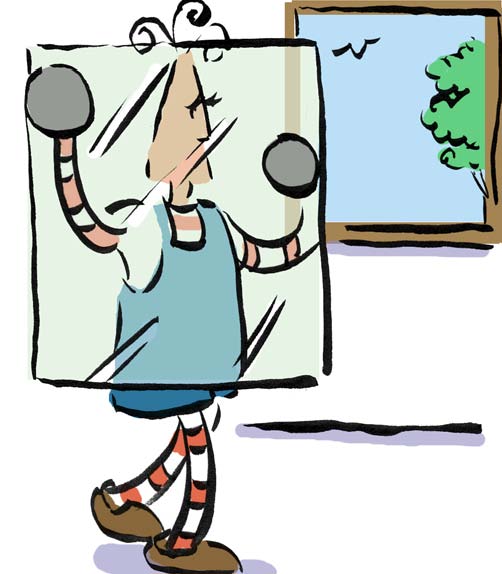
    Every building has windows, and almost every room in a building has windows with glass in them. Some windows have fancy stained glass and others have plain glass, but they all have one thing in common. All of these windows required the work of a glazier – a specialist in glass. Glaziers are tradespeople who cut glass and fit it into various shapes and sizes of window. They work in new buildings, but they also help to repair breaks and to restore windows to their best condition. Being a glazier involves a combination of knowledge and skills in a trade that many people can enjoy.

    Windows come in many different forms. They can be the small ones in car doors, the glass in kitchen windows, large storefront windows, or even skylights on the roofs of buildings. Some glass even comes in several different colours for making stained glass windows. Glaziers install and repair all of these different types of glass. They have to be able to measure spaces where the glass will go and know how to use power tools with breakable material.

    Working as a glazier can be somewhat difficult. Sometimes glaziers get cuts from either the metal edges or from broken glass, and they have to be careful how they work. They might work with poisonous chemicals or be injured from lifting heavy pieces of glass. Glaziers work together with others to lift the glass into place, but they still need a certain amount of physical strength and an ability to climb ladders and manage heights. Although the job does not normally require great strength, it requires some physical ability and stamina.

    People become glaziers through a combination of education and experience. Besides being able to cut glass and fit it into metal, they often need to be able to read blueprints and to estimate costs for projects. Vocational training or an apprenticeship can be useful to teach people the skills they need to know for the work, such as the mathematical calculations for estimating costs. Learning from other people on the job is also an important part of training.

    Wages for glaziers in Canada are highest in areas of southern Alberta around Calgary and Banff and lowest in the Montreal area, but the average is about $20 per hour. Some glaziers work mainly in people’s homes, but others work in factories, stores or offices. They might work with all types of glass or specialize in one type, such as stained glass. Wherever there are windows that need glass, glaziers are at work.

    Does a job as a glazier sound like the kind of job you would enjoy? Maybe you should consider it as a career option.

  • Career Profile: Miner

    Career Profile: Miner

    Imagine a very dangerous job where most of the work happens underground. Working as a miner is a difficult but very necessary job. Miners go deep into the ground to dig out gold, copper, zinc and many other metals that we use every day. Without miners, our world would be a very different place. If you don’t mind dangerous and often dirty working conditions, you might want to take on this essential job.

    In Canada, about 400,000 people work in mining and related industries, and almost half of the money people make in some provinces comes from mining. Some of these people work above the ground with processing minerals, but many of them work down in the mines, cutting into rock walls and digging out the minerals that they find.

    Even if you have never been in a mine, you probably know something of what happens there. Many of the substances that we use come from deep inside the earth, often buried in rock. Gold and silver from the ground can become jewellery, but they also have many other uses in manufacturing and medicine. For example, copper is often part of the wires that carry electricity or the pipes that carry water and other things that we use every day, such as coins. Everything that has metal in it comes from the ground, and much of it comes from the work of miners.

    The work that miners do is very important, but it is not easy.  They have to know how to use various types of equipment but also be in good physical condition to carry heavy loads or push large machines. Miners work with all kinds of rock and metal, and accidents are common. Another problem is breathing down in the mines. Sometimes, miners who work underground for many years develop diseases from breathing in the dust from the different kinds of rock. Working underground can also be very hot, and miners have to be careful not to get sick in those conditions. The work is hard, but it can also be good for people who like physical labour.

    The difficulty of this kind of work also means that miners are fairly well paid. Generally, miners earn between $15.00 and $35.00 per hour, which is between about $32,700 and $115,400 per year. The requirements for becoming a miner can vary from one company to another, but a high school diploma from a vocational school is usually necessary. The vocational training should include studies in mining procedures and also information on how the industry works. Certification for using different tools is also useful.

    It can be difficult to know what the job is really like before starting to work in a mine, but getting as much background information as possible is helpful. You might not be able to practice working in a mine before you actually get a job, but you can prepare yourself for this dangerous but very necessary career.

  • When It Comes to Choosing Your Career, Just Follow Your Heart

    When It Comes to Choosing Your Career, Just Follow Your Heart

    If you’re in high school, you are probably facing the pressure of choosing a career path that you would like to pursue, especially if you’re in your final year. You are at a point where you have to pick a major or program that you want to take in University or College, so it is important to make the right choices now.

    But what if you have you no idea what you want be? How do you make such an important lifelong decision? It seems like a lot of stress choosing your career path at such a young age. But it doesn’t have to be that difficult.  It’s a lot easier than you think.  Just follow your heart – the answer is there.

    Sure, maybe your parents have other ideas for you. Maybe they want you to be a doctor or lawyer. But what is it that makes you happy? What is your dream? What do you see yourself doing for the rest of your life? These are all important questions to ask yourself because, at the end of the day, it’s your life and you want to do what’s best for you.

    Start off by thinking of the courses you excel at in school. Maybe you excel more in the arts. Maybe you enjoy music or writing. Maybe you love working with numbers and excel in math. Narrowing down your strengths will help you make a better decision. Also spend time thinking about your hobbies. Do you enjoy sports? Painting? Maybe you can turn your hobby into a career. These are all indicators that you can’t ignore.

    Start off by making a list of your strengths. Then write down your dreams and goals. Seeing your thoughts on paper will allow you to think more clearly and is a great reference point. It would also help to sit down with your guidance counsellor in school to help figure out what you want to do. They are there to help you, so take advantage of it.

    Now you might have a better idea as to what career path you want to pursue. Why not get first-hand experience in it through volunteering or interning? Maybe do some job shadowing in the industry that you’re interested in. Your guidance office at school can assist you with your options.

    Chances are, you will most likely be successful in a career that you are passionate about. Sure, job prospects and opportunities in your chosen career path are important to consider, but following your heart should be given equal consideration as well. Doing something that makes you happy will make a world of a difference for you. You’ll find out that the answer is with you all along.

  • Creating Value in What You Do

    Creating Value in What You Do

    When we live our lives so quickly in this fast-paced modern world, sometimes things can begin to blur together and become somewhat meaningless. We move from one place to another, do one errand after another, we talk with this person and that person, we work, we go to school, we volunteer….it goes on and on. Sometimes this can become a headache and we feel like there is so much stuff to do in so little time. We rush from this to that and are always watching the clock. There is something beneficial to be found in slowing down and taking some time to think about what it is we are doing. One day you might sit down and think about how we are not valuing our lives in the way we wish to. This rushing without creating meaning is essentially a waste of life, and reveals a personal need to create value in what is being done.

    In order to create value in what you do, you may want to think about what is important to you. For me, I made myself a list of priorities –  things that are important to me. My list includes eating healthy food, exercising regularly, continuous education, having a source or sources of income, sleeping enough to feel good, having some fun and practicing relaxation. I also value challenging myself to change and grow as a person and doing things that scare or thrill me.

    In addition to priorities, it is important to also name your feelings as you go about your daily routines. Some activities make us feel good, and some activities make us feel bad. This is important to be aware of.  If something makes you feel bad, try to pinpoint what it is about it that makes you feel bad. For example, you may find yourself in a situation where you do not feel good. Try to name what you are feeling as you experience it in order to avoid repeating this action in the future.

    By being cognizant of our feelings and what makes us feel good, we are able to create a life for ourselves where we place value in the things we do. This allows us to truly live our lives to the fullest. Try it today! You won’t regret it.

  • Keeping a Journal

    Keeping a Journal

    Keeping a journal is a great way to find clarity in your thoughts and to express yourself. Maybe there are issues you are going through in your personal life such as family problems,  issues with your friends or maybe the passing of a loved one.

    Writing daily or weekly in a journal/diary is a great way to let your emotions and feelings out. It can prove to be very therapeutic.

    Getting started is very simple. Grab a notebook or diary from the dollar store, write the date and just start writing. It would be helpful to write alone in your room or outside in quiet area that you may find peaceful. Write about anything that comes to mind and don’t over think it. There’s no right or wrong. Write about what you did that day. Where did you go? Who did you see? What did you accomplish? What do you feel during that moment? Are you sad about something? Are you happy? Are you stressed?

    You can even write about your short-term or long-term goals. What steps do you need to take to get there? Write them down. By writing down your dreams and goals, you are making more of a concrete commitment to them instead of just thinking about them. By writing them down and seeing them, you are more likely to act upon them later.

    Keeping a journal is not about just writing in it. It’s a great way to reflect as well by reading past entries. Maybe as the days go on and you read what you wrote before, you’ll realize that life isn’t so bad after all. You may feel better about a particular issue you were having before or maybe you changed something in your life for the better. You will see progress in your life. Maybe you accomplished some of your goals. Knowing that you achieved something that you wrote down from before is a great feeling in itself.

    As you get older, you will be glad that you kept a journal to see how your life was like in your younger days and how your life is different now. It’s a great way to keep track of memories and important moments in your life that you may forget otherwise if you didn’t write them down.

    Overall, keeping a journal is a great tool that serves many purposes. Happy writing!

  • Welcome Back!

    Welcome Back!

    Welcome back to a brand new year of school! The first day (or week, or month) jitters can get the best of us, so it’s our hope that the advice we have in this month’s edition of JobsPeopleDo.com will help to ease you back in to the school routine. Don’t forget to browse through our archives, too – they’re a treasure trove of useful information that will give you tips and tricks for back-to-school.

    As always, we’ve got a list of scholarships for those of you who are entering post-secondary education. By now,  you’re probably starting to realize how pricey education can get, so be sure to take advantage of these opportunities for free money.

    We’re also thrilled to announce that we’ll be launching some new sections over the coming weeks and months that will highlight the jobs of the future, particularly in STEM fields (Science, Technology, Engineering and Math). By the time you graduate high school, there will be whole new careers that you never even dreamed possible. We’re here to make sure you’ll know all about them and if they’re right for you.

    Once again, welcome back and best wishes for the school year ahead!

    Jasmin Bollman
    Content Editor

  • What Does It Mean To Be an Intern?

    What Does It Mean To Be an Intern?

    When you think of the word intern, unpaid work, fetching coffee and running errands may come to mind. All these thoughts may be correct, but think of the true purpose of being an intern and the positive aspects of being one.

    Being an intern is doing some sort of job at a workplace, usually unpaid, in exchange for experience or school credit. It’s a win-win situation for both the employer and the intern, as the employer benefits by receiving free labour and the intern benefits by gaining first-hand experience in an industry they may be interested in pursuing while gaining valuable work experience and skills. In addition, it’s experience you can put on a resume and is a stepping stone for future career opportunities. It’s also a great way to make contacts and networks within that industry. Who knows? That internship could even turn into a job – a reason why students (or even those who have already graduated from school) take on internships.

    The reality is that if you graduate from a university or college and are about to enter the workforce, having that certificate, degree or diploma just doesn’t cut it these days. Employers are more interested in seeing the practical experience in the industry and internships allow you to gain that practical experience and skills.

    At times as an intern, you may think the tasks you are being given is menial. Just remember that it’s important to take it with a grain of salt, as it is really your foot in to your chosen industry. It’s a great way to learn about the various positions in the organization, the company culture and even if that chosen career path is really for you.

    It’s also important to make the most out of your internship, meaning that you do more than just the tasks and duties that are given to you. This is your opportunity to shine, so take advantage of it. It’s important to be proactive. Maybe you have some ideas you want to contribute or maybe you are interested in assisting in other roles. Make sure you express this to the manager you report to or work for. They may be impressed with what you have to offer and can see that you are indeed valuable to the company. This great for future job prospects in that organization.

    It’s also important to know your worth. There are many times that interns are taken advantage of and are used only for menial work that may not have much value to you. Be clear about your goals to the organization offering you the internship and what skills you want to gain from the experience. The internship has to be beneficial for both parties.

    What is the best way to find internships? Sometimes your college or university may help find them for you. You can also search online for internships. Do a Google search for companies in your industry, find out the main contacts and reach out to them saying that you are interested in interning for them.

    Internships truly do open up many doors for you so take advantage of them. Good luck!