Author: Tomas Ilnatis

  • The Strange History of Money

    The Strange History of Money

    We all use money every day. It is essential because if we want to buy some food, clothes or services we have to pay money for them. Money is recognized as banknotes and coins. However, many years ago people couldn’t just go to the shop and buy what they wanted. They had to exchange some merchandise or services in order to receive other goods or services. This process is called barter trade. It was a really difficult procedure – the barter often depends on a coincidence of wants. Giving an illustration, the seller of grain has to find a buyer who wants to buy grain and who also could offer something the seller wants to buy. The solution is to trade the wheat indirectly through a third, “intermediate” commodity. An intermediate commodity has to be imperishable and attractive in demand. For example, it could be cattle, salt, shells, wine and so on. Intermediate commodities had their disadvantages; for example cattle, fur and precious stones couldn’t be cut into smaller pieces and it was uncomfortable to keep and transport.

    Due to the disadvantages of intermediate commodities, people had to invent a simpler way to continue trading. This is where monetary or specie commodities come in. At first, specie was in the shape of metal bars, wires, rings or powder. This money was uncomfortable because it was necessary to weigh and to hallmark it. Soon, the weight and hallmark of specie were embossed on the money directly.

    The earliest known coins in the western world came from Lydia in about 650 B.C. They were made of electrum, a natural alloy of gold and silver found locally. Greek cities, The Great Persian Empire and the Roman Empire quickly adopted the new useful technique of metal currency. By the end of the 6th century, coinage was common throughout the regions. However, coins also had many disadvantages. For instance, coins quickly show wear and they usually have small value. This makes it difficult to count lavish sums of coins. Because of these reasons, people invented paper money.

    At first, paper money was used in China in about 650 A.D. In Europe, paper money was first produced in the Netherlands in the 16th century and in the USA in the 17th century. Interestingly, paper money doesn’t have any value in and of itself. It is worthless and essentially just symbolic. In other words, paper money is just a note. It has a purchasing power because the government announces it as money and citizens accept it universally. Nowadays, we often don’t see real money (banknotes and coins) because we use credit cards and debit cards exclusively. Our money is placed into electronic space and it circulates just because of our imagination.

  • Writing A Scholarship Application Essay

    Writing A Scholarship Application Essay

    Getting a scholarship at any leading college or university requires immense preparation for students. One of the most challenging jobs is to submit a well articulated scholarship essay. Admission officers consider this as an integral part of the scholarship grant process. However, things have changed for the better with many websites being launched which publish numerous sample essays which can be used as a baseline for students who are applying for scholarships. Let us quickly see what these websites have to offer and how we can use the services to come out with world class scholarship essay.

    For starters, these websites ask students to create their profile. After the profile is created, students can submit any number of essays that they want. At any given point, website visitors vote for the essays after which the best five essays are shortlisted. The best among the five essays get a prize of varying amounts depending upon the website’s policies.

    Students are diligently using the services of these websites. They can read essays which they feel are closely related to their requirements and use these as a baseline to write their own original scholarship essay. Some of the websites have video tips which help the students to get better ideas of how to write a scholarship essay. Many sites also have message boards where students can come together to provide tips to each other.

    The essays which are submitted to the site are stored in the database for future reference. The concept is new and, as a result, finding lots of acceptance among students. Most of these websites have different sections which highlight the recently submitted essays and also the most popular sample scholarship essays. As we move forward we will see that there will be many more websites which will offer essay scholarships. Students are expressing their happiness at the launch of these sites. Different sections of the education fraternity have also expressed their support for many of the leading websites.

  • A Career In Writing

    A Career In Writing

    Do you enjoy writing? Have you spent years recording your thoughts in a journal? Is that enough to have a career in writing? Many people have dreams of becoming a famous author who is read by the masses, but how achievable is that goal? It all depends on what kind of writer you want to be.

    Print journalism requires a degree, preferably one in media, or writing. However, it is important to note that print journalism is a somewhat archaic career. There are so many changes that have taken place in the field in the last decade involving technology and the internet that it is worth taking a hard look at what these changes mean to the up-and-coming writer.

    Magazine writing is still a viable option, though it is very difficult to break into. Entering contests is a good way to get your name out there and to add something credible to add to a resume. The key to being a successful magazine writer is to continually submit material. Find a topic that you are interested in and that has potential to interest others and go for it!

    Writing a novel is entirely different than any other form of writing. Can anyone do it? Does it require skill or innate talent? The answer is a little of both with a whole lot of perseverance. The only thing holding back someone from being a published novelist is time and patience. It takes a long time to learn the ropes of novel writing and depending on the path you wish to go down, a lot of hard work.

    The online writing market is exploding – it is the future of writing. While the new writer must maneuver through a minefield of scams, there are more and more opportunities for the savvy writer with legitimate skills.

    Becoming a social media expert can also benefit you as a writer. Many potential clients are looking for that writer who can navigate the layers of social platforms. Knowing how to use contacts, how to build a following on Twitter and how to find your way around the multitude of other social media sites is now considered a valuable asset to your resume.

    So if you enjoy writing, keep doing it! Build your resume as much as you can and keep your eyes (and ears) peeled for writing opportunities.

  • Focusing On Your Mental Health

    Focusing On Your Mental Health

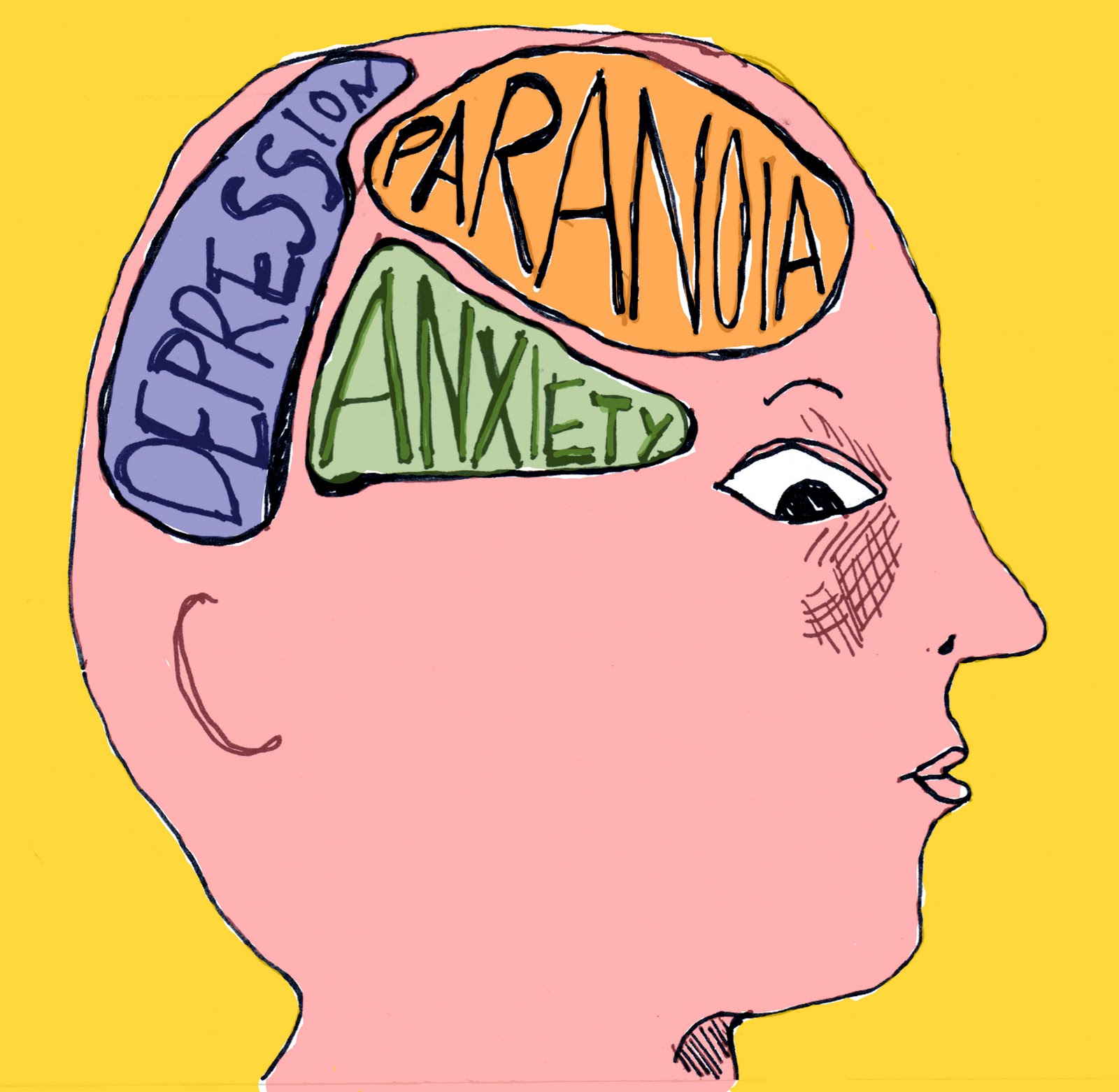
    Life can be busy, and it can be difficult to take care of your health. Caring for your physical health can be hard enough, but what about your mental health? Mental health essentially relates to how you think and feel about yourself and other people and how you act in everyday life. How do you keep your mind and emotions healthy so that you can go to school, have fun with your friends and family, and live a normal life? Looking after your mental health can be a very important part of your daily routine.

    Sometimes, people experience major mental health problems which require medication or regular conversations with a counselor. Even when mental health issues aren’t that bad, they can be very hard to live with. The feelings of sadness and hopelessness that come with depression, for example, can make people stop caring about life. Often these problems are related to what happens to people in their lives, but they come from a combination of factors. One of the most common mental health problems, stress, is a good example.

    Stress happens when something puts pressure on another so that the second one is in danger of breaking. In mental health terms, this could be when school or work becomes so busy that people can no longer manage or when they are dealing with a difficult situation, such as a death or divorce in the family. It can also come through physical factors, such as ongoing pain from an injury or illness. If you are like most people, stress is a part of your daily life.

    How can you deal with the problems like stress that affect your mental health? In some cases, you might be able to change the situations that cause stress, such as how busy you are. If your schedule is causing you stress, you can try to reduce the number of things you do and take more time to relax. You might need to ask for more help with your work so that others can help reduce the stress you feel. Basically, you might have to concentrate on the activities that are most important in your life.

    You might not be able to change everything that you find stressful, but you can try to find ways of making the situation easier. If you have a large and noisy family and you prefer quiet, for instance, there might be little that you can do about it. You might also have to live with a health problem or other difficult situation. However, you can find ways to relieve your stress by spending time on activities you enjoy or by talking with people you trust. If you can deal with mental health issues like stress before they become major problems, you will find it easier to cope with life.

    You need to be aware of the things that affect your mental health and to get help if necessary. Whatever issues you may face, it’s important to see mental health as an essential part of what keeps you going every day.

  • Career Profile: Concept Artist

    Career Profile: Concept Artist

    What is Concept Art?
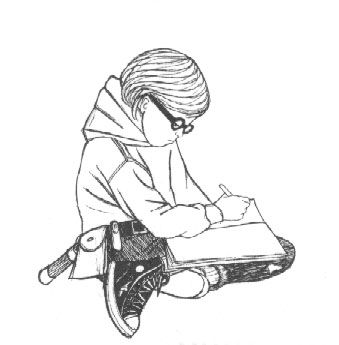
    Your passion for sketching and drawing may lead to a career path you might not realize exists. Concept art is a term applied in many different industries. Generally, it refers to the conceptual stage of production where drawings and sketches or any other form of visual representation is created to express design choices and flesh out ideas. It’s used most frequently in fashion, video games, movies, animation and graphic novels. Depending on your interests, there is a lot room for stylistic expression and individuality.

    What is a Concept Artist?
    A concept artist is responsible for creating illustrations of characters, objects and settings that don’t exist using the initial parameters and ideas set by the writers and other members of the creative team. The level of involvement required of the concept artist may vary depending on the project. That said, these artists are typically an integral part of creating the preliminary artwork and are oftentimes required to work with the next level workers that use the preliminary artwork to model the end product. These workers include graphic designers, animators or builders.

    Tools You’ll Need
    Concept artists have been known to use a variety of tools for their artwork. Some prefer using traditional drawing materials like pencils, sketch books, charcoals and acrylic and oil paints, while others favour a strictly digitized approach. Most will combine the two approaches. The recent development of software and technology, namely graphic design programs, colour blending features and hardware like graphic tablets, have led to an increase in digitized content.

    What Kind of Content will you Produce?
    The majority of concept artists find work in the film and video game industries, with the content created typically staying within the science fiction and fantasy themes. Naturally, there is room for a wide spectrum of artistic styles, from photorealistic to highly stylized work that more closely resembles cartoon animations.

    Who Can Become a Concept Artist?
    Concept artists come from a variety of backgrounds including the fine arts, graphic design, special effects design, architecture and more. There are many paths to becoming a conceptual artist making a degree like studio art a much more viable option for employment than it has been in the past.

  • Employee Rights

    Employee Rights

    Each and every worker in Canada has three rights…
    1. The Right to Know
    2. The Right to Participate
    3. The Right to Refuse Dangerous Work

    The Right to Know
    All employees have a right to know what hazards are present on the job, and how these hazards can affect them. You usually learn about the hazards during health and safety training sessions and through on-the-job instructions. Learning about chemical safety through WHMIS – the Workplace Hazardous Materials Information System – is also part of the “right to know” system.

    The Right to Participate
    All employees have a right to take part in health and safety activities. For example, you can be chosen to be a health and safety representative or a member of a committee. You also have a right to report unsafe practices and conditions without worrying that you will lose your job or be reprimanded (get in trouble).

    The Right to Refuse Dangerous Work
    All employees can refuse work that is dangerous to themselves or to co-workers. If you refuse work, there are specific procedures that must be followed.

    Don’t be afraid to exercise your Rights!

  • WSIB: Seven Things You’d Better Know

    WSIB: Seven Things You’d Better Know

    1. What you don’t know can hurt you…
    There are hazards in every workplace and you – the young and inexperienced worker – are especially at risk.

    2. What you do know can save your life…
    You need to be able to identify the hazards in your workplace.

    3. The Law Protects…
    You have the legal right to protect your health and safety.

    4. The Law Expects…
    Your employer, your supervisor(s), and you all have legal responsibilities to make sure the workplace is healthy and safe.

    5. You Can Expect…
    Your employer and your supervisor must ensure you have the information or required training and equipment you need to protect yourself.

    6. You Must Report…
    If you are injured or become sick at the workplace, you must report it to your supervisor.

    7. Don’t gamble with your health and safety…
    It’s not a game. You need to protect yourself.

    Tell Me More…
    Information on applicable laws, WHMIS, joint health and safety committees, and more can be found on the WSIB (Workplace Safety & Insurance Board) YOUNG WORKER AWARENESS PROGRAM website.

  • Why Young Workers Fall Behind for a Decade or More

    Why Young Workers Fall Behind for a Decade or More

    Michelle Bucek thought she would be working full-time in her chosen career by now.

    The 24-year-old from Brantford, Ontario, who has a degree in radio and television broadcasting from Ryerson University, recently returned from a one-year stint teaching English in South Korea.

    She subscribes to five different job boards, checks social media, and sends out resumes for three to five postings each day.

    “Over the next couple of months I’m going to do some volunteering and work some retail on the side to keep money coming in, keep pushing, sending out applications, making myself known, hoping something will come through,” Bucek said.

    “A job you get straight out of university doesn’t really exist anymore, and I find that really frustrating.”

    That’s not the only thing at stake, experts say.

    When young people can’t break into the labour market, the risks range from social unrest to mass migration to a wage gap that can persist for a decade, or even longer.

    Long-term unemployment, defined as joblessness that persists for a year or more, can scar young workers for the rest of their lives, the Organization for Economic Co-operation and Development warned Tuesday.

    “It is imperative that governments use every possible means at their disposal to help jobseekers, especially young people, by removing barriers to job creation and investing in their education and skills. The young are at most risk of long-term damage to their careers and livelihoods,” said OECD Secretary-General Angel Gurría, presenting the report in Paris.

    Across OECD countries, those ages 15 to 24 years old had an average unemployment rate of 16.1 per cent in April. That’s just over two times the rate for workers of all ages.

    The U.S., in particular, has recorded an unprecedented increase in the share of long-term unemployed, from around 10 per cent in 2007, to around 30 per cent in the first quarter of 2012.

    “These worrying figures emphasize that a growing number of people, the young in particular, are becoming disconnected from labour markets,” Gurria said. “We need to avoid the risk of a lost generation by all means.”

    It’s not surprising that social unrest is taking hold in Greece, where youth unemployment is running as high as 50 per cent, said Charles Beach, economics professor at Queen’s University.

    Frustrated young men in particular, who are unable to find gainful employment, “tend to get worked up about things and they have a lot of time on their hands,” Beach said.

    Unemployed young people are missing out on opportunities to gain practical work experience to go along with their education. That combination is crucial for eventually moving up the career ladder.

    “If youth aren’t getting that labour market experience, that has a scarring effect which can last a long time,” Beach said.

    Multiply that by thousands of young people, and there are implications for the wider economy, Beach said. “In the economy as a whole, there’s less skill that’s built up. That will have a long-term negative impact on the collective knowledge base and GDP growth.”

    Individuals who have lower income and not as many opportunities may delay marriage and starting a family. Many young people decide to go abroad to find jobs.

    “They have no opportunities as they see it at home. They have to pay higher taxes, and it’s because of nothing they did. Why should they stick around and pay higher taxes on infrequent jobs?” Beach said.

    In Canada, the rate for unemployed youth stands at about 15 per cent, just over twice the national average of 7.2 per cent.

    Professor Philip Oreopoulos, associate professor of economics at the University of Toronto has studied the long-term consequences of youth unemployment.

    Entry level wages tend to be about 10 to 15 per cent lower for a new graduate who finds a job during a recession rather than an economic boom, he said.
    On average, the wage gap persists for about 10 years. But for some people, particularly those in low-paying positions, it never closes.

    The most effective way to close the wage gap is job-hopping, moving from smaller firms to larger ones that offer more opportunities.

    “The good jobs are not there in recessions but if you are patient and wait eventually they become available and if you can grab onto to them, the wages will catch up,” Oreopoulos said.

    But that will likely take longer in the aftermath of the Great Recession, he said.

    “To the extent that we are in a more prolonged recession and it’s taking longer for those good jobs to come back, that would imply a longer time period to catch up,” Oreopoulos said.

  • Diploma vs. Degree – What’s Best For Me?

    Diploma vs. Degree – What’s Best For Me?

    Deciding where to continue your educational journey after high school can be difficult.

    With countless options available, including different credentials, areas of study and employment prospects, it may feel like there’s no right choice. Proper research, knowledge, and contemplation can ease insecurities by guiding you toward your best option.

    One of the first decisions to make regarding post-secondary education is whether to pursue a diploma, degree, or both. It’s important to first understand the difference between the two credentials.

    In Ontario, for example, there are two types of diplomas – a two-year Ontario College diploma and a three-year Ontario College Advanced Diploma. A diploma program helps develop the foundational knowledge and skills required for success in a variety of applied positions by utilizing hands-on, real-world experiences.

    Diploma programs cover a wide-range of subject areas including Dental Hygiene, Broadcasting, Human Resources, Computer Programming, Web Development, Lab Technician, Culinary Management, and more.

    Colleges also offer apprenticeship certificates, one-year introductory or general certificates, and graduate certificates, which offer accelerated hands-on learning for applicants with previous education or significant work experience.

    Universities offer a variety of undergraduate degree-completion opportunities for students entering direct from high school, including a Bachelor degree, three years, and an Honours Bachelor Degree, four years.

    A three-year Bachelor degree helps develop a broad theoretical knowledge in at least one area of study. An Honours degree, four years in length, allows students to build a more specialized knowledge which can be applied toward research studies and final papers and projects.

    Examples of university programs include Kinesiology, Business Administration, Engineering, Veterinary Medicine, Anthropology, Astronomy, Psychology, and more.

    Following completion of a Bachelor Degree, students can enter the work force or continue to earn a Master or Doctoral degree.

    Some colleges also offer Bachelor Degrees, but they are generally offered in more applied areas that a university does not typically offer programming in, such as Interior Design, Advertising and Fashion.

    Most areas of study can be offered at both a college and university level. To investigate the best option for you, research career prospects and investigate what credentials are required for your desired career. You can also visit job boards and fairs or speak with people in the industry.

    One of the biggest differences between post-secondary studies at a college or university level is cost. Tuition typically ranges from $3000 to $4000 per year in a college compared to $5000 to $8000 per year at a university.

    To overcome the obstacle of finances and stand above the competition in the job market, many students pursue both a diploma and degree through established agreements developed between colleges and universities. This means transferring their completed diploma to receive advanced standing with a university, ranging from several courses to more than a year. This allows you to earn both a diploma and degree in less time than normal and at less cost.

    There is no generic right answer. To choose whether a diploma or degree is best for you, research the options available and know that you’re never stuck. You can always pursue further credentials.

  • February Scholarships of the Month – Apply Now!

    February Scholarships of the Month – Apply Now!

    Welcome to our list of ten new scholarships for February! Remember – it’s never too early to plan your finances for post-secondary education. The sooner you start, the greater your chances of success! Take a look at all of the scholarships below and apply for as many as you can! Go out and get that free money!

    1. The Colonel Douglas H. Gunter Award – Open to all students across Canada. Amount: 5 @ $1000. Deadline: April 13, 2013

    2. Douglas McRorie Memorial Scholarship – For students majoring in agricultural business, economics, finance or trade. Amount: $3000-$5000. Deadline: February 22, 2013

    3. Aborginal Traditional Arts Project Grant – For Aboriginal students stuyding Arts in Alberta. Amount: $15,000. Deadline: February 15, 2013.

    4. 2013 Toyota Earth Day Scholarship – Open to all students entering post-secondary education in 2013/2014. Amount: $5000. Deadline: February 15, 2013.

    5. Anne Latimer Memorial Bursary – Open to female students enrolled in Women’s Studies at Langara College, Vancouver. Amount: Dependent on need. Deadline: February 14, 2013. **Many more Langara College bursaries at the link – check them out!**

    6. Canadian Institute for Nordic Studies Undergraduate Summer Bursaries – for Canadian students planning to study abroad at a Nordic university. Amount: $1500. Deadline: February 15, 2013.

    7. Saskatchewan Chancellor’s Scholarship – For all students entering post-secondary education at the University of Saskatchewan. Amount: $5000. Deadline: February 15, 2013.

    8. Don Moore Scholarship Award – For all students entering post-secondary education in Alberta. Amount: $1500. Deadline: February 15, 2013.

    9. John Brooks Foundation Scholarship – For all students entering post-secondary education at Queens University in Kingston, ON. Amount: $1300. Deadline: February 15, 2013.

    10. University of Ontario Institute of Technology Chancellor’s Scholarship – For students entering their first year of studies at UOIT. Amount: $28,000. Deadline: February 22, 2013.