Author: Rochelle C. Pangilinan

  • Prêt à produire votre déclaration de revenus ? Quatre conseils utiles de dernière minute

    Il y a un dicton qui affirme que « tout le monde procrastine, mais tout le monde n’est pas procrastinateur ». C’est sûr que nous sommes tous coupables de remettre les choses à la dernière minute, comme acheter un cadeau pour la fête d’anniversaire d’un ami ou réserver une table dans un restaurant une heure avant la fête. Il y a des moyens de contourner ces deux situations et il existe des solutions de rechange. Cependant, c’est différent si ce que vous remettez à plus tard vous amène à payer des amendes – comme de produire votre déclaration de revenus en retard.

    Produire sa déclaration de revenus à la dernière minute est un scénario bien trop répandu, mais, heureusement, il y a des façons de le faire à temps, même à la dernière minute. Voici nos conseils ci-dessous.

    1. Rassemblez tous vos reçus.

    Pour une gestion efficace de votre temps, rassemblez tous vos reçus avant de commencer à travailler sur votre déclaration. De cette façon, vous n’aurez pas à les chercher chaque fois que vous devrez les réclamer. Vous devriez avoir tous vos reçus de préférence en un seul endroit, que ce soit dans un porte-document ou dans une enveloppe. Si ce n’est pas possible ou s’il vous en manque quelques-uns, revenez sur vos pas et essayez de retrouver l’endroit où vous les avez placés.

    1. Utilisez la solution de la banque en ligne.

    Que vous ayez à payer ou à recevoir un remboursement, c’est toujours mieux d’établir un compte bancaire qui vous lie à l’Agence du revenu du Canada (ARC). Si vous vous attendez à un remboursement, inscrivez-vous pour le versement direct, ainsi votre remboursement sera déposé directement sur votre compte. Si vous devez effectuer un paiement, indiquez juste l’ARC comme le créancier – le numéro du compte sera votre numéro d’assurance sociale – et de là, vous pouvez facilement régler ce que vous devez.

    1. Trouvez un professionnel pour produire votre déclaration.

    Si vous peinez à faire votre déclaration et ne savez pas comment réclamer vos dépenses et abandonner vos pertes, c’est mieux d’avoir un professionnel qui le fait à votre place. Souvenez-vous que vos formulaires d’impôts sont des documents légaux et si vous faites surtout de l’à-peu-près parce que vous n’avez plus de temps, ça pourrait avoir des conséquences désastreuses. Une erreur dans la déclaration d’une dépense pourrait entrainer une amende ou une visite du vérificateur pour une réévaluation. Rappelez-vous que c’est important de tout indiquer fidèlement, alors demander l’aide d’un spécialiste en déclaration de revenus peut être très utile. Certains facturent jusqu’à 60 $, mais si vous ne voulez pas payer autant, vous pouvez vous retourner vers un centre de déclarations bénévole.

    1. Prenez des mesures de paiement.

    Si vous prévoyez de devoir payer des impôts et que vous n’avez pas les moyens de le faire à l’heure actuelle, souvenez-vous que c’est mieux de faire votre déclaration à temps plutôt que la remettre à plus tard parce que vous ne pouvez pas payer. Il existe des mesures de paiement puisque l’ARC tient compte des différentes capacités des gens à payer, surtout en ces temps de pandémie. Découvrir les méthodes modulables à l’avance peut vous éviter l’inquiétude du paiement immédiat.

    Produire une déclaration de revenus tôt est la solution privilégiée pour éviter de le faire à la dernière minute, ce qui pourrait entrainer de grosses erreurs et des amendes. Cependant, si vous manquez rapidement de temps, c’est quand même possible de produire votre déclaration en suivant les conseils ci-dessus.


    Sources

    Government of Canada. “Last-minute tax-filing tips.” https://www.canada.ca/en/revenue-agency/news/newsroom/tax-tips/tax-tips-2021/last-minute-tax-filing-tips.html


  • Un aperçu sur la carrière de carrossier

    Tous les jours, des accidents se produisent sur les routes du Canada. Ils peuvent être légers et juste bosseler ou érafler les véhicules, ou ils peuvent endommager gravement les voitures ou les camions. Pour beaucoup d’accidents, le carrossier contribue à réparer les véhicules pour qu’ils soient réutilisés et qu’ils protègent les personnes à l’intérieur ainsi que le moteur et d’autres pièces qui permettent au véhicule de bien fonctionner. Si vous aimez le travail de réparation, cette profession pourrait être un bon choix de carrière pour vous.

    Conduire comporte de petits et de grands risques. Les petits accidents peuvent impliquer un peu de peinture éraflée sur une porte de la voiture ou une bosse sur le parechoc en heurtant un poteau ou une barrière. Les accidents importants peuvent enfoncer l’avant ou l’arrière du véhicule, casser des parechocs ou plus encore. Réparer les dommages est important surtout avec la météo canadienne. La rouille peut se former facilement à l’endroit où le métal est bosselé ou la peinture a disparu, ce qui peut exposer de délicates pièces mécaniques et endommager le véhicule encore plus.

    Le carrossier contribue à entretenir les voitures pour de nombreuses années. La plupart des personnes de ce métier travaillent dans des garages automobiles où ils peuvent faire partie d’un grand groupe de travailleurs dans le même domaine. Certains carrossiers peuvent ouvrir leur propre entreprise dans ce métier, mais l’équipement et les installations peuvent être trop couteux pour une seule personne.

    Lorsqu’un accident se produit, la première tâche du carrossier est d’examiner les dommages et de déterminer ce qu’il faut faire. Souvent, une pièce a besoin d’être remplacée et il pourra le faire ou donner le travail à une autre personne. Parfois, il est possible de marteler la bosse pour la niveler et de repeindre l’emplacement. Une partie du travail consiste également à effectuer de l’entretien, comme remplacer les phares à l’avant ou à l’arrière du véhicule, examiner les amortisseurs, vérifier les freins et tout ce qui pourrait toucher la sécurité du véhicule.

    Dans ce métier, la plupart des personnes apprennent le travail sur le tas, mais quelques apprentissages supplémentaires pourraient être demandés. Dans de petites entreprises, il peut être nécessaire de connaître la comptabilité et le service à la clientèle. La majorité du travail se fait de jour, mais les heures peuvent être plus longues lorsqu’un travail doit être fini rapidement. Les semaines de travail sont, en général, de 5 à 6 jours, selon la taille de l’entreprise, le nombre d’autres garages aux alentours et d’autres critères. Les personnes de ce métier doivent parfois superviser d’autres ouvriers, gérer l’approvisionnement et d’autres tâches quotidiennes similaires.

    Comme pour beaucoup de métiers, le travail de carrossier peut être physiquement exigeant. Dans ce métier, les personnes doivent pouvoir soulever de lourds objets et être capables d’utiliser de nombreux outils. Une bonne vision avec ou sans lunettes est importante et une main sûre rend le travail plus facile. Bien qu’il soit possible de travailler dans ce métier pendant longtemps, les personnes plus âgées peuvent le trouver plus difficile.

    Le salaire du carrossier commence à 16 $ l’heure ou 34 000 $ par année. Avec de l’expérience, il peut monter jusqu’à 33 $ l’heure ou 75 000 $ par année. Les emplois sont en général plus nombreux dans les grands centres urbains que dans les petites villes, mais presque chaque communauté peut offrir des possibilités dans ce métier. Ça pourrait être la bonne profession pour vous.


    Bibliographie :

    Centennial College. “Auto Body Repair Technician.” https://www.centennialcollege.ca/programs-courses/full-time/auto-body-repair-technician/.

    Job Bank. “Auto Body Repairer in Canada.” https://www.jobbank.gc.ca/marketreport/occupation/7662/ca.

    Payscale Canada. Average Auto Body Repair Technician Hourly Pay in Canada https://www.payscale.com/research/CA/Job=Auto_Body_Repair_Technician/Hourly_Rate.

    Talent.com. “Auto Body Technician Average Salary in Canada 2022.” https://ca.talent.com/salary?job=auto+body+technician.

  • Le budget de la C.-B. se concentre sur les changements climatiques : s’attaquer à la crise et créer des occasions d’emplois

    L’été 2021 en Colombie-Britannique a montré ce que les changements climatiques peuvent faire à la terre et au public. Des feux qui ont détruit des communautés entières, des inondations qui ont anéanti des maisons et des écoles, des glissements de terrain et une chaleur intense qui ont causé beaucoup de morts, tous ont faits partie de cet été très difficile. En réponse, le budget 2022 du gouvernement est conçu pour gérer l’urgence climatique tout en fournissant également les emplois pour les jeunes à l’avenir.

    Chaque année, les experts financiers du gouvernement établissent un budget détaillant le montant d’argent qui doit être distribué vers l’éducation, la santé et d’autres services dont a besoin le public. L’été dernier a bien fait comprendre que la gestion du climat est essentielle. Le gouvernement a répondu avec un investissement plus grand que jamais dans le CleanBC Roadmap Project. Cet investissement comprend 1,2 milliard $ dans le nouveau financement vers une économie plus propre. Cela signifie de trouver et développer des énergies qui réduisent ou éliminent les émissions dangereuses comme le carbone qui pollue l’environnement.

    Même avec de nouvelles énergies disponibles, les gens ont besoin de les utiliser. Construire plus facilement des véhicules électriques et les rendre plus économiques à l’achat est une étape importante vers la réduction d’émissions. Environ quarante pour cent d’émissions de carburants viennent du transport. Des carburants plus propres, comme l’énergie électrique contribuerait à réduire ce problème. Cependant, des industries moins polluantes et des bâtiments plus verts sont également nécessaires pour aider à réduire la pollution et aider l’environnement.

    Personne ne souhaite une catastrophe. Cependant, c’est utile d’être préparé pour d’éventuels problèmes. Une partie du budget porte sur le BC Wildfire Service toute l’année qui pourrait aider à résoudre la question des feux incontrôlables. Habituellement, la plupart des feux de forêt surviennent en été lorsque le temps est chaud et souvent sec. Cependant, avoir un service d’incendie permanent permettrait aux gens de se préparer à la saison des feux et être prêts avec les outils et les ressources dont ils ont besoin.

    Bien que le nouveau budget essaie de gérer beaucoup des questions climatiques que la C.-B. doit affronter, certains s’inquiètent du fait qu’il rate quelques secteurs importants. Par exemple, le financement supplémentaire pour le transport en commun aiderait plus l’environnement que l’appui financier pour des véhicules privés. Sur les 8 millions $ prévus au budget pour les routes et le transport, seulement 1,97 million $ ira au transport en commun même si un bus peut transporter quarante ou cinquante personnes qui autrement utiliseraient leurs voitures pour aller au bureau ou à l’école. Du financement supplémentaire permettrait d’avoir des bus plus fréquents, des tarifs moins chers et un meilleur système de façon générale.

    Malgré quelques lacunes, le nouveau budget comprend aussi des possibilités pour les jeunes. Travailler dans la sensibilisation du public est une possibilité. Inciter le gouvernement et des organismes privés à mieux investir dans le transport en commun ou une technologie plus verte est une bonne façon de contribuer à réduire les émissions à effets de serre. Les journalistes et d’autres rédacteurs peuvent informer le public ou le gouvernement sur les problèmes. Trouver un travail dans le nouvel organisme de lutte des incendies est également une autre occasion pour celui qui possède les bonnes compétences.

    Les inventeurs et les techniciens pourraient aussi obtenir de bonnes possibilités dans le nouveau budget. Trouver de nouvelles énergies et une technologie plus efficace peut contribuer à réduire les émissions, rendant très importantes les contributions d’inventeurs. Les techniciens sont également nécessaires pour installer ces nouveaux systèmes dans les maisons et les immeubles puisque ce genre de travail peut être trop compliqué pour la plupart des gens. Ce nouveau budget vert de Colombie-Britannique pourrait créer de nombreuses possibilités d’emploi tout en aidant à rendre la province plus respectueuse de l’environnement.


    Bibliographie :

    The Canadian Press. Climate Change Focus of B.C. Budget after Floods, Wildfires and Heat Waves.” https://vancouversun.com/news/local-news/challenges-of-climate-change-focus-of-b-c-governments-budget-says-finance-minister.

    Gamage, Michelle. “BC Budget Fails to Deliver Climate Change, Experts Say.” The Tyee. https://thetyee.ca/News/2022/02/24/BC-Budget-Fails-To-Deliver-Climate-Change/.

    The Globe and Mail. “BC Budget to Focus on the Challenges of Climate Change, Says Finance Minister.” https://www.theglobeandmail.com/canada/article-bc-budget-to-focus-on-challenges-of-climate-change-says-finance/.

    Province of British Columbia. “Record Investments to Create Clean Economy of the Future.” https://news.gov.bc.ca/releases/2022FIN0007-000272.

  • Brighter Days

    Brighter Days

    Sunsets are later and days are warmer, meaning spring is truly here. It was a long winter made even more challenging with ongoing pandemic restrictions. But now is the time to take a leap, start fresh, and embrace the “new normal” we’ve talked about since the early days of COVID. And that’s no April Fool’s joke.

    Looking to add some green to your neighbourhood this spring? Learn how you can start a community garden. Anxious about returning to in-person classes? We have advice on how to ease your way back into it. Focused on finding a job? Check out some tips on how to go about the job hunt.

    As you move ahead and pandemic restrictions go away, don’t forget money-saving techniques from the past two years. Take a chance on something you’ve always wanted to do, such as writing a novel (we’ve got tips for that!). If the recent crisis in Ukraine has you nervous, read about how to protect your mental health during times of crises.

    Take a look at some more articles from our latest issue below. Happy Spring!


    Regards,

    Anthony Teles, Vice-President of Content

  • NPower Canada and Tech Training for Young People (French version available)

    NPower Canada and Tech Training for Young People (French version available)

    Suppose that you wanted to get into a career in technology. You might take some courses at a university or community college, but you would still need to learn the specific skills that employers need. For many young people, tech training through NPower Canada is the answer. Through this charity, people can learn what they need to know for a good career in technology.

    NPower Canada is a charitable organization first formed in 2014 in the Greater Toronto Area. By the following year, eighty-seven young people were enrolled in the program. The program grew and expanded to include Calgary, Halifax, and Vancouver by the end of 2021. These programs served 1,570 young people in those four locations, including the original program in Toronto.

    Programs at NPower Canada are aimed at young people between the ages of seventeen and thirty. The idea is to give people the skills they need to compete for digital careers. For example, the programs include junior IT (information technology) analyst and junior data analyst, available in Calgary, Edmonton, Red Deer, and Lethbridge, Alberta.

    Programs like these ones run for fifteen weeks. During the COVID-19 pandemic, classes were held online, but in-person classes may resume in some locations. Besides the training in professional skills necessary for getting work in these fields, NPower provides contacts with some of the largest employers in Canada.

    These types of connections are important for people as they look for work. Many employers receive hundreds of applications for each of their job postings, and it can be hard for job seekers to get the attention of hiring managers. With the connections that come through an organization like NPower, applicants can gain an advantage over other people looking for work.

    Digital skills are very useful in many different types of work. Becoming an information technology expert is one of the more obvious career paths, but digital skills can be helpful for writers, teachers, and even factory workers. Learning how these digital skills fit in with various types of work can help students succeed in their job search.

    NPower’s programs are aimed at underserved young people who might otherwise not have the opportunities for gaining the digital skills necessary for getting good jobs. People from wealthy families might have their own connections for finding work, or they can at least pay for the university or other training programs that can get them into good jobs in the future. For people without these opportunities, however, being able to get a start through NPower is a good chance to learn the skills necessary for succeeding in the working world.

    Over the past two years, studying online has become a way for people to deal with the dangers of COVID-19 while working to expand the range of their work. For people with few computer skills, however, learning online can be a challenge. When in-person classes resume, many students may wish to choose that option. Whether in person or online, the programs at NPower can help young people to prepare for work using the digital skills they need for the future.


    Bibliography:

    CanadaHelps.org. “NPower Canada.” https://www.canadahelps.org/en/charities/npower-canada/.

    Indeed.com. “NPower Canada: About the Company.” https://ca.indeed.com/cmp/Npower-Canada.

    NPower Canada. “About.” https://npowercanada.ca/about/.

    Taniguchi, Kellen. “NPower Canada launches Edmonton youth into tech careers.” Edmonton Journal. https://edmontonjournal.com/news/local-news/npower-canada-launches-edmonton-youth-into-tech-careers.

  • Drowning In Debt? 5 Tips for Tackling Your Debt Head-On

    Drowning In Debt? 5 Tips for Tackling Your Debt Head-On

    A 2019 survey conducted by Qualtrics on behalf of Credit Karma revealed that Canadians’ second-biggest fear (after death) is debt. Forty-three per cent of Canadians said that they lose sleep thinking about their finances, including debt and lack of savings. Furthermore, 26 per cent revealed they’re zeroed out at the end of the month.

    It can be overwhelming to have financial struggles, especially when you’re juggling to pay balances not just from one credit card but from multiple credit cards. In times like these, it’s inviting to resort to quick solutions that can lead to more harmful consequences like taking a pay day loan or pawning a valuable and sentimental item. The good news is there are ways to combat your debt without having to make yourself vulnerable to loans with unbelievably high interest rates or giving up something that’s meaningful to you for extra cash.

    Let’s look at 5 great tips below on how to face your debt issues head-on and come out on top:

    1. Get organized.

    Army troops don’t go to battles without a plan, and it should be the same when you’re tackling your debts. Gather all your credit card statements and make a note of the amounts you owe, plus the payment due dates, interest rates, etc. This will give you a clear picture of your liabilities so you know where you stand. Knowing your exact situation will help you draw out a workable solution.

    1. Consider debt consolidation.

    Consider applying for a debt consolidation loan at your bank. A debt consolidation loan is a type of personal loan that has a lower interest rate than what credit cards normally charge. This loan can pay off your credit cards or other debts, then you’ll only have one payment to take care of instead of four or five credit card payments.

    1. Look into zero per cent balance transfer.

    An alternative to debt consolidation is a balance transfer. It does sound like a trick move since your goal is to pay off credit card debt, therefore applying for another credit card should be out of the question. However, zero per cent balance transfer cards can be helpful in saving you money going forward. Just be sure to find a card offering an extended zero per cent introductory period, which can range from 15 to 18 months. After you find a card, transfer all of your outstanding credit card debt to that one account. You can focus on one payment with no interest.

    1. Reach out to your creditors.

    It’s worth a try to reach out to your creditors so together you can work with them to come up with a payment plan that suits you. This lessens the pressure for you and you can concentrate on paying off your debits according to your ability to pay. This way, you minimize the need to go for desperate recourses like pay day loans with high interest rates. Most creditors are understanding of people’s financial situation because of COVID-19.

    1. Change your behaviour.

    All of the four tips above will be useless if you don’t make an effort to change your behaviour that put you deep into these arrears in the first place. While there’s a good chance you’ll pay off your debts and you’ll come out unscathed, be more mindful of those habits that can place you in a precarious situation again. Otherwise, it will be a never-ending cycle of overspending then struggling to pay off debts.

    Financial savviness is a valuable skill these days, but there are times when our debts get out of hand. When this happens, know that there are ways to manage the situation. However, going forward, you have to make an effort to avoid getting yourself in the same situation again.


    Sources

    Collie, Meghan. “Canadians fear debt almost as much as they fear death: survey.” Global News. https://globalnews.ca/news/6096075/canadian-personal-debt/

    Niemeyer, Brooke. “7 Tips for Paying Off Credit Card Debt.” Credit.com. https://www.credit.com/debt/tips-for-paying-off-credit-card-debt/

    Pyles, Sean. “How to Get Out of Credit Card Debt in 4 Steps.” NerdWallet. https://www.nerdwallet.com/article/finance/credit-card-debt

    Segal, Troy. “Paying Off Debt With a Balance Transfer.” Investopedia. https://www.investopedia.com/ask/answers/111714/when-balance-transfer-good-idea-paying-debt.asp

    Weliver, David. “Kick Debt’s Butt! How To Get Out Of Debt On Your Own.” Money Under 30. https://www.moneyunder30.com/get-out-of-debt-on-your-own

  • Navigating Anxiety & Reduced Restrictions (French version available)

    Navigating Anxiety & Reduced Restrictions (French version available)

    After two long, agonizing years, there seems to be a light at the long, dark tunnel that is the COVID-19 pandemic. While there are still some positive cases, the government has, little by little, been lifting restrictions. As of late, we are increasingly returning back to normal life. I know that there are millions of other people like myself, whether it be students, employees, or teachers, who have gotten far too used to our new routines of staying in all day and communicating with the world behind the safety of their computer screens.

    Keep in mind, the pandemic hit when I was in my second semester of grade 11. I remember it being quite the exciting time for me; my friends and I were looking forward to our final year of high school. When we went into lockdown, I was just like everyone else, I was thinking it would be gone as fast as it came. Of course, this was not at all the case, and now look at me, a first-year university student at the University of Toronto.

    A couple weeks ago, my school campus opened up and two of my classes were moved to being in-person. I am not even going to lie, the moment that I found out that I would be going back to in-person learning, I was hit with this overwhelming anxiety. And honestly, that unnerved me; the words “restrictions lifting” did not overjoy me like I thought they would. Instead, I felt absolutely terrified of the world around me, especially since I was so accustomed to my routines at home. If you are also feeling panicky or anxious about the decreasing restrictions, that is completely normal, and you’re not alone.

    In all honesty, my first day on campus was a scary experience to say the least. I had forgotten what it was like to be in an actual classroom, plus, I was new to the campus – I had never been there before. The world had never felt so foreign; it just felt like this big mass in which I knew absolutely nothing about. I felt terrified, but I did not specifically know why: was it the virus? Was it being around people again? Again, these feelings were normal, but they were still extremely overwhelming to me and my mental health. In an effort to help others out, I have created a list of methods and things to keep in mind that have helped me even in the smallest of ways when it comes to journeying through the new normal of our world.

    Start Slow, Be Gentle

    Transition periods are never easy. This was a transition that none of us ever expected to have to make at all, so start slow and do not be hard on yourself. As restrictions start to lift everywhere, it will feel tempting to push yourself to get right back into exactly how things were before. But you have to be gentle. When you feel anxious or nervous when you’re outside, try to keep track of it and find the source – what seems to be causing it? If there seems to be no apparent cause, just focus on the task at hand. Try to get home as soon as you can, but also focus on positioning yourself comfortably in the outside world; normalize it as part of your routine. As you go on, try to make more plans. Remember, push yourself, but be wise enough to know your limits.

    Talk About It! (It’s Easier than it Sounds, I Swear)

    Anxiety is one of those things that becomes easier to cope with when you talk to someone about it. I made a point to talk to some people in my classes, and I ended up making a friend! Talking to her throughout this transition of going back to campus has made the process much easier. However, if you’re a student, I would also advise you to possibly seek the counselling services on your campus; scope out your resources. Or, try therapy! Talking to a therapist, someone from an unbiased standpoint in your life, makes it a bit easier to be able to navigate your experiences. Therapists are also trained to help you and give you a new perspective on the issues in your life; you could learn breathing exercises or coping mechanisms to help you with your way in this new world.

    Relax

    When you get home, take a warm shower, and take at least an hour to yourself. With such hectic schedules, that can sound like an utter and complete impossibility. But it’s easier than it sounds. In high school, they give you at least 40 minutes just to eat, to take some time for yourself and rejuvenate; that is still important, no matter where you are in your life. In fact, according to a Tork survey, 90% of North Americans say that breaks increase their mental well-being and overall productivity levels (Kohll 2018). If you’re hesitant about giving yourself time to relax, remember this: if you don’t take the break, the break takes itself. Somehow, your burnt-out state of mind will find a way to seep through. Like I said, be gentle. This new world is scary to navigate, especially when we have to learn to let go of all the restrictions.


    References

    Kohll, Alan. “New Study Shows Correlation Between Employee Engagement And The Long-Lost Lunch Break.” Forbes, PARS International Corp, 29 May 2018,  https://www.forbes.com/sites/alankohll/2018/05/29/new-study-shows-correlation-between-employee-engagement-and-the-long-lost-lunch-break/?sh=4db7ab3c4efc.

    Zlotnick, Sarah. “How to Cope With Re-entry Anxiety During COVID-19.” Montgomery Magazine. Montgomery Magazine, 21 August, 2020. https://www.montgomerymag.com/how-to-cope-with-re-entry-anxiety-during-covid-19/.

  • Boons and Banes of Lower Interest Rates during the Pandemic

    Boons and Banes of Lower Interest Rates during the Pandemic

    COVID-19 had such a strong impact to the world economy, no doubt. But if there’s one bright side to the pandemic, it was the fact that Canadian interest rates reached historic lows during the height of COVID-19.

    Thanks to a push for Canadian banks to lower interest rates and their fees by organizations like ACORN Canada and other anti-poverty advocates, six of the country’s biggest banks agreed to reduce interest rates on credit cards as a relief to customers affected by the pandemic. These banks were Bank of Montreal, Bank of Nova Scotia, Toronto-Dominion Bank, Royal Bank of Canada, National Bank of Canada, and Canadian Imperial Bank of Commerce.

    All these banks had their own way to alleviate the financial strain felt by their customers due to COVID-19. TD Bank, for example, cut their interest rates by half, while BMO reduced theirs to 10.99 per cent.

    Before the pandemic, most of these banks charged interest rates between 19.99 per cent and 20.99 per cent on purchases.

    Lower interest rates also extended to mortgages, which was good news for aspiring and current homeowners.

    Three months into the health crisis, the five-year fixed rate dropped to a record low of 1.99 per cent. At the time, homebuyers everywhere were ready to take advantage of the decreased interest rate for mortgages. At the same time, it was a good opportunity for those who were already homeowners to refinance and consolidate debts.

    The Canadian government also urged banks to offer mortgage relief plan to those affected by the health crisis that allowed them to defer or skip payments for as long as six months.

    Lower interest rates also made it attractive for any borrower looking into spending on a large purchase, apart from a house, like a car.

    However, lower interest rates also brought in disadvantages.

    For one because it made borrowing costs cheaper, it led to greater spending for some consumers. Some individuals also were tempted to take out larger loans beyond their payment capabilities even though they didn’t truly need these loans; it was tempting to apply for them because of the promise of lower interest rates.

    Another bane is that consumers were deprived of an incentive to save since the lower interest rates were encouraging them to spend more rather than hold on to their hard-earned bucks.

    Those who sent money abroad to family and friends also bore the brunt of lower interest rates because there was a depreciation in the exchange rate and the Canadian dollar experienced a fall in its value.

    The lower interest rates offered its own set of the good and bad for consumers, but it’s still too early to tell its effects in the long run. Now that the pandemic is easing up, financial situations may have been more stable, but some things may still be up in the air. It’s good to be vigilant and be well-prepared for changes in interest rates to avoid missteps.


    SOURCES

    Better Dwelling. “Bank of Canada Waited Too Long, Expect Much Higher Interest Rates: Scotiabank.” https://betterdwelling.com/bank-of-canada-waited-too-long-expect-much-higher-interest-rates-scotiabank/

    Foran, Pat. “Canadian banks urged to do more to lower fees and credit card interest rates.” CTV News. https://toronto.ctvnews.ca/canadian-banks-urged-to-do-more-to-lower-fees-and-credit-card-interest-rates-1.5507869 

    Foran, Pat. “Pandemic pushes Canadian interest rates to near historic lows.” CTV News. https://toronto.ctvnews.ca/covid-19-pandemic-pushes-canadian-interest-rates-to-near-historic-lows-1.4982314

    Press, Jordan. “Raising interest rates will help lower inflation in time, BoC governor says.” Global News. https://globalnews.ca/news/8658247/bank-of-canada-interest-rates-inflation/

    Reuters. “Canada’s Big Six banks cut credit card interest rates to ease coronavirus impact.” https://www.reuters.com/article/health-coronavirus-cibc-idUSL4N2BR42T

  • How to Protect your Mental Health in Times of Crisis

    How to Protect your Mental Health in Times of Crisis

    Recently, the world is in a state of distress. With global warming, wars, and political issues, how can we tackle these problems and still take care of ourselves? It is a truly wondrous thing that people around the world are doing everything they can to help one another and protect the space around them. However, in doing this, people often forget they must take care of their mental health. How are we supposed to help solve problems if we are not in our best state to do so? Author Bryant H McGill put it best: “Taking care of yourself is the most powerful way to begin to take care of others.”

    Many psychologists acknowledge that people have something called “The Window of Tolerance.” This window is also referred to as your comfort zone. When we take on too much, and we push ourselves outside of this window, we risk going into a fight or flight response, or a freeze response. The fight or flight response is a result of too much stress. And rather than taking time to wind down and relax, you keep pushing yourself and start feeling things like anxiety, anger, and frustration. The freeze response is on the opposite end of the spectrum. Freezing is when you push past your limits and then start feeling numb and tired. It can result in you not wanting to leave your bed, or falling into a depression. Staying within your window of tolerance is vital to caring for your mental health. Notice the signs of when you are reaching your limit and do your best to bring yourself back into your window.

    So now that we know more about the window of tolerance, what tactics will help us stay in the window?

    1. Get off of social media

    With social media becoming so accessible and popular, it almost feels like you can’t escape it. Any big change or issue in the world is immediately posted and shared across all platforms. No matter where you look, the issues are always hitting you. A quick fix is to take a break from social media. Log off for a few hours, and reconnect to the space around you. By putting your phone down, even if it’s for half an hour, your mind will slow down and grounding will become much easier. If you have no way to see the issue, then you can’t pick up on new things to stress about.

    1. Practice Mindfulness and Grounding Techniques

    When you are overwhelmed, your mind goes into overdrive and it may feel like you’re losing all control. And although it feels that way, there are easy tricks for you to get back into the driver’s seat. First and foremost, remember to breathe. It sounds a bit silly, doesn’t it? We’re breathing all the time, why would I need to remember to breathe? The trick is to do it consciously. Don’t just let your body do its thing; take charge and focus on taking deep breaths. An easy pattern to follow to relax is to breathe in for a count of three, hold the breath for a count of four, and exhale for a count of five. By doing this, you’re already taking some control of yourself.

    When we hear all these negative things, it’s seemingly impossible to find anything good. Take a few minutes, and list off anything in your life that is good or that you are grateful for. It can be anything! If you have a wonderful pet, or ate an amazing lunch, those are such positive things that are happening. Completed an assignment, or achieved a goal? Give yourself a pat on the back and remember how amazing that is. By looking at positives often, you are training your brain to be more optimistic.

    1. Talk with someone

    You are not alone with your anxieties about the world. Millions of people are feeling the exact same way and are trying to take care of themselves while hearing about all these problems. So, reach out to somebody. Even if it is just a friend or family member, they will be able to offer advice. And if not advice, some comfort and support. Which is really what we all need a bit more of right now. If you are finding talking to friends is not helping, there is absolutely no shame in reaching out to professionals. The stigma around therapy and professional help is diminishing daily. Seeing a therapist can benefit your mental health and will help you find tactics to relax.

    Overall, with the things happening in the world right now, there is no surprise or shame in feeling stressed and overwhelmed. Finding tactics that work for you is so important, and hopefully some of these suggestions are a good place for you to start. Anything you are feeling is valid, so do not be ashamed of worrying about the world – it makes you a caring and kind person. Just remember to transfer that care and kindness to yourself.

  • Fair and Square: Why Extending the $15 Minimum Wage to Gig Workers Is Important

    Fair and Square: Why Extending the $15 Minimum Wage to Gig Workers Is Important

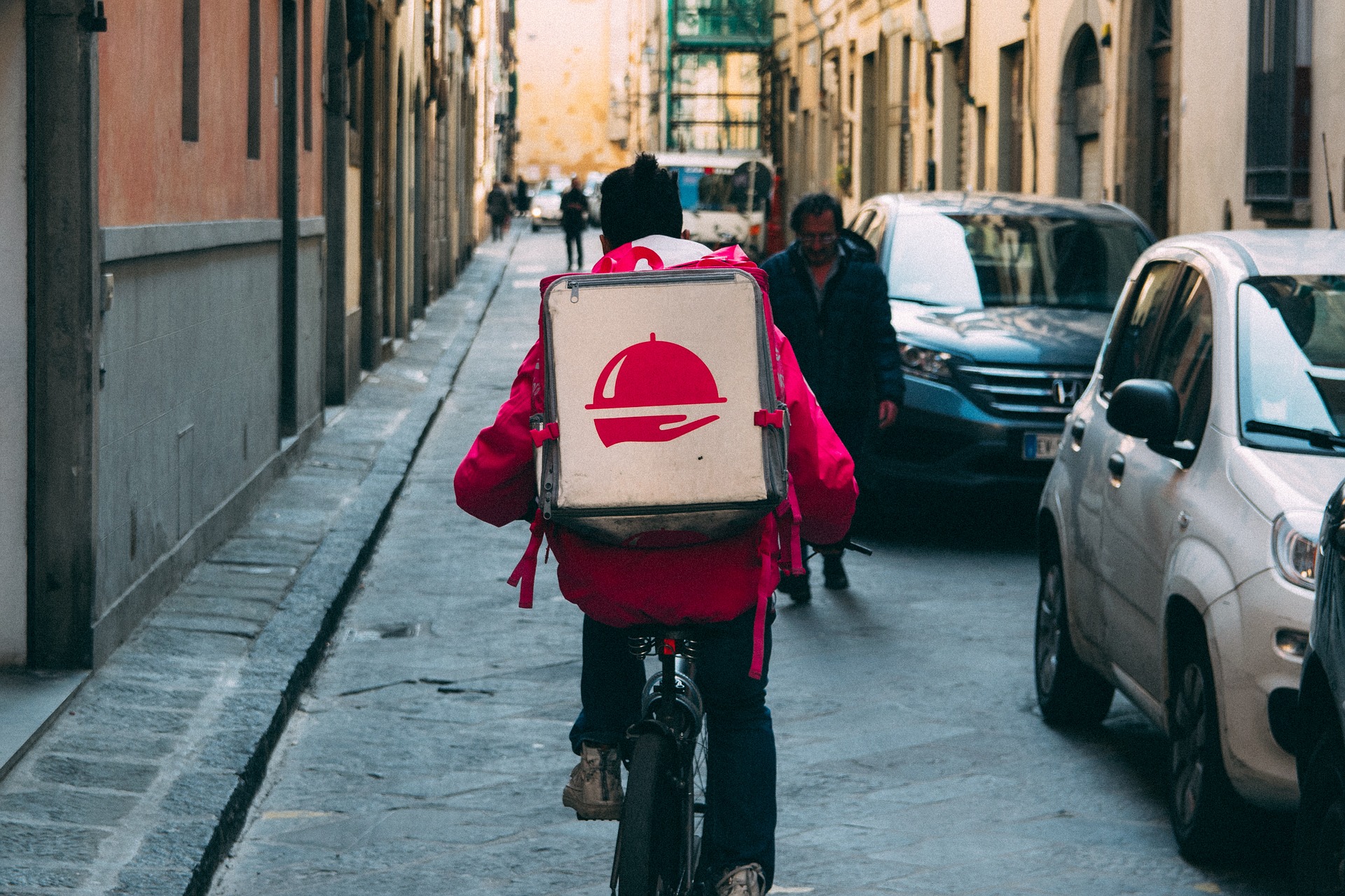
    What is the gig economy? Well, if you have ordered food or booked a ride through an app, then you have a good idea of what it is. The gig economy involves the exchange of labour for money between individuals or companies through digital platforms that match providers and customers on a short-term and/or payment-by-task basis.

    By contrast, traditional employees have consistent work with a single company and steady salary, and they are guaranteed to make at least minimum wage. Workers in the gig economy do not have that stability. As the gig economy grows, it becomes even more important that they get paid fairly.

    A variety of sectors

    Among the most common sectors in the gig economy are transportation-based services, including food delivery and ride-sharing, and asset-sharing services, including home sharing or parking space-sharing. There are also digital platforms that connect freelancers with businesses or individuals to complete projects, and this ranges from writing to art and design work.

    Pre-COVID gig economy

    According to a study by Statistics Canada, in 2016, pre-pandemic times, gig workers – self-employed freelancers, on-demand online workers and day labourer – represented about eight to ten per cent of all Canadian workers. This was a combination of individuals who did gig work to supplement their wage employment and those who primarily relied on gig earnings.

    During COVID

    In the midst of the pandemic, that number ballooned to 20 per cent according to a survey by staffing firm Randstad, and it’s completely expected. The health crisis had a strong negative impact on regular 9-to-5 jobs, while opening more flexible work opportunities in the form of gig jobs that catered to those whose work was disrupted and became irregular. With the lockdown restrictions posing a greater need for app-based deliveries, especially food and groceries, the gig economy soared.

    On the other hand, employers preferred the gig workers because they have a wider access to a talent pool, especially when it comes to freelance editing or writing projects where they can hire anyone in the world if they are qualified.

    Another perk for employers is that they don’t have to shoulder the expenses for benefits like extended health insurance coverage or RRSPs because the employees are project-based or purely short-term.

    All That’s Going to Change

    Now this is where a big change is set to take place.

    On February 28, 2022, the Ontario government introduced a new legislation that will give app-based gig workers “fundamental rights,” including a $15 minimum wage and transparency when it comes to their tips.

    Dubbed as the “Digital Platform Workers’ Rights Act,” this will ensure a regular minimum wage for those employed by app-based services, such as ride-share drivers and couriers, which they will receive on top of their tips. The legislation will also make it mandatory for workers to receive a recurring pay period and pay day while at the same time preventing platform operators to withhold their tips.

    The committee behind the “Digital Platform Workers’ Rights Act” also suggested coverage for workers employed by platform-based services that include benefits and severance.

    These are changes that gig workers would welcome with open arms, but there’s still a lot of work to be done for them to not feel like they are second-class workers.


    Sources

    Bajwa, Rumzz. “How the Gig Economy Benefits Employees & Businesses.” GlobalTrade. https://www.globaltrademag.com/how-the-gig-economy-benefits-employees-businesses/

    Charlton, Emma. “What is the gig economy and what’s the deal for gig workers?” World Economic Forum. https://www.weforum.org/agenda/2021/05/what-gig-economy-workers/

    Henderson, Rebecca. “How COVID-19 Has Transformed The Gig Economy.” Forbes.  https://www.forbes.com/sites/rebeccahenderson/2020/12/10/how-covid-19-has-transformed-the-gig-economy/?sh=3e9692436c99

    Nosov, Ritva. “The gig economy will continue to grow postpandemic. Is your company ready?” The Globe and Mail. https://www.theglobeandmail.com/business/careers/leadership/article-the-gig-economy-will-continue-to-grow-postpandemic-is-your-company/

    Petriglieri, Gianpiero, et al. “Thriving in the Gig Economy.” Harvard Business Review. https://hbr.org/2018/03/thriving-in-the-gig-economy

    Stanford, Jim. “Gig workers aren’t second class workers – but that’s how Ontario’s recent recommendations treat them.” Toronto Star. https://www.thestar.com/business/opinion/2021/12/18/at-a-fork-in-the-road-on-gig-work-ontario-went-the-wrong-way.html

    Statistics Canada. “The impact of COVID-19 on the gig economy: Short- and long-term concerns.” https://www150.statcan.gc.ca/n1/pub/45-28-0001/2020001/article/00021-eng.htm