Category: Advice

  • Keeping a Journal

    Keeping a Journal

    Keeping a journal is a great way to find clarity in your thoughts and to express yourself. Maybe there are issues you are going through in your personal life such as family problems,  issues with your friends or maybe the passing of a loved one.

    Writing daily or weekly in a journal/diary is a great way to let your emotions and feelings out. It can prove to be very therapeutic.

    Getting started is very simple. Grab a notebook or diary from the dollar store, write the date and just start writing. It would be helpful to write alone in your room or outside in quiet area that you may find peaceful. Write about anything that comes to mind and don’t over think it. There’s no right or wrong. Write about what you did that day. Where did you go? Who did you see? What did you accomplish? What do you feel during that moment? Are you sad about something? Are you happy? Are you stressed?

    You can even write about your short-term or long-term goals. What steps do you need to take to get there? Write them down. By writing down your dreams and goals, you are making more of a concrete commitment to them instead of just thinking about them. By writing them down and seeing them, you are more likely to act upon them later.

    Keeping a journal is not about just writing in it. It’s a great way to reflect as well by reading past entries. Maybe as the days go on and you read what you wrote before, you’ll realize that life isn’t so bad after all. You may feel better about a particular issue you were having before or maybe you changed something in your life for the better. You will see progress in your life. Maybe you accomplished some of your goals. Knowing that you achieved something that you wrote down from before is a great feeling in itself.

    As you get older, you will be glad that you kept a journal to see how your life was like in your younger days and how your life is different now. It’s a great way to keep track of memories and important moments in your life that you may forget otherwise if you didn’t write them down.

    Overall, keeping a journal is a great tool that serves many purposes. Happy writing!

  • Freshman Prep: Getting Ready for University

    Freshman Prep: Getting Ready for University

    Post-secondary is a big step, and definitely a big change from high school – which is why it’s more important than ever that you start your first year prepared and ready to learn. The transition to university can be daunting, but you can bridge the gap by putting in a little extra work before your first day of class. Whether you’ve been planning all summer or are just getting started, it’s never too late to get in the right mindset for another productive and successful year.

    Here are some things you can do to prepare for your first year in university:

    Get to know your routine.
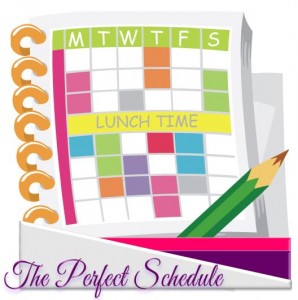
    You’re going to need to revise some of your old habits to adjust to a brand-new university schedule. Maybe you have night classes, or have to factor in travel time to and from class as a commuter student. Maybe you have to make sure you grab lunch between lectures, or figure out just where that seminar is being held each week. Get out an agenda and write out a weekly schedule (include study time, meal breaks and whatever else you think might come up). Once classes start, you can revise your ready-made schedule as needed to suit your new routine.

    Refresh your memory.
    Chances are you’re taking some courses you’ve already completed the high school prerequisites for – and chances are you may have forgotten a couple of things over the summer. It never hurts to crack open your old schoolbooks and review previous material. Try some of those old algebra problems, or see if you can remember how to conjugate a few French tenses. You may be just a bit out of practice: consider making some review notes to bring to your lectures in the fall if you really feel you need the help.

    Do your research.
    You chose this university for a reason (and are paying hefty tuition fees for it!), so why not make the most out of your experience? Check out events happening on campus, clubs that fall in line with your interests or upperclassmen who can offer a second opinion about the school’s programs. Got some tough classes? See if you can contact your professors and shoot them an email about how to prepare for the semester ahead. Most importantly, make sure you’re on the mailing list for any newsletters your school sends out (whether they’re for academics, events, sports, etc.) – that way you’ll always be in the loop.

    University is a difficult transition for most, but if you get yourself properly ready for it your first year might go over easier than you expected. Keep these tips in mind and show up for your first class confident and prepared for what lies ahead. Let’s make this your best year yet.

  • Managing Your School and Life Schedule

    Managing Your School and Life Schedule

    People of all ages have routines. For young children, these routines are usually set by their parents or other caregivers. As they grow up, they have increasing amounts of responsibility for organizing their own lives. For some people, maintaining a balance between work or school and everyday life can be a challenge as they take on new responsibilities and try to manage the old ones. Are you already feeling pressured by all of the things you have to do? You might not be able to eliminate the stress from your life, but you can learn to balance your school work with the rest of your life.

    Are you the kind of person who likes to be busy all the time? Do you fill your after-school hours with as many activities as you can manage? Or are you the kind of person who likes to have a lot of free time? Either way, you might have a hard time (or an easy time) finding a balance between school and the rest of your life. You might feel stressed and overwhelmed to the point where you think that you can no longer manage. When that happens, what do you do?

    Almost everyone feels stressed at some point. For people who love to keep themselves busy with all kinds of projects, it might be when they take on too much to handle effectively. For people who try to avoid stress, it could be when an unexpected task cuts into their precious free time. Everyone is different. Knowing your limits is the first step towards living a balanced life. Do you work well under pressure? If so, you might be able to take on a lot of activities outside school. On the other hand, does pressure cause you to crumble under it? If so, you should limit your after-school activities and give yourself enough free time to relax.

    Part of understanding your limits is learning how to use your time efficiently. For example, what do you do if you your teacher gives you class time to finish your work? Do you try to finish your assignment or do you spend the time doing something else? Doing as much work as possible at school will help you keep more time free in the evenings and on weekends. If you help with an after-school project, do you go to the meetings with all of the supplies you need? How much time could you save by being prepared for all of your activities? You can even use the time you spend in line or waiting for your friends at the mall to plan an assignment or to write down a schedule of activities for yourself.

    Even when they schedule their time efficiently, people can have trouble balancing work and the rest of life. However, you can still try. Find out what you have to do to keep yourself healthy and happy and then work from there. That way, you have a good chance of managing both school and everyday life.

  • Study Smart: Tips for Academic Success This Year

    Study Smart: Tips for Academic Success This Year

    I hope you had a great summer, because it’s September: back-to-school season. Whether you’re just entering high school or brushing up your last year in post-secondary, you’ve probably got a whole lot of work ahead of you. You’re probably already familiar with 1000-word papers, 3-hour exams, and PowerPoint summative presentations, and no doubt you’ve spent (or should have spent) ages preparing for them. But how do you know if your study tactics are truly hitting the spot?

    Everyone has a unique style of learning, and it’s important to establish this long before you hit the books. For instance, you’re writing that test and are stuck trying to remember a history date. Maybe you remember what the textbook page looked like, or what your instructor’s voice sounded like, or maybe you don’t remember any of that, but you definitely remember writing it down. Most people are primarily visual, auditory or hands-on learners (and many people are combinations of the three!). Whether you have to use colours and shapes, audio-record a lecture or write out all your notes by hand, your study habits should reflect your learning style.

    How much work, exactly, should you put in to achieve maximum results? Oftentimes, when it comes to studying, it’s quality over quantity. You could do eight straight hours of polynomial factoring, but if you’re still getting incorrect answers after the umpteenth attempt, chances are your studying habits are not working. Mix it up a little—approach concepts from different angles, in different ways, in order to find out what works best for you. Use media, too (instructional videos, scholarly articles, or even good old flash cards can work wonders). Each field of study offers different ways to learn its material, and you ought to test-drive at least a couple of them before you devote your time to studying in a single way.

    I am a student, and I’ve had my fair share of study experience. What I’ve discovered is that nothing helps me prepare for a test or exam more than explaining the material to someone else. Set up a study group for a class you’re having trouble with—or even a class you excel in, because others could use your help. If you’re stuck on a problem, chances are someone in your circle knows how to find the answer. Come test time, even if you don’t find the solution right away, you’ll remember how you helped (or were helped by) someone else, and the answers will come back to you in no time.

    Best wishes for a productive semester. Study hard, and study smart.

  • How to Design Your Class Schedule

    How to Design Your Class Schedule

    In the first seven or eight years of school, choosing what subjects to study is usually fairly easy. The choices are limited and usually the set of required courses, like history or math, take up most of the school day. Later, however, choosing courses becomes an important way to achieve educational and career goals. Learning how to design a good class schedule is the best way to make sure that each year goes as smoothly as possible.

    How much control do you have over the classes you take? You might not have much yet, but that will soon change. In high school, students normally have some options, but the choices are often very limited. When students get to college or university, they usually have much more freedom to choose the courses they want, but they also have the responsibility to monitor their own education.

    Students’ experiences with course choices can vary. Some programs, especially those that lead directly to employment in a certain field, such as nursing, tend to have a large number of required courses that often need to be completed in order. In more general programs, such as the studies leading to an Arts degree, the requirements are much more flexible. In both types of programs, however, students still need to find the best schedule to suit their needs.

    The first step in designing a class schedule is finding out which courses are essential to your goals and which are optional. Finding time for the program’s required courses should be your priority. Often these required courses can be spread out over a few years, but not always. The next courses on your list should be ones that are prerequisites (first requirements) for other courses you want to take. If you want to study German, for example, you should take the introductory courses as soon as possible. Classes that are offered only every two or three years should also be a high priority in case you can’t take them later in your studies.

    After you have selected the required or time-sensitive courses that you want, you can fill your schedule with other classes that interest you. You might even want to consider doing an internship or taking a special one-on-one study course to learn about an area that you think might be useful in the future. You might choose courses taught by an interesting professor, or you might avoid ones that fall either early in the morning or late in the evening. You might design your schedule around your part-time job or choose whatever happens to be available. Using a computer template to help you design your class schedule might help you to fit the courses together into a manageable timetable.

    Before you start to design your course schedule, you should learn as much as you can about your program and decide on your own priorities. That way, you will have the knowledge to plan a schedule that suits your needs while you finish the courses you need to complete your studies.  Happy scheduling!

  • If At First You Don’t Succeed…Try Something New

    If At First You Don’t Succeed…Try Something New

    We are always most comfortable doing what we know. It’s easier to invest time into something you’re already familiar with and it’s safer to avoid taking the risk that comes with learning new things. For these reasons, we generally like to abide by our normal routines. We walk through familiar neighbourhoods, we talk to people within our regular circles and, of course, we don’t learn anything new.

    While there is nothing wrong with sticking by a certain routine, it’s also unwise to be inflexible: by staying in your shell, you could be missing out on a world of opportunities. Think about the last time you really stepped out of your comfort zone to try something new. Whether you picked up a book you didn’t think you’d like, unexpectedly signed up for an audition or decided to wear different-coloured socks, no matter how insignificant or trivial that distinction may seem, even the tiniest bit of change is refreshing. It’s good.

    Trying new things is especially important in light of the back-to-school season. Perhaps you’re all set for another year of the regular stuff, but why not try and incorporate something you aren’t as ready for into your schedule? Most high school, college or university programs have electives you can select alongside your regular courses. Maybe you’re required to take calculus, chemistry, biology and physics—but if you have a couple of spots free, sign up for classical literature or a foreign language. These elective courses may surprise you…and it may surprise you how well you do in them. Exposure to new material opens up even greater possibilities for your own research. You might even find yourself a new hobby.

    Of course, there are other ways to try your hand at something new. Clubs and extra-curriculars are not only fun and productive, but they can help you connect with people who share your interests (or people like you, looking for something new to do). New courses, new pastimes and new peers – that sounds like a sweet deal. All you have to do is put yourself out there.

    Yet most people are afraid to take even the slightest risk, worried that they won’t be good at what they do, or worse – that they’ll be made fun of for their efforts. In anything you do, there’s the possibility of failure, but that doesn’t mean you shouldn’t try anything. Avoiding life is a waste of your time and talents, and believe it or not, people can be surprisingly supportive and understanding. So what if you mess up a little? If you want to commit to something, like any one of your current interests, it’s going to take a little work before you get comfortable with it.

    Maybe you won’t be good at what you try (at least not off the bat). Maybe you won’t even like it. But at the very least, you can say you tried. Then it’s up to you to decide whether you want to stick by it or not.

  • Creating the Ideal College Schedule

    Creating the Ideal College Schedule

    Creating the ideal schedule can be a key factor to your success in university or college. One of the first questions you should ask yourself is whether you should take day classes or night classes. If you consider yourself a “night owl”, you might assume it would be best to take the majority of your classes in the evening when you’re the most alert. However, keep in mind that if you are taking late classes you’re probably going to have to do your homework in the mornings. Be honest with yourself and consider if you’re actually going to wake up on time to get those essays done. Likewise, our early birds need to do some soul-searching and really ask themselves if they’ll make the effort to rise and shine for those 8:00 am classes. One of the biggest challenges that post-secondary students face is going to class when no one is monitoring their attendance. This becomes even more of a challenge when these classes start before the sun even makes an appearance. A good way to overcome this is to find a friend who also shares the misfortune of rising bright and early. The two of you can make a solemn oath to go to class every day and you can serve as encouragement for one another!

    Another important question to ask yourself when designing a schedule is whether you want to stack your classes one after another or spread them out across the day. Stacking classes is often viewed as the more efficient practice but it also has its downfalls. Most professors will let you out of class ten minutes early to get to your next one but you’ll always have that one who insists on holding you to the very end, or perhaps even longer. Then you’ll find yourself making a mad dash across campus, which will quickly become an issue if your campus is the size of a small island. In that case, spreading your classes out a bit may sound more attractive. The trouble here is that you may then find yourself facing “The Awkward Hour”. This is a chunk of time that is too short to do anything useful but too long to sit around doing nothing. In other words, it’s a waste of time. If you’re a productive person, you might be able to squeeze in a bit of work but most people just lounge around campus, grab a bite to eat or catch up on the latest chapter of their favourite manga.

    If I can leave you with one last piece of advice, it’ll be this: Do not bend yourself backwards for Friday’s off.  If you have to inconvenience yourself throughout the rest of the week, the extra day of freedom may not be worth it. At the very least, have a class or two on Friday instead of piling four or five classes on another day.

    At the end of the day, designing your schedule comes down to weighing the pros and cons of each factor and deciding what works best for you. Very few people can claim to have a perfect schedule so don’t panic if you find yourself in less than ideal circumstances. Simply do your best to create a schedule that maximize your chances of succeeding!

  • The Importance of Being a Dreamer

    The Importance of Being a Dreamer

    Without having dreams, you may find that your life is kind of boring. Although being realistic about life is important, it’s good to have dreams as well.

    Maybe you are in school full-time and you work two part-time jobs to cover the costs for school and yourself. You are starting to feel stressed and exhausted. Knowing your overall purpose and goals in doing all of this is important. You need to finish school to get that degree so you can nab your dream career and live the lifestyle that you want. That’s your dream and, in order to make that come true, you need to do whatever it takes now to accomplish that for your future.

    Maybe you are working a 9-5 dead-end job and don’t feel fulfilled in your life. You have reached a point in your life where you feel there is no career growth in your job and you feel you are stuck because you have responsibilities and bills to pay. Who has time to dream, you may ask yourself? What can possibly come of it?

    If you don’t allow yourself to dream, you are truly doing an injustice to yourself. You may have decided at a young age exactly what you wanted to be when you grew up. But now that you are planning to go to university to achieve that goal (or perhaps you are already there), are you happy? You have to ask yourself what is it that you really want to do. What are you passionate about? Maybe you want to be a dancer or a writer. What’s stopping you from pursuing your dreams? The answer is you.

    Yes it’s important to pay those bills. But why not have that full-time job and pursue your dreams on the side? If you want to be a dancer, take some dance classes on the side to perfect your craft and connect with people in the dance industry.

    If you want to be a writer, start emailing editors of blogs, magazines and newspapers and say you are interested in contributing even if it for no pay. This way you will establish contacts in the journalism industry, you can get exposure and you can build your portfolio. These are just a few examples.

    You will be pleasantly surprised to discover that your dreams can become a reality. This is why it’s so important to continue dreaming – you never know what can come out of them.

  • Feeling Lost: How to Pick a Career

    Feeling Lost: How to Pick a Career

    Sometimes in life we feel lost. We feel that we have lost our bearings and that we don’t know who we are or what we want. This is very common among high school and university students. Many high schoolers decide that they do not want to move on to college or university because they do not know what they want to take. This reflects a need for better guidance counselling in schools as well as more funding for vocational training from the government. Currently, a lot of the education students get about careers is passed down from relatives, friends and family. Often students will choose to pursue a career that someone they know does as a way of feeling like they know what they are getting into. This is the safe, but not always best, route.

    Many people decide to wait a year or two before embarking on their next level of education. This can be a wise step, depending on where you are coming from. Another approach is to jump head first into something that you are unsure of, ensuring your can-do attitude is firmly in place. This can work out well, especially if you are going away to university, because it is easy to switch programs after the first year. Plus, this path is much more common than you might think.

    The first step for anyone looking to gain a career orientation is to educate yourself on what jobs are in demand, according to the job market today and the forecasts for the next 5-10 years. You will also want to evaluate your skill set. JobsPeopleDo.com is a great resource for anyone looking to learn more about careers and what will be in demand in the coming decade. Researching your options will allow you to make an informed choice about the job you see yourself doing in the future. It is wise to also ask people who currently work in your profession of choice what their job is like and what kinds of duties are required. Do they enjoy it? Would they recommend it to you? Hearing firsthand accounts will really help you to put your choices into perspective. Good luck!

  • Accept Yourself: Dealing with Body Image

    Accept Yourself: Dealing with Body Image

    People are afraid of their bodies. They avoid mirrors, scales and eye contact with strangers; they are not confident when they walk down the street. Somewhere along the way, they realized that they are not pretty enough, or tall enough, or fit enough – and it is taking over their lives. It has become “cool” to bring yourself down, to shed light on the things you hate about yourself and toil tirelessly in order to get rid of them. This is a destructive habit that you need to break right away.

    The media is one of the biggest culprits of this craze; by presenting us with paper-thin female supermodels and impossibly muscular male icons, these unrealistic ideals become something we feel obliged to live up to. That’s not to say there is anything wrong with the bodies of the people in the media. Every person is special in their own way. The thing is, people come in all shapes and sizes and by asking everyone to conform to a cookie-cutter ideal, the beauty industry is shattering the self-esteem of its subscribers all around the world.

    There is absolutely no fault in looking how you look, nor should you ever feel that way. So what if you hate your freckles or you think your feet are too big? What you pick out as ugly may be someone else’s cup of tea. Diversity is beautiful and it is often our differences that make us stand out from the crowd. We only want what we don’t have, but our bodies are our selves and we’re stuck with them whether we like them or not. Everyone has assets and everyone has flaws – hold your head high and show off yours with pride.

    Body image isn’t only about image, either. Consider your well-being and how comfortable you feel in your own skin. It is important to take care of yourself: while overeating should be avoided and exercise is important, excessive physical activity and calorie counting to the point of obsession is definitely not good for you. Find a balance because, ultimately, your happiness is the most important factor.

    Look at your body in a positive light. Focus on what you like and don’t look to others for visual cues. Your appearance is your identity and you are free to do with it what you like. Why bother emulating someone else when you are unique? You can definitely express yourself using your appearance. If you decide to dye your hair, get a tattoo or start an exercise program, that’s great — but make sure you’re making these decisions for yourself, not just following the leader. If you want to make changes, these changes are up to you and you alone – don’t let others dictate what you should look like or how you should feel about yourself. After all, it is your body.

    Accept yourself for who you are. Respect yourself and expect to be treated accordingly.