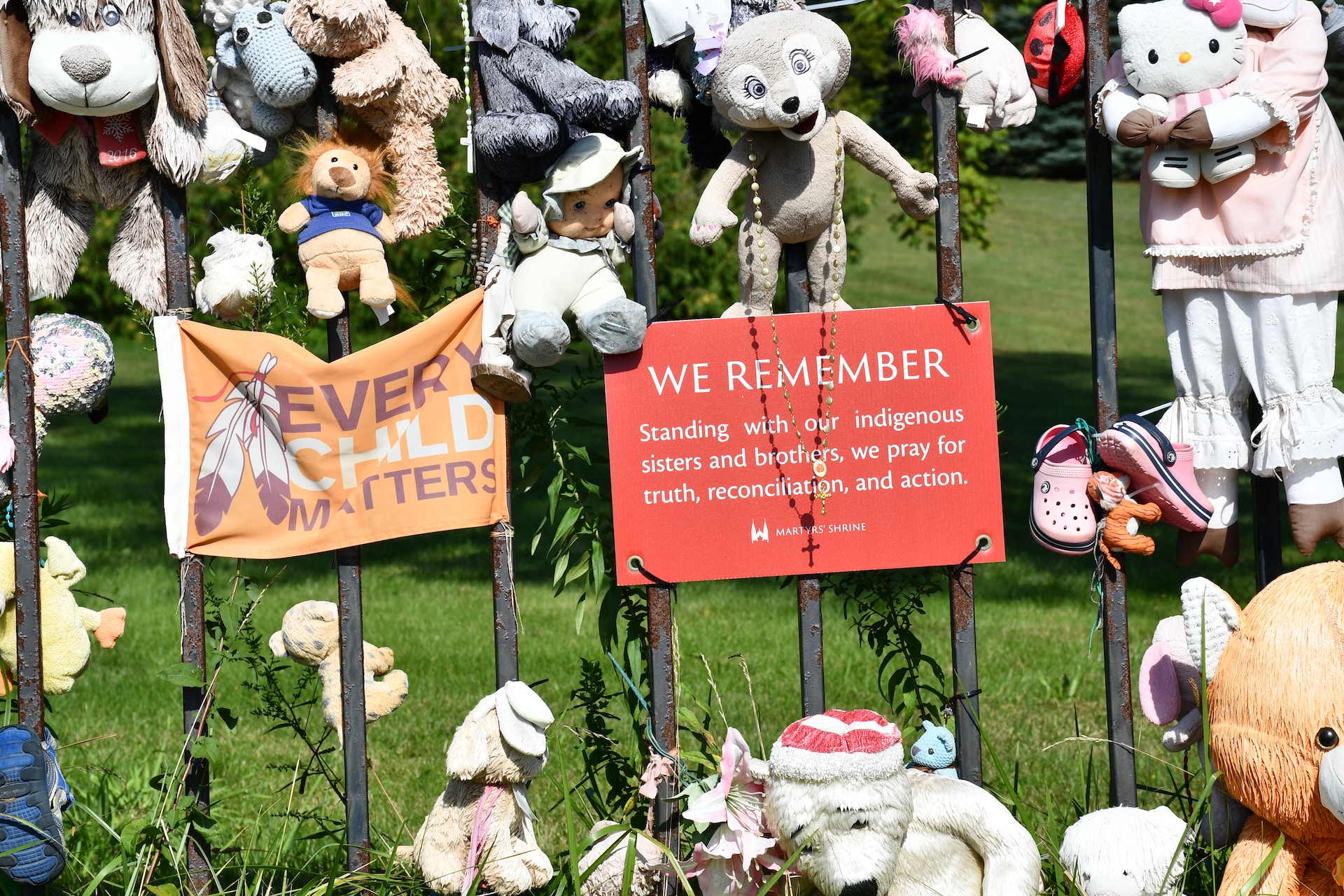
Category: Featured Articles

  • Les exigences de nouveaux cours sur les autochtones pour les étudiants de C.-B.

    Les exigences de nouveaux cours sur les autochtones pour les étudiants de C.-B.

    Juin souligne le mois de l’histoire nationale des autochtones. Ce mois est important pour constater que les Amérindiens et leur culture font partie intégrante de l’histoire du Canada. Au fil des années, les gouvernements fédéral et provincial ont mis en œuvre plus d’efforts pour réparer les relations avec les peuples autochtones.

    Le 30 septembre 2021, la journée nationale de la vérité et de la réconciliation a été organisée en un jour de congé canadien pour la première fois.

    En 2023, quelque chose au niveau provincial sera inclus en C.-B. : des exigences de cours sur les Amérindiens pour les étudiants d’école secondaire.

    Quelles sont ces exigences ?

    Une nouvelle exigence pour obtenir son diplôme sera incluse pour l’année scolaire 2023-2024 en C.-B. Les étudiants qui planifient de recevoir leur diplôme devront obtenir quatre crédits de cours sur les Amérindiens.

    Avec le First Nations Education Steering Committee, le ministère de l’Éducation de C.-B. a créé cette exigence pour mettre en valeur l’importance de reconnaître les voix, les histoires et le savoir des autochtones.

    Entre le 7 mars et 22 avril 2022, le gouvernement provincial de Colombie-Britannique a demandé aux Britanno-Colombiens des commentaires sur cette action. La C.-B. sera la première province au Canada à exiger des crédits de cours sur les autochtones pour l’obtention du diplôme d’éducation secondaire.

    L’éducation actuelle du cours sur les Autochtones

    En 2019, la C.-B. a remanié le programme d’études pour tous les élèves, de la maternelle à la 12e année, pour y inclure un contenu sur les Amérindiens dans de nombreux niveaux scolaires. Même avec le nouveau programme, la plupart des élèves d’écoles secondaires n’ont pas choisi de cours portant sur les Premières Nations.

    La majorité des étudiants de C.-B. obtiennent plus de crédits que le minimum requis pour recevoir leur diplôme d’études secondaires, mais la plupart ne suivent pas les cours sur les Autochtones acceptés par la province.

    Malgré l’existence de cours comme First Peoples’ English et First Nations Studies dans certaines écoles, la mise en œuvre à travers la province est insuffisante. Seulement 5 % des élèves de C.-B. ont suivi et terminé les cours sur les Premières Nations entre la 10e et 12 années.

    Pourquoi la modification ?

    En tant que Canadiens, toutes les parties du passé du pays — les bonnes comme les mauvaises — ont besoin d’être connues. Sans aucune sensibilisation ou connaissance, un problème n’a pas de réponse.

    L’histoire du Canada avec les peuples autochtones n’a pas été favorable et les attitudes négatives n’ont pas disparu. En fait, beaucoup d’évènements historiques sont récents : le premier pensionnat s’est ouvert au Canada en 1831, mais le dernier a fermé en 1998, il y a moins de 25 ans.

    La génération actuelle et d’Amérindiens et celles à venir continueront de porter les effets négatifs du traitement antérieur (et actuel) du gouvernement canadien.

    Alors que l’horreur du passé ne peut pas être gommée, l’exigence du cours sur l’inclusion des Autochtones contribue à la réconciliation. Les diplômés d’écoles secondaires de C.-B. auront toutes les connaissances nécessaires pour améliorer les relations à l’avenir.


    Sources :

    Jeganathan, Jeyan, and Carla Lucchetta. “‘Felt throughout Generations’: A Timeline of Residential Schools in Canada.” TVO, 21 June 2021, https://www.tvo.org/article/felt-throughout-generations-a-timeline-of-residential-schools-in-canada. Accessed 10 May 2022.

    Little, Simon, and Neetu Garcha. “B.C. to Make Indigenous-Focused Coursework a High School Graduation Requirement.” Global News, 6 Mar. 2022, https://globalnews.ca/news/8661463/bc-indigenous-graduation-requirement/. Accessed 7 May 2022.

    Ministry of Education and Child Care. “New Grad Requirement Ensures Students Expand Their Knowledge about Indigenous Perspectives, Histories, Cultures.” BC Gov News, Government of British Columbia, 4 Mar. 2022, https://news.gov.bc.ca/releases/2022EDUC0007-000297. Accessed 7 May 2022.

    National Day for Truth and Reconciliation. Government of Canada, 29 Sept. 2021, https://www.canada.ca/en/canadian-heritage/campaigns/national-day-truth-reconciliation.html. Accessed 13 May 2022.

    “Residential School History.” National Centre for Truth and Reconciliation: NCTR, https://nctr.ca/education/teaching-resources/residential-school-history/. Accessed 10 May 2022.

    “Residential School Timeline.” National Centre for Truth and Reconciliation: NCTR, https://nctr.ca/exhibits/residential-school-timeline/. Accessed 10 May 2022.

  • Benefits of Outdoor Education in Early Childhood

    Benefits of Outdoor Education in Early Childhood

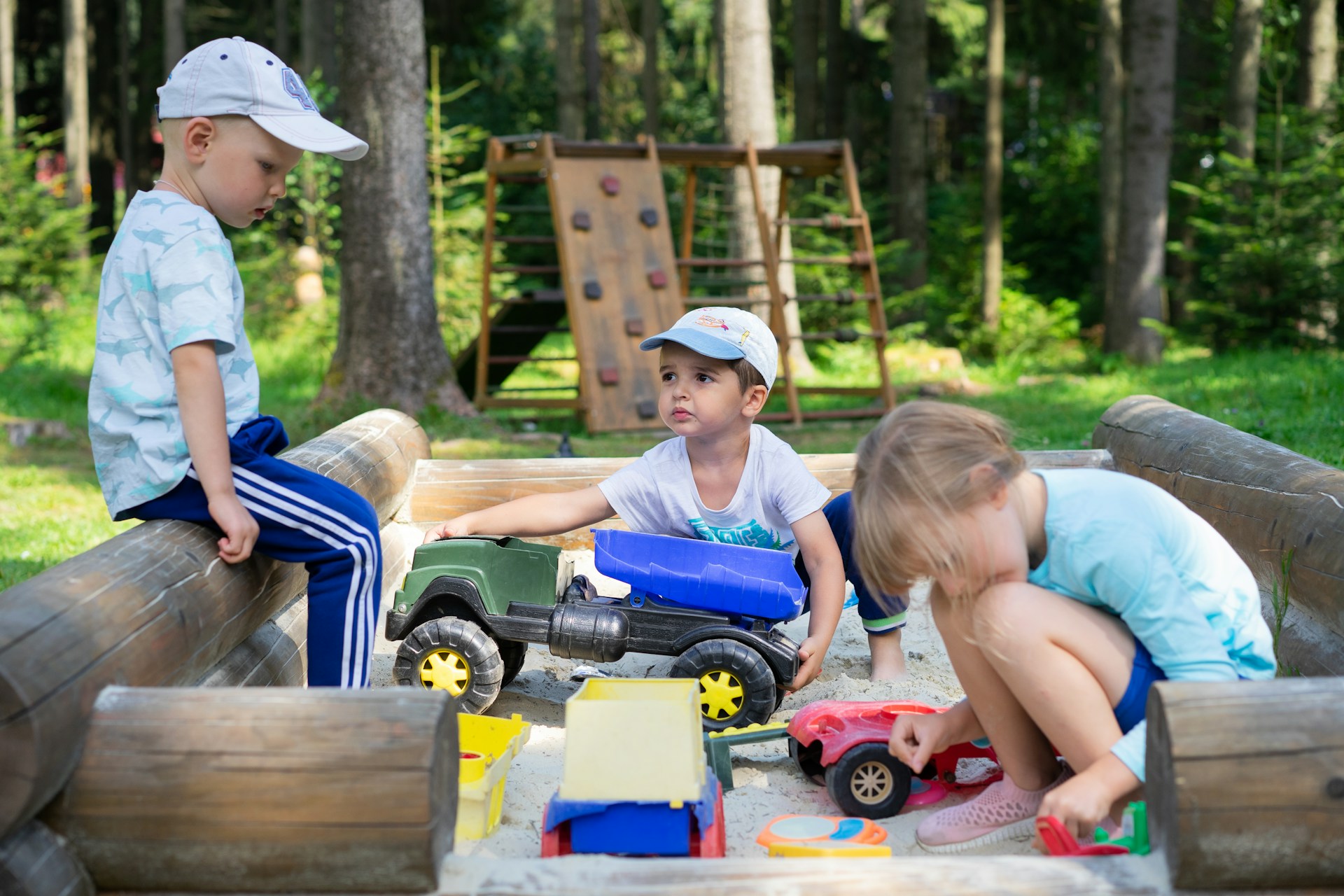
    After a long day at school, spending time outside can be a good way to relax. However, the outdoors can be part of learning, even before children begin school. Outdoor education in early childhood can be very beneficial for students’ learning in helping them to develop some of the skills that they need for the future.

    Being outside brings many benefits, including fresh air, the opportunity to exercise, and the chance to learn many useful facts about nature. Being able to identify different types of plants, for example, can help people distinguish between edible and poisonous ones. Learning about animals can also help people understand how to treat them. Knowing how to avoid being sprayed by a skunk, for example, could be very helpful for anyone who wants to spend time outside.

    The idea of outdoor education likely came through the tradition of holding summer camps for children. In the early 1900s, people first started sending their children to camps where they had the chance for personal growth and learning skills such as community-building. The environmental movement of the 1950s and 1960s also added the idea of environmental care and stewardship. Helping children become aware of the places and the people around them was part of the goal.

    Besides these skills, gaining useful experiences was an important feature of these camps, as it was in other outdoor education programs. Students could learn how to swim, for example, which is important for anyone who goes near water. However, having fun and spending time with friends can also be valuable. People need time to relax, and outdoor education can provide an opportunity for that.

    Outdoor education can be formal and organized, with activities planned for all the time that students are outside. For example, they might have races or possibly nature walks to find different animals or plants. However, outdoor education can be informal, where students can wander around and find whatever interests them. It can also be somewhere between formal and informal, with planned events but also free time for students to choose their activities.

    People can start outdoor education at any point, but beginning in early childhood is a good idea. At that age, children have the energy and curiosity to begin to learn about the outdoors and study plants and animals. Later, going out into nature can become an everyday activity, a habit that no longer needs a plan because it is normal. If an activity is not part of people’s everyday life, it becomes more difficult for them to start in their adult years.

    Beginning in early childhood also has other benefits. For example, it can help people understand issues such as climate change and pollution. People know about these issues from television and the Internet, but it can seem unreal unless they see it for themselves. If they start early, people can see how the environment has changed and possibly find solutions for at least some of the issues.

    Outdoor education can be an important part of learning about the world and the people and animals living here. If you have a chance, you should be part of activities that help you gain that knowledge.


    Bibliography

    Alden, C. “Why the Outdoors Should Be an Integral Part of Every Early Learning and Child-Care Program.” https://childcarecanada.org/documents/research-policy-practice/21/08/why-outdoors-should-be-integral-part-every-early-learning.

    Asfeldt, Morgan; Rebecca Purc-Stephenson; Thomas Zimmerman. “Outdoor Education in Canadian Public Schools: Connecting Children and Youth to People, Place, and Environment.” https://www.tandfonline.com/doi/full/10.1080/13504622.2022.2061919.

    Harwood, D., E. Boileau, Z. Dabaja, K. Julien. “Exploring the National Scope of Outdoor Nature-Based Early Learning Programs in Canada: Findings from a Large-Scale Survey Study.” https://ijheld.lakeheadu.ca/article/view/1761.

  • Be Tax-Savvy – What You Need to Know about Taxes when Employed and Self-Employed

    Be Tax-Savvy – What You Need to Know about Taxes when Employed and Self-Employed

    For most people, the start of the new year means fulfilling new year’s resolutions. However, for the tax-savvy population, it means getting started on your tax preparation. Though Canada has a deadline of April 30 for filing taxes, there is a good percentage of people who do their best to get a head start. This is a smart move since you don’t want to be doing taxes at the last minute, as being under pressure can lead you to make calculation errors or overestimate tax reliefs, which in turn can lead to inaccuracies or costly penalties.

    What’s more, if one’s employment status has been affected for one reason or another, they should pay attention to how they file taxes as well. There are differences between filing taxes as an employee and filing as self-employed. Let’s see below.

    Employee or Self-Employed?

    For some people, their employment status is readily apparent. For example, chances are you’re an employee if you go to work (physically or remotely) at the same place every day, you have a boss that reminds you of your tasks and deadlines, and you get paid regularly (weekly or every two weeks). For some, it isn’t readily apparent, but chances are, if someone works at different places every day and you have control over your deadlines and you get paid irregularly (once a month), then chances are, you’re self-employed.

    The Canada Revenue Agency (CRA) has more formal distinctions between the two, and the important points are noted below.

    If one is an employee:

    • They will often be directed and scrutinized, and many elements are effectively controlled regarding how and when the work is carried out.
    • The results of the work and the method used to do the work are controlled.
    • The method and amount of pay are controlled.

    If one is self-employed:

    • They usually work independently.
    • They don’t have anyone supervising their activities.
    • They are usually free to work when and for whom they choose and may provide their services to different payers at the same time.

    Now comes the fun part: Filing taxes!

    If you’re an employee, it doesn’t mean you can merely sit back and relax. You have to check your pay stubs regularly to see if your Employment Insurance (EI), Canada Pension Plan (CPP) and income tax payroll deductions are remitted to the Canada Revenue Agency as scheduled, along with your employer contributions. Your pay stubs also show your income tax deductions, which are based on the TD1 forms you filled out when you were hired, plus the tax tables provided by the CRA.

    All of this information will also be detailed in the T4 or Statement of Remuneration Paid, which is normally handed to employees at the beginning of the year (Quebec, on the other hand, will have its own tax table). Once you have your T4 in hand, you’re ready to file your taxes.

    If you’re self-employed, the steps to filing your taxes are more extensive. Note that it doesn’t matter if your business is registered or not; if you’re invoicing and getting paid under your name or the business name, you’ll need to file your taxes.

    The general rule when you’re self-employed is to set aside 25% of your income for taxes, which will fall on line 104 on your tax return where it says “employment income not on a T4 slip.” You’ll also need to fill out the T2125 form to indicate business activities that relate to your income and expenses, such as advertising costs, office supplies, travel, cellphone, and internet, among others. Be careful not to claim personal use of any expenses. For example, if you use your internet for streaming movies or TV shows, you can’t claim 100% of your internet costs as a business expense.

    If your self-employment income is more than $30,000 annually, you must register for a GST or HST number so you can charge clients within Canada with the appropriate amount. For example, if you’re based in Vancouver, BC, but you’re developing a website for a client based in Toronto, ON, your invoice should say your fee plus 13% HST, which is the percentage for Ontario.

    The deadline for paying taxes for self-employed individuals is April 30, just like everyone else, but you have until June 15 to file your taxes.

    So what are you waiting for? Time to get started on those taxes!


    SOURCES

    https://financialpost.com/personal-finance/taxes/paying-your-taxes-in-the-age-of-covid-19-heres-what-every-canadian-needs-to-know

    https://www.canada.ca/en/revenue-agency/services/forms-publications/publications/rc4110/employee-self-employed.html#mpl_slf_mpld_wrkr

    https://turbotax.intuit.ca/tips/ei-cpp-payroll-contributions-taxes-for-an-employer-in-canada-374#:~:text=As%20an%20employer%20in%20Canada,along%20with%20your%20employer%20contributions.

    https://www.canadianliving.com/life-and-relationships/money-and-career/article/taxes-101-how-to-file-if-you-re-self-employed

  • Profiling a Career as a Psychiatrist

    Profiling a Career as a Psychiatrist

    By Olivia Condlln-Wilby

    For high school graduates, many opportunities lay ahead, including a vast assortment of degree programs and career paths. It’s natural to feel overwhelmed or even intimidated by all the options at first. But with some research, you can prepare yourself to make the best educational and professional decisions moving forward. For students interested in the field of psychology, it’s worth exploring a career as a psychiatrist. You can use this resource to understand the essentials.

    Roles and Responsibilities

    Psychiatrists assess, diagnose, and treat people with psychological or emotional disorders. They may work in private practice or in public facilities like hospitals, clinics, and nursing homes. As a psychiatrist, you may perform any of the following tasks:

    • Conduct psychiatric evaluations (e.g., interviewing patients, examining medical histories, interpreting test results, observing behavioural studies, etc.)
    • Diagnose patients with psychological or emotional disorders
    • Prescribe and administer medications
    • Develop treatment plans for patients and evaluate progress over time
    • Collaborate with a multidisciplinary team (e.g., social workers, doctors, nurses, etc.)

    What are the Benefits of This Career Path?

    As a psychiatrist, you will have the opportunity to create a positive difference in the lives of patients and their families. You will spend your time helping people who struggle with serious mental health issues, supporting them in leading healthy and satisfying lives. For many people, such a career is emotionally rewarding.

    Psychiatrists can also expect high salaries and easy access to employment. By 2028, an estimated 32,500 jobs will become available. That means that psychiatrists will be in increasingly high demand over the next few years. For those with less than a year of experience, salaries will likely start around $68,000 annually. With ten or more years, that number could rise to more than $340,000.

    In short, psychiatrists can expect satisfying, well-paid, and secure jobs in the future.

    Education and Experience

    Psychiatrists must have extensive educational qualifications. To start, you must earn a 4-year undergraduate degree in a related field, such as psychology, nursing, or neuroscience. Then, you must complete four years of medical school and five years of psychiatric residency training. For those who want to specialize in a specific practice area, such as forensic psychiatry or administrative psychiatry, you must complete an additional 2-3 years of training. Overall, this career requires 13 to 16 years of preparation.

    Drawbacks and Challenges

    Given that psychiatrists need more than a decade’s worth of training, many people pursue a less intensive career path.

    Some people also choose to leave the field after experiencing signs of burnout (e.g., exhaustion, stress, anxiety, irritability, etc.). While helping people can be very rewarding, it can also take an emotional toll. You will likely be exposed to people struggling with trauma, abuse, and complex mental health problems. Research suggests that approximately 78 percent of psychiatrists in North America experience burnout, while 16 percent show signs of depression. Those considering this career path must brace themselves for challenging working conditions and emotionally draining labour.

    Considering Other Career Opportunities

    If you’re interested in the field of psychology, there are many career paths available. You could apply your degree to any of the following positions:

    • Teacher or guidance counsellor
    • Social worker or developmental service worker
    • Researcher or professor
    • Child and youth worker
    • Human resources specialist


    References 

    Canadian Job Bank. (2021, December). Psychiatrist in Canada. Government of Canada. https://www.jobbank.gc.ca/marketreport/outlook-occupation/4016/ca

    Glassdoor. (n.d.). Psychiatrist Job Description. https://www.glassdoor.ca/Job-Descriptions/Psychiatrist.htm

    Gramigna, J. (2020, July 21st). Many psychiatrists experience burnout and depression. Healio. https://www.healio.com/news/psychiatry/20200721/many-psychiatrists-experience-burnout-and-depression

    Indeed Editorial Team. (2021, April 2nd). 5 Steps to Become a Psychiatrist. Indeed. https://ca.indeed.com/career-advice/career-development/how-to-become-a-psychiatrist

    Indeed. (2022, January 3rd). Psychiatrist Salary in Canada. https://ca.indeed.com/career/psychiatrist/salaries

    Payscale. (2021, December 5th). Average Psychiatrist Salary in Canada. https://www.payscale.com/research/CA/Job=Psychiatrist/Salary

    Schlette, J. (n.d.). 13 Pros and Cons of Being a Psychiatrist. NursingProcess.org. https://www.nursingprocess.org/psychiatrist-pros-and-cons.html

    University of Toronto Mississauga. (2021, February). Careers by Major – Psychology. https://www.utm.utoronto.ca/careers/careers-by-major-psychology


  • 5 Ways to Put Your Creativity Hat On: Celebrating the World Creativity and Innovation Day

    5 Ways to Put Your Creativity Hat On: Celebrating the World Creativity and Innovation Day

    Every year on April 21, World Creativity and Innovation Day is observed to raise awareness about the role of innovation and creativity in each aspect of human development. This was primarily implemented by the United Nations to encourage countries into creative multidisciplinary thinking at both group and individual levels.

    The United Nations General Assembly adopted the resolution to celebrate the day on April 27, 2017. And did you know that this special day was founded in Toronto, Canada? The founder of the day was Marci Segal, a Canadian who was studying creativity in 1977 at the International Center for Studies in Creativity.

    Creativity is an important skillset not just in school but also later when you join the workforce. If you feel like you can hone your creative skills further, read below for 5 tips to help you out.

    1. Be inspired!

    You can get a spark of creativity on your own, or you can be inspired by the works of others. Throughout history, there have been countless anecdotes of how artists’ works have inspired other artists. For example, renowned pop artist Andy Warhol was inspired by The Last Supper by Leonardo da Vinci. And the work of art does not have to be an artwork per se, you can get inspiration from music, film, or theatre.

    1. Take note!

    If you’re the type who experiences bursts of creativity at unexpected times, it’s ideal to have a notebook on hand to jot those ideas down! If you’re more of the tech-savvy type, have your phone handy so you can note the ideas on your notepad in your phone or tablet. You never know what you’ll come up with AND when you’ll come up with it, so always take note so you don’t forget.

    1. Have open lines of communication.

    If you’re having a hard time developing an idea, maybe it’s time to bring in some reinforcements – they can come in the form of family members or friends or classmates you normally do homework with. Sometimes, it truly helps to open up to others and brainstorm with them when you can, and with some teamwork, your good idea will turn into a great idea!

    1. Daydream.

    This one you may be reluctant to do, but daydreaming can actually help boost your creativity. Of course, make sure you don’t do it while in class when the teacher is expecting that they have your 100 per cent attention. What you can do is set aside a time when you have no task on hand to worry about and just take time for a breather and daydream. For sure, you’ll find yourself having an idea or two!

    1. Exercise!

    This last one may sound surprising, but it’s backed by science. Getting some exercise can help awaken your creative self! A study by the National Institutes of Health suggests that physical activity can prevent mental fogginess, so maybe the next time you are struggling with creativity, go out for a walk or run!

    Getting your creative juices flowing is easier said than done most of the time. However, there are ways to accomplish this. Follow the tips above, and you will! Good luck!


    Sources

    Berman, Judy. “10 Famous Artworks Inspired by Other Famous Artworks.” Flavorwire. https://www.flavorwire.com/293497/10-famous-artworks-inspired-by-other-famous-artworks

    Brend, Yvette. “Design experts rethink the workspace as pandemic restrictions ease across Canada.” CBC. https://www.cbc.ca/radio/thecurrent/the-current-for-feb-25-2022-1.6364228/design-experts-rethink-the-workspace-as-pandemic-restrictions-ease-across-canada-1.6373245

    Cherry, Kendra. “10 Psychological Tricks That Will Boost Your Creativity.” Verywell Mind. https://www.verywellmind.com/the-most-unusual-psychological-tricks-to-boost-your-creativity-4022442 

    Patel, Deep. “6 Proven Ways To Increase Your Creativity.” Forbes. https://www.forbes.com/sites/deeppatel/2017/07/30/6-proven-ways-to-increase-your-creativity/?sh=241129a84295

  • Helping Others by Crunching Numbers: A Profile of Tax Preparers

    Helping Others by Crunching Numbers: A Profile of Tax Preparers

    Most people dread income tax time. It means a bevy of paperwork, organization, and possibly money owed to the government. Tax preparers ease that burden by handling the many documents, forms, and calculations required to complete an income tax return. It is a highly rewarding career that allows you to help countless people complete a very complicated process and even save money.

    Tax preparers often work with individuals but can also assist companies or organizations. They are tasked with completing income tax returns that are required to be submitted to the government. Tax preparers ensure these returns are finalized with the utmost accuracy. In addition, they strive to reduce the amount their client owes by utilizing deductions, claims, or exemptions as per Canadian law. This can mean the difference between a customer owing hundreds of dollars to actually receiving a refund from the government.

    In Canada, tax preparers can expect to earn an average hourly wage of $18.17. Salaries can start at minimum wage and increase to over $31 per hour. The work is heavily seasonal as tax preparation occurs in the months leading up to the April 30 deadline to submit returns. Preparers can expect to work long days in the final weeks prior to that date. Being able to handle stressful periods of many hours of work is essential, as is handling large amounts of data. You must pay attention to a plethora of details. You are rewarded with being able to work with a great variety of clients and helping make a big difference for those who seek out your help.

    There was a 2.0% growth in the tax preparation industry from 2012 to 2017. This is expected to continue and even accelerate as economic conditions improve and lead to greater employment overall. As more people work and earn salaries, more tax returns will have to be filled out. The greatest competition you will face is from the growing number of free, online tax preparation services. Tax preparers can stand out by offering a human touch, one-on-one consultation with clients, and handling more complex returns.

    The educational requirements for tax preparation vary greatly. A minimum of completion of high school is required. If you are working on tax returns for businesses or corporations, you will likely need post-secondary education and registration as a Chartered Professional Accountant. As tax preparers work seasonally, many will simultaneously work other jobs or attend school. This provides great flexibility and ample opportunity to pursue other interests or progress to higher-paying positions such as Accountant and Bookkeeper.

    Tax preparers have a daunting challenge put before them. Tax returns are long, complex, and allow no room for errors. For those up to the challenge, it is a very rewarding career with a great amount of freedom for other work or schooling. If this sounds like your ideal job, ensure you are filling out your tax return annually and offer to do the same for family. From there, you can complete the needed schooling and gain experience to find employment. In doing so, you can find fulfillment in something that many others dread.

    Sources:

    IBISWorld. “Tax Preparation Services – Canada Market Research Report.” https://www.ibisworld.ca/industry-trends/market-research-reports/professional-scientific-technical-services/tax-preparation-services.html

    PayScale. “Tax Preparer Salary.” https://www.payscale.com/research/CA/Job=Tax_Preparer/Hourly_Rate

  • Sher Vancouver: Vancouver’s LGBTQ+ South Asian Non-Profit

    Sher Vancouver: Vancouver’s LGBTQ+ South Asian Non-Profit

    Sher Vancouver LGBTQ Friends Society, or “Sher Vancouver” for short,” is an LGBTQ+ registered charity that provides for the B.C. South Asian community.

    “Sher” is a Persian word meaning “lion.” All Sikh men adopt the middle name Singh which means “lion”, and all Sikh women adopt the middle name Kaur, which means “lioness or princess” in Punjabi, respectively.

    Originally established in April 2008 by Alex Sangha, Sher Vancouver evolved from an online Yahoo group to a registered charity in nearly 15 years.

    Services Offered

    Courage Fund

    In partnership with No Fear Counselling, Sher Vancouver’s Courage Fund provides 100 sessions (the equivalent of $14,000) of counselling to the organization’s members in crisis.

    They help refer people to counselling sessions available in multiple languages and multiple locations throughout Metro Vancouver.

    Peer Support Groups

    Sher Vancouver offers three support groups:  Pyar is Pyar, The Dosti Monthly Meet Ups, and Women’s Group.

    Sher Feline and Sher Jupiter also launched in 2017, utilizing Facebook to connect LGBTQ+ South Asian women, men, and other gender-marginalized groups.

    Pyar is Pyar is the newest group, which launched on January 8, 2023. It’s an in-person weekly peer support group for individuals 19-30. “Pyar is Pyar” means “love is love” in Hindi.

    Films

    My Name Was January

    In 2018, Sher Films, the organization’s film division, released its first documentary, My Name Was January. It highlights the life of January Marie Lapuz, a trans woman of colour who served as Sher Vancouver’s social coordinator. Lapuz was murdered in 2012, and the film is a memorial and eulogy for her.

    The film celebrates her life and discusses discrimination and violence towards trans women.  Sher Vancouver further honours her memory with its Youth Leadership Award in her name, given annually to youth aged 16-30 involved and committed to the LGBTQ+ community.

    Emergence: Out of the Shadows

    In 2022, Sher Films produced its first feature film, Emergence: Out of the Shadows. The film focuses on three main individuals, Amar “Alex” Sangha (the founder of Sher Vancouver), Jag Nagra, and Kayden Bhangu, as they document their experiences of queer South Asian identity.

    The film’s main point is that “for a gay or lesbian kid growing up in a patriarchal culture,” it isn’t guaranteed that a family bond will remain the same after coming out.

    My Name was January and Emergence: Out of the Shadows can be viewed on YouTube for free.

    Other Endeavors

    Aside from the services listed above, Sher Vancouver also manages:

    • A podcast
    • The Out and Proud project, which profiles the stories of LGBTQ+ South Asians worldwide
    • Outreach workshops and film screenings
    • Community LGBTQ+ resources
    • A student practicum and mentorship program

    Upcoming Projects

    Sher Vancouver has launched the The Sundar Prize Film Festival, celebrating impactful films with stellar storytelling.

    Alex Sangha and Emergence: Out of the Shadows director Vinay Giridhar encouraged filmmakers to submit their creations delving into topics such as:

    • Human rights
    • Marginalized people, including people of colour and LGBTQ+ individuals
    • Environmentalism and climate change

    Films released after December 25, 2020, are eligible to win up to $5,000 in cash prizes.

    The award officially opened on December 25, 2022, and closed on January 1, 2024. The event will be held on April 11 to 13, 2025.


    As Sher Vancouver approaches its 15th anniversary this year, the organization can celebrate its many efforts toward the LGBTQ+ South Asian community. From counselling, support groups, films, podcasts, and other resources, Sher Vancouver continues to widen its reach as a registered charity.

  • The Importance of Utilizing Mental Health Services on Campus: Post-Secondary and the Archetype of the Depressed College Student

    The Importance of Utilizing Mental Health Services on Campus: Post-Secondary and the Archetype of the Depressed College Student

    As the leaves begin to wilt into shades of amber and brown, we’ve found ourselves at the start of another school year. For some of us, this will be a nerve-wracking (but exciting) year of change as we enter a new school environment, be it high school or a post-secondary institution. For others, it’s just another school year. However, since beginning university, I have noticed that there is a significant difference in preparing yourself to head back to post-secondary than there is for high school. For one, there are so many stereotypes surrounding post-secondary students; in the eyes of society, we’re either party animals or surviving off an hour’s sleep with nothing but coffee and instant ramen in our system to keep us afloat. In any case, neither of those is very healthy. University has been normalized as an incredibly strenuous time in your life. You’re faced with an incredibly heavy workload and a ton of new responsibilities. On top of that, it can be difficult to make friends in such a large environment. You go from seeing your friends every day in high school to once a week in your classes (and that’s if you’re lucky).

    The point is that post-secondary is no walk in the park; it’s designed to be difficult. This can have a highly negative impact on one’s mental health. Now, this isn’t exactly anything new.

    Mental health challenges have always been a large cause for concern amongst post-secondary institutions. However, there has been a surge since the COVID-19 pandemic. In a nationwide survey of Canadian post-secondary students who had begun utilizing mental health services on campus, “95% reported feeling overwhelmed, 83.7% reported experiencing severe anxiety, and 81% reported feeling isolated and lonely” (Ogrodniczuk et. al qtd. in Moghimi et. al). With the growing mental health crisis on campuses, mental health resources have become a much

    larger priority for many campuses across Canada. Many campuses are now complete with wellness centers, support groups, counseling, accommodation services, student life programs, and so much more.

    So…There’s Help Available. What Now?

    Even if there are many resources available on campus, I can see why some students may be skeptical or resistant to reach out for help. What if people aren’t empathetic about your situation? It’s a campus; how effective can the mental health services actually be? Do I even have time to reach out for help? All of these questions can make it easy to turn a blind eye to the anxious skin-picking or lingering feeling of emptiness in the back of your mind. I know because I did it for a long time. I go to the University of Toronto Scarborough, where we have all the mental health resources you can imagine. Mental health and wellness are constantly promoted at the school, there’s a wellness center, mental health groups. But it wasn’t until the end of second year that I finally decided to get some help, even though I had been struggling with my mental health since I was about 14.

    Reaching out for help (especially on campus) can be intimidating. I was worried that I wouldn’t be able to function as a normal student anymore. What if they wanted to give me medication I didn’t want? What if nothing was wrong with me and I was just being dramatic? The worry started to invade my brain again. And if that’s happening to you, I need you to remember one thing. No one can do anything to you without your consent. Any mental health services available to you are up to you to take. Your body, your mind, your choice. You are the one in control. In my case, I began with some light counseling, and then I met with one of the family doctors at my campus for a mental health assessment for a diagnosis so that I could figure out how to get the proper treatment. It also helps that because everything was under the mental health services at my school, so everything was in one place. Not all campuses are the same. But my biggest piece of advice is to make use of what’s available to you. Your campus is essentially your home for the next few years, and you may as well try to make it as enjoyable as you can.

    Even if you don’t feel your mental health is struggling, sometimes it’s just nice to go to counselling to talk to someone about something that may be stressing you: an essay, group project, maybe even something unrelated to school like your job. Remember that being open and talking about your mental health with the right person never does more harm than good. It may take you a few tries to find the councilor you connect with or find the kind of therapy that feels right, but never give up. Keep trying; someone out there understands you.


    Works Cited

    Moghimi, Elnaz, et al. “Mental health challenges, treatment experiences, and care needs of post-secondary students: a cross-sectional mixed-methods study.” BMC Public Health, vol. 23, no.1, April 2023, https://doi.org/10.1186/s12889-023-15452-x.

    Ogrodniczuk, John S, et.al. “Who is coming through the door? A national survey of self-reported problems among post-secondary school students who have attended campus mental health services in Canada.” Counseling & Psychotherapy Research, vol. 21, no. 4, July 2021, https://doi.org/10.1002/capr.12439.

  • Fostering Allyship to Indigenous Communities: Driving Change

    Fostering Allyship to Indigenous Communities: Driving Change

    In recent years, the tragic history regarding the horrors behind the systematic discrimination of Canada’s Indigenous communities has come to light in mainstream media. In 2021, the devastating news of over 200 remains of children in unmarked graves being discovered at Kamloops Residential School shocked the world (Dickson & Watson, 2021). And even more residential school sites are being investigated today, with 66 more potential graves found at St. Joseph’s Mission School in British Columbia (CBC News). The harrowing discoveries sparked candle vigils around Canada and even a visit from Pope Francis himself. Most notably, it also spawned Truth and Reconciliation Day (also known as Orange Shirt Day).

    Taking place every year on September 30th, the holiday is meant to acknowledge the mass devastation that has been inflicted upon Indigenous communities. It is a day in which all Canadians commit themselves to act against the discrimination that Indigenous people continue to face daily. However, this should not be limited to just one day. We should all strive to be allies to Indigenous people all around the world every day. Establishing Truth and Reconciliation Day has indeed brought more awareness towards educating people about the residential school system and the government’s role in their operation of them. That said, it has yet to bring more attention to many of the other obstacles Indigenous people are dealing with.

    For instance, the mental health and housing crises on reserves. According to Statistics Canada, the suicide rate for First Nations people in Saskatchewan is four times higher than the national average (Stefanovich, 2021). There is also the fact that despite Canada being a first-world country, most reservations do not have access to clean water. This has subjected many communities to health concerns like skin problems such as sores, rashes and eczema, birth defects, and gastrointestinal illnesses (Goldfinger, 2021).

    These are just a few of the systemic barriers they continue to grapple with every day. This is why your allyship is so important. When it comes to issues like these, they can feel far away; we can feel like nothing we do makes a difference. But this is not true; being an ally to Indigenous communities is what can raise awareness and educate people. With education and awareness comes a change for a better future.

    So, what can you do? Read below for tips!

    Learn Your History

    To be an ally to Indigenous communities, you must know what you are fighting for. Therefore, I would recommend doing some reading about the history of Indigenous people in Canada. While it is important to make sure that you read about all the systematic discrimination they have faced ever since the settlers came to Canada, don’t just read about the tragic side of things. Take some time to research the history of Indigenous culture and traditions. What were they like before the settlers came to Canada? How did everyone play a role in the community? It is important to remember that their history is not just one of tragedy; it is also one of great beauty and diversity.

    Learn about the Indigenous Communities Where You Live

    I am sure you’ve noticed the Land Acknowledgements at the beginning of morning announcements and meetings at your school. But have you ever taken the time to learn about those communities? It is important to know whose land you’re living on. There are so many different communities to learn about: the Haudenosaunee Confederacy, Moose Cree First Nation, the Attawapiskat First Nation. There is so much to learn about! I have linked a website where you can learn more about Indigenous communities and where they live in Canada.

    Diversify Your Media Intake

    The media that you consume is an avid teacher in your life. We can learn a lot from the characters and people that we watch on TV because they show us so many different perspectives. As such, what you choose to entertain yourself with can teach you a great deal. A personal recommendation of mine is Sterlin Harjo’s Reservation Dogs. The show is dominated by Indigenous actors and producers, and it addresses the mental health crisis faced by Indigenous youth.

    I also know many of us spend way too much time on our phones. Hence, I would also recommend supporting Indigenous content creators on platforms such as Instagram. There are so many out there, such as James Jones (@notoriouscree), Michelle Chubb (indigenous_baddie) and Tia Wood (tiamischik). A lot of these content creators are dedicated not only to educating people about the obstacles facing Indigenous communities but also to Indigenous culture and its traditions. I recommend supporting Indigenous music groups. A personal favorite is Young Spirit, a Cree drum group.


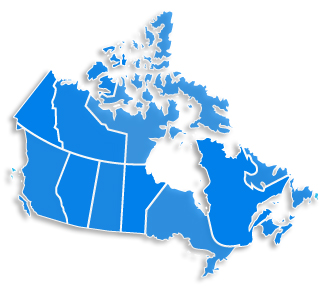
    Map of First Nations on Government of Canada Website:

    Map of Canada


    Follow Indigenous Content Creators:

    @notoriouscree @indigenous_baddie @tiamiscihk


    Works Cited

    CBC News. “66 more potential burial sites discovered at former B.C. residential school.” CBC News, 25 January 2023, https://www.cbc.ca/news/canada/british-columbia/williams-lake-st-josephs-residential-school-1.6724370 Accessed 25 November 2023.

    Dickson, C., & Bridgette Watson. “Remains of 215 children found buried at former B.C. residential school, First Nation says.” CBC News, 28 May 2021, https://www.cbc.ca/news/canada/british-columbia/tk-eml%C3%BAps-te-secw%C3%A9pemc-215-children-former-kamloops-indian-residential-school-1.6043778. Accessed 25 November 2023.

    Goldfinger, Daina. “‘An ongoing symbol of colonization’: How bad water affects First Nations’ health.” Global News, 30 September 2021, https://globalnews.ca/news/8199988/first-nations-water-crisis-health-effects/.  Accessed 25 November 2023.

    Myer, K., & Kaitlin Grable. “Honor With Action: 10 Ways to be an Ally to Indigenous Peoples.” GreenPeace, 8 October 2021, https://www.greenpeace.org/usa/10-ways-to-be-ally-indigenous-peoples/. Accessed 25 November 2023.

    Stefanovich, Olivia. “‘We don’t want any more tears’: First Nations urge Ottawa to boost mental health spending.” CBC News, 17 April 2021, https://www.cbc.ca/news/politics/indigenous-mental-health-resources-federal-budget-2021-1.5989070. Accessed 25 November 2023.

  • Marking the World Day for Safety and Health at Work on April 28: Why It’s All the More Important Post-Pandemic

    Marking the World Day for Safety and Health at Work on April 28: Why It’s All the More Important Post-Pandemic

    As the world gradually adjusts to the new normal post-COVD and a large number of employees are being called back to the office, there have been constant discussions on how this would influence the policies regarding workplace safety.

    Safety and health at the workplace have long been major global issues. So much so that, since 2003, the International Labour Organization (ILO) has recognized the World Day for Safety and Health at Work every April 28th. The goal has to be to advocate for accident and sickness prevention in the workplace. This issue has become even more prominent with the pandemic.

    In the beginning stages of the pandemic, offices all over the world were quick to respond and implement measures to mitigate the spread of the virus. And now that the cases have been contained, does this mean workplaces can go back to pre-COVID-19 times?

    In keeping true to the mission of the ILO to minimize the prevention of accidents and diseases at work, occupational safety and health experts suggest that efforts to have adequate safety and health measures at work still should be prioritized to contain the spread of not just COVID-19 but of any disease – and collaboration is key.

    Most employers, like the provincial governments, have signed up workplace design and safety engineers to ensure a healthy return to the office while maintaining productivity levels.

    Continuous safety measures

    An action implemented to make sure physical distancing is still observed when needed, along with capacity limits, is to do bookings of a desk, office, a meeting room in advance.

    Companies that offer shared offices aim to charge for the spaces, such as $45 to rent a boardroom for an hour.

    On the other hand, other experts suggest that workplaces should aim to improve the quality at their sites. This would prove challenging, however, for the companies situated in office buildings that have older ventilation systems, as it will most likely require an overhaul that could cost up to millions.

    More flexibility

    Companies should look into providing their staff with more flexible options with regard to the workplace, including adding more communal areas.

    Having a central hub helps in promoting social connections as well as improving productivity.

    If it’s broke, fix it.

    Some experts say that maintenance should still remain a top priority for companies. Before employees are recalled back to work, employers should call on property managers to address maintenance issues, from something minor as light bulbs not working, to something major as a malfunctioning elevator.

    Frequent cleaning measures should remain in place, as well as efforts to improve air quality. Hand sanitation stations should also be strategically placed in work environments.

    The World Day for Safety and Health at Work is just one way to advocate for these major issues. It may not be a quick road to normalcy for workplaces post-pandemic, but employers should look at the bigger picture and work on what they can do to provide a healthy and safe environment for the staff.


    Sources

    Brend, Yvette. “Design experts rethink the workspace as pandemic restrictions ease across Canada.” CBC. https://www.cbc.ca/radio/thecurrent/the-current-for-feb-25-2022-1.6364228/design-experts-rethink-the-workspace-as-pandemic-restrictions-ease-across-canada-1.6373245

    Ontario.ca. “COVID-19 and workplace health and safety.” https://www.ontario.ca/page/covid-19-workplace-health-safety?_ga=2.49343206.1327791763.1647208630-246573711.1647208630

    United Nations. “World Day for Safety and Health at Work.” https://www.un.org/en/observances/work-safety-day