Category: Featured Articles

  • Indigenous Student Scholarships for March 2025

    Indigenous Student Scholarships for March 2025

    ii’taa’poh’to’p Indigenous Student Access Program Award
    Scholarship Value: $2,000
    Awards Available: 20
    Award Deadline: March 20, 2025

    First Nations, Métis, Inuit, Women’s Scholarship – Women’s Program (Elementary Teachers’ Federation of Ontario)
    Scholarship Value: $1,250
    Awards Available: 4
    Award Deadline: April 30, 2025

    First Nations, Métis, Inuit, Women’s Scholarship – Women’s Program
    Scholarship Value: $12,500
    Awards Available: 2
    Award Deadline: April 30, 2025

    Kenneth R. Good Family First Nations Student Award
    Scholarship Value: $7,000
    Awards Available: 1
    Award Deadline: May 1, 2025

    Calgary Foundation First Nations, Métis (Metis) and Inuit Graduate Bursary
    Scholarship Value: $3,000
    Awards Available: 2
    Award Deadline: May 15, 2025

    First Nations, Métis and Inuit Undergraduate Bursary
    Scholarship Value: $3,000
    Awards Available: 6
    Award Deadline: May 15, 2025

    Yukon First Nations Heritage
    Scholarship Value: N/A
    Awards Available: 1
    Award Deadline: May 31, 2025

    Innovation Place Scholarships for Indigenous Students in the Sciences
    Scholarship Value: $5,000
    Awards Available: 1
    Award Deadline: June 1, 2025

    Petro-Canada Award for Indigenous High School Students
    Scholarship Value: $750
    Awards Available: 8
    Award Deadline: July 1, 2025

    Dr. & Mrs. G.B. Gowd Bursary for First Nations Women
    Scholarship Value: $1,000
    Awards Available: 1
    Award Deadline: October 15, 2025

    Western Continuing Admission Scholarship of Excellence for Indigenous Students
    Scholarship Value: $6,000
    Awards Available: 30
    Award Deadline: Ongoing

  • March 2025 Scholarships – Apply now!

    March 2025 Scholarships – Apply now!

    Kocchar & Co. Scholarship
    Scholarship Value: $1,000
    Awards Available: 1
    Award Deadline: March 31, 2025

    Jean Chretien Scholarship
    Scholarship Value: $5,000
    Awards Available: 5
    Award Deadline: March 31, 2025

    Horatio Alger Association of Canada National Entrepreneurial Scholarships
    Scholarship Value: $25,000
    Awards Available: 10
    Award Deadline: March 31, 2025

    Kezian Science Scholarship
    Scholarship Value: $1,200
    Awards Available: 1
    Award Deadline: March 31, 2025

    Optimist International Essay Contest
    Scholarship Value: $2,500
    Awards Available: 45
    Award Deadline: April 15, 2025

    Devine Family Scholarships
    Scholarship Value: $50,000
    Awards Available: 2
    Award Deadline: April 15, 2025

    Fred Hindle Bursary
    Scholarship Value: $5,000
    Awards Available: 2
    Award Deadline: April 15, 2025

    Gary Knechtel Memorial Scholarship
    Scholarship Value: $10,000
    Awards Available: 1
    Award Deadline: April 15, 2025

    Lift Parts Express Scholarship
    Scholarship Value: $500
    Awards Available: 1
    Award Deadline: April 30, 2025

    Emmett and Loretta Regan Memorial Award
    Scholarship Value: $4,500
    Awards Available: 2
    Award Deadline: April 30, 2025

    Pet Food Association of Canada Martha ‘Marty’ Wilder Honorary Scholarship
    Scholarship Value: $5,000
    Awards Available: 1
    Award Deadline: June 1, 2025

    Algonquin College Tuition Contest
    Scholarship Value: $5,000
    Awards Available: 1
    Award Deadline: June 30, 2025

    Western Continuing Admission Scholarship of Excellence for Black Students
    Scholarship Value: $6,000
    Awards Available: 30
    Award Deadline: Ongoing

    Western Continuing Admission Scholarship of Excellence for Indigenous Students
    Scholarship Value: $6,000
    Awards Available: 30
    Award Deadline: Ongoing

  • Career Profile: Geographic Information Specialists

    Career Profile: Geographic Information Specialists

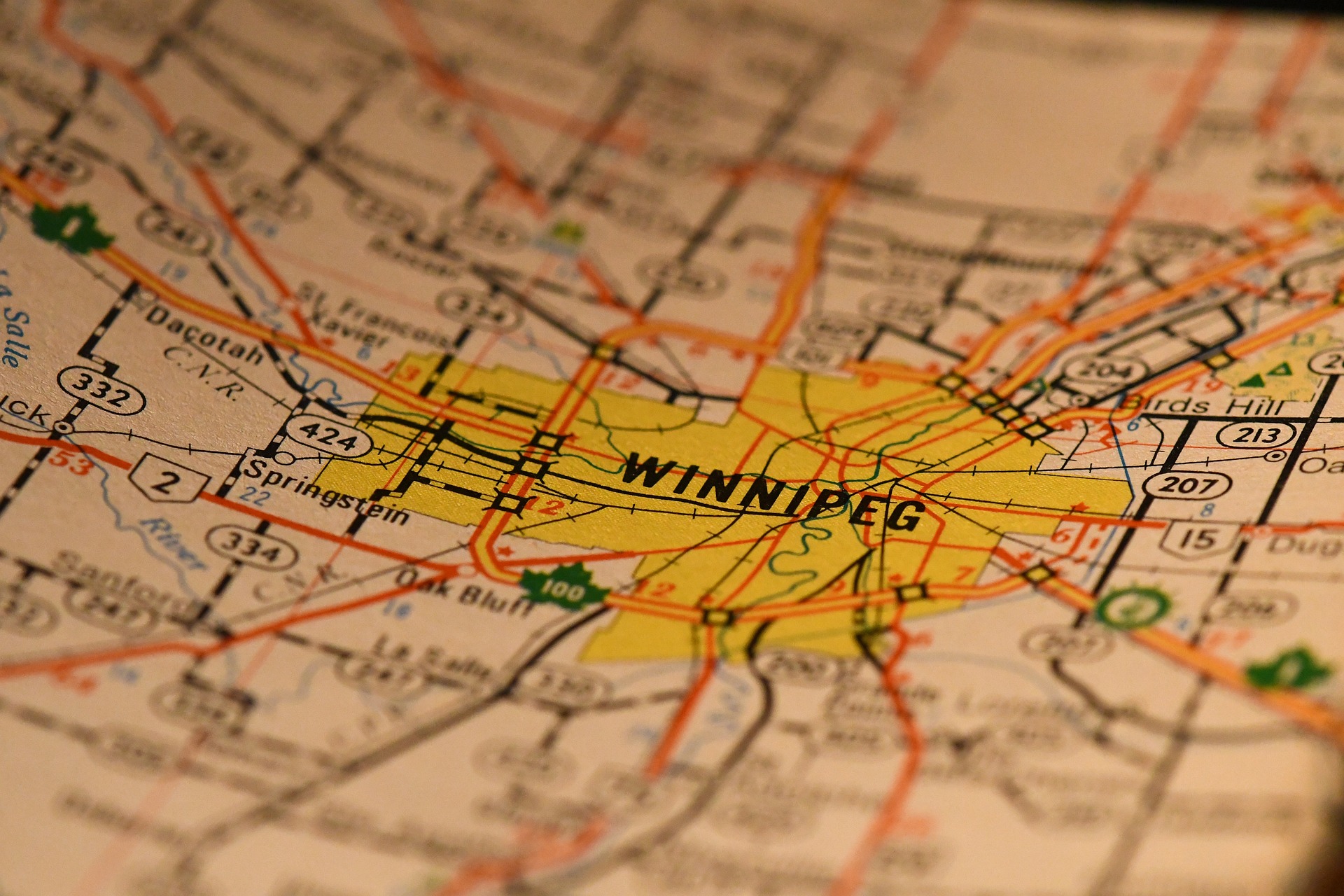
    If you go on a trip with your parents or grandparents, you might see them pull out a paper map to look at when they need help with directions. Some people prefer to get directions on paper, but others prefer to look at an online map or to get directions from a computer. Either way, someone needs to know what to put on the map. Geographic information specialists gather the kind of information that goes into these documents. If you are precise and able to work with large amounts of data, this could be the right job for you.

    Making a map or chart is a complicated process. It requires exact information about the location of streets, rivers, lakes, bridges, and other features of an area. Much of this information could come from satellite or drone images, but sometimes people need to go out in person to find out about the landscape. For example, a picture cannot show whether a piece of land has soft, swampy soil or firm ground. Someone must go out to the area to find out.

    Geographic information specialists normally have at least a high school education, but most also have a diploma from a career college or a higher level of education. Many employers require an associate’s or bachelor’s degree in a field such as geomatics, environmental science, or geography. Some people get a master’s degree. Normally, a bachelor’s degree takes at least three years to complete, and a master’s degree takes another year or two.

    High school students can already start preparing for a career as a geographic information specialist. English courses help one be able to read complicated information, and mathematics courses are important for making calculations and measurements. Courses in geography can help with understanding the influence of various factors on the landscape. For example, a stream or river could wear away part of its banks and change its course, requiring geographic information specialists to make a new map.

    Jobs for geographic information specialists are available in many different areas, including universities, governments, and even construction companies or tourism companies. Agriculture is also a good source for finding jobs as a geographic information specialist. Some people might also be able to specialize in an area of the field that allows them to work as consultants for several organizations. Salaries generally start at about $51,000 and can rise to $82,000 with experience.

    Usually, people in this field need to be able to work with others, but they should also be able to work on their own, especially when they are designing maps. Accuracy and attention to detail are very important in this job, and the ability to concentrate for long periods can be helpful. The job is not normally physically difficult, but it may occasionally require going out in bad weather to check the features of a location. In most cases, people can stay in this job until either they reach retirement age, or their eyes become too weak to deal with the kind of details that maps require.

    Working as a geographic information specialist can be a good choice for detail-oriented people who enjoy gathering information and sharing it with others. If you enjoy maps and charts, this job might be right for you.


    Bibliography

    Job Bank. “Geographic Information Systems Technician in Canada.” https://www.nl.jobbank.gc.ca/marketreport/outlook-occupation/3493/ca

    Ontario Colleges. “”Geographic Information Systems (GIS).” https://www.ontariocolleges.ca/en/programs/energy-environmental-and-natural-resources/geographic-information-systems-gis.

    Payscale Canada. “Geographic Information Systems (GIS) Specialist: Salary in Canada.” https://www.payscale.com/research/CA/Job=Geographic_Information_Systems_(GIS)_Specialist/Salary.

  • Career Profile: Wooden Boat Rebuilder

    Career Profile: Wooden Boat Rebuilder

    Suppose that you wanted to ride a boat on a lake or stream. You might choose a boat made of aluminum or steel, but you could choose a boat made of wood. Like anything else, wooden boots can break down and need rebuilding. Although opportunities can be limited in some areas of Canada, a career as a wooden boat rebuilder can be a good choice.

    Many tasks are part of being a wooden boat rebuilder. The work can include sketching the boat that is being rebuilt and making design choices, normally with the help of a computer-aided design (CAD) system. The next step is to choose the kind of wood or veneer for rebuilding the boat, and then making fastenings and other parts of the boat that need rebuilding. Following that, they use special equipment to cut pieces of wood into the right size and shape for what the project requires.

    Normally, people in this trade complete an apprenticeship that includes eight thousand hours of on-the-job training, ending with a Certificate of Apprenticeship. This process usually takes about five years. Another option is to work at least eight thousand hours in a related area and then apply for a Trade Equivalency Assessment. A successful applicant can then be certified as a journeyperson in the trade. A high school diploma is also normally necessary. Courses in English, mathematics, and drafting can be useful.

    After completing the training requirements, people can start to work as wooden boat rebuilders. Being able to read blueprints is usually necessary, as well as using hand or power tools and measuring instruments. Salaries in this trade usually begin at about $47,000 and can rise to $77,300 with experience. Doing physical work on the boats can become difficult as people age, but the task of designing boats can continue late into people’s careers.

    Like in many trades, wooden boat rebuilders need to have many skills. They might work on the restoration of historic boats for museums or universities, or they might work for a large company with clients all over the world. Some people in this trade might have their own business and work directly with customers, but others might get their work from supervisors and never meet the people whose boats they are rebuilding. Being able to follow instructions but also to think a problem through and come up with a solution is important in this trade.

    Being near water is essential for this trade. Although some people might be able to find enough work rebuilding recreational boats in the middle of the country, most work in this field is likely to be available on the east or west coast. However, becoming a specialist in historic boats could help a wooden boat rebuilder find work even in places with no lakes or oceans nearby.

    Much of the work of wooden boat rebuilders can be indoors if a large enough space is available. However, working outside is often necessary, and people need to be able to withstand the weather. The hours can be long when a project needs to be finished or when there is an emergency, but otherwise, people in this trade can generally work regular hours.

    Because wooden boats are not as common as they once were, finding enough work in this trade can be difficult. However, becoming a wooden boat rebuilder can still be a good choice for those who are interested.


    Bibliography:

    Economic Research Institute. Boat Builder Wood Salary in Canada. https://www.erieri.com/salary/job/boat-builder-wood/canada.

    Ontario Youth Apprenticeship Program. “Wooden Boat Rebuilder.” https://oyap.ca/trades/?fuseaction=Profile&appnum=118.

    Payscale Canada. “Salary for Industry: Boat Building.” https://www.payscale.com/research/CA/Industry=Boat_Building/Salary.

  • Career Profile: Institutional Cook

    Career Profile: Institutional Cook

    Every day, you eat food that someone has cooked, whether you eat with your family at home or buy a meal from your school cafeteria. Cooking for a family of five or six people can be difficult and time-consuming, but cooking for large groups can be even more challenging. If you enjoy working with food and want to help feed people, the job of institutional cook could be right for you.

    As the name suggests, institutional cooks work in places where many people come to eat. This could include hospitals, schools, seniors’ homes, or even prisons and jails. Depending on the types of people eating at the institution, the cook might need to know gourmet recipes, foods suitable for certain dietary needs, or other aspects of providing food for many different people at once. In some cases, institutional cooks might need to balance the needs of diabetics, people with high blood pressure, or many other factors. Being able to provide meals that are nutritious and filling without causing allergic reactions or other health problems can be a major challenge for people in this trade.

    Besides health-related issues, the food that institutional cooks make should taste good and be varied. No one wants to eat the same meal day after day, and institutional cooks need to be creative in finding new recipes or variations on their standard meals. Many institutional cooks complete an apprenticeship or culinary program before they begin to work, and many gain experience as helpers in a kitchen before they take over as the main cook. In some places, people may be required to complete a course in the safe handling of food so that they know how to avoid giving people food poisoning.

    In high school, courses in English and mathematics are helpful. Institutional cooks need to be able to follow recipes and understand what the different terms mean, and they might also need to research issues like how additives in food affect people with certain diseases or conditions. For example, finding low-salt options is important for anyone with high blood pressure. Being able to multiply or divide easily is also important for increasing or decreasing the size of recipes.

    Many institutional cooks work with helpers who might not know much about cooking. Being able to supervise and to give clear instructions can help to make the job much easier and the process smoother. Getting many different dishes done at the same time is one of the very challenging aspects of institutional cooking, and it might take several years before people can time everything to be ready for the people who have come to eat. The hours can be long, and the kitchens can be very hot and busy.

    Wages for people in this trade generally begin at about $14 per hour or $30,000 per year and can rise to $24 per hour or $51,000 per year. The work involves standing or moving around in the kitchen for long hours, and people might want to move into a more supervisory role as they age. One option is to move from doing the cooking itself to planning meals and ordering supplies, which can be much less stressful.

    Working as an institutional cook can be a high-pressure job, but it can also be interesting for people who enjoy working with food. It could be the right job for you.


    Bibliography:

    Job Bank. “Cook in Canada.” https://www.jobbank.gc.ca/marketreport/occupation/6225/ca.

    Job Bank. “Cook in Ontario.” https://www.jobbank.gc.ca/marketreport/outlook-occupation/6225/ON.

    Skills Competences Canada. “Cooking.” https://www.skillscompetencescanada.com/en/skill_area/cooking/.

    Payscale. “Average General/Institution Cook Hourly Pay in Canada.” https://www.payscale.com/research/CA/Job=General%2FInstitution_Cook/Hourly_Rate.

  • Career Profile: Die Designer

    Career Profile: Die Designer

    If you look around your home, you can likely find several objects that were made with special tools. Many of those tools likely came from a die, which is a kind of mould for making tools. Designing a die that works well for its purpose can make manufacturing much easier than it might otherwise be. Working as a die designer can be a useful and rewarding career.

    Die designers are part of a whole process that goes into making furniture, building houses, manufacturing cars, and much more. Employers normally have no specific academic requirements for these tradespeople, but most people have at least a high school diploma. Many people in this trade get an associate’s degree or complete an apprenticeship, which normally takes up to four years to complete.

    Like in many other trades, being able to read and understand instructions is important for die designers. High school courses in English or writing help to learn these types of skills.  These tradespeople should also be able to calculate measurements, estimate costs, and do other tasks that require the ability to work with numbers. Taking math courses can be helpful for these tasks, and classes that teach skills like sawing or welding are also useful. Art courses, especially drawing, can help people learn the basic principles of designing an object, and computer courses also help to prepare students for this trade.

    Learning how to draft with CAD (computer-aided design) software is an important skill for this work. Many die designers create blueprints for their designs using information about what kinds of machines will use the tool and how they work. Being precise is important in this work because a badly formed die will produce faulty tools. People in this trade might also need to study several different machines to be able to suit the needs of different clients. Some designers might want to specialize in a certain type of die, such as one that produces tools for plumbers or electricians, but others might want to work with a more general clientele.

    Die designers work mainly with manufacturing, but they can also find work elsewhere, including the geology or geography departments of universities, governments, and other organizations that need special tools. The job could involve making one or two designs for many different customers or working mainly for one company, possibly making die designs for branches of the company across the country. Generally, salaries for die designers begin at about $46,000 per year and can rise to about $83,000, and jobs are likely to be easier to find in areas like southern Ontario, where much of Canada’s manufacturing takes place.

    As in many of the trades, a certain amount of endurance is necessary for the work of a die designer. Although most of the work is done at a computer, it can also involve going to factories to see exactly what is needed for the job. The hours can be long when a job needs to be done, but usually die designers work regular days in an office where the working conditions are normally quite good. If you are detail-oriented and are good at problem-solving to find the best design for the job, a career as a die designer might be good for you.


    Bibliography:

    Glassdoor. “Gilder Guard Tool & Die: Mould Maker.” https://www.glassdoor.ca/Job/tool-and-die-designer-jobs-SRCH_KO0,21.htm.

    Payscale. “Average Tool and Die Maker Hourly Pay in Canada.” https://www.payscale.com/research/CA/Job=Tool_and_Die_Maker/Hourly_Rate.

    Talent.com. “Die Maker Average Salary in Canada, 2022.” https://ca.talent.com/salary?job=Die+Die+Die+Maker#.

    Ziprecruiter. “What is a Die Designer and How to Become One.” https://www.ziprecruiter.com/Career/Die-Designer/What-Is-How-to-Become

  • My money journey: first jobs, and first big expenses

    My money journey: first jobs, and first big expenses

    I started my first job when I was in Grade 12, as a private tutor. At the ripe young age of 17, I was ecstatic to be making sixteen dollars an hour. However, like most young people who first start earning, I had no idea what to do with my money and the newfound freedom that came with it.

    It’s now a couple of years later, and I’ve worked many jobs since then. I’ve had more tutoring positions, worked as a summer ride attendant at an amusement park, and even on provincial and municipal election campaigns! Each of these positions came with new experiences, and more money. But what was I to do with it?

    I’m very lucky to say that my parents cover my university tuition, but it was a goal of mine to move out for my second year of post-secondary. I had commuted in my first year, since many classes were online and I didn’t have to go to campus too often. My second year was going to be fully in-person, and I wanted to have the complete college experience.

    However, housing definitely isn’t cheap — especially in downtown Toronto. I did a lot of research and assessed my options: I could live on campus, but there was limited capacity. Other options were to find an apartment or try alternative student housing, which were dorm-style apartments in which students from different universities lived.

    I knew that my first choice would be living on campus, because it was the most affordable and convenient. Plus, it came with a meal plan — which meant I wouldn’t have to worry about groceries or cooking. After sending an application to every residence at my university, I received an offer in August.

    Living in residence also meant paying for residence, and this was something that I was well prepared for. Luckily, I had worked quite a bit over the last school year and the summer, which meant I had more than enough saved to pay for my dorm and meal plan out of pocket.

    So, that’s what I did. I paid the deposit of a couple hundred dollars, and then paid the total fee well before it was due. It felt like a huge accomplishment to pay for such a large expense on my own.

    As the school year began, I realized it was a lot easier to spend money when you live on your own — especially when you’re in a big city with countless opportunities to pull out your credit card. Although I was earning a bit of an income, I didn’t have a part-time job with regular hours. It would be difficult for me to take one on, since school was my first priority.

    That’s why I was ecstatic when I landed a position at Jobs People Do! I was able to write articles at my own pace and during my own time, which was ideal for me as a student. I also started a note-taking job, which required me to attend lectures and take notes for students whose disability affects their ability to take notes in class. These two jobs were a perfect fit for me, as they allowed me to make money and were flexible with my schedule.

    Still, I’m definitely not a millionaire, and it’s important for me to save and budget my income. I didn’t have a clear way of budgeting until last month, when I started tracking all of my spendings in my bullet journal. This method worked really well for me, since I had to write down exactly how much I spent and what it was spent on, which forced me to be a lot more thoughtful about my purchases.

    Now, my main goal is to save for residence again next year, as well as law school, which I hope to pursue after I graduate. This means I’ll have to continue earning a steady amount of money throughout the school year, and work a lot over my breaks. This also means being smart about where I’m spending, and thinking about where I can save.

  • Money-Saving Tips for Graduates Who Suddenly Have More Freedom

    Money-Saving Tips for Graduates Who Suddenly Have More Freedom

    By Avreet Jagdev

    Graduating is a super exciting time, whether it’s from high school or college. You’ve accomplished something you’ve been working towards for a long time, and now you’re ready to move onto the next phase of your life.

    Along with the newfound freedom that comes with being a graduate, so does the need to budget. You’re probably not making your dream salary straight out of high school or college. You might also have various financial responsibilities, such as rent or insurance. And of course, you’ll want to spend money on yourself as well.

    This means that you’ll have to spend your money wisely, and save when you can. Here are some tips on how to save money as a new graduate:

    1. Figure out how much you spend

    Before you can effectively save money, it is important to understand how much you spend, and what you spend it on. Take some time out of your day to track your spending for the past month. Take note of how much you spend on food, transportation, subscriptions, bills and so on. This will help you decide where you can cut back some spending.

    1. Unsubscribe to marketing emails.

    Chances are, you’re getting dozens of emails a day with clickbait titles and flashy coupons — emails that are literally designed to make you spend your money. Unsubscribing from them will lessen the chances that you splurge on something you most likely don’t need.

    1. Maximize your homemade meals.

    It’s incredibly easy to fall into temptations of eating out, but this adds up over time. Be strategic about your grocery trips by getting staples that are inexpensive but easy to cook with. Doing so will help curb temptations to eat out or order in (and while you’re at it, delete your food delivery apps)!

    1. Get into the habit of walking and biking.

    Not only will walking or biking save you money on transportation (compared to paying for gas, Ubers, or public transport), it is environmentally friendly and will help you get your exercise in.

    1. Skip your daily coffe.e

    No one wants to hear this one, but it’s true that those $5 lattes add up. Instead, learn how to make the perfect coffee at home! Your bank account will thank you.

    1. Cancel subscriptions you don’t use

    Whether it’s Netflix, Amazon Prime, Hulu, or Spotify, you might be paying for a service that you no longer use without even realizing it. Those payments are automatic after all!

    1. Hold on to your coins.

    Instead of leaving your coins scattered in random drawers and cup holders, start saving them in a jar. Saving even a couple coins a day will add up and get you to an extra hundred dollars a year.

    1. Take advantage of your local librar.y

    Libraries are an absolute goldmine of free things. Not only can you borrow an endless supply of books, but many libraries let you rent out movies, games, and other gadgets. Some library cards even come with free subscriptions to online services and tools!

    1. Always assess your options and spend accordingly.

    For every option that involves spending money, there is almost always a free (or at least cheaper) option. Instead of a pricy night out, opt for a cozy night-in instead. Craving take-out? See if you can mimic your favorite restaurant meal in your own kitchen. Want to go shopping? Hit up a thrift store before you head to the mall.

    Small tricks and tips like these can go a long way in terms of saving. The most important thing is to switch your mindset: you might be spending less, but in the long run, you’re saving more — and that’s what matters.

  • My New Normal: How My life Has Changed Since 2020 Because Of the Pandemic and Changes in Society (French version available)

    My New Normal: How My life Has Changed Since 2020 Because Of the Pandemic and Changes in Society (French version available)

    I’ll never forget the moment I found out that the whole world shut down. I was in my fourth year of university and, along with my fellow students, would have to continue classes remotely. Though things wouldn’t be the same, I (luckily) adapted quickly because this wasn’t the first time I completed courses online.

    My family and I remained as vigilant as we could. We only went out for necessities and created new habits like wiping down our groceries before putting them away. We also (like most others) got used to wearing masks when out in public as well as social distancing.

    While this was all occurring, people were noticing a spike in hate crimes towards those who are of Chinese/Asian descent. As someone who is Chinese, I felt alarmed and infuriated. Overall, this era of COVID-19 made me worry about things that I never was concerned about before.

    Through all of this, people were also discussing (and are continuing to discuss) the importance of looking after their mental health. I’ve always thought that it’s great how people are generally more open about it nowadays and was glad professionals were speaking on the significant impact these last two years have had on people in this respect. Ironically, however, I didn’t realize how much the pandemic has affected my mental health specifically until I was preparing for my graduation ceremony.

    My in-person ceremony was one of the first to take place since March 2020… and I was dreading it with every fibre of my being. I have had issues with social anxiety for several years and staying at home only made things worse. I knew that I should’ve been grateful to participate in an in-person ceremony (and I was), but the idea of being around so many people again after such a long time made me feel incredibly anxious. That night, after the ceremony happened and all the excitement was over, I couldn’t handle suppressing my feelings anymore and everything eventually spilled out.

    I guess one could say that my life has changed in a way where this situation has forced me to take inventory of what I need to do for myself. When I was much younger, I adopted an (unhealthy) habit of containing my negative emotions as a way to power through various challenges, and it also never seemed like I had a proper outlet to express how I felt. This containment has caught up to me lately, so I recognize now how it’s crucial for me to find effective ways to care for my own mental health.

    These past couple of years have forced me to take a closer look at how I deal with things emotionally. The difficult part now for me is letting go of this year’s-old habit and allowing myself to properly deal with my emotions. A hindrance is my self-esteem as I must recognize that I actually deserve to do so. I also tend to be very tough on myself, which has worked out in certain areas of my life, but I now understand that this shouldn’t be the case where long-term emotional issues are concerned.

    All in all, there are a lot of things I need to address, but major lessons I’ve learned from the pandemic are to remain more aware of how things are impacting me and ensuring I make better choices for myself. I know I’m a work-in progress, so engaging with this kind of reflection more often will help me navigate what needs to be done for my well-being.

  • The Battle of the Languages: French vs. English

    The Battle of the Languages: French vs. English

    With the popularity of French language streaming shows like “Emily in Paris,” a large number of people who aren’t familiar with the language are considering learning French. And in Canada, where French is one of the official languages, along with English, dabbling in French is almost commonplace.

    According to Statistics Canada, almost 18 per cent of the Canadian population, or 6.2 million individuals, can speak both English and French fluently. The largest French speaking population can be found in Quebec, where an estimated 1.1 million Canadians are French speakers compared to about 700,000 English speakers.

    It can definitely be an advantage to be able to speak and write in both languages. If you’re planning to take up French in the near future, read below on how exactly it weighs against the English language.

    Masculine vs. Feminine

    In the English language, pronouns are used to differentiate between gender identifications of persons. In the French language, this is the same case. However, in French, one must also learn how to differentiate masculine nouns from feminine nouns when referring to objects. This is especially important because there are articles that are solely used for feminine nouns and masculine nouns.

    However, telling whether an object is masculine or feminine doesn’t necessarily mean a lot of guesswork. It all depends on how a word is spelled, and you have to particularly pay attention to how it ends.

    If a word ends in -age, -ment, -il, -ail, -eil, -euil, -eau, -eu, -er, -oir, -isme, -ing, -ard, -am, -um, -em, -it, -est, -an, -and, -ent, -in, -int, -om, -ond, -ont, -ème, or ège, then it’s usually masculine. If a word ends in -tion, -sion, -son, -ure, -ude, -ade, -ée, -té, -ière, -euse, -ance, -ence, or -ie, then it’s usually feminine. We say usually because there are exceptions to this rule.

    Adjectives 

    No language is complete without adjectives, and French has a rich vocabulary of adjectives, similar to English. However, while in English the adjective always comes before the noun, in French, most adjectives come after the noun.

    The adjectives which follow the noun describe colour, shape, or nationality, while the ones which come before the noun are typically those that refer to age, goodness, beauty, or size, as well as those with two syllables or less or ones that pertain to a numerical value. However, as with gender for objects, there are exceptions to the rule.

    Forming negative sentences

    Forming a negative sentence in French can be tricky, especially if you’re used to doing it in English, where all you need to do to negate a verb is to put the negation before it. In French, you’ll need to do a double negation around the verb.

    The most important thing to keep in mind is that the negative structures go around the conjugated verb only and not the subject pronoun.

    While there are major differences between English and French, don’t forget that there are similarities too! Numerous words are common in both languages because English was so heavily influenced by French after the Norman invasion of England in 1066. According to some estimates, 40-45% of English vocabulary is shared with French, and examples of these are silhouette, prestige, and chauffeur.