
Julia Skoczypiec interviews Laurinda Shaver, a director of digital pre-school production.
Category: Featured Articles
-

Jobs for people who love the cold weather
By Rabia Khan
It’s that time of the year when it gets hard to step out of the house as the cold breeze seeps in. However, winter season rings in plenty of opportunities for those who love working hard in the cold. There are challenges working during extreme weather conditions but as long as one loves the feel of it, it’s worth giving a shot. Here are some jobs for those who love the cold weather.
The job of a journalist is upbeat and very fast-paced and it doesn’t change when winter hits. Writing about skiing is a job that ski journalists do for a living. The two things they adore – writing and skiing (or snowboarding) – allow them to make reasonable incomes. People in this role love skiing love double tasking – while skiing, they write about it!
Photography is a profession that involves taking pictures for a client or putting your work on your terms. Creative freedom may or may not be granted to a photographer. There are several winter magazines that hire professional photographers to click picture of beautiful landscapes of places that are hit by extreme cold or weather conditions.
- Sales Associate
When winter hits, one of the industries that can get impacted the most is that of sales associates. People either opt for full-time or part-time positions. This role can be high-paying and comes with many perks. Alongside this, there are many benefits to working in a retail store – who doesn’t like store discounts?
- Ski Operator
If you love snow and enjoy the winter season, working as a ski operator is your go-to job. For some, skiing is a passion, and they can do it any time of the day! Not many are aware that there are companies that hire ski operators during the winter season.
- Snow Plower
There’s so much hard work when it comes to snow plowing and it isn’t an easy job. Snow plowers earn a lot of money annually because it requires aggressive exertion. It’s a fun and exciting job for those who love enjoying the snow.
It is highly likely to find a full-time job as a cold storage supervisor, and if you love working during cold weather, this role fits your schedule! One should be aware that night and weekend shifts may be required, depending on the position. In addition, they are available 24 hours a day for emergency situations.
Christmas brings festive vibes! You have the opportunity to dress up as Santa Claus and make people laugh. If you are people pleaser and people person, this job can be a good fit. This is the most popular winter/seasonal position which requires highly professional acting skills. You can also train on how to become Santa Claus.
- Delivery Persons
Since winter season leads to employers’ shortage working in delivery service, there are plenty of roles in the delivery service that you can fill during the cold weather. One may get provided a vehicle to deliver goods and services, but owning a car can benefit you in many ways.
-

Tips & suggestions for preparing for your EQAO testing
By Avreet Jagdev
As we approach the end of the school year, students across Ontario are getting ready to take their EQAO tests.
For many, test taking can be a source of major stress, but preparing effectively can help alleviate some of this stress and anxiety. If you’re getting ready for your EQAOs this semester, here are some tips and suggestions to make sure you’re well-prepared for your test.
- Start preparing well in advance
It’s important to give yourself enough time to study. Beginning your preparation well in advance can help make sure you don’t have to cram your studying towards the end, which can lead to stress and lower performance.
Instead, start thinking about your exam weeks or even months in advance. Figure out what you have to review before you take your test, and make a study plan for yourself to follow!
- Do a little bit every day
For many students, studying for just a little bit every day is more realistic than having long study sessions. It’s more than likely that you have class assignments and other commitments that take up your time, so long study sessions might not always be possible. In fact, they may not even be needed if you span your studying over a longer period of time!
- Pay attention in class
The EQAO, like most other tests you’ll take as a student, will test material that you have covered in your classes. For this reason, one of the best strategies to employ is to pay attention in your classes! If you actively listen and learn during class, your study time can be used to review information, rather than attempting to learn it all on your own.
- Ask for help when you need it
As you study for your test, you will most likely encounter a topic or subject that you have trouble with. When this happens, it’s best to ask for help right away. Whether it’s a teacher, classmate, or tutor, asking for the help you need will always help solidify your understanding and ease your nerves about the test!
In addition to those longer-term study tips, here are some tips for exam day:
- Get a good night’s rest
You hear it all the time for a reason! It’s essential that you get at least seven to eight hours of sleep every night, but especially the night before a big test. Make sure you go to bed at a reasonable time so you wake up well-rested for your EQAO.
- Eat a good breakfast
Or if you’re not a breakfast person, make sure you nourish your body in some other way – whether it’s a smoothie or you just grab a granola bar. Also, don’t forget to hydrate!
- Do stress-relieving activities
If you’re someone who gets test anxiety, try out some stress-relieving activities or techniques. Some examples include deep breathing, going on a walk before your test, or doing a colouring activity.
- Once you’re done, try not to worry about it!
Once you walk out of that exam room, remember that what’s done is done, and that you did your very best.
-

Strategies for Staying Focused during Lectures When You Find Yourself Easily Losing Focus
Lectures are often the main component of post-secondary school courses. While they’re very informative and good opportunities for things like asking your instructor questions, they can also be quite long as well as challenging to get through at times, especially if you easily lose focus while attending.
If this is what you’re experiencing right now, here are some ways to stay focused:
Change or Enhance the Way You Take Notes
Try a different or more enhanced/fulfilling approach to taking notes. If you do so with a laptop and on Microsoft Word, use different colours, icons, fonts, etc. To provide an example, rather than just boldening important concepts, highlight them yellow or any other eye-catching colour. You might be more engaged with your note-taking process via applying these changes and, in turn, remain focused throughout lectures for longer periods of time.
You can further switch things up every semester in a similar fashion when writing your notes or even as much as/how often you’d like.
Make the Most of Breaks Your Instructor Provides
Many lectures are either two hours or longer and instructors typically provide students with a break halfway through. If you find that your loss of focus is caused by fatigue or the need to stretch your legs, walk around during this time. In most cases, stepping outside the classroom for a few minutes to do so would be the best option. While walking, listen to some upbeat and/or motivational music. You’ll likely feel more refreshed/awake as a result and ready to tackle the rest of the lecture.
Eat Foods and/or Drink Beverages that Help You Feel More Energized
Are there any beverages and/or foods that help you feel more energized? If so and food is allowed in the room where your lecture is held, it would a good idea to bring these to class. If not, consume them before your lecture.
Create Realistic Goals and Corresponding Rewards for Yourself
If the reason why you can’t concentrate is because you lack interest in the material but, of course, must power through, try to make goals that address this issue and reward yourself after meeting them. When it comes to difficult undertakings, having incentives is always beneficial. Say you strive to focus unwaveringly for fifteen minutes at a time and end up achieving this. A good reward would be watching an episode (or two) of a television show you like after you arrive home.
Focusing during a lecture can understandably be difficult and, of course, some strategies for increasing your focus might work and some won’t. Consequently, it’s crucial to not give up/be discouraged if you start utilizing strategies (either any of those stated above or other different ones you might think of) that aren’t initially successful. You could further try new strategies or even put more effort into the ones you’ve begun trying. Also, some (like notetaking) could even increase your productivity as well as help you concentrate. This could further act as a motivating aspect. Overall, if you take these pieces of advice into account and have the right amount of determination, you’re on your way to improving your ability to focus.
-

A look at Seasonal Affective Disorder
By Bhargavi Venkataraman
When the days get shorter and the wind gets chillier, people seem to want to stay in bed just a little longer. It becomes harder to get up in the morning and there is a sense of blueness in the air. It turns out that the timing is not a coincidence and these symptoms might point to Seasonal Affective Disorder (SAD). This is a specific subtype of depression that is related to the changing seasons. For most people, it starts annually in the fall and continues well into the winter season. This may mean that as the cold and snowy weather stretches into February and beyond, some of you might undergo sustained SAD.
What does Seasonal Affective Disorder look like?
The American Psychiatric Association officially classifies SAD as a version of major depressive disorder with seasonal variations. Accordingly, symptoms of this disorder include mood changes along with symptoms of depression. I will specifically focus on winter SAD for the purposes of this article. These symptoms will include:
- Sadness
- Anxiety
- Carb cravings and weight gain
- Drastic tiredness
- Feelings of despair and despondency
- Difficulties with concentrating
- Feelings of irritation
- Feelings of weight in limbs
- Withdrawal from social activities
- Issues with oversleeping
- Thoughts of death and suicide
What causes Seasonal Affective Disorder?
There is still a lot of questions around the causes, but it is thought that the reduced sun exposure during this time might trigger the condition if you are already disposed to getting it. Some other reasons include:
Biological Clock Change: There is a shift in the biological clock which is responsible for modulating your mood, sleep, and hormones when there is inadequate sun exposure. This might result in you being unable to adjust to the new schedule and result in lethargy.
Brain Chemical Imbalance: If at risk for SAD already, you might have a previous deficiency of serotonin (the happy chemical) activity. Sunlight helps to regulate serotonin so the insufficient sunlight during this time can further depreciate your serotonin levels, resulting in depression.
Vitamin D Deficiency: Vitamin D is another contributor to serotonin levels. The sun helps produce Vitamin D, so sunlight deficiency also results in vitamin D deficiency during the winter, ultimately reducing your serotonin level and worsening your depressive symptoms.
Melatonin Increase: Melatonin is a hormone which is produced in response to darkness and regulates sleep and mood. During the winter time, the lack of sunlight results in overproduction of melatonin for some. This can increase feelings of drowsiness and apathy.
Bad Outlook on Winter: There have been some research showing that those with SAD often associate stress, anxiety, and negative thoughts with the winter season. It is not clear if this is a contributing factor or an effect of seasonal depression.
How do you treat Seasonal Affective Disorder?
There are a couple ways in which you can manage and treat SAD. Two common suggestions involve increasing your exposure to light, either through spending more time outdoors or near a window or by engaging in light therapy where you expose yourself to a special light for a particular amount of time each day. This is to manage the previously mentioned symptoms that occur due to insufficient sunlight during the winter. Alternatively, there are also some more traditional options for the treatment of depression such as psychotherapy and antidepressants. These will help remedy your distorted self-concept and interpersonal relationships skills and offset the chemical imbalance occurring in SAD, respectively.
There are also other everyday things you can do to better your wellbeing as a whole. These include eating healthy and balanced meals, exercising regularly in a way that you are comfortable, talking to someone (could be a trusted confidante or a healthcare provider), and limiting consumption of alcohol and/or drugs. It is also important to remember to take things one step at a time. You cannot just get out of your depressive state in one day or with one turn. It is a slow process but remember that you are not alone and take it day-by-day!
-
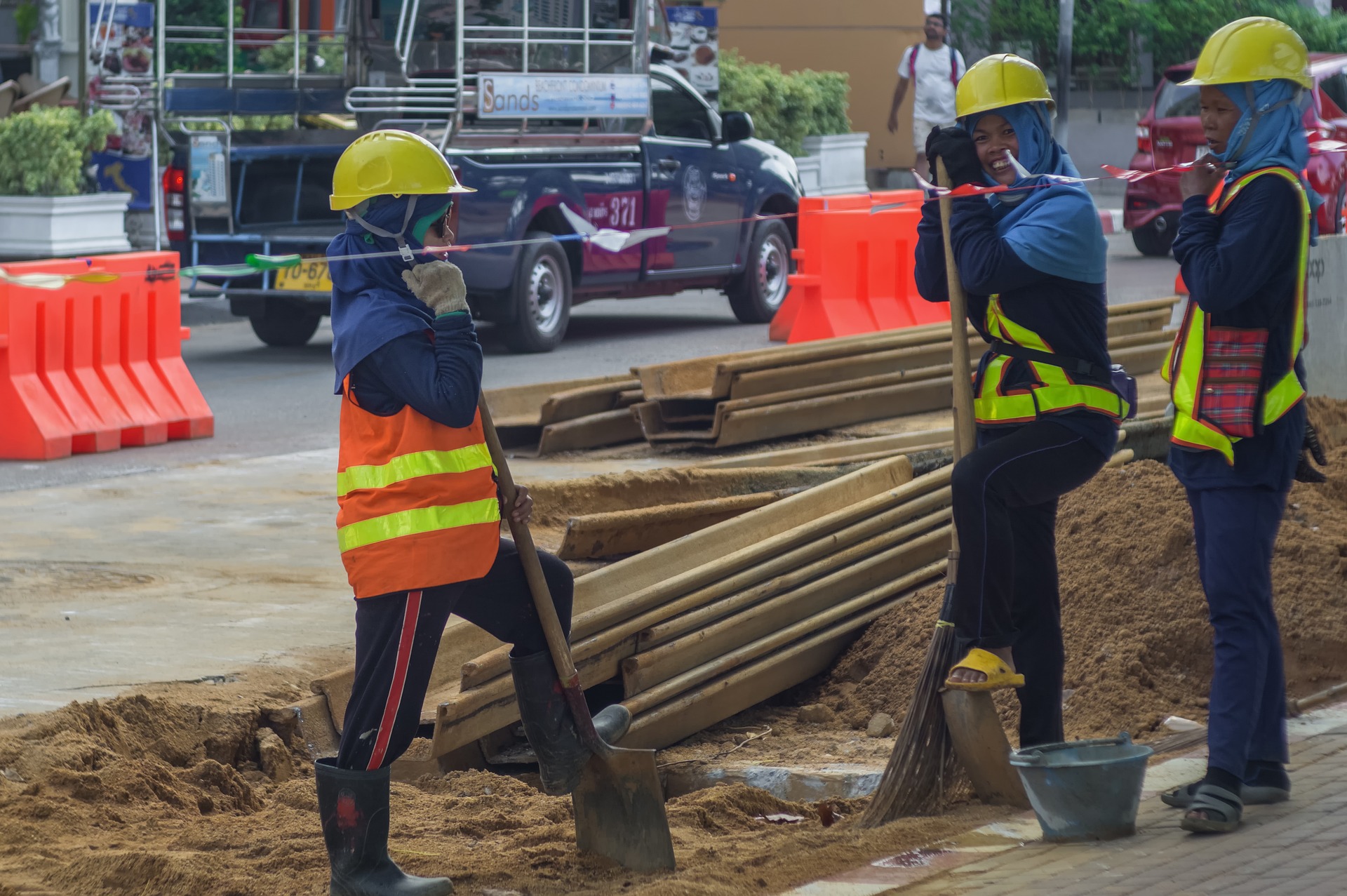
Begin Your Apprenticeship Journey with Help from Support Youth Ontario
The trades are a vital part of the Canadian workforce, but over the last few decades there has been a lack of new young people entering the trades. With the increasing number of tradespeople who are reaching retirement, it is essential to bring new workers into the trades to address the growing gap between the trades work that needs doing and the workers who are available to do it.
Informing young people about the trades, and supporting them through the process of entering and working their early trades career is the only way to ensure an increase in new tradespeople. Luckily, there are many excellent resources and organizations dedicated to helping young tradespeople navigate the ins and outs of this journey.
Support Ontario Youth (SOY) is one of these organizations, an Employment Ontario program funded jointly by the Ontario and Canadian governments. SOY’s mission is to support young people seeking to become apprentices in the trades. The program works with young apprentices, employers in trades industries, and other stakeholders in order to strengthen and streamline the apprenticeship journey.
Finding an Apprenticeship
Becoming an apprentice is the primary way to enter the trades as a career. While you can apply for an apprenticeship independently, organizations and programs like Support Ontario Youth can make the process much easier.
Navigating the apprenticeship process can be difficult, but SOY offers information on apprenticeships in Ontario, including the process for applying and how an apprenticeship journey leads to a trades career. The program offers information for young people to help them determine whether an apprenticeship in the trades is a good fit, and assists them in completing applications and negotiating with the employers sponsoring their apprenticeship.
SOY will assist with determining whether your previous education credits or work experience will affect the length of your apprenticeship term, and will help you to enroll in any necessary education or training programs required as part of the apprenticeship. They will also help you complete your application for a Registered Training Agreement with your chosen employer, and will assist you in registering as a member of Skilled Trades Ontario.
Scholarships and Funding
Though an apprenticeship is less costly than going to college or university—and you can earn a decent wage while you work and learn—there are still some educational and material costs involved. This can include registering for training or trade school courses, or purchasing tools and equipment. SOY facilitates several scholarships: the BOLT Women in Construction Scholarship, the Saniflo Apprentice Journey Plumbing Scholarship, and the SOY Education Scholarship. These are aimed at supporting the costs of apprenticeship, and SOY will help with the applications for apprentices registered with the program.
SOY also offers detailed info on the funding opportunities at both the provincial and federal level that are available to young apprentices in Ontario to help offset the costs of apprenticeship. These include a federal Tool Grant to cover the costs of purchasing your own tools; the Canada Apprentice Loan interest-free loans to help cover costs related to tuition, tools, and living expenses; or various provincial and federal tax credits.
Tools of the Trade Boot Camp
Another resources SOY provides to young prospective apprentices is the Tools of the Trade Boot Camp program. This offers Ontario youth the opportunity to participate in a day of job shadowing with a trades professional in the construction, motive power, and industrial trades. This is a great way to experience what it’s like to work in a specific trade, as well as giving young people the chance to meet and network with prospective employers.
-

CEO & Former Member of Parliament – Andrew Cash
Avreet Jagdev talks with Andrew Cash, former MP with the NDP and current CEO of the Canadian Independent Music Association. He discusses his education and what his day-to-day experience has been like for both jobs. Also be sure to check out our podcast with Andrew Cash, in which he discusses ways students can get involved with activism and the causes they care about. -
Archivist – Gloria Romaniuk
Susan Huebert talks to archivist Gloria Romaniuk about her work, and the importance of preserving documents and information. -

Hopping into 2023 with the Year of the Rabbit
2023’s Chinese New Year falls on January 22. With Chinese people making up 1.7 million of Canada’s population, many celebrate this tradition.
This year highlights the rabbit, which is one of the 12 zodiac animals. Swap out the old Christmas red and green for Chinese New Year red and gold, have a feast, and take part in many festive activities for the new year.
What is Chinese New Year?
Chinese New Year welcomes a new year by focusing on getting rid of the bad and receiving the good. This celebration spans 15 days, starting with a feast and ending with the Lantern Festival.
Chinese New Year is a part of Lunar New Year, which many East Asian cultures celebrate.
Communities such as Korean, Vietnamese, Singaporean, Malaysian, and Tibetan peoples also have their own new year traditions. The cultures celebrate differently, but they follow the same lunisolar calendar.
The Lunisolar Calendar
While many traditions follow the Gregorian calendar, the one based on a 365-day cycle, some cultures use different calendars for celebrations.
Lunar New Year follows the lunisolar calendar. The lunisolar calendar depends on the movements of the sun and moon around the Earth.
Since months on the lunisolar calendar always start with a new moon, New Year’s Day differs each year.
Lunar New Year 2022 started on February 1, while this year it starts on January 22.The Chinese Zodiac
Twelve animals in the Chinese zodiac represent each year. Those animals are:
- Rat
- Ox
- Tiger
- Rabbit
- Dragon
- Snake
- Horse
- Goat
- Monkey
- Rooster
- Dog
- Pig
Each animal year only happens every 12 years as the cycle rotates. For those born this year, they are considered rabbits. Other rabbits include people born in 1963, 1975, 1987, 1999, and 2011.
Some Chinese New Year Customs
- On Chinese New Year, people usually hold feasts with their families. The Chinese language is ripe with puns, and many lucky Chinese dishes are associated with positive words.
A sound in Chinese can have many meanings, thanks to tones. For example, fish is eaten because in Chinese it also sounds like the word for “plentiful,” signaling that the new year will have a lot of good luck.
- Young, unmarried people receive red envelopes from older married relatives. These money-filled red envelopes bless good wishes upon the receivers. The envelopes are called different names depending on the dialect: Hongbao in Mandarin, Laisi in Cantonese, or Ang pow in Hokkien are some examples.
The money totals to an even number, as that is also lucky. Cantonese and Hokkien people distribute pairs of envelopes, aligning with the belief that good things come in pairs.
- Many people watch Chinese lion dances. A team of two works each lion, with one partner as the head, and the other as the body of the lion.
These performers showcase their agility, balance, and strength when working together as lions. A typical performance features the lions walking in a front of a crowd, before eating and spitting out lettuce. At the end, they receive red envelopes from the patrons.
Due to the dance’s historical ties with status, most lion dancers are male. However, more lion dance communities worldwide are welcoming female and non-binary dancers.
Events in Canada
Partake in the festivities by checking out events in your local community.
Many communities across Canada are holding events, such as Vancouver’s 48th Chinatown Spring Festival Celebration and Toronto’s 2023 Chinatown BIA Lunar New Year Festival.
Let’s welcome in the new year well, and look forward to the rest of 2023. As Cantonese speakers say, Gung hay fat choy (wishing you prosperity).
-
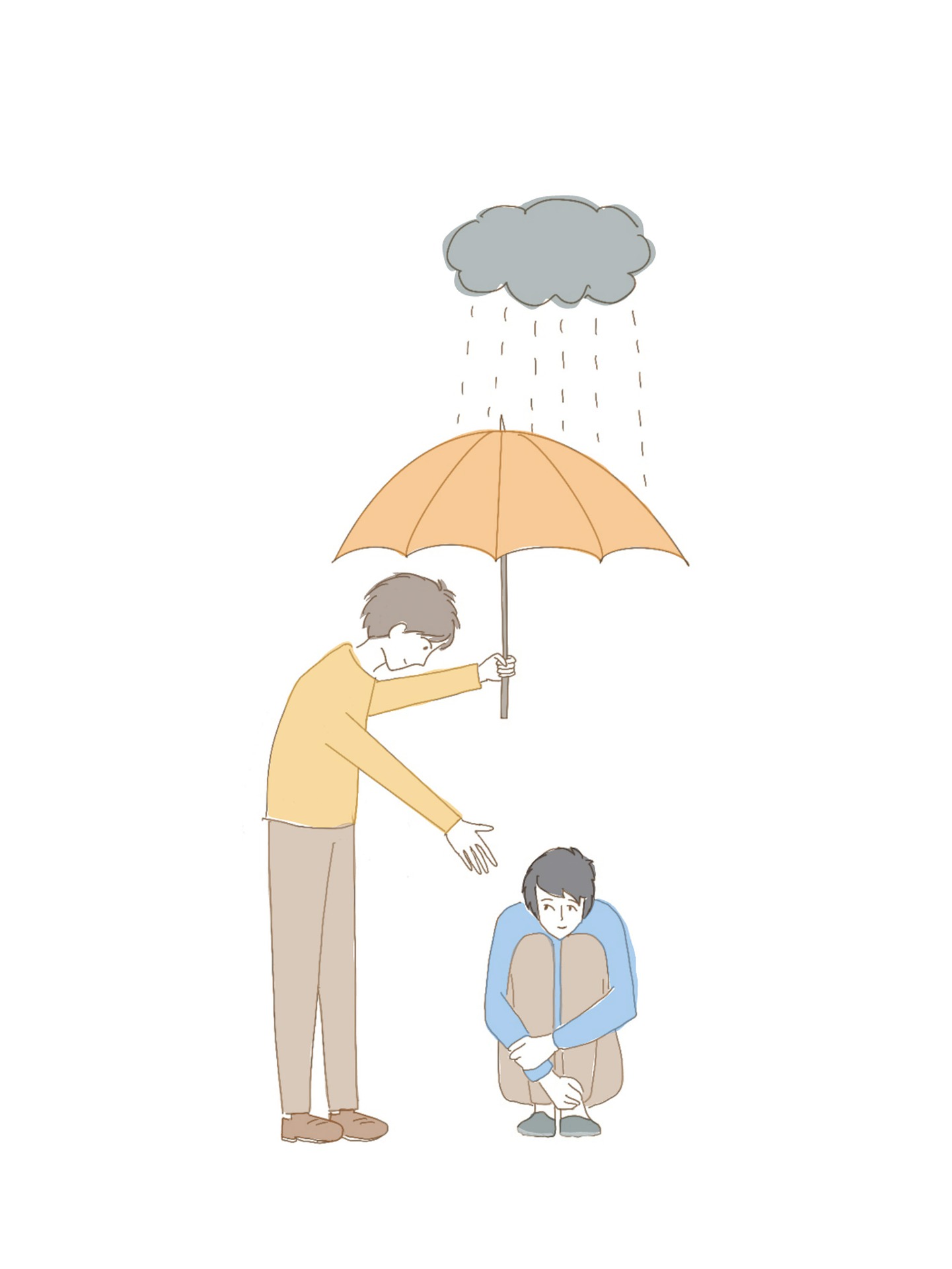
Most post-secondary students are struggling with mental health — here are 5 job and volunteer opportunities that can help you make a difference
By Avreet Jagdev
A recent Toronto Star article brings to light an important but less than happy fact: the majority of post-secondary students are grappling with their mental health, especially after a rough couple of semesters riddled with Covid. Factors like poor sleep schedules and lack of in-person interactions has only exacerbated the issue.
If you have found that you’ve been feeling sad, unmotivated, or just not too great – you are not alone. Although mental health is an incredibly important topic, it’s also one that is not talked about enough. Because of the stigma that surrounds mental health, it can be difficult to discuss what you’re going through, let alone seek the support that you might need. This is why it’s even more important to have these discussions, so that people know they are not alone in their struggles with their mental health, and are empowered to seek resources and support.
In addition to having conversations about mental health, there are many job and volunteer positions that can help you make a difference. If you’re looking to make an impact, are some opportunities to get you started:
The Centre for Addiction and Mental Health is an organization that performs research, provides training to health professionals, and advocates for mental health care. There are ten locations across Ontario, and volunteering at CAMH has many benefits – in addition to making an impact, you get the opportunity to network, gain knowledge, and receive letters of recommendation.
Kid’s Help Phone is Canada’s 24/7 online mental health service for children and youth. It provides confidential support to young people in both English and French. Since it’s a fully online nationwide service, you can volunteer with them from anywhere in the country! For post-grads, they also have many job opportunities available.
- Volunteer at your school’s mental health service center
Whether you’re in high school or post-secondary, your school likely has mental health services and resources for its students. If you’d like to create an impact within your own community, it’s a great idea to reach out to your school’s counselor or mental health service center, to see how you can get involved!
The Canadian Mental Health Association is a non-profit Canadian organization dedicated to mental health support and advocacy. If you’d like to dedicate your career to mental health, working with the Canadian Mental Health Association is a wonderful way to do so!
If you have a couple extra hours a week to spare, consider becoming a Nanny Angel with the Nanny Angel Network! It’s an organization dedicated to supporting children whose families are affected by cancer. You’re able to volunteer both in-home and virtually, and doing so makes a huge impact in the lives of children who might be dealing with grief.