Category: Featured Articles

  • How to Be a Climate Activist and Not a Climate Nihilist Despite All the Bad News

    How to Be a Climate Activist and Not a Climate Nihilist Despite All the Bad News

    The weather in the summer of 2021 was severe in many parts of Canada, and the winter has not been much better. In other parts of the world, violent storms have devastated communities while warming oceans have been killing coral reefs and causing ice at the North and South Poles to melt. People might be tempted to despair and become climate nihilists, believing that there is no hope and that we are all doomed. However, being a climate activist instead of a nihilist can help people to keep on working for their future.

    Have you ever been in an accident and later found that you had a hard time remembering what happened? Psychologists have found that people tend to disengage from anything that they find overwhelming, especially if they feel powerless to change the situation. Effective climate action requires cooperation from many different people around the world. This could make people feel too small and insignificant to act.

    Despite the massive nature of the problem, climate activists should maintain their commitment to their cause. Opponents of the movement often try to divide the climate movement, turning people against each other or making them doubt what the are saying or the value of their actions.

    These divisions can take many forms. Opponents of climate action might question whether people are really at fault for the damage to the environment. They might point out how little difference one person can make and try to discourage people from taking any initiative. Some climate action doubters might try to distract activists by drawing their attention to unrelated issues or keeping them occupied with defending every tiny detail of their philosophy. Dividing the climate movement is another tactic that can often be effective since people within the movement are then too busy fighting among each other to deal with the climate crisis.

    The three tactics of discouragement, distraction, and division can be very effective. Research shows that in general, people are consuming as many resources as ever, despite knowing about the dangers of climate change. Sometimes, this may be due to an inability to find a better way, such as driving a car in a city with slow and infrequent transit service. Often, however, it can be merely an unwillingness to change, such as when people eat as much meat as they did before they learned about the climate crisis. Apathy can be a major problem in dealing with the issues.

    You might experience some of these problems yourself, or you might see them in people around you. For example, a member of your family might see no problem with taking the car to a grocery store two blocks away to pick up two or three lightweight items. Someone else you know might eat mainly imported foods rather than locally grown ones or have a diet that is heavily based on meat and other foods that use large amounts of resources to produce. Changing those habits can be difficult, especially if the people fail to realize the harm that they are doing.

    Situations like these ones might tempt people to despair and to give up on climate action. However, it is important to remember that each person’s actions are part of the whole. You can set an example by taking the bus or your bicycle whenever possible and by eating less meat. You can encourage your family and friends to buy local foods instead of imported ones and to support plans for reducing the spread of cities into farmland or wild areas. Together with your friends, you can lobby the government for better transit systems and the preservation of wetlands and other green spaces.

    Being a climate activist can be difficult with the bad news that we often hear, but it is important not to give in to nihilism. People can make a real difference in the world.


    Bibliography:

    Ambrose, Jillian. “’Hijacked by Anxiety:’: How Climate Dread is Hindering Climate Action.” https://www.theguardian.com/environment/2020/oct/08/anxiety-climate-crisis-trauma-paralysing-effect-psychologists.

    Carlin, David. “How You Can Fight Back Against The 3 ‘Ds’ of Climate Inaction.” https://www.forbes.com/sites/davidcarlin/2021/04/21/fighting-back-against-the-3-ds-of-climate-inaction/?sh=16dd763118ae.

    Kalmus, Peter. “Opinion: How to Live with the Climate Crisis Without Becoming a Nihilist.” https://www.latimes.com/opinion/story/2019-09-13/global-warming-climate-change-science-activism-jonathan-franzen.

    Pölzler, Thomas. “Climate Change Inaction and Moral Nihilism.” https://www.researchgate.net/publication/281320581_Climate_Change_Inaction_and_Moral_Nihilism.

  • How to Handle Arguments with Friends and What to Do When They Seem to Be Ignoring You

    How to Handle Arguments with Friends and What to Do When They Seem to Be Ignoring You

    By Tiffany Chang

    All relationships have their ups and downs. That’s just a part of life. Whether it’s occasional disagreements, personalities clashing, or even betrayals, navigating them can be difficult, especially when you truly want the relationships to work out.

    Often times, we come across these situations with our friends.

    If this has happened or is currently happening to you, or you’re simply looking for a future reference, here are some words of advice:

    Getting Into Arguments with Your Friends is Totally Normal

    Everyone is different and therefore has different opinions. Nobody agrees with every person all the time. Actually, healthy arguments in certain cases can be beneficial as they might help people more productively get feelings about things off their chests.

    In General, How Do I Handle These Arguments?

    All parties might be very upset. However, try not to let negative emotions get the best of you. At times, people say hurtful things to each other out of anger, but they don’t necessarily mean them.

    Try taking the following de-escalation steps:

    1. When you start to notice the situation getting heated, suggest that everybody take a deep breath and calm down.
    2. Go around and have every party explain why they feel the way they do, so there are no misunderstandings.
    3. Depending on the situation, maybe you can then come to an agreement or compromise.
    4. If the first two steps don’t seem to work, it might be a better idea to give them space. Sometimes it’s essential when emotions are running high.

    What to Do When They Seem to Be Ignoring You

    After giving your friends space, you may think enough time has passed to try speaking to them again, but they may not feel the same way. It’s understandably frustrating. Of course, it’s difficult to address conflicts when the people you’re having the conflicts with refuse to acknowledge you.

    Consider asking your friends to hear you out even when they still don’t seem to want to. Tell them they can respond however they want (or not respond at all) but you just want to let them know how and what you’re feeling.

    If what I stated above doesn’t yield the results you were anticipating and the ignoring persists, re-evaluate your friendship with them. Though it may be difficult to accept, there’s a possibility that they don’t believe the friendship is worth fighting for. You can’t control what they do and maybe you aren’t meant to be friends with them at this point in time.

    Nonetheless, never say “never.” As implied above, maybe in the future, they’ll have a change of heart, and you could resume your friendships with them. Or maybe, you won’t ever be friends again, but will remain on better terms later on. As time passes, there’s a good chance you’ll have plenty of opportunities to make new friends. For now, keep your distance. People come and go in your life and when the time arrives, you’ll know exactly who your lifelong friends are going to be.

  • Here to Help: Support Groups That Provide COVID Resources for Students with Disabilities

    Here to Help: Support Groups That Provide COVID Resources for Students with Disabilities

    As we’re going into the pandemic for two years now, there’s a laundry list of how it has created a ripple in our lives and how it will still affect us even after everything is said and done.

    However, this doesn’t mean that everything is cold and dreary. With every difficulty, we must always find a way to look into the positive side of things, and there are countless stories around the world of how COVID has brought out the best in people.

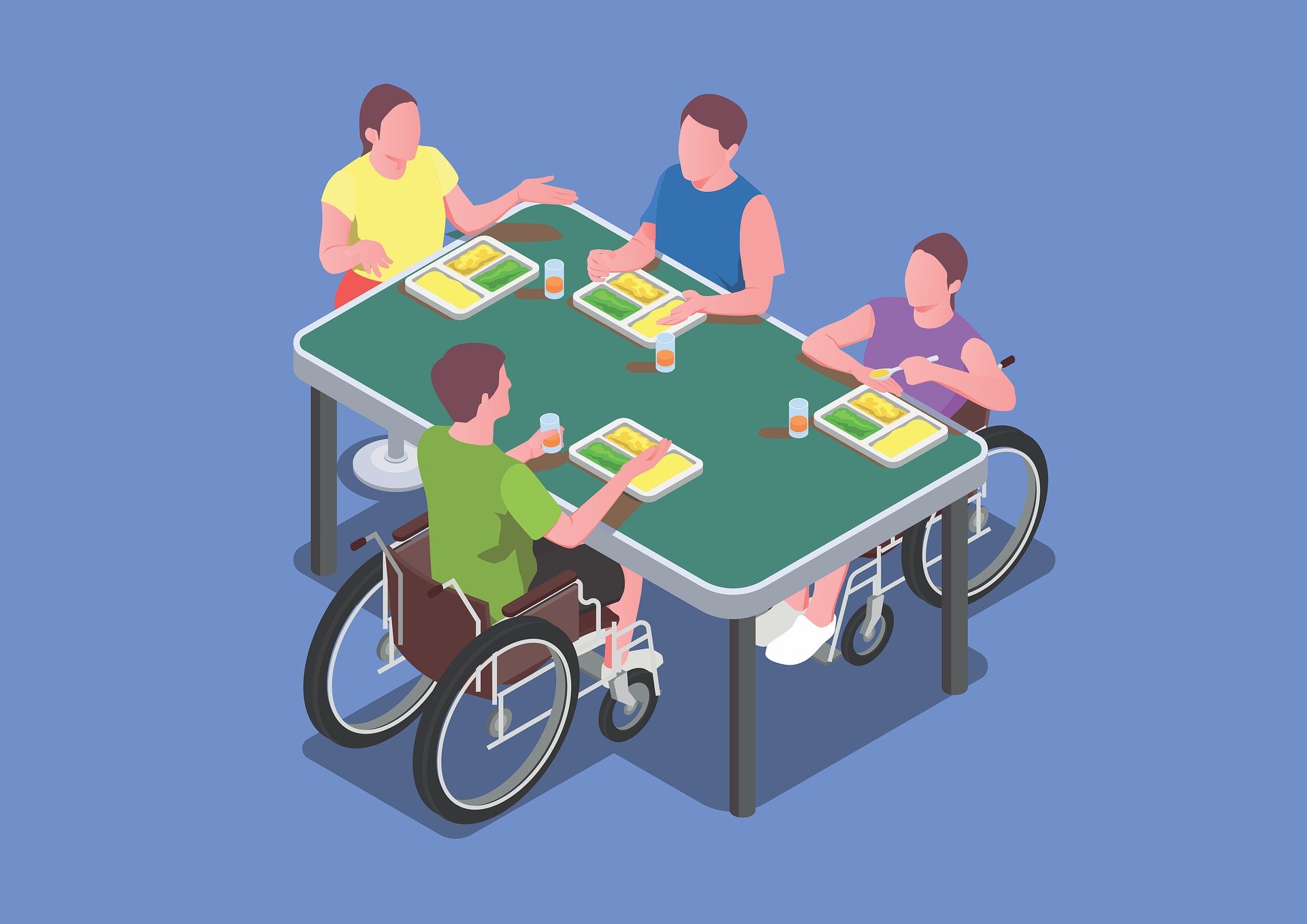
    Communities have come together to help each other out in this time of need. Oftentimes, communities know where to fill in the gaps and be of help to those who are underserved, like the disabled community. Here’s a look into COVID resources for people with disabilities based in Toronto, Ontario.

    Vaccination drives
    https://www.ontariocommunitysupport.ca

    Vaccines are important to stay healthy and keep our communities safe. However, there may be individuals with mobility issues who have problems accessing the vaccine locations in the city. The Ontario Community Support Association recognized that and thus has launched the Accessible Drive-to-Vaccines program. They provide door-to-door rides to vaccination sites so the individuals will be able to go to their vaccination appointments with no issue.

    Meals on Wheels
    https://www.mealsonwheels.ca/  

    With all the lockdowns and restrictions, it had been incredibly challenging for those with mobility issues to obtain meals for their sustenance. These meal deliveries are also a good way to do a health check to maintain the overall well-being of clients. In addition, these also aim to address the food insecurity issues where individuals don’t have access to nutritious food. With these Meals on Wheels programs, the organizers ensure that nutritious meals are delivered.

    Recreational activities
    https://www.toronto.ca/city-government/accessibility-human-rights/accessibility-at-the-city-of-toronto/city-services-for-people-with-disabilities/accessible-recreation/

    Physical activities contribute to one’s overall well-being, which is something we must prioritize during COVID, and thus the City of Toronto has designated at least 12 community centre locations to be accessible to individuals with disabilities. These sites offer specialized programs that encourage people with disabilities to register in activities of their own choosing. Some of the adapted programs and inclusive services include adapted swim lessons or leisure swims, adapted cooking, and adapted adventure camp.

    Arts
    https://www.meetup.com/Living-and-Learning-Enrichment-Center/ 

    Arts can be therapeutic during these hard times of COVID, and there’s a non-profit group that’s dedicated to working with individuals who have disabilities. The events organized aren’t only arts-focused, they also do music appreciation and anime night, which is a hit with the younger set.

    Employment
    https://www.odenetwork.com/

    Organizations like the Ontario Disability Employment Network or ODEN is dedicated to bring businesses together and provide opportunities for job seekers with disabilities. ODEN encourages businesses to apply more inclusivity and diversity in their hiring practices. This is actually a great way for businesses to promote productivity in their company. A study revealed that companies that practice inclusive hiring are likely to see 72 per cent more employee productivity.


    Sources

    CBC. “Pandemic has brought Canadians together, pushed Americans apart, poll suggests.” https://www.cbc.ca/news/health/covid19-pandemic-pew-countries-1.5702522

    ODEN. “Business Benefits.” https://www.odenetwork.com/businesses/business-benefits/

    Rawlinson, Kevin, and Tobi Thomas.”‘I found myself’: how the pandemic brought out the best in people.” The Guardian. https://www.theguardian.com/society/2021/sep/09/i-found-myself-how-covid-pandemic-brought-out-the-best-in-people

    Sing, Nathan. “Demand for Meals on Wheels—and the drivers who make it possible—is soaring.” Maclean’s. https://www.macleans.ca/society/demand-for-meals-on-wheels-and-the-drivers-who-make-it-possible-is-soaring/

    Toronto.ca. “Adaptive and Inclusive Recreation.” https://www.toronto.ca/data/parks/pdf/funguide/ny/NY_Adapted.pdf

  • Pros and Cons of Attending College or University in a Smaller Town

    Pros and Cons of Attending College or University in a Smaller Town

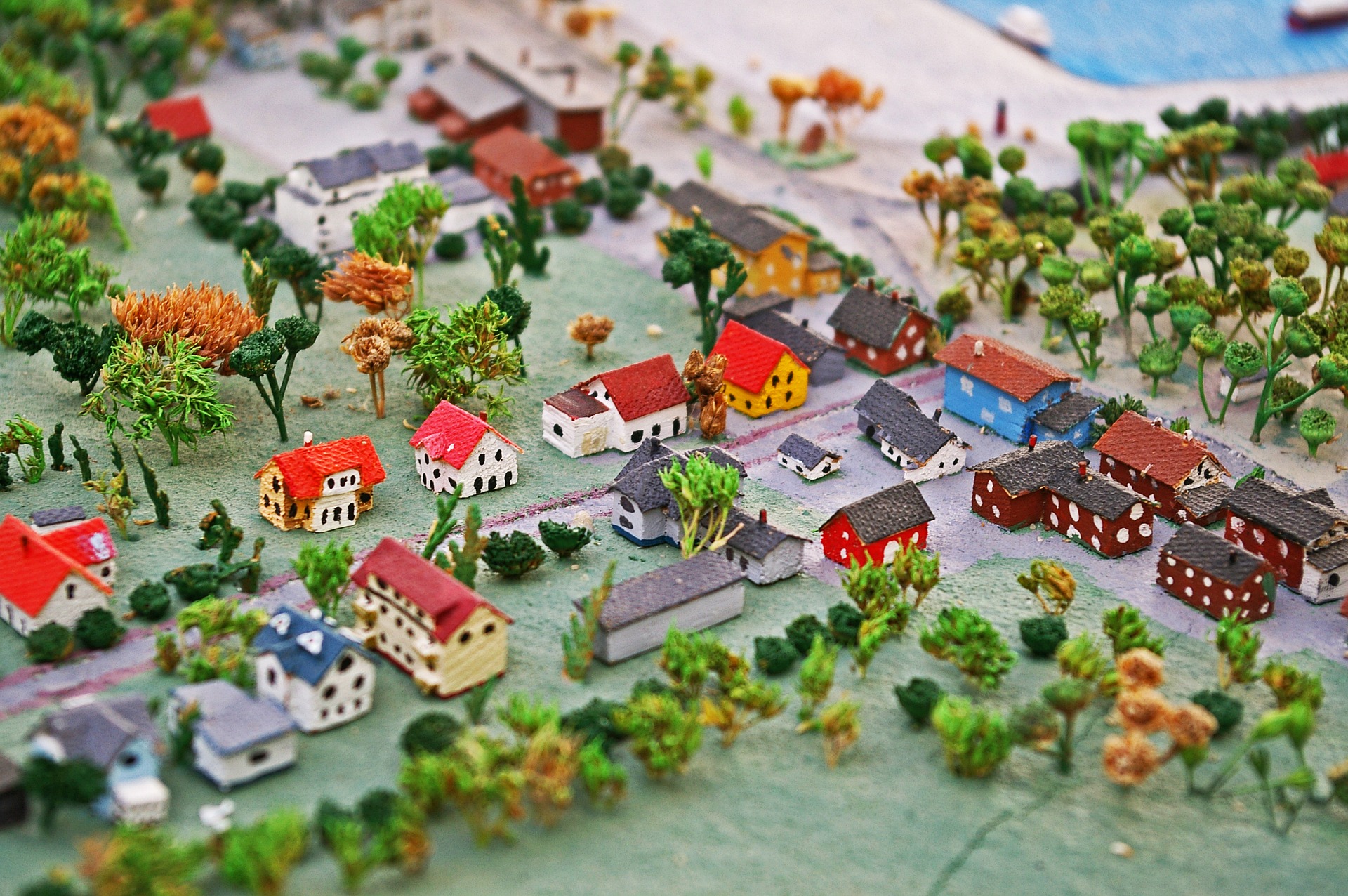
    Movies and television love to depict young people attending college or university in “the big city” where parties, club nights, giant sports games, and crowded campuses are the norm.  However, living in a city isn’t for everyone – sometimes not even for people who already live there.

    Many students want a change of scenery when they go to university or college, including an entirely different place to live.  Plenty of people who grow up in a city environment decide that they would rather live somewhere with a slower pace and smaller population.  Since attending college or university often involves moving away from home anyway, it can make for a good opportunity to move to a smaller town or more rural area.

    Like any other choice of college or university, there are pros and cons to choosing a smaller school in a more rural area over a larger institution in a city.

    Pros

    There are lots of benefits to living in a small community, and many benefits to attending a smaller college or university:

    • Smaller towns are easier to navigate (and harder to get lost in), with fewer streets and smaller blocks. Often the “downtown” area will be primarily in a central location with the majority of shopping, entertainment, and restaurants within an easily walkable distance.  This can be convenient for running errands or attending events, especially for students who don’t own a vehicle.
    • Communities in small towns tend to be close, friendly, and supportive, which can be helpful for students living on their own for the first time. It is often easier to get to know your neighbours, your local store owners, and other students because you will see the same people regularly.
    • Rental and living costs are often much less expensive in small communities and rural areas. This means students who have a limited budget can get “more bang for their buck” when it comes to things like rental housing.

    Smaller colleges and universities — or more likely, satellite campuses to larger city-based universities —also offer a range of benefits to students:

    • Smaller class sizes mean that students have more opportunities to stand out by joining discussions and contributing to group projects. Having fewer students also means that it is easier for students to get one-on-one, face-to-face interactions with their teachers when they need assistance or want to discuss a course assignment in more detail.
    • There is often less competition for popular classes or activities in a smaller school with a smaller student population, which means students have a better chance of getting into the courses and clubs they want on the first try during registration periods.
    • Smaller colleges often have tighter student communities, as students will often share multiple courses each year with familiar faces and get to know the students in their program really well. This can make it easier for students to get to know their classmates and form strong friendships, especially for those who find large crowds and crowded places less than ideal for meeting new people.
    • These days colleges and satellite university campuses offer an education that is just as strong and in-depth as that offered at a larger school. They employ teachers and professors with the same high qualifications and expertise, and these educators in turn offer courses, research programs, and networking opportunities on par with big institutions.  Smaller schools also tend to be less expensive when it comes to tuition, residence fees, and other student expenses.

    Cons

    Before making a decision, there are a few downsides to take into consideration when it comes to moving to a small community to attend a smaller school:

    • Small colleges tend to have fewer school-owned and on-campus housing options, but in a smaller community there may be fewer off-campus rental opportunities, as well. Small towns are less likely to have large apartment complexes, instead offering a mix of small apartment buildings, townhouse rentals, and single rooms in shared houses.
    • Small towns also have fewer entertainment options both on and off campus. Small communities are less likely to have large movie theaters, shopping malls or sports events, and if you are a foodie who likes to visit a new restaurant every weekend, you’re likely to find the options lacking.  Smaller schools may not have much in the way of campus activities or sporting events, and fewer student clubs.  It is also likely that a smaller community will have limited or no public transit available, which can mean that students require a car to get around or do errands.
    • Small colleges might have limited course and program options to choose from, so it is important to make sure your chosen school offers what you want. This can mean limited flexibility for optional courses or program changes.

    Whether you move to a small town for college or stay in the big city will all depend on what you want out of your college experience.  Take the time to research your options and determine which option will give you the education and lifestyle you want!


    Sources

    CollegeRaptor. “Pros & Cons of Small Colleges.” https://www.collegeraptor.com/find-colleges/articles/college-search/pros-cons-small-colleges/

    SchoolFinder. “The Top 3 Reasons to Consider a Small College.” https://www.schoolfinder.com/Discover/Article/1/4877/The-Top-3-Reasons-to-Consider-a-Small-College

    Thaddaeus, Eze. “7 Top Smallest Universities in Canada.” Study Abroad Nations. https://studyabroadnations.com/smallest-universities-in-canada/

  • How to Politely Yet Assertively Say No

    How to Politely Yet Assertively Say No

    By Mara Hurst

    As a people-pleaser, the idea of saying no is not in my vocabulary. Many of us have the same issue. Wanting to help those around us is a seemingly natural instinct and we often do not realize when we are nearing our limit until it is too late. As much as we want to help those around us, it is impossible to care for others if you don’t care for yourself first. This is why learning how to say no in a kind, but assertive way is an extremely important skill.

    A widely asked question is, “Well, why should I say no?” Despite the pushed narrative that saying “yes” leads to opportunities and happiness, saying “no” can do the exact same thing! If you have plans to see movies with your friends, and your uncle asks you to mow his lawn at the same time, what would you prioritize? Saying “no” in that case doesn’t make you a bad person, it means that prioritizing fun and friendship is what you need that day! Saying no gives you the opportunity to take care of yourself and your needs, therefore allowing you to grow more as a person.

    Now for the daunting part, actually saying no. Saying no in a polite and assertive way follows some simple guidelines. The first is to be firm. If you are saying no, you have to mean it. On top of being firm, you should set your boundaries and make sure the person asking something of you is respecting these boundaries. Finally, remain polite and courteous. Saying no does not have to be mean or vicious.

    But, how do you use these guidelines? A fantastic example would be responding to their question with something like this: “I’m really sorry, I have to say no. I am unable to do this for you.” Now this phrasing will not work in every circumstance, but it is a great starting point! In some cases, you may be presented an opportunity where you are willing and capable to complete some tasks, but not all. In this circumstance you can follow the same guidelines as above, saying something like, “I can’t do X, but I am more than happy to do Y and Z.” You are still saying no in a kind manner, while setting your boundaries. Keep in mind that everyone should be respecting the boundaries that you put in place. If they do not respect these boundaries, then there is no reason to feel guilty for saying no. In fact, you should never feel guilty for saying no because you are caring for yourself.

    Saying no is nothing to be afraid of or avoid. Everyone in the world does it. Saying no means you are respecting yourself, and there is nothing wrong with that. In fact, respecting yourself is key to succeeding in life. To quote CEO Warren Buffett, “The difference between successful people and very successful people is that very successful people say no to almost everything.”  Saying no means prioritizing yourself for once and some self-care is what everyone needs. As long as you do it in a respectable way, saying no can be the best choice you can make.


    Sources

    Alpert, Jonathan. “7 Tips for Saying No Effectively.” Inc. https://www.inc.com/jonathan-alpert/7-ways-to-say-no-to-someone-and-not-feel-bad-about-it.html

    Mendelsohn, Pamela. “The Importance of Saying ‘No’.” myTherapyNYC. https://mytherapynyc.com/importance-of-saying-no/

  • Where Should I Study? A List of Top Canadian Universities in 2022

    Where Should I Study? A List of Top Canadian Universities in 2022

    By Olivia Condlln-Wilby

    Many students are anticipating the next step in their journey – whether that means starting post-secondary education, entering the workforce, or taking some time to figure things out. Whatever path you choose, it’s natural to feel overwhelmed by the future – especially given everything that has happened in the world over the past few years. You may be wondering, “what is 2022 going to look like for students?” or “how can I make a decision under such unpredictable circumstances?” This article aims to provide some answers and help you understand the post-secondary options available. You are welcome to use it as a guide as you move forward in your academic career.

    1. Simon Fraser University – Burnaby, British Columbia

    According to Maclean’s, Simon Fraser University (SFU) ranks highly in public reputation, student satisfaction, and access to scholarships. For students interested in sports, it is worth noting that several Olympic Gold medalists – including Justin Kripps and Hayley Wickenheiser – spent time at SFU. In addition, it is the first and only university in Canada to join the National Collegiate Athletic Association.

    In terms of academics, the university offers a wide variety of programs. Students can study education, business, and technology, among other topics. SFU is one of the top research universities in Canada.

    1. University of Victoria – Victoria, British Columbia

    The University of Victoria (UVic) is renowned for its research, faculty, and academic rigour. It is among the top universities in North America for international research collaborations and scientific impact. Furthermore, it houses esteemed research institutions like Ocean Networks Canada and the Pacific Institute for Climate Solutions. If you’re interested in a science degree, UVic might be perfect for you.

    This university is also known for providing quality Indigenous programming. Since 2018, it has consistently been named the number one school in Canada for promoting Indigenous visibility. Students can choose to complete a joint program in Canadian common law and Indigenous legal orders, earning two professional degrees in the process. This is the first program of its kind in the world.

    1. University of Waterloo – Waterloo, Ontario

    The University of Waterloo (UW) excels at setting students up for the workforce. Students have the chance to apply their learning to practical experiences like co-op placements and community service while forming connections with future employers, industry leaders, and professional researchers.

    The school has a network of more than 7,000 employers – the largest of any university in North America. Students can complete multiple paid work terms during their studies, gaining experience in their field and potentially reducing their student debt in the process. As of 2022, UW has the highest graduate employment rate in Canada.

    1. University of Guelph – Guelph, Ontario

    The University of Guelph (UG) offers a wide variety of academic programs, including prestigious degrees in Justice and Legal Studies and Sport and Event Management. It is perhaps best known for its scientific programs, specifically biomedical science and graduate-level veterinary science. In addition, the university’s research primarily focuses on food security, environmental conservation, and sustainable development. If you’re considering a future career in agriculture, medicine, or animal science, this school is an ideal option.

    1. Carleton University – Ottawa, Ontario

    Carleton University offers well-regarded programs in journalism, engineering, and cognitive science. However, its most significant asset is its access to government agencies, local NGOs, and international companies. Many students complete paid co-op placements at Parliament Hill, including roles in administration and policy. Others work for technology companies, laboratories, media outlets, and school boards.

    For students who envision a future in politics or government policy, attending Carleton University places you in the centre of work and volunteer experiences, professional contacts, and research opportunities.


    Sources

    Campbell, T. (2021, October 22nd). 2022 Maclean’s University Rankings: Comprehensive Schools. Maclean’s. https://www.schoolfinder.com/Discover/Article/27/5625/2022-Macleans-University-Rankings-Comprehensive-Schools

    Carleton University. (2022). Co-operative Education. https://carleton.ca/co-op/

    Dwyer, M. (2021, October 7th). Maclean’s University Rankings 2022: Our Methodology. Maclean’s. https://www.macleans.ca/education/macleans-university-rankings-2022-our-methodology/

    Maclean’s. (2022). Carleton University. https://www.macleans.ca/schools/carleton-university/

    Maclean’s. (2022). University of Guelph. https://www.macleans.ca/schools/university-of-guelph/

    QS TopUniversities. (2022). University of Guelph. https://www.topuniversities.com/universities/university-guelph

    QS TopUniversities. (2022). University of Victoria (UVic). https://www.topuniversities.com/universities/university-victoria-uvic#profile-university

    Simon Fraser University. (n.d.). SFU Olympians. https://athletics.sfu.ca/sports/2015/4/25/Clan%20Olympians.aspx

    Simon Fraser University. (n.d.). Who We Are. https://www.sfu.ca/about/whoweare.html

    University of Victoria. (n.d.). Joint Degree Program in Canadian Common Law and Indigenous Legal Orders (JD/JID). https://www.uvic.ca/law/admissions/jidadmissions/index.php

    University of Waterloo. (n.d.). Undergraduate Programs: Co-Op and Careers. https://uwaterloo.ca/future-students/co-op

  • Canadian Resources for Cerebral Palsy

    Canadian Resources for Cerebral Palsy

    What is Cerebral Palsy?

    Cerebral Palsy is an umbrella term for a group of disorders that affect body movement and muscle coordination. The name consists of “cerebral,” meaning “of the brain,” and “palsy,” a lack of muscle control.

    Cerebral Palsy is the most common physical disorder in Canada, affecting over 1 in 500 Canadians. Premature births raise the likelihood of obtaining Cerebral Palsy, which affects up to 1 in 3 premature babies.

    While there are many sources online about Cerebral Palsy in children, it is important to note that Cerebral Palsy is not a condition limited to children. It may be obtained during infancy, but the condition does not go away — there are many adults and elderly individuals with the condition.

    Resources for Cerebral Palsy

    1. Canada-wide

    Cerebral Palsy Canada Network

    The Cerebral Palsy Canada Network, a national initiative of Cerebral Palsy Alberta, is a central portal for provincial Cerebral Palsy organizations. It houses many resources related to Cerebral Palsy and disability organizations, so for the purposes of this article, the primary ones will be highlighted.

    1. Provincial Organizations

    British Columbia

    Cerebral Palsy Association of British Columbia

    Created in 1954, the Cerebral Palsy Association of British Columbia provides people with Cerebral Palsy and their families resources, funding, and programs. One of their programs is “CP Connections,” a program aimed at helping youth with Cerebral Palsy connect with their peers within the province.

    Alberta

    Cerebral Palsy Alberta

    Cerebral Palsy Alberta was founded in 1976. On their website, visitors can read annual reports of the organization or purchase Manimo dolls, plush animals designed to help individuals with sensory conditions.

    Cerebral Palsy Kids and Families (Calgary)

    Since 1951, Cerebral Palsy Kids and Families offers financial support and social programs for children and families.

    Edmonton Cerebral Palsy Association

    This parent-based organization has been helping their community and advocating for the expansion of government services since 1951.

    Saskatchewan

    Cerebral Palsy Saskatchewan

    Founded in 1985, Cerebral Palsy Saskatchewan offers resources and programs like the “Recreational Subsidy Program” to provide individuals with the support they need.

    Manitoba

    Cerebral Palsy Association of Manitoba

    Alongside resources, scholarships, and grants, the Cerebral Palsy Association of Manitoba also hosts a variety of events like “Boccia Night,” “Sledge Hockey in Winkler,” and “Wheelchair Learn to Curl.”

    Ontario

    Ontario Federation for Cerebral Palsy

    The Ontario Federation for Cerebral Palsy was founded in 1947 with the goal of providing “education, therapeutic services, and social activities” for children during a time when schools did not accept children with disabilities. Over the years, the organization has helped many Ontario residents with Cerebral Palsy through education and advocation.

    Québec

    Association de Paralysie Cérébrale du Québec

    APCQ was founded in 1949 and has never stopped championing the rights of people with Cerebral Palsy. In 2019, they organized the first pan-Canadian conference on Cerebral Palsy, bringing together advocates and researchers from all over the country.

    Nova Scotia

    Cerebral Palsy Nova Scotia

    On Cerebral Palsy Nova Scotia’s Facebook page, it provides information about events happening in the region, like local inclusive sports programs for athletes of all abilities.

    Saint John New Brunswick

    Cerebral Palsy Foundation (Saint John) Inc

    This organization helps organize communication aids, mobility aids, and other devices to help people with Cerebral Palsy. They also offer the annual $1,000 Gertrude Aarela Memorial Scholarship, for graduating New Brunswick high school students with Cerebral Palsy; the scholarship grants funds used towards post-secondary education.

    Prince Edward Island

    The Prince Edward Island Cerebral Palsy Association (PEI CIP)

    The PEI CP was introduced in the 1970s but was re-established in 2021. They have partnered with Recreational Respite to allow its members access to programs, recreation activities, and workshops.

    Newfoundland and Labrador

    Cerebral Palsy Association of Newfoundland and Labrador

    The Cerebral Palsy Association of Newfoundland and Labrador was founded in 1963 by Gertrude and Bill Crosbie. They offer the Gertrude Crosbie Memorial Scholarship annually to help one local resident fund post-secondary education. On their website, amongst general resources and services for people with Cerebral Palsy, they list accessible local businesses and media with disability representation.

    1. General Disability Organizations with Resources on Cerebral Palsy

    CanChild

    Located at McMaster University in Hamilton, Ontario, CanChild is a non-profit research and educational centre whose research seeks to improve the lives of children with disabilities. Within their resources page, Cerebral Palsy is among the conditions that they focus on. Website visitors can choose to view only resources on Cerebral Palsy if they wish.


    Sources

    “Accessible Local Businesses.” Cerebral Palsy Association of Newfoundland and Labrador, https://cerebralpalsynl.wixsite.com/cerebralpalsynl/accessible-local-businesses. Accessed 5 Dec. 2021.

    “About | Cerebral Palsy Canada Network.” Cerebral Palsy Canada Network, https://www.cpcanadanetwork.com. Accessed 2 Dec. 2021.

    “About the Ontario Federation for Cerebral Palsy.” Ontario Federation for Cerebral Palsy, https://www.ofcp.ca/about-the-ofcp/. Accessed 5 Dec. 2021.

    “About Us.” Cerebral Palsy Association of Newfoundland and Labrador, https://cerebralpalsynl.wixsite.com/cerebralpalsynl/about-us. Accessed 5 Dec. 2021.

    “About Us.” Saskatchewan Cerebral Palsy Association, https://cpsk.ca/about-us. Accessed 5 Dec. 2021.

    “ANNUAL REPORT | Cerebral Palsy Alberta.” Cerebral Palsy Alberta, https://www.cpalberta.com/annual-report. Accessed 5 Dec. 2021.

    “Cerebral Palsy Association in Alberta.” Alberta Mentoring Partnership, https://albertamentors.ca/amp-partners/cerebral-palsy-association-alberta/. Accessed 5 Dec. 2021.

    Cerebral Palsy Nova Scotia. Facebook. https://www.facebook.com/Cerebral-Palsy-Nova-Scotia-2730744663607780/?ref=page_internal. Accessed 5 Dec. 2021.

    “Cerebral Palsy, What Is It?” Cerebral Palsy Association of BC, https://www.bccerebralpalsy.com/about-us/about-cerebral-palsy/cerebral-palsy/. Accessed 2 Dec. 2021.

    “CP Connections.” Cerebral Palsy Association of BC, https://www.bccerebralpalsy.com/programs/cp-connections/. Accessed 5 Dec. 2021.

    “Discover CanChild | CanChild.” CanChild, https://www.canchild.ca/en/discover-canchild. Accessed 2 Dec. 2021.

    “Do You Know Manimo? – Manimo – Weighted Companion.” Manimo, https://manimo.ca/en/about/. Accessed 5 Dec. 2021.

    “Guide to Cerebral Palsy.” The Cerebral Palsy Association of Manitoba, https://www.cerebralpalsy.mb.ca/about.htm. Accessed 2 Dec. 2021.

    “Home | The Prince Edward Island Cerebral Palsy Association.” The Prince Edward Island Cerebral Palsy Association, https://www.cerebralpalsypei.com. Accessed 5 Dec. 2021.

    “Literature and Media.” Cerebral Palsy Association of Newfoundland and Labrador, https://cerebralpalsynl.wixsite.com/cerebralpalsynl/services-3. Accessed 5 Dec. 2021.

    “Mission & Vision.” Cerebral Palsy Association of BC, https://www.bccerebralpalsy.com/about-us/mission-vision/. Accessed 5 Dec. 2021.

    “Notre histoire – Association de Paralysie Cérébrale du Québec.” Association de Paralysie Cérébrale du Québec, https://paralysiecerebrale.com/notre-histoire/. Accessed 5 Dec. 2021.

    “PEI CP Association.” CanadaHelps, https://www.canadahelps.org/en/charities/prince-edward-island-cerebral-palsy-association/. Accessed 5 Dec. 2021.

    “Rec. Subsidy Program | Saskatchewan Cerebral Palsy Association.” Saskatchewan Cerebral Palsy Association, https://cpsk.ca/rec-subsidy-program. Accessed 5 Dec. 2021.

    “Services.” Cerebral Palsy Association of Newfoundland and Labrador, https://cerebralpalsynl.wixsite.com/cerebralpalsynl/services-9. Accessed 5 Dec. 2021.

    “Upcoming Events.” The Cerebral Palsy Association of Manitoba, https://www.cerebralpalsy.mb.ca/events.htm. Accessed 5 Dec. 2021.

    “Virtual Respite and Group Programs.” Respite Services, https://www.recrespite.com/virtual-services/. Accessed 5 Dec. 2021.

    “What Is CP? | Cerebral Palsy Association of Newfoundland and Labrador.” Cerebral Palsy Association of Newfoundland and Labrador, https://cerebralpalsynl.wixsite.com/cerebralpalsynl/what-is-cp. Accessed 2 Dec. 2021.

    “What We Do.” Cerebral Palsy Foundation (Saint John) Inc., http://www.cpfsj.ca/what_we_do.htm. Accessed 5 Dec. 2021.

  • Cyberbullying: Difference from In-Person Bullying and How to Help Someone Who is Being Cyberbullied

    Cyberbullying: Difference from In-Person Bullying and How to Help Someone Who is Being Cyberbullied

    You may have heard of the term “cyberbullying”. If not, you are probably wondering what it means. To understand what cyberbullying is, you should know what bullying is first. So, let’s refresh your memory.

    Bullying is when someone repeatedly hurts someone else. There are many types of bullying but two of the most common types are verbal and physical. Verbal bullying involves name-calling, teasing, and insulting. Physical bullying includes pushing, hitting, kicking, and stealing/ruining your belongings.

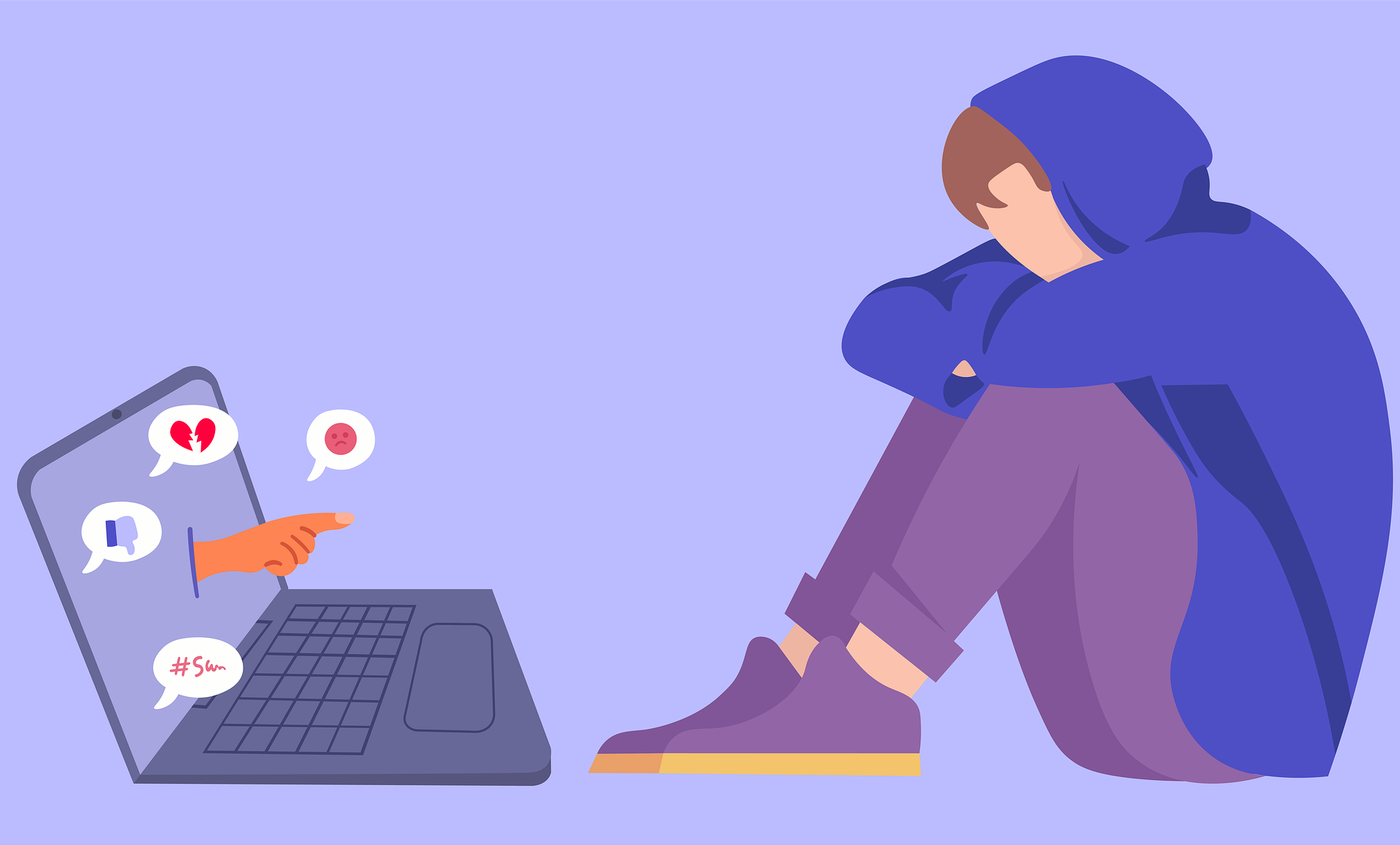
    Cyberbullying is another type of bullying except it is done online. The bully could post online threats or messages as well as the victim’s personal information, pictures, or videos. Although cyberbullying and in-person bullying are similar in many ways, they also have many differences.

    How is Cyberbullying Different from In-Person Bullying?

    • The Bully Can Be Anonymous

    With cyberbullying, you may not know who the person bullying you is. Fake profiles and accounts can easily be made. When bullying is done in person, the victim knows who their bully is.

    • Cyberbullying Can Take Place Anywhere and at Anytime

    Cyberbullying can be done anywhere and at any time as long as there is internet access. It could even take place while you are in the privacy of your own home. In-person bullying is usually done at school and the bully has to be in the same place as the victim at the same time.

    • Cyberbullying Can Go Viral

    Online posts can go viral and be continuously forwarded to potentially thousands of people. These posts are often referred to as ‘memes’. This type of bullying could be more humiliating because the post can be circulated throughout many social media platforms.

    • Cyberbullies Usually Feel Less Guilt

    Since cyberbullying is not done face-to-face, the bully is less likely to feel guilty for their actions. They may not realize their actions are affecting someone else. This could result in the bully being more aggressive.

    What Are the Effects of Cyberbullying?

    Cyberbullying and in-person bullying have similar effects on the victim. They could be physical, mental, or emotional. Those who are being bullied usually experience loneliness, changes in eating and sleeping patterns, and a loss of interest in activities they would have usually enjoyed. They are more likely to avoid going to school or even drop out. With constant bullying, the victim may develop mental health problems such as depression, anxiety, low self-esteem, or post-traumatic stress disorder (PTSD).

    In some cases, cyberbullying may be more intense than in-person bullying. This is because cyberbullying can be done anonymously, at any time, and could be seen by thousands of people if it goes viral. This makes the victim feel like they have no escape and seem as if they aren’t safe in their own home.

    How Can You Help Someone Who Is Being Cyberbullied?

    • Tell Someone

    If someone is being cyberbullied, a trusted adult should be told. Bullying can get worse so it is best to tell someone about it as soon as possible. This will allow them to be able to help you before the bullying escalates.

    • Save the Evidence

    Since cyberbullying is done online, you can capture and save the evidence. You could use the proof to report the bullying to someone you trust. If needed, it could also be used to take legal action.

    • Don’t Respond to the Bully

    Responding to the bully may not be a good idea. It could make the situation worse. Ignoring the bully is a good way to take away their power. Report them to the social media site, block them, and try to find something to distract you. Read a book, watch a movie, or spend time with friends and family.

    Remember that it is not the victim’s fault. The bully might make it seem like it is, but it is not. If someone tells you they are being bullied, believe them and try your best to help them out.


    Resources

    Ben-Joseph, Elana Pearl. “Cyberbullying.” KidsHealth. https://kidshealth.org/en/teens/cyberbullying.html

    ConnectSafely. “Tips to Help Stop Cyberbullying.” https://www.connectsafely.org/tips-to-help-stop-cyberbullying/

    Online Sense. “5 Differences Between Cyber Bullying and Traditional Bullying.” https://onlinesense.org/5-differences-cyber-bullying-traditional-bullying/

    Robinson, Lawrence, and Jeanne Segal. “Bullying and Cyberbullying.” HelpGuide. https://www.helpguide.org/articles/abuse/bullying-and-cyberbullying.htm

    UNICEF. “Cyberbullying: What is it and how to stop it.” https://www.unicef.org/end-violence/how-to-stop-cyberbullying

  • Why Lego Isn’t Just for Little Kids: The Mental Health Benefits of Playing and Building with Lego

    Why Lego Isn’t Just for Little Kids: The Mental Health Benefits of Playing and Building with Lego

    Imagine your parents or grandparents buying sets of Lego bricks to make their own buildings and streets. You might wonder if they have forgotten their age and returned to childhood. In the past, Lego was a toy mainly for young children. These days, however, adults are discovering that playing and building with Lego can have many mental health benefits. Soon, teens and adults might be the main users of this toy.

    Lego has a long history. In 1932, a man from Denmark named Ole Kirk Kristiansen began making brightly-coloured bricks which lock together. He got the name “Lego” from two Danish words that mean “play well.” The bricks soon became popular with children around the world. Putting the bricks together helped them develop the skills and muscles that they would later need for writing. It taught them colours, sizes, and much more.

    For many years, Lego was a standard childhood toy. However, video games and other online activities started to take children away from playing with bricks. The Lego manufacturers started adding options that might appeal to older people, such as themes relating to popular television programs.

    The Lego company struggled financially during the 1990s, but it is doing better now because of adults. Besides the television- or movie-based themes, Lego bricks offer something that many adults can appreciate. One of the benefits of Lego is developing better motor skills. Putting the bricks together requires people to coordinate what they see with what their hands do. The pieces are often quite small, and being able to put them together requires steady hands and an ability to handle pieces of different sizes. Although these kinds of skills usually develop in childhood, adults can also benefit from extra practice.

    Repeating the same motion over and over can benefit the mind, as well. People need to think about what they are doing, but not enough that they are distracted from other tasks. The repetition can even focus the mind so that people can think about something else, even while they are choosing the next brick to use. It can also be a good relaxation tool for busy people who want something to take their minds off their daily work.

    Even as they relax, adults can learn new skills from working with Lego. Building complicated structures requires problem-solving abilities. People need to plan and to be able to choose the right size of bricks for what they want to build. It is important to know how to create a strong base for the structure and to understand how the different parts fit together best. These types of skills are very useful for jobs in the science, technology, engineering, and mathematics (STEM) fields.

    Although the problem-solving aspects of working with Lego tend to be most useful in the STEM fields, the process also involves creativity that can be useful in the Arts. Building a structure involves imagining what it might look like and then working through the steps to finish the project. Often, this involves imagining how the structure might look when it is finished, a process that depends on creativity.

    With all of these benefits, building with Lego is no longer just for children. These days, adults are realizing what they can achieve through this activity, and Lego is becoming a toy for any age.


    Bibliography:

    Bhattarai, Abha. “Lego Sets Its Sights on a Growing Market: Stressed-out Adults.” https://www.washingtonpost.com/business/2020/01/16/legos-toys-for-stressed-adults/.

    Cavagnara, Hank. “Adults may see mental health benefits from playing with LEGOs.” https://www.kvue.com/article/news/health/adults-may-see-mental-health-benefits-from-playing-with-legos/269-41c6ecb9-f498-4c17-b06d-0edc0f83f5ac.

    Groenewald, Retha. “Some Surprising Benefits of LEGO.” https://www.fractuslearning.com/some-surprising-benefits-of-lego/.

    The Guardian. “The Guardian View on Lego for Adults: Play is a Serious Business.” https://www.theguardian.com/commentisfree/2020/jan/17/the-guardian-view-on-lego-for-adults-play-is-a-serious-business.

    LEGO.com. “The Lego Group History.” https://www.lego.com/en-us/aboutus/lego-group/the-lego-group-history/.

  • Social Anxiety vs. Social Distancing: Tackling Them Both

    Social Anxiety vs. Social Distancing: Tackling Them Both

    It’s hard to believe that we are now heading into the second year of the COVID-19 pandemic, but here we are. It’s been nearly two years of social distancing: online classes, working from home, and ordering in. Life without masks feels as though it was a million years ago! However, as restrictions are beginning to lift a little as things return to a sense of normalcy, we are now starting to see the many effects that social distancing has had on the mental health of all those involved. One thing that we never anticipated was the impact that social distancing would have on one’s social anxiety, and how it can play a part in worsening it.

    If you didn’t know, social anxiety is an incessant fear of being embarrassed or humiliated. It can include many symptoms such as shaking, avoiding eye contact, overthinking, and intense feelings of loneliness (Caporuscio 2020). Oftentimes, a person with social anxiety will purposely avoid socializing altogether to ensure that their fears do not come true. That said, you can see how social distancing would appear as a godsend for someone with social anxiety. Even so, studies have shown that avoiding social interaction is a major component in prolonging and sustaining social anxiety.

    Let’s make something clear: anxiety is not necessarily something that you can simply overcome. Sure, it’s fear and the way to get through fear is to overcome it, right? Not exactly – there’s more to it than that. Anxiety is not just feeling afraid, it’s the shaking, the overthinking, and persistent worrying. Personally, I struggle a lot with social anxiety. I was happy to be home for the first few weeks of the pandemic and take some time to myself, but it eventually took a toll on me. For instance, now I feel like I care more about people than I did before.

    One of the only ways to communicate during COVID has been through text, and it’s extremely hard to get to know someone properly just through those elements. Plus, the stress of the pandemic has made talking to people just seem plain scary as I end up worrying about my own health and safety. Social anxiety while social distancing is difficult; you worry about being judged AND getting sick. Needless to say, it’s a heavy weight to carry all at once. But you should know that you’re not alone. If you are afraid of socializing, that does not make you weird. It’s completely normal to experience social anxiety, especially now. Below, I have included some tips on how you can cope with worsening social anxiety due to social distancing.

    Keep Socializing. (Yes, you read that right.)

    There’s a good reason why you aren’t on this Earth alone; socializing is a key factor of being human. Staying isolated can have an extremely negative affect on your mental health and well-being. It can give you a sense of belonging and reliability. However, remember to take it slow. Start by pushing yourself little by little; video chat with friends, or stay connected through phone or by text. When someone eventually asks you to hang out in person, make sure that it’s somewhere you feel secure. Even if you’re not ready to see anyone in person, you can stick to online communication. If you’re in online school, I’d recommend participating in the chats on your Zoom meetings or even just complimenting someone. Usually there are group chats and everyone includes their social media usernames, making a point of following them and getting to know people. Even if they’re small steps, every single one counts.

    Take a Step Back.

    Be gentle with yourself. Socializing when you have social anxiety and have been living in a pandemic is terrifying. Don’t be so hard on yourself if you’re feeling too anxious to leave the house, but also be careful not to let that become a habit. The hardest thing about anxiety is that it requires you to push yourself. But on those days when you know you’re unable to push yourself, take care to take a step back. As important as socializing is, make time for some self-care, whether it’s just watching a movie or applying a face mask. 

    Remember, You Are Not Your Thoughts!

    If there’s one thing that I know for sure about social anxiety, it’s that it can make you feel incredibly alone and isolated. It plants these ideas in your mind that people are judging you, and that no one likes you, when none of that is true. You must realize that anxiety is the biggest liar of all. You are anything but what it says you are.


    Reach Out for Help Here! Visit https://kidshelpphone.ca/call? 


    References

    Caporuscio, Jessica. “How the COVID-19 Pandemic Affects People with Social Anxiety.” MedicalNewsToday, Healthline Media, 13 May 2020. https://www.medicalnewstoday.com/articles/social-anxiety-and-covid-19.